

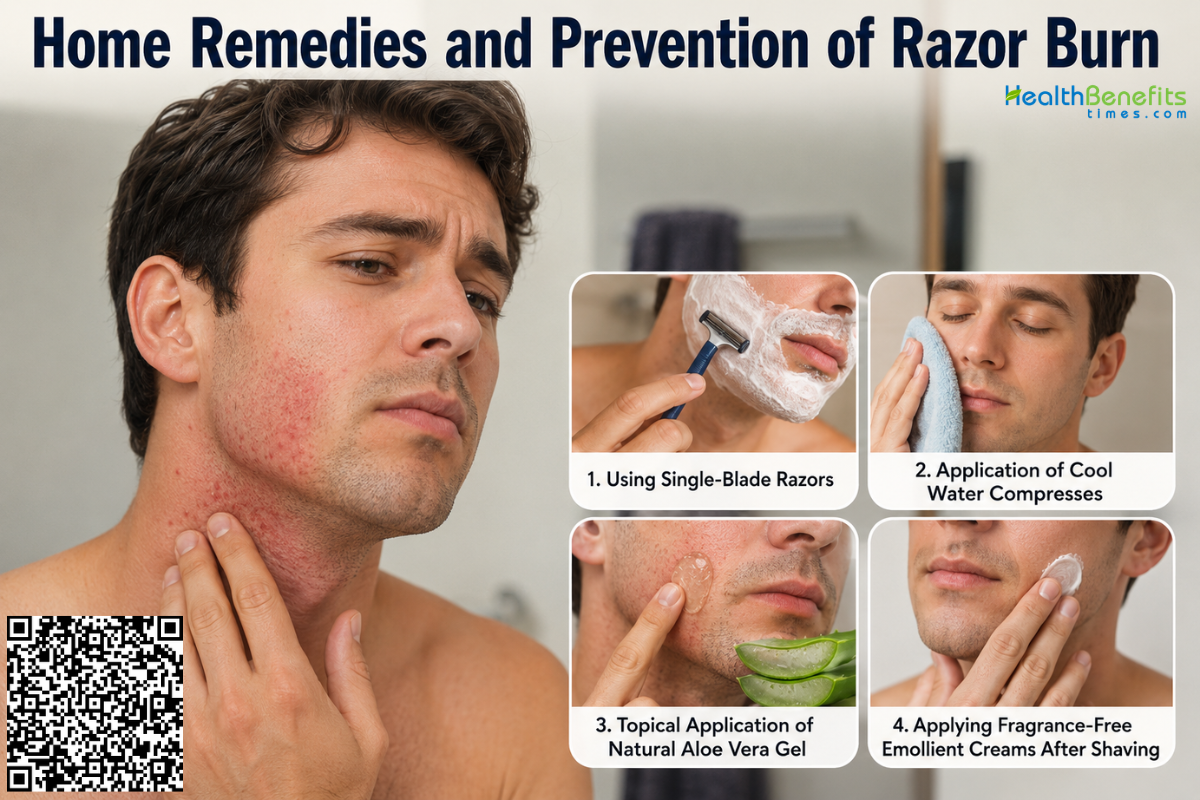
Razor burn is an acute skin irritation that develops immediately after shaving. Clinically classified as a form of irritant contact dermatitis, this condition occurs when a razor blade excessively strips away the outermost protective layer of the skin, creating microscopic abrasions 1. This physical trauma is frequently triggered by using dull blades, shaving without proper lubrication, or applying excessive pressure to the skin during hair removal 2. The resulting epidermal damage initiates a rapid immune response, leading to localized redness, a severe burning sensation, and heightened tissue tenderness 1. While the acute inflammation typically resolves without medical intervention within a few days, repeated friction before the cellular barrier fully recovers can disrupt natural hair follicle pathways, occasionally progressing into chronic inflammatory conditions such as painful ingrown hairs 3.
Causes of Razor Burn
1. Using Dull or Damaged Razor Blades
A worn blade requires significantly more physical force to slice through hair, causing the razor to pull and tear the hair shaft rather than cutting it cleanly. This aggressive mechanical friction directly damages the outermost layer of the skin and triggers an immediate inflammatory response 1.
2. Shaving Without Proper Lubrication (Dry Shaving)
Removing hair on completely dry skin or without a protective layer of shaving cream drastically increases the harsh friction between the metal blade and the skin surface. The lack of this lubricating moisture barrier causes the blade to create microscopic scrapes across the epidermis, leading to severe irritation 4.
3. Shaving Against the Direction of Hair Growth
Dragging a razor in the opposite direction of the natural hair grain aggressively pulls the hair shaft upward before slicing it. This unnatural tension severely traumatizes the delicate tissue surrounding the base of the hair follicle, resulting in acute redness and increasing the risk of subsequent ingrown hairs 3.
4. Applying Excessive Pressure and Repeated Strokes
Pressing the razor heavily into the skin or passing the blade over the exact same area multiple times physically strips away healthy skin cells along with the targeted hair. This repetitive physical trauma breaks down the cellular defense barrier, causing immediate burning pain and localized contact dermatitis 1.
Symptoms of Razor Burn
1. Redness and Inflammation (Erythema)
The aggressive scraping of the razor blade physically traumatizes the epidermis, triggering localized blood vessel dilation that produces a highly visible red, blotchy rash across the shaved area 1.
2. Burning and Stinging Sensation
Stripping away the skin’s protective outer cells immediately exposes sensitive underlying nerve endings to air, friction, and topical products, resulting in an acute, hot, stinging pain 1.
3. Severe Itching (Pruritus)
As the body initiates an inflammatory immune response to repair the microscopic skin damage, local tissues release chemical mediators that create a persistent and intense urge to scratch the affected area 5.
4. Mild Swelling (Edema)
The mechanical injury inflicted by the metal blade causes surrounding blood vessels to temporarily leak fluid into the damaged tissue, leading to localized puffiness and heightened tenderness to the touch 1.
5. Microscopic Bleeding and Abrasions
Harsh friction, particularly from unlubricated or dull blades, frequently creates tiny surface tears along the skin that can produce pinpoint bleeding and severely compromise the skin’s natural barrier 1.
Home Remedies and Prevention of Razor Burn
1. Softening Hair with Warm Water Before Shaving
How it may help
Exposing hair to warm water directly hydrates the dense keratin proteins within the hair shaft. This process forces the hair to physically swell and soften, which significantly lowers the mechanical force needed to slice through it. Consequently, this simple preparation actively minimizes harsh blade friction against the delicate skin 2.
What research says
Clinical dermatology studies confirm that adequate pre-hydration decreases hair tensile strength substantially. Research concludes that this structural softening actively stops the razor blade from dragging and pulling on the hair follicle, which significantly prevents the epidermal micro-trauma and acute local inflammation that directly cause razor burn 2.
How to use it safely
You should soak the targeted skin area continuously with comfortably warm water for three to five minutes prior to shaving. Performing your shaving routine at the end of a warm shower naturally ensures maximum keratin hydration for a much safer, cleaner cut 3.
Potential precautions or side effects
You must strictly avoid using scalding hot water. Extreme temperatures rapidly strip natural protective lipid oils from the epidermis, which severely degrades the cellular barrier and strongly increases post-shave irritation 1.
2. Application of Protective Shaving Gels and Creams
How it may help
Shaving gels and creams create a slick, protective physical barrier between the sharp metal blade and the delicate epidermis. This thick lubrication significantly reduces harsh mechanical friction, allowing the razor to glide smoothly over the surface rather than scraping and damaging the outermost skin cells 2.
What research says
Clinical dermatology reviews demonstrate that utilizing lubricating shave preparations drastically decreases the incidence of irritant contact dermatitis. Research confirms that these protective barriers effectively prevent the microscopic abrasions and subsequent severe inflammatory responses that directly cause acute razor burn 3.
How to use it safely
You should apply a thick, even layer of shaving gel or cream to completely cover wet hair. Allow the product to sit on your skin for at least one minute before shaving to ensure maximum structural softening and barrier protection 4.
Potential precautions or side effects
You must avoid shaving creams containing artificial fragrances or alcohol. These synthetic additives frequently trigger painful burning sensations and severe allergic contact dermatitis on freshly shaved, vulnerable skin 1.
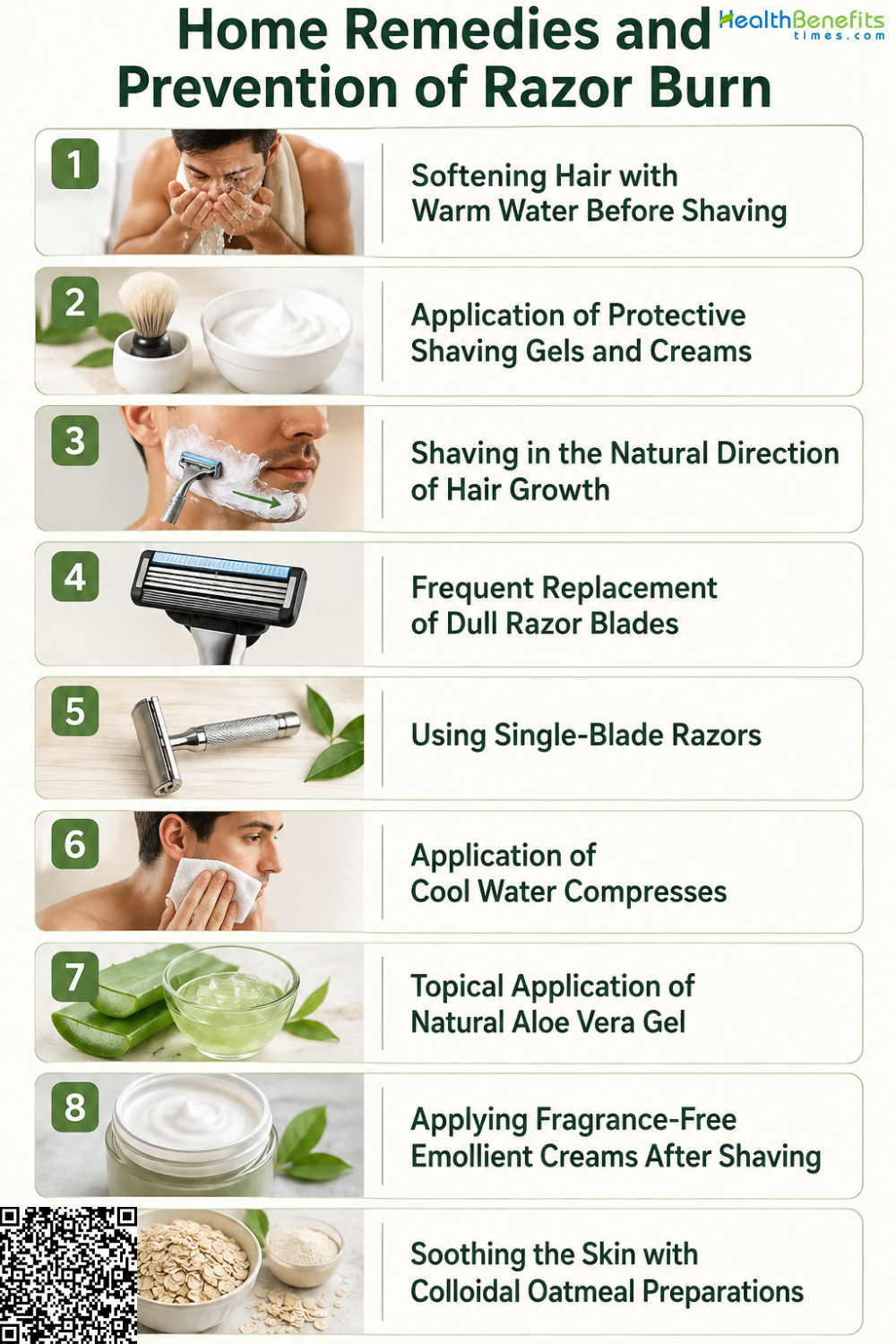
3. Shaving in the Natural Direction of Hair Growth
How it may help
Shaving in the natural direction of hair growth reduces friction between the blade and the skin. This technique prevents the hair from being pulled or cut below the skin level. By leaving a blunt hair tip rather than a sharp angle, it stops hairs from curling back into the skin, which directly prevents the irritation known as razor burn 6.
What research says
Clinical guidelines consistently advise against shaving against the grain. Research shows that shaving in the direction of hair growth significantly lowers the risk of razor bumps. Dermatologists confirm that following hair direction reduces micro-tears in the outer skin layer, preventing inflammation and bacterial entry while maintaining a healthy skin barrier 7.
How to use it safely
To practice this safely, observe which way your hair naturally lays. Apply a protective shaving gel to soften the area. Gently glide a clean, sharp razor over your skin in that same direction using short strokes. Do not pull the skin tight or press the blade firmly 8.
Potential precautions or side effects
This method is entirely safe but may result in a less close shave. You might need to shave more frequently to maintain smoothness without risking skin irritation and redness 8.
4. Frequent Replacement of Dull Razor Blades
How it may help
Replacing dull razor blades ensures a clean cut across the hair shaft rather than pulling or tearing the hair. Dull blades drag across the skin, requiring multiple passes that create micro-abrasions. This excessive friction damages the outer skin layer, leading directly to the inflammation, redness, and discomfort commonly known as razor burn 6.
What research says
Dermatological studies conclude that dull blades significantly increase skin damage and the risk of razor bumps. Furthermore, prolonged use of the same blade allows harmful bacteria to accumulate on the metal. When bacteria enter tiny skin tears caused by dull edges, it triggers severe inflammation and localized infections 8.
How to use it safely
You should replace your razor blade after five to seven shaves, or immediately if you feel it dragging against your skin. Always store your razor in a completely dry environment between uses to prevent rust and bacterial growth, ensuring a safe and clean shave every time 6.
Potential precautions or side effects
Frequent blade replacement carries no medical side effects. However, always dispose of used blades safely in a puncture-proof container to prevent accidental cuts and the transmission of bloodborne pathogens 9.
5. Using Single-Blade Razors
How it may help
Using a single-blade razor prevents hair from being pulled and cut beneath the skin surface. Multi-blade razors often lift hairs before cutting them, causing the hair to retract and become trapped underground. A single blade cuts cleanly at the surface, eliminating this trapping mechanism and reducing friction-induced inflammation 8.
What research says
Dermatological studies confirm that multi-blade razors significantly increase the risk of razor bumps. Research concludes that by cutting hair exactly at the skin level rather than below it, single-blade razors preserve the outer skin barrier and drastically lower the occurrence of skin irritation and inflammatory lesions 6.
How to use it safely
To use a single-blade razor safely, you should hold the handle at a thirty-degree angle to your skin. Apply a thick shaving cream to lubricate the area. Use short, gentle strokes without applying downward pressure, allowing the weight of the razor to do the cutting 8.
Potential precautions or side effects
Single-blade razors require more practice. You may experience minor cuts during the initial learning period, and the resulting shave might feel slightly less smooth than with multi-blade devices 6.
6. Application of Cool Water Compresses
How it may help
Applying a cool water compress directly targets the physical symptoms of razor burn. The cold temperature narrows superficial blood vessels, which immediately reduces redness and swelling. Additionally, the cooling effect numbs irritated nerve endings, providing rapid relief from the burning sensation and itching associated with microscopic skin damage 10.
What research says
Clinical studies demonstrate that localized cold therapy effectively lowers tissue temperature and decreases blood flow. This narrowing of blood vessels suppresses the inflammatory response in damaged skin tissues. Researchers confirm that brief cold application is a reliable, evidence-based method to rapidly reduce acute skin swelling and redness after minor injuries 11.
How to use it safely
You should soak a soft, clean cloth in cool tap water and wring out the excess. Gently press the damp cloth against your irritated skin for ten to fifteen minutes. You can repeat this process safely, ensuring the cloth is washed between uses to prevent bacterial infections 12.
Potential precautions or side effects
You must never apply raw ice directly to your skin, as extreme cold can cause severe tissue damage. Limit applications to brief periods to avoid disrupting normal local blood circulation 13.
7. Topical Application of Natural Aloe Vera Gel
How it may help
Natural aloe vera gel provides immediate cooling relief to skin damaged by shaving. The gel forms a protective moisture barrier over micro-abrasions, preventing dryness and further irritation. Its hydrating properties soothe the burning sensation and help restore the compromised skin surface following razor friction 14.
What research says
Clinical studies confirm that aloe vera contains active compounds, such as aloin and salicylic acid, which exhibit strong anti-inflammatory properties. Research concludes that topical application of the plant extract significantly reduces skin redness, accelerates the healing of superficial wounds, and decreases localized inflammation 14.
How to use it safely
You should apply a thin layer of pure, fragrance-free aloe vera gel directly to the clean, dry area after shaving. Gently massage it into your skin until absorbed. You can safely reapply it twice daily to maintain hydration and promote healing 6.
Potential precautions or side effects
You may occasionally experience allergic contact dermatitis. Before widespread application, you should perform a small patch test on your skin to check for abnormal itching, stinging, or increased redness 15.
8. Applying Fragrance-Free Emollient Creams After Shaving
How it may help
Emollient creams restore the natural skin barrier stripped away during shaving. Fragrance-free formulas provide essential moisture to compromised skin without introducing irritating chemicals. By sealing in hydration, these creams soothe the burning sensation and prevent the severe dryness that frequently worsens razor burn symptoms 16.
What research says
Dermatological research concludes that emollients effectively repair the skin’s protective layer and decrease water loss after mechanical damage. Clinical studies confirm that avoiding added fragrances significantly reduces the risk of allergic contact dermatitis, as artificial scents frequently trigger severe inflammation in freshly shaved skin 16.
How to use it safely
You should pat your skin gently with a clean towel immediately after shaving, leaving it slightly damp. Apply an even layer of a fragrance-free emollient cream directly to the shaved area, gently rubbing it into your skin until it is completely absorbed 6.
Potential precautions or side effects
You might occasionally experience clogged pores if the cream is too thick. Discontinue use immediately if you develop new rashes, hives, or worsening skin redness 16.
9. Soothing the Skin with Colloidal Oatmeal Preparations
How it may help
Colloidal oatmeal binds to the skin and creates a protective barrier that seals in moisture. This mechanism prevents water loss and directly soothes the severe dryness caused by shaving. Its natural cleansing properties also remove dead cells without aggressive scrubbing, reducing friction on freshly shaved areas 17.
What research says
Clinical studies demonstrate that colloidal oatmeal contains specific antioxidants and anti-inflammatory compounds called avenanthramides. Research concludes that these active components significantly inhibit the release of inflammatory chemicals, directly reducing the redness, intense itching, and swelling associated with compromised skin barriers and superficial mechanical damage 18.
How to use it safely
You should apply a commercially prepared, fragrance-free colloidal oatmeal lotion directly to the shaved area, or mix colloidal oatmeal powder into lukewarm water to form a paste. Let it sit for ten minutes before gently rinsing and patting your skin dry 17.
Potential precautions or side effects
Colloidal oatmeal is generally safe, but rare allergic contact dermatitis can occur. You must stop use immediately if you develop severe redness, worsening hives, or increased stinging after application 19.
When to see Doctor when you struggle from Razor burn
While razor burn typically resolves with simple home care, severe or persistent symptoms indicate a secondary bacterial infection or a chronic inflammatory condition requiring medical intervention. You should consult a healthcare provider if you experience specific warning signs that suggest the condition has progressed beyond standard superficial irritation 20.
- Pus-filled Blisters: Seek medical care if bumps develop pus or become large, painful boils. This indicates a bacterial infection, commonly staphylococcus, which requires prescription antibiotics 20.
- Spreading Redness and Warmth: If the red area expands rapidly, feels hot, or becomes increasingly painful, it may signal cellulitis, a serious deep skin infection 21.
- Systemic Fever or Chills: Developing a fever alongside skin irritation suggests the localized infection may be spreading. This requires immediate clinical evaluation to prevent severe systemic complications 20.
- Chronic Persistence: If symptoms do not improve after two to three weeks of home treatment, a doctor can prescribe topical steroids or antimicrobials to resolve the inflammation 8.
- Frequent Recurrence: Constant razor bumps that cause permanent scarring or dark skin spots require clinical management. A doctor can recommend medical-grade hair removal methods like laser therapy 8.