


Chest congestion is a respiratory condition marked by an accumulation of fluid and thick mucus in the lower airways of the lungs. This excessive mucus production is primarily an inflammatory response triggered by viral infections, such as those responsible for the common cold, influenza, or acute bronchitis 1. When a virus enters the respiratory system, the lung airways swell and secrete a sticky fluid to trap the pathogen 1. As the mucus builds up, it narrows the air passages, leading to a heavy, tight sensation in the chest. To clear this blockage, the body naturally induces a productive, wet cough to expel the trapped fluids. While most viral chest congestion resolves on its own without antibiotics, symptoms persisting beyond three weeks or accompanied by a high fever may indicate a more severe underlying infection requiring further medical evaluation 1.
Causes of Chest Congestion
1. Viral Respiratory Infections
The most frequent causes of sudden chest congestion are viruses, including the common cold, influenza (flu), respiratory syncytial virus (RSV), and acute bronchitis. When these viruses infect the respiratory tract, they inflame the bronchial tubes, prompting the body to secrete excess mucus to trap the invading germs 1.
2. Bacterial Infections
Lower respiratory tract infections, such as bacterial pneumonia, trigger severe chest congestion. During a pneumonia infection, the tiny air sacs in the lungs become severely inflamed and fill with thick fluid or pus, which blocks normal airflow and causes a deep, productive cough 2.
3. Chronic Lung Diseases
Long-term respiratory conditions frequently cause ongoing or recurring congestion. Chronic Obstructive Pulmonary Disease (COPD) involves progressive lung damage that leads to continuous airway inflammation and persistent daily mucus overproduction 3. Similarly, asthma causes the airways to swell, narrow, and produce extra fluid, trapping mucus inside the lungs 4.
4. Environmental Allergens and Irritants
Inhaling harsh substances such as cigarette smoke, chemical fumes, dust mites, or airborne pollen severely irritates the lung lining. The respiratory system reacts to these foreign particles by producing a surge of mucus to coat and flush out the irritants, leading to a feeling of tightness and congestion.
5. Heart Conditions
Chest congestion can also stem from cardiovascular failure rather than a primary lung disease. In congestive heart failure, the heart muscle is too weak to pump blood efficiently, causing blood and fluid to back up into the veins of the lungs and leak into the air sacs, a serious medical condition known as pulmonary edema 5.
Symptoms of Chest Congestion
- Productive Cough: The primary symptom is a persistent, wet cough that expels thick mucus or phlegm from the lungs. This coughing reflex is the natural mechanism the body uses to clear excess fluid from the blocked lower airways 1.
- Chest Tightness and Pressure: Individuals often feel a heavy, squeezing sensation or deep soreness in the chest. This discomfort is caused by severe inflammation in the lung tissues and the physical muscle strain from repeated, forceful coughing 1.
- Wheezing: Breathing may produce a high-pitched, whistling sound, most noticeably when exhaling. This noise occurs because air is being forced through respiratory passages that are significantly narrowed by swelling and sticky mucus buildup 6.
- Shortness of Breath: As fluid physically blocks the bronchial tubes in the lungs, normal airflow is restricted. This lack of clear airway space makes breathing feel difficult, labored, or unusually fast, even during light physical activity 6.
- Fatigue: The extra physical effort required to continuously draw air through congested lungs, combined with the sleep disruption caused by nighttime coughing, frequently leaves individuals feeling physically exhausted and weak.
Home Remedies for Chest Congestion
1. Using a Clean, Cool Mist Humidifier
How it may help:
A cool mist humidifier adds continuous moisture to indoor air. Inhaling this moist air helps hydrate and thin the thick, sticky mucus trapped inside the lower airways. By loosening this heavy fluid, it becomes much easier for the body to expel the mucus through coughing, effectively relieving chest tightness.
What research says:
Health authorities confirm that using a clean humidifier or cool mist vaporizer is an effective, non-prescription method to relieve lower respiratory symptoms. Clinical guidance supports environmental humidification to ease the chest discomfort and persistent coughing associated with viral infections like acute bronchitis. 1
How to use it safely:
Place the cool mist humidifier in your room while resting. You must clean the water tank daily and use distilled water rather than tap water to prevent mineral buildup. Always dry the device completely when not in active use.
Potential precautions or side effects:
Dirty humidifiers rapidly breed bacteria and mold. Inhaling contaminated mist can trigger severe asthma attacks, allergic reactions, and potentially cause secondary lung infections. 7
2. Increasing Daily Water and Fluid Intake
How it may help:
Adequate hydration directly impacts the consistency of respiratory secretions. When the body is well-hydrated, the thick, sticky mucus trapped in the lungs becomes thinner and more liquid. This reduced viscosity makes it significantly easier for the lungs to expel the fluid through natural coughing, relieving heavy chest pressure.
What research says:
Authoritative clinical guidelines consistently recommend increased fluid intake as a primary supportive treatment for lower respiratory tract infections. Medical experts confirm that drinking plenty of fluids is an effective, non-pharmacological method to help loosen mucus and clear airway blockages associated with acute bronchitis. 1
How to use it safely:
Drink plenty of clear, non-caffeinated fluids throughout the day. You should focus on plain water, warm clear broths, or decaffeinated teas. Sip these liquids consistently rather than consuming large amounts at once to maintain steady body hydration and optimally thin lung secretions.
Potential precautions or side effects:
Individuals with conditions requiring restricted fluid intake, such as severe kidney disease or congestive heart failure, must consult a doctor before increasing daily water consumption. 8
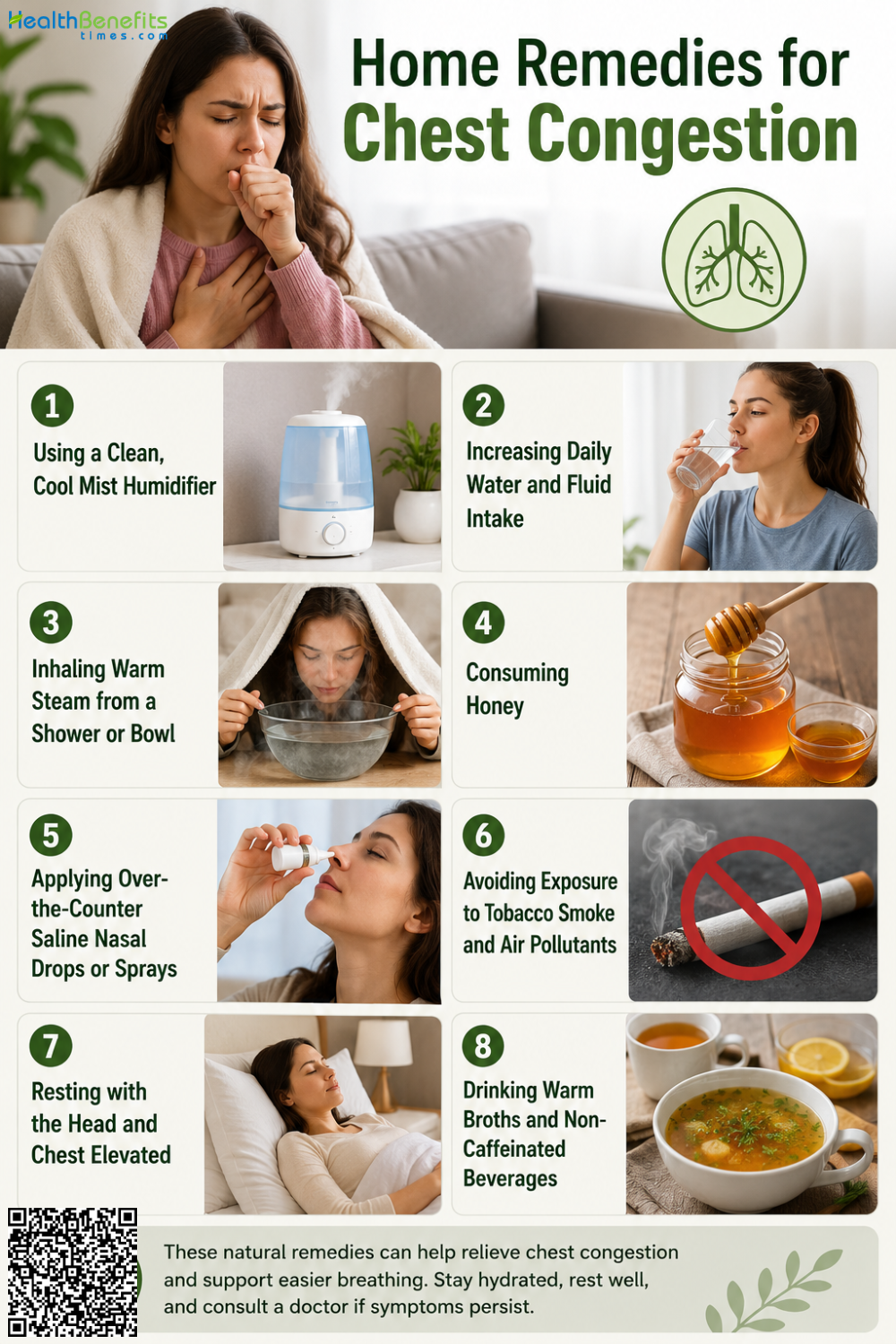
3. Inhaling Warm Steam from a Shower or Bowl
How it may help:
Breathing in warm steam delivers direct moisture to the respiratory tract. The combination of heat and humidity works to rapidly loosen and thin the hardened mucus trapped deep within the lungs. This process relaxes the bronchial airways, making it significantly easier to cough up excess fluid and clear congestion.
What research says:
Medical authorities recommend steam inhalation as an effective supportive therapy for respiratory infections. Clinical guidelines state that breathing in warm, moist air from a hot shower or a bowl of hot water helps thin mucus and soothe inflamed airways, providing temporary relief from the severe symptoms of acute bronchitis. 6
How to use it safely:
You can sit in a closed bathroom with a hot shower running to breathe in the steamy air. Alternatively, carefully pour hot water into a bowl, lean over it, and drape a towel over your head to trap the steam. Breathe deeply for several minutes.
Potential precautions or side effects:
You must be extremely careful to avoid severe scalds or burns when using bowls of hot water. Never use boiling water, and keep hot containers away from young children.
4. Consuming Honey
How it may help:
Consuming honey helps soothe the intense coughing often associated with severe chest congestion. Its thick consistency naturally coats and lubricates the irritated throat lining. This physical coating action calms the overactive cough reflex, providing relief from the painful, repetitive coughing fits needed to clear mucus from the lungs.
What research says:
Clinical guidelines endorse honey as an effective, natural cough suppressant for respiratory infections. Health authorities report that a small dose of honey safely reduces cough frequency and severity, helping individuals manage the persistent coughing associated with acute bronchitis and chest congestion. 1
How to use it safely:
You can swallow a single teaspoon of plain honey directly or mix it into a warm, decaffeinated beverage like water or herbal tea. Take this dose as needed to calm severe coughing fits, especially before bedtime, to help you sleep.
Potential precautions or side effects:
Never give honey to infants under one year of age. In rare cases, consuming honey can cause infant botulism, a severe and potentially fatal neurological illness. 9
5. Applying Over-the-Counter Saline Nasal Drops or Sprays
How it may help:
Excess nasal mucus often drips down the back of the throat, worsening chest congestion. Saline nasal sprays physically wash away this thick mucus and reduce nasal swelling. This prevents the sticky fluid from draining into the lower airways and triggering the heavy coughing associated with chest congestion.
What research says:
Health authorities advise that non-medicated saline nasal drops or sprays safely clear blocked nasal passages. Clinical recommendations for managing respiratory infections include using saline solutions to reduce mucus drainage, which directly helps alleviate the persistent coughing and airway irritation connected to chest congestion. 1
How to use it safely:
You should spray or drop the saline solution directly into each nostril as directed on the packaging. Gently blow your nose afterward to clear the loosened mucus. For infants, use a rubber suction bulb immediately after applying the drops to safely remove the fluids.
Potential precautions or side effects:
Do not share nasal spray bottles with others, as this quickly spreads infections. You must only use sterile, pre-mixed saline to avoid introducing harmful bacteria into your nasal passages.
6. Avoiding Exposure to Tobacco Smoke and Air Pollutants
How it may help:
Inhaling airborne irritants like tobacco smoke or chemical fumes severely inflames the respiratory tract. This inflammation forces the lungs to produce excessive mucus as a defense mechanism. By strictly avoiding these airborne pollutants, the lower airways can heal, reducing mucus overproduction and significantly easing chest congestion.
What research says:
Medical authorities state that eliminating exposure to lung irritants is critical for respiratory recovery. Clinical guidelines confirm that avoiding active smoking, secondhand smoke, and environmental dust accelerates the healing of inflamed bronchial tubes and reduces the prolonged coughing associated with acute bronchitis. 6
How to use it safely:
You must completely stop smoking cigarettes and stay away from secondhand smoke. During periods of poor outdoor air quality, you should remain indoors with the windows closed. Wear a high-quality protective face mask if you must be around chemical fumes, strong odors, or heavy dust.
Potential precautions or side effects:
Suddenly quitting smoking can cause temporary nicotine withdrawal symptoms, including irritability and cravings. You may need professional medical support or cessation programs to safely manage these physical urges.
7. Resting with the Head and Chest Elevated
How it may help:
Lying completely flat allows thick mucus to pool in the throat and lower airways, which often triggers severe coughing fits. Elevating the head and chest uses gravity to help drain these fluids naturally. This upright position prevents mucus buildup in the lungs, making breathing much easier.
What research says:
Medical experts recommend elevating the upper body to manage nighttime respiratory symptoms. Health authorities advise that sleeping with the head raised prevents excess mucus from draining into the lower airways, which helps reduce nighttime coughing fits and improves sleep quality during acute respiratory infections. 10
How to use it safely:
You should place an extra pillow or a firm foam wedge under your upper back and head before sleeping. Ensure the elevation supports both your chest and neck to maintain proper spinal alignment. Avoid simply bending your neck forward, as this restricts airflow.
Potential precautions or side effects:
Stacking regular pillows inappropriately can cause severe neck and back strain. Additionally, you must never use pillows to elevate infants, as this creates a fatal suffocation risk. 11
8. Drinking Warm Broths and Non-Caffeinated Beverages
How it may help:
Consuming warm liquids delivers direct heat to the respiratory tract, which naturally soothes inflamed tissues. The heat and rising steam from these beverages work to physically loosen and thin the heavy mucus trapped in the lower airways, making it significantly easier to cough up excess fluids.
What research says:
Medical guidelines support drinking warm liquids, such as chicken soup or decaffeinated tea, as an effective supportive measure for respiratory infections. Health authorities note that warm fluids provide essential hydration that thins sticky mucus, while the localized steam helps open congested air passages. 12
How to use it safely:
You should consistently drink clear, non-caffeinated fluids like warm broth, decaffeinated tea, or plain warm water throughout the day. Ensure the liquid is comfortably warm rather than boiling. Sip the beverage slowly to allow the rising steam to safely enter your upper airways.
Potential precautions or side effects:
If you have high blood pressure or heart disease, you must carefully monitor the high sodium content in store-bought broths. Always test temperatures to avoid severe throat burns.
Foods to Avoid When You Suffer from Chest Congestion
1. Alcoholic Beverages:
Alcohol actively dehydrates the body. This fluid loss thickens respiratory mucus, making it significantly harder for the lungs to expel trapped fluids. 12
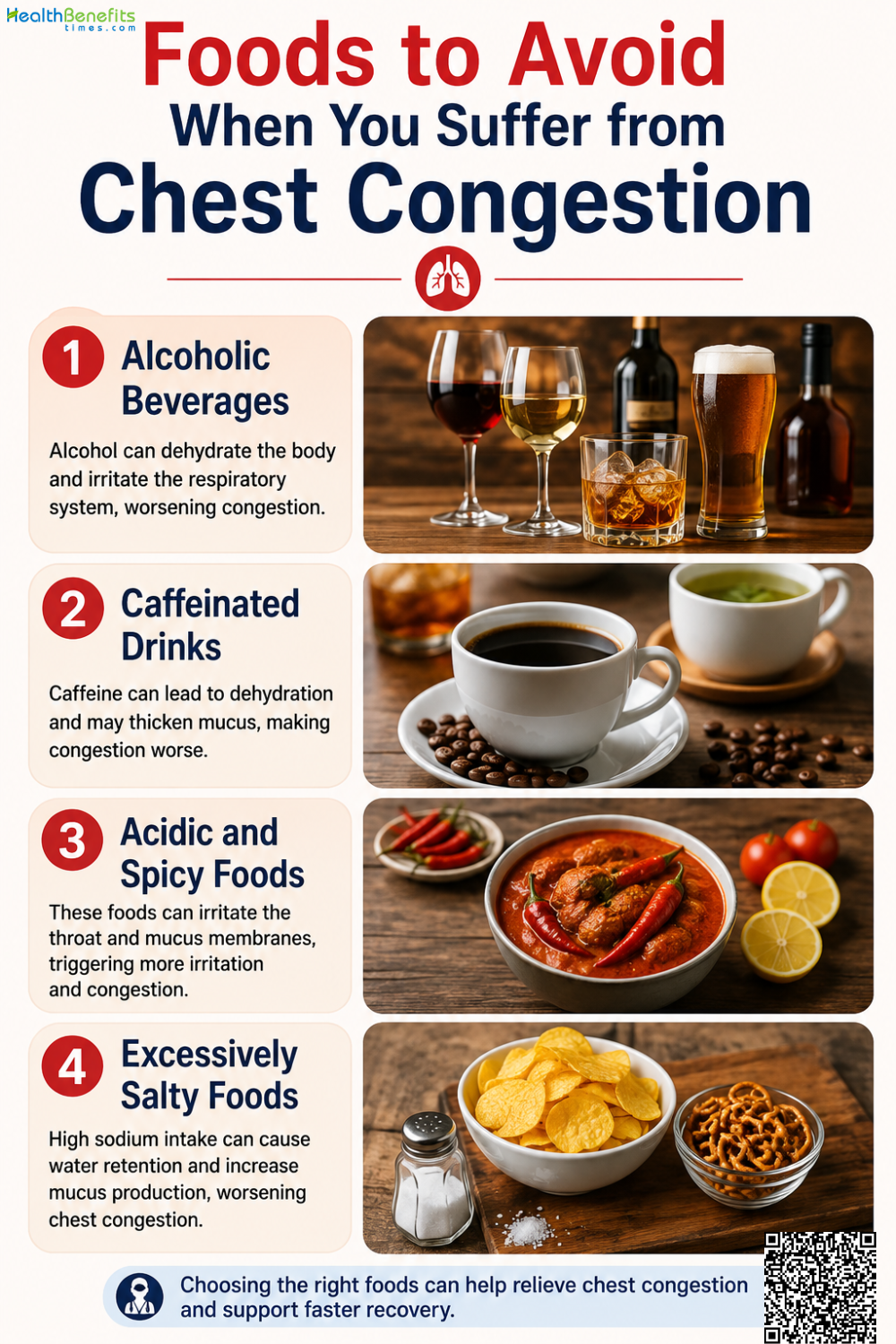
2. Caffeinated Drinks:
Caffeinated coffee and energy drinks cause fluid loss. This dehydration hardens lung secretions, which directly worsens chest congestion and makes breathing difficult. 12
3. Acidic and Spicy Foods:
These foods frequently trigger acid reflux. When stomach acid enters the esophagus, it severely irritates the respiratory tract and intensifies persistent coughing fits. 13
4. Excessively Salty Foods:
Consuming high-sodium foods draws essential water away from bodily tissues. This reduces respiratory hydration, making it difficult for the body to clear thick lung secretions. 14
When to See a Doctor When You Struggle from Chest Congestion
1. Symptoms Lasting Over Three Weeks:
Consult a doctor if chest congestion and coughing persist for more than three weeks, which may indicate a severe bacterial infection or chronic lung disease. 1
2. Presence of a High Fever:
Contact a healthcare provider if congestion occurs with a temperature of 100.4°F or higher. This high fever strongly suggests a severe bacterial infection like pneumonia. 1
3. Coughing Up Blood:
Seek emergency medical evaluation if you cough up blood or thick, blood-streaked mucus. This symptom indicates severe airway damage or a serious underlying respiratory illness. 1
4. Shortness of Breath or Wheezing:
Get immediate medical attention if you experience severe wheezing, rapid breathing, or shortness of breath while resting, as this signals critically blocked or narrowed lung airways. 1
5. Worsening Chronic Conditions:
Consult a doctor promptly if you have underlying chronic diseases, such as asthma or heart failure, and experience new or worsening chest congestion that restricts breathing. 4