

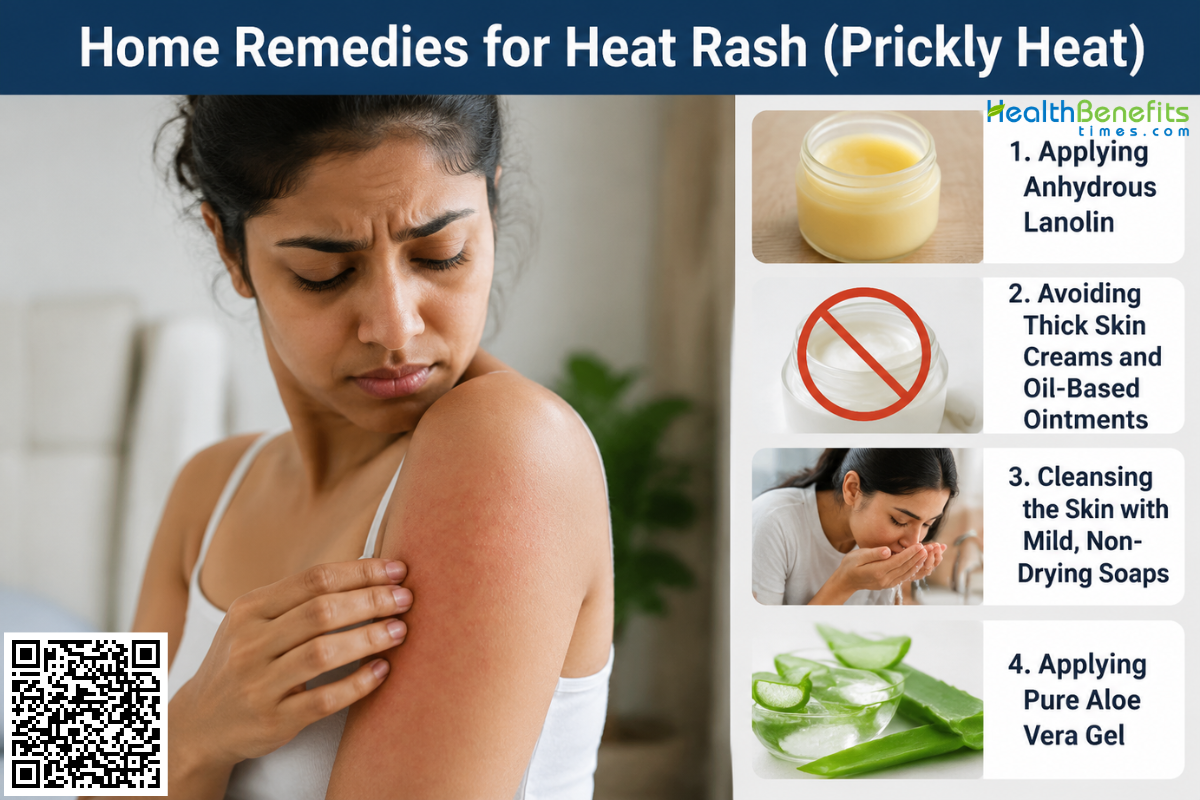
Heat rash, medically known as miliaria, is a common skin condition characterized by small, fluid-filled blisters or red bumps that appear when sweat becomes trapped under the skin. It most frequently occurs in warm, humid climates when the sweat glands or their ducts become obstructed by skin debris or biofilm-forming bacteria. Instead of reaching the surface, the trapped sweat leaks into the surrounding layers of the skin, triggering localized inflammation, cellular swelling, and an uncomfortable prickling sensation 1. Clinical classifications divide the condition into three distinct types miliaria crystallina, rubra, and profunda depending entirely on how deep the duct obstruction occurs within the skin layers 1. While extensive rashes may temporarily impair the body’s ability to regulate heat, clinical evidence concludes that miliaria is highly self-limiting and naturally resolves without medical intervention once the environment cools 1.
Causes of Heat Rash
- Primary Sweat Duct Obstruction: The fundamental cause of heat rash is the physical blockage of the eccrine sweat ducts, which forces trapped sweat to leak into the surrounding epidermal or dermal skin layers instead of evaporating normally on the surface 1.
- Hot and Humid Climates: Extended exposure to high temperatures combined with heavy humidity forces the body into periods of intense, continuous sweating, which can overwork the sweat ducts and significantly increase the likelihood of structural duct rupture 1.
- Bacterial Biofilm Formation: Common bacteria naturally living on the skin, particularly Staphylococcus epidermidis, can secrete a sticky extracellular substance that acts as a physical plug over the sweat pores, directly contributing to duct blockages 1.
- Immature Sweat Ducts in Infants: Newborns and young infants are highly susceptible to developing heat rash because their sweat ducts are not fully mature, making the delicate structures highly prone to rupturing if the infant is wrapped in thick blankets or placed in a warm environment 1.
- Non-Breathable Clothing and Friction: Wearing tight clothing or synthetic fabrics traps heat and moisture directly against the skin, preventing natural air circulation and creating a sealed, damp environment that stops sweat evaporation and encourages rash formation 1.
- Application of Heavy Skin Creams: Covering the skin with thick, oil-based ointments, heavy lotions, or large adhesive medical bandages can physically seal and clog the sweat pores, unnaturally trapping sweat beneath the skin barrier 1.
- Strenuous Physical Activity: Engaging in intense exercise or heavy physical labor that produces high volumes of sweat over a short period can overwhelm the capacity of the sweat glands, leading to immediate localized inflammation and temporary duct obstruction 1.
Symptoms of Heat Rash
- Tiny, Clear Surface Blisters: The mildest form of the condition appears as very small, clear, fluid-filled blisters that sit on the top layer of the skin and easily break apart without causing any pain or itching 1.
- Inflamed Red Bumps: The most frequently experienced type presents as clusters of small, raised red bumps that develop slightly deeper in the skin, often accompanied by widespread redness across the affected area 1.
- Intense Itching and Prickling Sensations: As trapped sweat leaks into the surrounding skin tissue, it triggers localized inflammation that causes a distinct, highly uncomfortable stinging, prickling, or intense itching sensation 1.
- Firm, Flesh-Colored Lumps: In chronic cases where the sweat duct blockage occurs deep within the skin, the rash presents as firm, flesh-colored bumps that closely resemble goosebumps, typically emerging rapidly after physical exertion or heavy sweating 1.
- Localized Lack of Sweating: Areas covered by a deep heat rash may temporarily lose the ability to release sweat to the surface, forcing the skin to remain dry even in hot conditions, which can increase the risk of heat exhaustion if large areas of the body are affected 1.
- Pus-Filled Sores: If the inflamed, blocked sweat ducts become secondarily infected by common skin bacteria, the existing red bumps can become highly inflamed and fill with yellowish pus 1.
Home Remedies for Heat Rash (Prickly Heat)
1. Moving to a Cool, Air-Conditioned Environment
How It May Help
Lowering the ambient temperature immediately halts the body’s need to produce excess sweat, preventing further fluid buildup in blocked sweat ducts. This cooling process allows the skin’s surface to dry, reduces localized inflammation, and provides the necessary environment for the obstructed sweat glands to naturally clear and heal 1.
What Research Says
Clinical guidelines establish that transferring individuals to a cool, air-conditioned environment is the most critical and effective primary intervention for resolving heat rash. Medical literature concludes that simply removing the patient from hot, humid conditions allows the condition to self-correct rapidly without requiring pharmaceutical treatments 1.
How to Use It Safely
Move into an air-conditioned room or use fans to maintain constant air circulation across your skin. Rest in the cool environment for several hours daily until the rash subsides. Combine this with wearing loose, breathable clothing to allow any trapped moisture on your body to evaporate fully.
Potential Precautions or Side Effects
Avoid setting temperatures excessively low, as this may cause uncomfortable shivering or sudden chills without actually accelerating the healing process of the skin rash.
2. Applying Cool Water Compresses
How It May Help
Applying a cool water compress directly lowers the skin’s surface temperature and constricts local blood vessels. This immediate cooling effect stops active sweating in the affected area, reduces uncomfortable swelling, and temporarily numbs nerve endings to provide fast relief from intense itching and prickling sensations 1.
What Research Says
Clinical guidelines emphasize that reducing skin temperature is crucial for treating heat rash. Medical literature confirms that applying cool, wet compresses effectively decreases localized sweat production and significantly reduces the epidermal inflammation associated with obstructed sweat ducts, promoting faster natural recovery without medication 1.
How to Use It Safely
Soak a clean, soft cloth in cool—not freezing—water and wring out the excess. Gently place the damp cloth over your rash for up to twenty minutes at a time. Afterward, let your skin air dry completely before getting dressed to prevent trapping additional moisture.
Potential Precautions or Side Effects
Never apply raw ice directly to the skin, as extreme freezing temperatures can cause ice burns, damage fragile skin tissue, and worsen underlying irritation.
3. Wearing Loose, Breathable Cotton Clothing
How It May Help
Wearing loose, breathable cotton clothing promotes active air circulation across the skin, allowing sweat to evaporate naturally rather than accumulating 1. This prevents friction and reduces the trapping of body heat, which stops new sweat duct blockages from forming while letting existing rashes heal.
What Research Says
Clinical management guidelines identify occlusive, non-breathable clothing as a primary trigger for sweat duct obstruction. Medical literature strongly recommends modifying clothing habits, specifically wearing light, porous fabrics, to reduce the thermal load on the skin and facilitate necessary sweat evaporation, which significantly accelerates rash resolution 1.
How to Use It Safely
Select lightweight, 100% cotton garments that fit loosely against your body. Avoid wearing tight synthetic fabrics like polyester or nylon, particularly when exercising or spending time in hot climates. Change your clothes immediately if they become heavily soaked in sweat.
Potential Precautions or Side Effects
Even cotton can cause irritation if it remains damp against the skin for extended periods, so promptly replace wet garments to prevent secondary skin infections or worsening rashes.
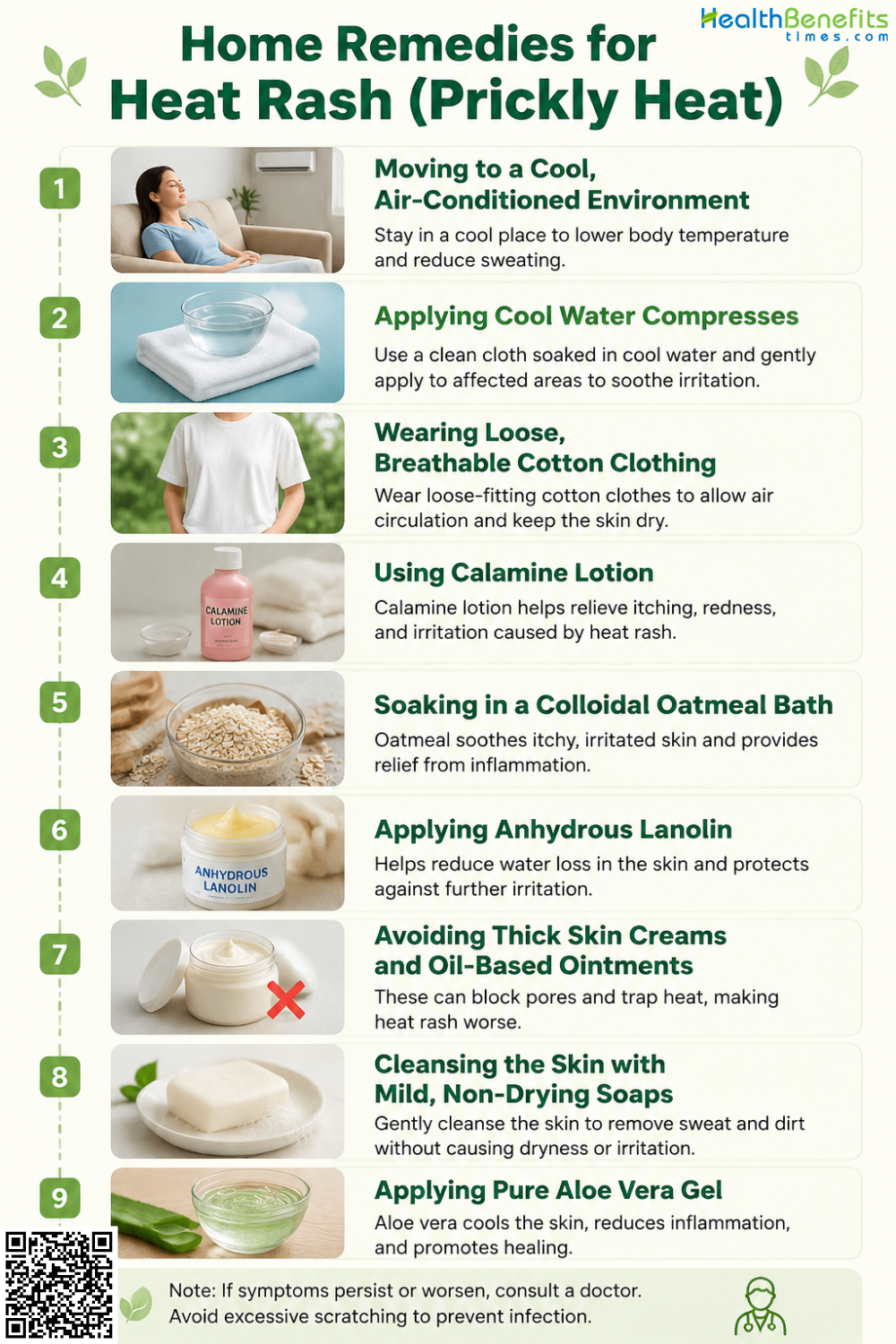
4. Using Calamine Lotion
How It May Help
Calamine lotion acts as a mild astringent that helps dry out the fluid-filled blisters associated with heat rash. As the lotion evaporates, it creates a cooling effect on the skin, which significantly reduces severe itching, soothes localized inflammation, and provides immediate physical relief from the constant prickling sensation 1.
What Research Says
Clinical management guidelines recommend topical calamine lotion as a safe and effective treatment for the symptomatic relief of miliaria. Medical literature confirms that its soothing properties reduce the urge to scratch the irritated skin, thereby preventing further tissue damage and lowering the risk of secondary bacterial infections 1.
How to Use It Safely
Shake the bottle thoroughly before use. Wash your hands, then use a clean cotton pad to apply a thin, even layer of the lotion directly over the rash. Allow the liquid to dry completely on your skin before putting on lightweight clothing. Reapply strictly as needed for intense itching.
Potential Precautions or Side Effects
Calamine lotion can excessively dry out the skin if overused. Stop application if severe skin peeling occurs, and never apply it near your eyes, mouth, or directly onto open wounds.
5. Soaking in a Colloidal Oatmeal Bath
How It May Help
Colloidal oatmeal binds to the skin surface to create a soothing, protective barrier while gently cleansing blocked pores. Its active plant compounds naturally reduce swelling, relieve the intense prickling sensation of heat rash, and calm inflamed skin tissue without further obstructing the sweat ducts 2.
What Research Says
Clinical dermatological studies demonstrate that colloidal oatmeal contains specific active antioxidants, known as avenanthramides, which directly inhibit the body’s natural inflammatory response. Research confirms these compounds effectively reduce severe itching, soothe disrupted skin barriers, and provide measurable relief for various inflammatory skin conditions 2.
How to Use It Safely
Sprinkle one cup of finely ground, plain colloidal oatmeal under running cool or lukewarm bathwater. Soak your body for ten to fifteen minutes. Afterward, gently pat your skin dry with a clean towel instead of rubbing, allowing the rash to air dry completely before getting dressed.
Potential Precautions or Side Effects
Colloidal oatmeal leaves a residue that makes bathtubs extremely slippery, significantly increasing the risk of falls. Discontinue use immediately if you experience worsened redness or suspect an oat allergy.
6. Applying Anhydrous Lanolin
How It May Help
Anhydrous lanolin acts as a deeply penetrating emollient that helps prevent the physical obstruction of eccrine sweat ducts. By softening the epidermis and promoting the natural shedding of dead skin cells, it stops structural plugs from forming over pores, which allows trapped sweat to flow normally to the surface 3.
What Research Says
Clinical case studies and dermatological literature identify anhydrous lanolin as an effective targeted therapy for severe, deep-tissue forms of heat rash, such as miliaria profunda. Medical reports confirm that its topical application successfully resolves deep sweat duct blockages and restores normal sweat gland function when standard environmental cooling measures fail 3.
How to Use It Safely
Wash the affected skin gently with cool water and ensure it is entirely dry. Apply a very thin, light layer of pure, medical-grade anhydrous lanolin directly over the stubborn rash. Use it sparingly, as applying too thick of an ointment layer can inadvertently trap more heat.
Potential Precautions or Side Effects
Because lanolin is naturally derived from sheep’s wool, it can trigger allergic contact dermatitis in sensitive individuals. Always perform a small patch test before applying it to highly inflamed skin.
7. Avoiding Thick Skin Creams and Oil-Based Ointments
How It May Help
Keeping the skin completely free of thick moisturizers, petroleum jelly, and oil-based ointments prevents the physical sealing of the skin’s surface. This ensures that the sweat ducts remain open and unobstructed, allowing trapped sweat to evaporate normally instead of worsening the swelling and existing rash.
What Research Says
Clinical management guidelines identify the application of heavy, occlusive skin agents as a direct factor that induces and exacerbates heat rash. Medical literature concludes that avoiding these thick barriers is essential for recovery, as they mechanically obstruct the eccrine sweat ducts and severely impair necessary sweat evaporation 1.
How to Use It Safely
Completely avoid applying heavy moisturizers, heavy sunscreens, or petroleum jelly directly over any areas affected by heat rash. If you must moisturize severely dry skin nearby, strictly use lightweight, water-based lotions that absorb rapidly and do not leave a greasy layer.
Potential Precautions or Side Effects
Leaving the skin entirely bare may cause temporary surface dryness, but applying occlusive creams to treat this dryness will rapidly worsen the painful fluid buildup of the rash.
8. Cleansing the Skin with Mild, Non-Drying Soaps
How It May Help
Washing the skin with a mild, non-drying soap helps gently remove sweat, excess natural oils, and dead skin cells that physically block sweat ducts. This cleansing process also reduces populations of skin bacteria that produce sticky biofilms, preventing further pore obstruction and allowing the rash to heal naturally 1.
What Research Says
Clinical guidelines emphasize that managing heat rash requires keeping the affected skin cool, dry, and clean. Medical literature confirms that regular, gentle cleansing eliminates skin bacteria, such as Staphylococcus epidermidis, which are directly known to secrete substances that plug sweat ducts and worsen localized epidermal inflammation 1.
How to Use It Safely
Wash the affected area once or twice daily using cool or lukewarm water and a gentle, fragrance-free cleanser. Gently apply the soap over your skin using only your hands. Avoid scrubbing with rough washcloths or loofahs, and pat the skin completely dry with a soft towel.
Potential Precautions or Side Effects
Avoid using harsh antibacterial soaps or heavily fragranced body washes, as these chemical agents can strip natural moisture, severely irritate the already inflamed skin, and worsen the rash.
9. Applying Pure Aloe Vera Gel
How It May Help
Pure aloe vera gel contains natural anti-inflammatory compounds and provides an immediate cooling sensation when applied to the skin. This lightweight, water-based botanical quickly soothes intense itching and reduces visible redness associated with heat rash without clogging delicate sweat ducts or trapping additional body heat 4.
What Research Says
Clinical reviews indicate that aloe vera contains active enzymes and prostaglandins that directly inhibit inflammatory pathways within the skin. Medical research concludes that topical application of the pure gel effectively accelerates cellular healing, decreases localized irritation, and acts as a safe soothing agent for superficial rashes 4.
How to Use It Safely
Wash your skin with cool water and dry it completely. Apply a very thin layer of 100% pure, fragrance-free aloe vera gel directly to the affected bumps. Allow the gel to dry entirely before putting on clothing to ensure it does not trap excess moisture.
Potential Precautions or Side Effects
Commercially processed aloe products often contain artificial fragrances, harsh alcohol, or thickeners that can severely irritate inflamed skin and mechanically block sweat ducts, worsening the rash.
Foods to Avoid When You suffer from Heat Rash (Prickly Heat)
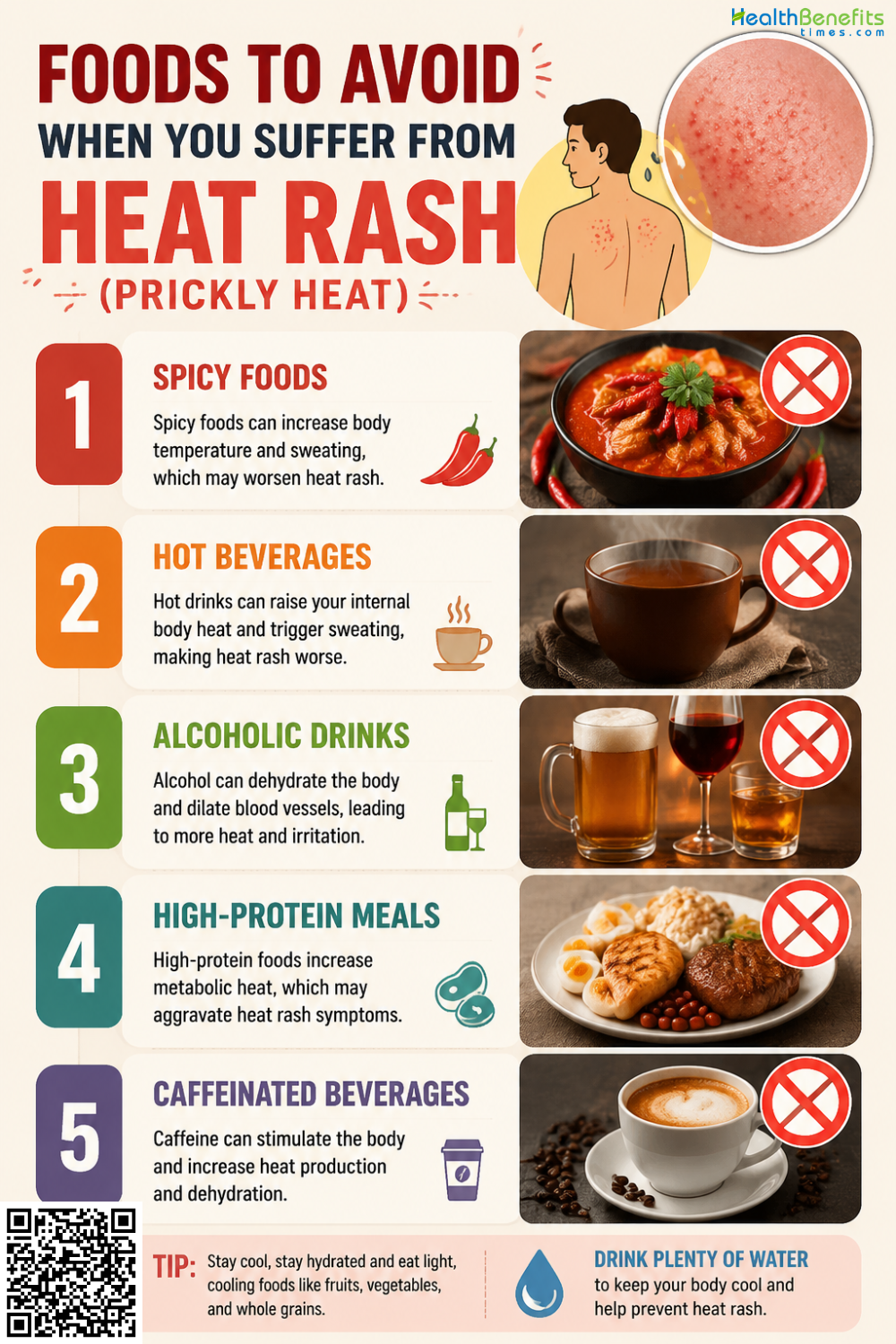
1. Spicy Foods
Spices containing capsaicin directly stimulate internal heat receptors, triggering immediate bodily sweating that forces more fluid into blocked sweat ducts 5.
2. Hot Beverages
Consuming steaming coffee or hot soup temporarily raises internal core temperatures, forcing sweat glands to actively produce more sweat to cool the body down 6.
3. Alcoholic Drinks
Alcohol severely disrupts central temperature regulation and widens blood vessels, causing unnatural body heat spikes, dehydration, and increased sweating that worsen skin irritation 7.
4. High-Protein Meals
Digesting dense portions of meat requires significant metabolic energy, generating excess internal body heat that naturally prompts the body to produce more sweat 8.
5. Caffeinated Beverages
High doses of caffeine stimulate the central nervous system and elevate the heart rate, which mildly increases body temperature and overall sweat production 9.
When to see Doctor when you struggle from Heat Rash (Prickly Heat)
1. Increased Pain and Swelling
Seek medical evaluation if the rash becomes increasingly painful, swollen, or warm to the touch, indicating a potential secondary bacterial skin infection 1.
2. Presence of Pus
Consult a physician immediately if the red bumps develop yellowish crusts or begin draining opaque pus, which confirms a localized bacterial infection requiring antibiotics 1.
3. Fever or Chills
Seek emergency care if the rash is accompanied by a systemic fever or chills, which suggests the localized skin infection has spread beyond the sweat ducts 1.
4. Swollen Lymph Nodes
Visit a doctor if you detect swollen, tender lymph nodes in your armpits, neck, or groin, indicating your body is actively fighting a secondary infection 1.
5. Symptoms of Heat Exhaustion
Get immediate medical help if you experience dizziness, nausea, rapid pulse, or an inability to sweat, as extensive heat rash can severely impair bodily thermoregulation 1.
6. Failure to Resolve
Schedule a clinical evaluation if the rash actively worsens or fails to improve after several days of utilizing standard home cooling therapies and environmental modifications 1.