

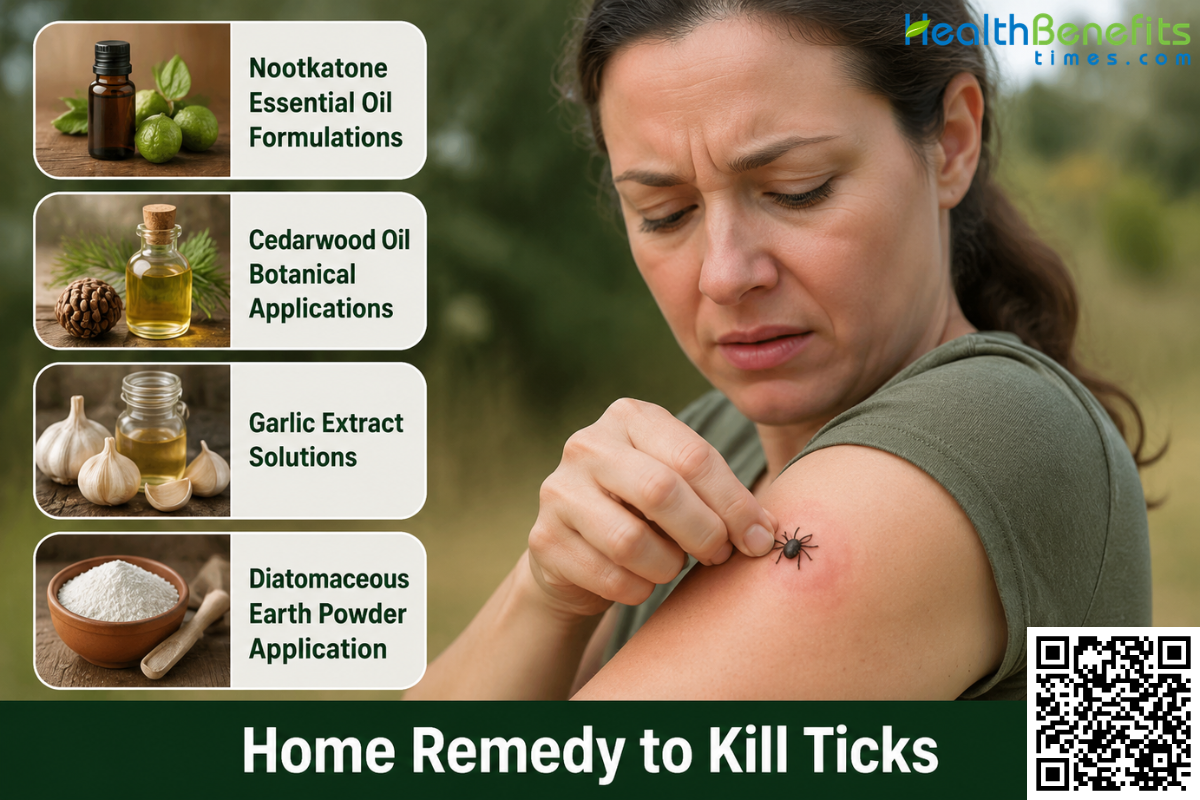
Ticks are small, blood-feeding parasites classified as arachnids, meaning they are closely related to spiders rather than insects. Adult ticks possess eight legs and typically have round bodies that are only a few millimeters in diameter, though they expand significantly when fully engorged with blood 1. These organisms are obligate parasites, which means they must feed on the blood of vertebrate hosts to survive and complete their life cycles 2. From a clinical perspective, ticks pose a major public health risk because they act as highly effective vectors for infectious pathogens. When a tick feeds on an infected animal, it can acquire harmful bacteria, viruses, or parasites and subsequently transmit these microorganisms to humans through a bite, leading to severe illnesses such as Lyme disease and tick-borne encephalitis 2.
Causes of Ticks
1. Proximity to Natural Habitats
Ticks thrive in high-humidity environments and are overwhelmingly found in wooded, brushy, and grassy landscapes. Dense vegetation and decomposing leaf litter on the forest floor retain moisture, creating the necessary microclimate for tick survival and reproduction 3.
2. Presence of Animal Hosts
The biological life cycle of a tick depends entirely on securing blood meals from vertebrate hosts. High local populations of wildlife, particularly white-tailed deer and small rodents like white-footed mice, directly support and increase the density of ticks in a given area 4.
3. Warming Climates
Temperature directly controls tick activity and geographic distribution. Shifting climate patterns, characterized by rising average temperatures and milder winters, have caused tick populations to survive in previously inhospitable regions and remain actively seeking hosts for longer periods of the year 5.
4. Human Outdoor Activities
Routine outdoor behaviors bring humans into direct contact with tick habitats. Hiking off cleared trails, camping, gardening, and walking through tall grass prompt ticks to transfer from vegetation onto human skin or clothing 6.
5. Domestic Pets as Carriers
Free-roaming domestic animals, especially dogs and cats, are highly susceptible to picking up ticks in tall grass or wooded edges. These pets inadvertently carry unattached or feeding ticks into residential environments, serving as a direct bridge for human exposure inside the home 7.
Home Remedy to Kill Ticks
1. High Heat Drying for Clothing and Fabrics
How it may help
Ticks are highly vulnerable to extreme dehydration. High heat drying kills ticks by rapidly drawing the moisture out of their bodies, causing fatal desiccation. This physical method ensures that any unattached ticks clinging to clothing after outdoor activities are eliminated before they can move onto a human host.
What research says
Research confirms that dry heat effectively destroys ticks. The Centers for Disease Control and Prevention concludes that tumbling dry clothing in a dryer on high heat for 10 minutes kills all life stages of blacklegged ticks. Damp clothing requires extended drying time to achieve fatal desiccation 6.
How to use it safely
Immediately after returning indoors, place your dry clothing directly into the machine. Set it to the highest heat setting and run for at least 10 minutes. If you must wash clothes first, use hot water, as cold or warm water is insufficient to kill ticks 6.
Potential precautions or side effects
Verify that your garments can withstand high temperatures without shrinking or melting. Never rely on washing alone, as ticks can easily survive cold and medium temperature water cycles 6.
2. At-Home Permethrin Fabric Treatments
How it may help
Permethrin is a synthetic insecticide that functions as both a repellent and a contact toxin for parasites. When applied to fabrics, it disrupts the nervous system of ticks upon contact, rapidly paralyzing and killing them before they can attach to the skin.
What research says
Public health authorities confirm that clothing treated with a 0.5 percent permethrin solution effectively kills ticks. The Centers for Disease Control and Prevention concludes that permethrin-treated garments maintain their tick-killing properties through multiple washings, providing reliable, long-lasting protection against tick-borne diseases 6.
How to use it safely
Apply 0.5 percent permethrin sprays exclusively to your clothing, boots, and outdoor gear in a well-ventilated space. Coat the fabric evenly and allow it to dry completely before wearing. Never apply these specific fabric treatments directly to your skin 6.
Potential precautions or side effects
Liquid permethrin is severely toxic to cats; keep felines away until treated items are completely dry 8. Direct skin contact with wet sprays may cause mild irritation or tingling.
3. Oil of Lemon Eucalyptus (OLE) Sprays
How it may help
Oil of lemon eucalyptus (OLE) is a plant-based extract that acts as a powerful barrier against parasites. While it does not kill ticks on contact like synthetic insecticides, its strong active compounds disrupt a tick’s sensory receptors. This effectively prevents the parasite from locating and attaching to human skin.
What research says
Clinical evaluations confirm that OLE is highly effective at deterring tick bites. The Centers for Disease Control and Prevention recognizes EPA-registered repellents containing OLE as a proven method to prevent tick attachment, providing long-lasting protection comparable to chemical repellents like DEET 6.
How to use it safely
Spray an EPA-registered OLE product evenly over your exposed skin and clothing before heading outdoors. Reapply the solution according to the specific timeframes listed on the product label. Wash your skin with soap and water once you return indoors 6.
Potential precautions or side effects
Do not use OLE products on children under three years old 6. Avoid spraying it near your face, as the active ingredients can cause significant eye and skin irritation.
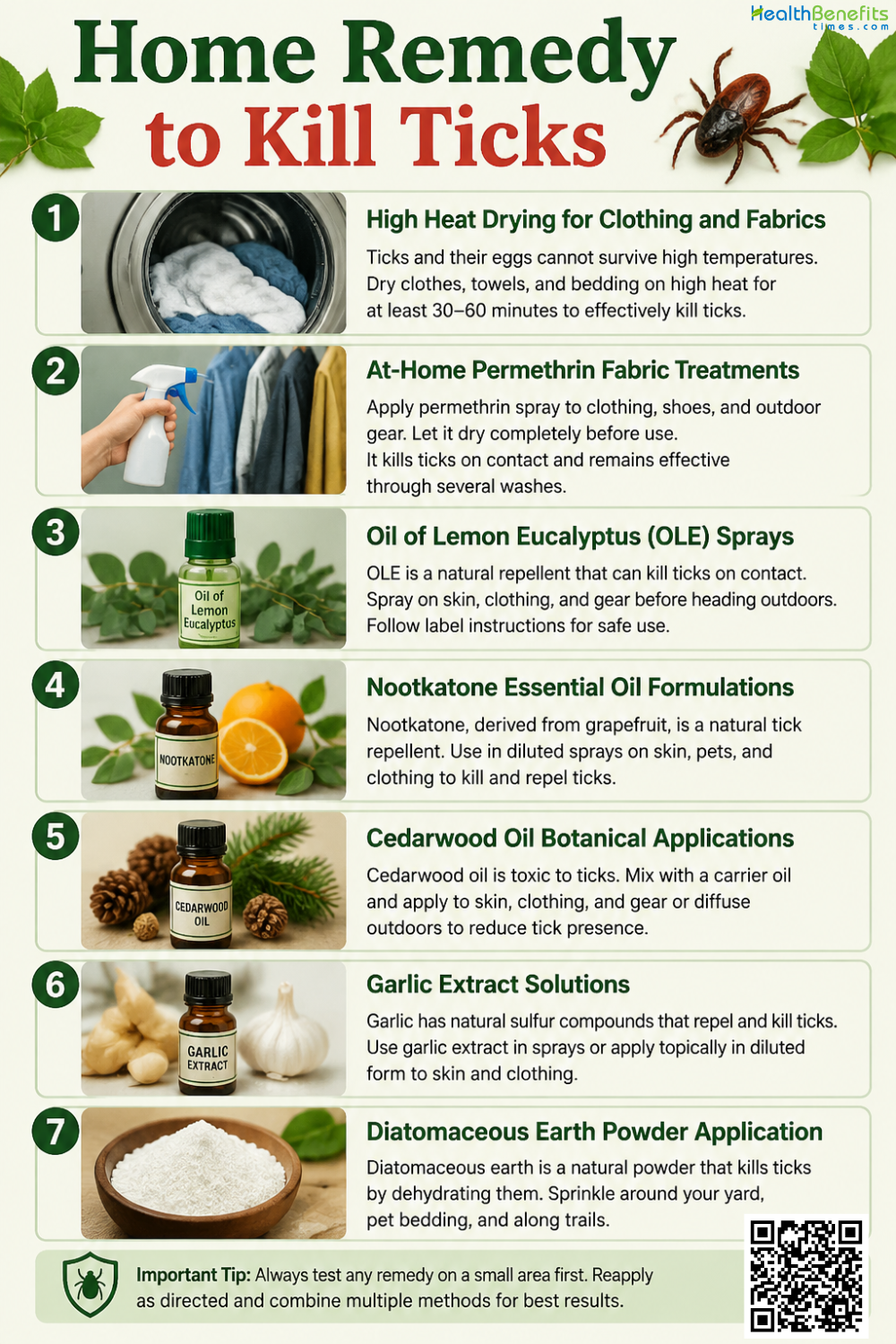
4. Nootkatone Essential Oil Formulations
How it may help
Nootkatone is a naturally occurring compound found in grapefruit skin and cedar trees. It functions as both a powerful repellent and an effective insecticide. When ticks come into contact with nootkatone, it rapidly overstimulates their nervous system, causing fatal paralysis before they can attach to a human host.
What research says
The Centers for Disease Control and Prevention confirms that nootkatone is highly effective at repelling and killing ticks. Following extensive research, the Environmental Protection Agency registered this active ingredient for commercial use, verifying its ability to provide safe, long-lasting protection against tick-borne pathogens 9.
How to use it safely
Apply EPA-registered insect repellents containing nootkatone evenly over your exposed skin and clothing before entering tick-prone areas. Always follow the specific application instructions on the product label, and wash your skin thoroughly with soap and water after returning indoors 9.
Potential precautions or side effects
While generally recognized as safe, nootkatone may cause mild skin or eye irritation in sensitive individuals. Do not apply it over open cuts, and avoid spraying it near your face.
5. Cedarwood Oil Botanical Applications
How it may help
Cedarwood oil is a natural botanical extract that acts as a toxic agent to many parasites. When applied, it directly interferes with a tick’s respiratory system and disrupts its sensory receptors. This exposure causes rapid suffocation and disorientation, effectively killing the tick or preventing it from attaching to skin.
What research says
Scientific studies demonstrate that heartwood-derived cedarwood oil is highly toxic to several tick species, including the blacklegged tick. Research confirms that solutions containing high concentrations of this essential oil produce significant mortality rates in nymphal ticks upon direct contact, proving its effectiveness as a natural biological pesticide 10.
How to use it safely
Purchase commercially prepared, EPA-registered insect repellents that contain cedarwood oil. Spray the solution evenly over your exposed skin, shoes, and clothing before outdoor activities. Avoid using homemade mixtures, as precise concentrations are required for safety and effectiveness against ticks 10.
Potential precautions or side effects
Undiluted cedarwood oil can cause severe skin irritation. Do not apply it to open wounds, and keep the spray away from your eyes, mouth, and small children.
6. Garlic Extract Solutions
How it may help
Garlic extract contains active sulfur compounds, primarily allicin, which possess strong natural repellent properties. When applied, these botanical compounds emit a highly deterrent odor and act as a biological toxin. This combination effectively prevents ticks from locating and attaching to a human host.
What research says
Research confirms that garlic extracts produce significant tick-repellent effects. Laboratory studies demonstrate that concentrated garlic solutions yield repellency rates exceeding eighty-seven percent against certain hard tick species, proving its potential as an effective botanical alternative to synthetic insecticides 11.
How to use it safely
Apply commercially formulated garlic extract sprays to your clothing, boots, and exposed skin before entering wooded habitats. Always follow the manufacturer’s specific application instructions. Reapply the solution every few hours or after heavy sweating to maintain an effective barrier against parasites 11.
Potential precautions or side effects
Topical garlic sprays may cause skin irritation or allergic dermatitis. Never feed garlic to your pets for tick control, as it is highly toxic and destroys red blood cells 12.
7. Diatomaceous Earth Powder Application
How it may help
Diatomaceous earth is a fine, natural powder made from fossilized aquatic organisms. It kills ticks mechanically rather than chemically. The microscopic, abrasive particles cut through the tick’s protective outer shell, destroying its waterproof barrier. This absorbs essential fats, causing the parasite to rapidly dehydrate and die 13.
What research says
Scientific studies verify that diatomaceous earth functions as an effective mechanical pesticide. Research confirms that direct contact with this abrasive powder heavily damages the exoskeleton of hard ticks. This leads to critical water loss and high mortality rates, making it a proven non-chemical environmental control method 13.
How to use it safely
Sprinkle a thin layer of food-grade diatomaceous earth outdoors in dry, shaded areas where ticks hide, such as along fences or under bushes. Reapply the powder after rainfall, as it only works when completely dry. Never apply it directly to your skin or your pet’s fur.
Potential precautions or side effects
Inhaling this fine powder can cause severe respiratory irritation and lung damage. Always wear a protective dust mask and gloves during application to prevent accidental inhalation and avoid skin dryness.