

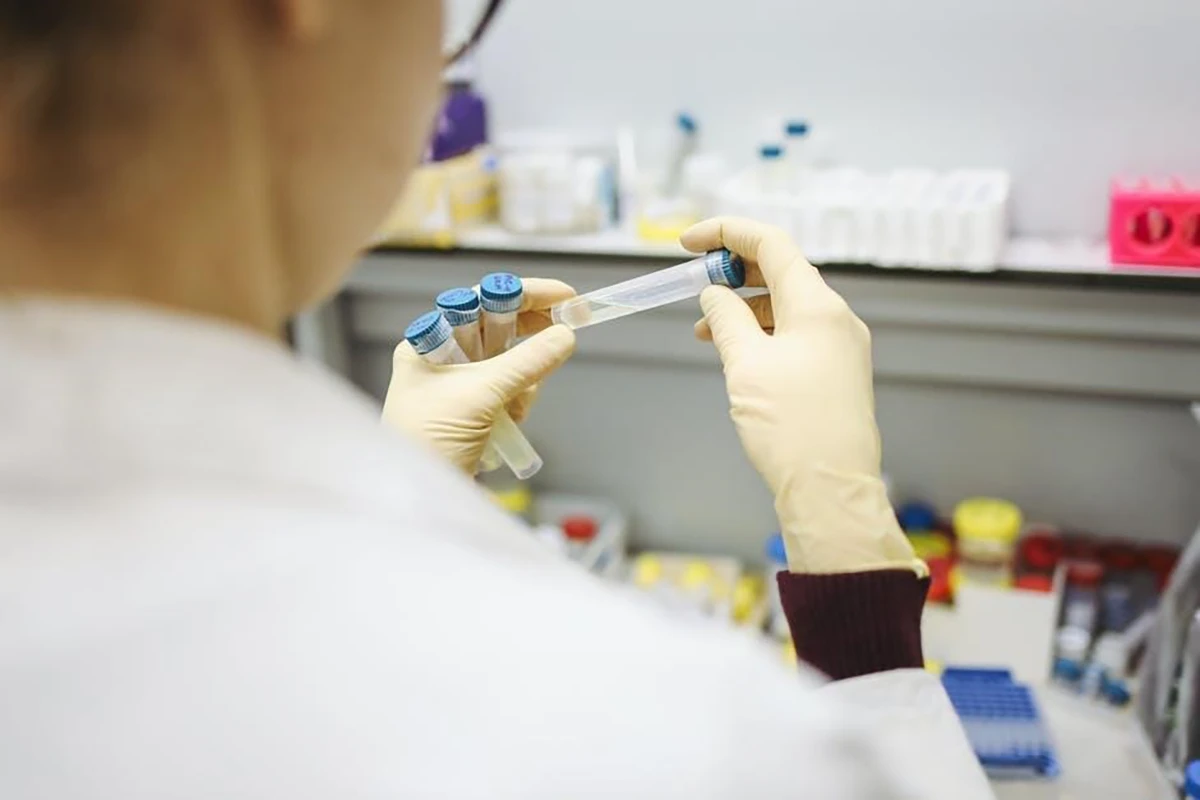
New medical treatments change lives every single day. Before any new remedy reaches a doctor, careful work happens in laboratory settings. This early work creates a strong base for human health. It helps scientists learn how compounds work inside a body.
Understanding this process helps everyone see how medical progress happens. Every safe pill or therapy starts with early testing. These initial steps shield people from unnecessary harm while opening doors to recovery. Healthy living depends on these early scientific efforts.
The Early Steps of Medical Discovery
Scientists start by looking at tiny molecules in dishes. They test many ideas. They keep only the ones that show good results. This saves time for the team.
They watch how cells react to new things. They write down everything about cell growth and changes. Small observations can point to big paths for new treatments.
Finding a good lead compound takes patience. Lab workers run many tests to check their early guesses. This early step saves time and money for later tests. Good prep work helps every step that comes after.
Understanding the Core Purpose of Lab Research
Early studies give researchers a clear view of how new drugs act. Modern teams rely on XenoSTART to guide complex safety evaluations before starting human trials. These early steps help clear the path for better wellness tools. Lab work sets the ground for future progress.
The main goal centers on understanding how a compound moves through a system. Tests track absorption and how the body clears the material. This knowledge keeps patient protection at the center of medicine. Scientists measure every movement to build reliable patient profiles.
Without these early evaluations, doctors would lack critical safety details. Testing answers basic questions before human volunteers ever receive a trial dose. Science advances best when built on solid evidence. Clear observations pave the pathway toward safer remedies.
How Lab Studies Protect Patient Safety
Patient safety is the top focus for every science team. Early testing finds side effects long before human trials start. Finding red flags early keeps people safe from bad reactions. Safety testing builds trust across the medical world.
Scientists measure how different organs react to new treatments. They check kidney function, liver health, and heart rhythm. Keeping organs safe is the base of new medical treatments. Protecting body systems keeps research moving in safe directions.
Every drug must pass high standards before it moves forward. Regulatory groups review every report from early lab work. Unsafe options stop here. This keeps the public out of harm. Strict rules make sure only safe products reach human trials.
Identifying Safety Risks Early
Spotting risks early saves lives and prevents wasted efforts. Lab models show how compounds affect healthy tissue. Early warnings allow scientists to adjust formulas quickly. Quick adjustments solve problems before they grow larger.
Teams alter chemical structures to reduce unwanted side effects. Small tweaks to a molecule can make a drug far safer. This constant refinement turns rough ideas into reliable options. Refining formulas improves drug behavior inside living tissue.
- Early toxicity screening
- Organ system checks
- Chemical structure tweaks
- Long-term tissue reviews
- Side effecttracking
Clear data points show whether a substance behaves safely. If a risk proves too high, research on that item ends. Smart decisions early on create better health tools later. Every wise choice protects human lives in future trials.
Finding Proper Dosage Limits
Finding the right dose balances strength with safety. Too little medicine will not help, while too much causes harm. Early testing reveals the range where a treatment works best. Target ranges keep treatments effective without adding danger.
Researchers track how dose levels affect test subjects. They note the lowest amount that brings positive changes. They also find the limit where toxicity begins. These boundaries form the core of proper dosing plans.
This careful balance creates safe boundaries for future doctor prescriptions. Knowing exact limits builds confidence for medical teams. Patient care improves when dosage guidelines rest on clear facts. Solid facts guide every medical choice down the line.
Moving Treatments from Concept to Practice
Turning an idea into a physical medicine requires multiple steps. Scientists start with simple chemical theories on paper. Laboratory testing turns those theories into real options. Practical tests show if theory matches real-life outcomes.
Each step in the lab builds a bridge toward clinical practice. Researchers compile thick files of laboratory data. This documentation proves that a compound merits testing in humans. Comprehensive data builds trust among regulators and doctors.
Progress moves steadily from dish cultures to complex living systems. Each phase answers specific questions about drug behavior. Clear evidence paves the road to real clinical success. Stepwise testing prevents costly mistakes during development.
Building Safer Solutions for Modern Diseases
Modern illnesses present complex challenges for healthcare providers. Early testing sheds light on how diseases grow and spread. Understanding these paths lets scientists create targeted solutions. Targeted solutions deliver help right where the body needs it.
Newer treatments focus on stopping illness at the cellular level. Lab tests show whether a medicine hits its exact target without disturbing healthy cells. Precise action means fewer unwanted side effects. Precision remains a primary goal for modern medical researchers.
Patients benefit from therapies that target root causes rather than symptoms. Early research reveals these root causes in detail. Modern medicine grows stronger with every discovery made in the lab. Root-level care transforms long-term patient outcomes.
Fighting Cancer Through Early Testing
Cancer research depends a lot on early lab studies. Scientists watch how tumor cells grow and divide in controlled settings. They test new compounds against strong cancer cell lines. Watching closely shows weak spots in how cancer grows.
Early tests show if a treatment can shrink tumors without hurting nearby tissue. Researchers track cell death and growth rates as they happen. These facts help build stronger cancer drugs. Keeping healthy cells safe helps patients stay strong during treatment.
Hope for better cancer care starts in the lab. Testing helps narrow down choices to the best compounds. Every breakthrough brings patients closer to safer options. Focused research opens new paths for getting better.
Tackling Brain and Nervous System Health
Brain health presents unique obstacles due to protective barriers in the head. Lab studies help scientists see if medicines can reach brain tissue. Crossing these barriers remains a major focus of modern research. Protective shields must let beneficial therapies pass through.
Early tests examine how therapies interact with nerve cells. Researchers look for signs of protection against nerve damage. Preserving nerve function offers hope for conditions affecting memory and movement. Healthy nerves support clear thinking and smooth body movement.
Complex nervous system disorders require precise treatment plans. Laboratory models give scientists a clear view of nerve pathways. Early progress opens new doors for brain health therapies. Deep understanding leads to better protective care options.
Advanced Lab Tools Shaping Medicine
Modern laboratories use high-technology tools to run tests. Computer models predict how molecules interact with human cells. These digital tools speed up early discovery phases. High-speed tools allow teams to explore many ideas quickly.
Advanced imaging lets scientists view cellular changes as they happen. Automated systems test many options in short periods. Technology helps research teams work faster and smarter. Quick insights allow teams to focus on top solutions.
- Computer molecule simulation
- Automated sample screening
- Live cell imaging systems
- Genetic sequence tracking
- Advanced tissue modeling
Better tools create clearer pictures of potential health solutions. High-tech equipment reduces errors and improves data quality. Modern lab methods shape the future of medical care. Advanced methods raise standard levels across all scientific fields.
Every new tool adds something important. It helps researchers ask better questions. It gives them better answers. Over time, these small gains add up to big leaps in medicine.
Lowering Risks Before Human Clinical Trials
Human clinical trials demand extreme caution and high preparation. Early lab research acts as a critical safety buffer. Testing clears away obvious hazards before humans receive new treatments. Safety buffers shield human participants from unknown risks.
Ethics boards review early laboratory data before granting trial approval. Strong evidence shows that risks have been minimized. This review process maintains public trust in medical progress. Clear evidence satisfies regulatory requirements for public safety.
Lowering risk protects human volunteers who join clinical studies. Safe early phases lead to higher success rates in human trials. Careful preparation pays off in better health outcomes. Diligent work creates lasting safety standards for everyone.
The Role of Cell Culture Models
Cell cultures offer a direct view of human biological responses. Scientists grow human cells in controlled lab containers. This method provides realistic feedback on how compounds behave. Cell responses provide quick signals about drug safety.
Testing on cell cultures reduces the reliance on living organisms. Researchers test drug toxicity and absorption in simplified models. Cell studies yield fast and repeatable results. Repeatable results build confidence in scientific findings.
Complex cell models mimic real organs with impressive accuracy. These advanced cultures show how drugs move through complex tissue. Cell models remain a cornerstone of modern discovery. Advanced models help scientists make accurate predictions.
Improving Long-Term Health Outcomes
Early research aims to build lasting health solutions. Remedies tested in labs today become standard treatments tomorrow. High-quality research lays the ground for long-term wellness. Quality work creates therapies that stand the test of time.
Preventing disease requires deep understanding of biological paths. Lab studies reveal how early interventions protect health down the road. Early care helps people live longer and healthier lives. Understanding biological triggers prevents disease before it takes hold.
Strong science leads to treatments that improve overall quality of life. Everyday wellness rests on a foundation of proven therapies. Thorough testing ensures that new options deliver lasting benefits. Trusted science supports healthy living for every generation.
Supporting Better Treatment Options for All
Healthcare advances when scientists find better options for common conditions. Lab testing helps tailor medicines to fit different body types and needs. Custom approaches lead to more effective care. Personalized medicine matches treatments to unique body chemistry.
Diverse research models help scientists understand varied biological reactions. Early studies explore how different factors change treatment success. Broad testing creates safer choices for diverse patient groups. Inclusivity in testing makes medicine safer for everyone.
Expanding treatment options gives doctors better tools for daily care. Patients receive therapies tailored to their specific conditions. Better options lead to stronger recovery outcomes across the board. Variety in medicine ensures that every patient finds relief.
The Future Path of Early Medical Testing
The future of early medical testing looks bright and promising. Science continues to invent better ways to test safety and effectiveness. Innovation drives faster discovery times without sacrificing safety. Continuous innovation promises faster paths to useful remedies.
Collaboration across global research groups speeds up scientific progress. Knowledge sharing helps teams solve complex medical challenges together. Unified efforts lead to faster breakthroughs for human health. Shared data expands scientific reach across all nations.
As lab tools improve, future treatments will become safer and more precise. The journey from lab bench to patient care grows smoother. Early research will remain the main engine of medical progress. Dedicated teams will keep pushing medical boundaries forward.
Making Better Choices Before Human Trials
Early lab research helps teams choose which treatments should move forward. Clear results show if a drug has enough promise for more tests. Weak options can be removed before teams spend more time and money on them. This helps research move faster and keeps the focus on the best ideas.
Scientists look at safety, how the drug works, and what effects it may have. They compare several options before choosing the strongest one. A good drug must work well while keeping health risks as low as possible. These tests help teams make simple and clear choices based on solid results.
Lab findings also help doctors and regulators plan the next stage of research. Records show how the drug acts, what risks may occur, and which doses may be safe. This information helps teams design safer tests with people. Careful work in the lab can make later stages easier, safer, and more focused.
Discover More Health Insights
Early medical research protects patients and drives healthcare forward. Testing new ideas in the lab lays the foundation for safe treatments. Every medical breakthrough relies on these crucial early steps. Rigorous testing keeps public health safe and strong.
Looking for more tips and ideas? We’ve got you covered. Check out some of our other posts now.