


Male fertility refers to a man’s biological capacity to achieve conception, which fundamentally depends on the production and delivery of healthy, functional sperm. Historically, fertility assessments relied strictly on semen volume and the absolute number of sperm present in an ejaculate. However, current clinical standards emphasize that sperm quality specifically progressive motility (the ability to swim forward) and morphology (the normal shape and structure) is equally critical for fertilization. A healthy ejaculate typically requires a minimum concentration of 15 million sperm per milliliter, with at least 32 percent demonstrating progressive motility 1. Beyond basic physical characteristics, successful conception relies on the sperm’s functional competence to survive the female reproductive tract, prepare for fertilization, and successfully fuse with an egg 2. Additionally, prolonged exposure to certain environmental chemicals or underlying hormone imbalances can directly impair these functional parameters and cause reduced fertility 3.
How to Improve Male Fertility Naturally
1. Maintaining a Healthy Body Weight
How it may help
Excess body fat increases the conversion of testosterone into estrogen, disrupting the hormonal balance required for healthy sperm production 4. Achieving and maintaining a healthy body weight helps restore normal testosterone levels, supporting improved sperm concentration and proper physical structure.
What research says
Clinical studies demonstrate that obesity is directly associated with decreased sperm concentration, reduced movement, and increased sperm DNA damage 5. Furthermore, research confirms that weight loss interventions in obese men significantly improve total sperm count and normalize reproductive hormone profiles 6.
How to use it safely
To reach a healthy weight safely, you should aim for a gradual loss of one to two pounds per week through a balanced diet and regular physical activity. Always consult a healthcare provider to create a sustainable plan rather than attempting extreme calorie restriction.
Potential precautions or side effects
Avoid crash diets and severe starvation. Rapid weight loss and nutritional deficiencies can temporarily lower testosterone levels and worsen sperm quality rather than improving it 7.
2. Quitting Smoking and Tobacco Use
How it may help
Tobacco smoke contains toxic chemicals that cause severe oxidative stress and directly damage developing sperm cells 8. Quitting eliminates this continuous toxic exposure, allowing the reproductive system to heal. This results in the production of healthier sperm with better swimming ability and normal physical shapes.
What research says
Clinical evidence concludes that smoking significantly reduces sperm count, swimming ability, and overall semen volume 8. Furthermore, studies show that smoking causes sperm DNA damage, which lowers natural conception rates and increases the risk of early pregnancy loss 9.
How to use it safely
You should stop all tobacco use completely, as even light smoking harms fertility. Consult your doctor about using approved cessation aids like nicotine patches or gums. Combining these medical aids with behavioral counseling strongly increases your chances of quitting successfully 10.
Potential precautions or side effects
Nicotine withdrawal often causes temporary irritability, anxiety, and sleep disturbances 11. If using prescription quitting medications, closely monitor for unexpected mood changes and report severe side effects to your physician.
3. Increasing Antioxidant-Rich Foods in the Diet
How it may help
Antioxidants neutralize unstable molecules called free radicals that cause oxidative stress. This stress directly damages sperm DNA and cell membranes 12. Consuming foods rich in antioxidants protects sperm from this cellular damage, improving their overall lifespan, physical shape, and ability to swim effectively toward an egg 13.
What research says
Clinical reviews conclude that higher intakes of dietary antioxidants, such as vitamins C and E, zinc, and folate, significantly improve sperm concentration and swimming ability 14. Furthermore, studies indicate that adequate antioxidant consumption is directly associated with increased rates of successful clinical pregnancies and live births 15.
How to use it safely
You should obtain antioxidants primarily through a varied diet of fruits, vegetables, nuts, and seeds rather than relying on synthetic pills. Aim to eat multiple servings of colorful produce daily to safely absorb a broad spectrum of essential nutrients without the risk of overconsumption.
Potential precautions or side effects
Avoid taking high-dose antioxidant supplements without medical guidance. Excessive intake in pill form can disrupt normal cellular functions, cause digestive upset, and lead to potentially harmful toxicity 16.
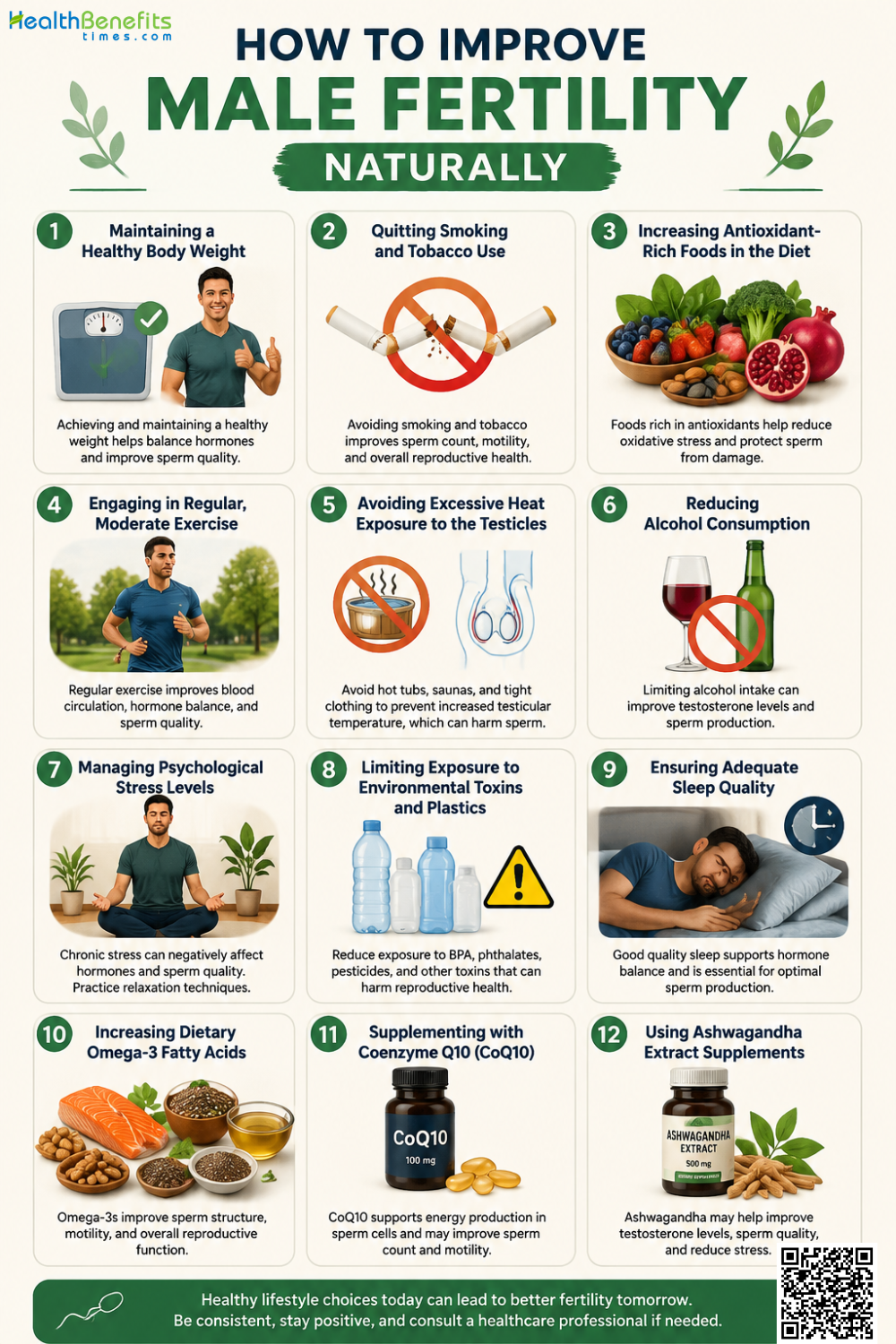
4. Engaging in Regular, Moderate Exercise
How it may help
Regular, moderate physical activity enhances blood circulation and supports healthy testosterone levels, which are essential for robust sperm production 17. It also reduces systemic inflammation within the reproductive organs, creating a healthier environment for sperm to develop and mature properly.
What research says
Clinical trials demonstrate that men who participate in moderate cardiovascular exercise exhibit significant improvements in sperm count, shape, and swimming ability 18. However, research concludes that exhaustive, high-intensity endurance training can decrease testosterone levels and negatively impact overall semen quality 19.
How to use it safely
You should aim for at least 150 minutes of moderate aerobic activity, such as brisk walking, swimming, or light jogging, each week. Avoid extreme endurance routines, and always schedule adequate rest days to prevent physical exhaustion and joint stress.
Potential precautions or side effects
Avoid prolonged bicycling, as bicycle seat pressure and tight clothing can compress reproductive nerves and raise testicular temperatures, which severely impairs healthy sperm production 20.
5. Avoiding Excessive Heat Exposure to the Testicles
How it may help
Healthy sperm production requires the testicles to remain approximately two to four degrees Celsius cooler than normal core body temperature 21. Avoiding excessive heat prevents oxidative stress and cellular damage within the reproductive organs, ensuring that sperm can develop with normal physical structure, healthy concentration, and optimal swimming capability 22.
What research says
Clinical reviews confirm that frequent exposure to high ambient temperatures such as from hot tubs or saunas significantly decreases semen volume, overall sperm count, and forward motility 21. Furthermore, studies demonstrate that resting laptop computers directly on the lap causes significant localized heat elevation, which continuously impairs healthy sperm production over time 23.
How to use it safely
You should wear loose-fitting underwear and take frequent breaks to avoid prolonged periods of sitting. Limit your use of heated saunas or hot tubs, and always place laptop computers on a desk or table rather than directly on your lap to maintain an optimal temperature.
Potential precautions or side effects
If you experience prolonged heat exposure, be aware that it typically takes two to three months for sperm quality to fully recover, matching the natural biological sperm development cycle.
6. Reducing Alcohol Consumption
How it may help
Heavy alcohol intake suppresses natural testosterone production and increases estrogen levels, creating a hormonal imbalance that hinders normal reproductive function 24. Reducing alcohol minimizes cellular oxidative stress within the reproductive tract, which directly supports the production of sperm with normal physical structure and improved swimming capacity 25.
What research says
Clinical reviews confirm that daily or heavy alcohol consumption significantly reduces total semen volume, overall sperm count, and the percentage of normally shaped sperm 26. Furthermore, research demonstrates that chronic alcohol intake increases sperm DNA fragmentation, which negatively impacts fertilization rates and healthy embryo development 27.
How to use it safely
You should limit alcohol intake to no more than one or two standard drinks per week, or ideally, abstain completely while trying to conceive. If you struggle to reduce your alcohol consumption, seek professional medical guidance or counseling to successfully quit.
Potential precautions or side effects
If you drink heavily, stopping abruptly can cause severe physical withdrawal symptoms, including tremors and rapid heart rate. Always consult a physician for a safely supervised medical detoxification plan.
7. Managing Psychological Stress Levels
How it may help
Chronic stress triggers the release of cortisol, a hormone that directly suppresses testosterone production and alters the delicate hormonal balance required for sperm development 28. Managing stress helps regulate these hormone pathways, reducing oxidative damage within the testes and supporting the production of healthy, mature sperm cells capable of fertilization.
What research says
Clinical research concludes that high levels of psychological stress are significantly associated with decreased sperm concentration, reduced swimming ability, and abnormal sperm shape 29. Furthermore, studies demonstrate that stress-reduction interventions directly correlate with improvements in semen quality, thereby increasing the likelihood of successful natural conception 30.
How to use it safely
You should incorporate evidence-based techniques like mindfulness meditation, yoga, or structured deep-breathing exercises into your daily routine. If stress feels overwhelming or interferes with your daily life, seek support from a licensed mental health professional to develop healthy, effective coping strategies.
Potential precautions or side effects
While stress management is beneficial, avoid using it as a replacement for medical evaluations. Persistent distress may indicate an underlying condition requiring professional clinical intervention rather than self-help alone.
8. Limiting Exposure to Environmental Toxins and Plastics
How it may help
Many common plastics and pesticides contain endocrine-disrupting chemicals, which interfere with the body’s natural hormone signals 31. By actively avoiding these toxins, the reproductive system can maintain the proper balance of testosterone required to produce healthy sperm and protect developing cells from structural damage 32.
What research says
Clinical studies conclude that high exposure to chemicals like bisphenol A (BPA) and phthalates significantly decreases sperm concentration, reduces swimming ability, and increases DNA fragmentation 33. Furthermore, research shows that men exposed to agricultural pesticides experience higher rates of abnormally shaped sperm and overall lower semen quality 34.
How to use it safely
You should store and heat your food in glass or stainless-steel containers instead of plastics. Choose fresh, organic produce when possible to reduce pesticide intake, and avoid using heavily scented personal care products that often contain hidden phthalates.
Potential precautions or side effects
While replacing household items reduces chemical exposure, you should avoid extreme anxiety over unavoidable environmental toxins, as excessive psychological stress can also negatively impact your overall reproductive health.
9. Ensuring Adequate Sleep Quality
How it may help
Testosterone production primarily occurs during nighttime sleep. Adequate, uninterrupted rest maintains a healthy circadian rhythm, which ensures the proper hormonal balance required for sperm development 35. Furthermore, healthy sleep cycles help the body clear out reactive molecules, reducing oxidative damage to developing sperm cells.
What research says
Clinical studies conclude that men who consistently sleep seven to eight hours per night possess significantly higher sperm counts and better swimming ability 36. Conversely, research demonstrates that severe sleep deprivation or sleeping less than six hours directly lowers testosterone levels and increases the number of abnormally shaped sperm 37.
How to use it safely
You should aim for seven to eight hours of continuous sleep each night. Establish a regular routine by going to bed at the same time daily. Keep your bedroom cool, dark, and quiet, and avoid viewing bright electronic screens for at least an hour before bedtime.
Potential precautions or side effects
Avoid using unprescribed sleeping pills to force rest, as long-term use can alter natural sleep patterns, cause daytime drowsiness, and potentially mask underlying medical conditions like sleep apnea.
10. Increasing Dietary Omega-3 Fatty Acids
How it may help
Omega-3 fatty acids are essential building blocks for the outer membrane of sperm cells. A healthy membrane provides the critical flexibility required for sperm to swim effectively and successfully fuse with an egg 38. Additionally, these healthy fats reduce localized inflammation, creating a better environment for sperm development.
What research says
Clinical studies demonstrate that infertile men frequently possess significantly lower levels of omega-3 fatty acids in their sperm compared to fertile men 39. Furthermore, research concludes that increasing dietary omega-3 intake directly improves sperm concentration, enhances swimming ability, and increases the total percentage of normally shaped sperm 40.
How to use it safely
You should consume two to three servings of low-mercury fatty fish, such as salmon or sardines, each week. Alternatively, incorporate plant-based sources like walnuts and chia seeds. If selecting a fish oil supplement, consult your physician to confirm the appropriate daily dosage and ensure product purity.
Potential precautions or side effects
Taking high doses of omega-3 supplements can thin the blood and increase the risk of bleeding 41. Always consult a healthcare provider if you currently take prescription blood-thinning medications.
11. Supplementing with Coenzyme Q10 (CoQ10)
How it may help
Coenzyme Q10 (CoQ10) is a naturally occurring antioxidant concentrated in the middle section of sperm cells. It acts as a primary energy source, fueling the movements required for sperm to swim effectively 42. Additionally, CoQ10 protects sperm DNA from structural damage caused by harmful oxidative stress.
What research says
Clinical trials confirm that men who supplement with CoQ10 for three to six months demonstrate significant improvements in sperm concentration and forward swimming ability 43. Furthermore, comprehensive reviews conclude that higher CoQ10 levels in seminal fluid directly correlate with overall higher semen quality and increased fertilization potential 44.
How to use it safely
You should consult a physician before starting CoQ10, though typical clinical doses range from 200 to 400 milligrams daily. Because it is fat-soluble, you should take the supplement with a meal containing healthy fats to maximize physical absorption and ensure optimal effectiveness.
Potential precautions or side effects
CoQ10 is generally well-tolerated but can occasionally cause mild stomach upset or insomnia 45. You should consult your doctor if taking blood thinners, as CoQ10 may decrease their effectiveness.
12. Using Ashwagandha Extract Supplements
How it may help
Ashwagandha is a traditional herbal remedy that helps the body manage psychological stress by lowering cortisol levels 46. By reducing stress hormones and providing antioxidant protection, it balances the reproductive system, naturally increasing testosterone production and shielding developing sperm cells from structural damage 47.
What research says
Clinical trials conclude that men taking ashwagandha root extract experience significant increases in total sperm count, semen volume, and forward swimming ability 48. Furthermore, research demonstrates that this supplementation effectively boosts natural testosterone levels and significantly improves overall conception rates among previously infertile couples 47.
How to use it safely
You should consult your healthcare provider before starting this supplement to establish the correct and safe dosage. Clinical studies typically utilize 300 to 600 milligrams of standardized root extract daily. Take the capsules with meals to improve absorption and minimize the chance of digestive discomfort.
Potential precautions or side effects
Ashwagandha is generally safe but may cause mild stomach upset or drowsiness 49. You should avoid it without medical approval if taking medications for thyroid conditions or high blood pressure.