

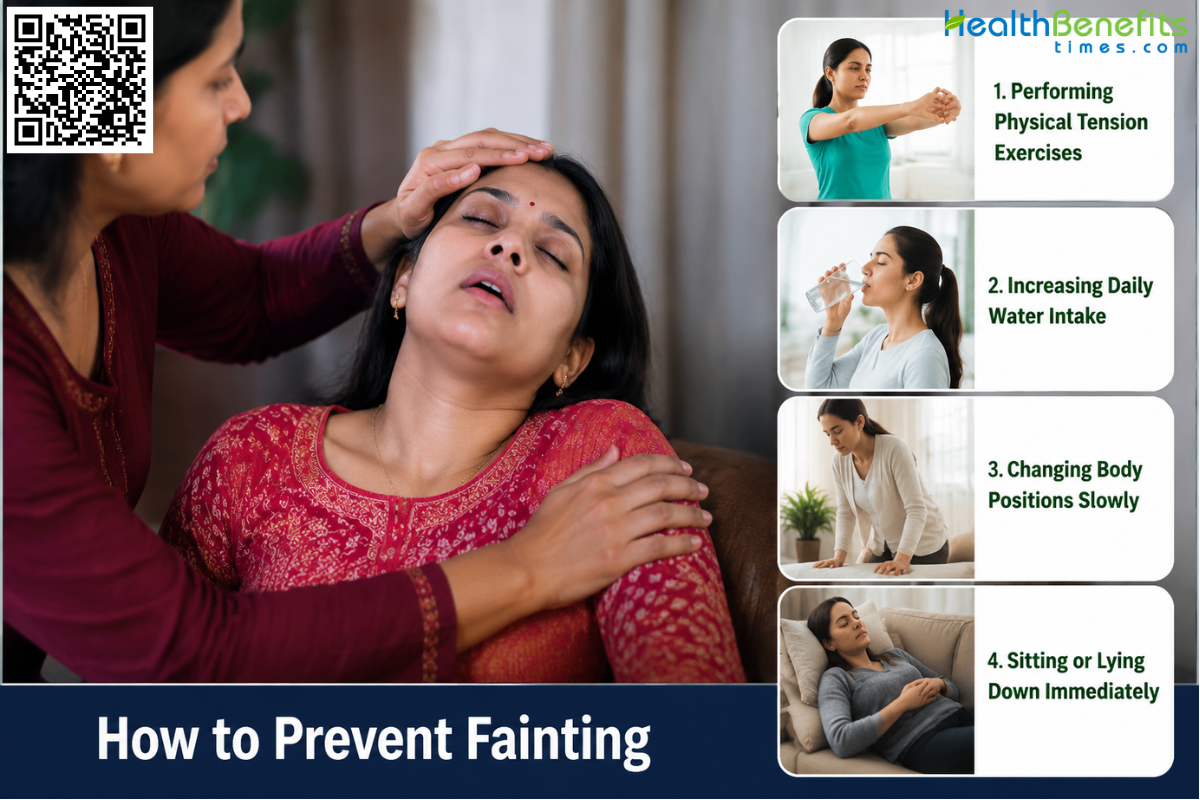
Fainting, medically known as syncope, is a sudden and temporary loss of consciousness accompanied by a loss of muscle control. It occurs when there is a rapid, short-term drop in the amount of oxygen-rich blood flowing to the brain 1. When a person faints, they typically fall down, which helps gravity restore normal blood circulation to the head and usually allows for a quick, full recovery 2. Before losing consciousness, individuals may notice warning signs such as lightheadedness, sudden sweating, nausea, or blurred vision. Although isolated episodes are highly common and often harmless, recurrent fainting or collapsing without an obvious trigger can indicate a more serious underlying issue, such as an undiagnosed heart rhythm disorder or severe blood pressure irregularity 3. Therefore, a professional medical evaluation is recommended after a first-time episode to rule out significant health risks.
Causes of Fainting
- Reflex Triggers: Fainting often occurs when the nervous system overreacts to specific triggers, such as extreme emotional stress, sudden severe pain, or the sight of blood. This reflex drastically slows the heart rate and widens blood vessels, causing blood pressure to drop rapidly and reducing the flow of oxygen to the brain 2.
- Sudden Blood Pressure Drops: Standing up too quickly from a seated or lying position can cause blood to temporarily pool in the legs. If the nervous system fails to tighten blood vessels quickly enough to push blood back to the upper body, the brain loses its oxygen supply, resulting in a brief collapse 4. Dehydration, excessive heat, and certain prescription medications frequently worsen this condition 1.
- Heart Conditions: Structural problems in the heart valves or irregular heartbeats (arrhythmias) can prevent the heart from pumping blood effectively. When the heart cannot maintain a steady flow of oxygen-rich blood to the brain, it can cause sudden fainting, which is often a sign of a serious underlying medical emergency 4.
- Situational Strain: Specific physical actions that increase pressure inside the chest and abdomen—such as intense coughing fits, heavy lifting, or straining during urination or bowel movements—can temporarily block blood from returning to the heart, leading to a temporary loss of consciousness 2.
- Low Blood Sugar: A severe drop in blood glucose levels deprives the brain of its primary energy source. Without enough glucose to function normally, the brain cannot maintain consciousness, a situation most commonly seen in individuals taking medications to manage diabetes 5.
Symptoms of Fainting
- Dizziness and Lightheadedness: A sudden feeling of unsteadiness, wooziness, or feeling as though the room is spinning is often the primary warning sign immediately preceding a collapse 6.
- Visual and Auditory Changes: As blood flow to the brain rapidly decreases, individuals frequently experience blurred vision, “tunnel vision” (a narrowing of the visual field), seeing dark spots, or a sudden ringing sensation in the ears 2.
- Skin and Temperature Alterations: The surface of the skin may suddenly become noticeably pale, cold, and clammy, which is often accompanied by an abrupt onset of heavy sweating or an unexplained rush of body heat 1.
- Nausea and Weakness: A rapid wave of stomach upset, intense nausea, or a profound feeling of full-body physical weakness frequently occurs just before a fainting spell, particularly when the event is triggered by severe pain or emotional distress 6.
- Loss of Consciousness and Muscle Tone: The defining characteristic of fainting is a complete, temporary lack of responsiveness combined with a sudden loss of all muscle control, causing the individual to go limp and slump over or fall to the ground 2.
How to Prevent Fainting
1. Performing Physical Tension Exercises
How it may help
Performing physical tension exercises, known as counter-pressure maneuvers, forces pooled blood out of the lower body and pushes it back toward the heart. Actively tensing the muscles in the legs, arms, or core rapidly increases blood pressure, which can prevent the sudden circulatory drop that causes fainting 7.
What research says
Clinical studies demonstrate that counter-pressure maneuvers effectively prevent loss of consciousness in patients prone to reflex fainting. Research concludes that applying these muscle-tensing techniques at the earliest warning signs, such as dizziness, successfully interrupts the fainting reflex and stabilizes blood flow in most episodes 8.
How to use it safely
At the first sign of lightheadedness, cross your legs tightly and squeeze your thigh muscles together. Alternatively, hook your fingers together and pull your arms forcefully outward. Maintain this steady muscle tension continuously until the dizziness completely fades and your vision clears 9.
Potential precautions or side effects
These exercises are generally safe, but do not delay sitting or lying down if symptoms escalate rapidly. Avoid specific tension maneuvers if they cause joint pain or muscle strain.
2. Increasing Daily Water Intake
How it may help
Dehydration directly lowers total blood volume, making it difficult for the body to maintain adequate blood pressure. Increasing daily water intake expands blood volume and improves blood circulation 7. This ensures a steady, sufficient supply of oxygen reaches the brain, thereby preventing the sudden blood pressure drops that trigger fainting.
What research says
Clinical studies indicate that drinking additional water rapidly increases standing blood pressure in patients who frequently faint. Research confirms that quickly consuming two glasses of water significantly boosts blood pressure within minutes, providing an effective defense against reflex fainting and sudden position-related blood pressure drops 10.
How to use it safely
Aim to drink water evenly throughout the day to maintain consistent hydration. If you start to feel lightheaded, rapidly drink two full glasses of cold water to help raise your blood pressure 7. Keep a water bottle accessible, especially during hot weather or physical exertion.
Potential precautions or side effects
Excessive water intake can dangerously lower sodium levels. Individuals with severe heart conditions or chronic kidney disease must consult a physician before significantly increasing their daily fluid intake 11.
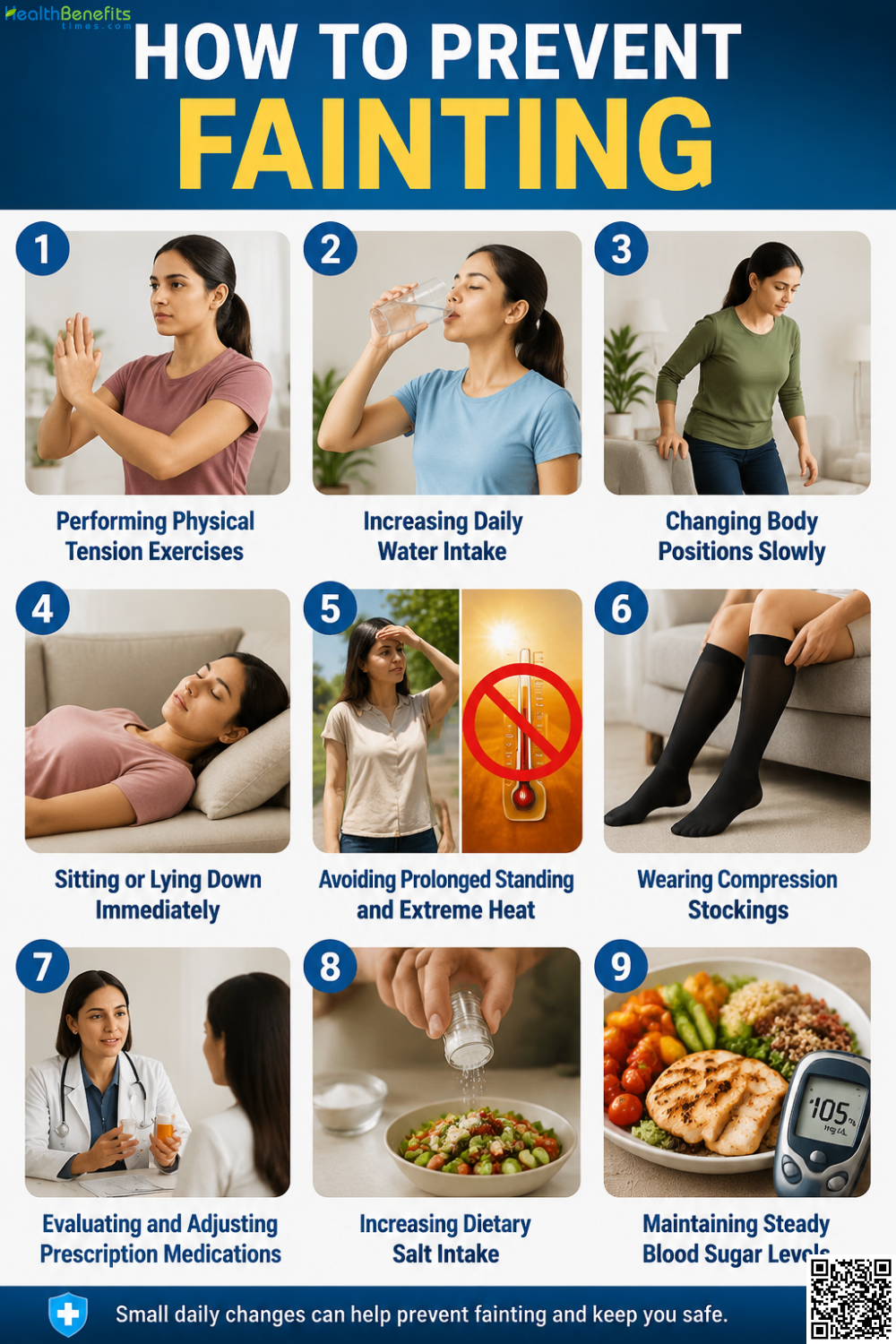
3. Changing Body Positions Slowly
How it may help
Standing up rapidly causes blood to pool in the lower body. Changing positions slowly gives the nervous system adequate time to tighten blood vessels and adjust the heart rate 12. This gradual transition ensures a continuous flow of oxygen to the brain, preventing the sudden blood pressure drops that trigger fainting.
What research says
Clinical guidelines emphasize that gradual positional changes significantly reduce fainting episodes. Medical research confirms that pausing briefly between lying, sitting, and standing gives the body time to activate its blood pressure reflexes, successfully preventing the dangerous pressure drop that causes a loss of consciousness 13.
How to use it safely
When getting out of bed, slowly roll to your side and sit on the edge for a full minute before standing. Hold onto a sturdy surface when rising to maintain balance. If you need to pick something up, always bend at the knees instead of the waist 14.
Potential precautions or side effects
Moving slowly has no negative side effects. However, if you consistently experience dizziness when standing despite taking these precautions, seek immediate medical evaluation for underlying cardiovascular or neurological conditions 2.
4. Sitting or Lying Down Immediately
How it may help
Sitting or lying down immediately utilizes gravity to restore blood circulation to the brain. When the head is leveled with the heart, the cardiovascular system requires less effort to pump blood upward 2. This rapid restoration of oxygen prevents a complete loss of consciousness and halts the fainting episode.
What research says
Clinical guidelines confirm that assuming a supine position at the earliest onset of presyncope symptoms—such as dizziness or blurred vision—effectively aborts the fainting reflex. Medical experts emphasize this rapid postural change stabilizes cerebral blood flow and significantly reduces the risk of traumatic injuries from sudden falls 13.
How to use it safely
At the first sign of dizziness, nausea, or visual changes, sit or lie down on the floor immediately. If lying down, elevate your legs to further assist blood flow to your brain 7. Remain in this position until all symptoms completely disappear before attempting to stand slowly.
Potential precautions or side effects
This action carries no adverse side effects. However, if chest pain, shortness of breath, or severe dizziness persists while lying down, seek immediate emergency medical evaluation 1.
5. Avoiding Prolonged Standing and Extreme Heat
How it may help
Prolonged standing causes blood to pool in the lower body, while extreme heat forces blood vessels to expand and increases fluid loss through sweating. Avoiding these triggers prevents sudden blood pressure drops and ensures an adequate supply of oxygen reaches the brain, stopping the fainting reflex 4.
What research says
Clinical studies demonstrate that environmental heat stress combined with prolonged standing significantly increases the risk of syncope. Medical research concludes that hot conditions cause blood vessels to widen, severely compromising the cardiovascular system’s ability to maintain standing blood pressure and pump blood effectively to the brain 15.
How to use it safely
If you must stand for long periods, frequently shift your weight and actively flex your leg muscles to keep blood circulating. During hot weather, remain in air-conditioned environments, wear light clothing, and avoid strenuous outdoor activities during peak heat hours to prevent dangerous body temperature spikes 15.
Potential precautions or side effects
Avoiding extreme heat and prolonged standing has no adverse health side effects. However, strictly avoiding all sun exposure over a long period may eventually contribute to low vitamin D levels 16.
6. Wearing Compression Stockings
How it may help
Wearing compression stockings applies firm, continuous pressure to the lower legs, preventing blood from pooling in the veins when standing 12. This mechanical support helps push blood back up toward the heart, maintaining a steady supply of oxygen to the brain and preventing sudden fainting episodes.
What research says
Clinical studies confirm that wearing medical-grade compression garments significantly improves standing blood pressure in patients prone to sudden fainting. Research concludes that waist-high or thigh-high stockings are highly effective at stabilizing circulation and reducing the frequency of fainting spells caused by sudden blood drops 13.
How to use it safely
Put the stockings on first thing in the morning before getting out of bed, before any swelling occurs. Ensure the fabric lies flat without folding, which can cut off circulation 14. Consult a doctor to determine the correct pressure level for your needs.
Potential precautions or side effects
Do not use compression stockings if you have severe peripheral artery disease or skin infections. Improperly fitted garments can cause skin irritation, blistering, or dangerously restricted blood flow 17.
7. Evaluating and Adjusting Prescription Medications
How it may help
Many prescription drugs, particularly high blood pressure medications, diuretics, and certain antidepressants, can inadvertently lower blood pressure too much or cause dehydration 4. By evaluating and adjusting the dosage or type of these medications, a doctor can prevent the sudden circulatory drops that lead to fainting episodes.
What research says
Clinical research demonstrates that medication-induced sudden blood pressure drops are a primary cause of fainting, especially in older adults. Studies conclude that a systematic medical review and careful reduction of specific blood-pressure-lowering drugs significantly decrease the frequency of fainting spells and related falls 13.
How to use it safely
Provide your healthcare provider with a complete list of all medications and supplements you take. If you experience dizziness after starting a new prescription, schedule an immediate medical appointment to discuss adjusting your dosage or switching to an alternative treatment 14.
Potential precautions or side effects
Never abruptly stop taking prescribed medications without direct medical supervision. Quitting certain drugs suddenly can cause dangerous rebound effects, such as a severe spike in blood pressure 18.
8. Increasing Dietary Salt Intake
How it may help
Increasing dietary salt intake encourages the body to retain more fluids, which directly expands total blood volume 12. This larger volume raises and stabilizes resting blood pressure, ensuring a consistent supply of oxygen-rich blood reaches the brain and effectively preventing sudden fainting spells.
What research says
Clinical studies confirm that increasing sodium intake, when combined with adequate hydration, successfully increases blood plasma volume and standing blood pressure. Medical research concludes that this targeted dietary adjustment significantly reduces the frequency of fainting episodes in patients who suffer from chronic sudden blood pressure drops 13.
How to use it safely
Only increase your salt consumption under direct medical supervision. If recommended by your doctor, add extra table salt to your daily meals or consume salty snacks like broths 14. Always drink plenty of water alongside increased sodium to effectively build your blood volume.
Potential precautions or side effects
High salt diets can cause dangerously high blood pressure or heart failure. Never attempt this treatment if you have a history of hypertension, heart disease, or severe kidney problems 11.
9. Maintaining Steady Blood Sugar Levels
How it may help
The brain relies entirely on a continuous supply of glucose for energy. When blood sugar drops too low, the brain is instantly deprived of its primary fuel source 5. Maintaining stable blood glucose levels ensures uninterrupted brain function, directly preventing the sudden dizziness and fainting caused by energy starvation.
What research says
Clinical guidelines classify severe low blood sugar as a direct cause of sudden loss of consciousness, primarily affecting individuals taking diabetes medications. Medical research emphasizes that maintaining steady glucose levels through routine monitoring and consistent meal schedules significantly reduces the risk of these sudden fainting episodes 19.
How to use it safely
Eat balanced meals at regular intervals throughout the day and never skip meals, especially if you take diabetes medications. If you begin to feel weak or shaky, quickly consume a fast-acting carbohydrate, such as half a cup of fruit juice or glucose tablets, to stabilize your levels 5.
Potential precautions or side effects
Consuming excessive sugary foods to prevent lows can cause dangerously high blood sugar. Always work with a healthcare provider to establish a personalized target glucose range 20.
Foods to Avoid When You Suffer from Fainting
1. Alcoholic Beverages
Alcohol widens blood vessels and promotes dehydration, which rapidly lowers blood pressure and significantly increases the risk of sudden fainting spells 12.
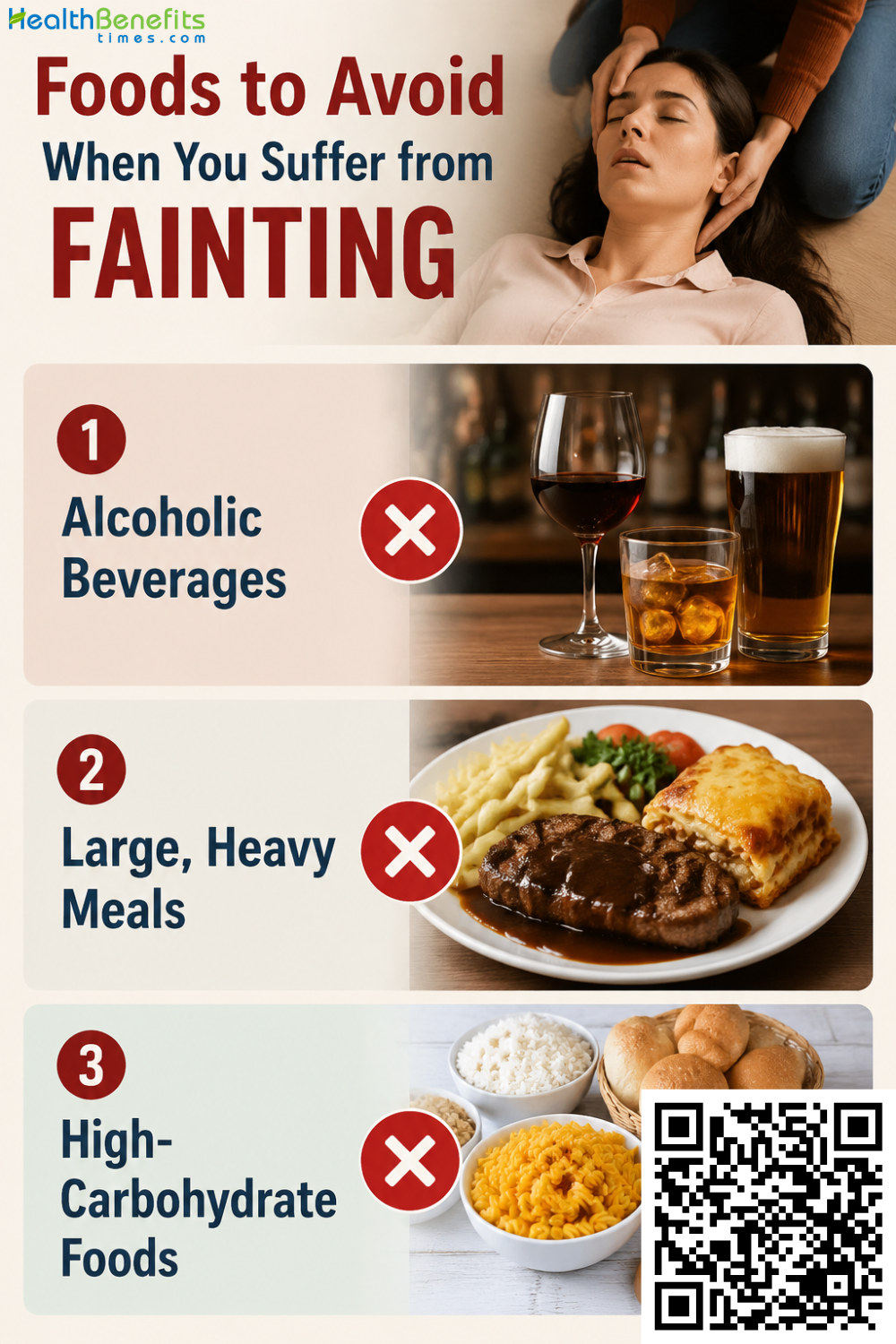
2. Large, Heavy Meals
Eating exceptionally large meals forces blood to pool in the digestive tract, severely dropping overall blood pressure and limiting oxygen to the brain 14.
3. High-Carbohydrate Foods
Heavy servings of rapidly digesting carbohydrates, like large pasta dishes or sugary foods, trigger sudden post-meal blood pressure drops that can induce fainting 12.
When to See a Doctor When You Struggle from Fainting
- First-Time Episodes: Anyone experiencing their very first fainting spell requires a professional medical evaluation to rule out serious underlying cardiovascular or neurological conditions 2.
- Cardiac Symptoms: Seek emergency medical care if fainting is preceded by chest pain, shortness of breath, or a racing heartbeat, which strongly indicates a dangerous cardiac event 6.
- Physical Injuries: Immediate medical attention is necessary if an individual sustains any physical injury, especially head trauma, during the sudden collapse caused by a fainting episode 1.
- Neurological Warning Signs: Emergency evaluation is critical if fainting is accompanied by sudden confusion, slurred speech, or facial numbness, as these are primary indicators of a stroke 21.
- Absence of Warning Signs: Fainting suddenly without prior dizziness or nausea is highly concerning, as sudden drops often indicate a severe, undiagnosed irregular heartbeat requiring immediate cardiac testing 22.