

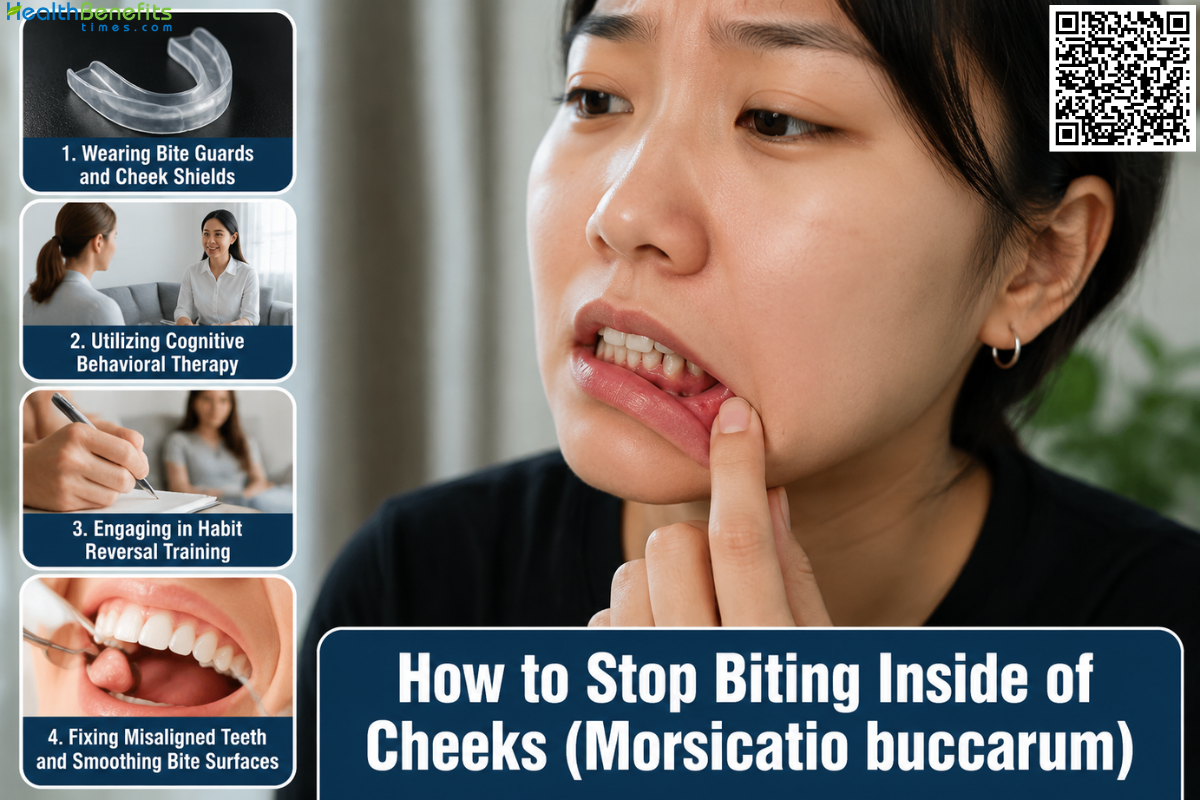
Morsicatio buccarum is a chronic, self-inflicted oral condition resulting from the habitual chewing or biting of the inner cheeks. Over time, this repetitive physical trauma causes the protective lining inside the mouth to thicken, creating rough, shaggy, or peeling white patches located directly along the dental bite line 1. Clinical evaluations indicate that this repetitive behavior is often entirely unconscious and strongly associated with underlying psychological stress, chronic anxiety, or neurotically fixed habits 2. Although the localized tissue damage is physically benign and completely non-cancerous, its distinctly shredded appearance is frequently mistaken by patients and practitioners for more serious dermatological disorders or precancerous oral diseases 3. Because affected individuals rarely realize they are biting their cheeks in their sleep or during stressful moments, achieving an accurate diagnosis relies heavily on a careful clinical examination to differentiate these harmless friction patches from true immune or infectious conditions 4.
Causes of Biting Inside of Cheeks
1. Psychological Stress and Anxiety Disorders
Habitual cheek biting most frequently functions as a subconscious, self-soothing response to psychological distress. Clinical literature identifies chronic anxiety, nervous temperaments, emotional depression, and obsessive-compulsive disorders as primary psychological triggers that compel individuals to persistently chew the inside of their mouths 5. It is classified as a body-focused repetitive behavior, similar to compulsive nail-biting, which temporarily relieves mental tension but creates a vicious cycle of persistent tissue injury and inflammation 6.
2. Dental Misalignment and Poor Bite Alignment
Structural abnormalities within the jaw frequently cause repeated physical trauma to the inner cheeks. Misaligned teeth, particularly wisdom teeth that erupt pointing outward toward the cheek lining, create a mechanical hazard during normal chewing motions 5. Additionally, improperly fitted dental crowns, crooked molars, and irregular biting surfaces drastically increase the likelihood of the teeth inadvertently catching and tearing the adjacent soft tissue 5.
3. Unconscious Sleep Habits and Teeth Grinding
Many individuals inflict chronic tissue damage entirely outside of their conscious awareness while asleep. Medical case studies demonstrate that sleep bruxism, a condition characterized by the forceful grinding and clenching of the teeth, frequently causes the inner cheek lining to become trapped and persistently chewed 1. This unconscious nighttime friction reliably produces the shredded, thickened white patches characteristic of the condition directly along the line where the upper and lower teeth meet 1.
4. Distracted Chewing and Accidental Trauma
Simple mechanical accidents during routine meals are a frequent, non-psychological cause of cheek biting. Engaging in distracting activities such as talking rapidly, reading, or watching television while eating disrupts the brain’s focus on chewing coordination, frequently resulting in painful, accidental bites to the inner cheek 5. Repeated accidental bites can subsequently cause localized swelling, making the enlarged cheek tissue even more prone to subsequent traumatic bites 7.
5. Neurological Impairments and Muscle Paralysis
Underlying nerve deficits that compromise facial muscle control can strongly predispose individuals to chronic cheek biting. Clinical evaluations reveal that patients suffering from facial nerve palsy frequently experience weakened muscle tone and a loss of physical sensation in their cheeks, which significantly impairs their ability to keep the inner cheek tissue safely away from the teeth during meals 8.
Symptoms of Morsicatio buccarum
1. Shaggy White Patches
The most prominent clinical sign is the formation of thickened, irregular white plaques on the inside of the cheek. These patches develop as the mouth’s tissue thickens to protect itself against the chronic friction and trauma of repeated biting 1.
2. Shredded or Ragged Texture
Unlike the smooth surface of healthy oral tissue, the affected areas develop a distinctly rough, chewed, and uneven physical appearance. This occurs because the uppermost layers of the cheek lining are repeatedly crushed and physically torn by the teeth 9.
3. Tissue Peeling and Shedding
Patients frequently experience a symptom known as desquamation, where the traumatized, dead outer layers of the cheek spontaneously peel off in small, fleshy strips. In many cases, these loose fragments can be easily wiped away with a swab without causing direct pain 1.
4. Strict Localization to the Bite Line
A key diagnostic feature of this condition is its highly specific location. The shredded patches and structural tissue changes strictly follow the horizontal line where the upper and lower teeth naturally meet during chewing, rather than spreading throughout the entire mouth 1.
5. Lack of Physical Pain
Despite its highly inflamed, torn, and visually concerning appearance, the chronic nature of the friction often thickens and deadens the surface tissue. Consequently, the condition is usually completely asymptomatic, meaning it rarely causes significant physical pain or burning sensations 1.
6. Underlying Redness and Minor Ulcers
When an individual excessively peels, bites, or forcefully tears away the thickened white surface patches, it exposes the delicate, sensitive layers of tissue underneath. This secondary trauma frequently creates localized areas of bright redness (erythema), minor bleeding, or superficial mouth sores 2.
How to Stop Biting Inside of Cheeks (Morsicatio buccarum)
1. Wearing Bite Guards and Cheek Shields
How it may help
Wearing custom dental guards or cheek shields creates a direct physical barrier between the teeth and the soft oral tissue. This protective layer prevents the teeth from catching or chewing the inner cheeks, instantly stopping further physical trauma and allowing the shredded, irritated tissue to fully heal over time.
What research says
Clinical dentistry studies demonstrate that custom-fitted occlusal splints and soft mouthguards are highly effective conservative treatments for chronic cheek biting 5. Medical evaluations conclude that utilizing these physical barriers successfully interrupts unconscious sleep chewing and significantly reduces the severe tissue lesions associated with habitual biting 1.
How to use it safely
You should visit a licensed dentist to obtain a custom-fitted bite guard, as over-the-counter options often fit poorly. Wear the device consistently during sleep or high-stress periods. Clean the guard daily with a soft toothbrush and cool water to prevent harmful bacterial buildup.
Potential precautions or side effects
Using poorly fitted, non-prescription guards can cause jaw pain, muscle tension, or unintended shifts in tooth alignment. Failure to clean the device regularly may result in oral bacterial infections.
2. Utilizing Cognitive Behavioral Therapy
How it may help
Cognitive behavioral therapy (CBT) helps individuals identify the underlying emotional triggers, such as severe stress or anxiety, that prompt unconscious cheek biting. By increasing personal awareness, this psychological therapy teaches patients how to consciously interrupt the biting cycle and replace the harmful habit with healthy, non-destructive coping mechanisms.
What research says
Clinical research demonstrates that cognitive behavioral therapy is highly effective for treating body-focused repetitive behaviors, including chronic cheek biting 10. Psychological studies conclude that structured therapeutic interventions significantly reduce the frequency of self-inflicted oral injuries by successfully training the brain to manage anxiety without resorting to physical self-harm 10.
How to use it safely
You should seek treatment from a licensed psychologist or clinical social worker who specifically specializes in body-focused repetitive behaviors. Attend therapy sessions consistently and actively practice the recommended awareness exercises and stress-management techniques daily to achieve long-lasting results.
Potential precautions or side effects
You may experience temporary emotional discomfort or heightened anxiety when initially discussing psychological stressors. Therapy requires consistent effort, patience, and time before significant behavioral improvements become physically noticeable.
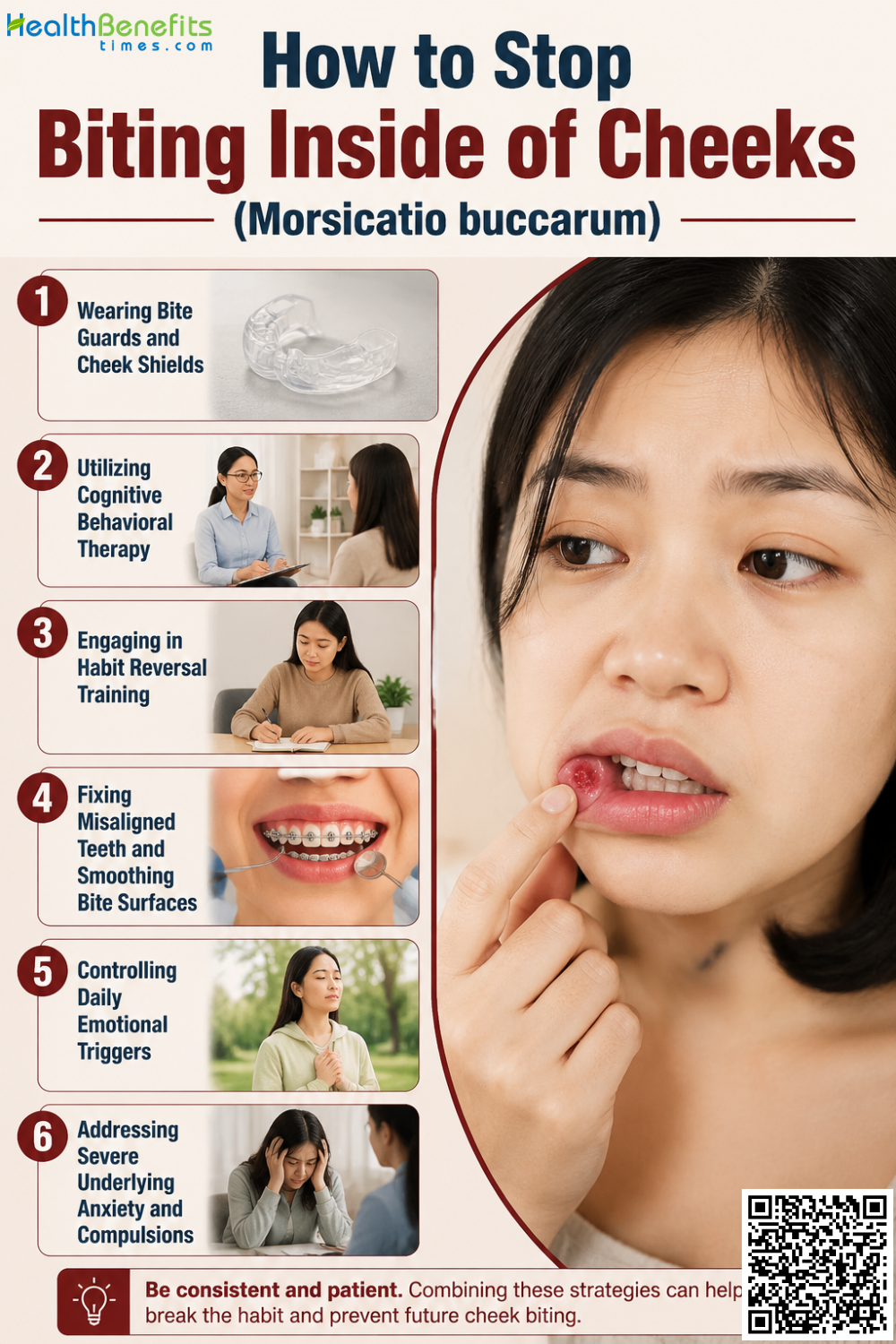
3. Engaging in Habit Reversal Training
How it may help
Habit reversal training is a specialized behavioral therapy that increases a person’s awareness of unconscious actions. It helps by training individuals to recognize the initial urge to bite. Once recognized, they immediately perform a harmless, competing physical action—such as pressing the tongue against the palate—making cheek chewing physically impossible.
What research says
Clinical research establishes habit reversal training as a highly effective, primary behavioral treatment for body-focused repetitive behaviors, including chronic cheek biting 10. Scientific reviews conclude that substituting the biting habit with a competing physical response significantly reduces oral tissue damage and yields long-lasting behavioral improvements 5.
How to use it safely
You should collaborate with a licensed behavioral therapist to develop a customized training plan. Diligently practice recognizing your specific biting triggers. When the urge strikes, immediately engage your chosen competing physical action for at least one minute, or until the compulsion completely passes.
Potential precautions or side effects
This therapy requires strict daily commitment and mental effort. You may experience temporary frustration, and minor behavioral relapses are highly common during periods of unexpected or severe emotional stress.
4. Fixing Misaligned Teeth and Smoothing Bite Surfaces
How it may help
Misaligned teeth or sharp, jagged dental surfaces frequently catch and tear the delicate inner cheek lining during normal chewing. Correcting these structural issues removes the physical obstacles that force the tissue into the path of your bite, preventing the repeated trauma that creates and sustains the thickened, shredded patches of morsicatio buccarum.
What research says
Clinical dentistry reports identify sharp dental edges, misplaced wisdom teeth, and poor bite alignment as significant mechanical contributors to chronic cheek biting 5. Professional evaluations conclude that dental intervention, such as smoothing irregular surfaces or realigning teeth, effectively eliminates the source of repeated irritation, allowing the oral tissue to heal completely 6.
How to use it safely
You should schedule a comprehensive evaluation with a licensed dentist to identify any sharp teeth or alignment issues. Follow your dentist’s recommended treatment plan, which may involve minor adjustments to smooth rough surfaces, dental fillings, or specialized orthodontic care to properly realign your bite.
Potential precautions or side effects
Minor dental procedures may cause temporary tooth sensitivity or mild gum discomfort. More complex realignments require long-term commitment and may cause brief periods of soreness as your mouth adjusts.
5. Controlling Daily Emotional Triggers
How it may help
Emotional stress activates the body’s nervous system, often triggering subconscious repetitive behaviors as a coping mechanism. By identifying and managing daily stressors—such as work pressures or social anxiety—individuals can significantly reduce the underlying urge to bite their cheeks, allowing the mouth’s tissue time to recover from chronic irritation.
What research says
Clinical research consistently links chronic cheek biting to underlying psychological distress and anxiety disorders, identifying it as a maladaptive response to emotional tension 6. Scientific reviews conclude that managing daily stress through targeted psychological interventions reduces the compulsion to perform these repetitive self-harming behaviors, directly facilitating the healing of oral mucosa 5.
How to use it safely
You should implement healthy stress-reduction practices, such as daily meditation, guided deep breathing, or regular physical exercise. Identify specific situations that trigger your biting, and purposefully practice calming techniques during those times to help regulate your nervous system and shift your focus away from oral self-harm.
Potential precautions or side effects
While these methods are safe, stress management requires consistent practice to be effective. You may experience temporary frustration or feel that progress is slow during periods of heightened life stress.
6. Addressing Severe Underlying Anxiety and Compulsions
How it may help
When cheek biting is driven by severe underlying anxiety or compulsive disorders, behavioral techniques alone may not suffice. Psychiatric medications help by regulating brain chemicals that manage mood and impulses. This stabilization reduces the intense, repetitive urges to bite, allowing the oral tissue to heal without the constant interference of compulsive behavior.
What research says
Clinical studies indicate that chronic, severe cheek biting often occurs alongside anxiety disorders and obsessive-compulsive spectrum conditions 10. For patients who do not respond to behavioral therapy alone, research suggests that pharmacological interventions can successfully reduce the severity of these repetitive behaviors by addressing the root psychiatric pathology 10.
How to use it safely
You must consult a board-certified psychiatrist or your primary care physician to determine if medication is appropriate for your specific case. Follow the prescribed dosage strictly and attend regular follow-up appointments to monitor your progress, manage potential side effects, and safely adjust your treatment plan over time.
Potential precautions or side effects
Medications can cause side effects such as drowsiness, dizziness, or dry mouth. You must never discontinue or alter your dosage without medical supervision to avoid adverse withdrawal symptoms.
Foods to Avoid When You Suffer from Morsicatio buccarum
1. Crunchy and Sharp Foods
Foods like hard crusty breads, chips, and nuts can easily scratch or further tear already delicate, inflamed cheek tissue, worsening existing lesions and delaying natural healing 1.
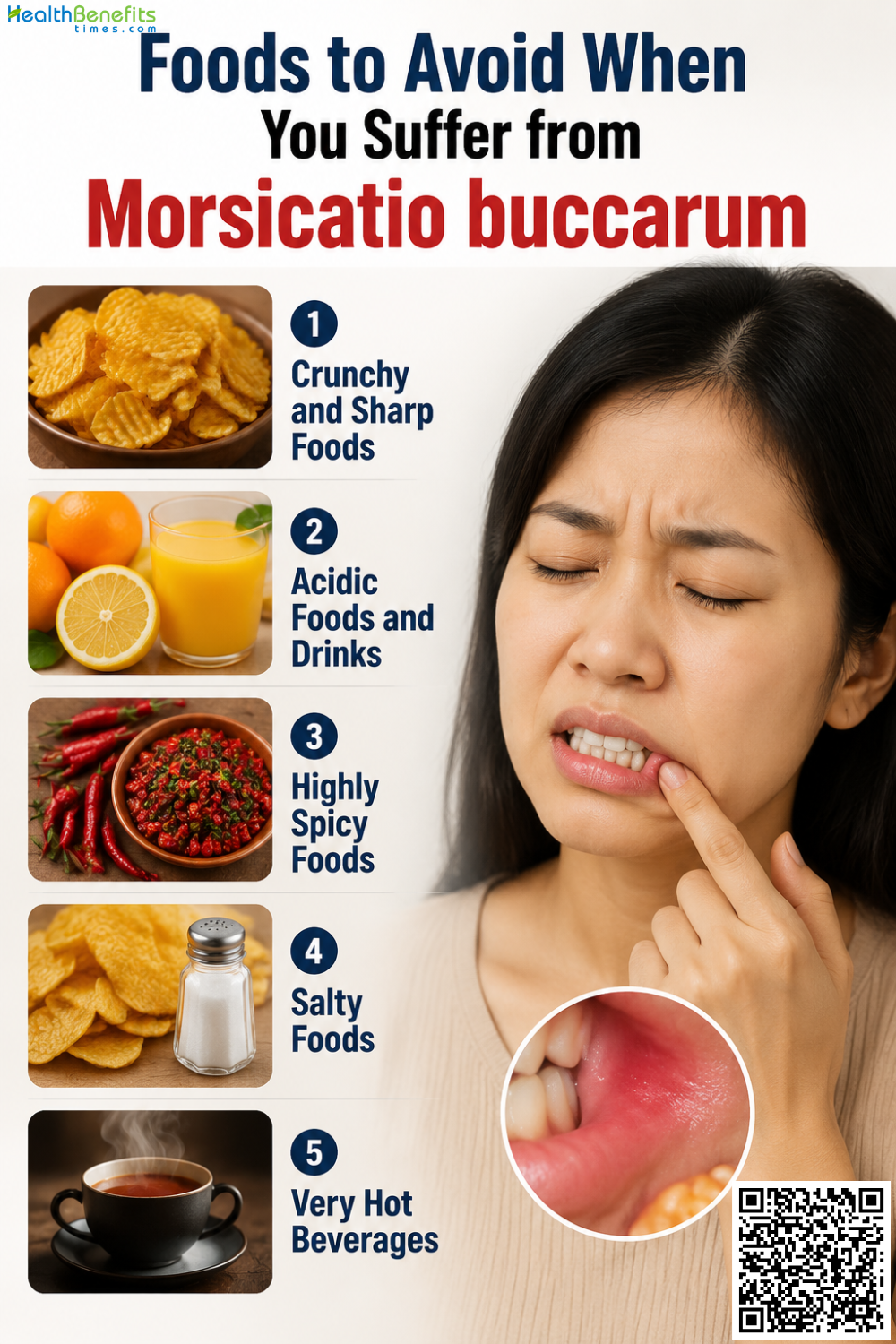
2. Acidic Foods and Drinks
Citrus fruits, vinegar-based dressings, and carbonated sodas cause significant burning sensations if they come into contact with raw or ulcerated areas of the inner cheek lining 4.
3. Highly Spicy Foods
Ingredients containing capsaicin can severely irritate exposed tissue, increasing inflammation and discomfort in areas where the protective lining has been chewed away or damaged by repetitive biting 4.
4. Salty Foods
High-sodium snacks or processed meals can dehydrate the mouth and sting sensitive, open sores, potentially increasing the subconscious urge to chew or manipulate the damaged cheek area 9.
5. Very Hot Beverages
Consuming extremely hot liquids can burn the already traumatized cheek tissue, creating additional surface damage that increases the shaggy, white, peeling appearance of the affected oral lining 1.
When to See a Doctor When You Suffer from Morsicatio buccarum
1. Persistent Lesions
Consult a healthcare provider if the white, shredded patches do not show signs of healing or decrease in size after two to three weeks of avoiding the biting habit 1.
2. Signs of Infection
Seek medical attention if you notice increasing pain, persistent bleeding, pus discharge, or noticeable swelling, as these are clinical indicators of a secondary bacterial or fungal infection 9.
3. Severe Oral Pain
If the cheek lesions cause significant or worsening pain that interferes with your ability to eat, drink, or speak, you should schedule a professional oral examination immediately 4.
4. Suspicious Appearance Changes
Contact a dentist or oral surgeon if the lesions change color, develop hard lumps, or spread significantly, as these can occasionally mimic more serious conditions like oral cancer 3.
5. Debilitating Psychological Impact
Schedule an appointment if the habit feels uncontrollable or is linked to severe anxiety, as professional therapy is essential for managing the underlying cause of this repetitive behavior 5.