

| Indian kino Quick Facts | |
|---|---|
| Name: | Indian kino |
| Scientific Name: | Pterocarpus marsupium |
| Origin | Southern and eastern Asia. It is found in dry, hilly areas of Nepal, India, Bangladesh, Sri Lanka and Taiwan. |
| Colors | Initially green turning to brown as they mature |
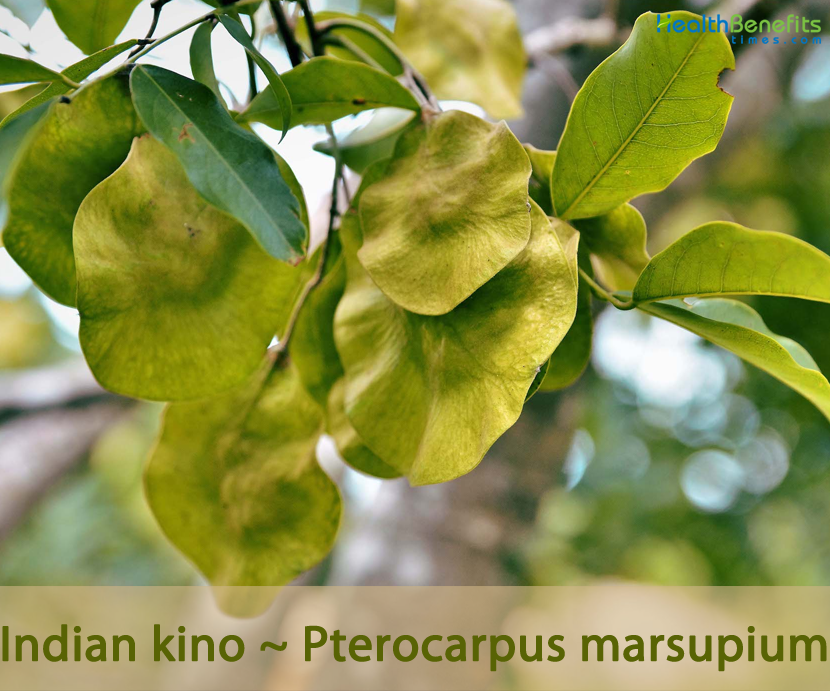
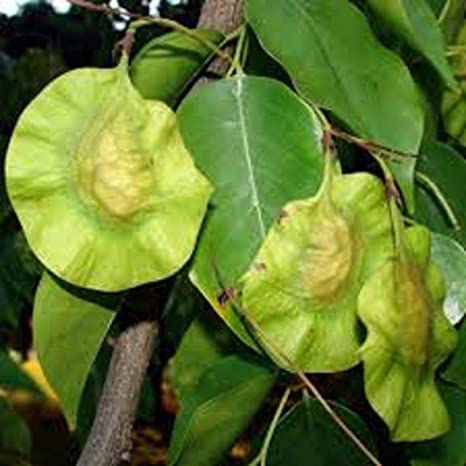
| Shapes | Glabrous, nearly orbicular pod, about 2.5-5 cm diameter, flat, winged containing 1-2 seeds and curved convexly |
| Taste | Bitter, acrid, astringent, sweet |
| Health benefits | Regulates Diabetes, Brings Down Sugar Cravings, Enhances Digestion, Cures diarrhea, Good for the brain, Helps in Purifying Blood, Good for heart health, Aids in Weight Loss, Good for bacterial infection, Promotes Skin Health, Treats Wounds and Ulcers, Relieves Hair Problems, Slows Ageing Process, Helps In Fighting Intestinal Worms, Purifies Blood, Prevents cancer, Cures Arthritis, Prevents Dental Problems, Safeguards Liver Functions, Treats Eye Problems |
| Name | Indian kino |
|---|---|
| Scientific Name | Pterocarpus marsupium |
| Native | Native to southern and eastern Asia. It is found in dry, hilly areas of Nepal, India, Bangladesh, Sri Lanka and Taiwan. |
| Common Names | East Indian kino, Indian kino, Indian kino tree, Indian kino wood, Malabar kino, Gum Kino, Malabar Kino Tree, East Indian/Malabar Kino, kino, Vijayasar, Bastard teak, Bijasal, Gammalu, maidu |
| Name in Other Languages | Arabic: Dammul-akhvaine-hindi, dammulakvainehindi, damulakhvain Assamese: Aajar Bengali: Pitsal, Pitshul, Piyashal, piasal, Piyasala, Pitasala, piyala gacha (পিয়াল গাছ) Chinese: Náng zhuàng zǐtán (囊状紫檀) Czech: Malabar Dutch: Kinoboom, Kino de Malobar English: East Indian kino, Indian kino, Indian kino tree, Indian kino wood, Malabar kino, Gum Kino, Malabar Kino Tree, East Indian/Malabar Kino, kino Gujarati: Biyo (બીયો) Hindi: Banda, Bija, Bijasal, Bijasar, Bijaisaar kaashtha, Biya (बिया), Vijayasara (विजयसार), Beeja patta (बीज पत्ता), Bijasal, BilaHiradokhi, Peisar, Piasal, Pitshola, Vijaisar kaashthaa, petrokrops maarsoopiyam (पेटरोकार्पस मार्सूपियम), angina, asan, asana, bange, bible, biyo, byasa, dhorbenla, hiradakhan, hone, peddagi, pirasaram, pisal, pitasara, pitshal, venga, vengai, yegi, bebla, beeya, bia, bijesar-ka-per, hira-dokhi, hiradokhi, kholar-manda, piasai, pitasara, rang-barat, vijayasar Irula: Ponnai, Vaengai Kannada: Benga, Bibla, Peṭō kārpas marsupiyaṁ (ಪೆಟೋಕಾರ್ಪಸ್ ಮರ್ಸುಪಿಯಮ್), Honne (ಹೊನ್ನೆ), Benge (ಬೆಂಗೆ), Binge (ಬಿಂಗೆ), Bendaga mara, Ollehonne (ಒಳ್ಳೆಹೊನ್ನೆ), honnemara (ಹೊನ್ನೆಮರ), baenga mara, bange, bendaga mara, bengai, bengha, bethonne, bhiyero, bibbla, bija, hane, hane mara, hanemara, hannemara, hond, honnai, kempu honne, netrahonne, nettaruhonne, nettharu honne, netturuhonne, olehonne, olle honne, raktahonne, raktha honne, roktahonne Kashmiri: Lal Chandeur Konkani: Asan (असण) Malayalam: Vēṅṅa (വേങ്ങ), Venga, honne, karintakara, karinthagara, malantakara, venga, vengai, vengay, venna, venna-maram, veuga Malaysia/Peninsular Malaysia: Angana Marathi: Biyala lakda, asana (असाणा), asan, asana, bible (बिबला), bibi (बिबी), bija (बिजा), bivala (बिंवळा), paale-asan (पालेआसण), papdi (पापडी), bibla, dhorbenla, honi, honne, huni Nepali: Bijayashal (बिजयसाल), Bijaysar (बिजयसार), Vandhuk pushpa (वन्धूकपुष्प) Oriya: Piyasalo, Piashala, bijja, piyasalo, ପିତଶାଳକ Persian: khune-siyavashane-hindi, khune-siyavushane-hindi, khunesiahwasham, درخت بادبزنی کیسهای Punjabi: Lal Chandan, Channanlal Russian: Pterokarpus meshkovidnyy (Птерокарпус мешковидный) Sanskrit: Asana, Bandhukapushpa, Bijaka, Bijavriksha, Mahakutaja, Mahasarja, Nilaka, Peetasaar, Pitasala asana, Pitasalaka, Pitasara, Pitashala, Paramayudha, Priyaka, Priyasalaka, Sarfaka, Sauri, Asana, Beejaka, Petaca, Bandhukavriksha, asanah (असनः), bandhukapushpa (बन्धूकपुष्पः), jivakah (जीवकः), mahasarjakah (महासर्जकः), pitasalakah (पीतसालकः), priyakah (प्रियकः), bija, bijakah Sinhalese: Gammalu (ගම්මාලු), Ganmalu, Gummalu, Sri Lanka: Gammalu, gan-malu, leweralla, utera-venkai, venkai Swedish: Malabarkino Tamil: Pidasaralam, Pirasaram, Pidagarama, Sarvasadagam, Sarudagam, Tamisu, tannini,Timisam, Timil, Timisu, Udiravengai, Vandunarmalar, Vegaimaram chakkalpakal, Vengai, Visaga, Vēṅkai (வேங்கை), Accamai, Accanapann, Acaṉāmirta (அசனாமிர்த) asanaamrta, utira-venkai (உதிரவேங்கை), acanapanni, anaitteri, anaitterimaram, asanam, atimuttakam, cakkiravan, cantanati, cantanati, carutacam, carutakam, carutakamaram, caruvacatakam, carvacaram, carvacatakam, carvavetikam, carvavetikamaram, cenkira, cenkiravirutcam, cevvenkai, cevvenkaimaram, cikaivenkai, cikaivenkaimaram, cipantanalam, citalaippalam, citalaippulavu, citalappalam, citalappulavu, cittaromacan, civakam, civakamaram, civikatitam, civikatitamaram, iraticuttakam, irattakura, irattatturu, irattavenkai, kalakantam, kanavutiram, kanavutiravirutcam, kandamiruga-mirattan, kani, kanivenkai, kanivenkaimaram, karuvenkai, katuppekikam, katuppekikamaram, kayatapumaram, kirusnavirutcam, kuntalvirikam, kuntalvirikamaram, kurinji, natcattirakkatci, nattuvenkai, necicantana, nemicantana, nemicantana, nemicantanamaram, neyccarikam, neyccarikamaram, ooderie vaynghie, pankal, peppikanam, peyartanam, peyartanam, peyartanam, peyatanam, piracantan, piracaram, pirakaram, piriyakam , pitacalam, pitacaram, pitacarati, pitacaratimaram, pitakarakam, pitakaram, pontai, pontu, potaki, potakimaram, puli, pulimaram, pulimaram, putpantakam, putpaviccakam, rekam, romavenkai, romavenkaimaram, talini, tamam, tamaraivaki, tamarkkavaki, tamarkkavam, tamarkkavamaram, tamira, tamiravirutcam, tannani, tannani, tanninu, timicam, timicu, timili, tintacam, tipicu, ukiram, ukiramaram, umparomavenkai, uroman, uromavenkai, uromavenkaimaram, uruttiravenkai, utarakirimaram, utirakiri, utiraromavenkai, utirvenkai, uyirvi, uyirvikam, uyirvikamaram, uyirvimaram, vacantaputpam, vanculam, vanculamaram, vantunamaram, vattuvenkai, vellai, vengai-maram, venkai, venkai-c-ciray, venkaimaram, vetavenkai, vicuvaci, vicuvacimaram, viram, viramaram, virutcacam Telugu: Paiddagi chekka, Peddagi, Peddavegisa, Peddegi, Pedegu, Vegisa, Vengisa, Yegi, aine, asana, beddagi, beeja saramu, vegi (వేగి), egi, egisa (ఏగిస), egisi, peddagi, peddayegi, pedegu, pedei, vegi, vengisi, vengsha, yagisa, yeanga, yeangesha, yega, yegeshi, yeggi, yeggie, yegisa, yegise, yegisha, yegishi, yegishie, yegisi, yerra yegisa Tibetan: A sa na, sa ma na Urdu: Bijasar, dam al akhwain, dam-ul-akhwain, damul-akhwain, damulakhvain, gond china ar dhak |
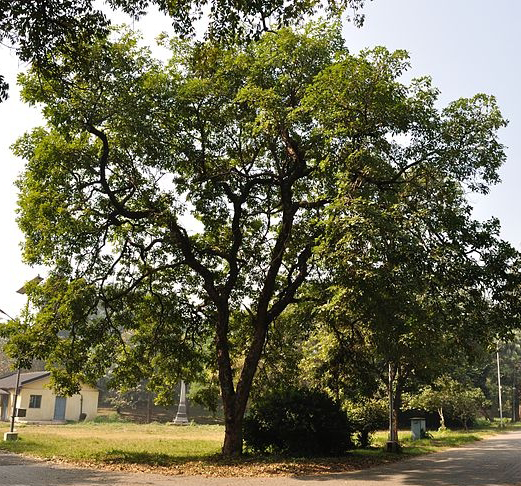
| Plant Growth Habit | Medium to a large-sized deciduous tree |
| Growing Climates | Dry mixed deciduous tropical forests |
| Soil | Prefers fertile, deep clayey loam soil with good drainage and abundant light. It can tolerate excessive temperatures in summer |
| Plant Size | Up to 30 m in height and up to 2.5 m in girth with straight and clear bole. Under favorable conditions the tree attains a height of 33 m and a girth of 2.6 m or more |
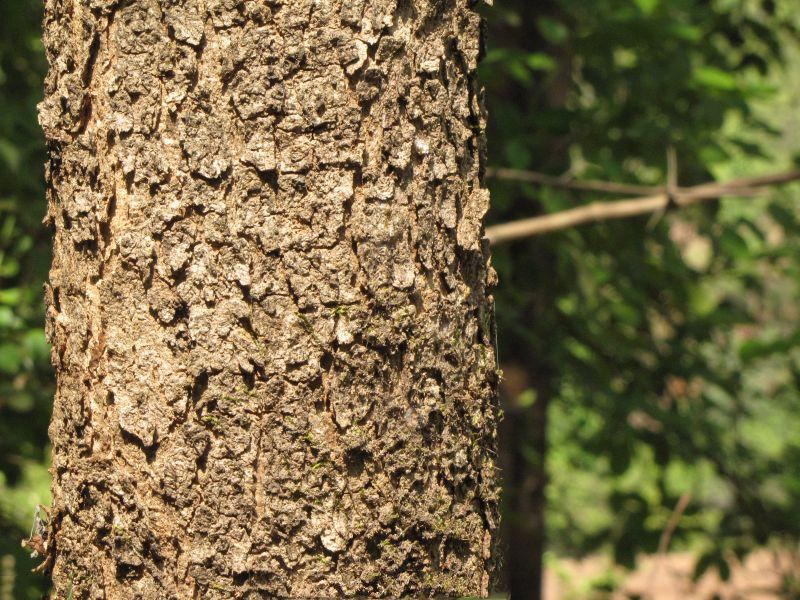
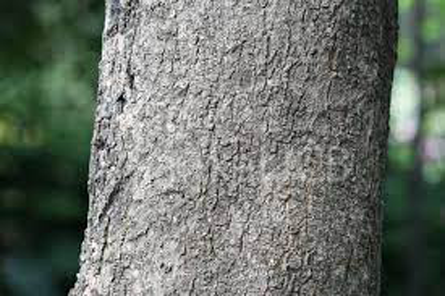
| Bark | Bark is about 1.25 cm thick, grey, rough, longitudinally fissured in small irregular scales, blaze pink with whitish markings and older trees exuding a blood red astringent gum resin |
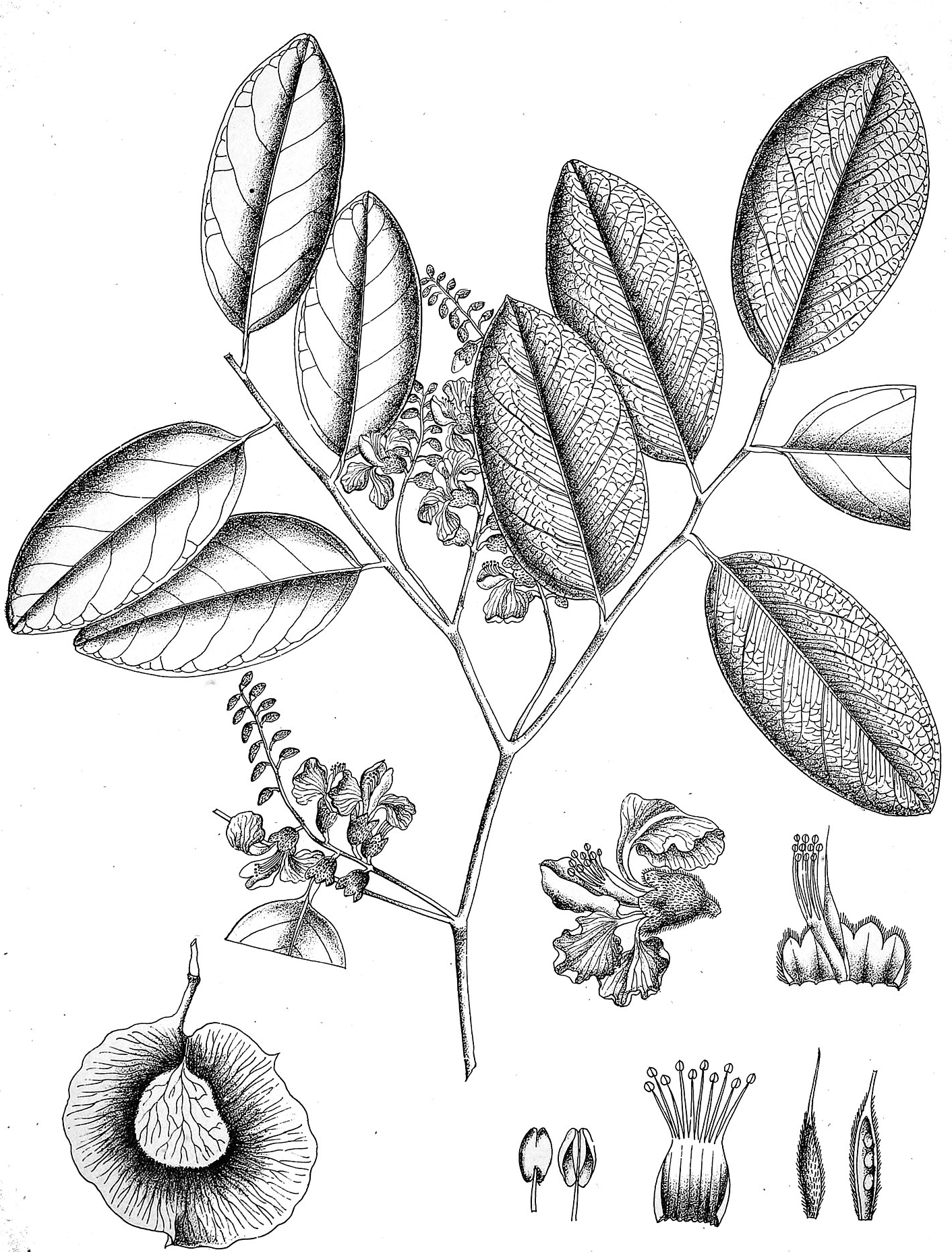
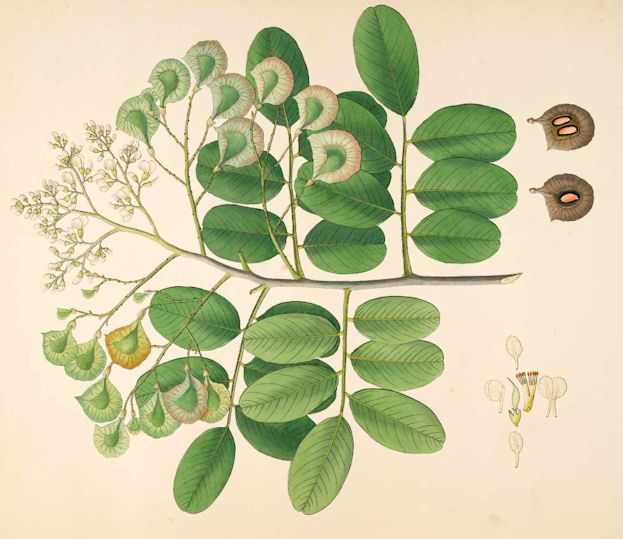
| Leaf | Leaves are large green colored, compound, alternate about 17.5-22.5 cm long usually 5-7 leaflets. Margin is curly and thick. Stipules are small, lateral, falling off. Petioles are round, flat, undulated and 6.5-11.1 cm long, slender and hairless and not having stipules. Leaflets are 5-7, alternate, estipulate; leaflet-stalk 6-10 mm, slender, hairless; blade 3.5-12.5 x 2-7 cm, elliptic-oblong, oblong-ovate or oblong, base blunt or pointed, tip blunt and notched, margin entire, hairless, leathery; lateral nerves 9-20 pairs, parallel, prominent |
| Flowering season | September to November |
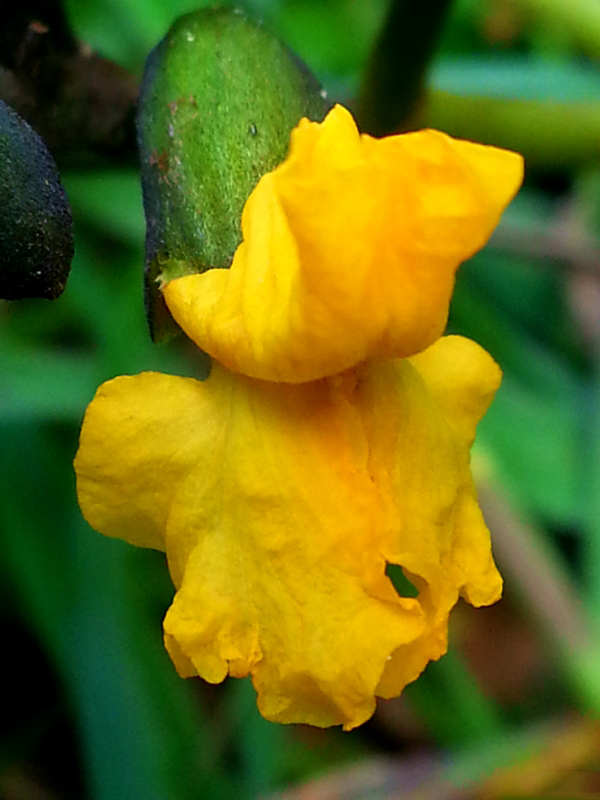
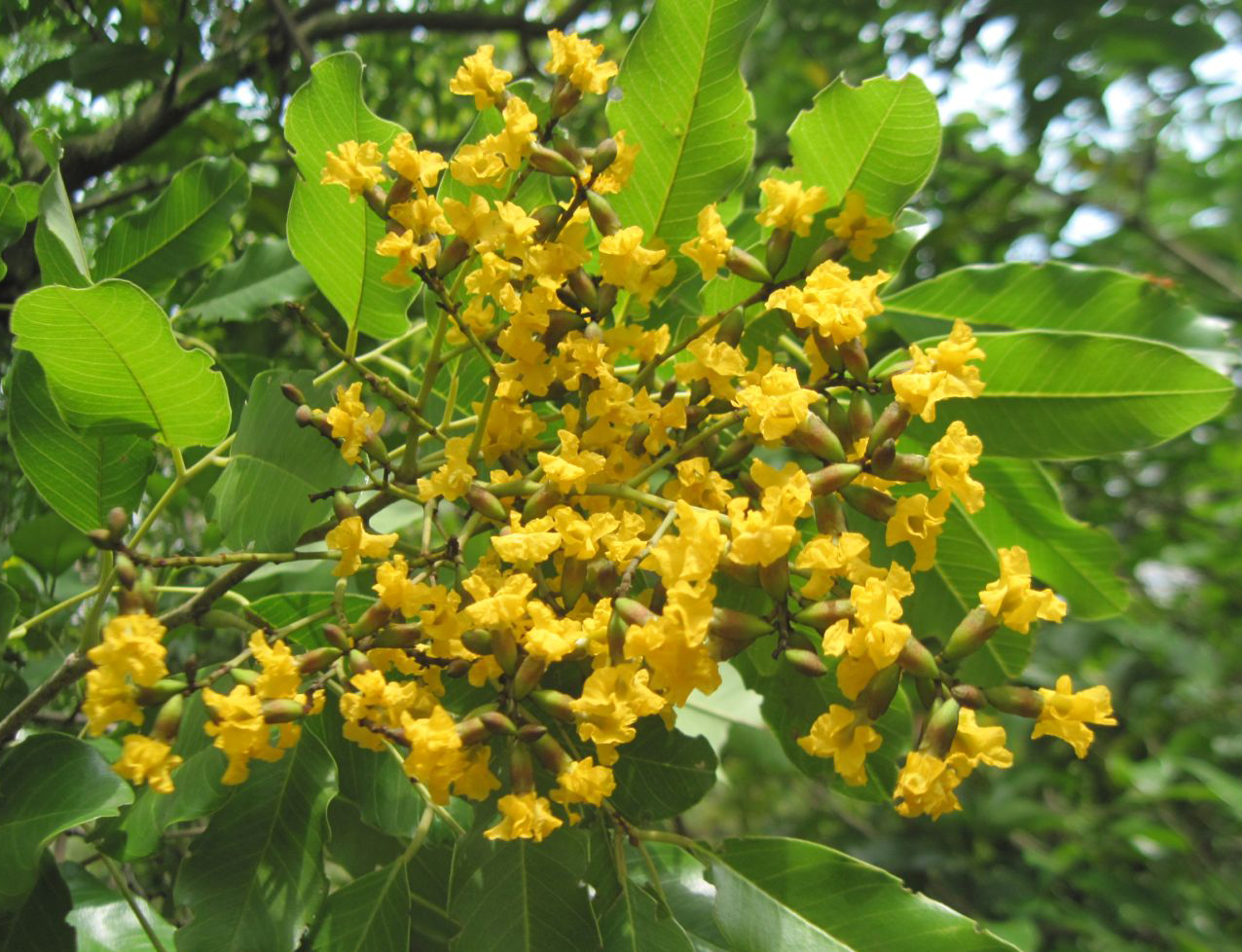
| Flower | Flowers are bisexual, yellow, at branch-ends and in leaf-axils, borne in panicles; 1.0-1.2 cm long; bracts small, dioecious; bracteoles, falling off. Sepal tube is bell-shaped, sepals short, the upper often fused; flowers are protruding |
| Fruit Shape & Size | Glabrous, nearly orbicular pod, about 2.5-5 cm diameter, flat, winged containing 1-2 seeds and curved convexly. |
| Fruit Color | Initially green turning to brown as they mature |
| Seed | Seeds are kidney shaped 1 to 1.3 centimeter long, reddish brown, fairly rigid with smooth glossy leathery testa |
| Taste | Bitter, acrid, astringent, sweet |
| Plant Parts Used | Leaves, flowers, gum, Steam bark, whole plant |
| Lifespan |
|
| Season | December to March |
Plant Description
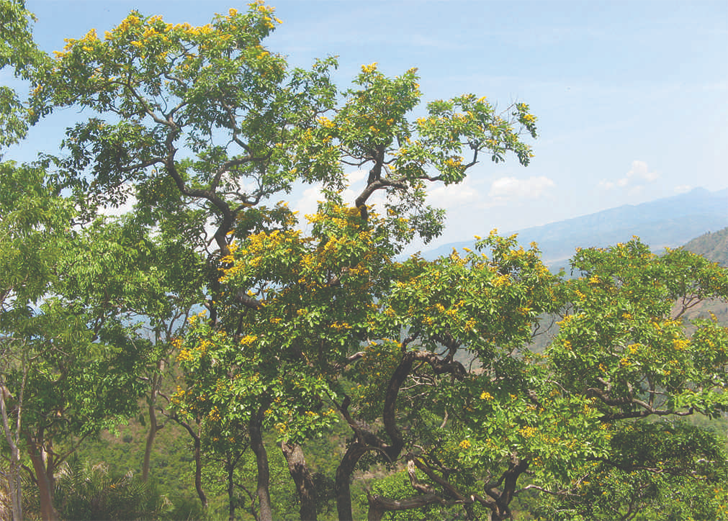
Indian kino is a medium to a large-sized deciduous tree that normally grows up to 30 m in height and up to 2.5 m in girth with straight and clear bole. Under favorable conditions the tree attains a height of 33 m and a girth of 2.6 m or more. The plant is found growing in dry mixed deciduous tropical forests. It prefers fertile, deep clayey loam soil with good drainage and abundant light. It can tolerate excessive temperatures in summer. Bark is about 1.25 cm thick, grey, rough, longitudinally fissured in small irregular scales, blaze pink with whitish markings and older trees exuding a blood red astringent gum resin.
Leaves
Leaves are large green colored, compound, alternate about 17.5-22.5 cm long usually 5-7 leaflets. Margin is curly and thick. Stipules are small, lateral, falling off. Petioles are round, flat, undulated and 6.5-11.1 cm long, slender and hairless and not having stipules. Leaflets are 5-7, alternate, estipulate; leaflet-stalk 6-10 mm, slender, hairless; blade 3.5-12.5 x 2-7 cm, elliptic-oblong, oblong-ovate or oblong, base blunt or pointed, tip blunt and notched, margin entire, hairless, leathery; lateral nerves 9-20 pairs, parallel, prominent. The tree is nearly evergreen or leafless for a short time in the hot season in April-May the new leaves appear in May-June.
Flowers
Flowers are bisexual, yellow, at branch-ends and in leaf-axils, borne in panicles; 1.0-1.2 cm long; bracts small, dioecious; bracteoles, falling off. Sepal tube is bell-shaped, sepals short, the upper often fused; flowers are protruding; petals 5, all long-clawed, crisped along the margins; standard round, wings oblique, obovate, eard; keel petals oblique, small, slightly fused; stamens 10. The panicles of fragrant yellow flowers appear from June to September.
Fruits
Fertile flowers are followed by glabrous, nearly orbicular pod, about 2.5-5 cm diameter, flat, winged containing 1-2 seeds and curved convexly. Fruits are initially green turning to brown as they mature. Seeds are kidney shaped 1 to 1.3 centimeter long, reddish brown, fairly rigid with smooth glossy leathery testa. There are almost 1500-2000 pods/kg. Legume is swallowed on a lengthy, petiole is three, fourths or bicular, the upper remains, which spreads from pedicel to the rest of style is straight, the entire covered with a downy, waved, veiny, layered wing, enlarged, woody center and where seed is blocked and not opening.
Wood
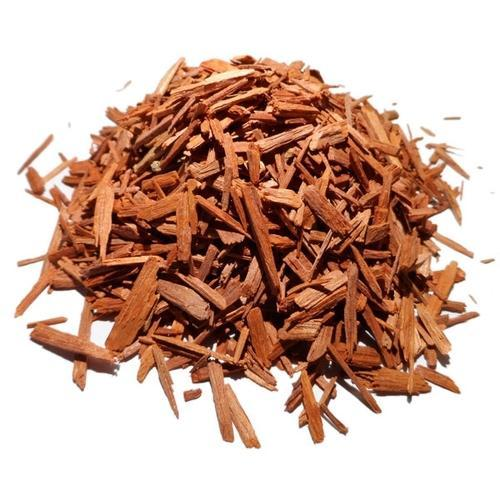
Wood is hard and durable. The sap wood is pale yellowish white or white, narrow, heart wood is golden yellowish brown with darker streaks, staining yellow when damp and turning darker on exposure, broadly inter locked grained, medium coarse textured, strong, tough, very hard and moderately heavy.
| Plant Parts Used | Used |
| Leaves |
|
| Bark |
|
| Stem |
|
| Heartwood |
|
| Flower |
|
| Gum-Kino |
|
 Immature-fruits-of-Indian-kino
 Indian-kino-plant-growing-wild
 Closer-view-of-flower-of-Indian-kino
 Bark-of-Indian-kino
 Dried-woods-of-Indian-kino
 Indian-kino-tree
 Flowers-of-Indian-kino
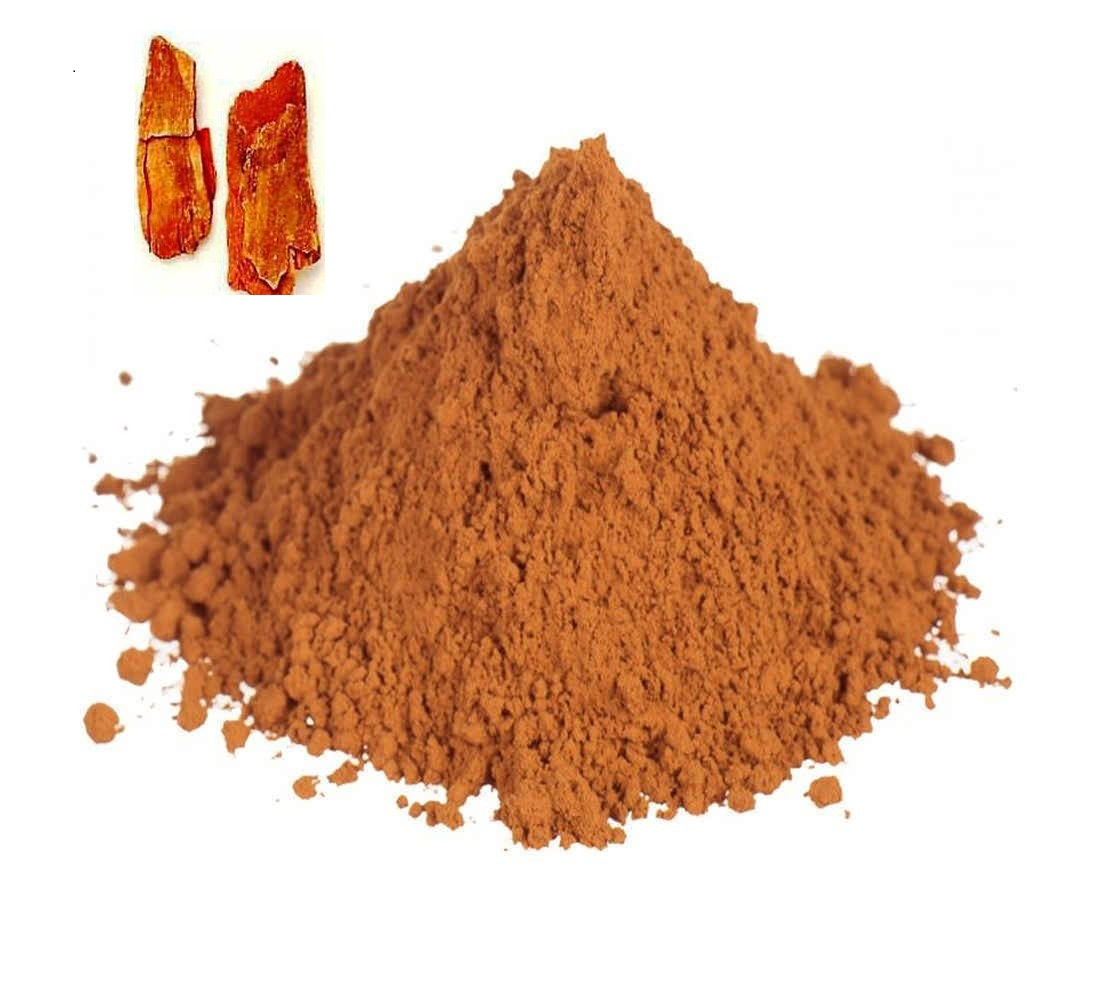 Indian-kino-powder
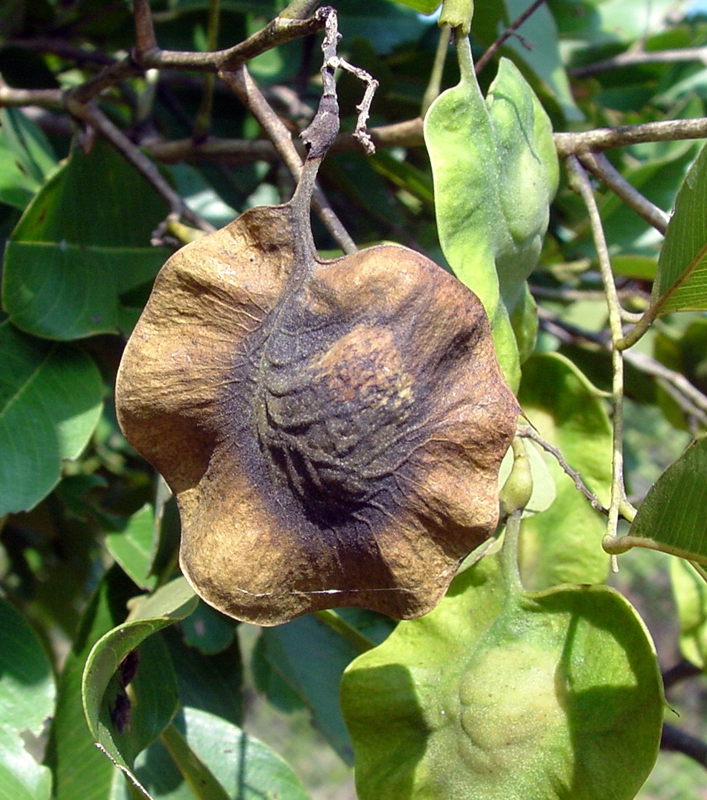 Mature-fruits-of-Indian-kino
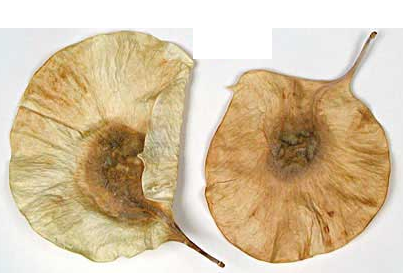 Seeds-of-Indian-kino
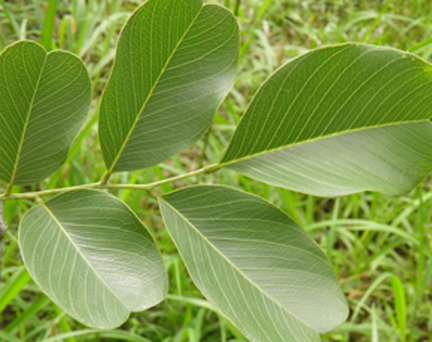 Leaves-of-Indian-kino
 Sketch-of-Indian-kino
 Trunk-of-Indian-kino
 Tumbler-of-Indian-kino
 Plant-Illustration-of-Indian-kino
Health benefits of Indian kino
Listed below are some of the popular health benefits of Indian kino
1. Regulates Diabetes
According to the holistic remedies of Ayurveda, Indian kino is a wonderful plant for managing high sugar levels by improving the metabolism due to its bitter and astringent properties. The excellent anti-glycemic nature of Indian kino plays a quite essential role in alleviating the blood sugar level of the body. It helps to reduce the breakdown of starch into glucose which in turn leads to low blood glucose levels.
2. Brings Down Sugar Cravings
One of the most annoying habits nowadays in a sedentary lifestyle is the affinity of people towards sugar and sugary products. Several researches indicate that when the leaves of Indian kino plant are applied directly to the tongue or are chewed or consumed in the form of a decoction, there is a decrease in the ability of the person to taste sweet foods. This effectively limits cravings and sudden binges, thus helping to achieve a healthier lifestyle.
3. Enhances Digestion
Indian kino is known as an excellent digestive plant. The anti-flatulent property of the bark powder reduces the formation of gas in the alimentary canal, thus preventing flatulence, bloating and abdominal distension. 5. Consuming Indian kino formulations regularly also reduces indigestion, increases appetite, and promotes better absorption of nutrients in the body. Host of bioactive constituents in Indian kino not only helps in preventing various intestinal infections but also treats diarrhea. The herbal tea that is made by using the bark shows high efficacy in the case of intestinal parasites and IBS.
4. Cures diarrhea
Indian kino may show an anti-diarrheal property. Heartwood extract of Indian kino could significantly benefit diarrhea by reducing its frequency and severity during trials. In addition, studies supported that flavonoids (plant metabolites) of Indian kino extract might be responsible for the anti-diarrheal activity. If you are suffering from diarrhea, make sure you have consulted your doctor first.
5. Good for the brain
Indian kino was found to be a powerful memory-enhancing agent, according to an animal study. In animal models, administration of Indian kino extracts reduced drug-induced amnesia (loss of memory). Additionally, Indian kino extract has phyto-constituents like Saponin that may show noo-tropic activity (an activity that enhances brain performance). However, in case of any problems associated with the brain, you should consult your healthcare provider and get a proper diagnosis. Self-treating may worsen your symptoms.
6. Helps in Purifying Blood
Indian kino has the ability to free the body of toxins. Toxins are absorbed in the body and become the part of the bloodstream not just because of the food we eat but also because of the type of air we inhale and the surfaces we touch.
As a purgatory herb, Indian kino helps in the detoxification of the blood. This, in turn, affects our liver too, which is the most important organ performing the function of detoxification. It helps in lowering the pressure on the liver and acts as a hepato-protective.
7. Good for heart health
Indian kino is a good substitute for heart health. Nowadays heart-related diseases are a common sight throughout the world. According to the NCBI report, the annual death rate from cardiovascular diseases in India is projected to rise from 2.26 million – 4.77 million in 2020.
8. Aids in Weight Loss
Abundance of alkaloids and flavonoids in Indian kino help the body shed excess weight faster. Indian kino effectively removes unwanted toxins from the body, satiates hunger pangs and prevents overeating. Hence, consuming this every morning on empty stomach plays a pivotal role in one’s weight loss regimen. Powder from the bark also reduces the accumulation of LDL (i.e. Low-Density Lipoproteins or bad cholesterol) in the body, thus improving metabolism and helping the body to maintain a proper weight.
9. Good for bacterial infection
Antibacterial properties of Indian kino stem and bark extract have been demonstrated by laboratory studies. Stem extract showed antibacterial activity against Bacillus coagulans and Escherichia coli, which cause stomach infections. Indian kino has also been analyzed to have antibacterial activity against other bacteria such as Streptococcus pyrogens, Staphylococcus aureus, Enterococci, Escherichia coli, and Pseudomonas aeruginosa in both laboratory and animal studies. However, if you are suffering from bacterial infection, reach out to your healthcare provider and get treated. Avoid using herbs or remedies to treat infections without consulting your doctor first.
10. Promotes Skin Health
Antioxidant, antimicrobial and anti-inflammatory properties shown by Indian kino bark and leaves offer blood purifying activity. Owing to the bitter taste and Pitta balancing properties, it removes toxins from the blood and therefore helps to manage skin diseases. It is also extremely useful in managing inflammatory conditions like eczema, skin eruptions, boils, psoriasis, and scabies. The leaf juice or bark powder when used as a face pack also helps to prevent the various signs of ageing like wrinkles, fine lines, blemishes and actively increases the glow and gives a rejuvenated look.
Make a paste of the Indian kino leaf or bark powder by mixing it with rose water and apply it directly onto the inflamed, irritated skin to get relief from itching and redness.
11. Treats Wounds and Ulcers
The powerful anti-microbial, anti-inflammatory and anti-ulcer properties of Indian kino heartwood play a pivotal role in treating different types of ulcers like canker sores or mouth ulcers, peptic ulcer, ulcerative colitis, etc. The bioactive composites in the plant encourage tissue regeneration and the juice extracted from the leaves is also used for dressing wounds.
12. Relieves Hair Problems
Indian kino has been an advantage for promoting hair growth since ancient times. Owing to the essential anti-microbial and anti-inflammatory properties, the plant treats numerous scalp and hair infections like folliculitis, itching and dandruff. It nourishes the hair follicles with essential nutrients, improves blood circulation and strengthens the hair strands from the roots. By normalizing the secretion of the stress hormone, it also prevents hair fall and breakage due to stress and anxiety.
13. Slows Ageing Process
The regenerative properties of Indian kino make it a powerful Rasayani dravya that helps in slowing the ageing process. Not only does it help in tissue repair and regeneration but also owing to the powerful antioxidant activity, it protects against cellular damage, and therefore reduces the ageing process in the tissues of the heart, lungs, liver, and skin.
14. Helps In Fighting Intestinal Worms
Indian kino has anti-helminthic property and thus consuming it regularly ensures that our stomach is free from helminths. Helminthes inside the intestine can cause poor appetite, vomiting and fatigue and hence even doctors recommend consuming anti-helminthes medicines at least once a month. The affected person might even experience a sudden loss of weight. Consuming Indian kino ensures the intestine remains free of these parasitic worms.
15. Purifies Blood
Due to the detoxifying properties of the Indian kino, the powder obtained from the bark or heartwood is extremely beneficial in purifying the blood. By cleansing the blood, it improves blood circulation and also helps to remove the toxins from the bloodstream and the various organs in the body.
16. Prevents cancer
Two components in Indian kino extract were found to prevent the multiplication and spread of cancer cells to other organs. Indian kino could also induce the death of cancer cells and is reported to have anti-cancer properties. It may also be used to manage prostate and breast cancer. However, more research is required to support the use of Indian kino in cancer. You are advised not to use any herbs for cancer without consulting your doctor.
17. Cures Arthritis
Indian kino has powerful analgesic and anti-inflammatory properties, which is extremely beneficial in reducing joint and muscle pain, thus reducing the chances of chronic autoimmune inflammatory diseases like rheumatoid arthritis. Paste of the grounded leaves of the herb effectively provides relief from the pain and inflammation.
18. Prevents Dental Problems
Potent anti-microbial nature of the herb makes it a one-shot remedy for numerous dental irregularities like bleeding gums, toothache, tooth ulcers, bad breath etc. Small twigs of the Indian kino plant or bark powder are still used as a tooth cleaning equipment and hence made into tooth powder formulations and recommended in case of bleeding gums by several Ayurvedic healers.
19. Safeguards Liver Functions
Bestowed with hepato-protective components, Indian kino is an outstanding natural solution to cure all liver-related health concerns. By regulating cholesterol levels, lipid balance and dispelling all impurities, toxins from blood circulation, Indian kino functions as an effective detoxifying herb and a remarkable liver tonic. Consuming Indian kino powder diluted in warm water aids in repairing necrosis, fatty liver symptoms in hepatic tissues.
20. Treats Eye Problems
Indian kino bark and root extracts yield powerful oil that is imbued with anti-inflammatory and antimicrobial agents. Indian kino oil is a proven Ayurvedic remedy in banishing diseases of the eye. Gently massaging Indian kino oil onto the eyelids and rinsing it off after 15 minutes lessens swelling, redness and discomfort of eye infections. Moreover, Indian kino oil lowers eye pain, strain and ensures healthy vision.
Traditional uses and benefits of Indian kino
- Indian kino is used internally in diarrhea, dysentery, and pyrosis.
- Externally it is used as a gargle and as an injection for leucorrhoea.
- Heart wood, leaves and flowers of Indian kino have long been used for their medicinal properties in Ayurveda.
- Heart wood is used as an astringent and in the treatment of inflammation.
- Wood and bark of the tree are known for their anti-diabetic activity.
- Indian kino is used in the Ayurveda system for the treatment of diabetes, inflammation and bleeding.
- Bark is also used for bleeding and toothaches.
- Leaves are often applied externally as a remedy for skin diseases.
- Indian kino prevents the pancreatic cells from damage.
- It improves the Heart health. It decreases the production of bad Cholesterol and Fatty acids.
- It lowers the level of Bad Cholesterol and maintains healthy cholesterol levels.
- It accelerates the metabolism and reduces triglycerides and bad cholesterol levels (LDL).
- It lessens the frequency of stools in diarrhea.
- It also expels the Intestinal worms.
- It helps in treating skin problems like inflammation and infections.
- The cold potency of Indian kino gives relief from pain and swelling on wounds.
- Indian kino shows good results in diarrhea, irritable bowel syndrome, bleeding disorders, indigestion, and loss of appetite, hair problems as premature graying, itching, dandruff, hair fall, and dental problems as toothache, inflammation and Infection.
- It has been traditionally used in the treatment of leucoderma, elephantiasis, diarrhea, cough, discoloration of hair and rectalgia.
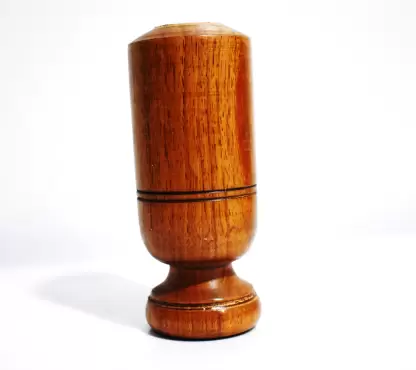
- Drinking water kept in Indian kino bark wood glasses in the morning is an age-old practice for keeping blood sugar levels in control.
- Coarse powder of the heartwood of Indian kino is beneficial in reducing obesity.
- Stem bark of the Indian kino tree is used in ethno-medicines in India for diabetes, anemia, asthma, body pain, dysentery, herpes, skin diseases, toothache, leucorrhea, and dysmenorrhea.
- Kol tribes in Odessa, India, reportedly have made a paste mixture from the bark of the Indian kino tree and the barks of mango, sal tree, and Spondias pinnata to treat dysentery.
- Indian kino helps to prevent cell proliferation and induces apoptotic effect in tumor cell lines.
- Herb cures ailments like leprosy, leucoderma, rectalgia, constipation, hemorrhages and even rheumatoid arthritis.
- Leaves of Indian kino are used for managing boils, sores, skin diseases, and stomach pain.
- Flowers may be used for fever.
- Decoctions of bark and resin (fluid-like thick substance) have traditionally been used to treat cancer cells and urinary tract discharges.
- Heartwood may be used for its analgesic (pain-relieving) properties.
- For premature hair greying, the inner wood of the tree is boiled in Sesame oil and applied on scalp.
- In the case of toothache, the gum resin of the tree is chewed.
Ayurvedic Health benefits
- Skin Diseases: Crush leaves of Indian Kino. Extract the juice and over infected Skin. The powdered form of Indian kino mixed with water can be applied over infected area. OR: Apply the chopped leaves as a poultice on the affected area.
- Diabetes: Keep water in Indian kino wood glass overnight. Drink that water. The color of water might turn reddish brown because of tumbler. But it will be neutral in taste. OR Take 1-2 Indian kino capsules/ 1/4 to half teaspoon of powder with lukewarm water twice a day before meals. Keep a regular check on blood sugar readings after taking Indian kino.
- Asthma: Take Ziziphus Xylopyrus roots, Sodom stem bark, Erythroxylum monogynum stem bark, Indian Kino stem bark and 10 dry Cayenne Pepper. Grind them all to make a fine powder. Consume quarter teaspoon of each of the herb powder for 3 days with 1 liter of water, once a day.
Other Facts
- Resin is applied in the fore heads it is believed to drive away evil spirits.
- Menstruating women should not apply it.
- The bark is used while bathing infants to cure them of their twisted limbs.
- If the limbs was twisted that means that the mother was deceived by her lover.
- The wood is used to construct houses and make furniture.
- There is a belief that a person who constructs a house using this wood and takes non vegetarian food it will bring misfortune to them.
- Wood is very hard, used for building, furniture and agricultural purposes.
- The sap from the trunk applied on children’s forehead as a `pottu’ and believed to keep away evil spirits.
- Wood used for construction of houses.
- The leaves are fed to cattle.
- Kannada people reportedly have made wooden tumblers (drinking vessels) from the yellowish-brown heartwood of the tree.
Dosage
The effective therapeutic dosage of Indian kino may vary from person to person depending upon the age, body strength, effects on appetite, severity, and condition of the patient. It is strictly recommended to consult an Ayurvedic doctor or practitioner as he or she would evaluate the patient’s indications, past medical conditions and prescribe an effective dose for a specific period.
Precautions
- Avoid use if you are Breastfeeding.
- Consult your Doctor before taking Indian kino along with Anti-Diabetic medications.
- Since it is used for diarrhea, it is not suitable to take Indian kino in case of constipation.
- If an individual is already taking synthetic medicines for diabetes, they should consult a doctor before consuming Indian kino to prevent a sudden dip in blood sugar which might become life-threatening.
- People with allergically symptoms such as itchiness or redness skin shall avoid using this extract and better to change with another varies of medication.
- In case having medical treatment from the hospital, it is better not to consume the extract. As herbal extract usually can interfere the work of medical drugs. Therefore, make sure to only choose one between herbal remedies or medical treatment.
- Pregnant woman shall ask the care giver first before decide to consume the medication. As this may interfere the fetus or even can cause any miscarriage.
References:
https://www.itis.gov/servlet/SingleRpt/SingleRpt?search_topic=TSN&search_value=506293#null
https://botanical.com/botanical/mgmh/k/kinos-04.html
https://gd.eppo.int/taxon/PTKMA
https://www.flowersofindia.net/catalog/slides/Indian%20Kino%20Tree.html
https://indiabiodiversity.org/species/show/31671
https://en.wikipedia.org/wiki/Pterocarpus_marsupium
http://www.theplantlist.org/tpl1.1/record/ild-31229
https://www.cabi.org/isc/datasheet/45424
https://plants.usda.gov/home/plantProfile?symbol=PTMA3