Health Benefits
    Facebook Twitter Instagram
    Tuesday, March 24
    Facebook Twitter Pinterest
    Health Benefits
    • Home
    • Dental Health
    • Mental Health
    • Weight Loss
    • Health Wiki
    • Nutrition
    • Healthy Recipe
    • BMI Calculator
    Health Benefits
    Home»Foods»Lard
    Foods

    Lard

    By s mDecember 9, 2016Updated:June 16, 2017No Comments3 Mins Read
    Facebook Twitter Pinterest LinkedIn Tumblr Email

    main-image

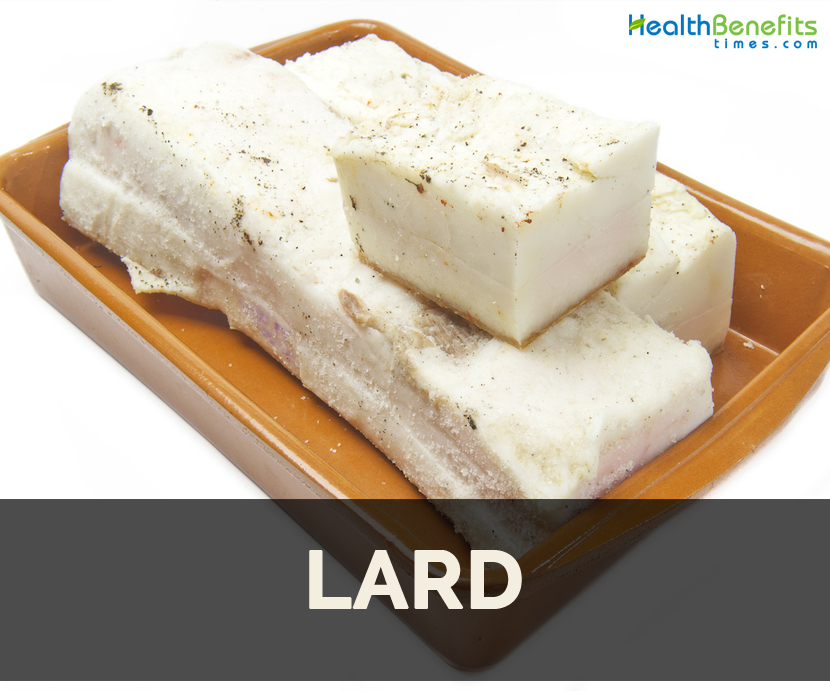
    Lard is the rendered or unrendered fat that is obtained from the pigs. It could be made from any part of pigs. It could be accomplished by boiling or steaming it in the water. The insoluble fat is separated from water or with the use of dry heat. It is not preferable to the vegetarians as it is possessed from the pig. It is used in various cuisines or used as a spread like butter. It is used as an ingredient in pates, sausages and fillings. The qualities of the lard depend on the fat of the part of pig used. Leaf lard is the topmost and Back lard is the second one best grade of lard. Wet and dry are the two processes of lard. In West, it was used in 20th century as an ingredient in cooking.  It does not required to be refrigerated because the fresh lard is not self stable. It is relevant for various dishes.

    Nutritional value

    In one cup (205 grams) of Lard, it contains 1849 calories, 205 grams of fat, 0.23 mg of zinc, 0.4 µg of selenium, 101.9 mg of choline, 1.23 mg of Vitamin E, 5.1 µg of Vitamin D, 5.1 µg of Vitamin D3 and 209 IU of Vitamin D. It also contains the lipids such as 0.205 g of capric acid, 0.41 g of lauric acid, 2.665 g of myristic acid, 48.79 g of palmitic acid, 27.675 g of stearic acid, 5.535 g of palmitoleic acid, 84.46 g of oleic acid, 2.05 g of gadoleic acid, 20.91 g of linoleic acid, 2.05 g of linolenic acid and 195 mg of cholesterol.

    Precautions                                                                                                 

    Some side effects caused by the lard are: Headache, Drowsiness, Irritability, Dizziness, Vomiting, Lethargy, Diarrhea and Bulging of fontanels in infants.

    How to Eat         

    • It is used as an ingredient mostly used in pates, sausages and fillings.
    • It is used to make pastries.
    • It is added to pie crusts.
    • The British cuisine use lard in the Christmas puddings, mince pies, frying fish and lardy cake.
    • Lard is used to form pastry dough in the Catalan cuisine.
    • In North America and Europe, Lard is used as a spread on the bread.
    • It is also combined with seasonings.
    • Lard is used in French fries, fry chips and breaded meats.

    Other Facts        

    • The smoking point of lard is high in comparison to butter.
    • It does not become rancid.
    • The refrigeration is not required for the fresh lard.

    • It is melted and used for cooking.
    • Leaf lard is derived from the kidney of pigs.

    References:

    http://www.prevention.com/food/should-you-be-eating-lard

    http://www.soaperschoice.com/soapoils/lard.html  

    69%
    69%
    Awesome

    Comments

    comments

    Foods L
    Share. Facebook Twitter Pinterest LinkedIn Tumblr Email
    Previous ArticleVetiver – Chrysopogon zizanioides
    Next Article Fish Oil uses and benefits

    Related Posts

    Health benefits of Lollipop plant

    February 23, 2024

    Health benefits of Locust berry

    November 28, 2023

    Health benefits of Little Medick

    September 17, 2023

    Comments are closed.


    [wonderplugin_tabs id=”212″]

    Categories
    • Beverages (78)
    • Dairy (28)
    • Dental Health (15)
    • Equipment (5)
    • Essential OIls (196)
    • Facts (3,000)
    • Foods (259)
    • Fruits (524)
    • Giveaway (1)
    • Grains and Cereals (38)
    • Health & Beauty (761)
    • Herbs and Spices (1,250)
    • Medicines (9)
    • Mental Health (19)
    • Nutritional value (27)
    • Nuts and seeds (73)
    • Oils (81)
    • Pets (4)
    • Poultry & Seafoods (67)
    • Pulses and Beans (17)
    • Reviews (25)
    • supplement (2)
    • Vegetables (306)
    • Weight Loss (23)

    Science backed health benefits of Basil

    Science Backed Health Benefits of Yellow Beans

    Science Backed Health Benefits of Oat Bran

    Science Backed Health Benefits of Yardlong beans (Vigna unguiculata subsp. sesquipedalis)

    Science Backed Health Benefits of Apple Cider Vinegar

    Science Backed Health Benefits of Pigeon peas (Cajanus cajan)

    ABOUT
    Home
    About us
    Contact us
    Privacy Policy
    Terms & conditions
    Disclaimer
    Direct Communication
    e-mail: mail.healthbenefit@gmail.com
    Whatsapp: +977-9841146511
    Viber: +977-9841146511
    Useful
    Health Wiki
    Nutrition
    Facebook Twitter Pinterest
    © 2026 www.healthbenefitstimes.com All rights reserved.

    Type above and press Enter to search. Press Esc to cancel.

    ×

    Log In

    Forgot Password?

    Not registered yet? Create an Account

    Lard Quick Facts
    Name: Lard
    Colors White
    Major nutrients Vitamin D (1393.33%)
    Total Fat (585.71%)
    Choline (18.53%)
    Vitamin E (8.20%)
    Zinc (2.09%)
    More facts about Lard