

Primary biliary cholangitis (PBC) is a progressive autoimmune liver disease that predominantly affects middle-aged women. In this condition, the body’s immune system mistakenly attacks the small, interlobular bile ducts within the liver, causing chronic inflammation and gradual tissue destruction 1. Bile is a digestive fluid that normally flows out of the liver; however, when these ducts are damaged, bile acids accumulate and become toxic to the surrounding liver cells. Over time, this harmful buildup leads to severe liver scarring, known as cirrhosis, and can eventually progress to end-stage liver failure if left unmanaged 2. Although PBC currently has no cure, healthcare providers typically prescribe ursodeoxycholic acid (UDCA) at a daily oral dosage of 13 to 15 mg/kg as a first-line clinical treatment to effectively slow disease progression and delay the need for a liver transplant 2.
Causes of Primary Biliary Cholangitis
- Autoimmune System Dysfunction: The direct cause of the condition is a malfunction of the immune system, where white blood cells mistakenly attack the delicate cells lining the small bile ducts inside the liver 3. This chronic attack destroys the ducts, preventing normal bile drainage and causing toxic bile acids to build up and damage surrounding liver tissue 1.
- Genetic Predisposition: Inherited traits heavily influence susceptibility, as the condition occurs at a significantly higher rate among immediate family members of affected individuals 3. Specific variations in human genes that control inflammatory responses make certain people much more likely to develop the disease when exposed to outside triggers 1.
- Bacterial Infections: Frequent bacterial infections, particularly recurrent urinary tract infections, act as a primary trigger for the disease 4. Bacteria such as Escherichia coli contain proteins that closely resemble human cellular structures, causing the confused immune system to attack the body’s own cells in a process known as molecular mimicry 4.
- Environmental Toxins: Exposure to certain external chemicals can initiate the autoimmune reaction in people who carry specific genetic risk factors 3. Medical research links the onset of the condition to various environmental hazards, including cigarette smoke, toxic waste exposure, hair dyes, and the frequent use of nail polish 3.
- Gut Microbiome Imbalance: An unhealthy change in the natural bacteria living within the digestive tract heavily contributes to the development of the condition 1. This disruption negatively affects the chemical communication between the gut and the liver, worsening immune system dysfunction and accelerating liver inflammation 1.
Symptoms of Primary Biliary Cholangitis
- Profound Tiredness: The most common early symptom is severe, overwhelming exhaustion that significantly disrupts daily activities and does not improve with normal sleep or rest 3.
- Intense Skin Itching: A hallmark early warning sign is severe, relentless itching that often begins on the palms of the hands and soles of the feet before spreading to the rest of the body, and it typically becomes much worse at night 3.
- Yellowing of Skin and Eyes: As the liver sustains more damage and bile flow stops, a yellow waste product called bilirubin builds up in the bloodstream, causing the skin and the white parts of the eyes to develop a distinct yellow color 2.
- Fatty Skin Deposits: Because the damaged liver cannot properly process blood fats, excess cholesterol can accumulate under the skin, creating small, raised, yellow bumps that most commonly form around the eyelids, elbows, knees, and knuckles 3.
- Dry Eyes and Mouth: Individuals frequently experience a severe lack of moisture in the eyes and mouth, which occurs because the malfunctioning immune system also attacks the body’s moisture-producing tear and salivary glands 2.
- Bone Weakening: When bile cannot reach the intestines, the digestive system loses its ability to absorb important fat-soluble nutrients, particularly calcium and vitamin D, leading to thin, brittle bones that are highly prone to breaking 3.
- Upper Right Stomach Pain: Many individuals develop a persistent, dull, or aching discomfort in the upper right side of the abdomen, located directly over the inflamed and swollen liver 3.
- Severe Fluid Buildup: In the advanced stages of the disease, severe liver scarring creates high pressure in the blood vessels, forcing excess watery fluid to leak out and pool in the legs, ankles, and deep within the abdominal cavity 2.
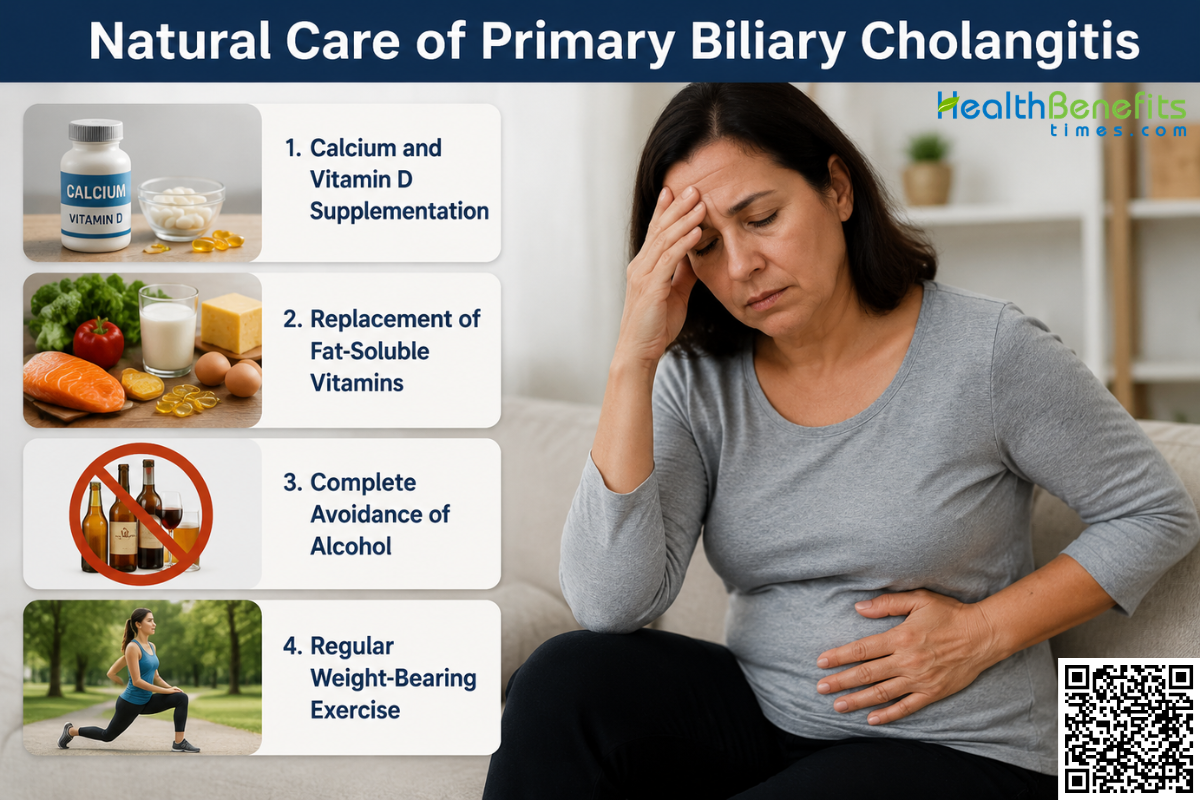
Natural Care of Primary Biliary Cholangitis
1. Calcium and Vitamin D Supplementation
How it may help
Because Primary Biliary Cholangitis damages the liver’s bile flow, the digestive system loses its ability to absorb fat-soluble nutrients like vitamin D. This deficiency leads to weak, brittle bones. Taking calcium and vitamin D supplements directly replaces these missing nutrients to preserve bone strength and prevent fractures 2.
What research says
Clinical guidelines confirm that individuals with this liver condition face a high risk of developing severe bone loss. Research concludes that routine supplementation of both calcium and vitamin D effectively stabilizes bone density and lowers the long-term risk of dangerous bone fractures 3.
How to use it safely
You should only take these supplements under the direct guidance of your doctor. Medical providers typically recommend taking 1,000 to 1,500 milligrams of calcium and 1,000 international units of vitamin D daily. Take calcium doses with food to ensure your body absorbs it properly 2.
Potential precautions or side effects
Taking excessive calcium can cause severe constipation and painful kidney stones. Too much vitamin D may cause dangerous calcium buildup in your blood, requiring routine medical monitoring 3.
2. Replacement of Fat-Soluble Vitamins
How it may help
Primary Biliary Cholangitis reduces the amount of bile flowing into the intestines. Because bile is necessary to digest fats, the body loses its ability to absorb fat-soluble vitamins like A, D, E, and K. Taking these specific replacements directly restores the missing nutrients needed to support vision, cell function, and normal blood clotting 5.
What research says
Clinical studies show that individuals with long-standing liver disease frequently develop significant deficiencies in fat-soluble vitamins. Major medical guidelines conclude that aggressively treating these shortages with special water-soluble pill formulas or direct injections successfully corrects the nutritional imbalance and prevents secondary complications such as severe bleeding or vision loss 6.
How to use it safely
You must undergo specific blood tests to verify a deficiency before starting any fat-soluble supplements. Follow your medical provider’s exact dosing instructions, as they will prescribe specialized forms of the vitamins that your body can easily absorb. You should also attend routine blood tests to continuously monitor your levels 7.
Potential precautions or side effects
Because fat-soluble vitamins are stored in body tissues, taking excessive amounts can lead to dangerous toxicity. Over-supplementation may cause further liver strain, severe nerve damage, or uncontrolled bleeding risks 3.
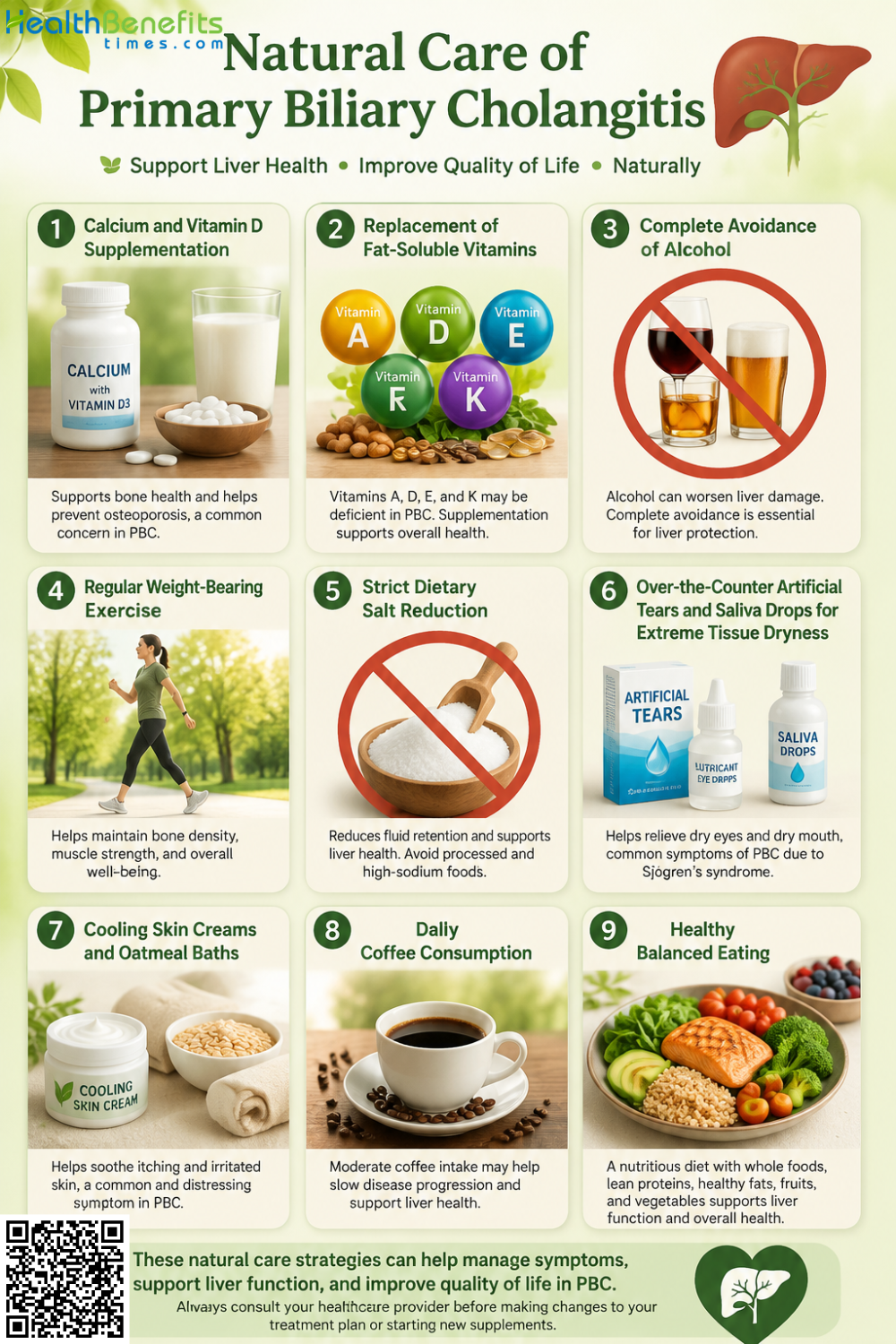
3. Complete Avoidance of Alcohol
How it may help
Primary Biliary Cholangitis already causes significant liver inflammation and damage. Because the liver filters toxins from the blood, consuming alcohol forces a compromised organ to process harmful chemicals. Complete avoidance removes a major source of toxic stress, helping to preserve remaining liver function and preventing unnecessary organ strain.
What research says
Clinical guidelines confirm that alcohol consumption accelerates cellular damage in individuals with pre-existing liver conditions. Medical experts conclude that continued drinking drastically raises the risk of rapid progression to end-stage cirrhosis and further compromises the liver’s ability to process medications effectively 2.
How to practice this safely
You should eliminate all alcoholic beverages, including beer and wine, from your daily routine. When navigating social situations, substitute alcohol with safe alternatives like sparkling water or fruit juice. Drink plenty of water daily to help your body maintain normal hydration and support basic metabolic functions 7.
Potential precautions or side effects
If you have a history of heavy drinking, stopping abruptly can cause severe physical withdrawal symptoms, including tremors or seizures. You must seek professional medical supervision to quit safely 8.
4. Regular Weight-Bearing Exercise
How it may help
Because this liver condition prevents the absorption of essential nutrients, individuals face a high risk of bone thinning. Weight-bearing exercises, such as walking, force the body to work against gravity, signaling the skeletal system to build denser bones while simultaneously combating chronic daily exhaustion 2.
What research says
Clinical guidelines highlight that chronic liver diseases cause rapid declines in bone mineral density. Medical studies conclude that routine weight-bearing and mechanical stress activities successfully stimulate new bone tissue formation, directly slowing the accelerated bone deterioration and reducing fracture risks associated with the disease 3.
How to use it safely
You must ask your medical provider before starting a fitness routine to ensure your bones can handle the physical stress. Prioritize moderate, low-impact activities like brisk walking or using light resistance bands for thirty minutes daily, taking frequent rest breaks 7.
Potential precautions or side effects
If you already suffer from severe bone loss, high-impact movements can trigger immediate fractures. Furthermore, exercising too intensely can severely aggravate the chronic fatigue linked to the disease 2.
5. Strict Dietary Salt Reduction
How it may help
As Primary Biliary Cholangitis damages the liver, the organ struggles to regulate bodily fluids, leading to severe water buildup in the stomach and legs. Lowering salt intake prevents the body from retaining excess water, directly minimizing this uncomfortable swelling and relieving pressure on the digestive system 7.
What research says
Medical guidelines state that advanced liver disease frequently causes dangerous fluid accumulation. Clinical research concludes that strictly limiting daily dietary sodium to less than 2,000 milligrams successfully manages this complication and reduces the need for aggressive fluid-draining medications 2.
How to use it safely
You should eliminate processed foods, canned meals, and fast food, as these contain massive amounts of hidden sodium. Always read nutrition labels carefully and flavor your meals with fresh herbs, lemon juice, or salt-free spices instead of adding table salt 7.
Potential precautions or side effects
Removing salt can make food bland, potentially causing dangerous unintended weight loss. Never use potassium-based salt substitutes without medical approval, as they can severely harm your kidneys 3.
6. Over-the-Counter Artificial Tears and Saliva Drops for Extreme Tissue Dryness
How it may help
Many individuals with Primary Biliary Cholangitis develop an overlapping immune response that attacks moisture-producing glands, leading to painfully dry eyes and mouth. Over-the-counter artificial tears and saliva substitutes provide immediate surface moisture, relieving burning sensations, preventing vision damage, and making swallowing food much easier 7.
What research says
Clinical evaluations show that secondary moisture gland dysfunction affects over half of all patients with this liver condition. Medical guidelines confirm that applying topical, over-the-counter moisture drops is the most effective first-line strategy to prevent severe dental decay and serious eye surface scarring 2.
How to use it safely
You should strictly select preservative-free artificial tear formulas, especially if you apply the drops more than four times a day, to prevent eye irritation. Use saliva substitute sprays directly before eating to aid in chewing, and sip water frequently throughout the day 7.
Potential precautions or side effects
Eye drops containing chemical preservatives can worsen inflammation with frequent use. Additionally, some artificial saliva products contain hidden sugars that rapidly accelerate dental cavities in a severely dry mouth 3.
7. Cooling Skin Creams and Oatmeal Baths
How it may help
Primary Biliary Cholangitis frequently causes relentless, intense body itching. Cooling skin creams and colloidal oatmeal baths help soothe the skin’s surface by providing deep moisture and calming irritated nerve endings. This combination offers immediate physical relief and prevents severe scratching, which can otherwise cause painful, open skin infections 9.
What research says
Clinical guidelines indicate that severe itching drastically reduces the quality of life for individuals with this liver condition. Medical research supports the daily use of thick emollients, cold water, and oatmeal extracts as safe, non-drug methods to effectively improve dry skin, lower inflammation, and successfully manage widespread itch sensations 9.
How to use it safely
You should apply thick, fragrance-free moisturizing creams directly after bathing while your skin is still slightly damp. Always take lukewarm or cool oatmeal baths rather than hot showers, because hot water rapidly draws blood to the skin’s surface and severely triggers the sensation of itching 9.
Potential precautions or side effects
You must strictly avoid skin lotions containing artificial fragrances or alcohol, as these harsh chemicals quickly strip natural oils, dry out the skin, and make liver-related itching much worse 9.
8. Daily Coffee Consumption
How it may help
Coffee contains powerful active compounds, primarily caffeine, that block specific chemical signals in the liver responsible for creating scar tissue. By naturally reducing this chronic inflammation, daily coffee drinking helps protect the remaining healthy liver cells and slows the overall progression of liver damage caused by the disease 10.
What research says
Clinical research shows that regular coffee consumption provides significant protective benefits for individuals with chronic liver conditions. Medical studies conclude that drinking coffee actively slows down the development of severe liver scarring, known as cirrhosis, and lowers the long-term risk of facing total liver failure 10.
How to use it safely
You should aim to drink two to three cups of plain, filtered black coffee daily to gain the most benefit. Strictly avoid adding heavy creams, full-fat dairy, or large amounts of refined sugar, as these extra fats and calories can cause further liver strain and inflammation 10.
Potential precautions or side effects
Consuming excessive amounts of caffeine can quickly lead to a rapid heart rate, severe anxiety, and digestive upset. You should stop drinking coffee by the early afternoon to prevent sleep disruption 10.
9. Healthy Balanced Eating
How it may help
A nutritious, well-balanced diet protects the liver from unnecessary stress and prevents the accumulation of excess fat within the organ. By eating healthy foods, individuals avoid developing a secondary condition called fatty liver disease, which would otherwise severely accelerate the existing liver damage caused by Primary Biliary Cholangitis 7.
What research says
Clinical research indicates that poor eating habits heavily contribute to overlapping liver conditions. Medical experts conclude that following a balanced dietary pattern, such as the Mediterranean diet, significantly reduces overall liver inflammation, prevents metabolic complications, and successfully lowers the risk of rapid disease progression 2.
How to use it safely
You should focus on eating plenty of fresh fruits, vegetables, whole grains, and lean proteins like fish or chicken. Strictly avoid heavily processed meals, deep-fried foods, and items high in added sugars, as these directly cause toxic fat buildup in your vulnerable liver 7.
Potential precautions or side effects
Never start extreme, highly restrictive diets without medical supervision, as rapid weight loss can severely stress the liver and worsen existing nutritional deficiencies 3.
Foods to Avoid When You Suffer from Primary Biliary Cholangitis
1. Alcoholic Beverages
Consuming alcohol forces a compromised liver to process toxic chemicals, drastically accelerating cellular damage and increasing the risk of severe cirrhosis 11.
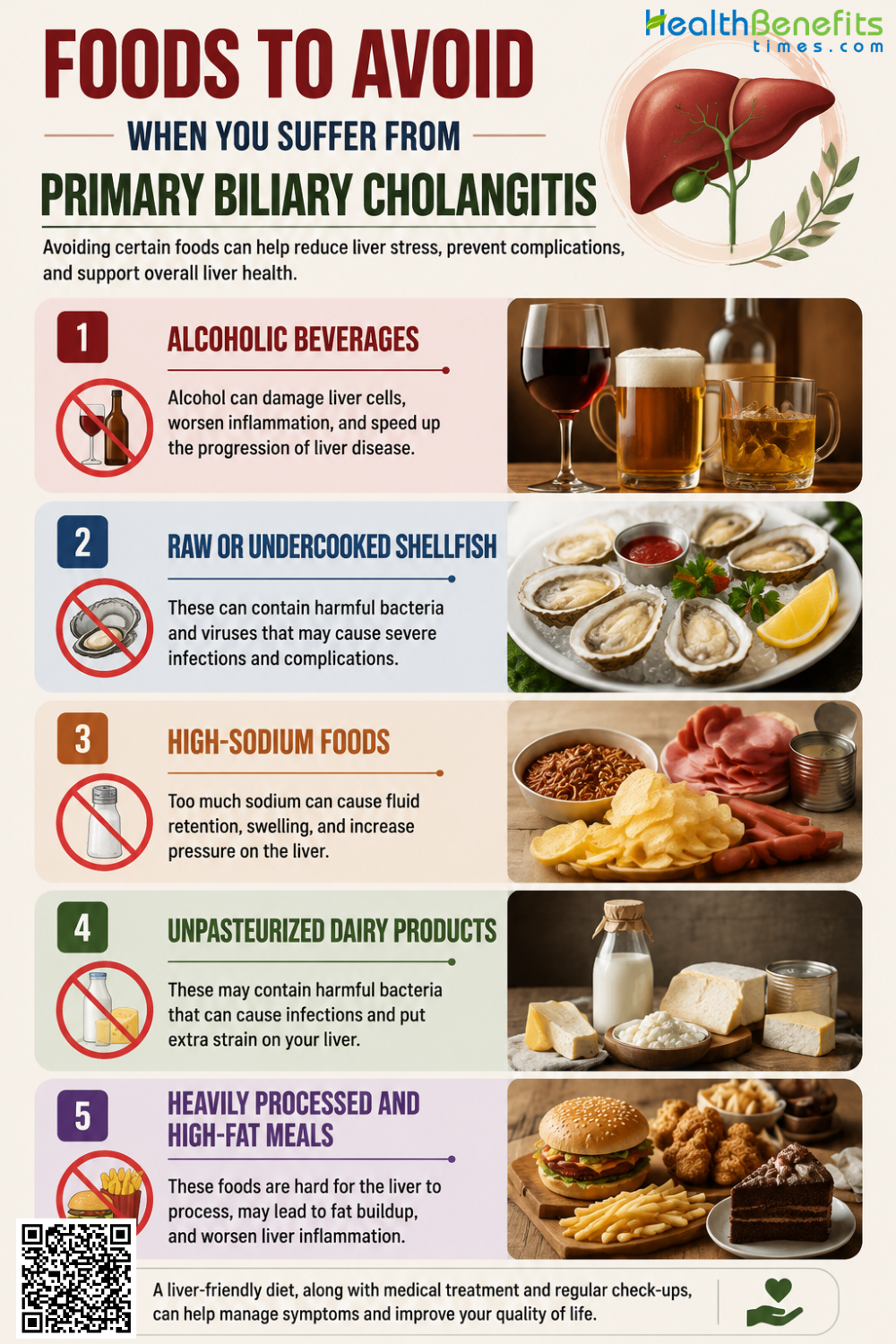
2. Raw or Undercooked Shellfish
Raw seafood often harbors dangerous marine bacteria that cause rapidly fatal systemic blood infections in individuals with chronic liver disease 12.
3. High-Sodium Foods
Excess dietary salt forces the body to retain water, severely worsening liver-related complications by causing dangerous fluid accumulation within the abdomen and lower legs 7.
4. Unpasteurized Dairy Products
Raw milk contains harmful bacteria that can trigger severe, life-threatening digestive and systemic infections in patients whose immune and liver functions are already compromised 11.
5. Heavily Processed and High-Fat Meals
High-fat foods are difficult to digest with reduced bile flow and directly contribute to additional toxic fat buildup inside the already inflamed liver 11.https://www.niddk.nih.gov/health-information/liver-disease/primary-biliary-cholangitis/eating-diet-nutrition %}.
When to See a Doctor When You Suffer from Primary Biliary Cholangitis
1. Vomiting Blood or Black Stools
Seek immediate emergency care if you vomit blood or pass black, tarry stools, indicating a life-threatening hemorrhage from swollen internal digestive veins 13.
2. Sudden Confusion or Extreme Sleepiness
You must contact a doctor immediately if you experience severe confusion or personality changes, which signals dangerous brain toxicity caused by a failing liver 3.
3. Rapid Swelling in the Stomach or Legs
Notify your healthcare provider if you notice sudden, severe fluid buildup in your abdomen or ankles, indicating rapidly worsening liver scarring and high internal pressure 2.
4. Worsening Yellowing of Skin and Eyes
Consult your doctor if you develop a new or deepening yellow tint to your skin and eyes, demonstrating that your liver is failing to clear bodily waste 13.
5. Unbearable and Relentless Itching
See a medical provider if skin itching becomes so severe that it prevents sleep or causes open scratching sores, requiring prescription medications to prevent serious infections 2.
6. Severe Upper Right Stomach Pain
Seek medical evaluation for sudden, intense pain in your upper right abdomen, as this can indicate an acute gallbladder complication or a dangerous bile duct infection 3.