

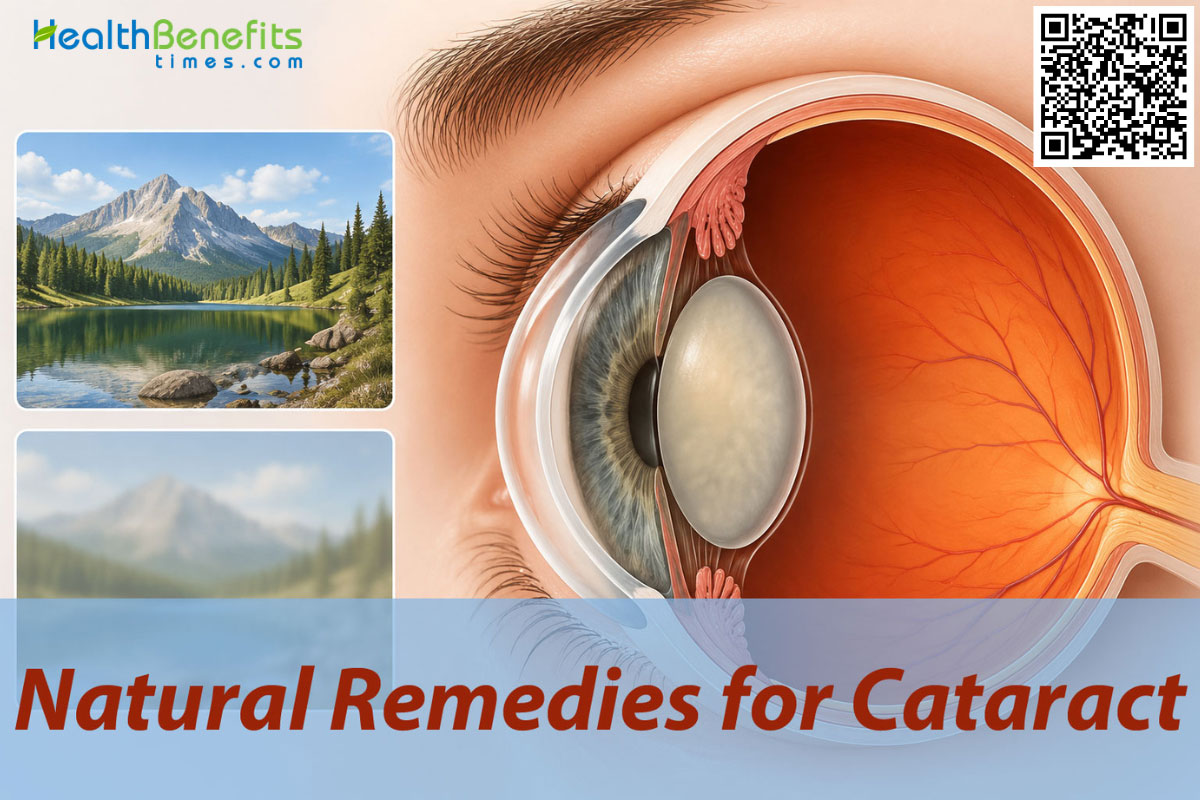
A cataract is a medical condition where the normally clear lens of your eye becomes progressively cloudy. Imagine trying to look through a frosted or fogged-up window; that is very similar to what someone with an advanced cataract experiences. The eye’s natural lens sits right behind the dark pupil and focuses incoming light onto the retina to create sharp, clear images. As we age, the proteins inside this lens naturally begin to break down and clump together, which forms the cloudy area known as a cataract. As this cloudiness worsens, it scatters light as it enters the eye, leading to common symptoms like blurry vision, poor night vision, faded colors, and a strong sensitivity to glare. While aging is the primary cause, eye injuries, genetics, or diseases like diabetes can also trigger them. Fortunately, cataracts are highly treatable with a safe, routine surgery that replaces the clouded lens with a clear artificial one. 1, 2.
Causes of Cataract
The biological degradation of the eye’s crystalline lens is rarely triggered by a single, isolated event, but rather develops through a complex confluence of systemic, environmental, and genetic factors acting over decades.
1. Age-Related Protein Degradation
Human cellular tissue inevitably experiences natural biological aging, which stands as the most widespread and undeniable catalyst for lens opacification. During early life, the proteins housed within the lens are meticulously aligned to remain perfectly transparent, allowing unobstructed light transmission. Around the fourth or fifth decade of life, these microscopic fibers and structural proteins begin to naturally break down, lose their elasticity, and clump together. This gradual clustering creates tiny, cloudy localized areas that progressively expand, thickening the lens and turning it a dense yellow or brown hue over time.
2. Metabolic Disorders and Diabetes
Chronic systemic conditions, most notably diabetes mellitus, elevate circulating blood sugar levels, creating a highly toxic environment for the delicate structures of the eye. High glucose concentrations readily infiltrate the aqueous humor and the lens, where specific enzymes convert the excess sugar into a compound known as sorbitol. Because sorbitol cannot easily diffuse back out of the lens, it draws in excessive amounts of water through osmosis, physically swelling the lens fibers and triggering severe oxidative stress that dramatically accelerates opacification.
3. Ultraviolet Radiation and High Altitude
Prolonged and unprotected environmental exposure to the sun’s ultraviolet (UV) rays initiates profound oxidative damage directly to the cellular architecture of the eye. Individuals residing at higher geographic elevations face a statistically magnified risk, as a thinner atmosphere provides significantly less natural filtration of harmful UV radiation. Observational health studies conducted in the mountainous regions of Nepal clearly demonstrated that the prevalence of severe lens opacification was over three times higher among populations living at high altitudes compared to those in lower valley basins 3.
4. Pharmacological Side Effects
The long-term administration of specific, potent medications introduces a heavy chemical burden that can physically alter lens transparency. Corticosteroid drugs, which are frequently prescribed to manage severe autoimmune disorders, asthma, and chronic systemic inflammation, are a well-documented chemical catalyst for posterior subcapsular opacification. Even when utilized exactly as directed by medical professionals, the systemic absorption of these steroids alters the natural metabolic pathways of the eye, prompting early-onset structural clouding.
5. Ocular Trauma and Physical Injury
Direct physical trauma to the delicate globe of the eye immediately disrupts the highly organized arrangement of lens fibers. Blunt force impacts, penetrating wounds from sharp objects, or chemical burns can instantly traumatize the intraocular tissues, leading to immediate swelling and localized protein denaturation. Interestingly, the pathological manifestation of a traumatic cataract may not appear instantly; the damaged lens proteins can take several months or even years to fully clump and obscure vision following the initial injurious event.
6. Previous Eye Interventions
Individuals who have undergone past ocular procedures face a uniquely heightened secondary risk for developing subsequent opacification. Surgeries required to treat complex conditions such as advanced glaucoma, severe retinal detachment, or persistent uveitis inherently disrupt the delicate internal homeostasis of the eye fluid. The localized inflammation and surgical trauma associated with these vital interventions often trigger a delayed metabolic response that ultimately clouds the crystalline lens.
7. Genetic Predisposition and Hereditary Syndromes
While the vast majority of visual clouding is acquired through age and environmental exposure, inherent genetic sequences dictate the underlying resilience of an individual’s eye tissue. Certain heritable gene variants and strong family histories render specific individuals profoundly more vulnerable to early-onset structural breakdown. Furthermore, complex genetic conditions, including Down syndrome, Turner syndrome, and myotonic dystrophy, are clinically linked to a fundamentally higher incidence of developmental abnormalities within the visual system 4.
8. Lifestyle Factors and Toxins
Personal behavioral choices introduce heavy, continuous oxidative burdens that compromise lifelong ocular health. Chronic tobacco smoking exposes the bloodstream to thousands of free radicals and oxidizing agents that actively deplete the body’s natural antioxidant reserves, directly attacking the lens proteins. Similarly, excessive alcohol consumption disrupts vital nutrient absorption in the liver, depriving the visual system of the essential vitamins and minerals required to maintain crystal-clear tissues over a long lifespan.
Symptoms of Cataract
Recognizing the subtle, early-stage sensory changes in human vision is the fundamental first step toward timely diagnosis and effective clinical intervention.
- Painless clouding, blurring, or dimming of the visual field: Individuals often describe their early visual experience as looking through a frosty, fogged, or persistently smudged piece of glass, a sensation that cannot be wiped away or blinked clear.
- Increasing difficulty perceiving objects at night: As the physical density of the lens increases, less ambient light is able to successfully penetrate through to the retina, rendering night driving, evening walks, or navigating dimly lit rooms exceedingly difficult and dangerous.
- Amplified sensitivity to light and glare: The dense clumps of degraded protein within the eye scatter incoming light chaotically rather than focusing it sharply, making bright sunlight, indoor fluorescent lamps, or oncoming automobile headlights feel painfully intense and overwhelming.
- Appearance of distinct “halos” or starbursts: The erratic scattering of light rays within the clouded lens often produces optical illusions, manifesting as large, glowing rings or splintered starburst patterns radiating outward from centralized light sources.
- Persistent need for brighter ambient lighting: Tasks that once required normal illumination, such as reading fine print, sewing, or intricate hobby work, suddenly demand intense, direct, and brightly focused lighting to achieve any functional clarity.
- Noticeable fading or yellowing of vibrant colors: Because the maturing opacification frequently takes on a brown or yellowish tint, it acts as an internal color filter, causing blues and purples to look muddy and rendering the entire visual world somewhat washed out and lifeless.
- Sudden onset of double vision in a single eye: Unlike binocular double vision caused by muscle imbalances, the structural warping of the lens can split incoming light, causing multiple, overlapping phantom images to appear even when the other eye is completely covered.
- Frequent and recurring changes in prescriptions: A hallmark warning sign is the frustrating, ongoing need to constantly update eyeglass or contact lens prescriptions in a futile attempt to correct visual blurriness that is actually caused by internal anatomical blockages 5.
Cataract Facts
| Clinical Profile Category | Diagnostic and Demographic Details |
| Symptoms | Painless blurred, clouded, or heavily dimmed visionSevere difficulty navigating or seeing clearly in low-light environmentsIntense halos or starbursts radiating around streetlights and lampsSignificant fading, muddying, or yellowing of vibrant colorsMonocular double vision occurring within a single affected eye |
| Causes | Inevitable aging and the natural breakdown of crystallin proteinsSystemic metabolic imbalances, particularly poorly managed diabetesProlonged, unprotected exposure to atmospheric ultraviolet (UV) radiationLong-term reliance on corticosteroid medications for chronic illnessesDirect blunt force trauma or prior invasive ocular surgeries |
| Types of Cataract | Nuclear (originating deep in the center of the lens, closely tied to aging)Cortical (forming wedge-like spokes around the outer edges of the lens)Posterior subcapsular (developing rapidly on the back surface of the lens)Congenital (present immediately at birth due to genetics or infection)Secondary (triggered by systemic diseases, glaucoma, or medications) |
| How does spread | The condition does not biologically spread from eye to eye like an infection.It generally manifests bilaterally (in both eyes) due to total systemic aging.Progression rates are often asymmetrical; one eye may worsen rapidly while the other remains relatively clear. |
| Age Group | Overwhelmingly predominates in older adults aged 60 and above.Can silently begin developing in adults during their mid-40s and 50s.Specific congenital variations uniquely affect newborn infants and young toddlers. |
| You might be at a higher risk for exposure of this disease if you: | Possess a documented family history of early-onset visual impairmentChronically smoke tobacco products or heavily consume alcoholic beveragesSuffer from uncontrolled high blood sugar or diagnosed diabetesSpend extensive periods outdoors without adequate UV-blocking eyewearHave a clinical history of severe eye injuries or therapeutic ocular surgeries |
| How doctors diagnose | Administration of a comprehensive, medically dilated eye examinationPrecision visual acuity testing utilizing standard clinical eye chartsDetailed slit-lamp biomicroscopy to view internal eye structures under high magnificationTonometry procedures to accurately measure internal intraocular fluid pressure |
| Other facts | It represents one of the leading global causes of preventable blindness and severe visual impairment.Statistically, more than half of all American citizens aged 80 or older either currently have the condition or have already undergone corrective surgery 6.Modern surgical extraction and artificial lens implantation remains the only definitive, scientifically proven cure. |
Natural Remedies for Cataract
Biological tissues residing inside the human eye are incredibly vulnerable to severe oxidative stress, a destructive chemical imbalance where highly unstable molecules called free radicals mercilessly damage healthy cellular structures. Modern nutritional science heavily suggests that introducing specific, naturally occurring antioxidants can actively fortify the lens against this inevitable age-related degradation.
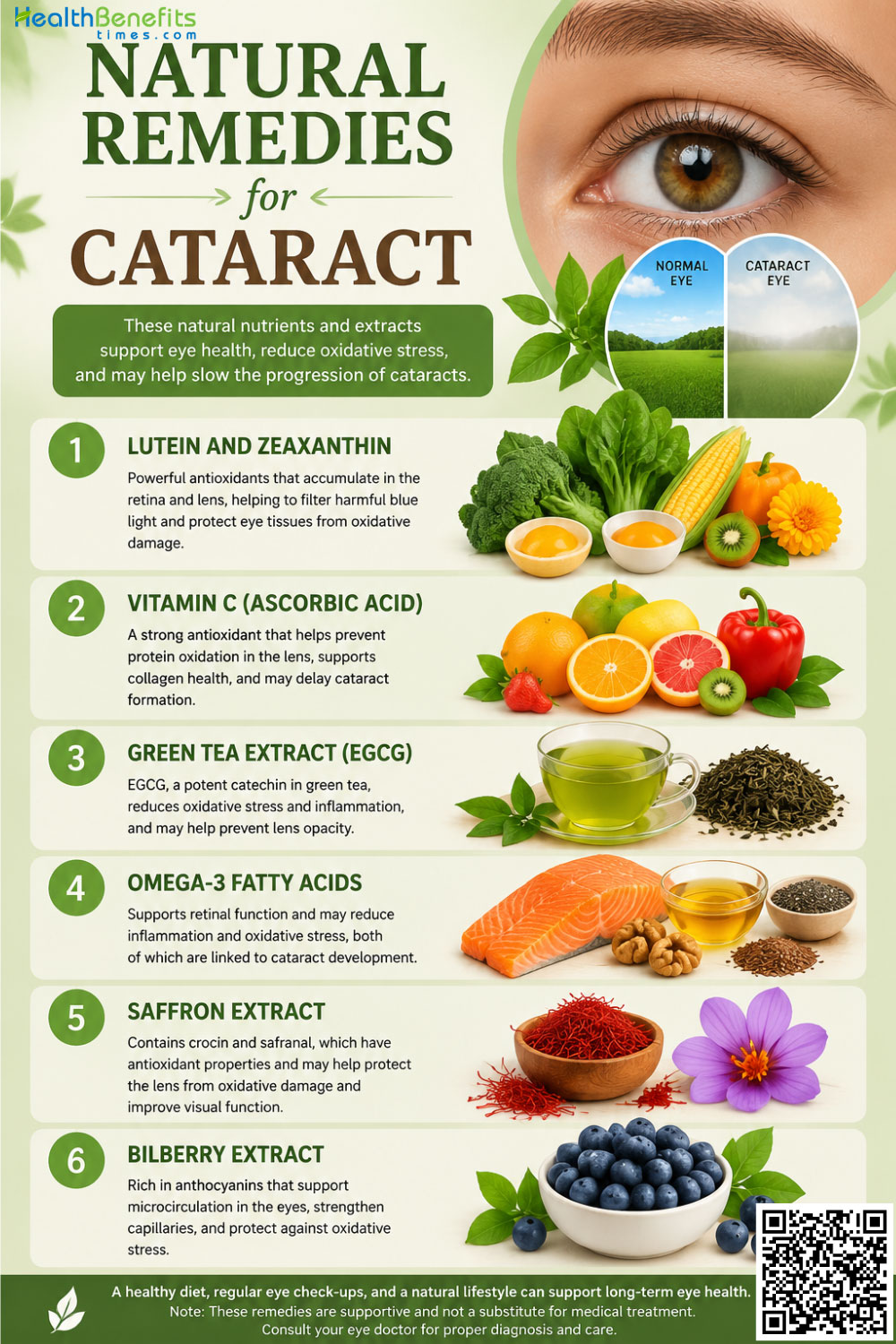
1. Lutein and Zeaxanthin
Nature provides a highly specialized, potent class of organic plant pigments known as carotenoids, which are predominantly synthesized by deeply colored vegetables and flora. Among hundreds of known variations, lutein and zeaxanthin hold a highly unique biological privilege: they are the only dietary carotenoids that selectively and actively accumulate within the human retina and the crystalline lens. Once successfully deposited into the ocular tissue, these powerful molecules function essentially as biological internal sunglasses, actively absorbing and filtering out high-energy, harmful blue light wavelengths before they can inflict deep cellular damage. Extensive observational population studies have repeatedly demonstrated a strong inverse association between a consistently high dietary intake of these two vital nutrients and the prevalence of nuclear opacification, which stands as the most common aging-related visual impediment 7. Furthermore, large-scale clinical analyses reveal that individuals occupying the lowest quintile of dietary lutein and zeaxanthin intake can significantly lower their hazard ratio for surgical progression simply by introducing daily supplementation 8. By aggressively neutralizing the rampant free radicals generated by daily light exposure, these botanical compounds help safely maintain the precise structural integrity of the delicate eye proteins.
Note: You should actively incorporate lutein and zeaxanthin into your daily routine by eating abundant, lightly cooked servings of dark leafy green vegetables like spinach, kale, and collard greens, or by taking a reputable daily supplement specifically formulated for optimal eye health.
2. Vitamin C (Ascorbic Acid)
The intricate biological architecture of the visual system relies heavily on an abundance of water-soluble antioxidants to constantly bathe, nourish, and protect its internal moving components. Vitamin C, scientifically known as ascorbic acid, is found in remarkably high concentrations naturally occurring within the aqueous humor, which is the clear, nourishing fluid filling the anterior space in the front of the eyeball. This naturally occurring, deeply concentrated reservoir of ascorbic acid is heavily theorized to be a frontline physiological defense mechanism designed to combat the exact oxidative damage that directly leads to age-related lens deterioration 9. While large-scale randomized trials regarding the miraculous reversal of preexisting visual blockages have shown limited efficacy for isolated supplements, robust global epidemiological data strongly indicates that human populations maintaining the highest routine consumption of natural Vitamin C enjoy a significant baseline risk reduction in overall disease progression 10. The vital nutrient effectively donates essential electrons to highly unstable free radicals, efficiently rendering them harmless before they can chemically cross-link and permanently cloud the transparent lens fibers.
Note: You can easily harness the profound systemic benefits of Vitamin C by consuming a colorful diet rich in raw citrus fruits, fresh strawberries, tart kiwi, and brightly colored bell peppers, being mindful that aggressive cooking and boiling can sometimes degrade this highly heat-sensitive nutrient.
3. Green Tea Extract (EGCG)
Centuries of deeply rooted traditional herbal medicine have celebrated the therapeutic, restorative properties of brewed tea leaves, but modern molecular biology has finally isolated the precise chemical compounds responsible for these profound health benefits. Green tea is densely packed with a specialized class of polyphenols called catechins, the most clinically potent being epigallocatechin gallate (EGCG). This highly active molecule operates as a formidable scavenger of reactive oxygen species traversing the human bloodstream. Beyond basic, generalized antioxidant capacity, advanced pharmacological research has highlighted green tea’s specific aldose reductase inhibitor activity, which is absolutely crucial for interrupting the specific biochemical pathways that lead to devastating diabetic complications within the eye 11. Regular, habitual consumption of brewed green tea has been statistically linked to a significantly reduced relative risk of incident visual opacification compared to non-drinkers, fundamentally due to its systemic ability to aggressively modulate chronic inflammation and systemic oxidative stress simultaneously 12.
Note: You can seamlessly integrate this soothing remedy by drinking two to three cups of freshly brewed, unsweetened green tea daily, or by taking standardized green tea extract capsules if you prefer avoiding caffeinated or hot beverages.
4. Omega-3 Fatty Acids
The complex human nervous system, heavily encompassing the delicate optic pathways and the light-sensitive retina, is structurally and functionally dependent on specific dietary lipids to operate properly over a lifespan. Omega-3 polyunsaturated fatty acids, particularly docosahexaenoic acid (DHA) and eicosapentaenoic acid (EPA), are the foundational, structural building blocks required to build healthy, resilient ocular cell membranes. They possess profound, naturally occurring anti-inflammatory properties that help continuously mitigate the systemic, low-grade biological inflammation invariably associated with natural aging and metabolic decline. Rigorous epidemiological dietary pattern analyses have definitively revealed that holistic nutritional patterns loading heavily on high-quality Omega-3 fats are significantly and negatively associated with the overall risk of developing visual clouding 13. By vigorously fostering healthy lipid metabolism and quickly reducing destructive cellular inflammatory cascades, these essential fatty acids help beautifully preserve the pristine, clear environment required by the eye’s internal lens 14.
Note: You should make a conscious effort to eat cold-water, wild-caught fatty fish, such as robust salmon, rich mackerel, or small sardines, at least twice a week, or strongly consider integrating a daily high-quality, molecularly distilled fish oil or algae-based Omega-3 supplement into your regimen.
5. Saffron Extract
Derived meticulously from the delicate, dried stigmas of the vibrant Crocus sativus flower, saffron stands not only as one of the world’s most expensive, highly sought-after culinary spices but also as a remarkably potent botanical medicine. The bright crimson threads contain exceptionally powerful bioactive compounds, primarily recognized in the scientific community as crocin and crocetin. In rigorously controlled laboratory models, specialized scientists have directly observed that highly concentrated saffron extracts provide significant, measurable protection against chemically induced cataractogenesis, effectively halting the severe lipid peroxidation and catastrophic protein oxidation that typically destroys lens transparency 15. By actively and aggressively protecting the vital sulfhydryl chemical groups within the eye and strongly reinforcing the body’s natural antioxidant status, saffron acts as an impenetrable cellular shield against both environmental radiation and internal chemical stressors 16.
Note: You can utilize saffron therapeutically by carefully steeping a few high-quality, authentic threads in a warm cup of purified water, herbal tea, or warm milk for ten to fifteen minutes before drinking, ideally consuming this infused beverage once daily to maximize absorption.
6. Bilberry Extract
Historically favored and consumed by World War II aviators for purportedly improving their night vision during dangerous missions, the bilberry is a dark, potent European botanical relative of the standard North American blueberry. The deep, rich purple pigment of this wild fruit is biologically generated by exceptionally high concentrations of naturally occurring anthocyanins, which are highly reactive, powerful antioxidants that possess a remarkably strong chemical affinity for human ocular tissue. Rigorous scientific studies evaluating the specific destruction caused by ultraviolet-B (UV-B) radiation damage a primary, inescapable environmental driver of visual opacification have clearly demonstrated that systemic bilberry administration leads to a sharp, measurable decrease in blinding oxidative stress and severe DNA strand breaks within delicate lens tissues 17. By diligently preserving the fragile, intricate oxidant and antioxidant balance within the deep tissues of the eye, highly concentrated bilberry effectively minimizes the cascading organ dysfunction that inevitably results from lifelong, prolonged sun exposure 18.
Note: You can seamlessly incorporate this protective remedy by eating a small handful of fresh, frozen, or freeze-dried bilberries daily alongside your morning meal, or by taking a clinically standardized bilberry extract supplement designed specifically for deep vision support.
Is there any exercise or physical activities for Cataract
Physical movement and athletic exertion are rarely the very first preventative interventions that come to mind when considering long-term visual health, yet systemic vascular and metabolic integrity profoundly, undeniably influences the microscopic environment of the human eye.
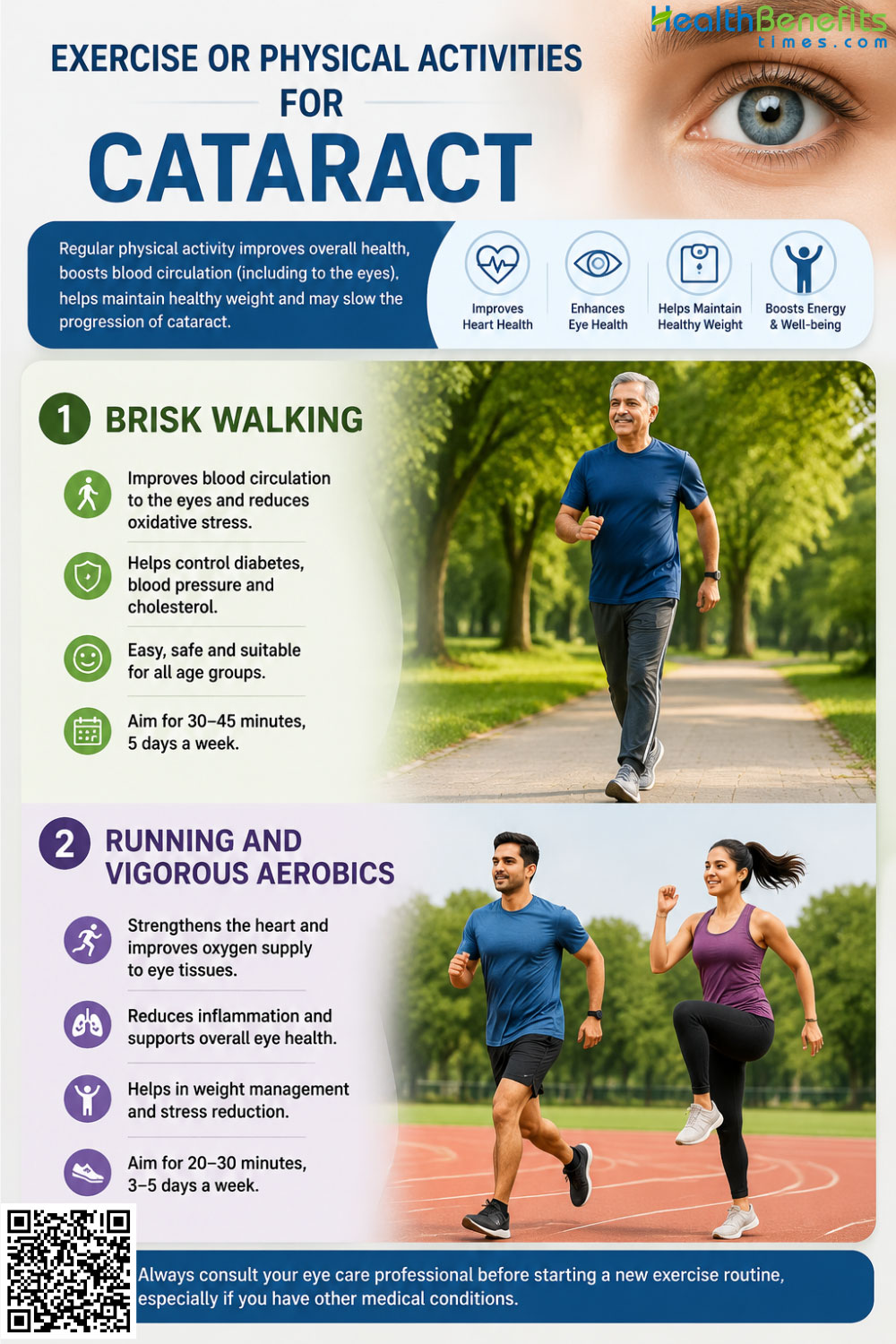
1. Brisk Walking
The seemingly simple, rhythmic act of daily walking yields highly impressive, mathematically verifiable systemic health benefits that directly translate to enhanced cellular health within the enclosed ocular cavity. Consistent, moderate physical activity potently stimulates healthy, robust blood circulation throughout the entire body, ensuring that toxic metabolic waste products are efficiently removed from the delicate eye tissues while simultaneously delivering vital, nutrient- and oxygen-rich blood to the surrounding micro-vessels. Broad, highly detailed epidemiological studies tracking thousands of individual subjects over years have consistently demonstrated that moderate exercise energy expenditure, specifically routine walking, is significantly and mathematically associated with a definitively lower incident risk of visual opacification, with protective effects scaling linearly upwards alongside total daily energy expenditure 19. Routine walking forcefully helps optimize systemic insulin sensitivity and regulates blood glucose levels, fundamentally reducing the aggressive osmotic stress that directly drives diabetic and age-related lens degradation.
Note: You should aim to incorporate a brisk, uninterrupted walk lasting between 30 to 45 minutes every single day, ensuring your baseline heart rate elevates moderately while still maintaining a comfortable pace where you can easily hold a conversation without gasping for breath.
2. Running and Vigorous Aerobics
Purposefully elevating cardiovascular exertion dramatically amplifies the protective metabolic adaptations afforded by basic, everyday movement. Vigorous, sustained aerobic activities like routine running or jogging provoke a significantly stronger physiological adaptation across the body, drastically reducing systemic inflammation markers and profoundly enhancing overall cardiorespiratory fitness. Deep clinical analyses investigating the relationship between physical fitness and eye health strongly indicate there is absolutely no reverse causal relationship meaning compromised vision does not simply cause people to exercise less, but rather, engaging in a higher frequency and longer duration of vigorous physical activity actively and causally reduces the physiological risk of senile lens clouding 20. The improved vascular elasticity, lowered resting blood pressure, and drastically reduced baseline oxidative burden achieved through consistent running combine to create a highly favorable, deeply resilient biological environment for the eye’s internal crystalline lens.
Note: You should actively engage in running, jogging, or similar vigorous aerobic activities for 20 to 30 minutes, three to four times a week, ensuring you always wear proper, supportive footwear and remember to increase your total running distance very gradually to avoid unnecessary orthopedic injury.
Foods to Avoid When You suffer from Cataract and you are prone to Cataract
1. High-Sodium Processed Foods
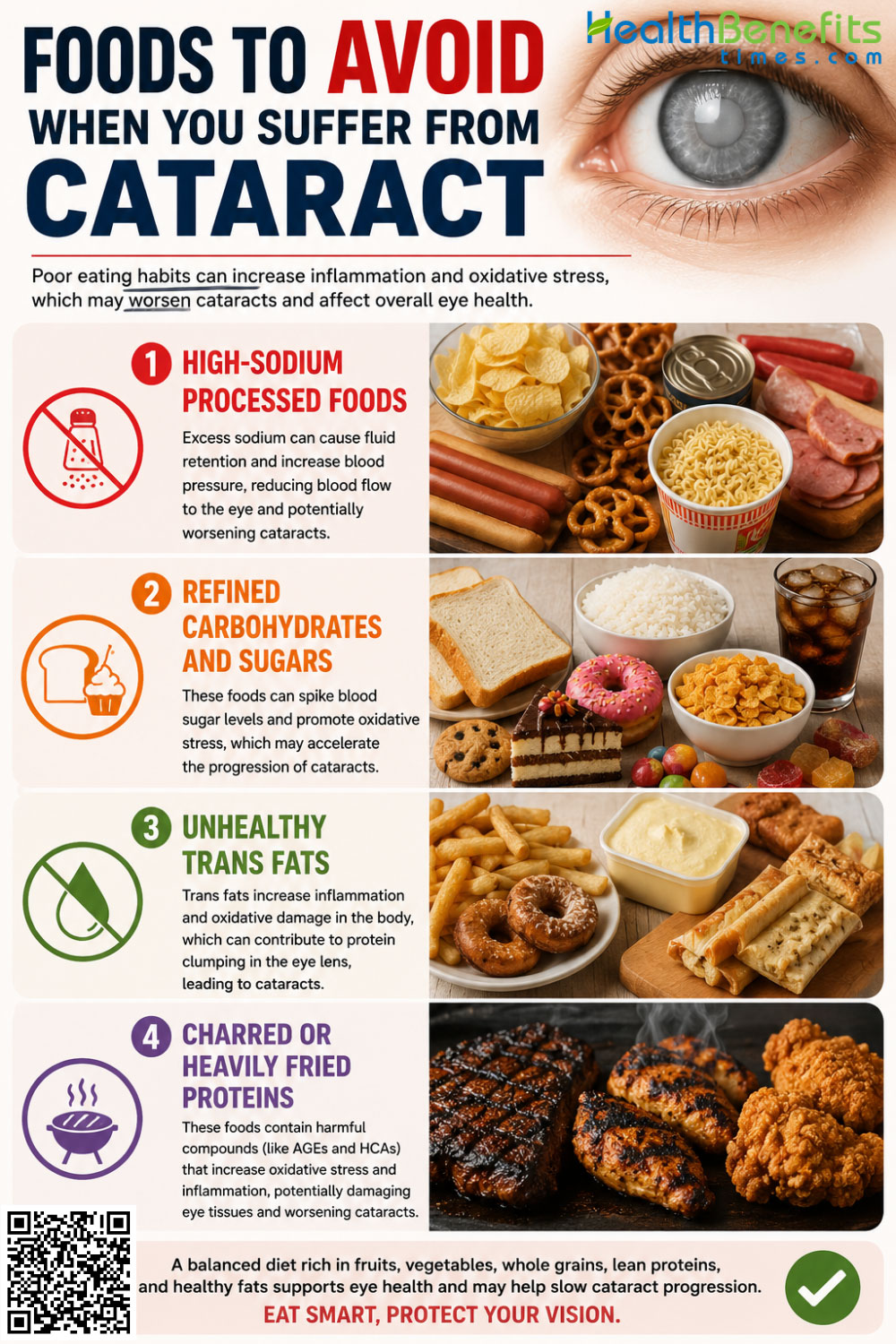
You must carefully monitor your salt intake, as excessive dietary sodium artificially elevates systemic blood pressure and severely disrupts delicate osmotic fluid balances, creating a bodily environment highly correlated with an increased risk of protein denaturation and lens clouding.
2. Refined Carbohydrates and Sugars
You should avoid consuming foods bearing a high glycemic index, such as bleached white bread, sugary commercial pastries, and heavily processed snack foods, because they trigger rapid blood sugar spikes that directly accelerate destructive protein glycation within the eye’s crystalline lens.
3. Unhealthy Trans Fats
You must steer clear of dietary patterns heavily loaded with artificial trans fats and excessive omega-6 fatty acids found abundantly in cheap, industrial seed oils, as these specific lipids provoke widespread systemic inflammation, effectively countering the protective, healing effects of circulating ocular antioxidants.
4. Charred or Heavily Fried Proteins
You should limit your intake of meats that have been deep-fried or heavily charred over open flames, as these aggressive cooking methods generate incredibly high levels of advanced glycation end-products (AGEs) and dietary oxidants that easily enter the bloodstream and subsequently damage delicate ocular tissues.
Activities to Avoid When You suffer from Cataract
1. Smoking Tobacco Products
You must absolutely and entirely avoid inhaling cigarette, cigar, or pipe smoke, as combustion directly introduces thousands of highly oxidizing, toxic chemicals right into the bloodstream, acting as one of the most potent, scientifically undeniable accelerators of rapid cataract formation.
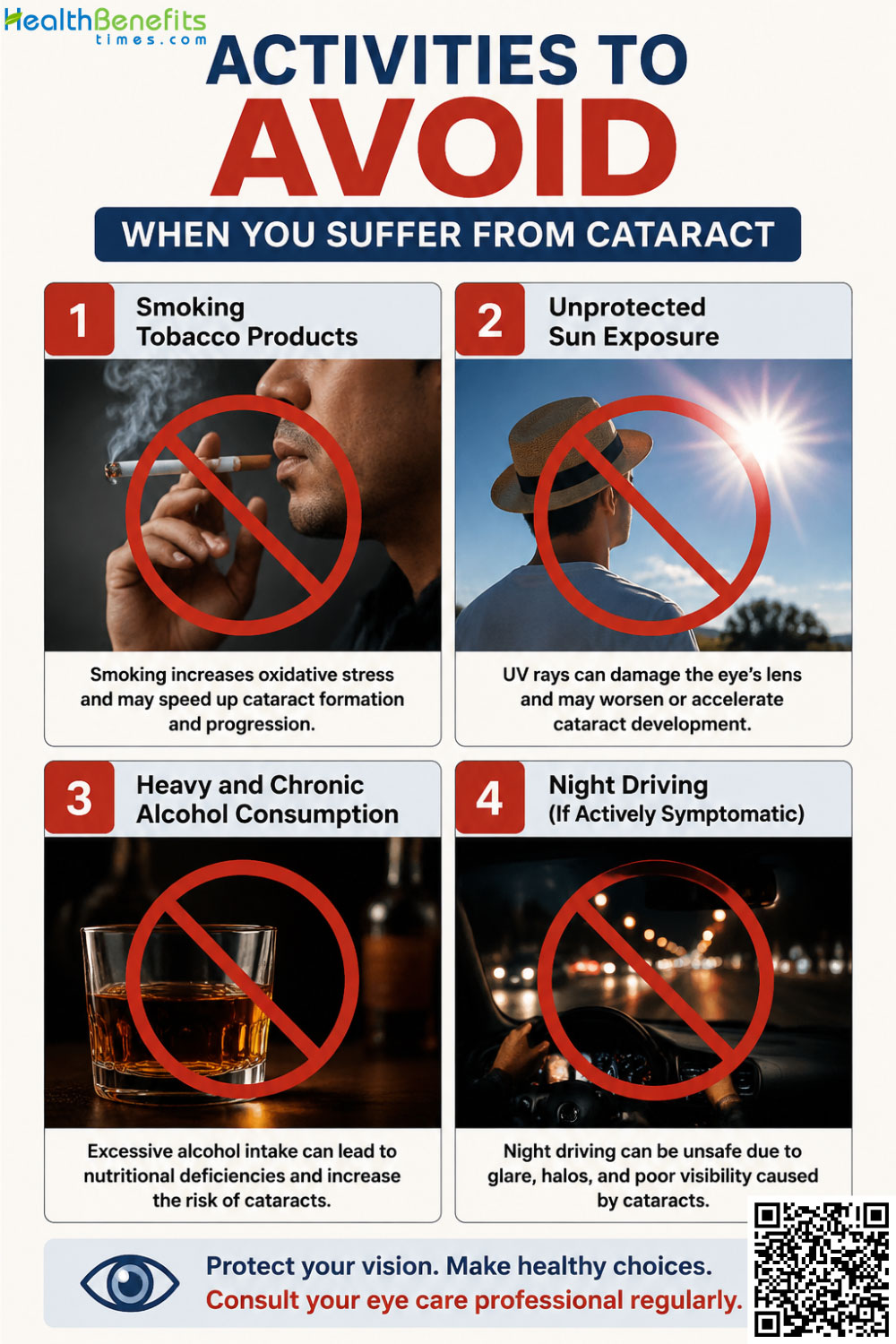
2. Unprotected Sun Exposure
You should never, under any circumstances, spend prolonged periods outdoors in bright, glaring sunlight without diligently wearing high-quality, wraparound sunglasses guaranteed to block 100% of incoming UVA and UVB radiation rays.
3. Heavy and Chronic Alcohol Consumption
You must strongly avoid drinking excessive amounts of alcoholic beverages, as chronic toxicity severely depletes the liver’s natural antioxidant reserves, profoundly interfering with proper vitamin absorption and leaving vital ocular tissues entirely vulnerable to unchecked free radical damage.
4. Night Driving (If Actively Symptomatic)
You should firmly avoid operating any motor vehicle in low-light, rainy, or nighttime conditions if you have personally begun experiencing severe halos, intense blinding glare, or critically reduced contrast sensitivity, to prevent tragic and entirely avoidable traffic accidents.
Myths and Misconceptions
| Myth | Reality |
| Cataracts only affect seniors and older adults. | While overwhelmingly age-related, opacifications can easily develop in young adults, children, and even be fully present at birth (congenital) due to rare genetics, trauma, or maternal infections 21. |
| A cataract is a physical film growing over the eye. | A cataract is absolutely not an external growth, skin, or substance resting on the surface of the eye; it is an internal, structural clouding of the eye’s natural crystalline lens itself 22. |
| Prescription eye drops or pills can dissolve them. | There are absolutely no scientifically proven, FDA-approved pharmacological drops, commercial liquids, or dietary pills currently capable of dissolving or curing a pre-existing opacification. |
| You must wait until a cataract is totally “ripe” for surgery. | Modern surgical phacoemulsification techniques are exceptionally advanced, meaning you can safely undergo extraction the moment the visual impairment begins to significantly interfere with your daily quality of life. |
| Cataracts can physically grow back after surgical removal. | Because the clouded natural lens is permanently removed and fully replaced with an artificial, synthetic implant, a cataract cannot biologically grow back, though a highly treatable secondary capsule opacification can sometimes occur. |
| Reading in dim light directly causes cataracts to form. | Reading in poorly lit environments causes temporary, uncomfortable muscular eye strain and physical fatigue, but it does absolutely nothing to cause the biochemical protein degradation that leads to lens opacification. |
Special Considerations
The underlying physiological pathways leading to severe lens opacification do not impact all human populations equally or uniformly. Specific demographic, genetic, and medical profiles require highly tailored, deeply nuanced clinical understanding and management to prevent permanent vision loss.
1. Children
The sudden occurrence of opacified lenses in newborn infants and young children represents a critical, time-sensitive medical urgency simply because the human neurological visual system is still actively, rapidly developing. Pediatric visual impairments frequently arise from hereditary genetic transmissions, inherited metabolic disorders, or catastrophic intrauterine insults experienced during gestation. If a dense, clouded lens physically obscures a growing child’s vision during the crucial first few years of neuroplastic life, the brain may permanently and irreversibly suppress incoming visual signals from that specific eye, resulting in a lifelong, incurable neurological condition widely known as amblyopia, or lazy eye 23. Consequently, prompt, multidisciplinary pediatric management, incredibly early surgical intervention often within weeks of birth, and rigorous, years-long postoperative visual rehabilitation are absolutely essential to permanently save the child’s sight.
2. Pregnancy
The delicate gestational period represents a highly critical developmental window wherein the mother’s systemic health directly and profoundly dictates fetal ocular formation. Certain severe systemic infections unfortunately contracted by a pregnant mother, commonly grouped by medical professionals under the acronym TORCH (Toxoplasmosis, Other agents, Rubella, Cytomegalovirus, and Herpes simplex), can easily and devastatingly cross the placental barrier. If a mother is acutely infected, particularly during the highly vulnerable first trimester of pregnancy, the active virus can severely disrupt the delicate, microscopic embryological formation of the fetal eye, directly resulting in devastating bilateral congenital cataracts in the newborn child 4. Routine, exhaustive prenatal screening and aggressive, proactive medical prevention of infectious diseases are absolutely paramount to protecting the developing fetus from lifelong blindness.
3. Chronic Conditions
Patients currently living with severe chronic systemic diseases, most notably advanced diabetes mellitus, experience a drastically altered, highly toxic biochemical environment that aggressively attacks and degrades sensitive ocular tissues. High, uncontrolled circulating blood glucose relentlessly infiltrates the otherwise protected lens, where a specialized enzyme called aldose reductase rapidly converts the excess sugar into a bulky sugar alcohol called sorbitol. Sorbitol molecules cannot easily diffuse out of the lens architecture, drawing in massive, damaging amounts of water via simple osmosis, which physically swells, warps, and permanently ruptures the delicate internal lens fibers. Furthermore, chronic high blood sugar continuously fuels the creation of advanced glycation end-products (AGEs), generating severe, inescapable oxidative stress that practically guarantees an earlier clinical onset and significantly faster progression of total opacification compared to healthy, non-diabetic individuals.
4. Elderly
For the generalized geriatric population, the slow, relentless deterioration of the internal lens is a nearly universal physiological phenomenon resulting directly from decades of cumulative, unavoidable oxidative stress and systemic cellular senescence. As individuals naturally age into their seventies and eighties, the vital antioxidant defense systems of the human body, such as endogenous glutathione production, significantly wane and begin to fail, leaving the delicate crystallin proteins largely defenseless against daily environmental radiation and mechanical wear and tear. In this specific, highly vulnerable age group, visual decline heavily and dangerously compounds other prevalent age-related risks, dramatically and measurably increasing the statistical likelihood of experiencing dangerous physical falls, debilitating hip fractures, profound social isolation, and rapid, devastating cognitive decline strictly due to prolonged sensory deprivation.
Precaution before use of natural remedies when you have Cataract
While targeted nutritional and botanical interventions offer highly promising, biologically sound supportive care, treating complex ocular conditions requires strict, unwavering clinical prudence.
- You must actively and honestly consult with a board-certified ophthalmologist or your primary care physician before beginning any new, high-dose antioxidant regimen or untested herbal supplementation routine.
- You should never, under any circumstances, attempt to use holistic remedies, concentrated vitamins, or unverified commercial eye drops as a stubborn replacement for medically necessary, sight-saving surgical intervention.
- You must be deeply aware that consuming massive, unregulated doses of certain fat-soluble nutrients, specifically Vitamin E or Vitamin A, can slowly and dangerously accumulate to highly toxic levels within the human liver over extended periods.
- You should thoroughly research and discuss potential pharmacological drug interactions, as highly potent botanical extracts like concentrated green tea or raw saffron can dangerously interfere with prescription blood thinners, cardiac medications, or diabetes treatments.
- You must exercise extreme caution when purchasing dietary supplements from commercial marketplaces, ensuring you deliberately select brands rigorously verified by third-party testing organizations to guarantee the total absence of toxic heavy metals, pesticides, or hidden contaminants.
- You should immediately and permanently cease taking any botanical remedy or holistic extract if you begin to experience sudden allergic skin reactions, severe gastrointestinal distress, rapid heart rate, or any other unexplained systemic symptoms, and seek immediate emergency medical care.
When to see Doctor
Vigilantly monitoring the slow, progressive nature of your visual decline is absolutely vital for safely determining the precise, appropriate moment to seek advanced clinical evaluation and definitive surgical care.
- You should immediately schedule a comprehensive, medically dilated eye examination if your daily visual blurriness begins to actively and severely interfere with your baseline ability to read documents, comfortably operate a computer, or accurately recognize the faces of your loved ones.
- You must seek prompt, emergency medical attention if you suddenly experience any abrupt, jarring changes in your visual field, such as sudden darkness or flashing lights, as this could indicate an entirely different, highly emergent ocular crisis like a detached retina.
- You should promptly consult a vision specialist if the blinding glare from oncoming vehicle headlights makes nighttime driving highly anxiety-inducing, physically unsafe, or practically impossible to navigate without extreme fear.
- You must visit an eye doctor for a formal evaluation if you find yourself constantly requiring significantly brighter, harsher lamps simply to perform standard, everyday household tasks, prepare meals safely, or enjoy your usual hobbies.
- You should be evaluated professionally and rapidly if you begin experiencing distinct double vision strictly within a single eye, which is a hallmark, undeniable anatomical indicator that the internal lens protein has severely warped and degraded.
- You must have your eyes thoroughly assessed by a professional if you require unusually frequent, highly expensive adjustments to your daily eyeglasses or contact lens prescriptions, yet still repeatedly fail to achieve any satisfactory, long-lasting visual clarity.