

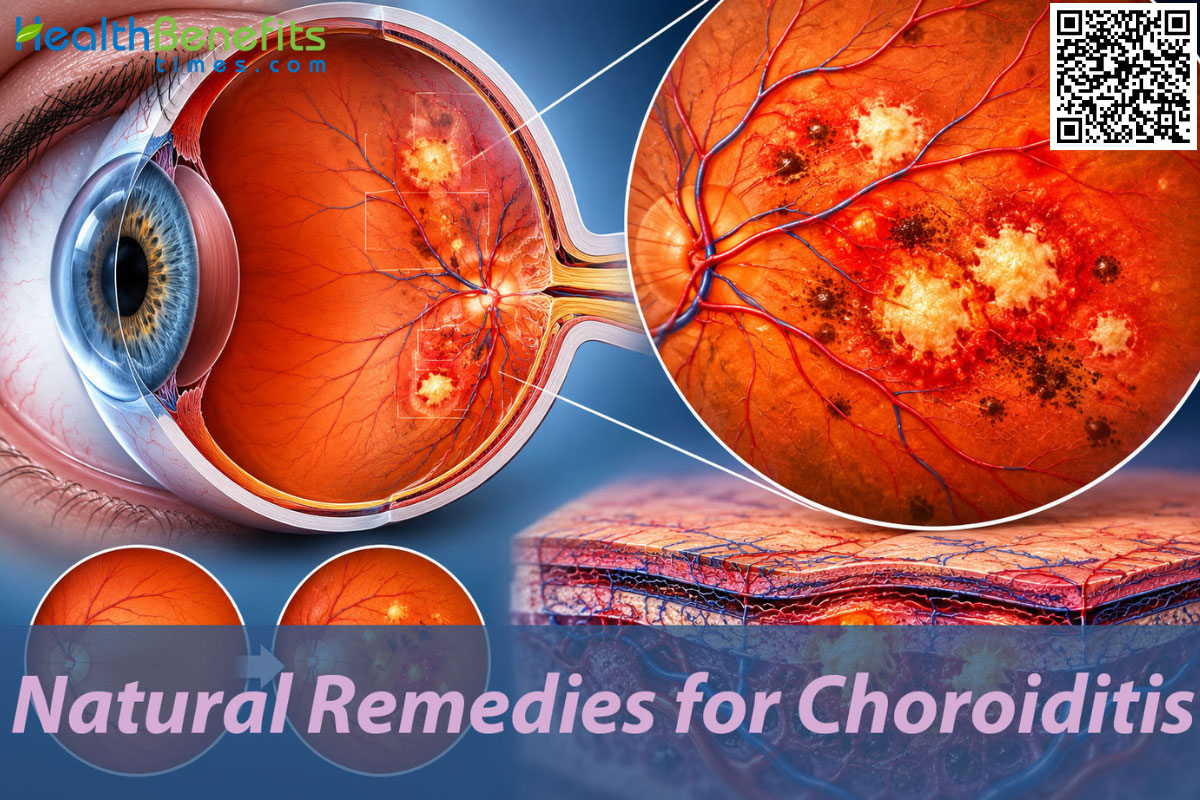
When you hear the term choroiditis, it refers to the swelling and inflammation of the choroid, which is the vital, blood-vessel-rich layer sandwiched right between the white of your eye and your retina. Think of the choroid as the primary delivery system that constantly supplies your retina with the essential oxygen and nutrients it needs to help you see clearly. If you develop this condition, which falls under a broader category of eye inflammation known as posterior uveitis, you might suddenly notice annoying dark floaters, blurred spots in your central vision, or increased sensitivity to light 1. This inflammation is often triggered by an underlying autoimmune disorder where your body mistakenly attacks its own tissues, or it can result from a systemic infection traveling through your bloodstream. Because ongoing inflammation can permanently damage the fragile retinal tissue and lead to vision loss, it is crucial that you seek prompt medical evaluation to reduce the swelling and protect your eyesight 2.
Causes of Choroiditis
Unraveling the root cause of this deep-seated ocular inflammation requires investigating a wide spectrum of potential triggers, ranging from microscopic pathogenic invaders to complex systemic autoimmune dysfunctions.
- Infectious Pathogens and Parasites: Microscopic organisms frequently bypass the body’s primary defenses to colonize ocular tissues. Toxoplasma gondii stands out as the most common infectious cause of posterior uveitis worldwide, frequently acquired through the consumption of undercooked meat or environmental exposure to contaminated oocysts 3.
- Viral Infections: Certain aggressive viruses demonstrate a strong affinity for retinal and choroidal tissues. Cytomegalovirus (CMV), for example, is notorious for causing severe necrotizing retinitis and choroidal inflammation, particularly in individuals with compromised immune systems. Other viral triggers include the Herpes Simplex virus, Rubella, and the West Nile virus.
- Bacterial and Fungal Invaders: Historic systemic diseases remain prevalent culprits in modern ophthalmology. Ocular Tuberculosis (TB) commonly presents with multifocal serpiginous choroiditis and choroidal tubercles, while Ocular Syphilis is clinically dubbed the “great masquerader” due to its ability to mimic virtually any form of ocular inflammation. Fungal organisms, such as those responsible for Histoplasmosis, also frequently leave devastating inflammatory scars across the posterior pole.
- Systemic Autoimmune Diseases: The human immune system occasionally misidentifies healthy ocular tissue as a foreign threat. Multi-system inflammatory disorders like Sarcoidosis, which is characterized by the formation of noncaseating granulomas, frequently manifest with severe choroidal and retinal inflammation. Similarly, Behcet’s Disease triggers recurrent posterior uveitis alongside its hallmark mucosal ulcers.
- White Dot Syndromes: A specific family of non-infectious, idiopathic inflammatory conditions targets the choroid, creating distinct visual patterns. Conditions like Birdshot Chorioretinopathy where over 90% of affected patients carry the HLA-A29 genetic marker and Multiple Evanescent White Dot Syndrome (MEWDS) produce scattered, hypofluorescent dark spots across the choroidal landscape 4.
- Idiopathic Origins: Despite rigorous diagnostic testing, a significant percentage of cases remain entirely unexplained. Entities such as primary stromal choroiditis or serpiginous-like choroiditis often originate directly within the choroid without any identifiable systemic disease or infectious pathogen acting as the catalyst 5.
Symptoms of Choroiditis
Recognizing the clinical manifestations of this disease is critical, especially since the external surface of the eye often appears completely white, painless, and healthy to an outside observer.
- Pronounced blurry vision resulting from localized swelling and inflammatory fluid accumulation beneath the macula.
- The sudden onset of dense floaters, which appear as dark cobwebs, spots, or strings drifting across the visual field due to inflammatory cellular debris spilling into the vitreous gel 6.
- Heightened sensitivity to bright lights, clinically known as photophobia, which occurs when the inflammation irritates the interconnected uveal tissues.
- The appearance of distinct blind spots (scotomas) corresponding directly to areas where the inflamed choroid has damaged the overlying retinal photoreceptors.
- Distorted vision, where straight lines appear wavy or bent (metamorphopsia), caused by the physical buckling of the retina over a swollen choroidal lesion.
- Mild to moderate deep ocular discomfort or aching, though severe sharp pain is generally absent unless the anterior segment of the eye is simultaneously involved.
Choroiditis Facts
Demystifying the complexities of posterior ocular inflammation is much easier when the core clinical data is isolated and categorized.
| Fact Category | Details |
| Symptoms |
|
| Causes |
|
| Types of Choroiditis |
|
| How does spread |
|
| Age Group |
|
| You might be at a higher risk for exposure of this disease if you: |
|
| How doctors diagnose |
|
| Other facts |
|
Natural Remedies for Choroiditis
Turning toward the integration of holistic biological compounds, natural remedies offer a profound supplementary avenue for mitigating the intense inflammatory burden characteristic of posterior uveitis. While these nutritional interventions do not replace standard immunosuppressive or antimicrobial medical protocols, they actively manipulate cellular signaling pathways to lower oxidative stress, stabilize the blood-ocular barrier, and promote sustained periods of disease remission.
1. Curcumin (Turmeric Extract)
Harnessing the brilliant yellow pigment of the turmeric root unveils one of nature’s most thoroughly researched anti-inflammatory agents. At a molecular level, curcumin demonstrates a remarkable ability to inhibit the activation of nuclear factor-kappa B (NF-κB), which operates as the primary genetic switch dictating the release of inflammatory cytokines within the eye. By shutting down this pathway, curcumin actively prevents pathological choroidal neovascularization the abnormal growth of brittle blood vessels by suppressing both hypoxia-inducible factors (HIF-1α) and vascular endothelial growth factors (VEGF) 7. Furthermore, it acts as a robust scavenger of reactive oxygen species (ROS), protecting the delicate retinal pigment epithelium from severe oxidative damage. Clinical investigations utilizing an advanced phosphatidylcholine-bound curcumin complex (Meriva) for recurrent anterior uveitis resulted in a significant reduction of eye discomfort and clinical inflammatory signs in over 80% of participating patients after just a few weeks of consistent use 8.
Note: You should take this remedy as a daily oral dietary supplement, explicitly seeking out enhanced-absorption formulations bound to lipids (phytosomes) or paired with black pepper extract, as raw turmeric powder is poorly absorbed into the human bloodstream.
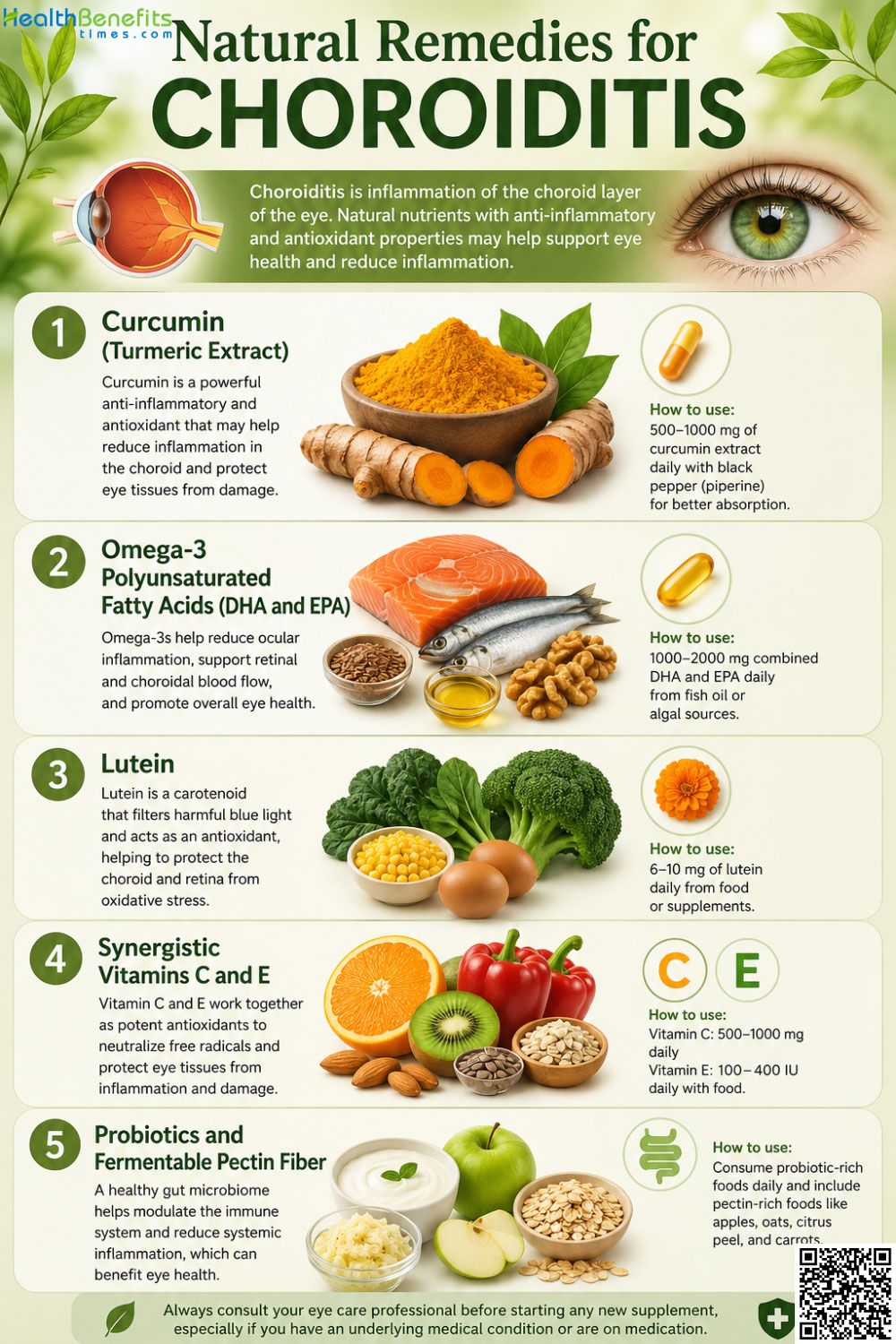
2. Omega-3 Polyunsaturated Fatty Acids (DHA and EPA)
Sourced primarily from deep-water marine life, Omega-3 long-chain polyunsaturated fatty acids serve as critical structural and regulatory lipids for the human retina and choroid. Incorporating high levels of these specific fatty acids fundamentally alters the behavior of the immune system, primarily by suppressing the aggressive functions of Th1 and Th17 effector lymphocytes, which are the primary cellular drivers of autoimmune uveitis 9. Oral supplementation utilizing triglyceride-containing docosahexaenoic acid (DHA-TG) has been proven to dramatically reduce the circulating plasma levels of highly destructive pro-inflammatory biomarkers, including Tumor Necrosis Factor-alpha (TNFα) and Interleukin-6 (IL-6), during the quiescent stages of recurrent non-infectious uveitis 10. By continuously lubricating the immune response with these anti-inflammatory lipids, the body becomes significantly less prone to launching unprovoked attacks against its own posterior ocular tissues.
Note: You can effortlessly incorporate this by consuming fatty fish such as wild-caught salmon, mackerel, and sardines several times a week, or by ingesting a daily, high-purity molecularly distilled fish oil or microalgae supplement.
3. Lutein
Widely celebrated as the quintessential “eye vitamin,” lutein is a potent natural carotenoid that selectively accumulates directly within the human macula and underlying choroidal layers. During an acute uveitic flare-up, the eye suffers from catastrophic lipid peroxidation, a process that physically degrades cellular membranes. Lutein directly intercepts this damage by acting as a formidable free radical scavenger, successfully suppressing the production of malondialdehyde (MDA), which is a primary biomarker for oxidative tissue destruction 11. Beyond just neutralizing immediate threats, systemic lutein administration actively rehabilitates the eye’s intrinsic defense network by recovering depleted stores of essential small-molecule antioxidants like glutathione (GSH) and Vitamin C, thereby raising the overall oxygen radical absorbance capacity (ORAC) of the intraocular fluids. By preventing the degradation of inhibitory proteins (IκB), lutein ensures that aggressive inflammatory chemokines are never transcribed into existence.
Note: You can maximize this medicinal benefit by eating large daily servings of dark, leafy green vegetables such as spinach, kale, and Swiss chard, or by consuming a standardized oral lutein supplement alongside a healthy fat source for optimal absorption.
4. Synergistic Vitamins C and E
Building a comprehensive biochemical shield against choroidal deterioration requires the constant presence of essential antioxidant vitamins. Under healthy conditions, Vitamin C exists in exceptionally high concentrations within the aqueous humor and tear film of the eye, but these vital reserves are rapidly exhausted during bouts of severe intraocular inflammation. When utilized together, Vitamin C (water-soluble) and Vitamin E (fat-soluble) provide a comprehensive, dual-layered defense mechanism that scavenges reactive oxygen species across all cellular compartments, effectively preventing the inflammatory destruction of the blood-ocular barrier 12. Clinical trials evaluating the adjunctive use of these vitamins—specifically administering 500 mg of Vitamin C and 100 mg of Vitamin E twice daily—demonstrated a significantly superior preservation of visual acuity at the eight-week mark in patients suffering from acute uveitis, highlighting their potent protective effects on delicate optical tissues 13.
Note: You should consume this combination as a targeted oral daily supplement during periods of active inflammation, while continually supporting your baseline levels by eating a diet rich in citrus fruits, bell peppers, almonds, and sunflower seeds.
5. Probiotics and Fermentable Pectin Fiber
Groundbreaking discoveries in modern immunology have mapped out a profound, bidirectional communication network between the digestive tract and the eye, elegantly termed the gut-eye axis. Alterations or imbalances in the intestinal microbiome (dysbiosis) are heavily implicated in triggering the rogue inflammatory responses seen in non-infectious uveitis. Introducing diets extraordinarily rich in fermentable dietary fibers, particularly pectin, drives robust, protective shifts in gut bacteria, dramatically enriching beneficial microbes like Akkermansia and Bifidobacterium while suppressing disease-associated strains 14. These beneficial bacteria ferment the pectin to produce short-chain fatty acids (SCFAs), which migrate through the body to upregulate CD4+ regulatory T-cells (Tregs); these Tregs act as the ultimate biological pacemakers, drastically reducing the clinical severity of autoimmune uveitis by halting intestinal permeability and suppressing rogue effector lymphocytes. Furthermore, introducing specific probiotic strains like Escherichia coli Nissle 1917 promotes intense anti-inflammatory responses directly within the mucosal immune system, regulating the gut-eye axis against autoimmune attacks 15.
Note: You can aggressively foster this anti-inflammatory gut environment by eating pectin-rich foods such as apples, carrots, and citrus peels daily, ideally paired with a high-quality, multi-strain probiotic capsule to repopulate your intestinal tract with beneficial flora.
Is there any exercise or physical activities for Choroiditis?
Engaging the physical body in deliberate movement might initially appear disconnected from deep ocular pathology, but calculated physical activity actually operates as a potent modulator of systemic immunity. When implemented thoughtfully, exercise becomes a therapeutic pillar that significantly lowers oxidative stress, regulates intraocular pressure, and enhances vital mitochondrial functions without mechanically straining the delicate, inflamed structures of the eye.
1. Mindfulness Yoga and Breath Awareness (Dhyaan)
Tackling the psychological and physiological distress associated with chronic visual impairment is paramount, as accumulated mental stress is a known catalyst for autoimmune flare-ups. Traditional yoga practices that heavily emphasize deep, rhythmic breath control and meditation (Dhyaan) rather than intense physical acrobatics exert profound neuroprotective mechanisms that enhance retinal ganglion cell function and reduce systemic oxidative stress 16. Clinical evaluations of digital mindfulness and meditation interventions have proven highly effective in reducing symptoms of anxiety, perceived stress, and depression in patients battling non-infectious uveitis, directly fostering a parasympathetic “rest and digest” state that is highly conducive to ocular healing 17.
Note: You should sit in a comfortable, upright posture in a quiet environment, focusing entirely on slow, rhythmic breathing and mental stillness for 15 to 20 minutes a day, deliberately avoiding any postures that require you to invert your head below your heart.
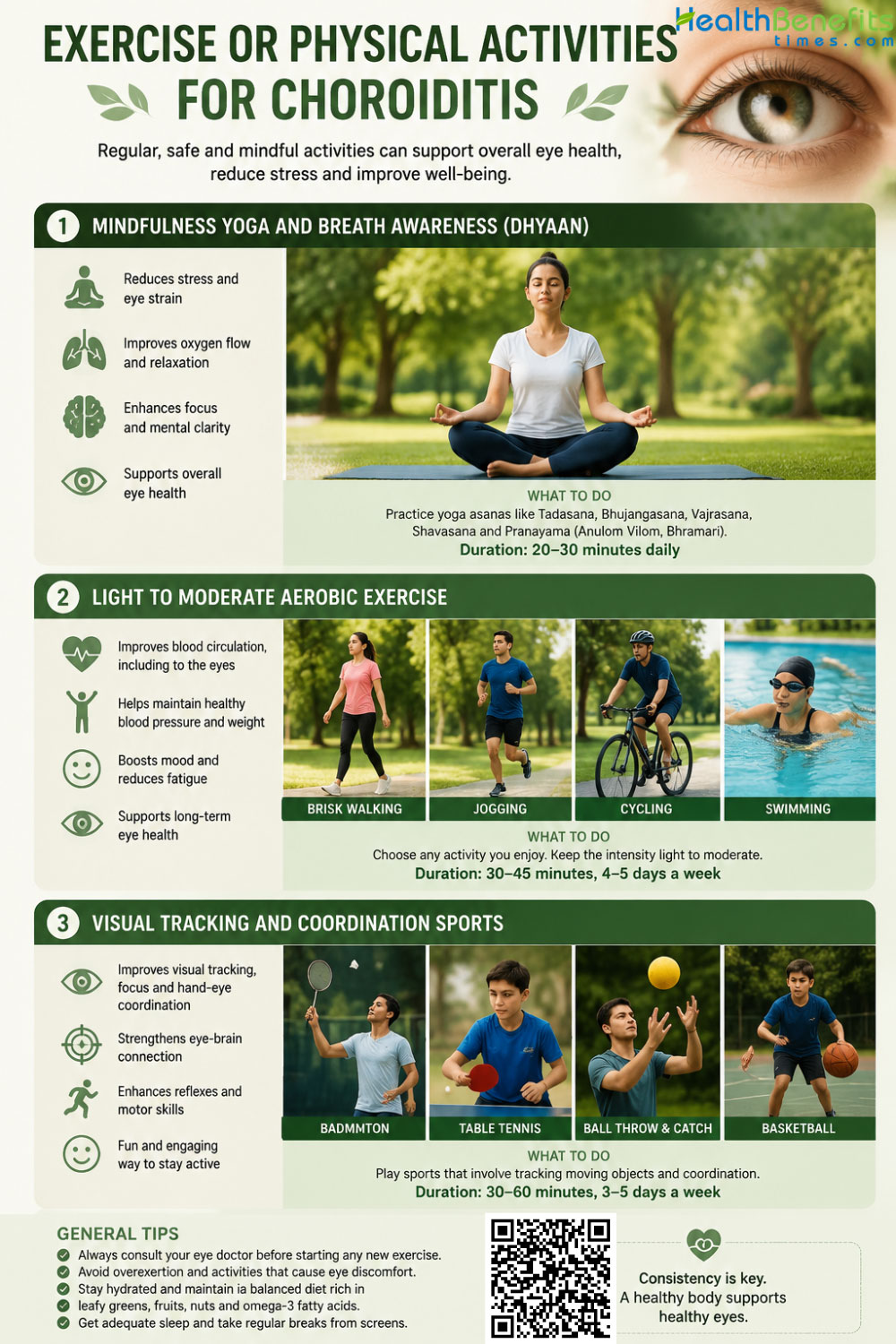
2. Light to Moderate Aerobic Exercise
Keeping the cardiovascular system active and efficient ensures that nutrient-dense blood and anti-inflammatory compounds freely circulate through the microscopic vessels of the choroid. Engaging in moderate physical activities triggers a cascade of complex biological benefits, including the reduction of intraocular pressure, the mitigation of aggressive ocular inflammatory responses, and the release of systemic protective factors 18. The primary objective is to facilitate excellent blood flow and enhance cellular mitochondrial health without introducing violent, high-impact forces that could physically agitate the inflamed vitreous fluid or retinal attachments.
Note: You can achieve this by engaging in 30 minutes of brisk walking, stationary cycling, or light jogging on an elliptical machine four to five times a week, ensuring you remain at a comfortable cardiovascular pace.
3. Visual Tracking and Coordination Sports
Stimulating the neuromuscular pathways that control the eyes can significantly support overall visual rehabilitation, particularly when recovering from periods of prolonged blurriness or visual deficits. Recreational activities that require continuous tracking of a moving object across varying depths of field specifically badminton and table tennis have demonstrated statistically significant effectiveness in enhancing visual health and managing ocular conditions compared to a lack of intervention 19. While these sports do not biologically extinguish choroidal inflammation, they keep the ciliary muscles agile and promote excellent, dynamic blood flow to the anterior and posterior segments of the eye.
Note: You should play a casual, friendly game of badminton or table tennis for 20 to 30 minutes a few times a week, focusing strictly on visually locking onto the ball or birdie rather than exerting aggressive physical dominance on the court.
Foods and Activities to Avoid
Navigating everyday life with an active or dormant case of choroiditis requires a strict awareness of environmental and dietary triggers. Just as certain habits and nutrients aggressively promote cellular healing, others serve to fan the flames of systemic inflammation, placing unnecessary stress on the fragile ocular blood vessels.
Foods to Avoid When You Suffer from Choroiditis
When your choroid is inflamed, your immune system is already hovering in a state of hyper-reactivity. You must actively remove specific dietary inputs that provoke chemical stress and disrupt the delicate balance of your gut microbiome.
- Processed and Red Meats: Commercial hot dogs, sausages, bacon, and heavy red meats are laden with chemical additives and saturated fats that place extra physiological strain on blood vessels already compromised by inflammatory activity.
- Refined Carbohydrates and Excessive Sugars: Foods crafted with highly processed white flour, along with sugary pastries and sodas, cause rapid, sharp spikes in blood sugar. These drastic fluctuations severely worsen the inflammatory responses throughout your body and delay ocular recovery 20.
- Unhealthy Trans Fats: Artificial trans fats and heavy saturated fats commonly found in deep-fried fast foods contribute directly to systemic inflammation and promote water retention, which can inadvertently increase the pressure within sensitive eye tissues.
- High-Sodium Packaged Foods: Consuming excessive amounts of salt complicates the body’s natural fluid balance, placing unnecessary hemodynamic stress on the fine vascular networks of the choroid and retina.
- Low-Fiber Diets: Failing to consume adequate dietary fiber starves the beneficial bacteria in your gut. This microbial starvation disrupts the gut-eye axis, leading to increased intestinal permeability (leaky gut) and a higher likelihood of rogue autoimmune cells migrating to the eye.
Activities to Avoid When You Suffer from Choroiditis
Safeguarding your eyes environmentally and mechanically is just as vital as managing your internal biochemistry. You must be deeply cautious of physical actions that force undue pressure or trauma onto your ocular anatomy.
- Intensive Face-Down or Inverted Yoga Postures: Engaging in prolonged inverted positions, such as headstands or intense downward-facing dogs, drastically forces venous blood into the head. Ultrasound biomicroscopy has proven that these specific facedown postures cause significant changes in the internal architecture of the eye, leading to dangerous lens-iris contact and severe symptom exacerbation 21.
- High-Impact and Contact Sports: Participating in activities like tackle football, boxing, or heavy martial arts carries a tremendous risk of blunt force trauma. A sudden shock to the head can easily cause a weakened, inflamed retina to detach from the swollen choroid beneath it.
- Ignoring Sleep Deprivation: Pushing your body to the brink of exhaustion denies your immune system the critical downtime it needs to repair cellular damage. Chronic sleep deprivation directly amplifies autoimmune reactivity.
- Unprotected Sun Exposure: Venturing outdoors into bright, unfiltered sunlight without high-quality UV-protective sunglasses forces an already highly sensitive and photophobic eye to endure harsh radiation, drastically worsening pain and surface inflammation.
Myths and Misconceptions
Separating cultural folklore from anatomical reality prevents patients from making counterproductive, and sometimes dangerous, health decisions regarding their vision.
| Myth | Reality |
| Reading in dim light will permanently destroy your inflamed eyes. 22 | While reading in inadequate lighting frequently causes temporary muscular eye strain and fatigue, there is absolutely no evidence that it physically damages the deep vascular tissues of the choroid or causes permanent vision loss. |
| Viral infections are the primary cause of all uveitis and choroiditis. | Despite common assumptions, viral etiologies account for only about 10% of all uveitis cases. The vast majority of episodes are driven by systemic autoimmune dysfunctions, bacterial/parasitic infections, or remain entirely idiopathic. |
| Wearing the correct prescription glasses will cure the blind spots. | Prescription glasses only correct the physical bending of light (refractive errors) as it enters the eye. They cannot heal the deep inflammatory lesions, vascular leakage, or retinal scarring caused by active choroiditis. |
| Eating a massive amount of carrots will completely reverse the disease. | While the Vitamin A found in carrots is essential for basic photoreceptor maintenance, no amount of root vegetables can independently suppress the aggressive immune-mediated attacks that destroy the choroid during a flare-up. |
| Choroiditis is just a minor irritation that will eventually go away on its own. | Although some very mild, superficial eye irritations resolve spontaneously, untreated posterior choroiditis is a severe, tissue-destroying disease that frequently leads to secondary glaucoma, irreversible macular scarring, and permanent blindness if aggressive medical intervention is ignored. |
Special Considerations
The clinical trajectory, associated risks, and therapeutic management of choroiditis shift dramatically depending upon the age, reproductive status, and overall physical condition of the patient. Understanding these distinct physiological nuances ensures significantly safer outcomes.
1. Children
When pediatric patients develop posterior uveitis or choroiditis, they present a distinct set of formidable diagnostic challenges. Young children rarely complain of subtle symptoms like blurry vision or new floaters, either because they lack the vocabulary to articulate the changes or because their highly adaptable brains simply suppress the distorted visual input. Consequently, the disease is frequently caught in its later, more destructive stages. Retrospective cohort studies reveal that pediatric uveitis carries an incredibly high rate of bilateral involvement (affecting both eyes in 71% of cases) and leads to severe, vision-threatening ocular complications such as band keratopathy, early-onset cataracts, and secondary glaucoma in over half of the severe cases 23. Furthermore, because the disease strikes during critical years of neurological development, these children face a profound risk of developing permanent amblyopia (lazy eye), accompanied by significantly decreased physical activity and lower cardio-respiratory fitness due to the psychosocial burden of the disease 24.
2. Pregnancy
The maternal immune system undergoes massive regulatory shifts during gestation to protect the developing fetus from being rejected. Paradoxically, this systemic immune tolerance frequently results in a highly welcomed decrease in autoimmune uveitis and choroiditis flare-ups, particularly from the second trimester onward. However, the postpartum period is notorious for severe, rapid inflammatory rebounds, with flare-up rates returning completely to prepregnancy levels within just six months of delivery 25. Managing the disease during this window requires extreme pharmacological caution. While medications like Azathioprine, calcineurin inhibitors, and anti-TNF biologics are generally considered low risk, other potent immunosuppressants like Mycophenolate Mofetil and Methotrexate are highly teratogenic (causing birth defects) and must be strictly avoided 26. In cases of sight-threatening disease where systemic drugs are too risky, clinicians frequently utilize localized corticosteroid intravitreal implants to safely suppress the ocular inflammation without exposing the fetus to the medication 27.
3. Chronic Conditions
Patients suffering from underlying systemic chronic illnesses such as Juvenile Idiopathic Arthritis (JIA), Rheumatoid Arthritis, Behcet’s Disease, or conditions linked to the HLA-B27 genetic marker often experience choroiditis not as an isolated ocular event, but as a direct extension of their systemic disease. In these individuals, a flare-up of inflammation in the joints, skin, or intestinal tract frequently mirrors a simultaneous inflammatory explosion within the choroid. Treating the eye in isolation is futile; these complex cases require the implementation of aggressive systemic biologic agents (such as Adalimumab or Infliximab) managed by a multidisciplinary team of rheumatologists and ophthalmologists to achieve total body remission 28.
4. Elderly
As the human body ages past the sixth decade of life, it undergoes immunosenescence a natural, progressive decline in the efficiency and competence of the immune system. When choroiditis strikes the elderly population, this weakened immune response often alters the classic clinical presentation of the disease. For instance, an elderly patient suffering from Varicella Zoster-induced ocular inflammation might completely lack the typical, defining skin vesicles, or a severe intraocular infection might barely trigger a visible inflammatory reaction until the disease is highly advanced 29. Furthermore, clinicians treating elderly patients must be hyper-vigilant to rule out deadly “masquerade syndromes,” particularly primary central nervous system non-Hodgkin’s lymphoma, which can perfectly mimic the clinical signs of benign posterior uveitis 30. Treating this demographic is further complicated by polypharmacy, where the prescription of high-dose systemic steroids must be carefully weighed against the patient’s existing regimen of blood pressure, cardiac, and diabetic medications 31.
Precaution Before Use of Natural Remedies When You Have Choroiditis
Taking an active role in your healing process is empowering, but deploying concentrated botanical compounds and high-dose nutritional supplements requires a highly strategic and medically cautious approach to prevent unintended physiological harm.
- Always Consult Your Multidisciplinary Team First: Before swallowing any new herbal extract or high-dose vitamin protocol, you must inform your managing ophthalmologist and rheumatologist. Natural substances are pharmacologically active and can profoundly alter your systemic immune response.
- Beware of Dangerous Blood-Thinning Synergies: Potent natural anti-inflammatories like high-dose Omega-3 fatty acids, Curcumin, and Vitamin E all possess inherent blood-thinning properties. If you are preparing for a corrective ocular surgery, or if you are already taking prescription anticoagulants, you must strictly regulate these supplements to avoid catastrophic hemorrhaging inside the eye.
- Never Abruptly Stop Your Prescription Medications: You must never view natural remedies as an immediate substitute for your prescribed chemical immunosuppressants or topical corticosteroids. Halting steroid drops or pills abruptly will trigger a violent rebound of intraocular inflammation that can permanently destroy your vision. Natural interventions are meant to be strictly complementary.
- Monitor Your Liver and Kidney Function: Processing high daily volumes of concentrated botanical extracts places an increased metabolic demand on your liver and kidneys. If you suffer from pre-existing renal or hepatic impairment, you must approach fat-soluble vitamins and heavy plant extracts with extreme caution.
- Vigorously Verify Supplement Purity and Sourcing: Because the dietary supplement industry is notoriously loosely regulated, you must actively seek out brands that are certified by independent, third-party testing laboratories (such as NSF or USP). Consuming low-quality supplements tainted with heavy metals, pesticides, or hidden chemical fillers will only introduce further toxic stress to your already battling immune system.
When to See a Doctor
While natural protocols are extraordinarily beneficial for maintaining your physiological baseline and supporting long-term cellular recovery, choroiditis fundamentally remains a sight-threatening medical emergency. You must bypass home remedies and seek urgent, specialized clinical evaluation if you experience any of the following critical warning signs:
- A Sudden, Precipitous Drop in Visual Acuity: If your ability to see clearly vanishes rapidly, or if entire sections of your peripheral or central vision suddenly go completely black, you must be evaluated immediately for severe macular edema or retinal detachment.
- The Onset of Severe, Deep, Throbbing Eye Pain: While choroiditis is often a dull ache, explosive, radiating pain—especially when accompanied by nausea or vomiting is a classic warning sign of a dangerous spike in intraocular pressure (secondary uveitic glaucoma).
- A Massive Shower of New Floaters or Flashing Lights: The sudden appearance of dense clusters of new floaters, paired with bright, lightning-like flashes in your peripheral vision, strongly indicates that the inflamed vitreous gel is physically tearing the retina away from the back of the eye.
- The Emergence of New Systemic Symptoms: If your ocular flare-up is suddenly accompanied by high fevers, severe night chills, unexplained weight loss, or strange skin rashes, the inflammation may be spreading, or a hidden infectious pathogen may have entered your bloodstream.
- Zero Improvement Despite Strict Adherence to Treatment: If your vision continues to blur, and the redness and photophobia steadily intensify despite taking your prescribed medications and maintaining a flawless natural dietary protocol, your current therapy has failed, and your physician must immediately escalate your clinical treatment plan.