

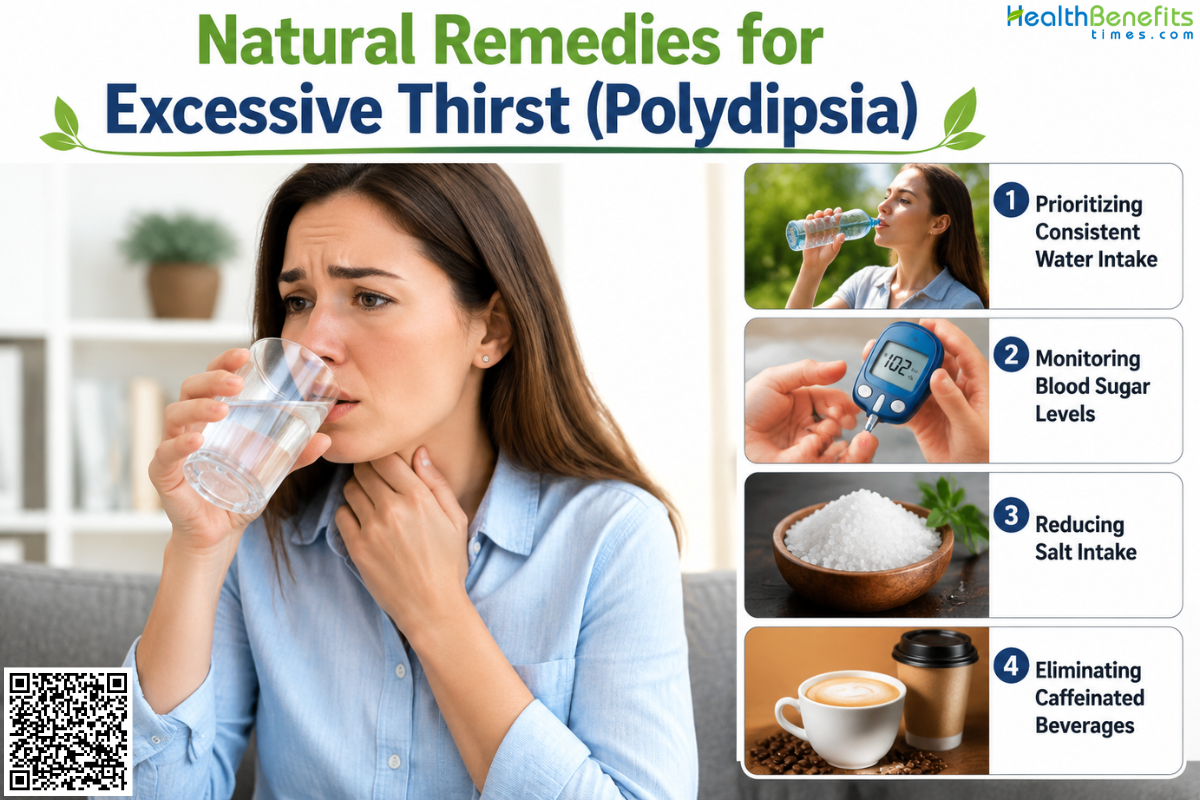
Excessive thirst, clinically termed polydipsia, is defined as an abnormal and persistent urge to consume fluids that exceeds what is required for normal hydration. While increased thirst is a natural physiological response to strenuous physical exertion or high ambient temperatures, pathological polydipsia is characterized by an unquenchable desire for water despite sufficient intake. This condition frequently acts as a vital diagnostic marker for underlying metabolic or endocrine imbalances. Most notably, it is one of the classic triad symptoms of diabetes mellitus, where hyperglycemia triggers the kidneys to eliminate excess sugar through urine, leading to fluid depletion 1. Furthermore, it can indicate diabetes insipidus, a rare disorder involving water-balance regulation, or electrolyte imbalances. Because persistent polydipsia may signal significant health complications, medical evaluation is necessary to identify the specific physiological or systemic root cause.
Causes of Excessive Thirst (Polydipsia)
- Diabetes Mellitus: Elevated blood glucose levels force the kidneys to work harder to filter and absorb excess sugar. When the kidneys cannot keep up, the sugar is excreted through urine, pulling fluids from body tissues and triggering intense thirst as the body attempts to remain hydrated 1.
- Diabetes Insipidus: Despite the name, this condition is unrelated to blood sugar levels. It is caused by a deficiency in the hormone vasopressin or an inability of the kidneys to respond to it, leading to the production of vast amounts of dilute urine and constant, unquenchable thirst 2.
- Dehydration and Fluid Loss: Severe loss of bodily fluids through heavy sweating during intense exercise, prolonged exposure to high heat, or medical conditions involving persistent vomiting and diarrhea rapidly reduces blood volume, necessitating immediate fluid replacement to restore balance 3.
- Electrolyte Imbalances: Abnormal levels of key minerals in the blood—specifically high calcium (hypercalcemia) or high sodium (hypernatremia)—can disrupt normal kidney function. These imbalances directly affect the body’s water-retention signals, often resulting in a persistent, physiological demand for more fluid intake 4.
- Medication Side Effects: Certain classes of prescription drugs, particularly diuretics used to treat high blood pressure, some antipsychotic medications, and corticosteroids, are documented to cause increased thirst as a common secondary effect of their metabolic actions on the kidneys 5.
- Psychogenic Polydipsia: In some instances, excessive thirst may be driven by psychological factors rather than a physical disease. This involves the compulsive, excessive intake of water, which can eventually lead to dangerously low blood sodium levels, a condition known as hyponatremia 4.
Symptoms of Excessive Thirst (Polydipsia)
- Persistent and Unquenchable Thirst: The primary symptom is an intense, constant urge to drink fluids that remains despite adequate intake. Unlike normal thirst following exercise, this feeling does not resolve with typical amounts of water consumption 5.
- Excessive Urination (Polyuria): This is characterized by the frequent passing of abnormally large volumes of urine. The body’s attempt to flush out excess blood sugar or compensate for hormonal imbalances leads to significantly increased urinary output throughout the day and night 1.
- Dryness of the Oral Cavity: A persistent sensation of a dry mouth, throat, and tongue is common. This occurs because the body is losing fluid faster than it can be replaced, leading to a noticeable reduction in saliva production and overall moisture in the mouth 6.
- Physical Fatigue and Lethargy: Chronic fluid loss and the metabolic stress of underlying conditions like diabetes can cause profound, persistent tiredness. This exhaustion occurs because the body struggles to maintain proper hydration and energy balance at a cellular level 1.
- Blurred Vision: Fluctuating hydration levels and high blood sugar can cause the lenses inside the eyes to swell. This change in shape temporarily impairs the ability to focus, often resulting in recurring episodes of blurred or cloudy vision 1.
Natural Remedies for Excessive Thirst (Polydipsia)
1. Prioritizing Consistent Water Intake
How it may help
Maintaining steady hydration helps the body regulate fluid balance and blood volume. For those experiencing thirst due to mild dehydration or heat exposure, consistent water intake replenishes lost fluids and prevents the concentration of blood electrolytes, which reduces the physiological triggers that signal an urgent, intense need for water to the brain 4.
What research says
Medical consensus emphasizes that maintaining proper fluid balance is essential for cellular function and kidney health. While increased water consumption is the correct response to environmental fluid loss, clinical evidence confirms that polydipsia driven by underlying metabolic conditions cannot be resolved by water intake alone and requires targeted medical intervention 5.
How to use it safely
Drink water gradually throughout the day rather than consuming large volumes at once. Aim for intake that satisfies your body’s actual need, typically guided by the color of your urine—which should remain a pale yellow—rather than forcing excessive amounts beyond what is necessary to quench normal thirst.
Potential precautions or side effects
Do not consume excessive amounts of water, as this can dangerously dilute blood sodium levels, leading to a serious condition known as hyponatremia.
2. Monitoring Blood Sugar Levels
How it may help
When blood sugar levels remain consistently high, the kidneys must work harder to filter and eliminate excess glucose through urine. This process draws water out of bodily tissues, causing dehydration and the intense, persistent thirst associated with diabetes. Maintaining stable blood glucose levels prevents this fluid depletion and alleviates the resulting thirst mechanism 1.
What research says
Clinical evidence establishes that uncontrolled hyperglycemia is a primary driver of polydipsia in patients with diabetes. Medical guidelines confirm that consistent self-monitoring and glucose management are the most effective strategies to stop the cycle of fluid loss and restore normal thirst patterns in diabetic individuals 7.
How to use it safely
Follow the blood sugar monitoring schedule recommended by your healthcare provider using a calibrated glucose meter. Record your results consistently and identify patterns that trigger your thirst. Share these logs with your medical team to adjust your treatment plan or dietary habits appropriately.
Potential precautions or side effects
Never alter prescribed medication dosages or insulin routines based on your readings without direct consultation with your doctor, as this can lead to dangerous metabolic instability.
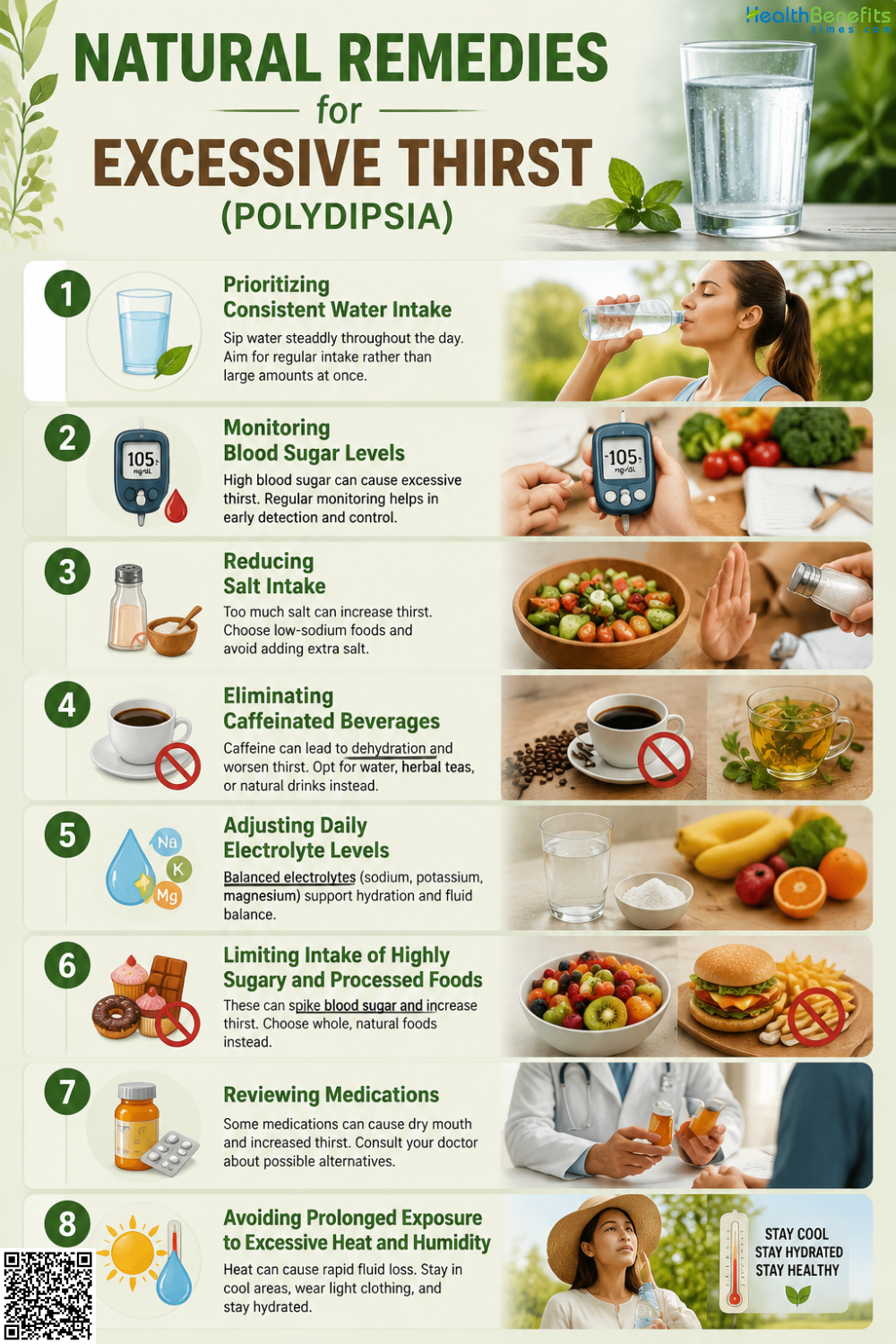
3. Reducing Salt Intake
How it may help
Consuming excess sodium increases the concentration of salt in the blood, which triggers the body’s thirst mechanism to dilute the surplus. By reducing dietary salt, the body requires less water to maintain electrolyte balance, directly decreasing the persistent urge to drink fluids that occurs in response to high sodium levels 8.
What research says
Clinical research consistently demonstrates that high dietary sodium intake correlates with increased fluid demand and polydipsia. Medical guidelines recommend limiting sodium consumption as a foundational strategy to manage fluid homeostasis and reduce the strain on kidney function, particularly in individuals sensitive to salt-induced thirst 8.
How to use it safely
Transition to a low-sodium diet by flavoring meals with herbs, spices, and citrus instead of salt. Carefully read nutrition labels on packaged foods to identify hidden sodium sources and aim for gradual reduction to allow your palate to adjust without sacrificing nutritional variety.
Potential precautions or side effects
Do not eliminate salt entirely, as sodium is essential for nerve and muscle function. Consult a physician before making drastic dietary changes, especially if you have existing heart conditions.
4. Eliminating Caffeinated Beverages
How it may help
Caffeine acts as a mild diuretic, which encourages the kidneys to release more water through urine. By eliminating caffeinated drinks like coffee, tea, and soda, you reduce unnecessary fluid loss and prevent the dehydration that often triggers the sensation of intense, persistent thirst in sensitive individuals 5.
What research says
Clinical observations indicate that high caffeine intake can influence fluid balance and kidney activity. While moderate consumption is generally safe, medical consensus suggests that individuals experiencing persistent polydipsia may benefit from reducing or eliminating stimulants to help stabilize their body’s internal water balance and decrease unnecessary urinary output 5.
How to use it safely
Gradually decrease your daily caffeine intake over several days to avoid withdrawal symptoms like headaches. Replace these beverages with water, herbal teas, or flavored water infused with fruit, which will help you maintain adequate hydration without the diuretic effects of caffeine.
Potential precautions or side effects
Abruptly stopping caffeine may cause significant headaches, irritability, or fatigue. Monitor how your body reacts and consult a healthcare provider if symptoms persist or interfere with daily life.
5. Adjusting Daily Electrolyte Levels
How it may help
Electrolytes, such as sodium, potassium, and magnesium, are vital for maintaining fluid balance within cells. An imbalance can disrupt how the body holds onto or loses water, frequently signaling an intense need for thirst. Balancing these essential minerals ensures proper cellular hydration and helps stabilize fluid regulation, potentially reducing episodes of pathological thirst 4.
What research says
Clinical studies confirm that electrolyte homeostasis is critical for preventing abnormal fluid shifts. Research indicates that persistent polydipsia is often linked to chronic electrolyte disturbances, such as hypercalcemia or hyponatremia. Addressing these imbalances through targeted dietary adjustments or medical monitoring is a standard clinical protocol for stabilizing fluid demand in patients 4.
How to use it safely
Focus on consuming a balanced diet rich in whole foods, such as bananas for potassium, leafy greens for magnesium, and modest amounts of iodized salt. Ensure you drink water in moderation alongside these nutrients to help your kidneys effectively process and maintain stable electrolyte levels.
Potential precautions or side effects
Avoid self-prescribing electrolyte supplements or high-dose mineral pills, as imbalanced intake can cause severe heart, kidney, or nerve complications. Always consult a doctor for personalized guidance.
6. Limiting Intake of Highly Sugary and Processed Foods
How it may help
Consuming excess refined sugar causes rapid spikes in blood glucose. The kidneys respond by filtering this surplus sugar into urine, which pulls vital water from tissues, inducing dehydration and triggering the brain’s thirst mechanism. Reducing intake of these foods helps maintain stable blood sugar levels, preventing the fluid depletion that leads to polydipsia 9.
What research says
Clinical evidence indicates that high-glycemic diets are closely associated with insulin resistance and the development of metabolic disorders. Medical research confirms that lowering the intake of processed, high-sugar foods is a foundational intervention for preventing hyperglycemia, thereby reducing the osmotic fluid loss that necessitates persistent, excessive water consumption 1.
How to use it safely
Replace sugary snacks and processed goods with whole foods like fresh vegetables, fruits, and lean proteins. Read nutrition labels to identify and avoid “added sugars,” focusing instead on complex carbohydrates that provide steady energy release without causing drastic swings in blood glucose levels.
Potential precautions or side effects
Avoid extreme, restrictive diets that may cause nutritional deficiencies. If you have underlying health conditions, consult a registered dietitian to ensure your dietary changes remain balanced and safe.
7. Reviewing Medications
How it may help
Several common prescription medications, particularly diuretics used for hypertension or certain antipsychotics, can induce thirst as a secondary effect by increasing fluid loss or altering thirst signals. Identifying these agents allows patients to work with their physicians to adjust dosages or transition to alternatives that do not cause significant fluid depletion or dryness 5.
What research says
Clinical pharmacotherapy guidelines acknowledge that drug-induced polydipsia is a recognized, although often overlooked, cause of persistent thirst. Medical research confirms that reviewing a patient’s full medication profile—including both prescription and over-the-counter drugs—is a necessary diagnostic step to eliminate pharmacological triggers and resolve symptoms without compromising therapeutic treatment goals 5.
How to use it safely
Compile a complete list of all your medications and supplements to review with your doctor. During your appointment, specifically ask if any of your current treatments are known to cause dry mouth or increased thirst, and discuss whether dosage adjustments or safer alternatives are appropriate for your health.
Potential precautions or side effects
Never stop or change your medication dosage on your own. Doing so without medical supervision can lead to serious health complications or the return of the condition being treated.
8. Avoiding Prolonged Exposure to Excessive Heat and Humidity
How it may help
High ambient temperatures and humidity levels force the body to increase perspiration to regulate internal core temperature. This rapid fluid loss depletes systemic moisture and triggers a strong, physiological thirst response. Limiting exposure to such environments prevents excessive fluid loss and reduces the need for the body to signal for constant water replenishment 10.
What research says
Clinical and public health research confirms that extreme heat stress significantly accelerates dehydration, leading to a compensatory, intense thirst mechanism. Medical guidelines emphasize that reducing thermal stress is a critical behavioral intervention for maintaining fluid homeostasis and preventing the onset of thirst-related symptoms associated with environmental exposure 10.
How to use it safely
Schedule strenuous outdoor activities during the cooler hours of the morning or evening. If you must be outside during the day, seek shaded areas, wear lightweight, breathable clothing, and utilize cooling measures like fans or air conditioning to help your body maintain a stable temperature.
Potential precautions or side effects
Watch for signs of heat exhaustion, such as dizziness, headache, or nausea. Seek immediate medical attention if you suspect heat-related illness, as persistent thirst may indicate serious dehydration.
Foods to Avoid When You Suffer from Excessive Thirst (Polydipsia)
1. Salty Snacks
High-sodium foods increase blood salt concentration, which forces the body to retain or demand more water to restore electrolyte balance, thereby worsening persistent thirst 8.
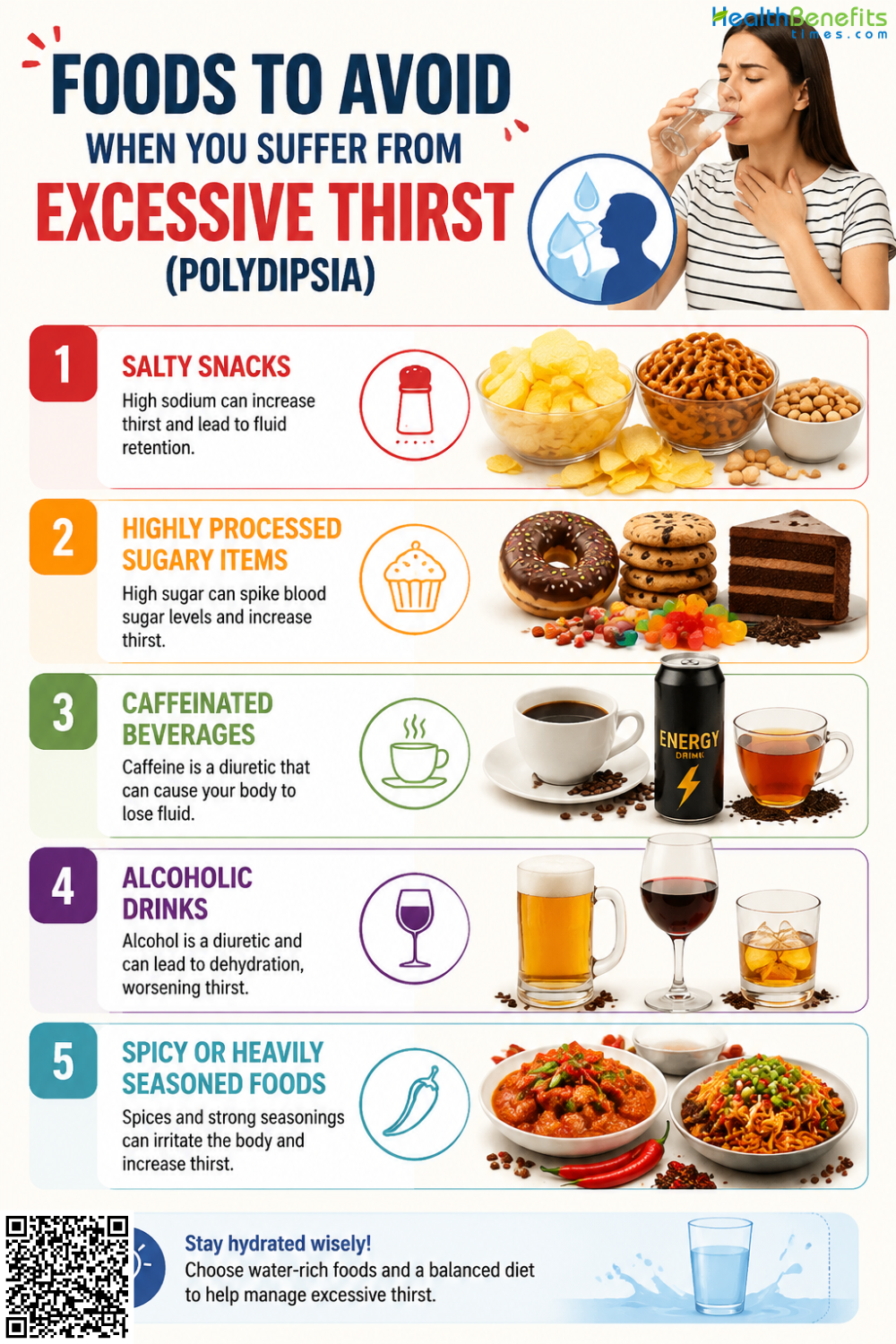
2. Highly Processed Sugary Items
Foods with added refined sugars cause blood glucose spikes, leading to increased urinary output that depletes body fluids and exacerbates feelings of unquenchable thirst 9.
3. Caffeinated Beverages
Coffee, tea, and energy drinks act as mild diuretics, increasing water loss through urine and potentially contributing to the dehydration that fuels chronic thirst symptoms 5.
4. Alcoholic Drinks
Alcohol suppresses the hormone responsible for water retention, causing the kidneys to excrete excess fluid and leading to rapid dehydration and subsequent intense thirst 11.
5. Spicy or Heavily Seasoned Foods
While not directly causing fluid loss, extremely spicy meals can cause intense dryness in the mouth and throat, which may mimic or intensify the perception of thirst 6.
When to See a Doctor When You Suffer from Excessive Thirst (Polydipsia)
1. Persistence of Symptoms
Seek medical evaluation if you experience intense, unquenchable thirst that lasts for more than a few days without an obvious cause like intense exercise or high heat 5.
2. Significant Increase in Urination
Consult a healthcare provider if you notice a dramatic and sustained increase in the volume or frequency of your daily urination, especially during the night 1.
3. Presence of Accompanying Symptoms
Schedule an appointment if extreme thirst is paired with unexplained weight loss, blurred vision, persistent fatigue, or recurring infections, as these are classic warning signs of diabetes 1.
4. Signs of Severe Dehydration
If you develop symptoms such as dizziness, confusion, dark-colored urine, or a rapid heart rate, seek immediate medical attention to address potential acute fluid and electrolyte imbalances 3.
5. New Medication Concerns
Discuss your thirst with a doctor if you recently started a new prescription, particularly diuretics or antipsychotics, to determine if your medication is causing the fluid imbalance 5.