

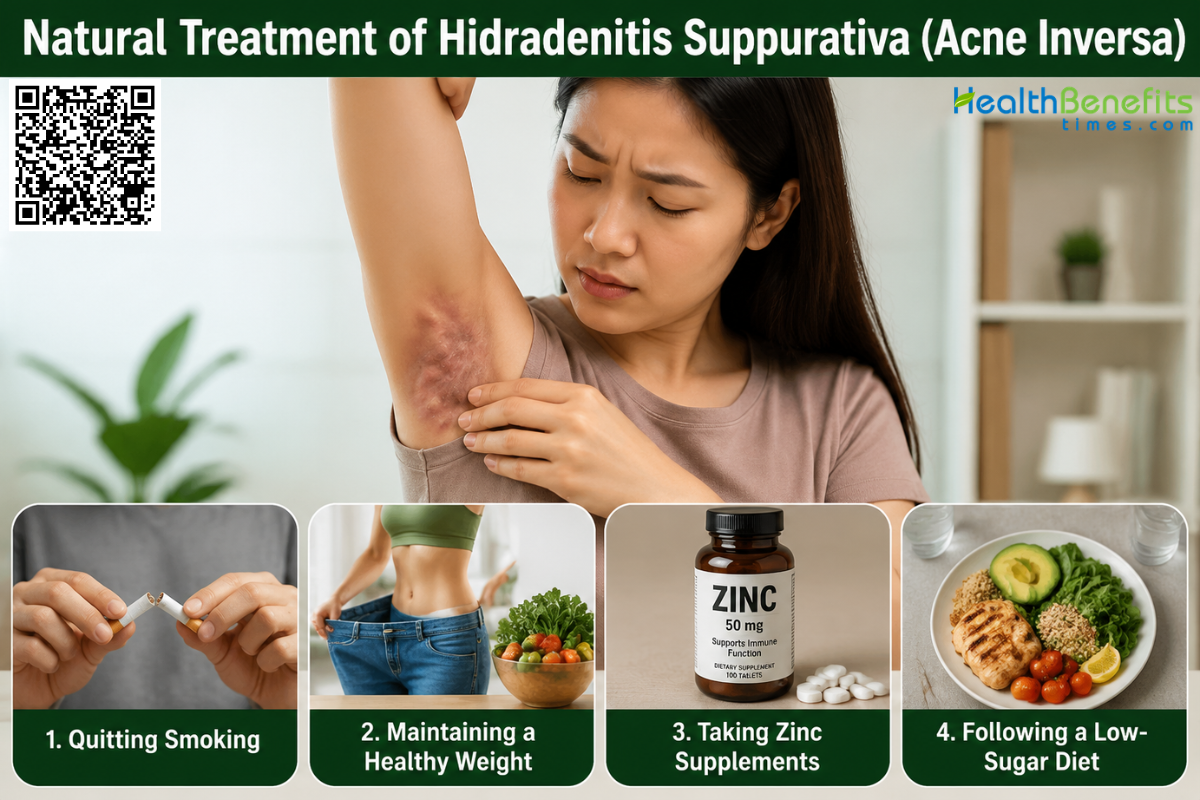
Hidradenitis suppurativa (HS), also known as acne inversa, is a chronic, non-contagious inflammatory skin condition characterized by the formation of painful lumps beneath the skin. Rather than a disease of the sweat glands, current medical understanding identifies it as a disorder of the hair follicles that typically begins when a follicle becomes blocked. These tender nodules most commonly develop in areas where the skin rubs together, such as the armpits, groin, inner thighs, and under the breasts. As the condition progresses, the original lumps can expand, rupture, and eventually form deeper, interconnected tunnels under the skin, often releasing fluid and causing significant scarring 1. While the exact underlying cause remains unknown, clinical research concludes that a combination of genetic predisposition, immune system dysfunction, and hormonal factors drives the chronic inflammation 2. Although there is currently no cure, targeted medical treatments can effectively manage symptoms and prevent severe disease progression.
Causes of Hidradenitis Suppurativa (Acne Inversa)
1. Blocked Hair Follicles (Follicular Occlusion)
The primary physical mechanism of the condition starts within the hair follicles, rather than the sweat glands. The disease process begins when a follicle becomes severely clogged with keratin, sweat, and natural skin bacteria. This buildup causes the follicle to rupture beneath the skin, releasing its contents into the surrounding tissue and triggering the formation of painful lumps and abscesses 3 4.
2. Genetic Predisposition
Clinical data confirms a strong hereditary link, as approximately 33% to 40% of individuals diagnosed with the condition have a first-degree family member who also has it. Specific genetic mutations, particularly those affecting the γ-secretase protein complex, disrupt normal skin cell function and significantly contribute to the development of the disease 5.
3. Immune System Overreaction
The condition is heavily driven by an abnormal immune system response. Laboratory testing reveals that patients have abnormally high levels of inflammatory proteins, known as cytokines, within their skin lesions. This irregularity causes the body to launch a chronic, localized inflammatory attack against the ruptured follicles and adjacent tissue 4.
4. Hormonal Influences
Hormones play a substantial role in the onset and fluctuation of the disease. The condition almost exclusively develops after puberty, and symptoms often shift alongside natural hormonal cycles. For female patients, flare-ups commonly worsen just before menstruation, and symptoms frequently become less severe during pregnancy or after the onset of menopause 3.
5. Environmental and Lifestyle Triggers
While not direct root causes, specific lifestyle factors drastically increase the risk and severity of the condition. Cigarette smoking is the most significant trigger, present in 70% to 90% of cases. Additionally, excess body weight increases physical skin friction, promotes sweat retention, and contributes to systemic inflammation, all of which reliably worsen the clinical severity of the outbreaks 3 4.
Symptoms of Hidradenitis Suppurativa (Acne Inversa)
1. Painful, Deep-Seated Lumps (Nodules)
The earliest physical sign is typically the development of tender, pea-sized lumps beneath the skin. These hard nodules often resemble deep pimples or boils and primarily emerge in areas where skin continuously rubs together, such as the armpits, groin, inner thighs, buttocks, and underneath the breasts 6.
2. Swollen, Fluid-Filled Pockets (Abscesses)
As the condition advances, the initial lumps can enlarge, become highly inflamed, and join together. They evolve into painful, pus-filled pockets known as abscesses, which cause significant localized swelling and intense discomfort 7.
3. Rupturing and Foul-Smelling Drainage
When the pressurized abscesses break open, they leak a mixture of blood and pus. This constant, oozing drainage is often accompanied by a strong, unpleasant odor that can cause significant emotional distress and social anxiety for patients 8 9.
4. Subcutaneous Tunnels (Sinus Tracts)
The repeated cycle of abscesses healing and reopening eventually causes permanent structural changes beneath the skin. The body forms interconnected, hollow tunnels beneath the skin’s surface called sinus tracts, which continuously drain fluid and rarely heal on their own 6 10.
5. Paired Blackheads (Comedones)
During advanced stages, patients frequently develop small, pitted areas of skin containing black bumps that look like blackheads. Unlike standard acne, these blackheads distinctively appear in pairs or small clusters rather than as individual blockages 6.
6. Thick, Restrictive Scarring
As chronic lesions repeatedly attempt to heal, the body produces dense, rope-like scar tissue. In severe cases, particularly in the armpits or groin, this thickened tissue can severely restrict joint flexibility and impair basic physical mobility 11.
7. Itching, Burning, and Systemic Pain
Before a lump fully surfaces, the affected skin may severely itch, burn, or sweat excessively. The deep inflammation causes extreme physical pain that frequently requires clinical pain management, while the underlying systemic inflammation can also trigger generalized joint pain and morning stiffness 6 9.
Natural Remedies for Hidradenitis Suppurativa (Acne Inversa)
1. Quitting Smoking
How It May Help
Cigarette smoke contains nicotine and harsh chemicals that promote severe inflammation and cause skin cells to overgrow, which blocks hair follicles. Quitting smoking directly reduces this chemical stress on the skin, helping to lower the frequency of painful abscesses and limit the progression of the disease.
What Research Says
Clinical research identifies cigarette smoking as a major trigger for hidradenitis suppurativa, noting that up to 90% of patients with the condition are current or former smokers 4. Studies conclude that stopping smoking significantly improves treatment response and lowers the overall clinical severity of the condition 9.
How to Do It Safely
To safely quit smoking, work with a healthcare provider to create a structured cessation plan. You can use FDA-approved nicotine replacement therapies, such as patches or gums, alongside behavioral counseling, which clinical protocols show significantly increases long-term success rates 12.
Potential Precautions or Side Effects
Nicotine withdrawal may cause temporary side effects, including irritability, anxiety, sleep disturbances, and minor weight gain, which should be monitored by a medical professional 13.
2. Maintaining a Healthy Weight
How It May Help
Carrying excess weight creates deeper skin folds, which increases physical friction and traps sweat, leading to blocked hair follicles. Furthermore, excess fat tissue releases chemical signals that promote body-wide inflammation. Reaching a healthy weight reduces both this physical rubbing and internal inflammation, preventing new painful lesions.
What Research Says
Clinical studies establish a direct link between obesity and the severity of hidradenitis suppurativa. Research concludes that significant weight reduction—particularly losing 15% or more of total body weight—results in a substantial decrease in disease severity, fewer active skin lesions, and improved overall treatment response 14.
How to Do It Safely
To reach a healthy weight safely, you should focus on gradual weight loss through a balanced diet and low-impact exercise. Consult a healthcare provider or a registered dietitian to create a sustainable plan that avoids irritating your skin folds during physical activity 15.
Potential Precautions or Side Effects
You must avoid extreme, restrictive crash diets, as they can cause severe nutritional deficiencies, muscle loss, and a weakened immune system, which negatively impacts natural skin healing 15.
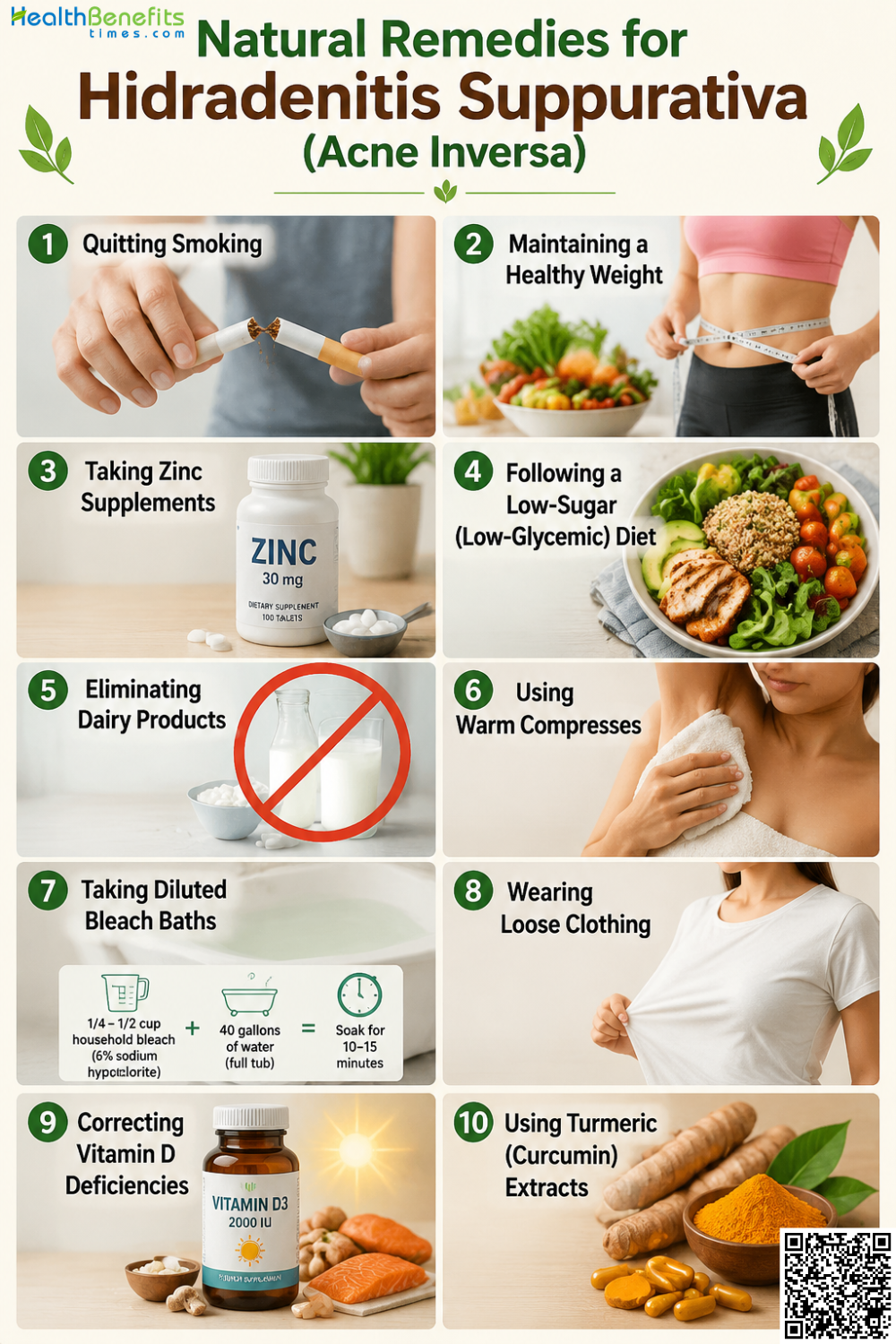
3. Taking Zinc Supplements
How It May Help
Zinc is an essential mineral that actively supports skin healing and regulates the immune system. For hidradenitis suppurativa, it helps reduce localized inflammation and prevents the rapid overproduction of skin cells that clog hair follicles. This action assists in healing existing open wounds and decreasing new lump formation.
What Research Says
Clinical trials demonstrate that targeted zinc gluconate supplementation significantly reduces disease severity in patients with hidradenitis suppurativa. Research concludes that daily zinc therapy can induce complete or partial remission of inflammatory lesions, decrease the frequency of painful flare-ups, and improve overall skin healing rates 16.
How to Use It Safely
You should always consult a dermatologist before starting zinc therapy to establish a safe dosage. While clinical protocols often utilize zinc gluconate, high doses require strict medical supervision to monitor safety. Take the supplement alongside meals to properly minimize gastrointestinal discomfort.
Potential Precautions or Side Effects
Long-term, high-dose zinc use frequently causes severe copper deficiency, which can lead to anemia and nerve damage. Immediate side effects often include nausea, vomiting, and severe stomach cramps 17.
4. Following a Low-Sugar (Low-Glycemic) Diet
How It May Help
Consuming high-sugar foods causes rapid insulin spikes, which trigger the body to produce excess hormones called androgens. These hormones force the skin to overproduce cells and natural oils that heavily block hair follicles, directly fueling the painful lumps and localized inflammation characteristic of the disease.
What Research Says
Clinical studies demonstrate that diets high in simple carbohydrates significantly worsen the condition. Research concludes that adhering to a low-glycemic index diet effectively reduces active inflammatory skin lesions and accelerates tissue healing by directly lowering the hormonal triggers responsible for severe follicle blockages 14.
How to Use It Safely
To adopt this diet safely, you should replace sugary snacks and refined grains with whole grains, legumes, and non-starchy vegetables. Consult a registered dietitian to create a balanced meal plan that stabilizes your blood sugar without depriving your body of essential daily energy 18.
Potential Precautions or Side Effects
You should avoid extreme carbohydrate restriction, as overly strict diets can cause severe daily fatigue, harmful drops in blood sugar (hypoglycemia), and essential nutrient deficiencies 18.
5. Eliminating Dairy Products
How It May Help
Dairy products, particularly cow’s milk, contain hormones and growth factors like insulin-like growth factor-1 (IGF-1). In susceptible individuals, these compounds stimulate the skin’s oil glands and increase systemic inflammation. By eliminating dairy, patients may decrease the hormonal triggers that promote hair follicle blockage, potentially reducing the frequency and severity of painful inflammatory lesions.
What Research Says
Clinical observations and dermatology studies identify dairy intake as a potential aggravating factor for chronic inflammatory skin conditions. Research concludes that reducing or eliminating dairy can lower hormonal stimulation of skin cells, leading to fewer active abscesses and improved disease management in patients who identify dairy as a personal trigger for their flare-ups 14.
How to Use It Safely
Before removing dairy, consult a healthcare provider to avoid nutrient gaps. Replace dairy with calcium-fortified plant milks, leafy greens, and supplements if necessary. Ensure you obtain adequate Vitamin D, which is often fortified in milk products, to prevent potential bone density issues over the long term.
Potential Precautions or Side Effects
Risk includes calcium and Vitamin D deficiencies, potentially compromising bone health. Ensure sufficient intake of these essential nutrients from alternative dietary sources to avoid skeletal issues 19.
6. Using Warm Compresses
How It May Help
Applying a warm compress increases local blood flow to the affected skin, which helps reduce severe pain and localized swelling. The gentle heat also softens the tissue and encourages deep, painful nodules to open and drain naturally, providing immediate physical relief from the intense pressure caused by fluid buildup.
What Research Says
Clinical dermatological guidelines heavily endorse warm compresses as an effective home treatment for managing acute flare-ups. Experts conclude that applying localized heat safely accelerates the natural drainage of inflamed abscesses, significantly reduces acute pain, and minimizes the immediate need for clinical interventions to relieve physical pressure 20.
How to Use It Safely
To use this safely, soak a clean washcloth in warm, but never boiling, water. Gently apply the damp cloth directly to the painful lump for 10 to 15 minutes. You can safely repeat this soothing process three to four times a day to encourage drainage 20.
Potential Precautions or Side Effects
You must strictly avoid using excessively hot water, which can cause severe skin burns. Additionally, never manually squeeze or force a lump to pop, as this drives inflammation deeper 20.
7. Taking Diluted Bleach Baths
How It May Help
A diluted bleach bath acts as a mild, full-body antibacterial soak. It safely reduces the amount of bacteria on the skin’s surface, which helps prevent secondary infections in open wounds and lowers the overall skin inflammation associated with painful hidradenitis suppurativa flare-ups.
What Research Says
Clinical dermatology guidelines strongly support using diluted bleach baths for managing chronic inflammatory skin conditions. Research concludes that these routine baths effectively decrease harmful skin bacteria, significantly reducing the frequency of localized infections and minimizing the severity of active inflammatory lesions 20.
How to Use It Safely
You should pour one-half cup of standard, unfragranced household bleach into a full bathtub of warm water. Soak only from the neck down for five to ten minutes, then rinse your body completely with fresh water and apply a gentle moisturizer 20.
Potential Precautions or Side Effects
You must never apply undiluted bleach directly to your skin, as it causes severe chemical burns. Immediately stop use if you experience extreme dryness, intense stinging, or worsening irritation.
8. Wearing Loose Clothing
How It May Help
Tight clothing creates constant physical friction and traps sweat against the skin, which intensely irritates and blocks hair follicles. Wearing loose-fitting garments reduces this harmful rubbing and allows the skin to breathe. This minimizes the physical trauma that often triggers painful hidradenitis suppurativa flare-ups and allows existing sores to heal.
What Research Says
Clinical dermatology guidelines identify mechanical skin friction and sweat retention as major environmental triggers for the disease. Expert consensus concludes that eliminating tight clothing significantly reduces localized skin trauma, which directly decreases the frequency of new inflammatory lesions in sensitive areas like the groin and armpits 4.
How to Use It Safely
You should select breathable, natural fabrics like cotton rather than synthetic materials that actively trap moisture. Ensure waistbands, underwear elastics, and bra straps do not dig into your skin, and choose garments with relaxed fits to completely eliminate rubbing against active sores or sensitive skin folds.
Potential Precautions or Side Effects
Ensure your loose clothing does not feature bulky inner seams, heavy zippers, or rough tags, as these structural elements can still cause harmful localized friction against vulnerable skin areas.
9. Correcting Vitamin D Deficiencies
How It May Help
Vitamin D heavily influences the immune system and naturally lowers body-wide inflammation. Because hidradenitis suppurativa involves an overactive immune response that attacks hair follicles, restoring adequate Vitamin D levels helps calm this harmful inflammation. This process can significantly decrease the formation of new, painful skin nodules.
What Research Says
Clinical studies reveal that a vast majority of patients with hidradenitis suppurativa suffer from significant Vitamin D deficiency, which directly correlates with worse disease severity. Research concludes that medically correcting this deficiency with standard supplements effectively reduces the frequency of flare-ups and decreases active inflammatory lesions 9.
How to Use It Safely
You must ask a healthcare provider to test your blood before starting supplementation. Because needs vary wildly, a doctor will prescribe the exact daily dosage of Vitamin D3 required to safely restore your specific levels without risking dangerous buildup in your body 21.
Potential Precautions or Side Effects
Taking extreme doses without medical guidance causes severe Vitamin D toxicity. This condition dangerously elevates blood calcium levels, which can trigger severe vomiting, confusion, and irreversible kidney damage 21.
10. Using Turmeric (Curcumin) Extracts
How It May Help
Turmeric contains curcumin, a powerful natural compound with strong anti-inflammatory properties. For hidradenitis suppurativa, it helps reduce the severe, body-wide inflammation that drives the disease. By calming the overactive immune response, curcumin can help decrease the painful swelling and redness of active skin nodules.
What Research Says
Clinical reviews of complementary therapies for hidradenitis suppurativa indicate that curcumin effectively lowers internal inflammatory markers. Research concludes that oral turmeric extracts can help decrease the clinical severity of active skin lesions and reduce generalized pain when used alongside traditional medical treatments 16.
How to Use It Safely
You should consult your healthcare provider to establish a safe dosage. Because natural curcumin is poorly absorbed by the body, choose extract supplements formulated with black pepper extract (piperine), which significantly improves absorption. Take it with meals to prevent stomach irritation 22.
Potential Precautions or Side Effects
You must avoid high doses if taking blood thinners, as turmeric can increase bleeding risks. Common mild side effects include stomach ache, nausea, and diarrhea 22.
Foods to Avoid When You Suffer From Hidradenitis Suppurativa (Acne Inversa)
1. High-Sugar Foods
Sugary foods cause rapid insulin spikes, which trigger the body to overproduce hormones that block hair follicles and worsen active inflammatory skin lesions 14.

2. Dairy Products
Cow’s milk contains natural hormones that heavily stimulate skin oil glands. Removing dairy from your diet lowers this hormonal stimulation and significantly decreases active abscesses 14.
3. Refined Carbohydrates
White bread and pastries sharply elevate blood sugar. This sudden spike triggers intense, body-wide inflammation that actively fuels the formation of new painful skin lumps 14.
4. Brewer’s Yeast
Found in beer and fermented dough, brewer’s yeast triggers a specific immune system overreaction in some patients. Strictly avoiding it rapidly promotes the healing of chronic lesions 14.
When to See a Doctor When You Suffer From Hidradenitis Suppurativa (Acne Inversa)
1. Intense or Worsening Pain
You should seek medical care immediately if skin lumps become incredibly painful, making basic movements or daily activities difficult to perform 1.
2. Lesions Do Not Heal
Consult a dermatologist if a skin nodule does not improve within a few weeks, as delayed treatment leads to permanent tunneling and severe scarring 1.
3. Frequent Recurrence
You need professional medical management if lumps repeatedly return after healing. Frequent flare-ups indicate the disease requires targeted prescription therapies to control inflammation 1.
4. Appearance in Multiple Areas
Seek an immediate evaluation if painful nodules begin emerging in multiple sensitive body folds simultaneously, such as both the armpits and the groin 1.
5. Signs of Acute Infection
You must seek emergency care if a lump rapidly swells, turns excessively red, or if you develop a systemic fever, indicating a dangerous secondary infection 4.