

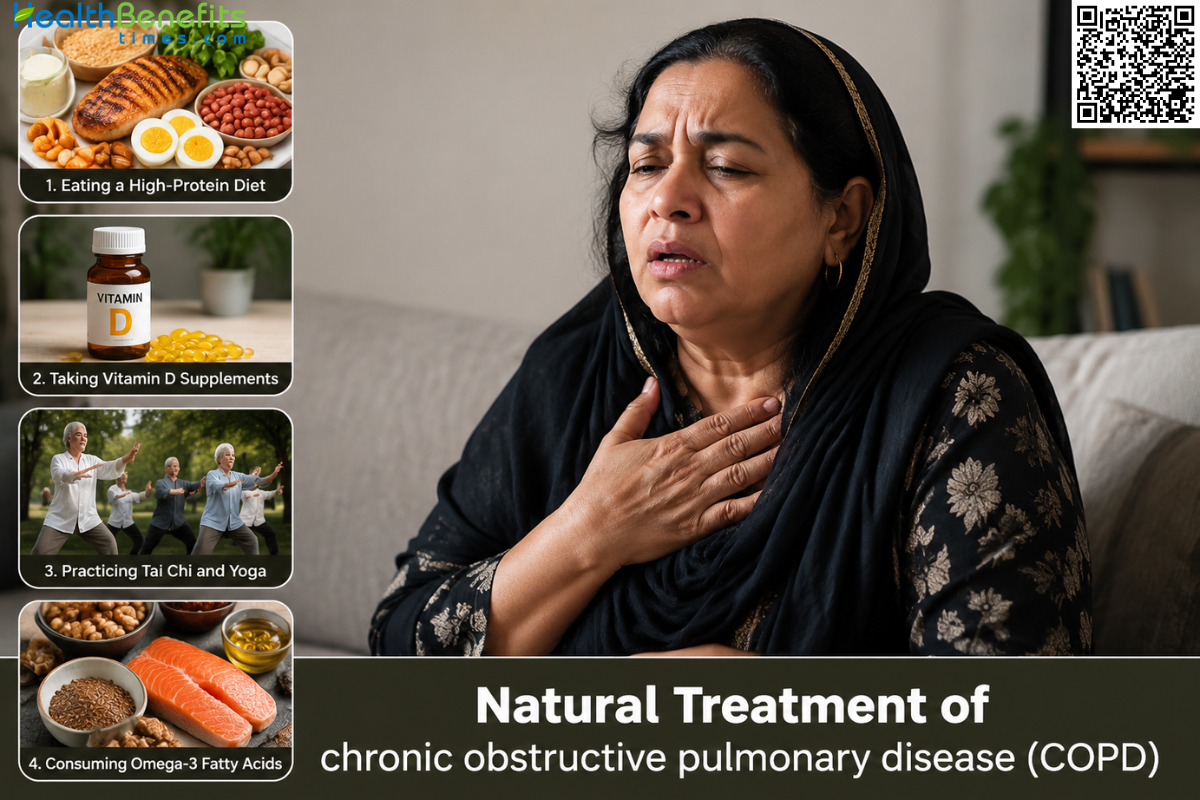
Chronic obstructive pulmonary disease (COPD) is a progressive lung condition that makes it difficult to breathe, encompassing conditions commonly known as emphysema and chronic bronchitis. In individuals with COPD, the lung’s airways and air sacs lose elasticity, become inflamed, or produce excessive mucus, severely restricting airflow and gas exchange 1. The primary cause is long-term exposure to lung irritants, particularly tobacco smoke, though indoor and outdoor air pollution, chemical fumes, and dust also significantly increase the risk 2. Additionally, a rare genetic disorder known as alpha-1 antitrypsin (AAT) deficiency can cause early-onset COPD even in non-smokers 1. The most frequent clinical symptoms include a persistent cough, excess mucus production, wheezing, and shortness of breath that worsens over time and limits daily activities 3. Although COPD currently has no cure, targeted medical treatments and lifestyle modifications, such as smoking cessation and pulmonary rehabilitation, effectively manage symptoms and slow disease progression 2.
Causes of Chronic Obstructive Pulmonary Disease (COPD)
1. Tobacco Smoke Exposure
The leading cause of the disease is long-term exposure to tobacco smoke, which includes cigarette, pipe, and cigar smoking, as well as prolonged inhalation of secondhand smoke. The toxic chemicals in smoke trigger chronic inflammation, destroy the lung’s air sacs (alveoli), and irritate the airways, leading to permanent structural damage 2 4.
2. Occupational Dust and Chemicals
Prolonged workplace exposure to industrial dust, chemical fumes, and toxic vapors significantly contributes to the development of the condition. Repeatedly inhaling these airborne irritants over many years causes severe lung inflammation and accelerated loss of lung function, particularly in industries like mining, construction, and manufacturing 3.
3. Indoor Air Pollution
Consistent inhalation of smoke from burning biomass fuels—such as wood, animal dung, and crop residues—is a major cause of the disease. Using these fuels for cooking and heating in poorly ventilated homes creates heavy indoor air pollution that severely damages the respiratory tract over time 4 3.
4. Genetic Factors (Alpha-1 Antitrypsin Deficiency)
A rare, inherited genetic disorder known as alpha-1 antitrypsin (AAT) deficiency is the primary cause of the condition in individuals who have never smoked. This genetic mutation causes the body to produce inadequate levels of the AAT protein, which normally protects the lungs, leaving the lung tissue highly vulnerable to rapid breakdown and damage 2 4.
5. Early Life Respiratory Complications
Events that disrupt healthy lung development during childhood directly increase the risk of developing the disease in adulthood. A history of severe childhood respiratory infections, persistent asthma, or premature birth permanently limits maximum lung growth, creating a lasting vulnerability to chronic airway obstruction later in life 3.
Symptoms of Chronic Obstructive Pulmonary Disease (COPD)
- Shortness of Breath: Often the most noticeable symptom, this breathing difficulty typically begins only during physical activity. As lung function declines, the breathlessness progressively worsens and eventually occurs even while resting 5 3.
- Chronic Persistent Cough: A long-lasting, daily cough that does not go away. It is frequently dismissed as a harmless “smoker’s cough” but serves as a primary early warning sign of chronic airway inflammation 5.
- Excessive Mucus Production: The damaged respiratory system overproduces a thick mucus, commonly called sputum or phlegm. This heavy buildup forces patients to frequently clear their throat, particularly upon waking in the morning 5.
- Wheezing: A high-pitched whistling or squeaking sound that occurs when exhaling. This sound is created when air is forced through swollen, permanently narrowed breathing tubes 3.
- Chest Tightness: A physical sensation of heavy, restrictive pressure or constriction in the chest wall, which makes it feel incredibly difficult to take a full, deep breath 5.
- Frequent Respiratory Infections: A damaged lung structure heavily compromises the body’s ability to clear bacteria and viruses. This makes individuals highly vulnerable to repeated and severe lung infections, including common chest colds, influenza, and pneumonia 5.
- Fatigue and Unintended Weight Loss: During advanced stages of the disease, the intense physical effort required simply to breathe consumes massive amounts of daily energy. This chronic exertion leads to severe daily exhaustion and sudden, unintentional weight loss 3.
- Swelling in the Lower Body: In severe cases, chronically low blood oxygen levels place intense strain on the heart. This cardiovascular strain can cause fluid to accumulate, resulting in visible swelling (edema) in the legs, ankles, and feet 5.
Natural Remedies for Chronic Obstructive Pulmonary Disease (COPD)
1. Quitting Smoking
How It May Help
Cigarette smoke introduces toxic chemicals that destroy lung tissue and trigger severe airway inflammation. Quitting smoking immediately halts this constant chemical damage. It stops the rapid destruction of the lung’s air sacs, significantly reduces excess mucus production, and prevents further irreversible loss of breathing capacity.
What Research Says
Clinical research confirms that stopping smoking is the single most effective intervention to alter the progression of chronic obstructive pulmonary disease. Studies conclude that quitting dramatically slows the rapid decline in lung function, decreases hospital admissions for acute respiratory flare-ups, and significantly improves overall survival rates 6.
How to Do It Safely
To quit safely and effectively, you should work with a healthcare provider to develop a personalized cessation plan. Utilize FDA-approved nicotine replacement therapies, such as patches or gums, alongside behavioral counseling, which clinical protocols show significantly increases long-term success rates 7.
Potential Precautions or Side Effects
Nicotine withdrawal frequently causes temporary side effects, including intense cravings, irritability, anxiety, and mild weight gain. A doctor should monitor you for mood changes if using prescription cessation medications 8.
2. Participating in Exercise Programs (Pulmonary Rehabilitation)
How It May Help
Pulmonary rehabilitation combines tailored physical exercise with disease education to strengthen the muscles used for breathing and general movement. By improving cardiovascular fitness, the body utilizes oxygen more efficiently, which significantly reduces the intense sensation of breathlessness and daily fatigue during routine activities.
What Research Says
Clinical guidelines conclude that pulmonary rehabilitation is a highly effective intervention for the condition. Research demonstrates that participating in structured exercise programs significantly increases physical stamina, dramatically improves overall quality of life, and heavily reduces hospital admissions for acute symptom flare-ups 9.
How to Use It Safely
You should only begin a specialized exercise program under the direct supervision of a healthcare team. Start within a formally structured pulmonary rehabilitation clinic to properly monitor your heart rate and oxygen levels before attempting to exercise independently at home 9.
Potential Precautions or Side Effects
Pushing beyond physical limits can trigger dangerous drops in blood oxygen, severe chest pain, or dizziness. You must stop exercising immediately if you experience these severe warning signs 9.
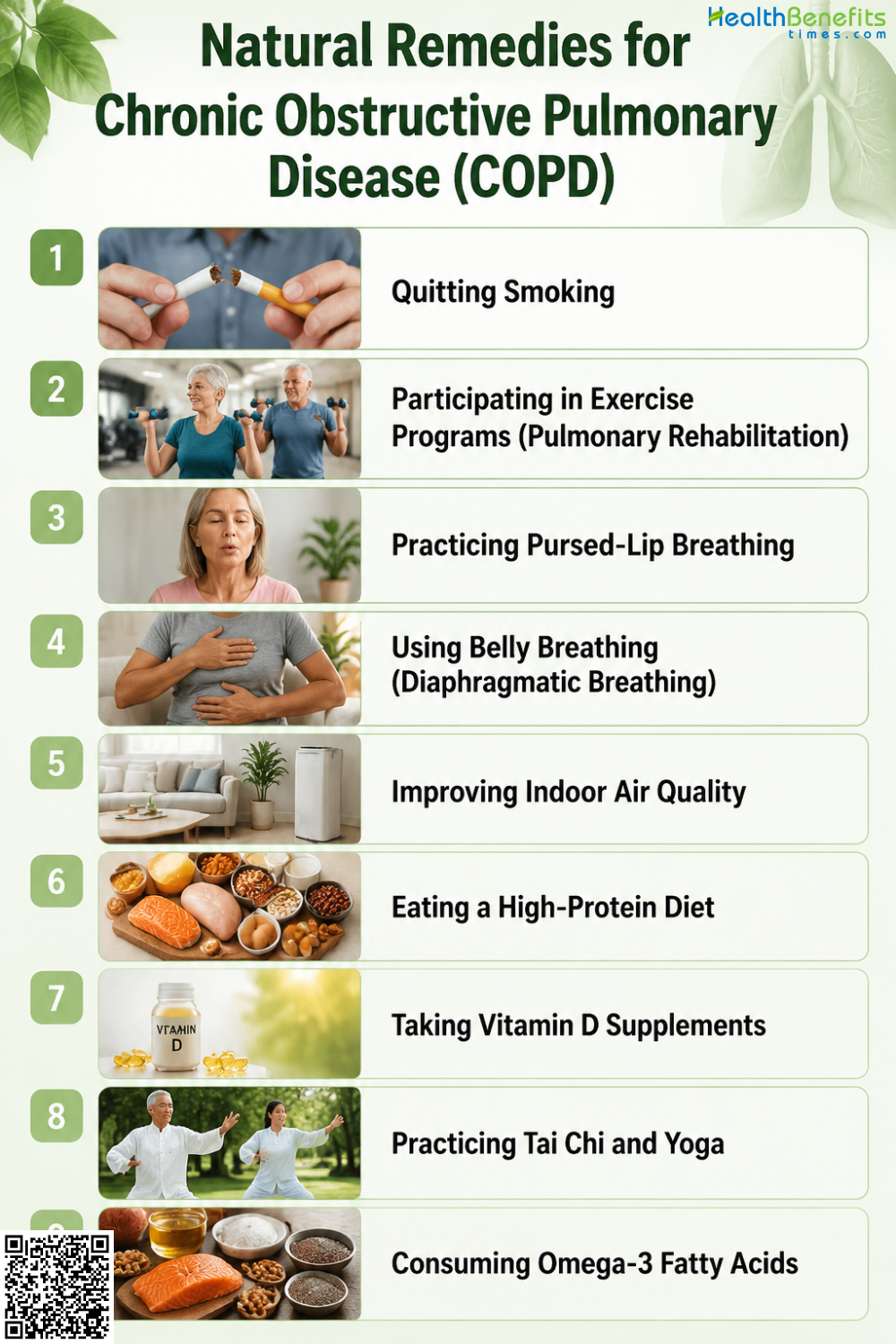
3. Practicing Pursed-Lip Breathing
How It May Help
Pursed-lip breathing slows the respiratory rate and keeps airways open longer during exhalation 10. This creates slight backpressure that prevents airway collapse, allowing trapped air to successfully escape the lungs 10. Consequently, the technique reduces the physical effort required to breathe and relieves shortness of breath.
What Research Says
Clinical evidence demonstrates that pursed-lip breathing offers immediate relief from respiratory distress and significantly improves lung function 10. Research concludes that consistent use of this technique enhances oxygenation, increases exercise capacity, and improves overall quality of life for individuals managing chronic obstructive pulmonary disease 10.
How to Use It Safely
Relax your neck and shoulder muscles. Inhale slowly through your nose for two seconds, keeping your mouth closed 9. Next, pucker your lips as if blowing out a candle. Exhale gently and slowly through your pursed lips for four seconds or longer 9. Practice this during relaxed activities.
Potential Precautions or Side Effects
Do not force the exhalation. If you experience dizziness, extreme fatigue, or increased breathlessness, stop immediately and consult a healthcare provider, as this may indicate worsening respiratory distress 10.
4. Using Belly Breathing (Diaphragmatic Breathing)
How It May Help
Belly breathing engages the diaphragm, the primary muscle responsible for effective breathing, rather than relying on weaker chest muscles. This technique strengthens the diaphragm, lowers the energy required for respiration, and slows the breathing rate 9. By improving lung expansion, it helps the body move oxygen more efficiently throughout the system.
What Research Says
Studies indicate that diaphragmatic breathing training significantly improves respiratory muscle strength and reduces the frequency of breathlessness in individuals with chronic lung conditions 11. Research confirms that this method enhances overall gas exchange, reduces the work of breathing, and improves exercise tolerance in patients with persistent airflow obstruction 12.
How to Use It Safely
Lie on your back with knees bent or sit comfortably. Place one hand on your chest and the other on your abdomen. Breathe in slowly through your nose, ensuring only the hand on your belly rises. Exhale gently through pursed lips, letting your belly fall, while keeping your chest still 13.
Potential Precautions or Side Effects
If you feel lightheaded, short of breath, or experience muscle fatigue in your abdomen, stop the practice immediately and rest. Do not force or strain during the breathing process.
5. Improving Indoor Air Quality
How It May Help
Improving indoor air quality reduces exposure to common irritants like smoke, dust, pet dander, and chemical fumes that trigger airway inflammation and exacerbate symptoms. By minimizing these environmental pollutants, you decrease the frequency of respiratory flare-ups and lower the overall burden on your lungs, allowing for better management of daily breathing difficulties 14.
What Research Says
Extensive data confirms that high levels of indoor air pollutants are directly linked to increased hospitalizations and accelerated lung function decline in patients with chronic obstructive pulmonary disease 15. Research indicates that reducing household exposure to biomass fuels, secondhand smoke, and fine particulate matter significantly improves clinical outcomes and patient stability 16.
How to Use It Safely
Increase ventilation by opening windows when outdoor air quality is good. Use certified air purifiers with high-efficiency particulate air (HEPA) filters to trap microscopic particles 17. Avoid using aerosol sprays, scented candles, or harsh cleaning chemicals, and strictly maintain a smoke-free indoor environment at all times.
Potential Precautions or Side Effects
Ensure air purifiers are properly maintained; dirty filters can fail to capture pollutants or become breeding grounds for mold, which may further irritate sensitive airways.
6. Eating a High-Protein Diet
How It May Help
People with COPD often expend significantly more energy to breathe than healthy individuals, leading to muscle wasting and fatigue. Adequate protein intake is essential for maintaining respiratory muscle strength and supporting immune function, which helps prevent infections that could trigger severe flare-ups 6.
What Research Says
Clinical evidence indicates that malnutrition and muscle loss are common in COPD patients and are linked to poorer survival rates. Studies conclude that consistent, balanced protein intake is necessary to stabilize body weight, preserve muscle mass, and improve functional capacity in individuals living with chronic airflow limitation 11.
How to Use It Safely
Incorporate high-quality protein sources such as lean meats, eggs, beans, or dairy into your daily meals. If you struggle with breathlessness while eating, try consuming several smaller, nutrient-dense meals throughout the day instead of three large ones to avoid feeling overly full or bloated 6.
Potential Precautions or Side Effects
Excessive protein may stress the kidneys in individuals with pre-existing kidney disease. Consult your doctor before increasing intake to ensure it aligns with your specific health needs.
7. Taking Vitamin D Supplements
How It May Help
Vitamin D supports immune system function and helps reduce inflammation within the respiratory tract. For individuals with COPD, maintaining adequate levels may strengthen the body’s ability to resist the respiratory infections that frequently cause severe symptom flare-ups 11.
What Research Says
Clinical research indicates that vitamin D deficiency is highly prevalent among patients with COPD and is associated with increased frequency of acute exacerbations. Studies conclude that supplementation significantly reduces the risk of moderate-to-severe flare-ups, particularly in patients who have low baseline vitamin D levels before beginning treatment 18.
How to Use It Safely
Consult your physician to have your blood vitamin D levels tested before starting a supplement. Follow your healthcare provider’s recommended dosage specifically tailored to your deficiency level, as taking more than necessary does not provide extra benefits and may lead to toxicity 19.
Potential Precautions or Side Effects
Excessive intake can cause high calcium levels, leading to nausea, weakness, or kidney stones. Always adhere to prescribed limits to avoid these adverse effects.
8. Practicing Tai Chi and Yoga
How It May Help
These mind-body practices combine gentle physical movement with focused breathing techniques. By teaching rhythmic, controlled respiration and improving posture, they reduce the energy demands of breathing. This helps individuals manage shortness of breath, increases physical endurance, and lowers stress levels that often exacerbate respiratory symptoms in people with lung disease 20.
What Research Says
Clinical evidence indicates that Tai Chi and yoga are effective, low-impact exercise interventions for COPD management. Research concludes that these practices significantly improve exercise capacity, muscle strength, and overall quality of life, while reducing the intensity of breathlessness during daily activities compared to those who do not participate in such programs 11.
How to Use It Safely
Enroll in a program led by an instructor experienced in working with individuals who have chronic lung conditions. Focus on gentle, controlled movements and avoid poses that strain the chest or inhibit breathing. Always maintain an upright posture to allow your lungs maximum space to expand during practice.
Potential Precautions or Side Effects
Avoid positions that cause dizziness or extreme shortness of breath. If you feel lightheaded, stop the movement immediately and sit down to rest until your breathing returns to normal.
9. Consuming Omega-3 Fatty Acids
How It May Help
Omega-3 fatty acids possess potent anti-inflammatory properties that may help reduce the chronic airway inflammation characteristic of COPD. By modulating the immune response, these healthy fats potentially lower the frequency of respiratory irritation and support overall lung health, helping patients manage their condition more effectively alongside conventional medical therapies 21.
What Research Says
Current research indicates that adequate intake of omega-3 fatty acids is associated with improved lung function and a reduced risk of respiratory decline in patients with chronic airflow obstruction. Studies suggest that these nutrients help decrease systemic inflammation, thereby supporting better clinical outcomes for individuals living with stable chronic obstructive pulmonary disease 11.
How to Use It Safely
Incorporate omega-3 rich foods into your diet, such as fatty fish (e.g., salmon or mackerel), flaxseeds, and walnuts. If choosing supplements, consult your physician to determine the appropriate dose. High-quality, tested products are essential to ensure purity and avoid contaminants often found in lower-grade fish oil supplements 21.
Potential Precautions or Side Effects
High doses of omega-3 supplements can thin the blood and increase bleeding risks. Always discuss use with your doctor, especially if you take blood-thinning medications.
Foods to Avoid When You Suffer from Chronic Obstructive Pulmonary Disease (COPD)
Managing dietary intake is a critical component of COPD care, as certain foods can increase gas production, promote inflammation, or complicate respiratory effort 6.
1. Salty Foods
Excessive sodium intake encourages fluid retention, which can increase blood pressure and place additional strain on both the heart and the lungs, worsening overall breathlessness 11.
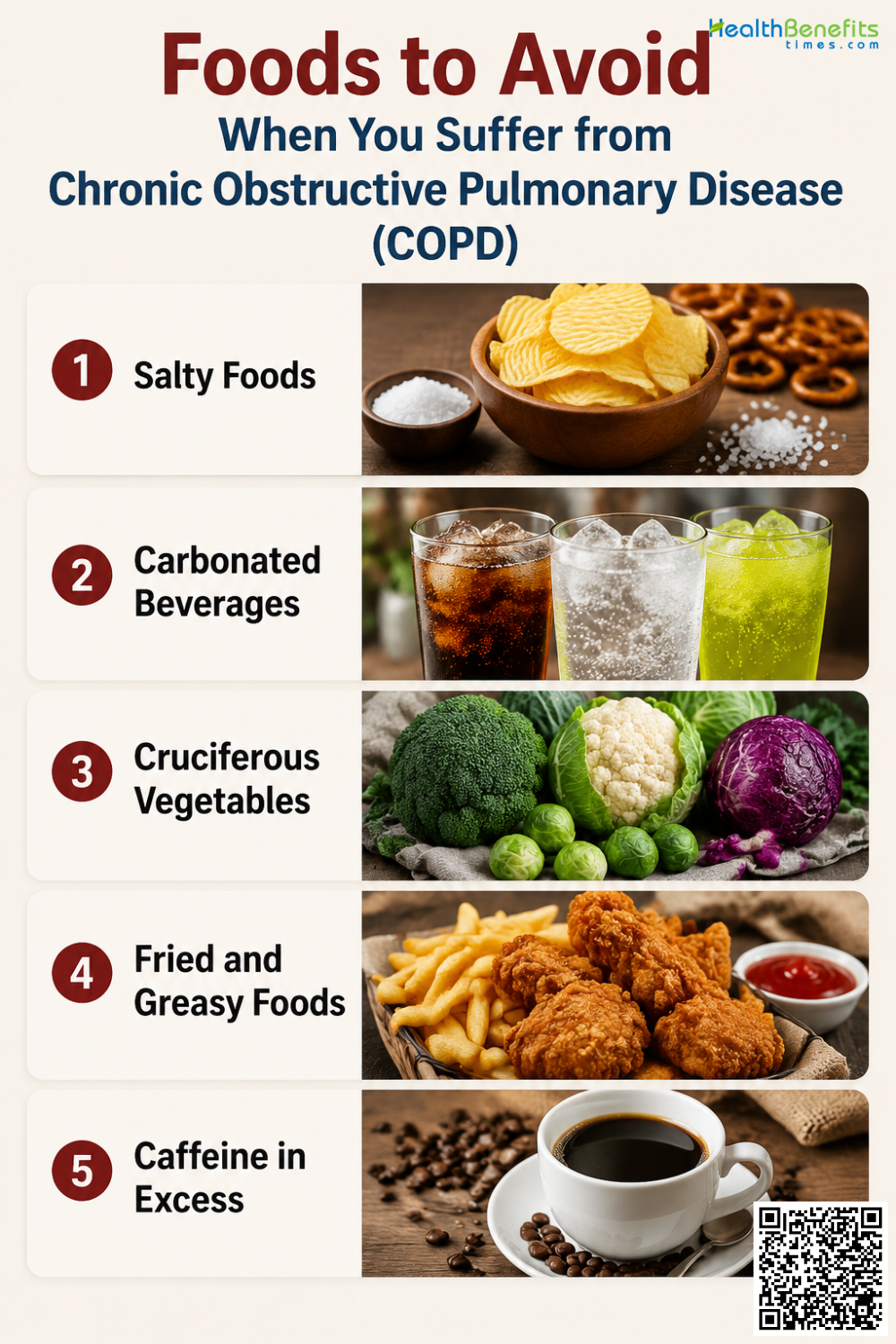
2. Carbonated Beverages
These drinks cause bloating and gas, which put pressure on the diaphragm. This constriction limits the lung’s ability to expand fully, making the act of breathing significantly more difficult 6.
3. Cruciferous Vegetables
Vegetables such as cabbage, broccoli, and cauliflower can produce substantial intestinal gas. This internal pressure may inhibit comfortable breathing and should be moderated based on your personal tolerance 6.
4. Fried and Greasy Foods
High-fat, fried items are difficult to digest and often lead to bloating. This digestive sluggishness can interfere with comfortable breathing patterns and increase daily physical discomfort 6.
5. Caffeine in Excess
Large amounts of caffeine can interact negatively with certain common COPD medications, potentially causing jitteriness, increased heart rate, or tremors that exacerbate overall physical stress 6.
When to See a Doctor for Chronic Obstructive Pulmonary Disease (COPD)
Recognizing early warning signs of worsening respiratory health is essential for preventing severe complications and maintaining stability in patients with COPD 5.
1. Increased Shortness of Breath
If you experience sudden or progressive difficulty breathing that prevents you from completing normal daily activities or occurs while at rest, contact your healthcare provider immediately 14.
2. Changes in Sputum
Note any significant changes in the color, thickness, or volume of mucus you cough up. Increased or discolored phlegm often indicates a respiratory infection requiring medical intervention 5.
3. Frequent Coughing
Consult your physician if you notice a persistent increase in the intensity or frequency of your cough, as this may signal an acute exacerbation of your condition 5.
4. Swelling in Extremities
Noticeable swelling in your ankles, feet, or legs can indicate that your heart is struggling to pump effectively due to low oxygen levels, requiring prompt clinical assessment 5.
5. Signs of Confusion or Fatigue
If you experience unusual dizziness, extreme mental confusion, or persistent lethargy, seek emergency medical care immediately, as these may be symptoms of dangerously low blood oxygen levels 5.