

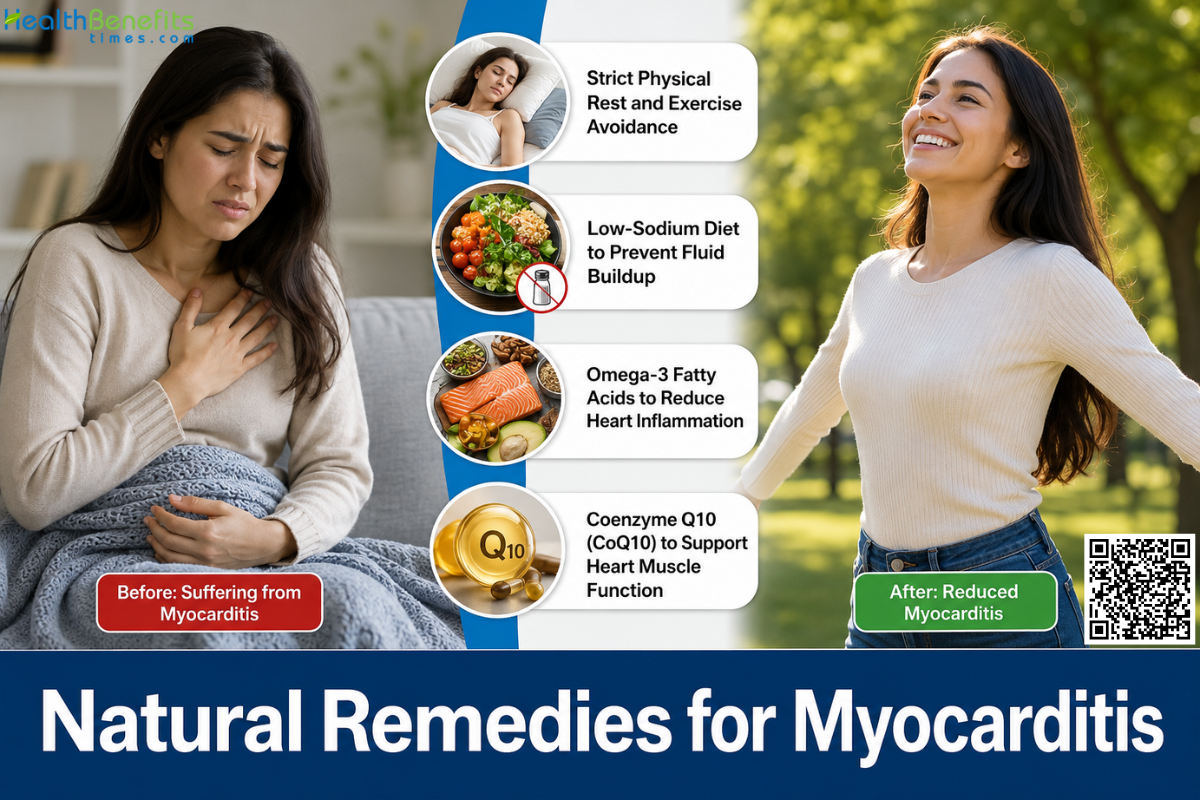
Myocarditis is a clinical condition characterized by the inflammation of the myocardium, which is the muscular layer of the heart. This inflammation impairs the heart’s ability to pump blood effectively and can disrupt its normal electrical rhythms, leading to potentially fatal arrhythmias 1. The condition is most commonly triggered by viral infections, although it can also result from bacterial pathogens, autoimmune disorders, hypersensitivity reactions, or exposure to cardiotoxic substances 2. Patients with acute myocarditis frequently experience symptoms such as chest pain, shortness of breath, fatigue, and abnormal heartbeats 3. While many individuals recover fully with rest and supportive care, severe cases can progress to life-threatening complications, including chronic dilated cardiomyopathy, heart failure, or sudden cardiac death. Additionally, clinical research indicates a statistically significant association between COVID-19 infection and an elevated risk of developing myocarditis, particularly among older adults and children 4.
Causes of Myocarditis
1. Viral Infections
Viruses are the most frequent triggers for heart muscle inflammation. Common viral agents include coxsackieviruses, adenoviruses, and parvovirus B19. Other frequently identified viruses include the influenza virus, Epstein-Barr virus, human immunodeficiency virus (HIV), and the virus responsible for COVID-19. These pathogens can directly invade the heart muscle cells or provoke an intense immune response that leads to widespread cellular inflammation and tissue damage.
2. Bacterial and Fungal Infections
Certain bacteria and fungi can infect the heart and cause localized or diffuse inflammation. Bacterial causes include streptococcus, staphylococcus, and Borrelia burgdorferi, which is the bacterium responsible for Lyme disease. Severe systemic bacterial infections, such as tuberculosis or salmonella, can also spread directly to the heart tissue. Fungal infections caused by organisms like Candida or Aspergillus are rare but can develop, particularly in individuals who have severely weakened immune systems 5.
3. Parasitic Infections
Parasites can migrate into the heart muscle and cause significant tissue swelling and cellular destruction. A prominent parasitic cause is Trypanosoma cruzi, a parasite transmitted by insects that leads to Chagas disease, which is most commonly seen in Central and South America. Another notable parasite is Toxoplasma gondii, which can cause severe heart inflammation, especially in patients with compromised immune systems.
4. Autoimmune Disorders
The immune system can mistakenly attack healthy heart tissue even when no infectious organism is present. Systemic autoimmune conditions such as lupus, rheumatoid arthritis, and scleroderma can trigger this abnormal and damaging immune response directly within the heart. A rare but highly aggressive form of heart inflammation, known as giant cell myocarditis, is also believed to result from autoimmune mechanisms and is strongly associated with rapid, severe heart failure 6.
5. Medications and Toxins
Exposure to certain prescription drugs, illicit drugs, and chemicals can cause a toxic or allergic reaction within the heart muscle. Illicit substances such as cocaine and amphetamines can cause severe chemical stress and direct toxicity to heart cells. Additionally, specific medical treatments, including chemotherapy drugs like anthracyclines, psychiatric medications such as lithium, and various antibiotics, are known to induce heart inflammation over time as an adverse reaction.
Symptoms of Myocarditis
1. Chest Pain
A sharp, stabbing, or crushing sensation in the center or left side of the chest is the most frequent symptom. This pain often intensifies when taking a deep breath, coughing, or changing physical positions.
2. Shortness of Breath
Individuals frequently experience difficulty breathing, which may occur during physical exertion or while entirely at rest. In severe cases, this breathing difficulty becomes highly pronounced when lying flat on the back, requiring the person to sit up to breathe comfortably.
3. Abnormal Heartbeats
Inflammation can disrupt the heart’s internal electrical pathways, causing it to beat too fast, too slow, or irregularly. Patients often report a noticeable fluttering, pounding, or racing sensation in the chest 7.
4. Severe Fatigue
Because the inflamed heart muscle cannot pump blood efficiently, the body’s tissues receive less oxygen and fewer nutrients. This deficit results in profound and persistent exhaustion that does not improve with standard rest.
5. Swelling
As the heart’s pumping ability weakens, blood flow slows down, causing fluid to back up and accumulate in the tissues. This fluid buildup typically causes visible swelling in the legs, ankles, and feet.
6. Fainting and Dizziness
A sudden drop in blood pressure or a severe irregularity in the heart rhythm can temporarily reduce blood flow to the brain. This reduction can lead to episodes of sudden dizziness, lightheadedness, or a complete loss of consciousness.
7. Infection-Related Symptoms
Because viral infections are the primary trigger for this condition, heart-specific symptoms are frequently preceded by general signs of illness. These early warning signs often include fever, body aches, sore throat, fatigue, or joint pain.
Natural Remedies for Myocarditis
1. Strict Physical Rest and Exercise Avoidance
How it may help
When the heart muscle is inflamed, physical exertion forces it to work harder and pump more blood. Strict rest reduces this mechanical workload, allowing the damaged tissue to heal. This reduction in stress is essential to minimize the risk of dangerous irregular heartbeats and sudden cardiac failure during active inflammation.
What research says
Clinical guidelines mandate that patients abstain from competitive sports and intense physical activity for three to six months after diagnosis 8. Studies demonstrate that physical exertion during acute viral heart infections worsens tissue damage, increases heart enlargement, and significantly raises the rate of death.
How to use it safely
You must stop all vigorous exercise, heavy lifting, and competitive sports immediately upon diagnosis. Wait for your doctor to explicitly clear you before resuming activity. Clearance typically requires normal heart ultrasound results, normal blood inflammation markers, and no irregular heartbeats during an exercise stress test.
Potential precautions or side effects
While intense exercise is dangerous, prolonged total bed rest increases your risk of blood clots and muscle weakness. Always follow your cardiologist’s specific guidance regarding safe daily mobility.
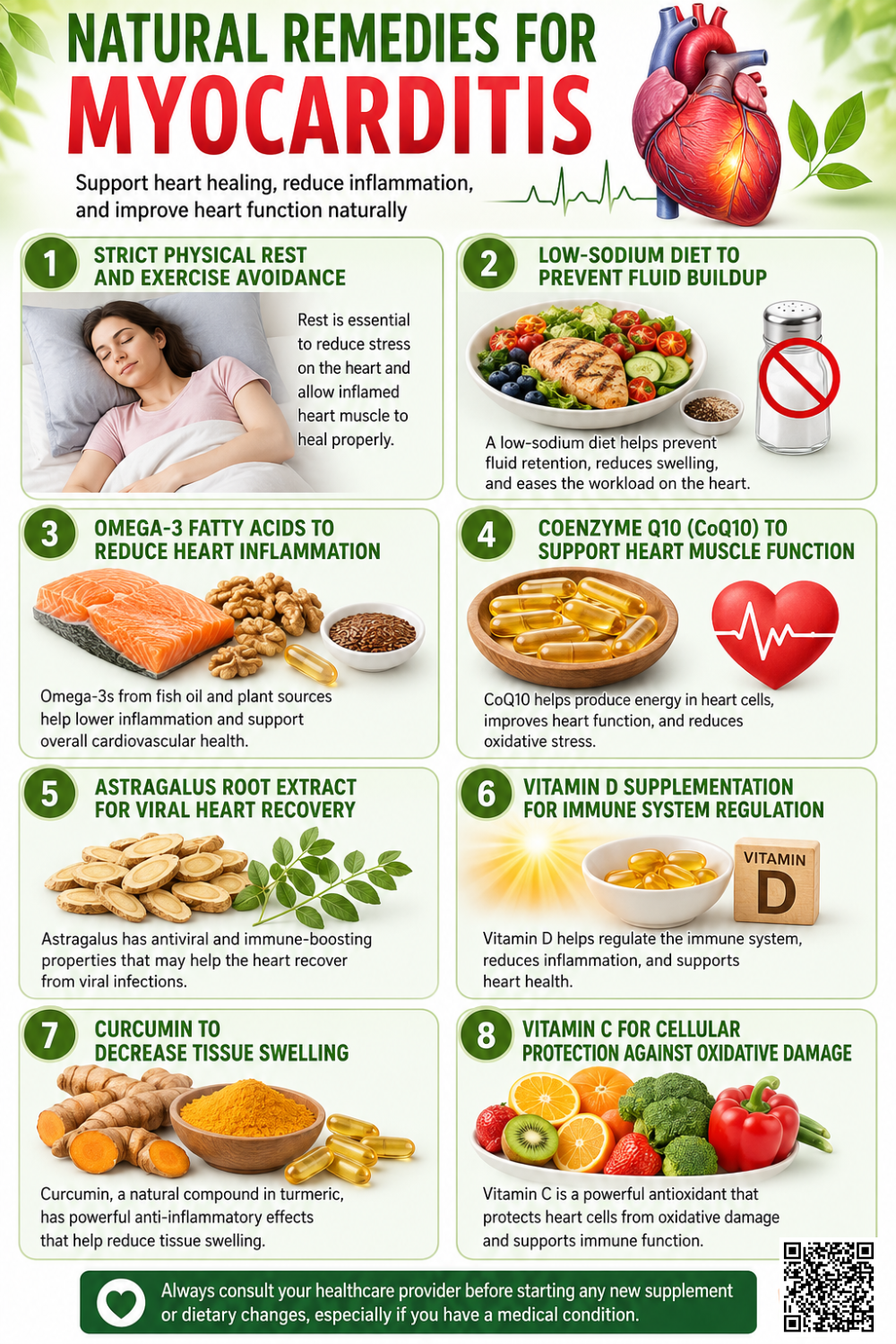 2. Low-Sodium Diet to Prevent Fluid Buildup
How it may help
A weakened, inflamed heart struggles to pump efficiently, which causes the body to retain water. Consuming too much sodium forces the body to hold onto even more fluid. A low-sodium diet reduces total fluid volume, decreasing the workload on the heart and preventing swelling in the lungs and legs.
What research says
Clinical guidelines advise sodium restriction for patients with heart muscle inflammation to manage secondary heart failure and prevent fluid overload. Research confirms that limiting sodium intake improves physical symptoms, reduces the need for diuretic medications, and lowers hospital admission rates for fluid-related breathing difficulties 9.
How to use it safely
You should aim to consume less than 2,000 milligrams of sodium daily by avoiding processed meals, canned goods, and fast food. Always read nutrition labels carefully to track your intake. Season your meals with herbs, citrus, or salt-free spices instead of table salt.
Potential precautions or side effects
Do not restrict sodium drastically without medical supervision. Dangerously low blood sodium levels can cause severe weakness, dizziness, and sudden blood pressure drops, especially if you take diuretic medications.
3. Omega-3 Fatty Acids to Reduce Heart Inflammation
How it may help
Omega-3 fatty acids, primarily EPA and DHA, possess strong natural anti-inflammatory properties. When the heart muscle is inflamed, these nutrients help suppress the production of damaging inflammatory proteins and immune cells. This cellular regulation reduces swelling within the heart tissue, promoting recovery and better overall heart function 10.
What research says
Clinical studies confirm that omega-3 supplementation significantly reduces levels of key inflammatory markers, such as C-reactive protein and interleukins, in cardiovascular patients. Research demonstrates that these fatty acids help regulate excessive immune responses, protect heart cells from oxidative damage, and may improve heart muscle performance during recovery 11.
How to use it safely
You can safely increase your intake by consuming fatty fish, such as salmon and mackerel, twice a week. Alternatively, take a purified EPA and DHA fish oil supplement. Always consult your cardiologist for the correct dosage, which typically ranges from 1,000 to 2,000 milligrams daily 12.
Potential precautions or side effects
High doses of omega-3 supplements can increase bleeding risks, particularly if you take prescription blood thinners. Some individuals also experience mild digestive upset or a lingering fishy aftertaste.
4. Coenzyme Q10 (CoQ10) to Support Heart Muscle Function
How it may help
Coenzyme Q10 is a natural compound required for cellular energy production. The heart muscle relies heavily on this energy to pump blood effectively. During heart inflammation, energy levels drop rapidly. Supplementing with this compound helps restore energy inside heart cells and acts as a powerful antioxidant to protect tissues from further inflammatory damage 13.
What research says
Clinical studies show that patients with severe heart failure often have abnormally low levels of this essential compound 14. Extensive research confirms that long-term supplementation significantly improves the heart’s pumping ability, reduces shortness of breath, and lowers the risk of cardiovascular mortality in patients with chronic heart muscle dysfunction 15.
How to use it safely
You can easily purchase this supplement over the counter. Clinical trials safely use dosages ranging from 60 to 200 milligrams daily for heart conditions 16. Always consult your cardiologist before starting, as they will determine the safest exact dose based on your current heart function.Potential precautions or side effectsThis supplement is generally very safe. However, you may experience mild digestive issues such as an upset stomach or nausea, particularly when taking higher daily doses.
5. Astragalus Root Extract for Viral Heart Recovery
How it may help
Astragalus root contains active compounds that provide strong antiviral and immune-regulating benefits. During a viral heart infection, it helps shield heart muscle cells from direct viral damage and prevents the immune system from excessively attacking healthy heart tissue. This protective action reduces swelling and supports cellular healing 17.
What research says
Clinical research demonstrates that combining astragalus with standard medical treatments significantly improves heart pumping ability in patients with viral myocarditis. Studies confirm that this extract effectively lowers abnormal heart enzyme levels in the blood, indicating reduced heart muscle destruction, and safely accelerates overall recovery times.
How to use it safely
You can consume this herb as an oral capsule, liquid extract, or brewed tea. Always consult your cardiologist before adding it to your regimen, as they will determine the appropriate dosage to ensure it does not interfere with your primary prescription heart medications 18.
Potential precautions or side effects
Because this herb stimulates the immune system, you must avoid it if taking immunosuppressive drugs. Minor side effects are rare but can include mild stomach upset or allergic reactions.
6. Vitamin D Supplementation for Immune System Regulation
How it may help
Vitamin D plays a critical role in balancing the immune system. During a viral heart infection, it prevents the immune response from becoming dangerously overactive. By stopping immune cells from mistakenly attacking healthy heart tissue, this vitamin significantly reduces swelling and limits cellular damage within the heart 19.
What research says
Clinical studies indicate that patients with severe heart muscle inflammation frequently have abnormally low vitamin D levels. Research concludes that restoring normal levels helps lower blood markers of inflammation and improves the heart’s overall pumping capacity, ultimately supporting a safer and faster recovery process 20.
How to use it safely
You should request a blood test from your doctor to identify any deficiency before starting a supplement. If levels are low, your doctor will prescribe a precise daily dose. Take the supplement alongside a meal containing healthy fats to ensure your body absorbs it properly 21.
Potential precautions or side effects
Consuming excessively high doses over time causes dangerous calcium buildup in your blood. This toxicity can lead to kidney stones, severe nausea, and potentially worsen irregular heartbeats 22.
7. Curcumin to Decrease Tissue Swelling
How it may help
Curcumin, the primary active compound found in turmeric, acts as a powerful natural anti-inflammatory agent. During a heart infection, it blocks the specific chemical signals that trigger excessive immune responses. By stopping these signals, it effectively reduces swelling and prevents the immune system from destroying healthy heart cells 23.
What research says
Scientific studies reveal that curcumin significantly reduces the severity of heart muscle inflammation caused by viral infections. Research concludes that it lowers the production of damaging inflammatory proteins, limits widespread tissue swelling, and helps preserve the structural integrity of the heart, ultimately preventing severe complications.
How to use it safely
Because your body struggles to absorb curcumin naturally, you should take a supplement that contains black pepper extract to maximize absorption. Always ask your cardiologist before starting, as they will recommend a safe daily dosage that will not interfere with your current heart treatments 24.
Potential precautions or side effects
High doses can cause stomach pain or increase bleeding risks. You must exercise strict caution and avoid this supplement if you currently take prescription blood-thinning medications.
8. Vitamin C for Cellular Protection Against Oxidative Damage
How it may help
Vitamin C, or ascorbic acid, is a powerful natural antioxidant that neutralizes harmful free radicals generated during severe heart inflammation. By shielding heart muscle cells from intense oxidative stress and limiting excessive immune responses, it preserves cellular structure and prevents widespread tissue destruction during a viral infection 25.
What research says
Clinical meta-analyses demonstrate that combining vitamin C with conventional medical treatments significantly improves recovery outcomes in patients with viral myocarditis. Research confirms that it effectively lowers the blood levels of specific cardiac enzymes associated with heart muscle death, indicating a marked reduction in active cellular damage 26.
How to use it safely
You can safely boost your intake by eating citrus fruits, tomatoes, and bell peppers daily. If you choose an over-the-counter oral supplement, standard dosages range from 500 to 1,000 milligrams. In severe cases, cardiologists may administer it directly into your bloodstream intravenously in a hospital setting 27.
Potential precautions or side effects
Consuming extreme oral doses exceeding 2,000 milligrams per day can trigger severe stomach cramps, nausea, and diarrhea, while also significantly increasing your risk of developing painful kidney stones.
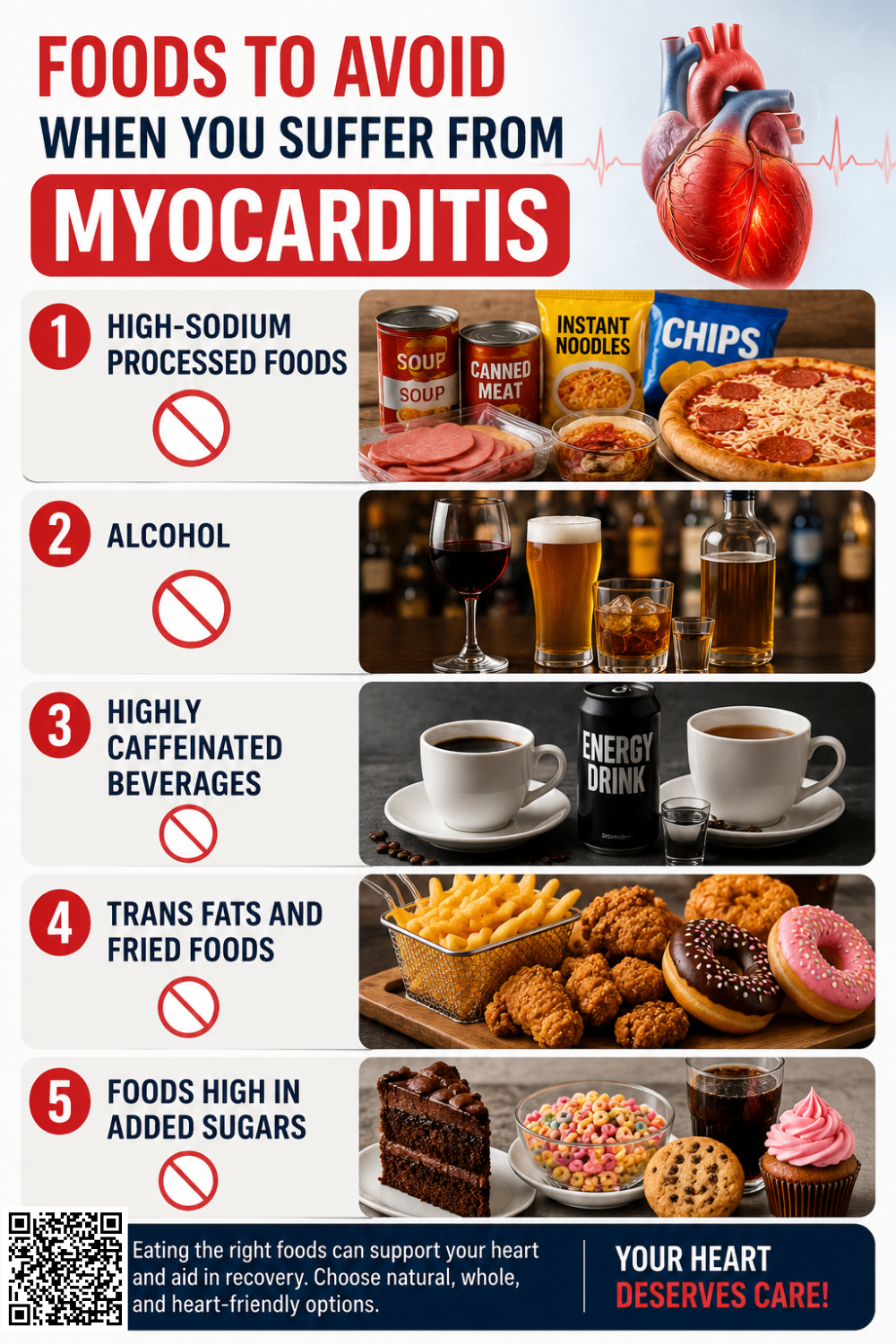
Foods to Avoid When You suffer from Myocarditis
1. High-Sodium Processed Foods
Canned soups and deli meats force the body to retain excess fluid. This buildup strains the inflamed heart and significantly increases the risk of developing heart failure.
2. Alcohol
Alcohol acts as a direct toxin to heart cells and worsens existing inflammation. It weakens the heart’s pumping ability and dangerously interacts with prescribed cardiovascular medications.
3. Highly Caffeinated Beverages
Energy drinks and excessive coffee stimulate the heart’s electrical system. This stimulation can trigger severe and potentially fatal irregular heartbeats in an already unstable, inflamed heart muscle.
4. Trans Fats and Fried Foods
Artificial trans fats and deep-fried foods trigger widespread systemic inflammation. This added inflammatory stress delays cellular healing and further impairs the recovery of damaged heart tissue 28.
5. Foods High in Added Sugars
Consuming excessive amounts of refined sugar promotes inflammatory responses throughout the body. Minimizing sugar intake helps reduce overall physiological stress, allowing the damaged heart muscle to heal efficiently 29.
 When To see Doctor when you suffer from Myocarditis
1. Unexplained Chest Pain
Seek immediate medical attention if you experience sudden, sharp, or crushing chest pain. This indicates severe heart inflammation or a potential cardiac event requiring emergency evaluation.
2. Severe Shortness of Breath
Visit an emergency room if you develop severe breathing difficulties, especially while resting or lying flat. This suggests the inflamed heart is failing to pump blood efficiently.
3. Abnormal Heart Rhythms
Consult a doctor immediately if you feel your heart racing, fluttering, or beating irregularly. These electrical disruptions can rapidly escalate into life-threatening cardiac arrest if left untreated.
4. Fainting or Extreme Dizziness
Go to a hospital if you suddenly faint or feel severely lightheaded. These episodes typically indicate that the weakened heart is not delivering adequate oxygen to the brain.
5. Sudden Fluid Buildup
Contact a healthcare provider if you notice sudden swelling in your legs, ankles, or feet. This rapid fluid retention is a major clinical warning sign of impending heart failure.