


Narcolepsy is a chronic neurological disorder that disrupts the brain’s ability to control sleep and wake cycles. People with this condition often experience excessive daytime sleepiness, which can lead to sudden, uncontrollable episodes of falling asleep during normal daily activities. In addition to overwhelming fatigue, many individuals with narcolepsy experience cataplexy, a sudden loss of muscle control and weakness that is frequently triggered by strong emotions such as laughter, surprise, or anger 1. Clinical research indicates that the most common form of this disorder, known as type 1 narcolepsy, is caused by a severe deficiency of hypocretin, a naturally occurring brain chemical necessary for maintaining wakefulness and regulating stable sleep patterns 1. While it is a lifelong condition with no known cure, specialized medical treatments and structured lifestyle adjustments can help manage the symptoms effectively.
Causes of Narcolepsy
1. Autoimmune Response and Hypocretin Deficiency
The primary cause of type 1 narcolepsy is a severe deficiency of hypocretin, a naturally occurring brain chemical responsible for regulating wakefulness and stabilizing sleep cycles 1. Clinical evidence indicates this deficiency is the result of an autoimmune reaction, where the body’s immune system mistakenly attacks and destroys the specific neurons in the hypothalamus that produce hypocretin 1.
2. Genetic Susceptibility
Specific genetic variations make individuals more vulnerable to the disorder. The presence of a gene variation known as HLA-DQB1*06:02 significantly increases the risk of developing type 1 narcolepsy by making the immune system more prone to attacking hypocretin cells 1. While most cases occur randomly, familial patterns exist; up to 10 percent of individuals diagnosed with type 1 narcolepsy have a close relative who shares the condition 1.
3. Infections and Environmental Triggers
External environmental factors, particularly prior illnesses, can trigger the onset of the condition. Medical research demonstrates that bacterial infections, such as strep throat, and specific viral infections, such as the H1N1 influenza virus, can provoke the autoimmune response that destroys hypocretin-producing cells in genetically at-risk individuals 1.
4. Brain Injuries and Neurological Diseases
A distinct and rare form of the condition, known as secondary narcolepsy, is caused by direct structural damage to the brain. Traumatic brain injuries, strokes, tumors, or other neurological diseases that physically damage the hypothalamus can disrupt the brain networks controlling sleep and result directly in narcolepsy symptoms 1.
Symptoms of Narcolepsy
1. Excessive Daytime Sleepiness
This is typically the first and most prominent symptom, characterized by a persistent, overwhelming sense of exhaustion. Individuals experience sudden, uncontrollable urges to sleep during routine daytime activities, such as working, eating, or driving, regardless of how much rest they obtained the previous night 1.
2. Cataplexy
A sudden, temporary loss of voluntary muscle tone and control that occurs while the individual remains fully awake. These episodes are distinctly triggered by strong, sudden emotions—such as laughter, surprise, fear, or stress—and can range in severity from mild weakness, like drooping eyelids or slurred speech, to a total physical collapse 1.
3. Sleep Paralysis
A temporary inability to move or speak that occurs specifically during the transition between sleep and wakefulness, either when falling asleep or immediately upon waking. While these episodes typically last from a few seconds to a few minutes and cause no permanent physical harm, they can be highly distressing to experience 1.
4. Sleep-Related Hallucinations
Extremely vivid, highly realistic, and often frightening sensory experiences that happen primarily when falling asleep or waking up. These visions or sounds occur because the brain initiates the dreaming process while the person is still partially awake, which blends intense dream imagery with their actual physical surroundings 1.
5. Disrupted Nighttime Sleep
Despite experiencing severe exhaustion throughout the day, individuals with this condition frequently suffer from highly fragmented sleep at night. They often wake up multiple times throughout the night due to an inability of the brain to properly regulate and maintain deep sleep cycles 1.
Natural Remedies for Narcolepsy
1. Scheduled Short Naps During the Day
How it may help
Taking planned, brief naps during the day directly reduces the overwhelming exhaustion caused by narcolepsy. These strategic rest periods refresh the brain, restore alertness, and significantly decrease the likelihood of sudden, uncontrollable sleep attacks occurring during important daily activities like working or driving 1.
What research says
Clinical guidelines demonstrate that scheduled napping is an effective behavioral therapy that improves daily functioning for narcolepsy patients. Evidence shows that taking two or three brief naps daily can substantially reduce daytime sleepiness and may lower the amount of stimulant medication a person requires to stay awake 1.
How to use it safely
To get the best results, schedule your naps at consistent times each day, especially when you typically feel most tired. Limit each nap to 15 or 20 minutes. Keep an alarm set so you do not sleep too long, and rest in a dark, quiet room.
Potential precautions or side effects
Sleeping longer than 20 minutes can cause deep grogginess upon waking. Additionally, taking naps too late in the afternoon or evening can further disrupt your regular nighttime sleep cycle.
2. Maintaining a Consistent Sleep and Wake Schedule
How it may help
Maintaining a strict sleep schedule helps regulate the body’s internal clock. Because narcolepsy causes severe disruptions in natural sleep-wake cycles, going to sleep and waking up at identical times every day encourages more stable nighttime rest and helps minimize nighttime awakenings, which can slightly improve daytime alertness 1.
What research says
Neurological guidelines establish consistent sleep hygiene as a fundamental behavioral treatment for managing narcolepsy. Evidence indicates that maintaining a rigid sleep schedule, when combined with other lifestyle adjustments and prescribed medical treatments, improves overall sleep quality and helps stabilize the unpredictable sleep patterns characteristic of the disorder 1.
How to use it safely
Go to bed and wake up at the exact same time every single day, including weekends and holidays. Establish a calming routine before bed, keep your bedroom cool and dark, and avoid looking at electronic screens for at least an hour before you plan to sleep.
Potential precautions or side effects
Adhering to a strict schedule may limit social activities or interfere with irregular work shifts. Furthermore, this behavioral practice alone is rarely sufficient to manage severe narcolepsy without medical treatment.
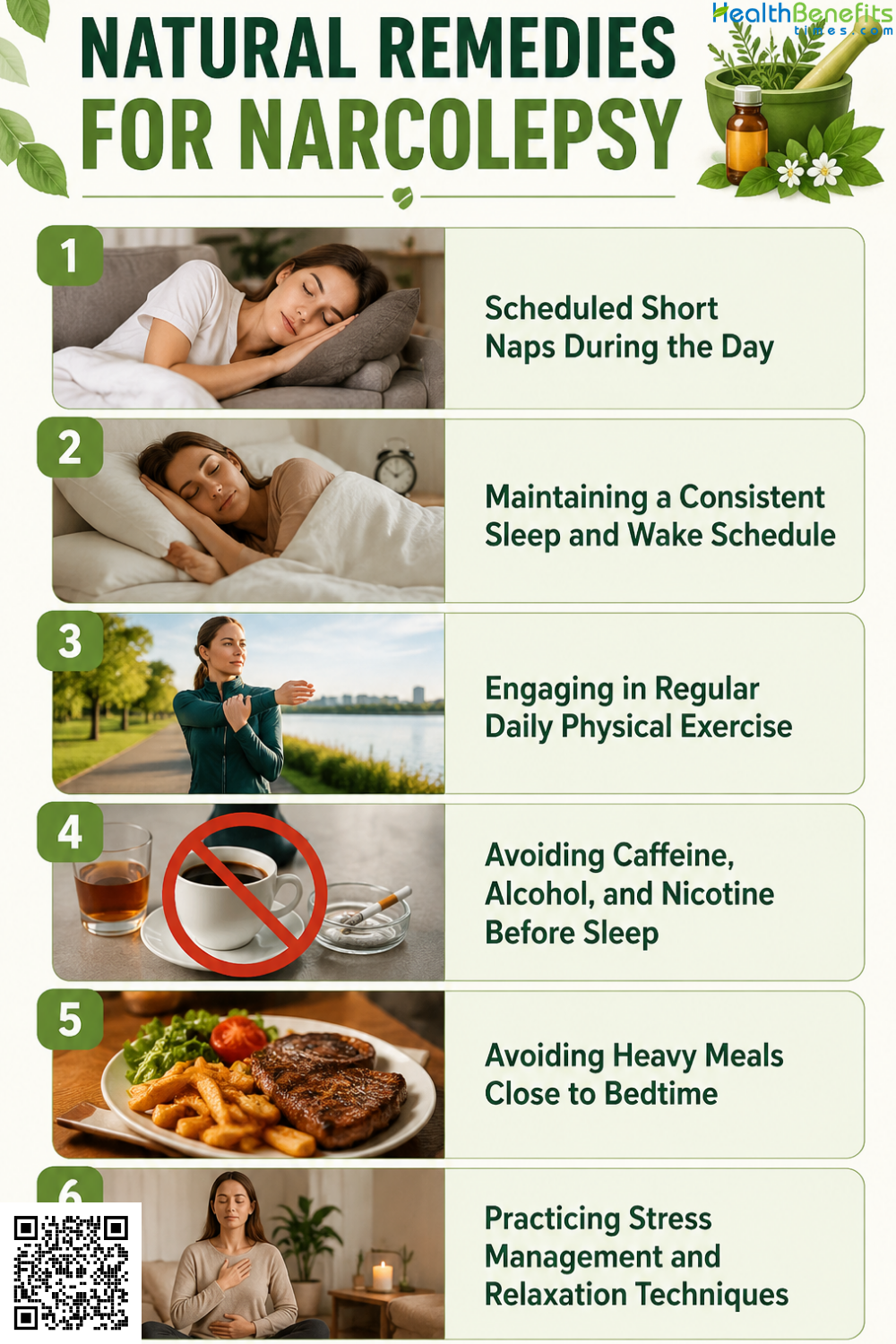
3. Engaging in Regular Daily Physical Exercise
How it may help
Regular daytime physical activity helps manage narcolepsy by naturally increasing energy levels and daytime alertness. Staying active during the day also promotes a deeper drive for rest at night, which helps reduce the frequent nighttime awakenings that commonly affect individuals with this sleep disorder 1.
What research says
Medical guidelines recommend regular exercise as a beneficial lifestyle adjustment for narcolepsy management. Evidence shows that engaging in daily physical activity—provided it is completed several hours before bedtime—improves overall nighttime sleep quality and helps individuals maintain a more stable sleep-wake rhythm alongside their prescribed treatments 1.
How to use it safely
Aim for moderate daily exercise, such as brisk walking, for at least 20 minutes. Schedule your physical activity during the morning or early afternoon. Ensure you finish exercising at least four to five hours before your bedtime so your brain and body have adequate time to relax.
Potential precautions or side effects
Exercising too close to bedtime can overstimulate your brain and worsen nighttime sleep disruptions. Always stop exercising immediately if you feel a sudden sleep attack or muscle weakness approaching.
4. Avoiding Caffeine, Alcohol, and Nicotine Before Sleep
How it may help
Eliminating these substances before bedtime prevents chemical interference with the brain’s vulnerable sleep-wake cycles. Caffeine and nicotine act as stimulants that block natural sleep signals, while alcohol fragments nighttime rest, which ultimately worsens the severe daytime exhaustion associated with narcolepsy 1.
What research says
Neurological guidelines strongly advise against consuming these substances late in the day. Clinical evidence concludes that avoiding stimulants and alcohol several hours before sleep reduces frequent nighttime awakenings and helps stabilize the highly unpredictable sleep patterns seen in individuals with this disorder 1.
How to use it safely
Stop drinking coffee, tea, or caffeinated sodas by the early afternoon. Completely avoid consuming any alcohol and using nicotine products for at least several hours before you plan to go to sleep to ensure your brain can transition into restful sleep.
Potential precautions or side effects
Suddenly stopping heavy caffeine or nicotine use can cause temporary withdrawal symptoms, including severe headaches or irritability. Discuss major habit changes with your doctor to manage these effects.
5. Avoiding Heavy Meals Close to Bedtime
How it may help
Eating large or heavy meals right before sleep forces the digestive system to work continuously, which can cause physical discomfort like acid reflux. For people with narcolepsy, this digestion-related discomfort further disrupts their already fragile nighttime sleep cycles, leading to poorer rest and more severe exhaustion the following day.
What research says
Medical guidelines for managing narcolepsy emphasize proper sleep hygiene, which includes adjusting dietary timing. Clinical recommendations confirm that avoiding heavy or rich meals close to bedtime helps reduce frequent nighttime awakenings and improves the overall quality of nighttime rest, which is essential for managing the disorder 1.
How to use it safely
Eat your final large meal at least two to three hours before you plan to go to bed. If you feel hungry later in the evening, choose a small, easily digestible snack, such as a piece of fruit, to satisfy your hunger without disturbing your sleep.
Potential precautions or side effects
Going to bed completely empty-handed or extremely hungry can also disrupt your sleep. Ensure you eat enough nutritious food earlier in the day to prevent severe hunger pangs at night.
6. Practicing Stress Management and Relaxation Techniques
How it may help
Practicing relaxation techniques helps manage narcolepsy by minimizing sudden emotional fluctuations that trigger cataplexy, a sudden loss of muscle control. By lowering daily stress levels, these techniques also ease the mental burden of living with a chronic disorder and promote a calmer state for nighttime sleep 1.
What research says
Medical experts confirm that intense emotions, including severe stress and sudden anger, directly provoke episodes of cataplexy in people with type 1 narcolepsy. Consequently, clinical guidelines recommend incorporating emotional regulation and stress management strategies as supportive behavioral therapies to reduce the frequency of these physical attacks 1.
How to use it safely
Integrate deep breathing exercises, gentle yoga, or meditation into your daily routine. If you experience severe emotional triggers, seek professional support from a counselor or support group to learn specialized coping mechanisms that keep your emotional responses stable throughout the day.
Potential precautions or side effects
Relaxation methods should not replace prescribed medications. Additionally, deeply relaxing activities might accidentally trigger a sudden sleep episode if practiced in overly dark or quiet environments.
Foods to Avoid When You suffer from Narcolepsy
1. Caffeinated Beverages
Consuming coffee, tea, or soda late in the day blocks natural sleep signals, severely disrupting the vital nighttime rest needed to manage the disorder 1.
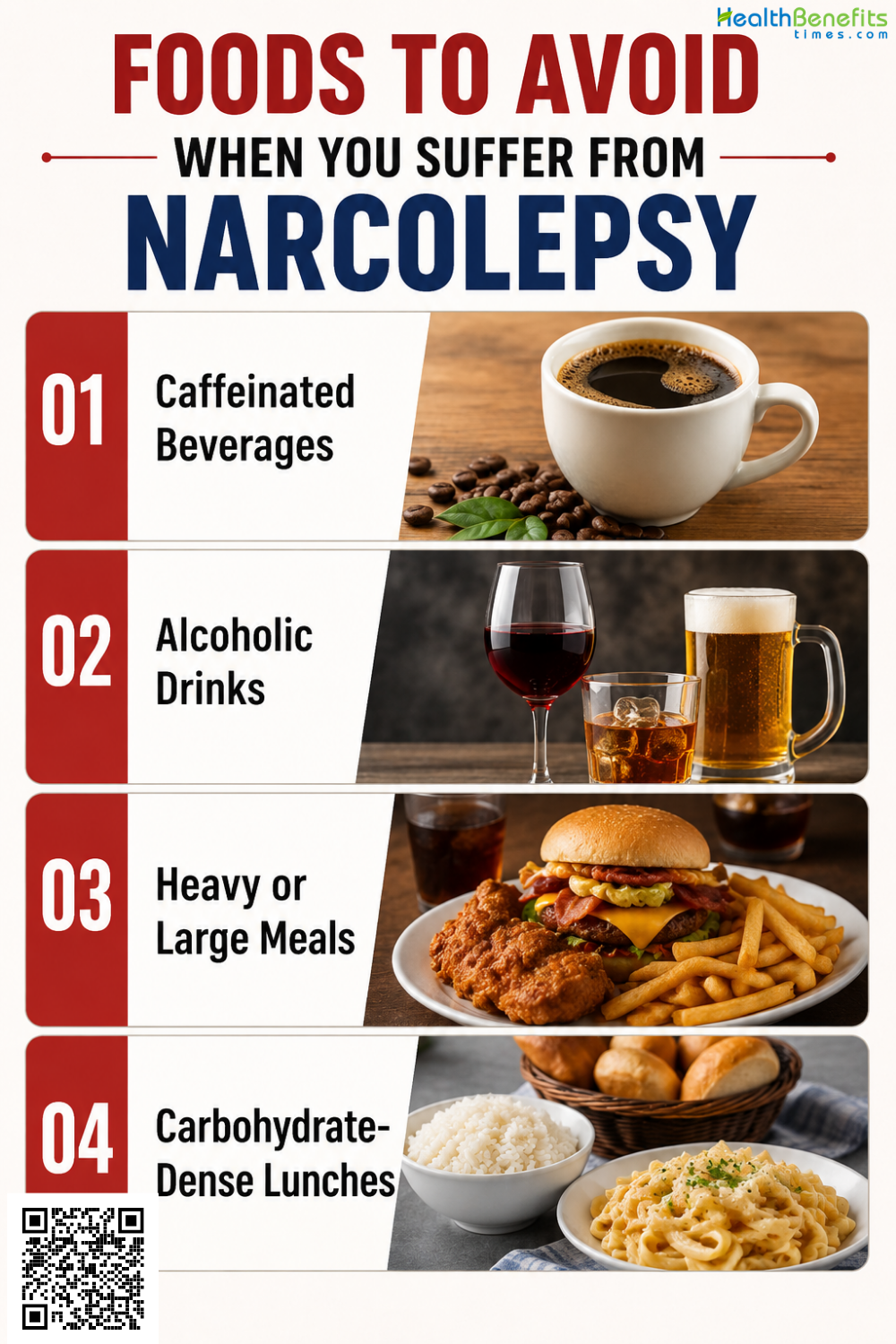
2. Alcoholic Drinks
Alcohol severely fragments nighttime rest, leading to frequent awakenings that ultimately worsen the severe daytime exhaustion experienced by individuals with narcolepsy 1.
3. Heavy or Large Meals
Eating large, heavy meals right before bedtime forces continuous digestion, causing physical discomfort that significantly disrupts already fragile nighttime sleep cycles 1.
4. Carbohydrate-Dense Lunches
Consuming excessively heavy, carbohydrate-rich meals during the middle of the day promotes sluggishness and can worsen the sudden, uncontrollable daytime sleep attacks associated with the condition 1.
When to see a Doctor when you struggle from Narcolepsy
- Uncontrollable Daytime Sleep: See a doctor if you experience sudden, uncontrollable urges to sleep during routine activities like driving or working, which significantly threatens your personal safety 1.
- Sudden Muscle Weakness: Seek medical evaluation if you experience sudden muscle weakness or total physical collapse triggered by strong emotions, as this directly indicates cataplexy 1.
- Frightening Sleep Transitions: Consult a healthcare provider if you frequently experience intensely vivid visions or a temporary inability to move your body while falling asleep or waking up 1.
- Ineffective Current Treatments: Contact your specialist if your prescribed medications or lifestyle adjustments no longer effectively manage your severe daytime exhaustion or prevent frequent nighttime awakenings 1.