

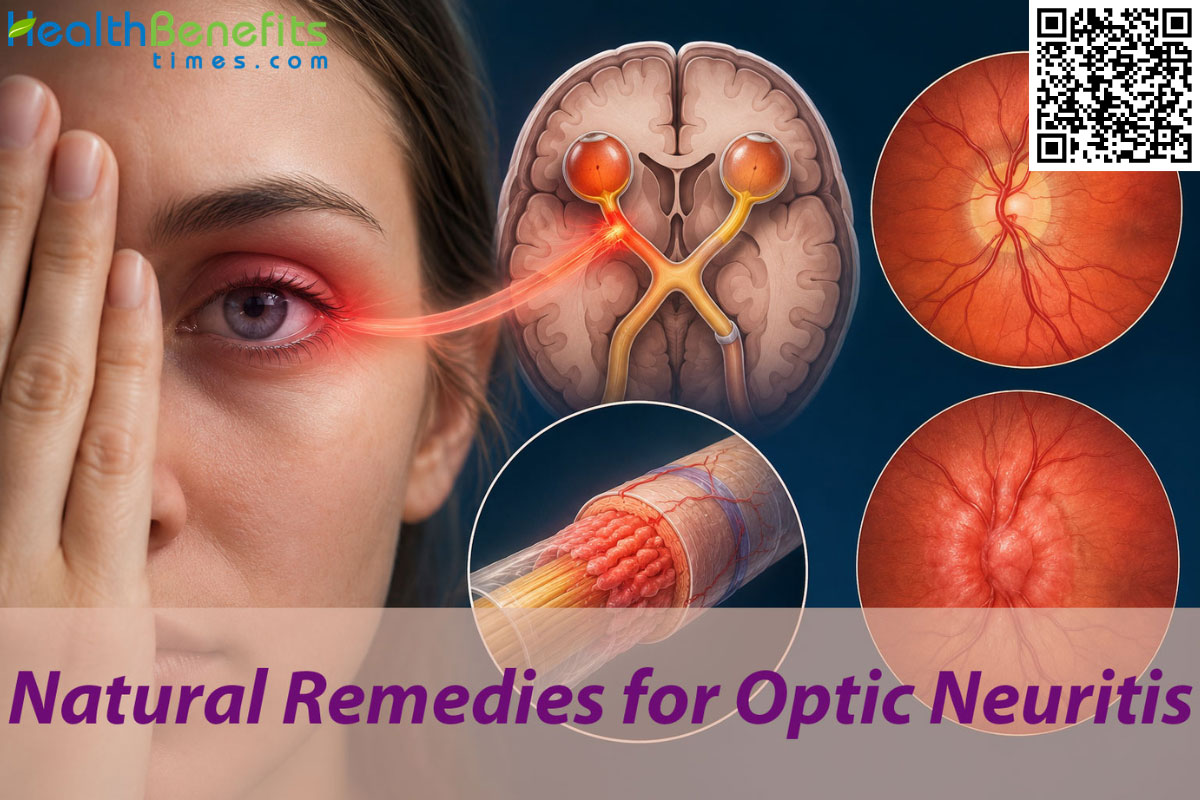
Optic neuritis is an inflammatory condition that directly affects the optic nerve, the essential communication cable responsible for transmitting visual information from your eye to your brain. You can think of the optic nerve as an electrical cord covered by a protective biological insulation called the myelin sheath. In optic neuritis, the immune system mistakenly attacks this insulation, causing the nerve to become swollen, inflamed, and frayed. This disruption impairs the nerve’s ability to smoothly send visual signals. As a result, individuals often experience a sudden, temporary loss of vision in one eye, accompanied by noticeable pain that noticeably worsens with eye movement, and a “washed out” perception of vibrant colors. While it can occur on its own, it is frequently an early indicator of autoimmune disorders like multiple sclerosis. Fortunately, with proper medical evaluation and corticosteroid therapy to reduce inflammation, most people recover much of their vision over time. 1, 2, 3, 4, 5.
Causes of Optic Neuritis
Investigating the roots of optic nerve inflammation reveals that a diverse array of physiological, environmental, and pathogenic triggers can disrupt your visual health.
1. Demyelinating Conditions
The most prominent and heavily studied cause is multiple sclerosis, a systemic autoimmune illness where the body mistakenly attacks central nervous system myelin 1. Other closely related autoimmune spectrums include neuromyelitis optica and myelin oligodendrocyte glycoprotein antibody disease 6.
2. Systemic Autoimmune Diseases
Inflammatory disorders that are not strictly limited to demyelination, such as sarcoidosis, systemic lupus erythematosus, and granulomatosis with polyangiitis, frequently spread secondary inflammation directly into the optic nerve sheath 3.
3. Viral and Parasitic Infections
Various viral pathogens initiate sudden swelling in the optic nerve, with common infectious culprits including the mumps virus and the varicella-zoster virus 7. Parasitic infections, such as toxoplasmosis, can also severely compromise the neuroretinal pathways and cause internal scarring 8.
4. Bacterial Pathogens
Exposure to specific bacteria can lead to infectious subtypes of the disease, notably including Bartonella henselae (cat-scratch disease), Treponema pallidum (syphilis), and the bacteria responsible for Lyme disease 9.
5. Nutritional Deficits
Severe, prolonged shortages of specific neurotrophic micronutrients, notably vitamin B12 (cobalamin) and folic acid (vitamin B9), lead to a progressive nutritional optic neuropathy that slowly destroys central vision over time 10.
6. Toxic Exposures
The physical accumulation of dangerous substances, including methanol, heavy metals, or excessive, chronic amounts of alcohol and tobacco, actively degrades the nerve’s structural integrity and triggers profound visual impairment 11.
Symptoms of Optic Neuritis
Recognizing the early warning signs empowers patients to seek timely, vision-saving medical intervention.
- Rapid, unilateral blurring, dimming, or complete loss of central vision that develops steadily over hours to a few days 12.
- Noticeable aching or sharp periocular pain around the eye, which characteristically intensifies with any horizontal or vertical ocular movement 1.
- Dyschromatopsia, a phenomenon where bright colors suddenly appear abnormally washed out, dull, or lacking their usual striking vibrancy 10.
- The formation of a central or centrocecal scotoma, presenting as a dark, expanding blind spot located directly in the center of your visual field 13.
- An abnormal pupillary reflex where the pupil of the affected eye dilates instead of naturally constricting when exposed to a direct flashlight, clinically known as a relative afferent pupillary defect 14.
- A temporary, reversible worsening of blurred vision when the body becomes overheated from a hot shower, a fever, or physical exercise, known medically as the Uhthoff phenomenon 4.
Optic Neuritis Facts
| Parameter | Details |
| Symptoms 12, 15 |
|
| Causes 6, 16 |
|
| Types of Optic Neuritis 17, 18 |
|
| How does spread 19 |
|
| Age Group 17, 8 |
|
| You might be at a higher risk for exposure of this disease if you: 4, 20 |
|
| How doctors diagnose 3, 6 |
|
| Other facts 4, 21 | Natural recovery usually begins 4 to 6 weeks after the initial symptom onset.
The vast majority of patients regain near-normal visual acuity within 6 months. The presence of silent, unnoticeable brain lesions on an MRI significantly increases the lifetime risk of developing multiple sclerosis. |
Natural Remedies for Optic Neuritis
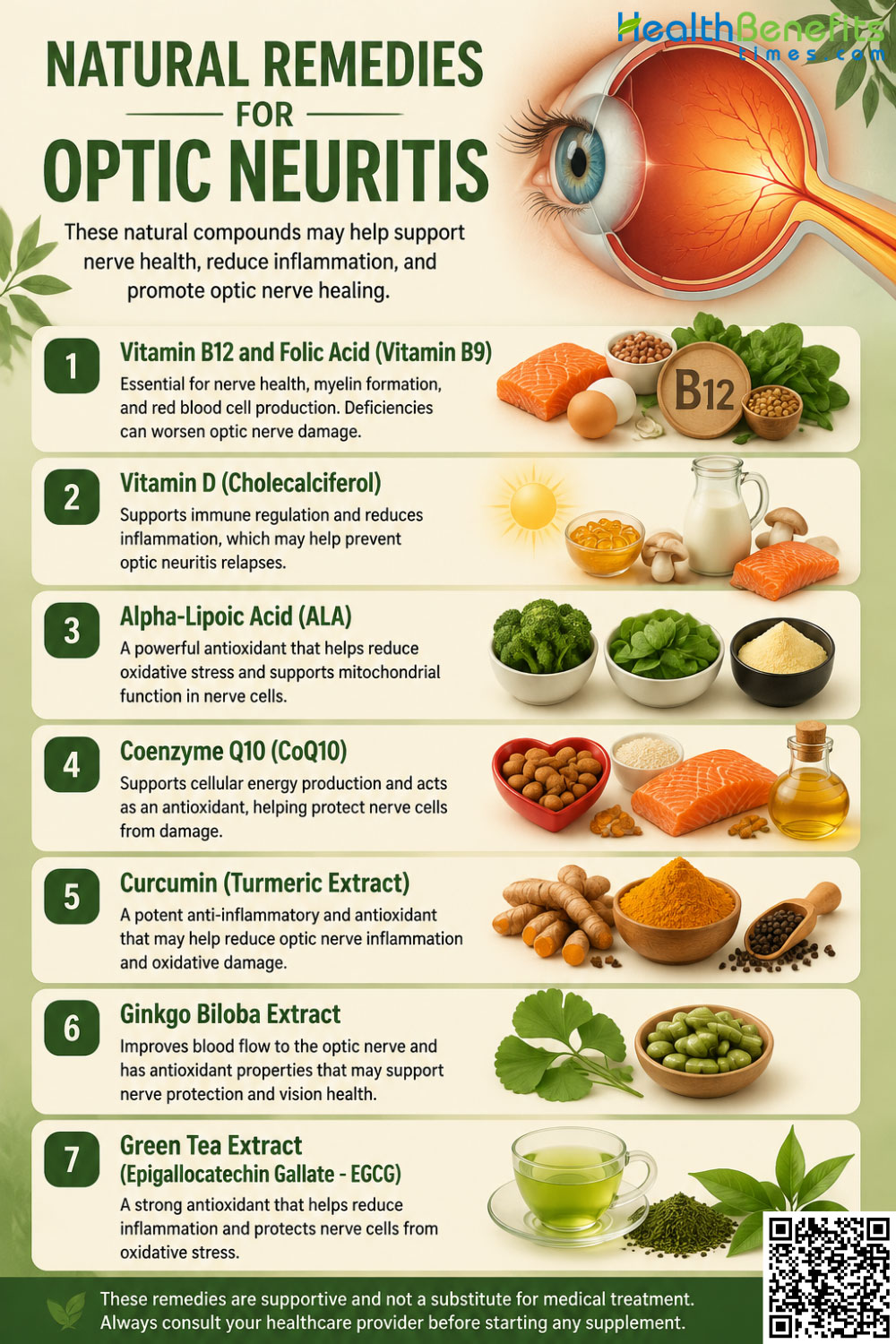
Exploring adjunctive, holistic care reveals a rich landscape of nutritional and botanical interventions that structurally support neurological health. While conventional medical protocols address acute symptom flare-ups, various natural remedies have demonstrated compelling neuroprotective, remyelinating, and antioxidant properties that actively assist in optic nerve recovery.
1. Vitamin B12 and Folic Acid (Vitamin B9)
The structural stability of the central nervous system relies entirely on specific neurotrophic vitamins to maintain protective cellular barriers. Vitamin B12 and folate act as mandatory coenzymes in the complex enzymatic reactions required for synthesizing the myelin sheath around the optic nerve 22. Clinical applications show that aggressively restoring these vitamins accelerates nerve regeneration, increases the dense formation of remyelination, and significantly improves functional recovery times following an acute inflammatory attack 23. Furthermore, maintaining adequate folate regulates the vital methionine cycle, blocking the dangerous accumulation of free radicals that specifically target and destroy unmyelinated sections of the optic nerve 24.
Note: You can secure these healing benefits by eating fortified grains, dark leafy greens, and lean proteins, or by taking a high-quality, daily B-complex supplement to support steady, long-term nerve repair.
2. Vitamin D (Cholecalciferol)
Geographic patterns and general sunlight exposure have revealed an undeniable link between the human immune system and neurological preservation. Vitamin D functions as a potent immunomodulatory hormone that plays a protective role against the development and aggressive progression of multiple sclerosis and related demyelinating conditions 25. Medical observations indicate a robust association between sufficient vitamin D levels and a substantially lowered risk of an isolated optic neuritis episode converting into long-term systemic multiple sclerosis 57. Supplying the body with this critical nutrient aids in the suppression of erratic autoimmune responses, ultimately improving overall myelination and sparing ocular tissues from repeated inflammatory damage 27.
Note: You can absorb this nutrient directly through safe, moderate outdoor sun exposure, or you can consume it via enriched dairy products, fatty fish, and oral cholecalciferol capsules.
3. Alpha-Lipoic Acid (ALA)
Targeted antioxidant therapies provide an aggressive, natural defense against the cellular breakdown initiated by autoimmune attacks. Alpha-lipoic acid is a naturally occurring compound that effectively suppresses the severity of inflammatory demyelination and shields the delicate inner retinal layers from progressive degeneration 28. Research confirms that the timely administration of ALA significantly promotes the survival rate of retinal ganglion cells by triggering the upregulation of neurotrophin signaling pathways, which are essential for basic cellular resilience 29. By directly curbing oxidative stress and maintaining structural integrity, this compound actively limits the rate of optic nerve atrophy during painful inflammatory episodes 30.
Note: You can easily incorporate this into your routine by taking a daily alpha-lipoic acid capsule, which is best consumed on an empty stomach to maximize its rapid absorption into your bloodstream.
4. Coenzyme Q10 (CoQ10)
Severe energy failure within the cells is a major catalyst for nerve death during sudden ocular emergencies. Coenzyme Q10, a small lipid-soluble molecule residing inside the mitochondrial inner membrane, orchestrates crucial cellular energy production and transfer 31. During periods of active optic neuropathy, the retinal ganglion cells suffer from massive energy deficits and toxic oxidative stress that rapidly trigger early cell death 32. Supplementing with this coenzyme delivers highly potent neuroprotective effects by slowing the pathological changes associated with nerve stress and effectively preventing cell death, completely regardless of normal intraocular pressure levels 33.
Note: You will find it most effective to take CoQ10 orally in softgel or liquid form alongside a fat-containing meal, a method that significantly boosts how well your body absorbs the nutrient.
5. Curcumin (Turmeric Extract)
Botanical extracts capable of subtly altering genetic transcription offer a highly sophisticated method to quiet rogue inflammation. Curcumin, the active yellow pigment naturally found in turmeric root, possesses a unique ability to modulate gene activity and downgrade the vascular dysfunction that harms the retina 34. Its medicinal mechanism involves directly regulating the delicate balance of reactive oxygen species and neutralizing specific proteins that cause retinal ganglion cells to self-destruct during trauma 35. In addition to saving vision cells, curcumin actively assists in healing damaged myelin sheaths by reducing the activity of aggressive pro-inflammatory cytokines circulating near the optic nerve 36.
Note: You can harness this traditional remedy by using turmeric generously in your daily cooking, or by taking standardized curcumin capsules that contain black pepper extract to vastly enhance bioavailability.
6. Ginkgo Biloba Extract
Ensuring consistent and robust blood flow to the eyes is absolutely paramount when nerve tissues are struggling to recover from acute inflammation. Extracts harvested from the Ginkgo biloba leaf contain powerful bioactive elements that directly counteract hypoxia-induced oxidative stress and correct disturbed microvascular circulation within the eye 37. Clinical applications indicate that this botanical significantly increases vital blood flow velocity in the ophthalmic artery without dangerously altering overall systemic blood pressure 38. This elevated circulatory support drastically improves the survival rates of fragile retinal ganglion cells that have been severely compromised by hypoxic or inflammatory injuries 39.
Note: You can seamlessly add this to your daily habits by taking a high-quality Ginkgo biloba tablet or liquid tincture to guarantee consistent ocular microcirculation.
7. Green Tea Extract (Epigallocatechin Gallate – EGCG)
Natural plant polyphenols have recently emerged in science as powerful agents for optic nerve regeneration and rapid repair. Epigallocatechin-3-gallate (EGCG), the predominant catechin found abundantly in green tea, delivers profound neuroprotective and anti-inflammatory benefits directly to damaged neural tissues 40. This specific compound interacts physically with the damaged axons of the optic nerve, stimulating a noticeable increase in growth cone filopodia, which are the microscopic, finger-like structures required for severed neurons to reconnect 41. Consistent, daily administration of green tea extract actively enhances axonal regeneration and halts the progressive degeneration of retinal ganglion cells following a localized inflammatory injury 42.
Note: You can simply steep and drink a few cups of high-quality green tea each day, or opt for a concentrated EGCG capsule to ensure you receive a consistent therapeutic dose without the excess fluid.
Is there any exercise or physical activities for Optic Neuritis
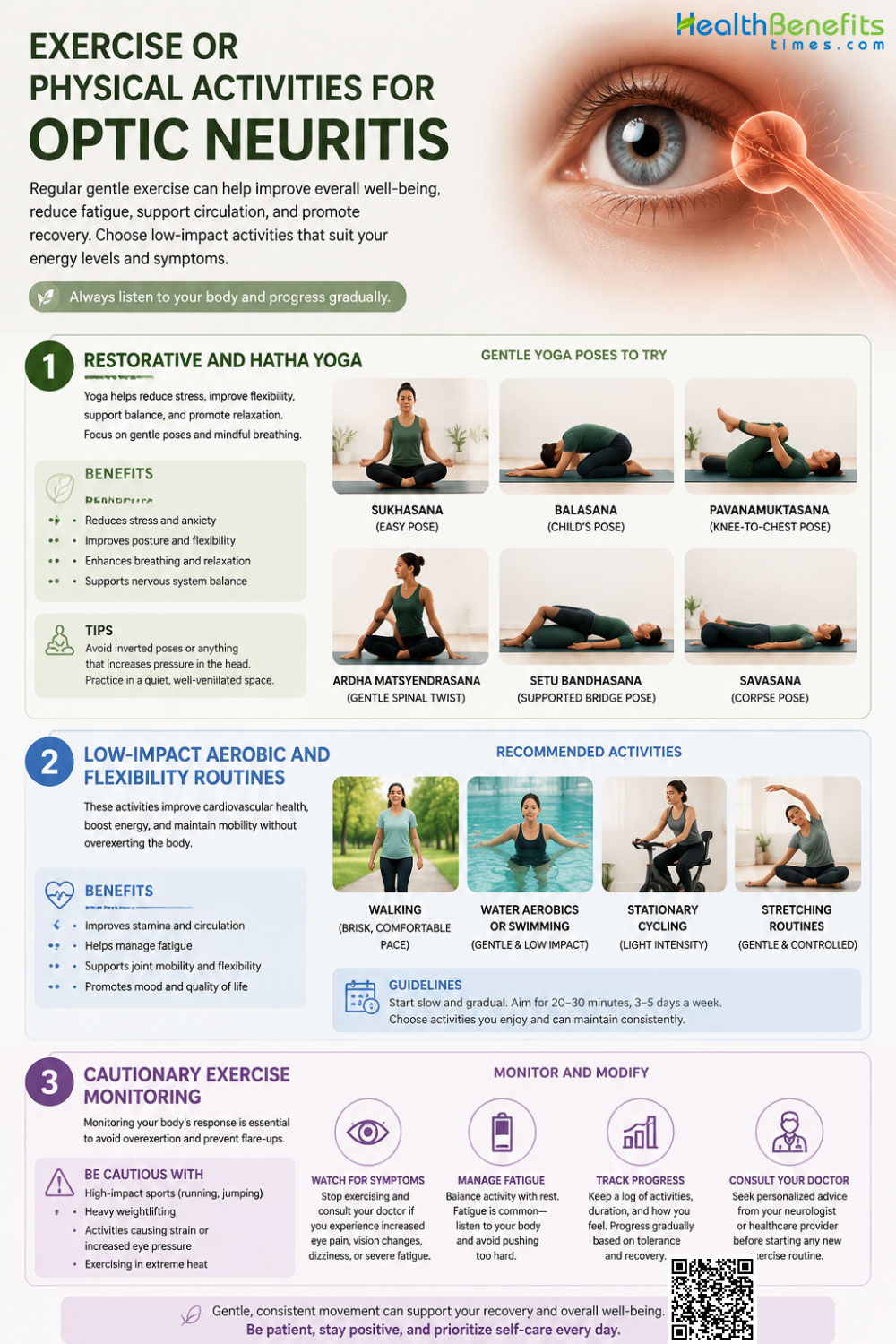
Engaging the body strategically can foster an environment highly conducive to nerve recovery without accidentally exacerbating your symptoms. Integrative approaches like therapeutic yoga and modified physical activity are increasingly recognized as valuable adjunctive therapies aimed at optimizing visual well-being.
1. Restorative and Hatha Yoga
Integrating mindful movement creates a biological environment highly favorable to nerve healing and stress reduction. Hatha and Restorative yoga styles prioritize gentle alignment and deep relaxation, utilizing specialized postures such as Savasana (Corpse Pose), Viparita Karani (Legs-Up-The-Wall), and Balasana (Child’s Pose) to carefully stabilize the body 43. These supported poses facilitate a dramatic reduction in physiological stress and can safely lower intraocular pressure, effectively taking mechanical strain off the inflamed optic nerve. By emphasizing deep relaxation over physical exertion, these practices optimize overall visual well-being without triggering the severe overheating generally associated with vigorous aerobic workouts.
Note: To practice this, you should set up a quiet, dimly lit space, utilize yoga blocks and soft blankets for support, and hold comfortable, low-effort poses for several minutes while breathing deeply.
2. Low-Impact Aerobic and Flexibility Routines
Gentle physical activity remains a cornerstone of broader neurological management, specifically for maintaining joint flexibility and cardiovascular health. While aggressive exertion is cautioned against, engaging in low-impact physical activity and generalized stretching routines plays a major role in neurorehabilitation, actively optimizing both physical and cognitive function in individuals managing demyelinating conditions 44. Consistent, well-paced movement prevents muscle atrophy and maintains the body’s general circulation without placing undue stress on the recovering visual systems.
Note: You should perform simple, daily stretching and slow-paced walking in a cool environment, being incredibly careful to stop immediately if you feel your body temperature rising uncomfortably.
3. Cautionary Exercise Monitoring
Understanding your body’s thermal limits during activity is critical to preventing temporary visual relapses. Any physical exercise that generates high metabolic byproducts or significantly elevates core body temperature is known to cause a reversible conduction block in demyelinated optic nerves 45. This results in a temporary, sometimes frightening loss of vision known as the Uhthoff phenomenon, which strictly requires the individual to cease activity and lower their body temperature immediately to restore normal visual function.
Note: You must strictly monitor yourself during any physical routine; if your vision begins to blur or fade while moving, you should stop instantly, drink cold water, and sit in a well-ventilated area until your sight returns.
Foods and Activities to Avoid
When you suffer from optic neuritis or have a known predisposition to demyelinating conditions, modifying your daily consumption patterns and physical habits is absolutely paramount for avoiding symptom exacerbation.
Foods to Avoid When You suffer from Optic Neuritis
- Ultra-Processed Foods and Simple Carbohydrates: You should strictly eliminate foods laden with artificial preservatives, excessive sodium, and synthetic additives, as they disrupt microbiome-host symbiosis and promote severe systemic inflammation that exacerbates autoimmune responses 46.
- Heavy Alcohol Consumption: You must absolutely refrain from chronic or excessive alcohol intake, as it actively contributes to poor nutritional status and causes severe malabsorption of vital neurotrophic vitamins in the gastrointestinal tract 20.
- Tobacco and Nicotine Products: You should immediately stop smoking or using tobacco, as the toxic byproducts and associated oxidative stress are a known precipitating factor for nutritional and toxic optic neuropathies 11.
- Methanol and Unregulated Spirits: You must completely avoid any exposure to unrecorded, illicitly distilled, or industrial alcohols, as methanol is highly toxic and causes rapid, irreversible structural degradation directly to the optic nerve.
- Strict Vegan Diets Without Supplementation: If you choose to adhere to a strict vegan diet, you must avoid doing so without adequate Vitamin B12 supplementation, as the total absence of animal products is a primary cause of profound cobalamin deficiency and resulting nerve atrophy.
Activities to Avoid When You suffer from Optic Neuritis
- Exhausting Physical Exercise: You should avoid pushing yourself to the point of exhaustion or heavy sweating during workouts, as vigorous physical exercise generates metabolic byproducts that trigger a transient loss of vision 47.
- Hot Baths, Saunas, and High-Heat Environments: You must not expose yourself to high ambient temperatures or submerge yourself in hot tubs. An abnormal increase in core body temperature causes a reversible electrical conduction block in demyelinated optic nerves 15.
- Prolonged Sun Exposure in High Heat: You should avoid being outdoors during the hottest parts of the day without cooling measures, as the environmental heat carries a major risk of inducing Uhthoff’s temporary visual loss 48.
- Activities Inducing Severe Eye Strain: You should minimize spending unbroken hours staring continuously at harsh digital screens without taking breaks, as visual fatigue compounds the discomfort of existing periocular pain.
Myths and Misconceptions
| Myth | Reality |
| Vision loss from this condition is always permanent. | Most individuals experience a strong natural recovery phase beginning 4 to 6 weeks after onset, with the vast majority regaining almost all of their lost visual acuity within six months. |
| A diagnosis means you definitely have multiple sclerosis. | While it is frequently an early manifestation of MS, it can easily occur as a clinically isolated syndrome, or be triggered entirely by independent bacterial, viral, or nutritional factors. |
| Only the elderly suffer from optic nerve inflammation. | This condition actually presents most commonly in young, healthy adults (particularly females between 20 and 50). In stark contrast, older adults are far more prone to ischemic (blood flow) optic neuropathies rather than inflammatory ones. |
| Exercising permanently damages the inflamed nerve. | The visual deterioration experienced during exercise is a temporary electrical conduction block due to heat; it reverses completely once the body cools and does not cause permanent structural damage. |
| Diet plays absolutely no role in optic nerve health. | Nutritional deficiencies, particularly in B12 and folate, can directly cause blinding optic neuropathies. Conversely, balanced fatty acids and powerful antioxidants actively aid in nerve regeneration 50. |
Special Considerations
Acknowledging the medical nuances of how this condition affects different demographics ensures a significantly safer and far more accurate approach to management and natural supplementation.
1. Children
The presentation of this condition in pediatric populations often differs starkly from adults. In children, it is frequently bilateral (affecting both eyes) and tends to manifest acutely following a routine viral infection, a bacterial inoculation, or a standard vaccination 8. Furthermore, pediatric cases are more commonly associated with acute disseminated encephalomyelitis (ADEM) or myelin oligodendrocyte glycoprotein antibody disease (MOGAD) rather than classic multiple sclerosis. Due to their rapidly developing immune and nervous systems, any administration of natural supplements or radical dietary alterations in children requires strict, ongoing pediatric oversight to ensure proper dosage and safety.
2. Pregnancy
Navigating autoimmune and neurological health during gestation presents distinct, delicate challenges. The profound immunological and hormonal shifts designed to protect the fetus can heavily influence the general course of demyelinating disorders. While flare-ups are somewhat rare during the first trimester, conditions like multiple sclerosis and neuromyelitis optica tend to rebound and occur much more frequently immediately following childbirth 51. Because there are virtually no specialized clinical trials testing the safety of these treatments during pregnancy, any interventions including the introduction of potent botanical extracts or high-dose vitamins must be carefully discussed with an obstetrician to prevent maternal-fetal complications 52.
3. Chronic Conditions
Individuals already burdened with overlapping chronic diseases face a highly complex diagnostic and therapeutic landscape. For patients with known multiple sclerosis, an episode of optic neuritis is a recognized disease relapse, demanding careful coordination between conventional disease-modifying therapies and any complementary natural regimens 2. Furthermore, those with chronic gastrointestinal diseases like celiac disease or a history of gastric bypass surgery suffer from inherent malabsorption issues, making them highly susceptible to nutritional optic neuropathies; they often require specialized sublingual or injectable vitamin therapies rather than standard oral capsules.
3. Elderly
The aging population requires a particularly high degree of diagnostic vigilance. When an elderly patient presents with sudden visual loss and optic disc swelling, physicians must quickly differentiate standard inflammatory neuritis from non-arteritic anterior ischemic optic neuropathy (NAION) or giant cell arteritis 7. Giant cell arteritis is a highly dangerous vascular inflammation that can cause immediate, irreversible blindness if not treated emergently with high-dose steroids. Consequently, older adults should never attempt to self-treat acute visual changes with natural remedies without first undergoing rigorous clinical evaluation to rule out these critical, age-specific conditions.
Precaution before use of natural remedies when you have Optic Neuritis
Before you integrate any botanical or nutritional therapy into your personal health regimen, it is vital to exercise extreme prudence and acknowledge the potential physiological risks.
- Secure an Accurate Medical Diagnosis First: You must never attempt to self-diagnose sudden vision loss, as optic neuropathy perfectly mimics severe medical emergencies like brain tumors, aggressive infections, or ischemic strokes. A physician must utilize specialized imaging to rule out life-threatening etiologies before you begin alternative therapies.
- Beware of Toxic Dosages: You should strictly adhere to the clinically recommended dosages for all supplements. While low doses of natural compounds like curcumin protect retinal cells, highly concentrated, excessive dosages can easily become toxic to the very vision cells you are actively trying to heal 34.
- Avoid Masking Severe Deficiencies: If you suspect a nutritional deficiency, ensure you undergo comprehensive blood work. Taking exceptionally high doses of folic acid without checking your B12 levels can entirely mask the hematological signs of a severe B12 deficiency, allowing irreversible neurological damage to silently progress 53.
- Monitor for Iron Overload Syndrome: You must be aware that poorly managed supplementation or misdiagnosed dietary anemias can lead to dangerous systemic conditions. In rare cases, isolated folic acid deficiency has been complicated by undiscovered iron overload syndrome, emphasizing the absolute need for professional serological tracking 54.
- Check for Pharmacological Interactions: You should thoroughly discuss supplements like Ginkgo biloba or Alpha-Lipoic Acid with your treating neurologist. These active biological compounds can heavily interact with conventional immunosuppressive medications or alter blood clotting mechanisms, potentially complicating standard medical treatments 55.
- Acknowledge the Uhthoff Phenomenon During Yoga: If you attempt to use physical activity or yoga as a remedy, you must meticulously monitor your body temperature. If you notice a transient worsening of your visual symptoms while exercising, stop immediately and cool down, as environmental heat readily provokes electrical conduction blocks in demyelinated nerves 56.
When to see Doctor
Protecting your precious eyesight relies heavily on rapid medical intervention when clear red-flag symptoms arise. You should seek immediate, emergency medical evaluation if you experience:
- A sudden, acute, and entirely unexplained loss of vision in one or both of your eyes, which can occur rapidly over a matter of hours.
- Distinct, sharp, or deeply aching pain situated around the eye, particularly when you attempt to look up, down, or side to side.
- A rapid, alarming fading of colors, where the world suddenly appears washed out, dull, or strangely gray.
- The sudden appearance of a dark, expanding blind spot located dead in the center of your line of sight.
- Visual symptoms that are actively accompanied by a new skin rash, a persistent high fever, or alarming neurological deficits like numbness and weakness in your limbs, which strongly indicate a systemic infection or a broader demyelinating attack.
- A failure to recover normal visual acuity after a few weeks, or a terrifying situation where your symptoms briefly stabilize and then suddenly begin to worsen all over again.