

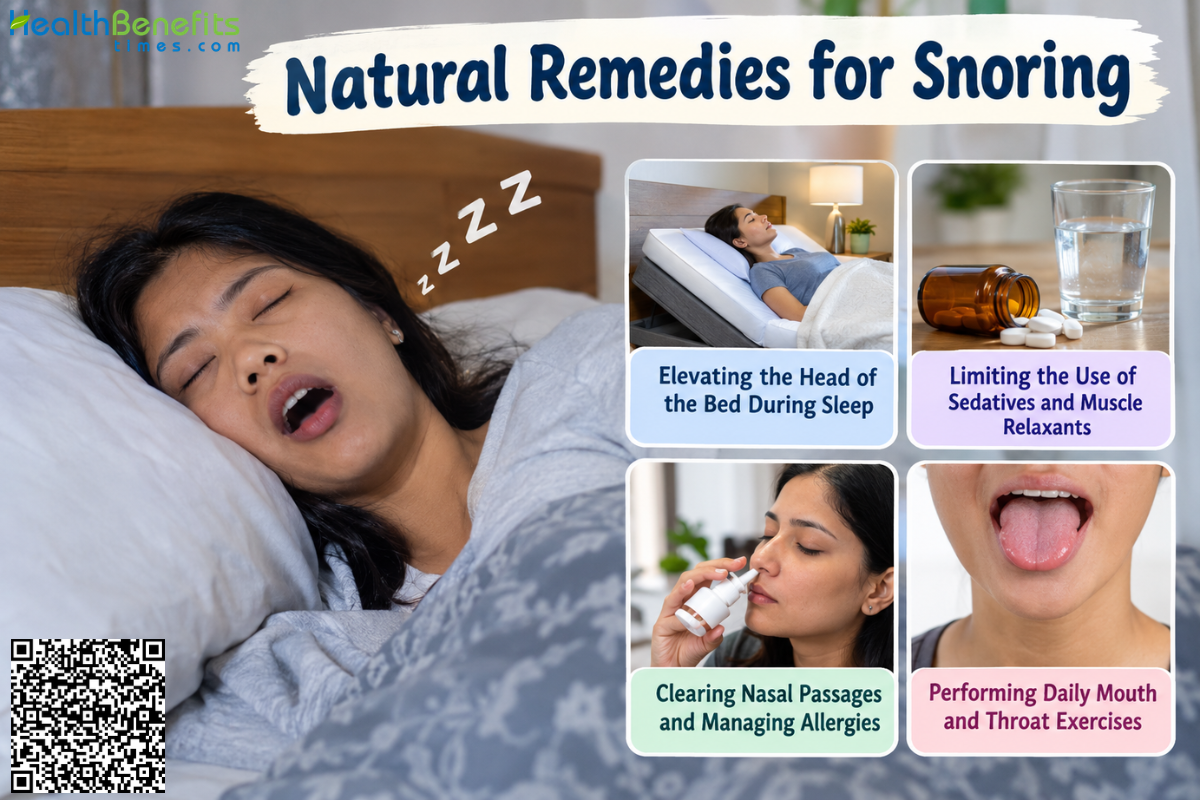
Snoring is a harsh or hoarse sound that occurs during sleep when the flow of air through the mouth and nose becomes partially blocked. As a person breathes in, air pushes past the relaxed tissues in the back of the throat, causing those tissues to vibrate and produce a rattling sound. While occasional snoring is very common and often harmless, loud and chronic snoring can indicate a more serious underlying health condition, such as obstructive sleep apnea. According to the National Institutes of Health, frequent and loud snoring can severely disrupt sleep quality and may increase the long-term risk of daytime fatigue, high blood pressure, and cardiovascular issues 1. Medical professionals evaluate the severity of a snoring problem based on its volume, frequency, and whether the individual experiences noticeable breathing pauses during the night 2.
Causes of Snoring
1. Mouth and Throat Anatomy
Physical characteristics such as a low, thick soft palate, an elongated uvula, or enlarged tonsils can significantly narrow the airway. Additionally, excess body weight often results in extra fat tissue around the neck, which puts physical pressure on the throat and increases the likelihood of tissue vibration during breathing 3.
2. Nasal Airway Obstruction
Chronic nasal congestion from allergies, sinus infections, or structural irregularities like a deviated septum restricts normal airflow through the nose. This forces an individual to breathe through the mouth, creating a vacuum effect in the throat that pulls soft tissues together and triggers snoring 4.
3. Alcohol and Sedative Use
Consuming alcoholic beverages or taking specific central nervous system depressants, such as muscle relaxants or sleeping pills, close to bedtime drastically relaxes the muscles in the throat. This excessive relaxation impairs the body’s natural defense against airway collapse during the sleep cycle 1.
4. Sleep Position
Resting flat on the back causes gravity to pull the base of the tongue and the soft palate downward against the back wall of the throat. This sleeping position creates a direct mechanical obstruction, often resulting in the loudest and most frequent snoring episodes 4.
5. Aging
As people grow older, muscle tone naturally decreases throughout the body, which includes a weakening of the muscles supporting the throat. This normal, age-related loss of muscle tension makes the upper airway more susceptible to narrowing and vibrating while asleep 1.
Symptoms of Snoring
1. Excessive Daytime Sleepiness
Individuals often feel extremely tired, drowsy, or fatigued throughout the day, which can result in unintentionally falling asleep while working, reading, or driving 5.
2. Breathing Pauses and Gasping
A person may stop breathing for short periods during the night, a cycle that is often followed by loud snorts, choking, or gasping sounds as the body struggles to suddenly take in air 6.
3. Morning Headaches
Waking up with frequent or hard-to-treat headaches is a common physical reaction to the repeated drops in blood oxygen levels that occur during heavily disrupted sleep 5.
4. Dry Mouth and Sore Throat
Because severe snoring often involves heavy breathing through an open mouth, affected individuals frequently wake up with a noticeably dry mouth or an irritated throat 6.
5. Cognitive and Mood Changes
The severe lack of restorative sleep linked to loud snoring can cause significant irritability, depression, forgetfulness, and a noticeable inability to learn or concentrate during daily tasks 5.
6. Restless Sleep
People with problematic snoring often experience highly fragmented, unrefreshing sleep, causing them to toss and turn or wake up multiple times throughout the night 6.
Natural Remedies for Snoring
1. Achieving and Maintaining a Healthy Body Weight
How it may help
Carrying excess body weight often leads to the accumulation of extra fat tissue around the neck and throat area. This added bulk places physical pressure on the airway, causing it to narrow. Losing weight reduces this tissue mass, which opens the airway and significantly decreases the vibrations that produce snoring sounds during sleep 3.
What research says
Clinical evidence demonstrates that weight loss is a highly effective primary intervention for overweight individuals who snore. Studies indicate that reducing overall body mass directly correlates with a reduction in both the frequency and loudness of snoring, while also lowering the risk of developing severe obstructive sleep apnea 7.
How to use it safely
To safely achieve a healthy weight, you should focus on making gradual, sustainable lifestyle changes. Combine a balanced, nutrient-rich diet with regular physical activity, aiming for steady weight reduction rather than rapid loss. Consult your healthcare provider to create a personalized, safe weight management plan 8.
Potential precautions or side effects
Avoid extreme or crash diets, as these can cause nutritional deficiencies, muscle loss, and rapid weight regain, ultimately failing to provide long-term relief from snoring issues 9.
2. Changing Sleep Position to Side Sleeping
How it may help
When a person sleeps on their back, gravity pulls the base of the tongue and the soft palate downward, narrowing the airway and causing tissue vibration. Shifting to a side-sleeping position prevents these soft structures from collapsing against the back of the throat, keeping the airway open and minimizing snoring 4.
What research says
Clinical research demonstrates that positional therapy, specifically avoiding sleeping flat on the back, significantly decreases snoring frequency and intensity. Studies confirm that side sleeping improves upper airway stability and effectively reduces nighttime breathing obstructions, particularly for individuals diagnosed with positional snoring or mild obstructive sleep apnea 10.
How to use it safely
To maintain a side-sleeping position, you can use supportive full-body pillows to prevent yourself from rolling over. Alternatively, attach a small object, like a tennis ball, to the back of your sleepwear to make resting on your back uncomfortable, naturally encouraging you to stay on your side 1.
Potential precautions or side effects
Prolonged side sleeping can occasionally cause shoulder or hip discomfort. Individuals with pre-existing joint issues should ensure proper pillow and mattress support to prevent musculoskeletal strain during the night 11.
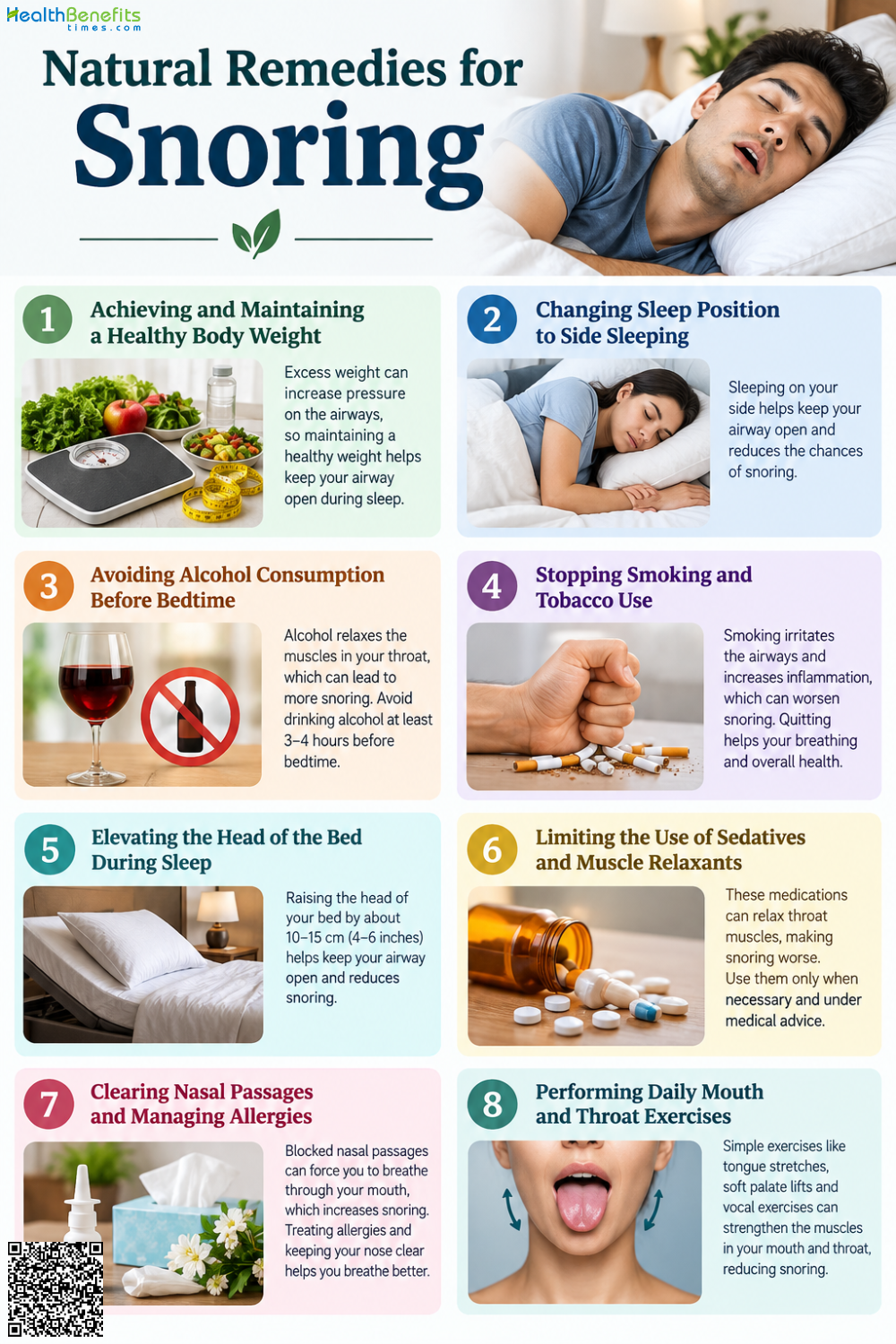
3. Avoiding Alcohol Consumption before Bedtime
How it may help
Alcohol acts as a powerful central nervous system depressant that excessively relaxes the resting muscles in the throat and mouth. This unnatural relaxation causes the upper airway to collapse and narrow easily during sleep, significantly increasing the soft tissue vibrations that produce loud snoring sounds 1.
What research says
Clinical studies conclude that consuming alcohol before sleep significantly exacerbates snoring and increases the severity of sleep breathing disorders. Research confirms that alcohol reduces upper airway muscle tone and prolongs the duration of nighttime breathing pauses, making snoring noticeably louder and more frequent 12.
How to use it safely
To prevent alcohol-induced airway relaxation, you should avoid consuming any alcoholic beverages for at least three to four hours before going to bed. Substitute evening alcoholic drinks with plain water or decaffeinated alternatives to maintain normal throat muscle tension during sleep 13.
Potential precautions or side effects
Abruptly stopping heavy, daily alcohol use can trigger dangerous withdrawal symptoms, including severe insomnia, tremors, or anxiety. You should seek medical supervision if you suspect alcohol dependence 14.
4. Stopping Smoking and Tobacco Use
How it may help
Smoking tobacco directly irritates the sensitive membranes lining the nose and throat, causing chronic inflammation and excessive mucus production. This swelling significantly narrows the respiratory airway. Stopping smoking allows these tissues to heal naturally, which reduces airway congestion, increases airflow, and decreases the nighttime vibrations that cause loud snoring 3.
What research says
Clinical studies confirm that current smokers face a significantly higher risk of experiencing chronic snoring and sleep-disordered breathing compared to non-smokers. Research concludes that smoking cessation effectively reduces upper airway inflammation and physical airway resistance, ultimately leading to a measurable decrease in overall snoring severity 15.
How to use it safely
To safely and successfully quit smoking, you should utilize proven cessation methods such as nicotine replacement therapy, prescription medications, or structured behavioral counseling. Work closely with a healthcare professional to create a customized quitting plan that manages cravings and prevents relapse 16.
Potential precautions or side effects
Quitting tobacco can cause temporary nicotine withdrawal symptoms, including irritability, increased appetite, and short-term sleep disturbances. These symptoms generally peak within the first week and gradually subside over time 17.
5. Elevating the Head of the Bed During Sleep
How it may help
Raising the upper body alters the physical angle of the throat during sleep. This slight elevation uses gravity to prevent the base of the tongue and the soft palate from collapsing backward. Keeping these structures shifted forward maintains an open airway, effectively preventing the soft tissue vibrations that directly cause snoring 4.
What research says
Clinical studies indicate that elevating the head of the bed significantly reduces upper airway collapsibility. Research confirms that this simple positional adjustment decreases snoring frequency and improves sleep quality, proving particularly beneficial for individuals who experience worsened respiratory symptoms when lying completely flat on their backs 18.
How to use it safely
To elevate your sleep position safely, you should raise the actual head of the bed frame by four to six inches using sturdy bed risers. Alternatively, use a firm, specialized wedge pillow designed to gradually support the entire upper torso rather than just the head 19.
Potential precautions or side effects
You should never stack standard pillows to achieve this elevation. Stacking pillows forces the neck to bend forward, which severely restricts breathing and will actually worsen airway blockage and snoring 4.
6. Limiting the Use of Sedatives and Muscle Relaxants
How it may help
Medications such as sedatives and muscle relaxants depress the central nervous system, causing the tissues in the mouth and throat to relax excessively during sleep. Limiting or avoiding these specific drugs prevents this severe muscle relaxation, which helps keep the upper airway open and stops the loud vibrations associated with snoring 4.
What research says
Clinical research demonstrates that central nervous system depressants significantly increase upper airway collapsibility during rest. Studies confirm that utilizing these medications prior to sleep strongly correlates with louder, more frequent snoring and can actively worsen underlying sleep-disordered breathing by diminishing the body’s natural reflex to open an obstructed airway 3.
How to use it safely
You must always consult your prescribing healthcare provider before reducing or stopping any prescribed sedatives, sleep aids, or muscle relaxants. Your doctor can safely adjust your current dosage or recommend alternative treatments that do not excessively relax your throat muscles while you sleep 20.
Potential precautions or side effects
Abruptly discontinuing sedatives can trigger severe withdrawal symptoms, including rebound insomnia and anxiety. You should follow a medical professional’s tapering schedule to safely prevent these adverse physical reactions 21.
7. Clearing Nasal Passages and Managing Allergies
How it may help
Nasal congestion from allergies or colds forces individuals to breathe through their mouths while sleeping. This mouth-breathing creates a vacuum effect in the throat, which pulls soft tissues together and causes them to vibrate loudly. Clearing the nasal airway restores normal breathing through the nose, preventing this vacuum effect and minimizing the vibrations that produce snoring 4.
What research says
Clinical studies confirm a strong link between allergic rhinitis, chronic nasal congestion, and increased snoring frequency. Research concludes that effectively treating nasal inflammation significantly decreases upper airway resistance. This reduction in airway pressure directly minimizes sleep-disordered breathing events and overall snoring severity in affected individuals 22.
How to use it safely
To clear nasal passages safely, you can use sterile saline nasal sprays or a nasal wash before bedtime to flush out irritants. For daily allergy management, consult your doctor about using over-the-counter oral antihistamines or prescription nasal corticosteroids to safely reduce nighttime tissue congestion 23.
Potential precautions or side effects
You should avoid using over-the-counter decongestant nasal sprays for more than three consecutive days. Overuse directly causes a severe rebound effect that permanently worsens chronic nasal tissue congestion 23.
8. Performing Daily Mouth and Throat Exercises
How it may help
Performing specific daily exercises, known as myofunctional therapy, targets and strengthens the weak muscles of the tongue, soft palate, and throat. Toning these structures prevents the soft tissues from sagging and vibrating heavily during sleep, effectively maintaining an open and stable upper airway 24.
What research says
Clinical trials demonstrate that throat exercises are highly effective for treating primary snoring. Research concludes that three months of consistent daily therapy significantly reduces both the loudness and frequency of snoring, while noticeably improving overall sleep quality for affected individuals 25.
How to use it safely
To achieve optimal results, you should perform these targeted exercises for about ten to twenty minutes daily. Work with a certified speech-language pathologist to learn the correct techniques and ensure you are safely strengthening the proper upper airway muscle groups 19.
Potential precautions or side effects
You may experience mild mouth or throat soreness when first starting these routines. If you experience sudden jaw pain or prolonged discomfort, you must stop the exercises immediately 26.
Foods to Avoid When You suffer from Snoring
1. Alcoholic Beverages
Consuming alcohol before bed excessively relaxes upper airway muscles. This unnatural relaxation severely increases tissue vibration and airway collapse, directly causing loud snoring 1.

2. High-Fat Meals
Eating high-fat foods near bedtime frequently triggers acid reflux. The ascending stomach acid inflames the sensitive throat lining, which significantly increases airway resistance and snoring 27.
3. High-Sodium Foods
Excessive salt intake causes bodily fluid retention. While sleeping, this retained fluid shifts toward the neck, physically narrowing the upper airway and intensifying snoring severity 28.
4. Dairy Products
For sensitive individuals, consuming dairy close to bedtime thickens respiratory mucus. This thicker mucus worsens nasal congestion and restricts airflow, leading to heavier nighttime snoring 29.
When to see Doctor when you struggle from Snoring
1. Witnessed Breathing Pauses
Seek medical evaluation if a partner observes you stopping breathing, gasping, or choking during sleep. These are primary indicators of obstructive sleep apnea 6.
2. Excessive Daytime Sleepiness
Consult a doctor if you experience severe daytime fatigue, uncontrollable drowsiness, or accidentally fall asleep during normal daily activities like driving 5.
3. Frequent Morning Headaches
Waking up with frequent headaches is a common physical response to the dangerous nighttime oxygen deprivation caused by severe sleep-disordered breathing 30.
4. Uncontrolled High Blood Pressure
You should be screened for sleep disorders if you develop high blood pressure that is unusually difficult to control with standard daily medications 6.
5. Cognitive and Mood Changes
Schedule a clinical evaluation if chronic snoring is accompanied by noticeable cognitive issues, such as severe irritability, memory loss, or an inability to concentrate 5.