

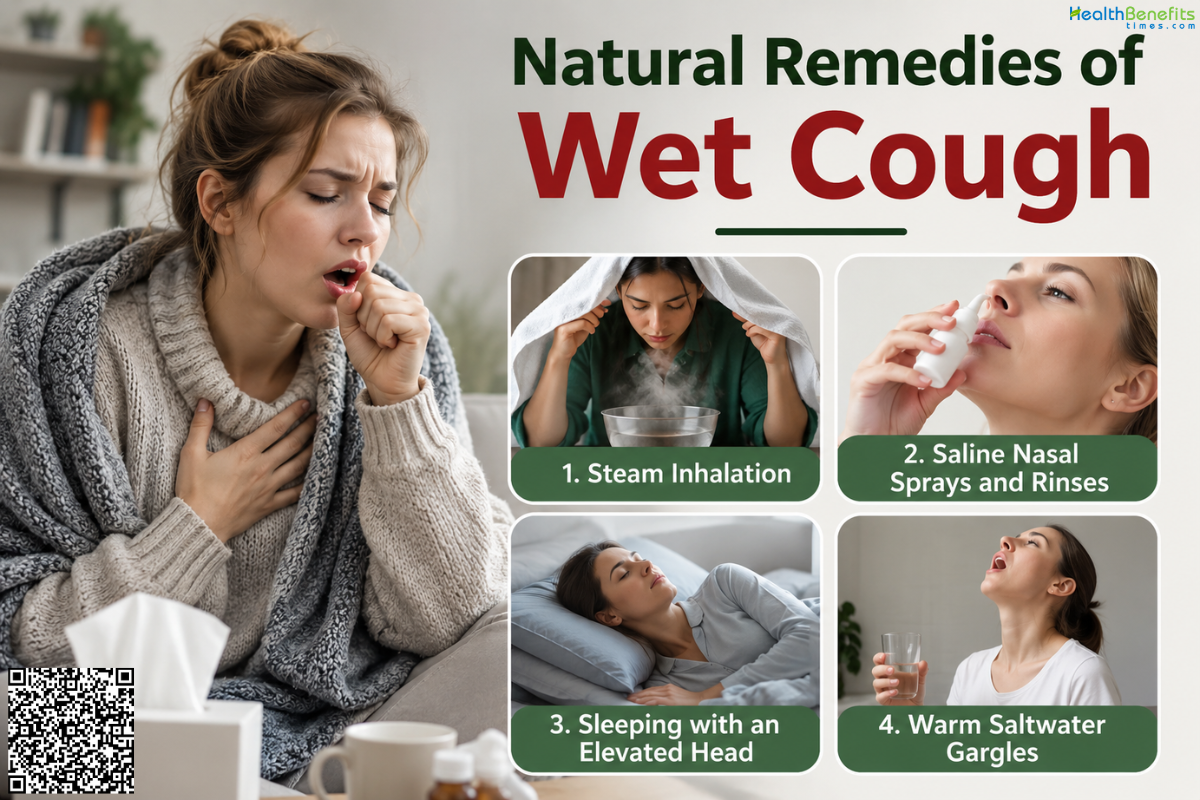
A wet cough is a fundamental physical reflex that helps clear the respiratory system. Clinically classified as a productive cough, this specific action expels accumulated mucus, phlegm, or sputum directly from the lower airways 1. Medical diagnostic guidelines attribute acute episodes primarily to bacterial or viral infections, such as influenza, the common cold, acute bronchitis, and pneumonia 1. Conversely, chronic productive coughs lasting more than four to eight weeks frequently indicate persistent conditions like chronic obstructive pulmonary disease (COPD) or protracted bacterial bronchitis 2. The continual expectoration of these internal secretions is necessary to prevent severe lung congestion. When treating a wet cough at home, you should drink plenty of fluids; this basic clinical protocol effectively thins airway mucus, ensuring that you can easily cough it up with minimal physical strain 1.
Causes of Wet Cough
- Viral Respiratory Infections: Infections such as the common cold and influenza frequently trigger an acute wet cough. During these illnesses, the respiratory tract increases mucus production to trap and eliminate viral pathogens, which the body then expels through coughing 3.
- Acute Bronchitis: This condition involves a sudden, short-term inflammation of the bronchial tubes that carry air into the lungs. The inflammatory response forces the airways to secrete heavy amounts of mucus, creating a productive cough that typically lasts for up to three weeks.
- Pneumonia: As a severe lower respiratory infection, pneumonia causes the lung’s air sacs to become inflamed and fill with fluid or pus. This deep congestion triggers a heavy, wet cough, which serves as a necessary physical mechanism to clear infectious material from the lower airways.
- Chronic Bronchitis and COPD: Chronic obstructive pulmonary disease (COPD) and chronic bronchitis are long-term inflammatory conditions largely driven by prolonged exposure to lung irritants, primarily tobacco smoke. These structural diseases permanently damage the airways and cause excessive mucus generation, resulting in a persistent daily productive cough.
- Bronchiectasis: This chronic lung condition involves the abnormal, permanent widening and scarring of the airways. Because the damaged airways lose their natural ability to transport secretions upwards, thick mucus pools inside the lungs, causing frequent bacterial infections and a continuous wet cough.
- Upper Airway Cough Syndrome (Postnasal Drip): Allergic rhinitis or sinus infections can cause the nasal passages to produce excess mucus that continually drips down the back of the throat. This internal drainage physically irritates the larynx and upper airways, triggering a reflex to cough up the accumulated nasal secretions.
Symptoms of Wet cough
- Expectoration of Mucus: The defining clinical symptom of a wet cough is the physical expulsion of mucus, phlegm, or sputum from the respiratory tract. The expelled fluid can vary in color—often appearing clear, white, yellow, or green—which serves as a clinical indicator of the underlying respiratory inflammation or infection 3.
- Chest Rattling and Crackling: A distinct rattling, rumbling, or crackling sound often originates from the chest during breathing or coughing. This audible symptom occurs mechanically as air is forced through heavy secretions and fluid pooled within the lower airways 1.
- Chest Congestion and Heaviness: The buildup of thick mucus in the lungs frequently creates a physical sensation of tightness, pressure, or heavy congestion in the chest cavity. This discomfort is a direct result of restricted lung capacity and local airway inflammation 4.
- Shortness of Breath and Wheezing: Because excessive mucus physically obstructs the bronchial tubes, it reduces the amount of space available for normal airflow. This internal blockage can lead to wheezing (a high-pitched whistling sound) and difficulty breathing, particularly during physical exertion 4.
- Postnasal Drip Sensation: Individuals frequently experience a continuous feeling of fluid dripping down the back of the throat. This internal drainage physically irritates the upper airways and consistently triggers the urge to cough, often worsening when lying down flat 3.
Natural Remedies of Wet Cough
1. Increased Hydration
How It May Help
Increasing fluid intake physically alters the consistency of mucus in the respiratory tract. Adequate hydration ensures that thick, sticky phlegm becomes thinner and more liquid. This process makes the mucus easier to expel from the lungs and airways, reducing the physical strain required to produce an effective cough 1.
What Research Says
Clinical guidelines establish hydration as a primary supportive therapy for respiratory infections. Medical authorities confirm that drinking extra fluids actively loosens chest congestion and prevents mucus from pooling in the lower airways, which is essential for accelerating recovery and preventing secondary bacterial complications 1.
How to Use It Safely
To achieve optimal results, you should consume clear liquids like water, warm broths, or decaffeinated teas consistently throughout the day. Aim to drink enough fluid so that your urine remains pale yellow, adjusting your daily intake based on your body weight and physical activity.
Potential Precautions or Side Effects
You must consult a doctor before increasing fluid intake if you have congestive heart failure, severe kidney disease, or are currently placed on a medically restricted fluid diet 5.
2. Honey as a Natural Cough Suppressant
How It May Help
Honey acts as a natural demulcent, meaning it physically coats and soothes the back of the throat. This coating reduces the physical irritation that triggers continuous coughing fits. Additionally, honey contains natural antimicrobial and anti-inflammatory properties that support the respiratory tract during mild infections.
What Research Says
Clinical reviews establish that honey is more effective than standard over-the-counter cough suppressants, such as diphenhydramine, for reducing cough severity. Scientific evidence concludes that consuming honey before bedtime significantly decreases nocturnal coughing frequency and improves sleep quality in both adults and older children 6.
How to Use It Safely
To manage your wet cough, you should swallow one to two teaspoons of plain honey directly or dissolve it into a cup of warm water or decaffeinated tea. For the best results, take this dose approximately thirty minutes before going to sleep.
Potential Precautions or Side Effects
You must never give honey to infants under one year old due to the severe risk of infant botulism 7. Diabetics should also monitor their blood sugar intake.
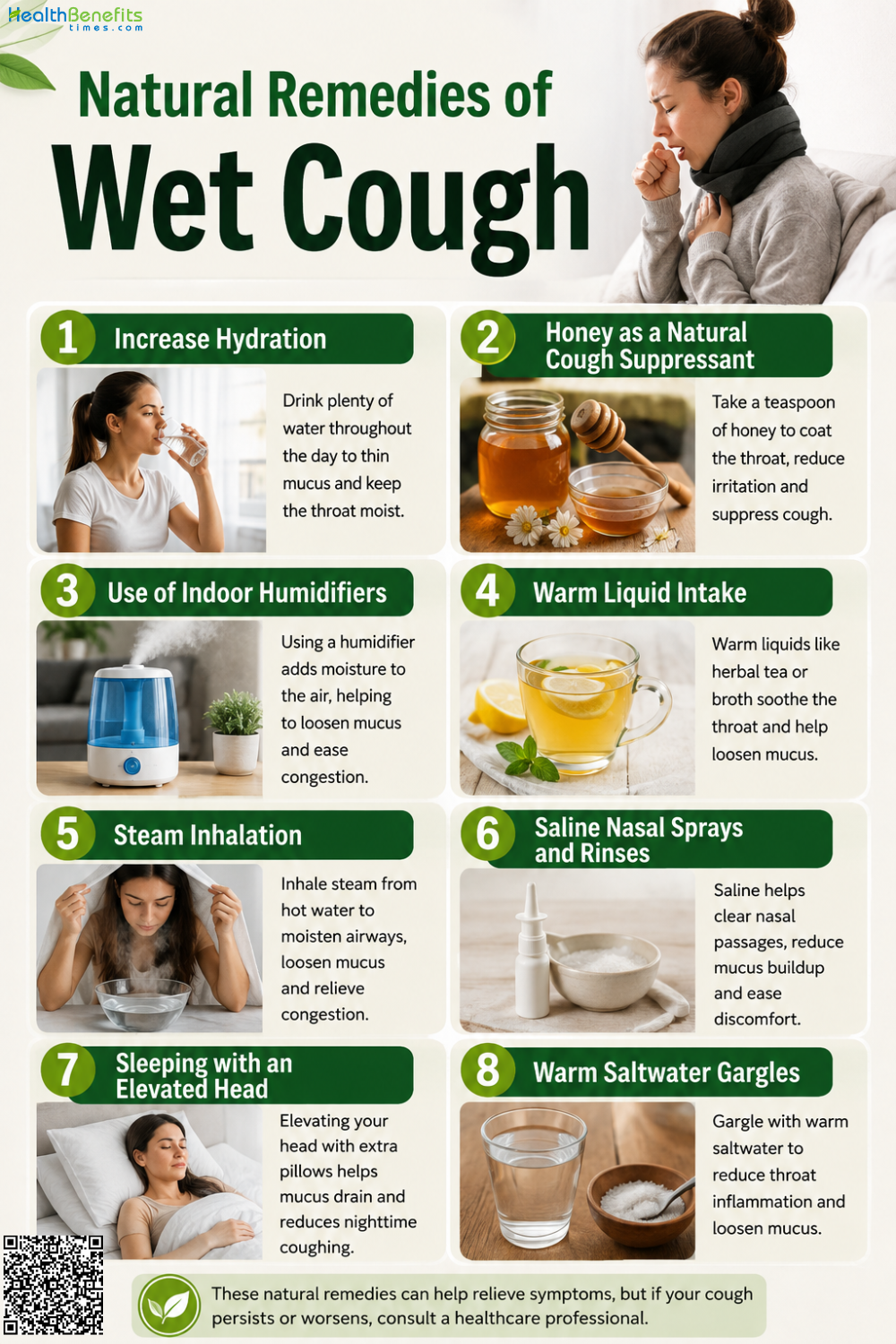
3. Use of Indoor Humidifiers
How It May Help
An indoor humidifier continually adds moisture to dry room air. Inhaling this humidified air directly soothes irritated respiratory passages and physically thins thick, sticky mucus trapped in the lungs. This added moisture ensures the respiratory system can easily expel phlegm during a wet cough.
What Research Says
Clinical guidelines from federal health authorities strongly recommend using a cool-mist humidifier to relieve chest congestion associated with respiratory infections. Medical experts conclude that environmental moisture effectively loosens heavy airway secretions, significantly easing productive coughing episodes during viral illnesses 8.
How to Use It Safely
You should place a cool-mist humidifier in your bedroom while sleeping. To maintain safe air quality, you must empty the water tank daily, wipe all surfaces dry, and refill it with distilled water to prevent harmful mineral buildup and bacterial growth.
Potential Precautions or Side Effects
You must strictly clean the device regularly; dirty humidifiers actively disperse mold and bacteria into the air, which can trigger severe asthma attacks or new respiratory infections 9.
4. Warm Liquid Intake
How It May Help
Consuming warm liquids physically soothes an inflamed throat and elevates the temperature of the upper airways. This warmth actively increases fluid flow to the respiratory tract and softens hardened mucus, making thick chest congestion significantly easier to expel during a wet cough.
What Research Says
Clinical studies demonstrate that consuming hot beverages provides immediate, sustained relief for continuous coughing and throat irritation associated with respiratory infections 10. Health authorities routinely endorse warm fluids as an effective, conservative treatment to actively loosen accumulated lung secretions 1.
How to Use It Safely
You should sip warm clear broths, hot water, or decaffeinated herbal teas at regular intervals throughout the day. Ensure the liquid is comfortably warm rather than scalding hot to effectively coat the throat without burning the delicate oral tissues.
Potential Precautions or Side Effects
You must avoid heavily caffeinated hot beverages, such as strong coffee or black tea, because excess caffeine can cause mild dehydration and counterproductively thicken your airway mucus.
5. Steam Inhalation
How It May Help
Inhaling warm water vapor directly delivers moisture to the respiratory tract. This heat and humidity physically thin out thick, sticky mucus trapped in the lungs and airways. By softening these heavy secretions, steam makes it significantly easier to cough up phlegm and temporarily relieves chest congestion.
What Research Says
Clinical authorities recommend steam inhalation as a conservative treatment to temporarily relieve severe chest congestion. Medical guidelines confirm that breathing in warm, moist air effectively loosens lower airway secretions, thereby reducing the physical effort required to produce an effective wet cough 1.
How to Use It Safely
You should sit in a closed bathroom with a running hot shower to safely breathe in the trapped steam. Alternatively, you can lean over a bowl of hot—but strictly not boiling—water for ten to fifteen minutes, using a towel to trap the moisture.
Potential Precautions or Side Effects
You must exercise extreme caution to prevent severe scald burns. Medical professionals strongly advise against using boiling water for steam inhalation, particularly around children 11.
6. Saline Nasal Sprays and Rinses
How It May Help
Saline nasal sprays and rinses physically wash away excess mucus, allergens, and debris from the nasal passages. By clearing these irritants, the saline solution directly reduces postnasal drip—the continuous dripping of fluid down the back of the throat that frequently triggers a reactive wet cough.
What Research Says
Clinical guidelines support saline irrigation as an effective method to clear nasal congestion and decrease postnasal drip. Federal health authorities conclude that routinely flushing the nasal cavity reduces upper airway irritation, significantly helping to minimize secondary coughing fits caused by excess mucus drainage 12.
How to Use It Safely
You should use a commercially prepared sterile saline spray or a specialized squeeze bottle. If mixing your own solution, you must strictly use distilled, sterile, or previously boiled and cooled water to safely flush each nostril over a sink.
Potential Precautions or Side Effects
You must never use untreated tap water for nasal rinses, as it can introduce dangerous microscopic organisms into your nasal passages that cause severe brain infections 13.
7. Sleeping with an Elevated Head
How It May Help
Lying entirely flat allows mucus to pool in the back of the throat and chest, directly triggering continuous coughing fits. Elevating the head uses gravity to prevent this internal accumulation. This physical angle ensures continuous drainage of airway secretions, reducing nighttime throat irritation and minimizing the urge to cough.
What Research Says
Clinical authorities advise that elevating the head during sleep is a highly effective mechanical intervention for nocturnal coughing. Medical guidelines confirm that this resting posture actively minimizes postnasal drip and prevents mucus pooling, resulting in significantly fewer coughing episodes during viral or bacterial respiratory infections 1.
How to Use It Safely
To achieve the correct angle, you should place an extra pillow under your head and upper shoulders. Alternatively, use a firm wedge pillow to support your entire upper torso, which provides a gentle incline and keeps your respiratory passages properly aligned for optimal fluid drainage.
Potential Precautions or Side Effects
You must never use pillows to prop up an infant, as this introduces a severe suffocation hazard 14. Adults should ensure a gradual elevation to prevent neck muscle strain.
8. Warm Saltwater Gargles
How It May Help
Gargling with warm saltwater physically washes away thick mucus, allergens, and debris coating the back of the throat. The salt draws excess fluid out of inflamed tissues, directly reducing throat swelling and soothing the physical irritation that frequently triggers a reactive wet cough.
What Research Says
Clinical guidelines endorse warm saltwater gargles as a safe, conservative intervention for respiratory infections. Medical authorities conclude that this practice effectively clears pooled mucus and temporarily relieves throat inflammation, significantly reducing the localized irritation that provokes secondary coughing fits 1.
How to Use It Safely
You should dissolve one-half teaspoon of plain table salt into eight ounces of comfortably warm water. Tilt your head back, gargle the solution in the back of your throat for ten to fifteen seconds, and strictly spit it out.
Potential Precautions or Side Effects
You must not give saltwater gargles to children under six years old; they lack the coordination to gargle safely and might swallow the high-sodium mixture 15.
Foods to Avoid When You Suffer from Wet Cough
1. Caffeinated Beverages
Caffeinated drinks act as mild diuretics, causing systemic dehydration. This fluid loss physically thickens respiratory mucus, making it significantly harder to clear from the lungs 1.

2. Alcoholic Drinks
Alcohol actively dehydrates the body and impairs immune function. This dehydration thickens airway secretions, severely hindering the respiratory system’s ability to effectively cough up accumulated phlegm 16.
3. Highly Acidic and Spicy Foods
These foods frequently trigger gastroesophageal reflux. Escaping stomach acid physically irritates the throat and upper airways, directly provoking and worsening reactive coughing fits 17.
When to see Doctor when you struggle from Wet Cough
- Coughing Up Blood: You must seek immediate emergency care if you cough up blood or pink-tinged mucus, as this physical sign indicates potentially severe lung tissue damage 1.
- Difficulty Breathing: You should consult a physician if you experience shortness of breath, wheezing, or chest pain, which signify dangerous airway obstruction or reduced oxygen intake 1.
- Prolonged Duration: You must see a doctor if your wet cough persists for longer than three weeks, as this delay strongly suggests underlying chronic diseases or bacterial infections 1.
- High Fever: You should seek medical evaluation if your cough is accompanied by a fever exceeding 102°F (38.9°C), which typically points to a severe secondary infection like pneumonia 1.
- Night Sweats and Weight Loss: You must contact a healthcare provider if your cough occurs alongside unexplained weight loss and heavy night sweats, as these are clinical markers for tuberculosis 18.