| Noodles Quick Facts |
| Name: |
Noodles |
| Calories |
146 Kcal./cup |
| Major nutrients |
Selenium (54.36%)
Vitamin B1 (35.92%)
Vitamin B9 (21.75%)
Carbohydrate (20.83%)
Vitamin B3 (19.92%)
|
| Health benefits |
Nutrition content, Essential nutrients, Low carbs, Full for longer |
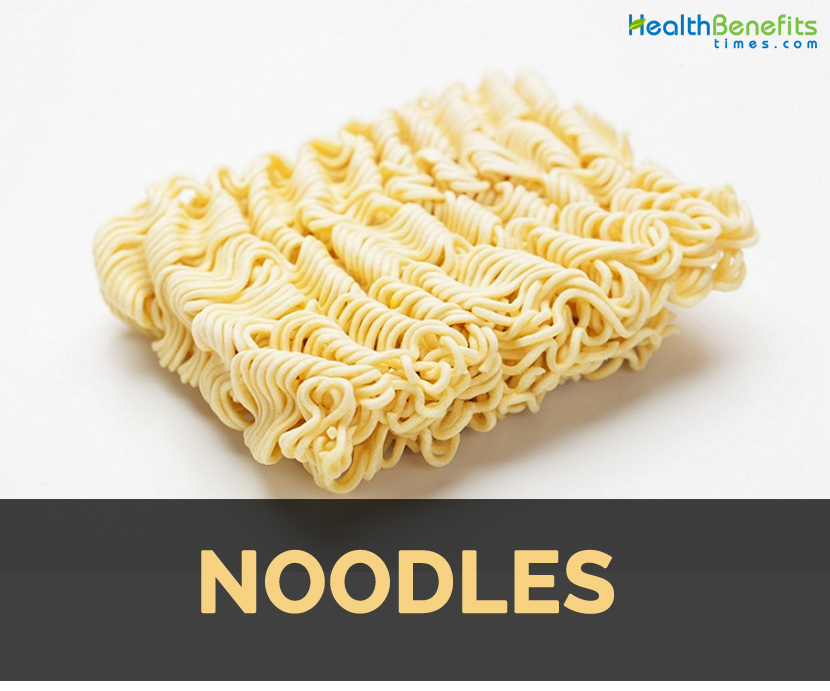
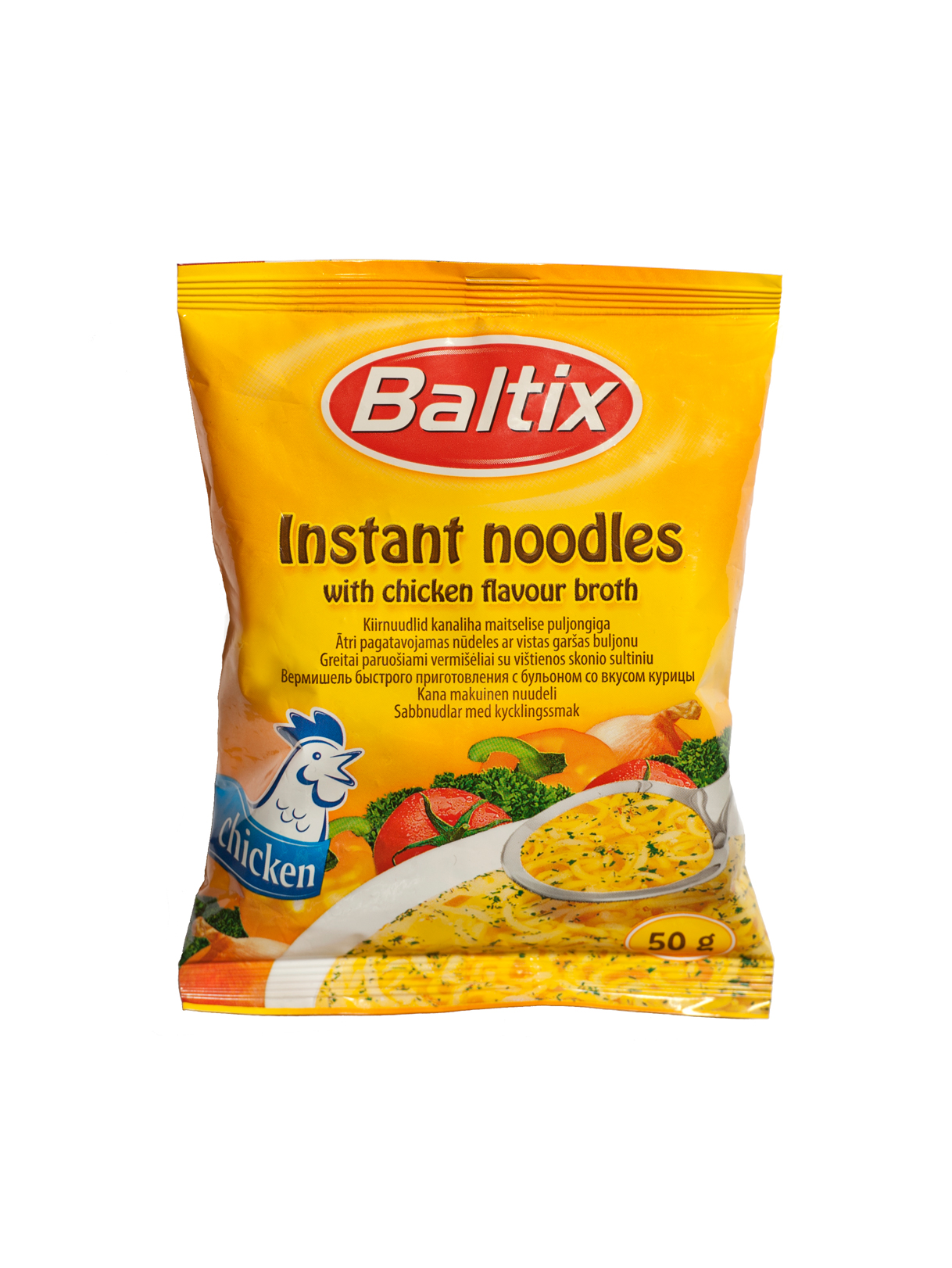
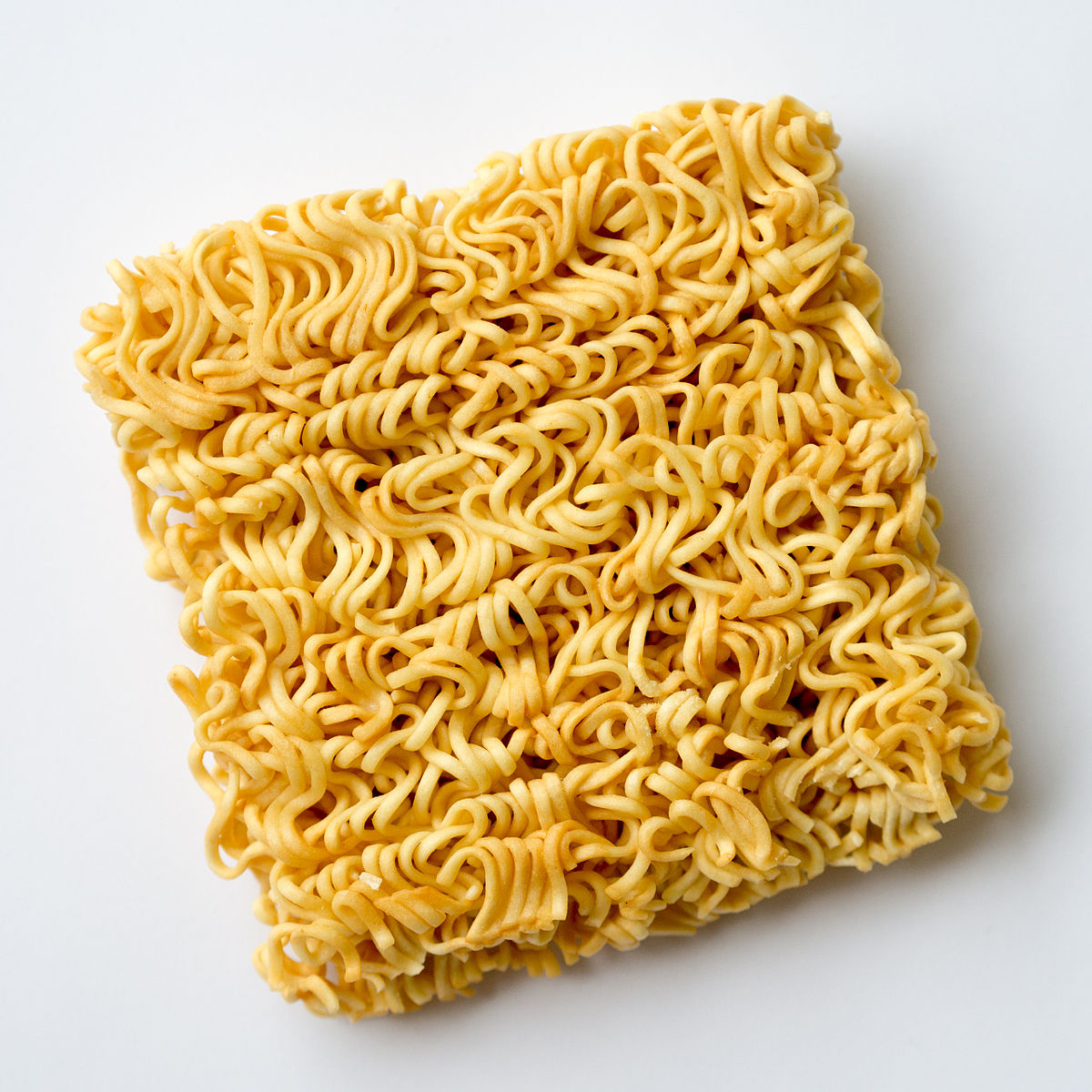
Noodles are staple foods in many Asian countries. Instant noodles are internationally well-known food and the consumption worldwide is on the top. Instant noodles have properties such as nutrition, taste, safety, convenience, reasonable price and longer shelf life makes it popular. Noodles are unleavened dough which is stretched, rolled fat or extruded and cut into one of variety of shapes. It is made from wheat flour, water, starch, salt or kansui and other ingredients which enhance the flavor and texture of noodled being cooked partially by steaming and cooked further or dehydrated by deep frying process. Instant noodles are precooked or dried noodles fused with oil and sold with a flavoring packet.
As early as 5000 BC, noodles came to China and spread to other Asian countries such as Japan, Korea, Thailand and Malaysia. Today it is one of the fastest growing sectors in world having compound annual growth rate 4%. China is the leading country in consumption of noodles followed by Indonesia, Vietnam and Japan worldwide.
Wheat flour noodles with range of materials promote fiber and protein. Nowadays, the manufacturers has responded to consumer demand for foods having high fiber content by producing foods with high fiber ingredients which impart some functional properties to foods such as increase oil holding capacity, water holding capacity, emulsification or gel formation. Generally consumers choose foods such as fruits, whole grains and vegetables as sources of dietary fiber. Hard wheat flour is the basic ingredient usually used for making instant noodles low in fiber and protein content with poor amount of lysine, an essential amino acid.
Noodles could be prepared from other flours such as buckwheat, rice, bambara groundnut and starches extracted from potato, pulses and sweet potato. Asian noodles symbolize major end use of wheat estimating more than 12% of total production of wheat for making these products. On the basis of processing methods, noodles are categorized as dried, fresh, steamed, boiled and instant types. The basic steps for all these noodles are similar which involves mixing of ingredients (such as water, salt, wheat flour), sheeting, resting and cutting. Noodles which are sold directly after processed in this way are called fresh noodles. Usually they are dusted with fine flour or starch immediately after cutting for preventing strands from sticking each other during transportation and handling.
Dried noodles are made from raw wet noodles which go through controlled drying process. Boiled noodles are precooked in boiling water. Steamed noodles are made by treating fresh noodles with steam. Instant noodles are steamed first, then dehydrated and finally deep fried.
Raw ingredients for instant noodles
The basic raw ingredients to make instant noodles are wheat flour, common salt (sodium chloride), water and alkaline salts (such as sodium and potassium carbonates). Other materials required are emulsifiers, enzymes, gums and starches.
History
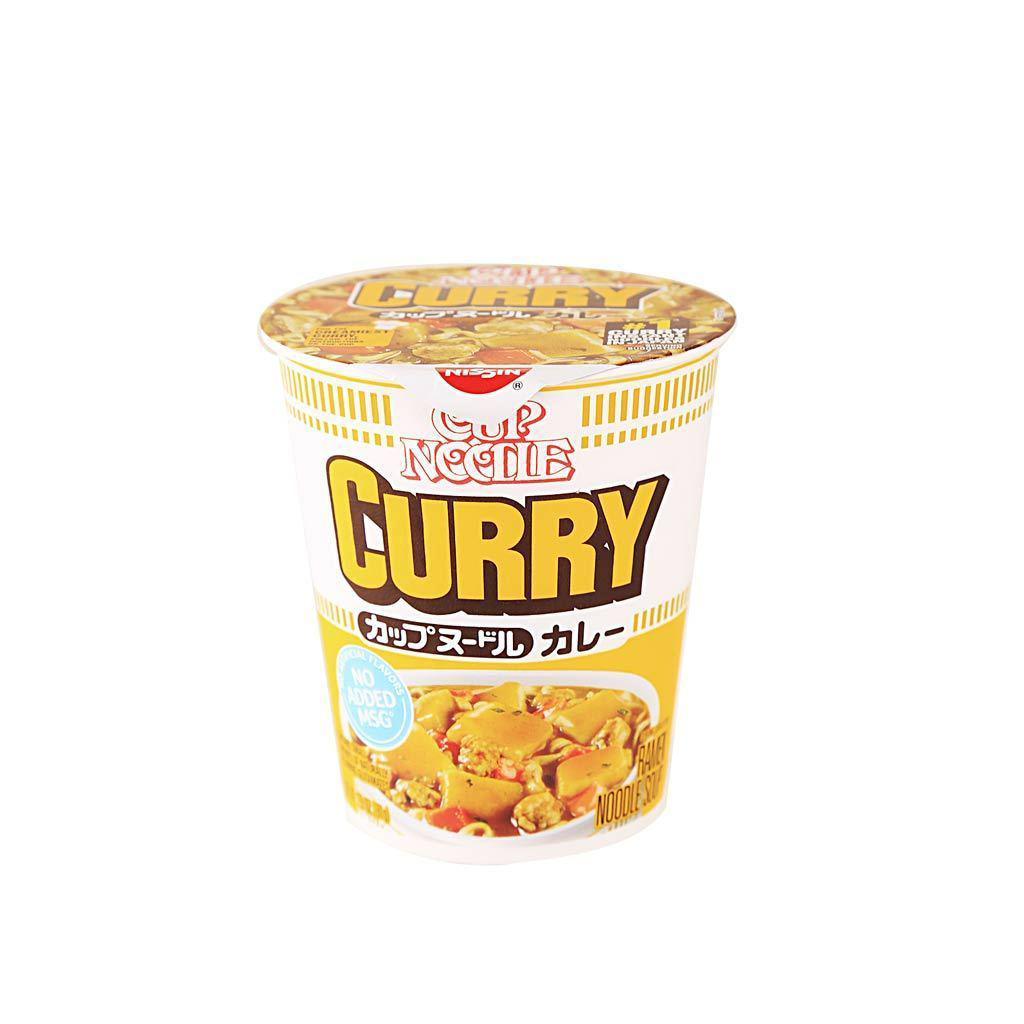
Asian noodles were originated in 5000 BC in China. Chicken Ramen TM was developed by Momofuku. Then in 1958, Nissin Foods of Japan produced first instant noodles on large scale. The revolution conveyed by means of his accomplishment in culinary culture. He developed manufacturing technique of flash frying noodles once it is made for developing instant noodle. This process dried noodles and provide longer shelf life. Each noodle block sold for 35 yen and become preflavored. Firstly, due to high price and novelty, Chicken Ramen was regarded as a luxury product. Eastern grocery stores sold fresh noodles for one sixth their rates. After it was sponsored by Mitsubishi Enterprise, instant noodles got enormous recognition. In 1971, Nissin cup noodles was formed which is a polystyrene cup with instant noodles and to cook the noodles, boiling water is brought for making complete instant soup dish. Moreover, innovation included dried vegetables to the cup.
Health Benefits of Noodles
Let us discuss on the health benefits offered by noodles:
- Nutrition content
Basically, instant noodles are made up of salt, wheat flour and water. The micro nutrients differ according to various brands of instant noodles. Withal, instant noodles have low calories, protein, fiber, mineral and vitamins.
- Essential nutrients
Some instant noodles provide essential nutrients to the body. The nutrients in instant noodles differ according to brands. Some brands include manganese and Vitamin B complex such as thiamine and riboflavin. Literally the study shows that more than 6000 instant noodle consumers showed 31% and 16% greater intake of thiamine and riboflavin respectively.
- Low carbs
Rice noodles offers 44 grams of carbs per cup. It has higher glycemic index which means body breaks it down into sugar quickly.
- Full for longer
One bowl of instant noodles keeps one full for longer time period as it takes time to get digested.
How to Eat
- Serve noodles accompanying sauce or soup.
- Noodles are also served in a salad.
- Bake the boiled or drained noodles with other ingredients and baked.
- Serve the noodles pain or with dipping sauce or oil added to table.
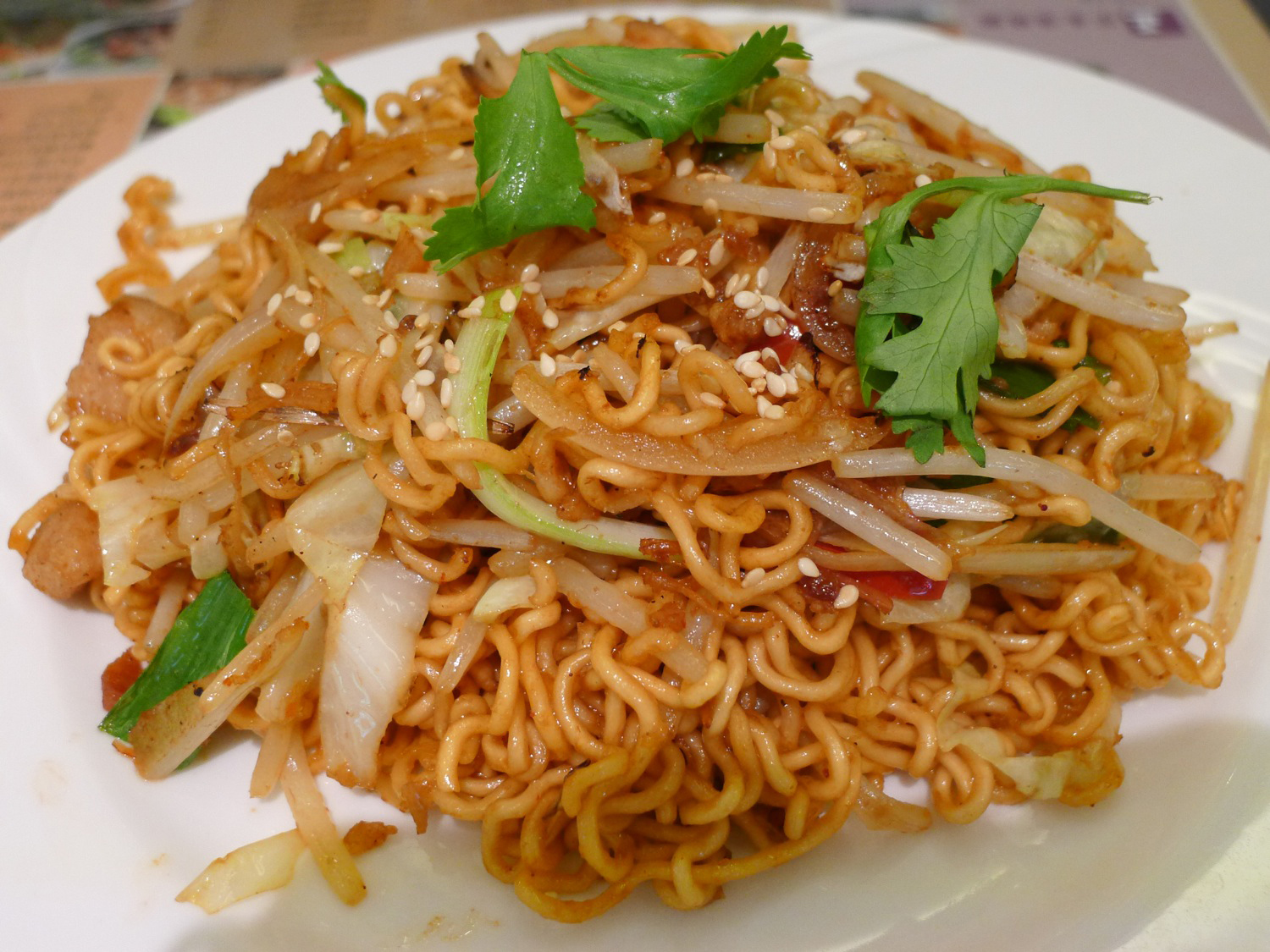
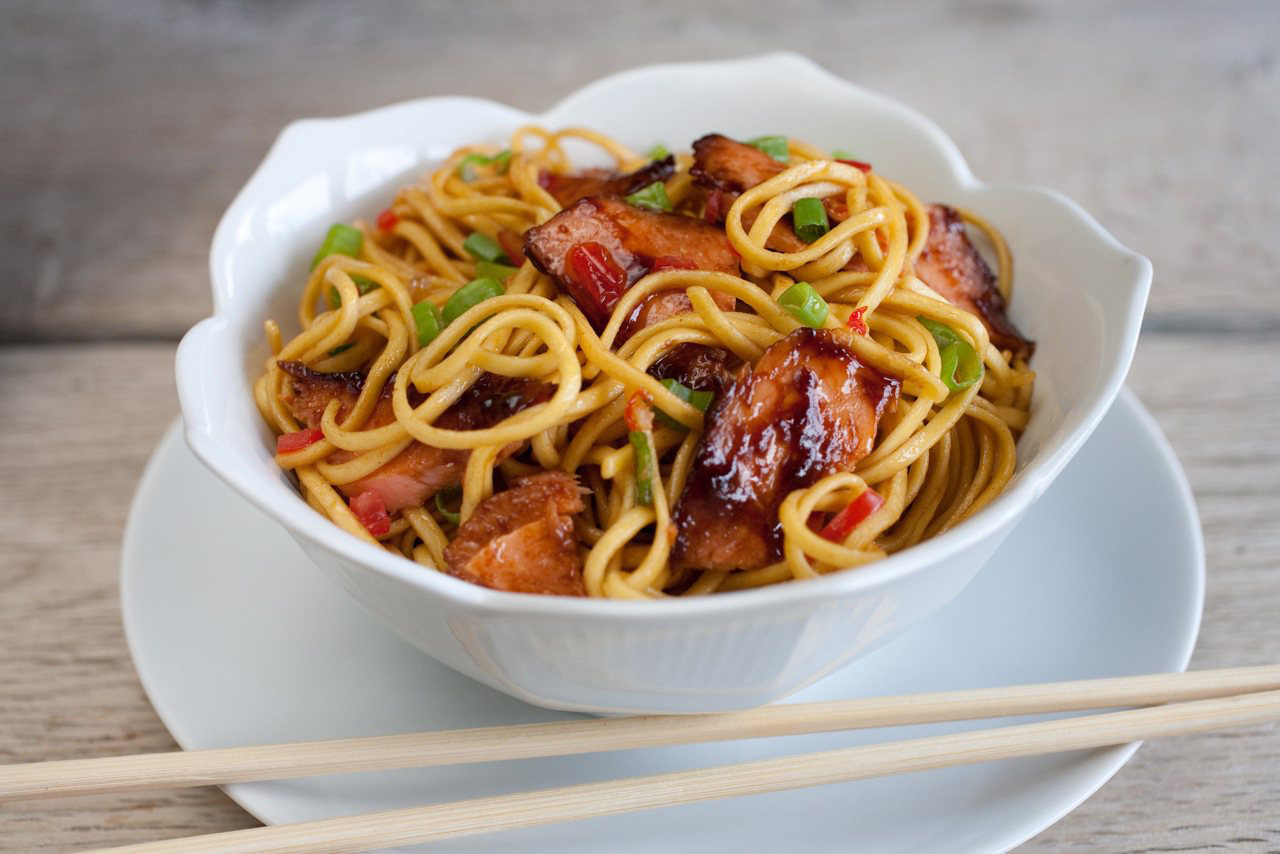
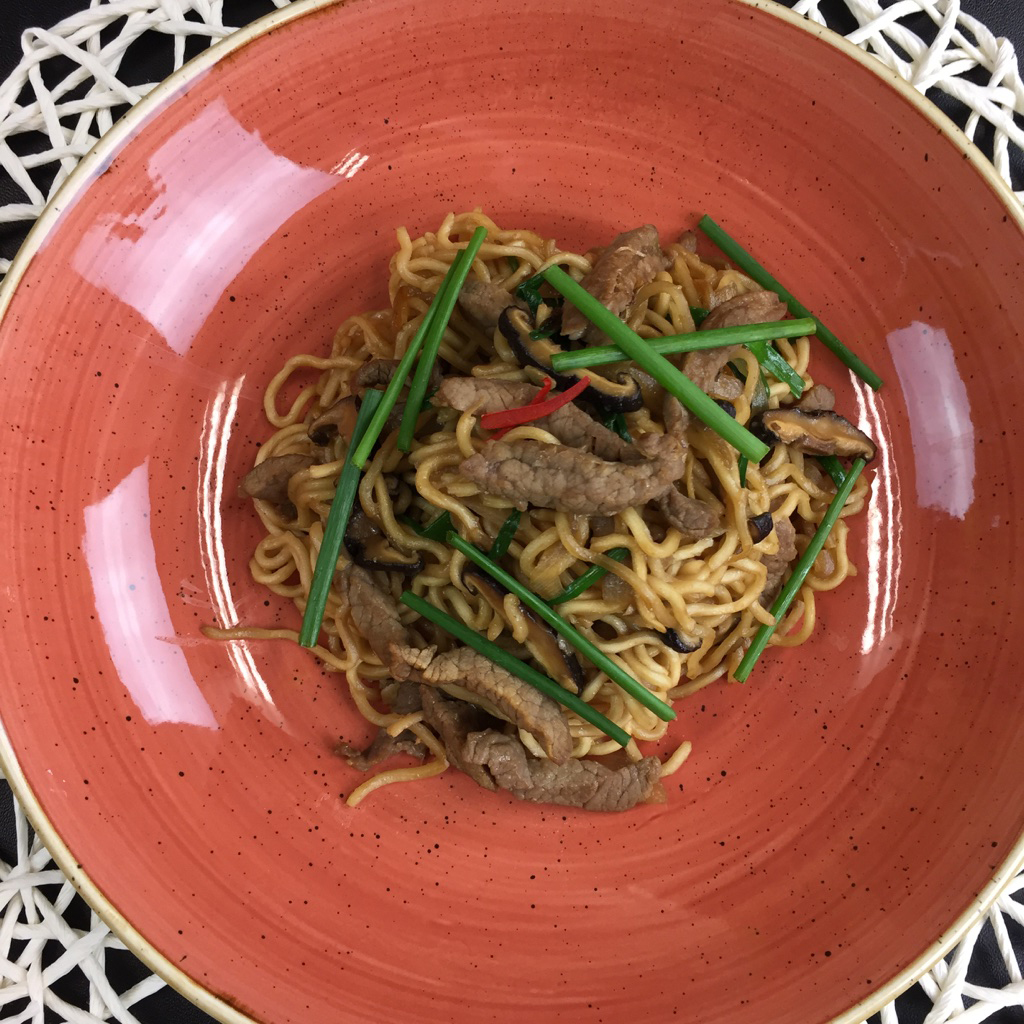
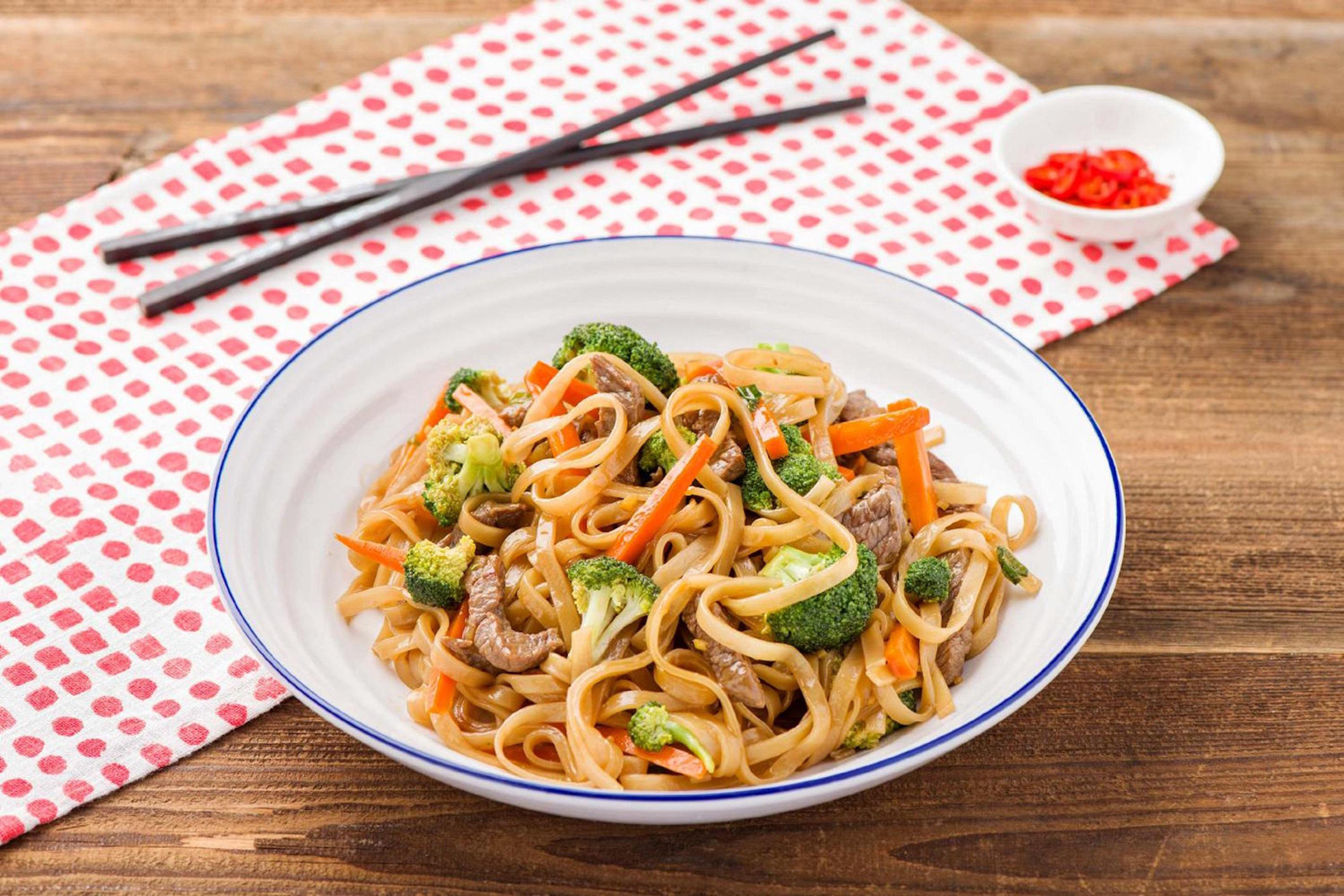
- Stir fry noodles with various seafood, meats, dairy products and vegetables.
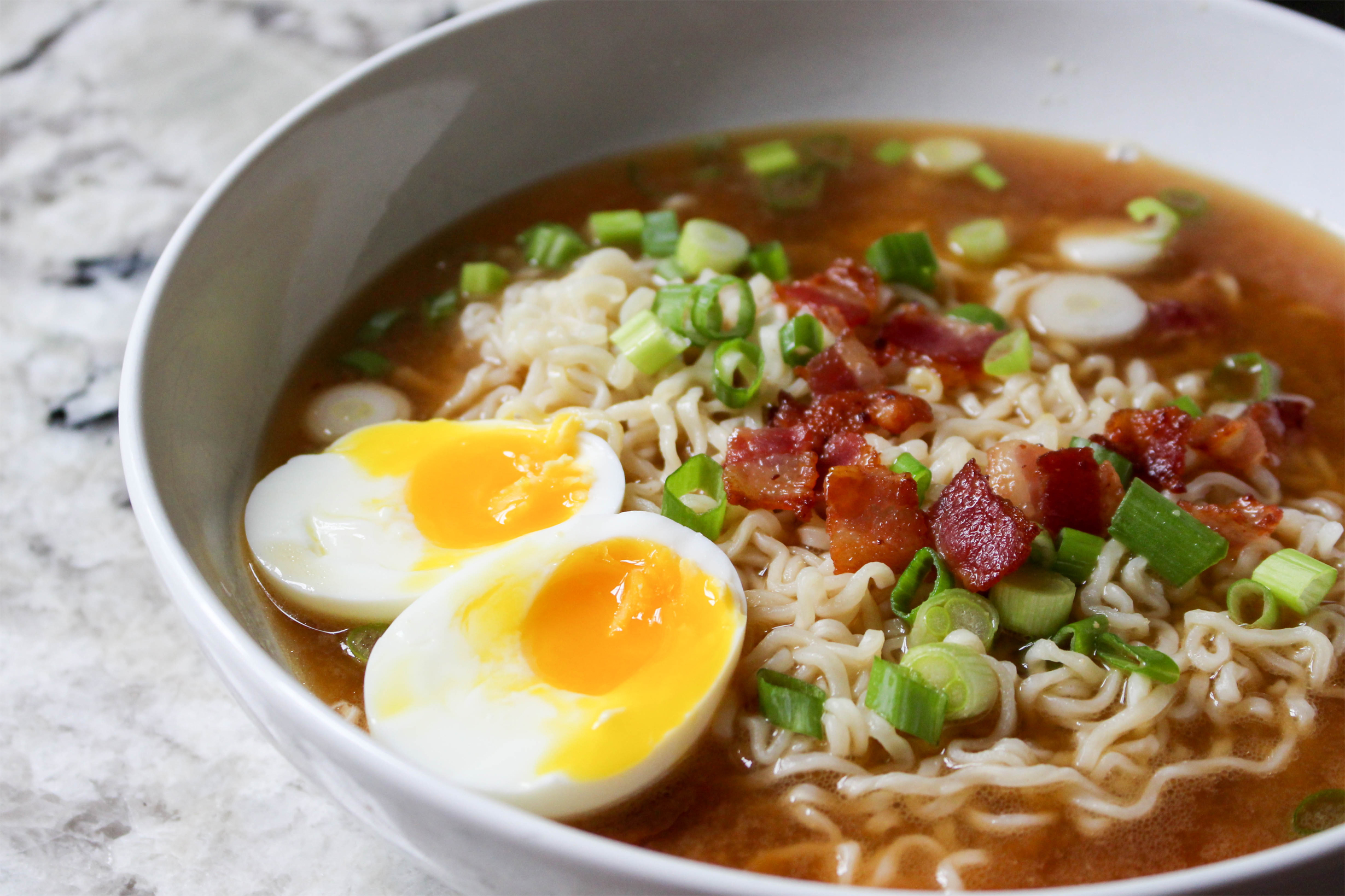
- Serve noodles in broth.
- In Far Eastern cuisine, noodles are used to accompany sauces, soups and stir fried dishes.
https://www.youtube.com/watch?v=BZIr3WKxJSY
Precautions
- Limit its intake as it is highly processed with low nutritive content, high on fat, sodium and calories, contain preservatives artificial colors, flavorings and additives.
- Women who consume instant noodles twice per week or more are prone to suffer from metabolic syndrome.
- Noodles are made of maida i.e. it is the refined, milled and bleached version of wheat flour. Being highly processed, it is very harmful for health.
- It is packed with trans-fat or saturated fatty acids along with flavor enhancer, sugar syrup, sugar, vegetable oil and other agents which are not good for health.
- Noodles have MSG (monosodium glutamate) which leads to increased blood pressure, weight gain, nausea and headaches.
- Instant noodles are considered to be a poor diet as it significantly lowers an intake of Vitamin C, A, D, phosphorus, calcium and iron.
- High content of sodium in noodles causes increase in blood pressure and promotes cardiovascular problems.
- Children with frequent consumption of noodles would not be able to absorb nutrients from other nutritious foods.
- Pregnant women should avoid its consumption because it may cause miscarriage affecting the development of foetus adversely.
- High content of fat and sodium causes water retention in the body leading to obesity.
- It has propylene glycol, an anti-freeze ingredient preventing noodle strands from drying by retaining moisture. The body absorbs it and accumulates in kidney, heart and liver damaging immune system.
- Consumption of instant noodles with a routine causes digestive problems such as diarrhea, abdominal pain, stomach, heart burning, heavy feeling and bloating.
- Its consumption is harmful for people experiencing kidney problems and high blood pressure.
- Instant noodles lowers metabolism of the body.
- Noodles contain wax which causes constipation and stomach problems.
- Cup noodles contain harmful substances that trigger cancer.
- It is not digested easily and could stick to intestine causing gas.
- Avoid noodles made with any types of flour.
References:
https://www.researchgate.net/publication/260375690_Instant_Noodles_Processing_Quality_and_Nutritional_Aspects
https://www.researchgate.net/publication/318217339_Instant_Noodles_Are_they_Really_Good_for_Health_A_Review
https://www.omicsonline.org/open-access/studies-on-preparation-and-quality-of-nutritious-noodles-by-incorporation-ofdefatted-rice-bran-and-soy-flour-2157-7110-1000629.pdf
https://ageconsearch.umn.edu/bitstream/209909/2/21403-76702-1-PB.pdf
https://en.wikipedia.org/wiki/Noodle
https://www.bbc.com/food/noodle
https://www.boldsky.com/health/wellness/2017/11-reasons-why-noodles-are-not-good-for-health/articlecontent-pf186006-119525.html
https://www.thealthbenefitsof.com/dangers-of-instant-noodles-for-health/
http://www.youmustgethealthy.com/2017/11/health-facts-about-instant-noodles.html
https://healthyeating.sfgate.com/health-benefits-rice-noodles-5639.html
Comments
comments