| Palmarosa Quick Facts |
| Name: |
Palmarosa |
| Scientific Name: |
Cymbopogon martini |
| Origin |
India and Indochina |
| Taste |
Bitter and pungent |
| Health benefits |
Improves Digestion, Reduces Fever, Treats Dehydration, Cures Bacterial Infections, Alleviate Urinary Tract Infections |
Palmarosa scientifically known as Cymbopogon martini is a type of tropical aromatic grass native to India and Indochina and is known for its rich supply of volatile oils. It is an aromatic plant belonging to grass family Gramineae (Poaceae) and Lemon grass Genus. The genus Cymbopogon contains many species of grass that yield aromatic essential oils that are used in scent, ‘herbal’ insecticides, medicine and for flavoring foods. In India, it is distributed in Kashmir, Almora, Garhwal, and Punjab, Rajasthan, Mumbai and Southern states. It is commonly known as Rohisa in India and used medicinally in Ayurveda since ancient times. Some of the popular common names of the plant are Geranium grass, Palmarosa oil, Rose grass, Rosha grass, Rusa grass, Turkish geranium oil, Ginger grass, Motia grass, Sofia grass, lemon grass, palmarosa and Roha grass. The name of genus, Cymbopogon is derived from Greek word kymbe = hallow boat like-vessel and pogon = beard.
Many plants belonging to this family are used for commercial and medicinal uses. They are high in essential oil content. The plant is cultivated for its oil which is fragrant and used in household requirement, including mosquito repellent and used to take its essential oil, which is useful in many of Ayurveda treatments. It is also used in perfumery, food flavoring and pharmaceutical industries.
Plant Description
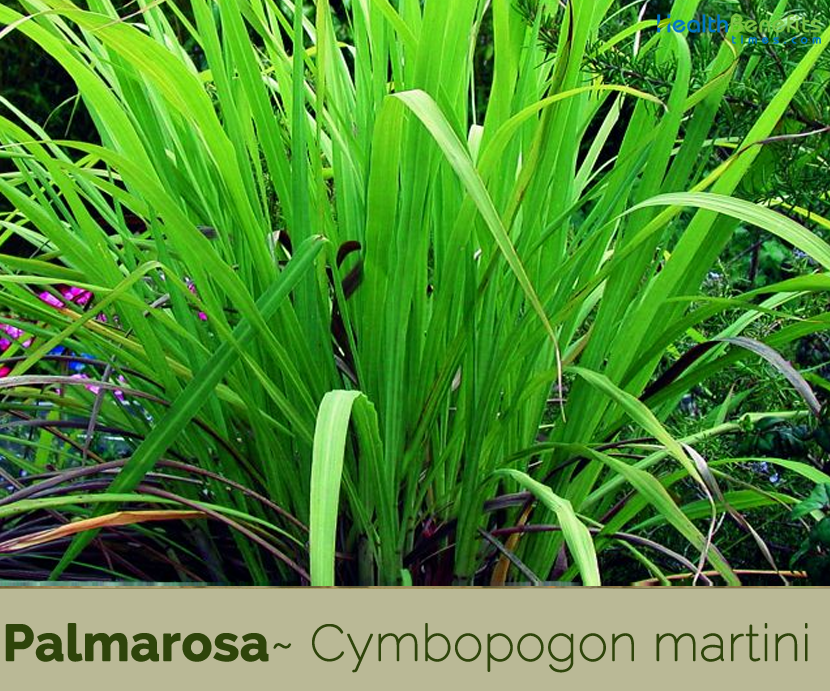
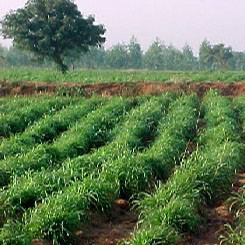
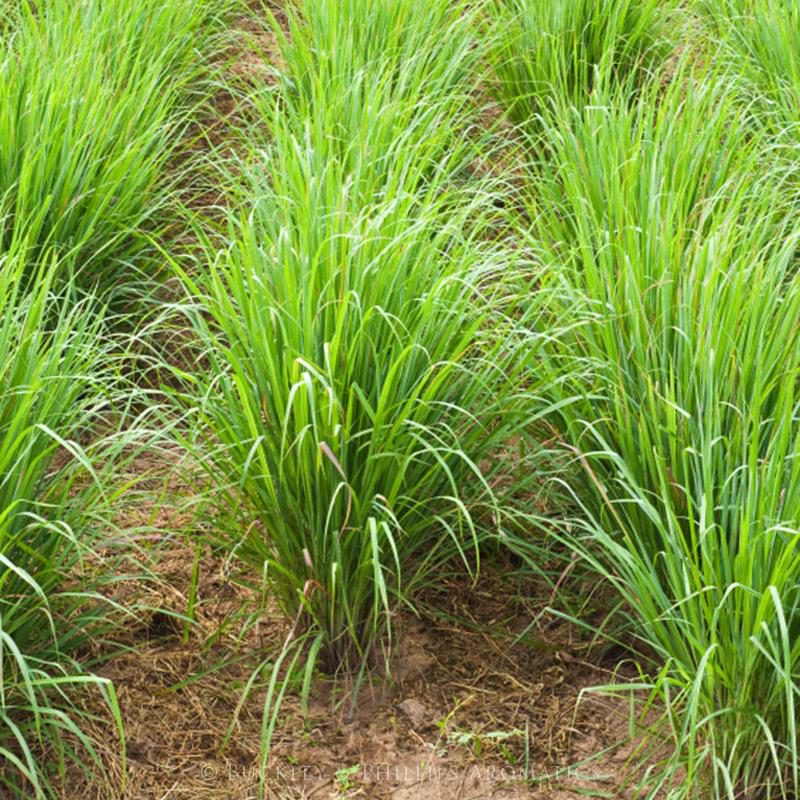
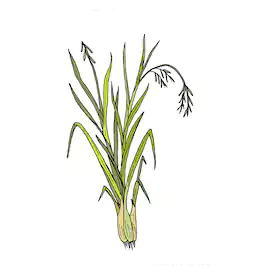
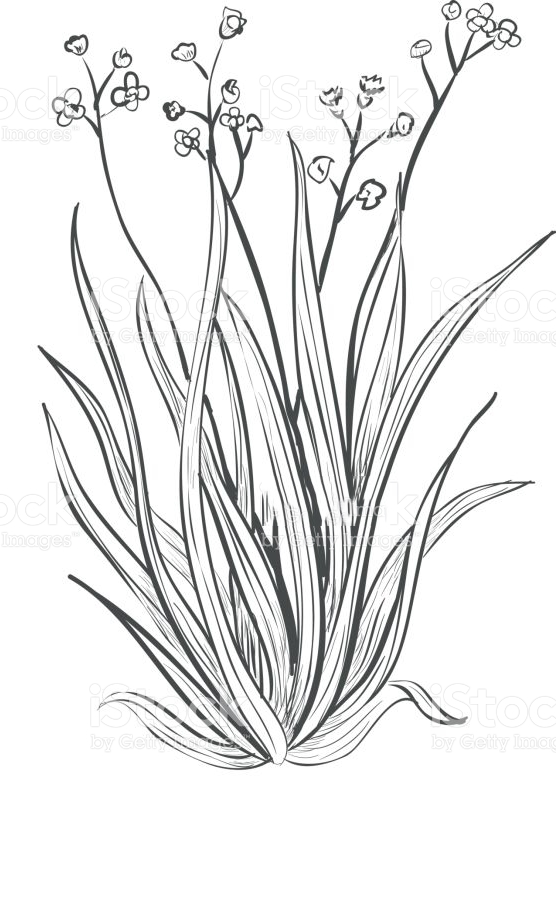
Palmarosa is a wild-growing or farmed, herbaceous green and straw-colored perennial grass that grows about 2.5 to 3.0 meters tall. The plant thrives well in tropical and humid climatic conditions. It can be grown in wide range of soils from poor sandy loam to heavy fertile soil. However it can thrive best in well drained loamy soil having good organic matter. Roots are usually short, stout and wood, fibrous. Many culms arise from root stumps. Stem is erect, terete, smooth shiny, up to 6 mm in diameter, internodes 5 to 16 cm long, solid.
Leaves & flower
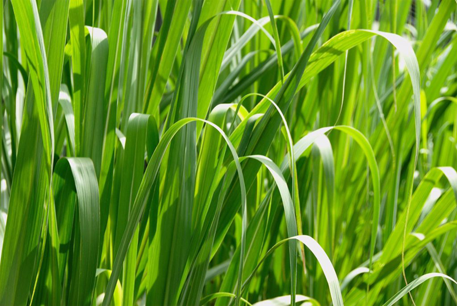
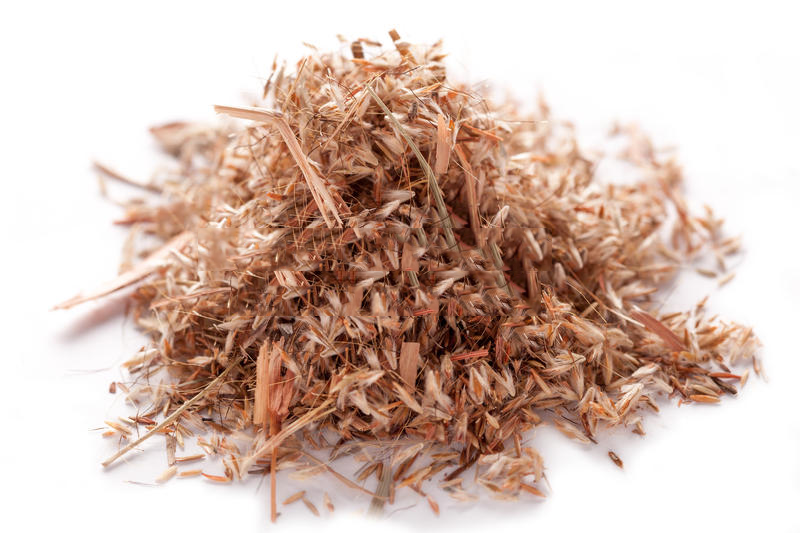
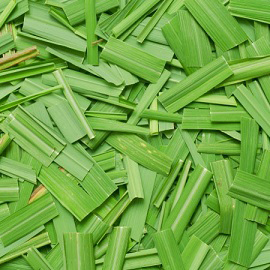
Blades are linear-lanceolate or lanceolate tapering to long filiform acuminate point. Cordate and amplexicaul at base. They are up to 50 cm long and 3.5 cm broad. Upper leaves are smaller. Leaf surface is glabrous, margin scabrid, midrib prominent and protruded on the lower surface. The leaves of this wild grass are aromatic. While the grass is generally harvested prior to the appearance of the flowers, the maximum yield is attained when the grass has dried completely – usually after a week of cutting them. Inflorescence compound composed of rames. Central inflorescence axis is 21–50 cm long. Rhachis is fragile at the nodes. Flowers are small yellowish colored.
History
Palmarosa is native to India, now grown elsewhere. “Palmarosa is wildly grown in wetlands in provinces of India, including Nepal. The Palmarosa oil is extracted from the stem of the grass by distillation of dried leaves. Once the stems and leaves have been distilled for two to three hours, to separate the oil from the Palmarosa, then the leftover distilled grass is turned into organic matter and becomes manure or is composted.”
Varieties of Cymbopogon Martinii (Palmarosa)
There are two varieties of Cymbopogon Martinii which are mentioned below
1. Cymbopogon martini Stapf. Var. Motia or Palmarosa
Cymbopogon martini Diploid (Var motia) is also known as Palmarosa or Motia and gives the essential oil with a floral rosy smell which is known as Palmarsa oil and East Indian Geranium oil. The geraniol content of oil is up to 95%. This variety grows in open forests and sunny slopes.
2. Cymbopogon martini Stapf. Var. Sofia
Cymbopogon martini Tetraploid (Var sofia) is Known as Gingergrass or Sofia. It gives essential oil, Gingergrass Oil, with turpentine-like aroma. The geraniol content of oil is up to 65%. It grows in clusters in shady, dense and moist areas in lower altitudes and valleys.
Health benefits of Palmarosa
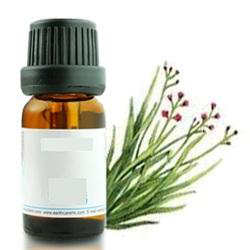
Palmarosa essential oil is extracted by steam distilled from the choicest palmarosa (Cymbopogon martinii var motia) grass cultivated in the finest soils of India. Palmarosa essential oil is a thin light brown liquid and has a sharp, floral note with a hint of rose. Listed below are few of the health benefits of Palmarosa
1. Improves Digestion
Palmarosa essential oil is quite beneficial for digestion. It encourages the secretion of digestive juices into the stomach, thus promoting digestion. It also aids in the absorption of the nutrients from food, making your digestive process more efficient.
2. Reduces Fever
The essential oil of palmarosa is capable of reducing fever by virtue of its antiviral, antibacterial, and antiseptic properties. Thus, whether the fever is due to either viral or bacterial infection, this oil helps cool it down and soothe your system.
3. Treats Dehydration
It is one of the soothing properties of palmarosa essential oil. It helps your body retain the moisture in the tissues and maintains the moisture balance throughout the body. Thus, this can relieve inflammation and certain other symptoms of dehydration and is predominantly good for the skin. It keeps the skin soft, moist, and looking young.
4. Cures Bacterial Infections
The essential oil of palmarosa is bactericidal in nature and prevents bacterial growth by killing them. It is also good at curing internal bacterial infections like colitis and those of the colon, stomach, urinary bladder, prostate, urethra, urinary tracts, and kidneys. It also avoids external bacterial infections on the skin, armpits, head, eyebrows, eyelids, and ears.
5. Alleviate Urinary Tract Infections
Massage a palmarosa essential oil/carrier oil blend into the lower abdomen straight over the bladder and on the lower back from the waistline down to treat urinary tract infections. Apply it at night before bed and again in the morning and be sure to drink plenty of water. A warm bath with 5 to 6 drops of palmarosa bath oil can also be helpful when treating UTI’s.
https://www.youtube.com/watch?v=EkXsjx_Nfsw
Traditional uses and benefits of Palmarosa
- Decoction from the plant is given in a dose of 50-60 ml to treat intestinal worms and diarrhea.
- Paste of the leaf and stem of palmarosa is applied over the area affected with scabies, discoloration of the skin.
- Oil extracted from palmarosa is used mixed with hot water and used for hot steam inhalation in condition of asthma and common cold.
- Plant is boiled in cow milk and given in a dose of 450 ml to improve breast milk in lactating mothers.
- Decoction of palmarosa is given in a dose of 50-60 ml as blood purifier and to improve the strength of cardiac mucsles.
- Paste of the plant is applied over the joints affected with pain and inflammation as part of treatment.
- Cold infusion of palmarosa is given in a dose of 50 ml to treat fever and anorexia.
- Palma Rosa essential oil also has several medicinal uses and is particularly effective in skin care, as it possesses moisturizing properties.
- Use of Palma Rosa oil encourages cell regeneration and also controls the production of sebum, thereby bestowing the oil with age-defying attributes.
- Palma Rosa oil is beneficial for the digestive system and was incorporated into Indian curry dishes as well as the meat dishes of West Africa with a view to eliminate bacteria as well as help in digestion.
- Palma Rosa essential oil is popular among Aromatherapist owing to its skin conditioning attributes as well as its soothing and flower-like aroma.
- It possesses the ability to reduce fever, as it is anti-bacterial, anti-viral as well as anti-septic.
- It is also useful in providing relief from tender and stiff muscles.
- Oil can be mixed in almond oil and applied topically to minimize appearance of stretch marks and scars.
Other Facts
- Palmarosa oil, which has a scent similar to roses, is widely used as an ingredient in perfumes, soaps and cosmetics.
- Palmarosa oil has been shown to be an effective insect repellent when applied to stored grain and beans, an anti-helmintic against nematodes, and an antifungal and mosquito repellent.
- Fine perfumes, candles, and herbal pillows with the pleasing smell of rose are often in fact scented with Palmarosa.
- It is also used to flavor tobacco.
References:
https://www.itis.gov/servlet/SingleRpt/SingleRpt?search_topic=TSN&search_value=782978#null
https://davesgarden.com/guides/pf/go/84642/
https://npgsweb.ars-grin.gov/gringlobal/taxonomydetail.aspx?id=12809
https://plants.usda.gov/core/profile?symbol=CYMA15
http://www.theplantlist.org/tpl/record/kew-406214
https://en.wikipedia.org/wiki/Cymbopogon_martinii
Comments
comments