Health Benefits
    Facebook Twitter Instagram
    Friday, December 5
    Facebook Twitter Pinterest
    Health Benefits
    • Home
    • Dental Health
    • Mental Health
    • Weight Loss
    • Health Wiki
    • Nutrition
    • Healthy Recipe
    • BMI Calculator
    Health Benefits
    Home»Foods»Health benefits and nutrition of rye bread
    Foods

    Health benefits and nutrition of rye bread

    By s mApril 26, 2019Updated:April 26, 2019No Comments6 Mins Read
    Facebook Twitter Pinterest LinkedIn Tumblr Email

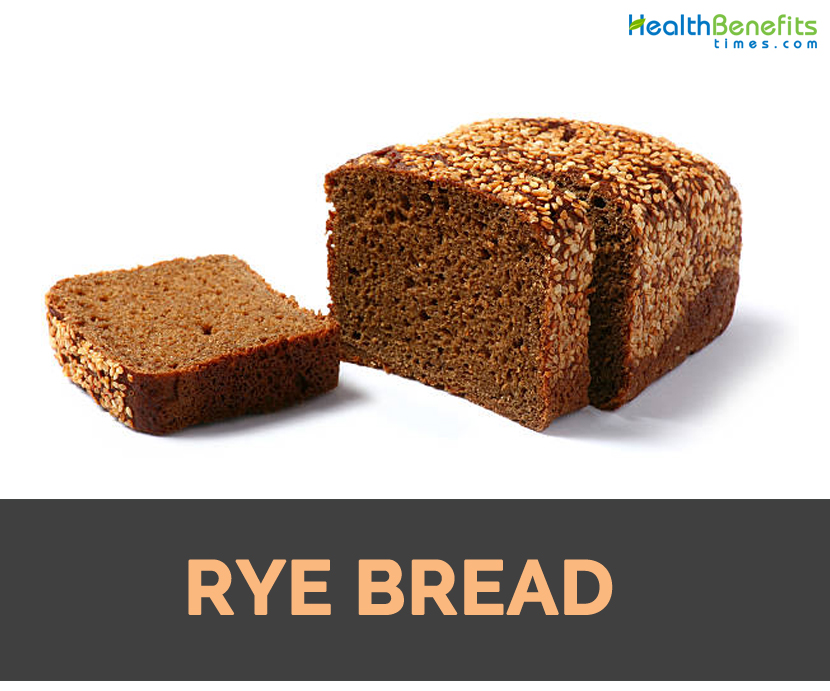
    Rye bread is a bread type prepared with assorted proportions of flour obtained from rye grain. It is light or dark in color that depends on the flour type and also use of coloring agents. Customarily it is denser than bread prepared with wheat flour. It has high content of fiber when compared with white bread and is often dark in color and possess stronger flavor.

    Rye bread in dark is considered to be predominant food through middle Ages. Various types of rye grain has come from North-central, Eastern Europe such as Finland, Scandinavia, Russia, Poland, Baltic countries, Belgium, Netherlands, France, Germany, Czech Republic and Austria. In 500 AD, Danes and Saxons settled in Britain.

    Around 500 AD, the Saxons and Danes settled in Britain and introduced rye, which was well suited to its temperate climates. Rye is a predominant cereal crops and this grass type is cultivated extensively throughout the world. Scientifically, it is known as Secale cereal. It resembles barley and wheat agriculturally so it has similar applications. In these present days, majority of rye is cultivated in Eastern Europe into Central and Northern Russia but also found in China, North America and South America. It belongs to the top five most consumed cereals in the planet.

    Health Benefits of Rye Bread

    Rye bread is beloved by health conscious people and switching to rye from wheat bread provides wide range of benefits:

    1. Rich fiber

    Foods rich in fiber assist digestion and cholesterol. Rye bread has high content of fiber and twice than wheat based breads. Additional fiber found in rye bread supports digestion and makes feel full for longer time period after meal. The composition and density of dietary fiber in rye is effective for treating the people with constipation or blockage of bowel. It could lower excess gas, cramping and ease stomach pain and also prevents serious health conditions such as gallstones, ulcers and colon cancer.

    1. Promote satiety

    Adding rye bread to the diet makes one feel less hungry and also controls appetite by keeping one satisfied for hours. The study shows that people with same caloric intake from breakfast with addition to rye porridge as a substitute to wheat or other grain experienced satisfied feeling for eight hours without intake of more food.

    1. Reduce gluten intake

    People with gluten cut down should add rye bread as a perfect substitute to bagel. It has low level of gluten than white breads. It is effective for people having slight sensitivity.

    1. Ample nutrients

    Rye is an excellent source of magnesium and iron. It offers more than wheat and also offers zinc as a bonus. The body deficient in these vital nutrients affects both mood and energy levels. Rye bread has twice more potassium than white bread which is crucial to regulate blood pressure. A slice of bread contains more than just carbohydrates. It contains magnesium, calcium, zinc, manganese, iron and pantothenic acid.

    1. Combat asthma

    Recent study has shown that the children diet has a crucial role in the development of asthma. Rye bread is known to be effective to counteract health conditions such as asthma. It showed that children with rye on diet have low chances of developing childhood asthma.

    1. Gallstone prevention

    Foods rich in fiber assist in preventing gallstones. Rye is perfect for maintaining a healthy body. The fiber content on rye is four times more than rye bread. People who are prone to gallstones should add rye bread to the diet which assists in preventing this health problem. It has certain elements that help to lower the bile acids which are the cause for gallstones.

    1. Boost metabolism

    Rye bread helps to boost metabolic rate. Fiber found in it has certain properties that assist body to use all the extra energy that could be converted to fat. This also assists in shedding extra weight.

    1. Combat diabetes

    Rye has low glycemic index referring fiber in it forms less amount of glucose. It helps to avoid insulin spines in diabetic people. It balances the level of blood sugar avoiding chronic ailments. Rye helps to maintain digestive health. Fiber found in it is known as prebiotic which provides relief from constipation. It comforts stomach cramps and pains. It also favors in treating ulcers.

    1. Heart health

    Rye bread helps to prevent heart problems as well. Fiber reduces the level of cholesterol. It has been discovered that genes could be controlled with right diet. People with any heart related conditions should add rye bread to the diet.

    1. Lowers inflammation

    Research shows that inflammation is the major cause for many diseases. Adding nutritional elements such as rye in the diet could lower inflammation in the body. Add rye to the diet to maintain overall health. Inflammation promotes the chances of type 2 diabetes.

    1. Skeletal health

    Rye has ample amounts of calcium and magnesium. Bones are the storehouse of calcium. It stores 99 percent of the calcium in the body and releases it to bloodstream when required. The good content of calcium, manganese and magnesium helps in formation of stronger bones and teeth.

    1. Maintain blood pressure

    Rye is known as heart friendly grain. People experiencing high blood pressure should add it to a regular diet. The number of variables such as vitamin, fiber and mineral content has positive effects in the body.

    Making of Rye Bread

    Ingredients:

    • 200 g wholemeal flour
    • 200 g rye flour (plus extra)
    • 7 g sachet fast-action dried yeast
    • 1 tbsp honey
    • ½ tsp fine salt
    • 1 tsp caraway seed (optional)

    Directions:

    1. Place the salt, flours and yeast to a bowl. In a jug, combine honey in addition to 250 ml of warm water. Pour this liquid into a bowl and mix it well to prepare dough. (Rye flour absorbs lots of water and is quite dry). Keep on adding water till one form soft dough. Put it in a work surface and knead for about 10 minutes till smooth. (Rye has less gluten in comparison to white flour).
    2. Transfer the dough to a well-oiled bowl. Cover it with cling film and let it rise in a warm place for about 1 to 2 hours or till the dough becomes double in size. Sprinkle 900 g loaf tin with flour.
    3. Put the dough again to the work surface and knead to knock out any air bubbles. Shape it to a smooth oval loaf and pop it to a tin. With the use of oiled cling film, cover the tin and leave it to rise for further 1 to 1.5 hours.
    4. Heat oven to 220C/200C fan/gas. Discard the cling film and dust the surface of loaf with rye flour. Cut a few incisions on angle. Then bake for about 30 minutes till it obtains dark brown color and hollow sounding when tapped. Transfer it to a wire cooling rack and let it cool for at least 20 minutes before serving.

    Side effects of rye bread

    • People with gluten sensitivity should avoid this grain.
    • Adequate information is not available on safety of using rye bread during pregnancy and breastfeeding so it is better to avoid.


    References:

    https://www.bbcgoodfood.com/recipes/2998681/rye-bread

    https://www.stylecraze.com/articles/amazing-benefits-of-rye-for-skin-hair-and-health/#gref

    https://www.tarladalal.com/glossary-rye-1463i

    https://www.expatwoman.com/ewfood/healthy-eating/5-health-benefits-switching-rye-bread

    https://www.naturalfoodseries.com/11-health-benefits-rye/

    https://www.organicfacts.net/health-benefits/cereal/rye.html

    https://draxe.com/rye-flour/

    82%
    82%
    Awesome

    Comments

    comments

    Foods R
    Share. Facebook Twitter Pinterest LinkedIn Tumblr Email
    Previous ArticleHealth benefits of Perilla
    Next Article French Toast benefits and nutrition

    Related Posts

    Facts about Red Balan (Guijo)

    February 14, 2024

    Facts about Red Chokeberry

    February 4, 2024

    Health benefits of Roundleaf alumroot

    September 12, 2023

    Comments are closed.


    n

    Rye bread Quick Facts
    Name: Rye bread
    Scientific Name: Secale cereal
    Origin Europe, North America, Israel
    Colors Dark brown
    Shapes Loaf
    Taste Rye, a touch of sour
    Calories 83 Kcal./cup
    Major nutrients Selenium (18.00%)
    Sodium (12.87%)
    Carbohydrate (11.89%)
    Vitamin B1 (11.58%)
    Manganese (11.48%)
    Name Rye bread
    Type Bread
    Region or state Europe, North America, Israel
    Main ingredients Rye flour
    Color Dark brown
    Flavor Deep, dense, earthy
    Taste Rye, a touch of sour
    Major Nutritions Selenium, Se 9.9 µg (18.00%)
    Sodium, Na 193 mg (12.87%)
    Carbohydrate 15.46 g (11.89%)
    Vitamin B1 (Thiamin) 0.139 mg (11.58%)
    Manganese, Mn 0.264 mg (11.48%)
    Iron, Fe 0.91 mg (11.38%)
    Vitamin B9 (Folate) 35 µg (8.75%)
    Vitamin B2 (Riboflavin) 0.107 mg (8.23%)
    Vitamin B3 (Niacin) 1.218 mg (7.61%)
    Tryptophan 0.031 g (7.05%)
    Calories in 1 slice, regular (32 g) 83 Kcal.
    Nutritional value of Bread, rye
    Serving Size:1 slice, regular, 32 g

    Calories 83 Kcal. Calories from Fat 9.54 Kcal.


    Proximity Amount % DV
    Water 11.94 g N/D
    Energy 83 Kcal N/D
    Energy 347 kJ N/D
    Protein 2.72 g 5.44%
    Total Fat (lipid) 1.06 g 3.03%
    Ash 0.8 g N/D
    Carbohydrate 15.46 g 11.89%
    Total dietary Fiber 1.9 g 5.00%
    Total Sugars 1.23 g N/D

     
    Minerals Amount % DV
    Calcium, Ca 23 mg 2.30%
    Iron, Fe 0.91 mg 11.38%
    Magnesium, Mg 13 mg 3.10%
    Phosphorus, P 40 mg 5.71%
    Potassium, K 53 mg 1.13%
    Sodium, Na 193 mg 12.87%
    Zinc, Zn 0.36 mg 3.27%
    Copper, Cu 0.06 mg 6.67%
    Manganese, Mn 0.264 mg 11.48%
    Selenium, Se 9.9 µg 18.00%
    Fluoride 16.3 µg 0.41%


    Vitamins Amount % DV
    Water soluble Vitamins
    Vitamin B1 (Thiamin) 0.139 mg 11.58%
    Vitamin B2 (Riboflavin) 0.107 mg 8.23%
    Vitamin B3 (Niacin) 1.218 mg 7.61%
    Vitamin B5 (Pantothenic acid) 0.141 mg 2.82%
    Vitamin B6 (Pyridoxine) 0.024 mg 1.85%
    Vitamin B9 (Folate) 35 µg 8.75%
    Folic Acid 19 µg N/D
    Folate, food 16 µg N/D
    Folate, DEF 48 µg N/D
    Choline 4.7 mg 0.85%
    Vitamin C (Ascorbic acid) 0.1 mg 0.11%
    Fat soluble Vitamins
    Vitamin A, IU 2 IU N/D
    Beta Carotene 1 µg N/D
    Lutein + zeaxanthin 17 µg N/D
    Vitamin E (alpha-tocopherol) 0.11 mg 0.73%
    Vitamin K (phylloquinone) 0.4 µg 0.33%

     
    Lipids Amount % DV
    Fatty acids, total saturated 0.2 g N/D
    Myristic acid  14:00(Tetradecanoic acid) 0.004 g N/D
    Palmitic acid 16:00 (Hexadecanoic acid) 0.123 g N/D
    Stearic acid 18:00 (Octadecanoic acid) 0.074 g N/D
    Fatty acids, total monounsaturated 0.42 g N/D
    Palmitoleic acid 16:1 (hexadecenoic acid) 0.004 g N/D
    Oleic acid 18:1 (octadecenoic acid) 0.415 g N/D
    Gadoleic acid 20:1 (eicosenoic acid) 0.001 g N/D
    Fatty acids, total polyunsaturated 0.256 g N/D
    Linoleic acid 18:2 (octadecadienoic acid) 0.236 g N/D
    Linolenic acid 18:3 (Octadecatrienoic acid) 0.019 g N/D

     
    Amino acids Amount % DV
    Tryptophan 0.031 g 7.05%
    Threonine 0.082 g 4.66%
    Isoleucine 0.102 g 6.10%
    Leucine 0.185 g 5.01%
    Lysine 0.075 g 2.24%
    Methionine 0.044 g N/D
    Cystine 0.055 g N/D
    Phenylalanine 0.132 g N/D
    Tyrosine 0.068 g N/D
    Valine 0.121 g 5.73%
    Arginine 0.104 g N/D
    Histidine 0.058 g 4.71%
    Alanine 0.096 g N/D
    Aspartic acid 0.141 g N/D
    Glutamic acid 0.833 g N/D
    Glycine 0.097 g N/D
    Proline 0.291 g N/D
    Serine 0.133 g N/D

    *Above mentioned Percent Daily Values (%DVs) are based on 2,000 calorie diet intake. Daily values (DVs) may be different depending upon your daily calorie needs. Mentioned values are recommended by a U.S. Department of Agriculture. They are not healthbenefitstimes.com recommendations. Calculations are based on average age of 19 to 50 years and weighs 194 lbs.
     

    Source:
    https://ndb.nal.usda.gov/

    Categories
    • Beverages (78)
    • Dairy (28)
    • Dental Health (15)
    • Equipment (5)
    • Essential OIls (196)
    • Facts (2,939)
    • Foods (255)
    • Fruits (516)
    • Giveaway (1)
    • Grains and Cereals (36)
    • Health & Beauty (763)
    • Herbs and Spices (1,249)
    • Medicines (9)
    • Mental Health (19)
    • Nutritional value (27)
    • Nuts and seeds (73)
    • Oils (81)
    • Pets (4)
    • Poultry & Seafoods (67)
    • Pulses and Beans (16)
    • Reviews (25)
    • supplement (2)
    • Vegetables (304)
    • Weight Loss (22)

    What is Lupin Bean Flour?

    Science Backed Health Benefits of Durian (Durio zibethinus)

    Science Backed Health Benefits of Feijoa (Pineapple Guava) (Acca sellowiana)

    Science Backed Health Benefits of Gac Fruit (Momordica cochinchinensis)

    Science Backed Health Benefits of Amaranth Leaves (Amaranthus spp)

    Science Backed Health Benefits of Arrowhead (Sagittaria sagittifolia)

    ABOUT
    Home
    About us
    Contact us
    Privacy Policy
    Terms & conditions
    Disclaimer
    Direct Communication
    e-mail: [email protected]
    Gmail: [email protected]
    Whatsapp: +977-9841146511
    Viber: +977-9841146511
    Useful
    Health Wiki
    Nutrition
    Facebook Twitter Pinterest
    © 2025 www.healthbenefitstimes.com All rights reserved.

    Type above and press Enter to search. Press Esc to cancel.

    ×

    Log In

    Forgot Password?

    Not registered yet? Create an Account