Health Benefits
    Facebook Twitter Instagram
    Tuesday, March 24
    Facebook Twitter Pinterest
    Health Benefits
    • Home
    • Dental Health
    • Mental Health
    • Weight Loss
    • Health Wiki
    • Nutrition
    • Healthy Recipe
    • BMI Calculator
    Health Benefits
    Home»Foods»Soybean sprouts Recipe and Nutrition
    Foods

    Soybean sprouts Recipe and Nutrition

    By s mJuly 5, 2018Updated:July 5, 2018No Comments4 Mins Read
    Facebook Twitter Pinterest LinkedIn Tumblr Email

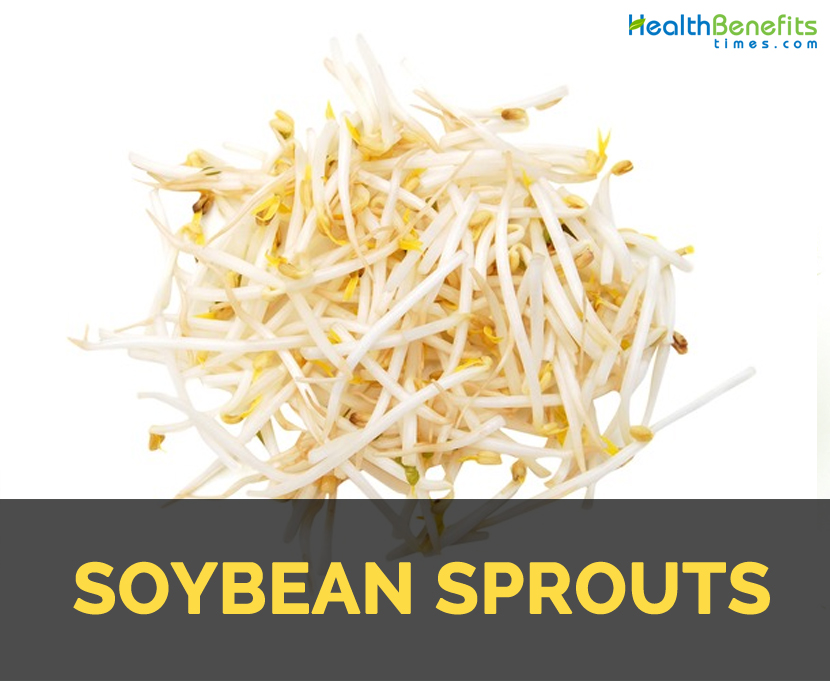
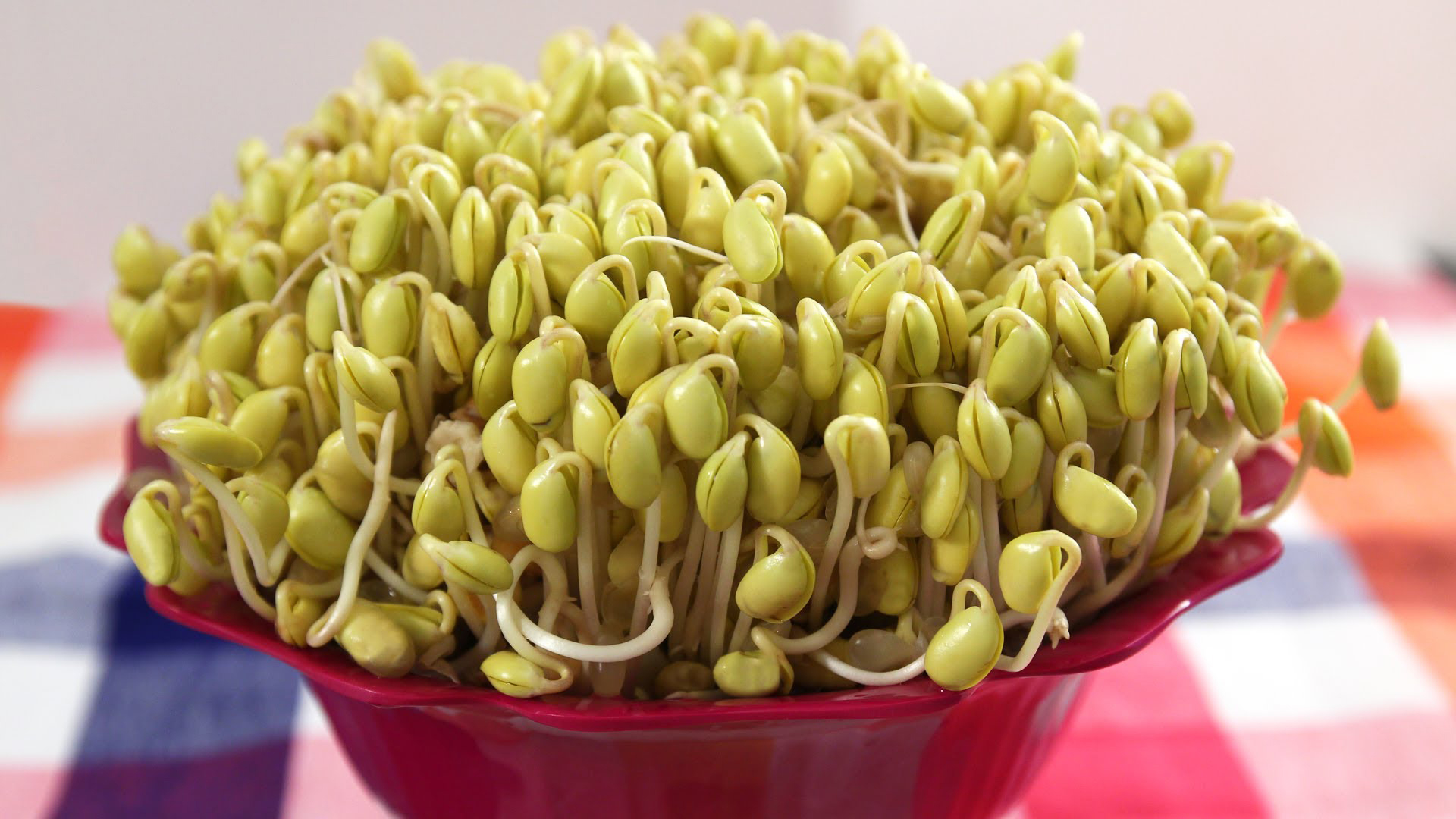
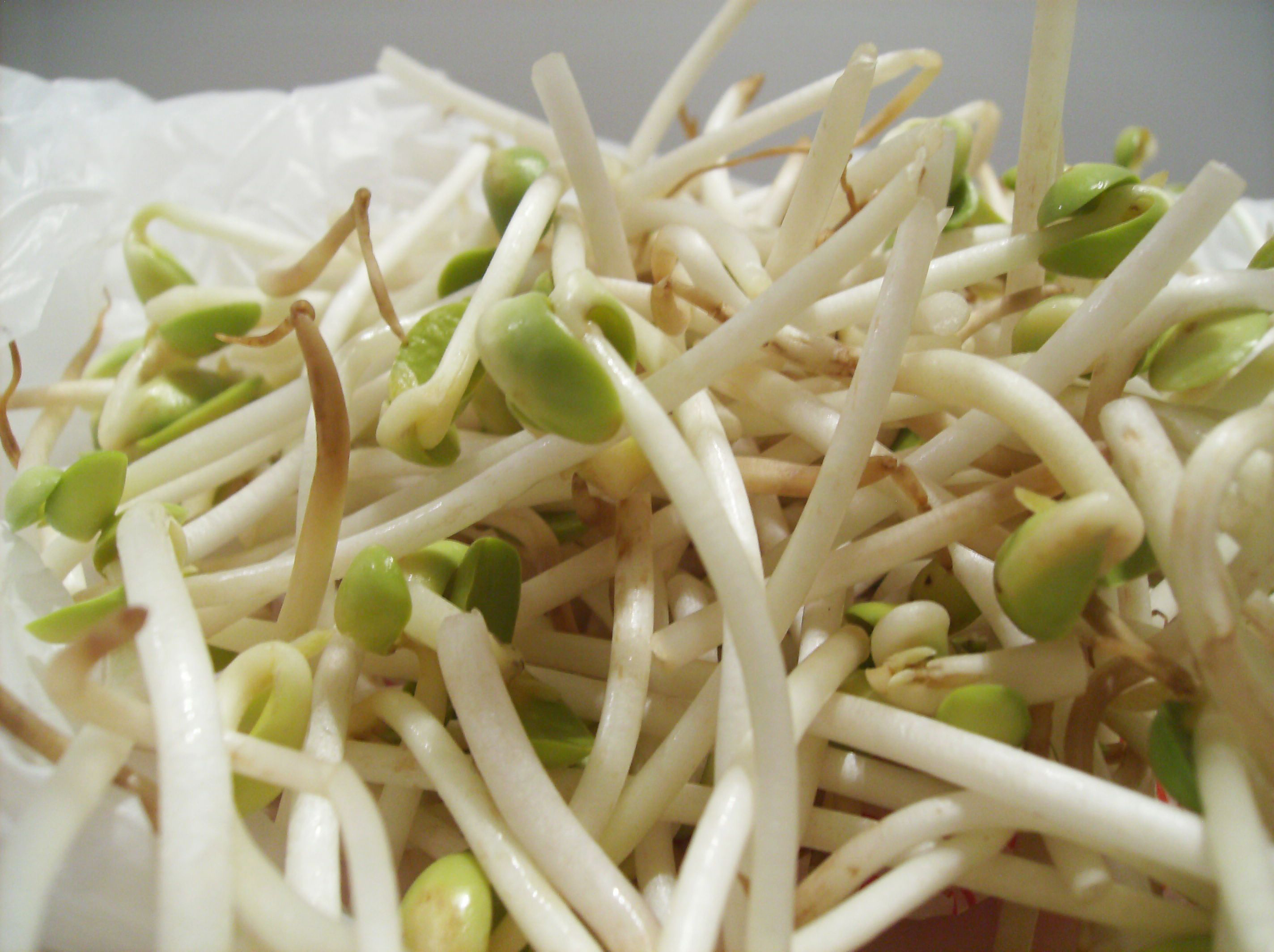
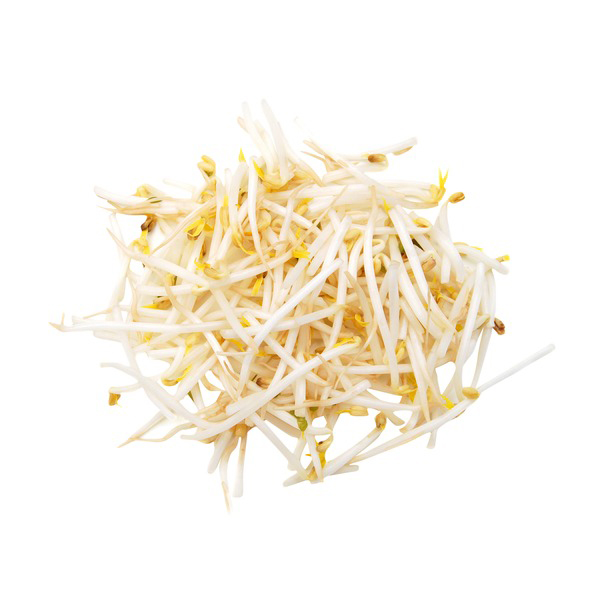
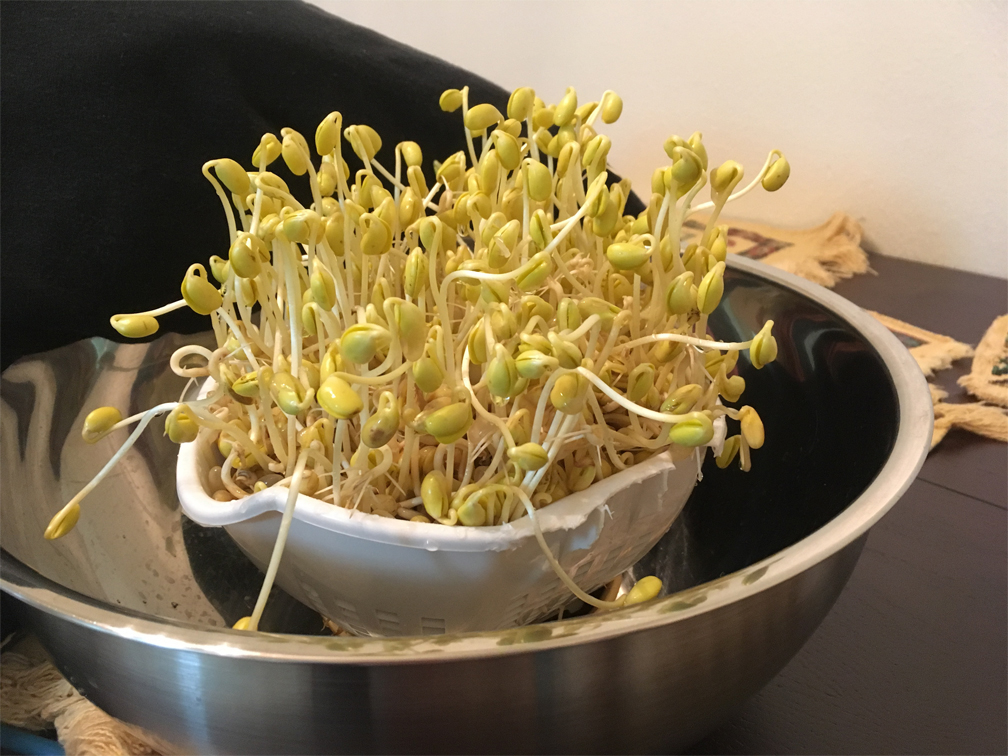
    Being a versatile and inexpensive legume, Soybeans are used in various recipes. Due to its low germination rate, soy sprouts are considered to be done when 50% of them are sprouted. Soybean sprout is a culinary vegetable cultivated by sprouting soybeans. It could be cultivated by placing or watering sprouted soybeans in shade till roots grow long. These sprouts are consumed and cultivated extensively in Korea.

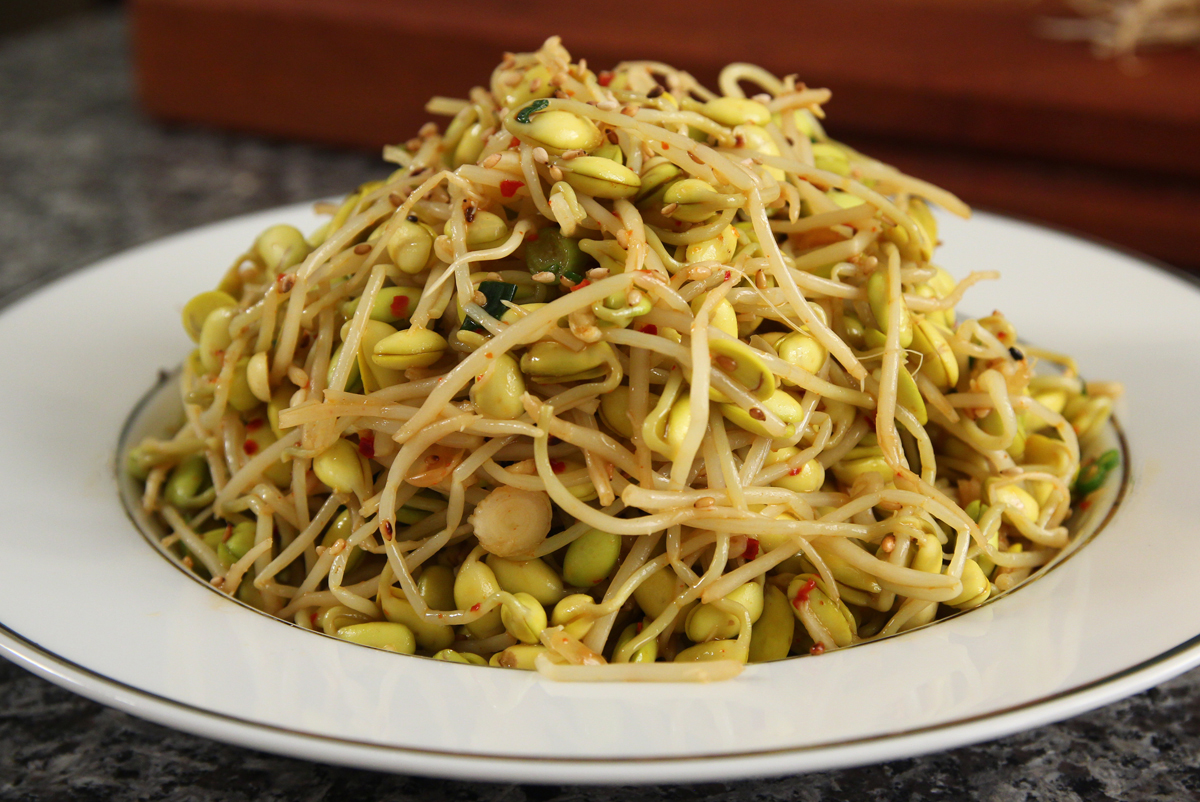
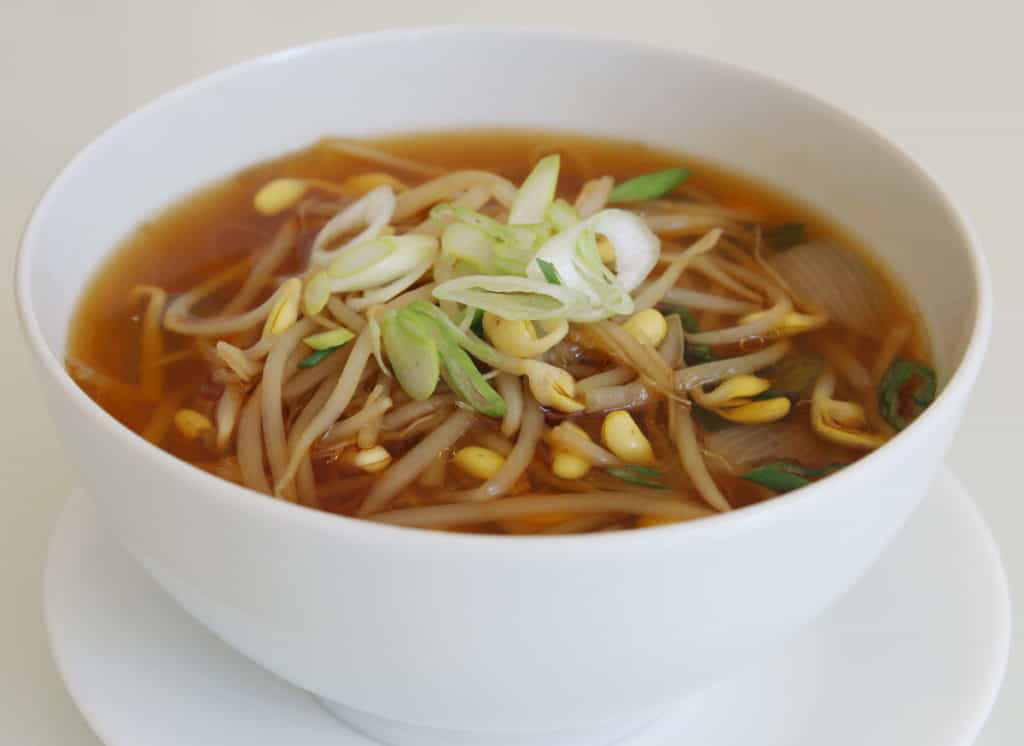
    Soybeans are crucial part of typical Korean diet due to its oil, protein and other components. Soybean seeds possess average of 20% oil and 40% protein on dry weight basis. Remaining 40% comprises of vitamins, carbohydrates, minerals, phytochemicals and other minor elements. Sprouts are common vegetable for centuries. Soybean sprouts are used in various recipes such as soy sauce, in soup, mixing with rice or as a fresh salad.

    An intake of soybean sprouts has increased the demand of soybean varieties which produce high quality sprouts. For producing soybean sprout, high germination percentage, thick hypocotyls, small seed size, rapid water production are essential factors. These sprouts have high content of nutrients and are easy to produce.

    Soybean sprouts are used for consumption of human for more than 5000 years. It possess delicate and distinctive flavor and provides various required nutrients.

    History

    Assumed, Soybean sprouts are consumed since the Three Kingdoms of Korea. In early 13th century medical book, Emergency Folk Medicine Remedies, records of kongnamul cultivation was found which was published in Goryeo. During foundation of Goryeo, Bae Hyeon-gyeong, a Taebong offered Soybean sprouts to starving soldiers.

    In Farm Management, Joseon farming & living book, cooking methods of Soybean sprout dishes were listed. Literally Miscellany of Seongho, a Joseon document, stated that soybean sprouts were used by poor to make juk i.e. rice porridge. An essay collection from Joseon era, according to Complete Works of Cheongjanggwan, soybean sprout was regarded as the main food consumed at the time of famine.

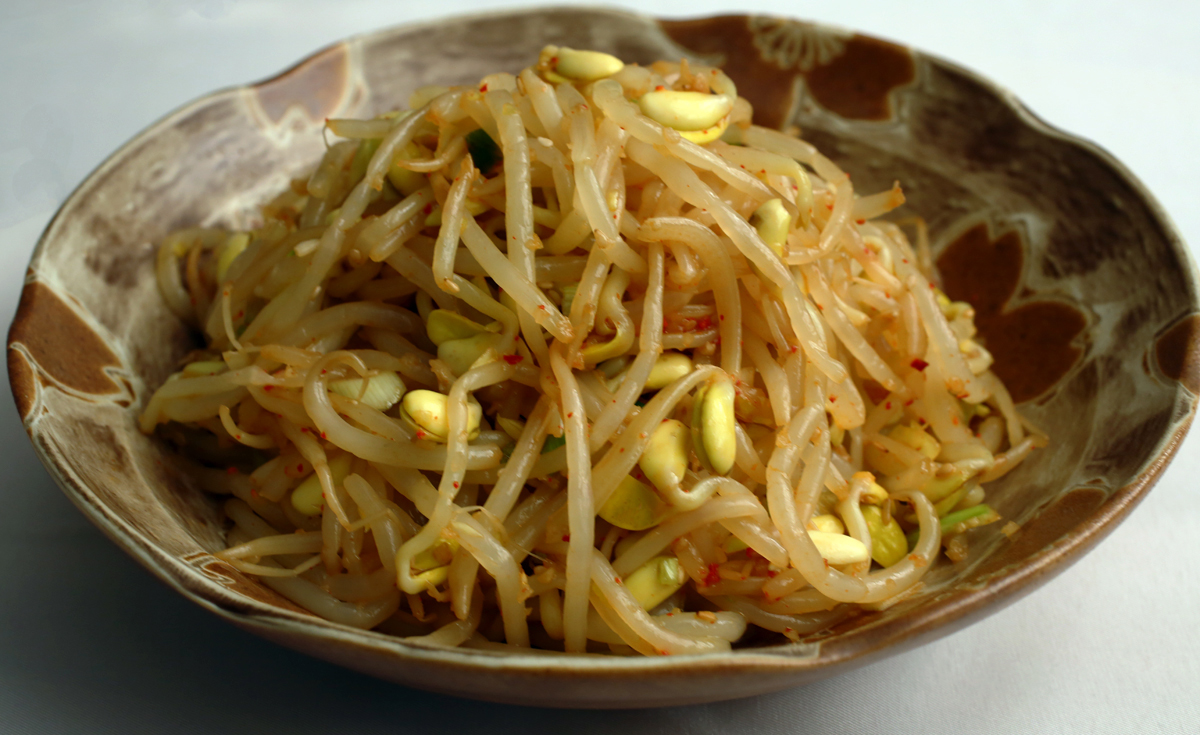
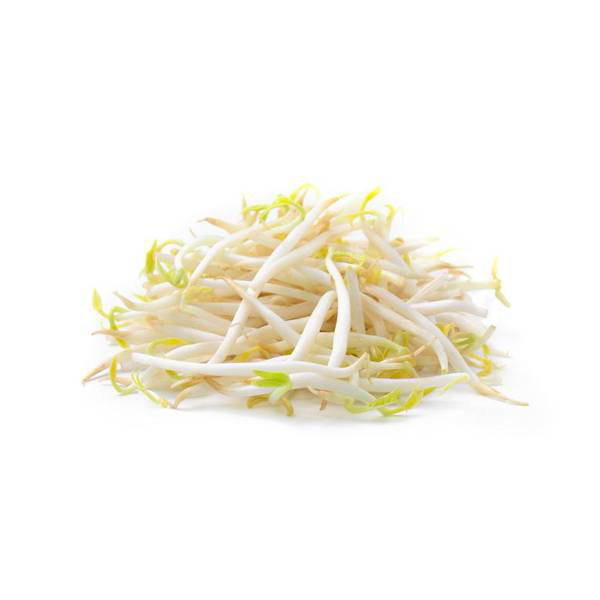
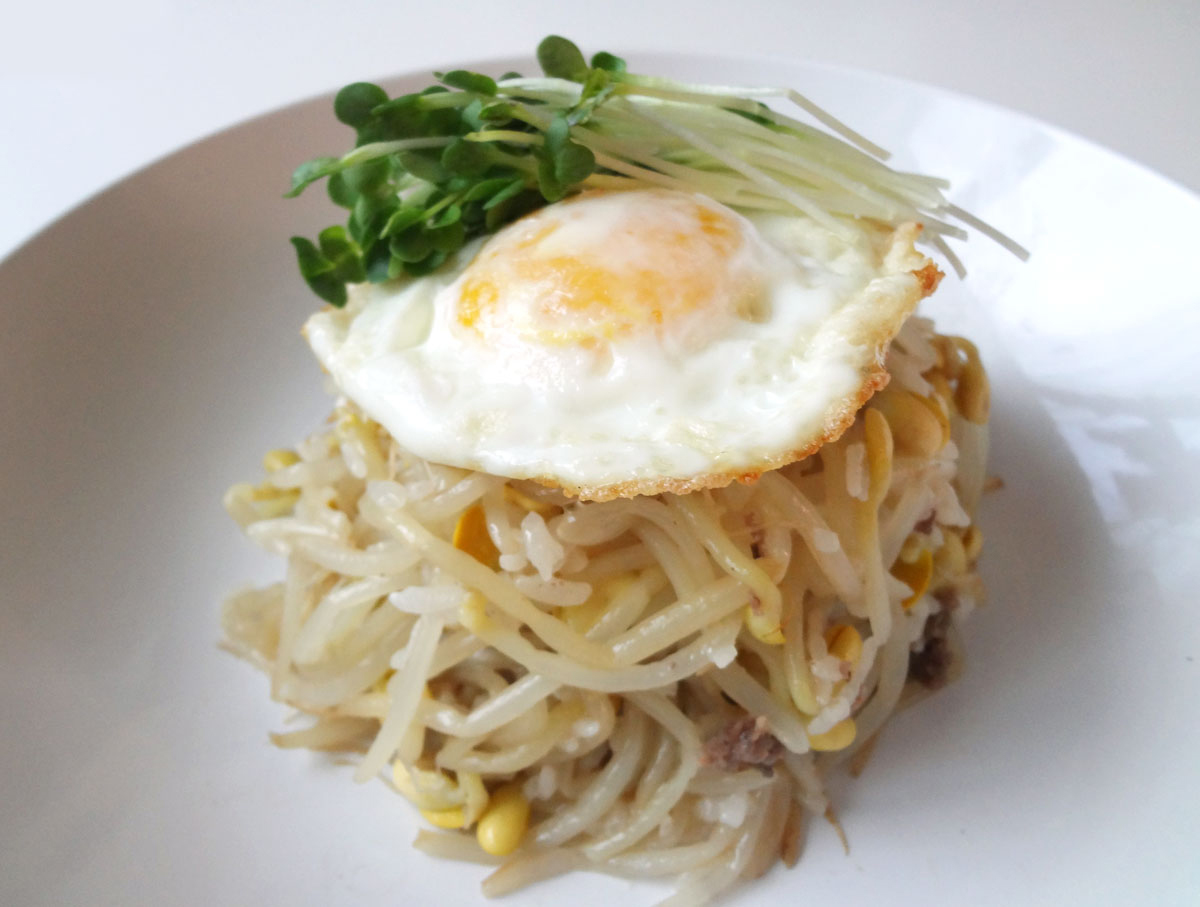
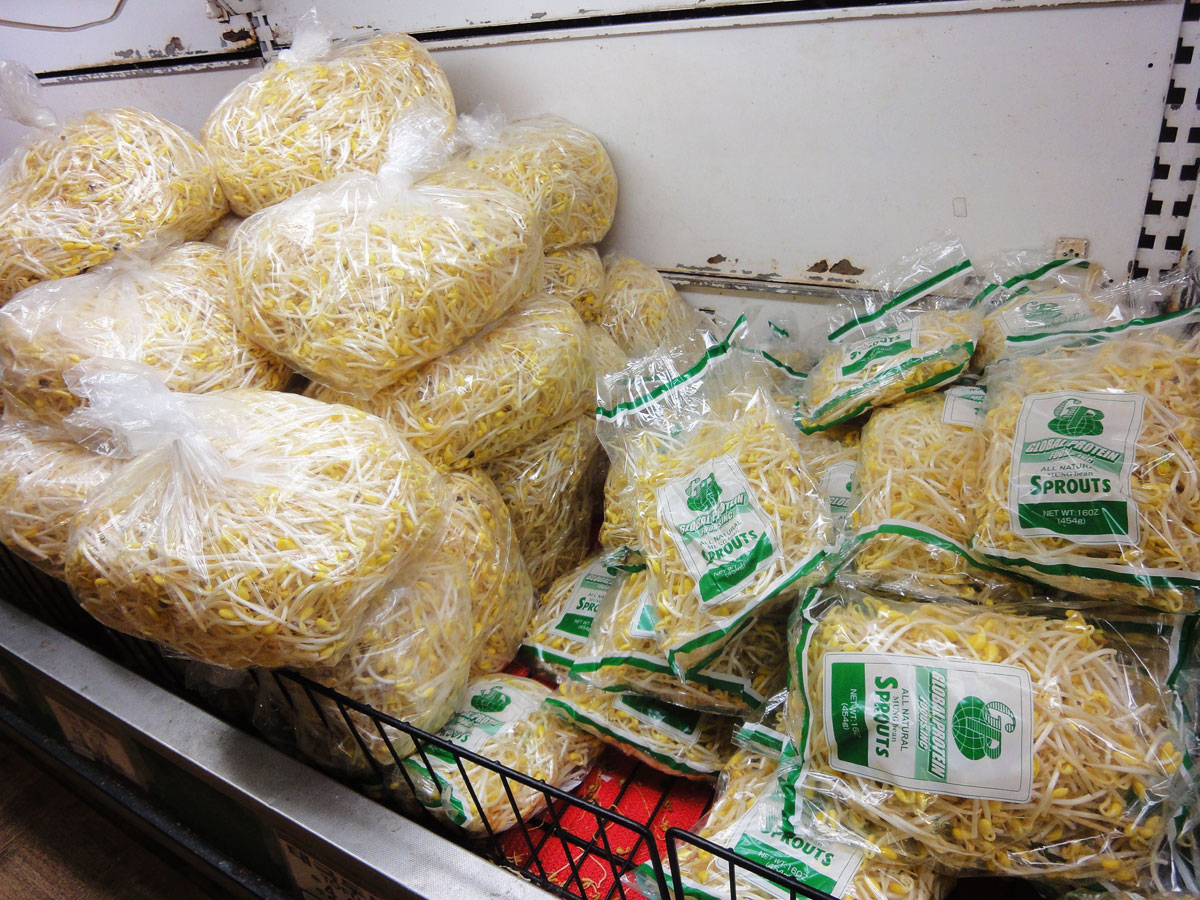
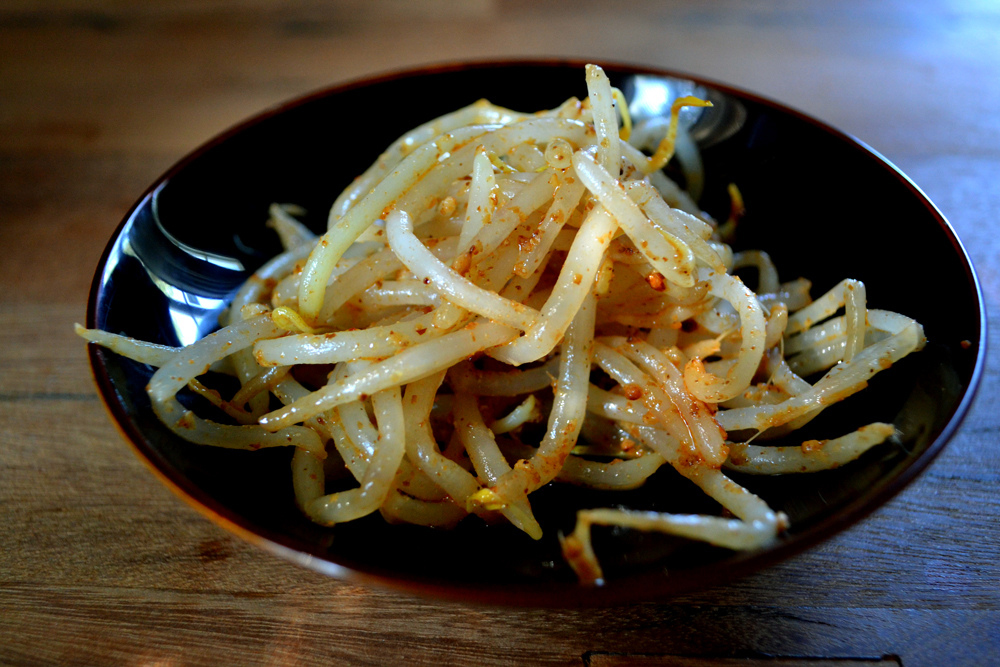
    Close-view-of-Soybean-sprouts Cooked-Soybean-sprouts Soybean-sprouts-1 Soybean-sprouts-2 Soybean-sprouts-3 Soybean-sprout-salad Soybean-sprouts-bibimbap Soybean-sprouts-grown Soybean-sprout-side-dish Soybean-sprouts-packed Soybean-sprouts-soup Spicy-Soybean-sprouts
    [Show thumbnails]

    Health benefits of Soybean sprouts

    Soybean sprouts possess nutritional components such as riboflavin, isoflavones and niacin with amino acids, crude protein and lipids. It has high content of micro and macro elements such as zinc, sodium, potassium, copper, magnesium, phosphorus, iron, manganese and magnesium. The presence of constituents in cotyledons and hypocotyls depends on the variety of soybean. Soybean sprouts helps to lower the chances of cancer, cardiovascular diseases due to the presence of various health promoting phytochemicals having high antioxidant properties. Moreover, anti-nutritional factors such as trypsin inhibitors, hemagglutinin and lipoxygenase reduce during sprouting.

    How to store

    Put the Soybean sprouts in plastic or zip-lock containers and refrigerate. It should be used within two days.

    How to Eat         

    • Soybean sprouts are an essential ingredient in Korean cuisine.
    • Namul is prepared by stir frying soybean sprouts with sesame oil.
    • It is also used in bibimbap and jjim dishes such as agwi-jjim.
    • Add it to soups and rice and serve it as a side dish.

    Precautions                                                                                                 

    • Sprouts carry bacteria so it should be consumed after properly cooked.
    • High amount of soy could mess up leptin sensitivity and also provokes hunger pangs.
    • It could cause insulin resistance.
    • Due to the high presence of phytates, Soy could prevent the availability of iron, calcium, magnesium and zinc in the body.
    • It has trypsin inhibitors which causes problem in pancreas and trick hormones growth.
    • Soy products grown are genetically modified which could cause certain cancers, allergies, sterility, birth defects and other problems.
    • Phytoestrogens mimic and also block natural estrogen that interrupts hormone balance in the body.
    • High intake of soy is associated to infertility, breast cancer and hormone imbalances.

    References:

    https://en.wikipedia.org/wiki/Soybean_sprout

    https://www.culturesforhealth.com/learn/sprouting/how-to-sprout-soy-beans/

    https://www.e-sciencecentral.org/upload/pbb/pdf/pbb-04-398.pdf

    https://www.culturesforhealth.com/learn/sprouting/raw-sprout-safety-tips/

    https://eatlove.live/sprouted-soy-health-risks/

    https://www.tarladalal.com/glossary-bean-sprouts-193i

    https://www.maangchi.com/ingredient/kongnamool

    65%
    65%
    Awesome

    Comments

    comments

    Foods S
    Share. Facebook Twitter Pinterest LinkedIn Tumblr Email
    Previous ArticleBreadnut Facts, health benefits & Nutrition
    Next Article 3 Pros and Cons to Eating Before You Workout

    Related Posts

    Facts about Saffron Plum

    February 11, 2024

    Health benefits of Sweet galingale

    January 19, 2024

    Health benefits of Spiked Pepper

    January 11, 2024

    Comments are closed.


    Facts of Soybean sprouts

    Soybean sprouts Quick Facts
    Name: Soybean sprouts
    Taste Sweet and nutty
    Calories 76 Kcal./cup
    Major nutrients Vitamin K (55.33%)
    Copper (34.44%)
    Manganese (29.00%)
    Tryptophan (22.05%)
    Isoleucine (21.05%)
    Name Soybean sprouts
    Taste Sweet and nutty
    Major Nutritions Vitamin K (phylloquinone) 66.4 µg (55.33%)
    Copper, Cu 0.31 mg (34.44%)
    Manganese, Mn 0.667 mg (29.00%)
    Tryptophan 0.097 g (22.05%)
    Isoleucine 0.352 g (21.05%)
    Vitamin B9 (Folate) 75 µg (18.75%)
    Phosphorus, P 127 mg (18.14%)
    Valine 0.377 g (17.85%)
    Threonine 0.305 g (17.33%)
    Histidine 0.212 g (17.21%)
    Calories in 1 cup (94 g) 76 Kcal.

    [wonderplugin_tabs id=”494″]

    Categories
    • Beverages (78)
    • Dairy (28)
    • Dental Health (15)
    • Equipment (5)
    • Essential OIls (196)
    • Facts (3,000)
    • Foods (259)
    • Fruits (524)
    • Giveaway (1)
    • Grains and Cereals (38)
    • Health & Beauty (761)
    • Herbs and Spices (1,250)
    • Medicines (9)
    • Mental Health (19)
    • Nutritional value (27)
    • Nuts and seeds (73)
    • Oils (81)
    • Pets (4)
    • Poultry & Seafoods (67)
    • Pulses and Beans (17)
    • Reviews (25)
    • supplement (2)
    • Vegetables (306)
    • Weight Loss (23)

    Science backed health benefits of Basil

    Science Backed Health Benefits of Yellow Beans

    Science Backed Health Benefits of Oat Bran

    Science Backed Health Benefits of Yardlong beans (Vigna unguiculata subsp. sesquipedalis)

    Science Backed Health Benefits of Apple Cider Vinegar

    Science Backed Health Benefits of Pigeon peas (Cajanus cajan)

    ABOUT
    Home
    About us
    Contact us
    Privacy Policy
    Terms & conditions
    Disclaimer
    Direct Communication
    e-mail: mail.healthbenefit@gmail.com
    Whatsapp: +977-9841146511
    Viber: +977-9841146511
    Useful
    Health Wiki
    Nutrition
    Facebook Twitter Pinterest
    © 2026 www.healthbenefitstimes.com All rights reserved.

    Type above and press Enter to search. Press Esc to cancel.

    ×

    Log In

    Forgot Password?

    Not registered yet? Create an Account