North-eastern China, Korea, Japan, in the eastern part of Russia
Colors
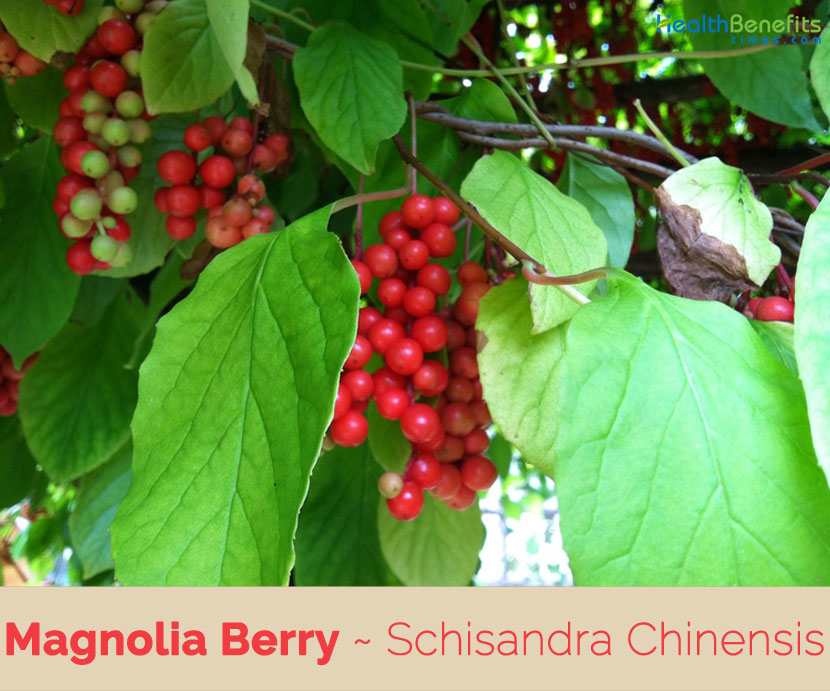
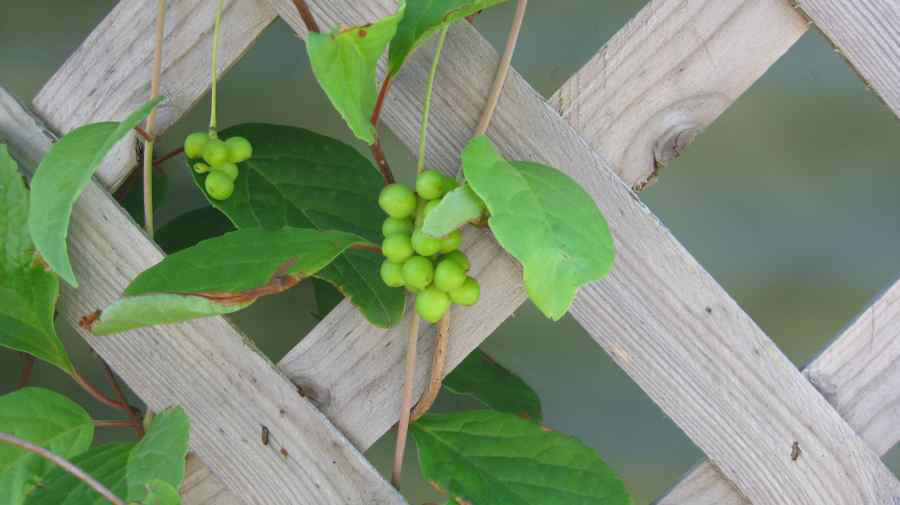
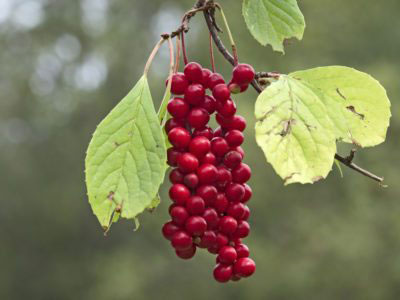
Green when young turning to scarlet red as they matures
Shapes
6 mm long, ovoid berries
Taste
Salty, sweet, hot, sour, pungent, bitter
Health benefits
Cancer Prevention, Cardiovascular health, Skin Health, Insomnia, Sexual Health, Increased Stamina, Depression, Improves Immunity, Anti-Asthma, Increases Brain Activity, Anti-stress and Stress Management, Menopausal Symptoms, Anti-Aging and Longevity, Potent anti-inflammatory, Fights Fatigue/Enhances Mental Clarity, Helps Improve Mood & Sleep
Schisandra chinensis also known as magnolia-vine, Chinese magnolia-vine and schisandra is a woody vine belonging to Schisandraceae family. The plant is native to north-eastern China, Korea, and Japan, in the eastern part of Russia, in Primorsk, on the Kuril Islands and in the south of the Sakhalin Island. The plant likes some shade with moist, well-drained soil. Native to China and areas of Russia, the berries are said to possess all five basic flavors – salty, sweet, spicy, sour, and bitter – hence the name five-flavor berry. Few of the popular common names of the plant are Chinese magnolia vine, Five-flavor-fruit, Magnolia vine, Schisandra, Schizandra, Schizandra berry and lemon wood. Tens of tons of berries are used annually in Russia in Primorsky Krai and Khabarovsk Krai for the commercial manufacture of juices, wines, extracts, and sweets.
Plant Description
Magnolia Berry is a deciduous, perennial, climbing, woody vine that grows about 9 m (29ft 6in) tall. The plant is found growing in mixed forests, especially on the periphery, also by streams and brooks, usually on sandy soils. It prefers moist, acidic, sandy soil, but can’t be submerged. Soil should be loose and well drained. Cultivation requirements are thought to be similar to those of grapes. Plants require conditions of moderate humidity and light, together with a wet, humus-rich soil. In order to successfully grow fruit male and female plants must be grown together. Plants can be propagated by seed or by layering in spring or autumn, or in the summer time by using semi-ripe cuttings.
Stem & Leaves
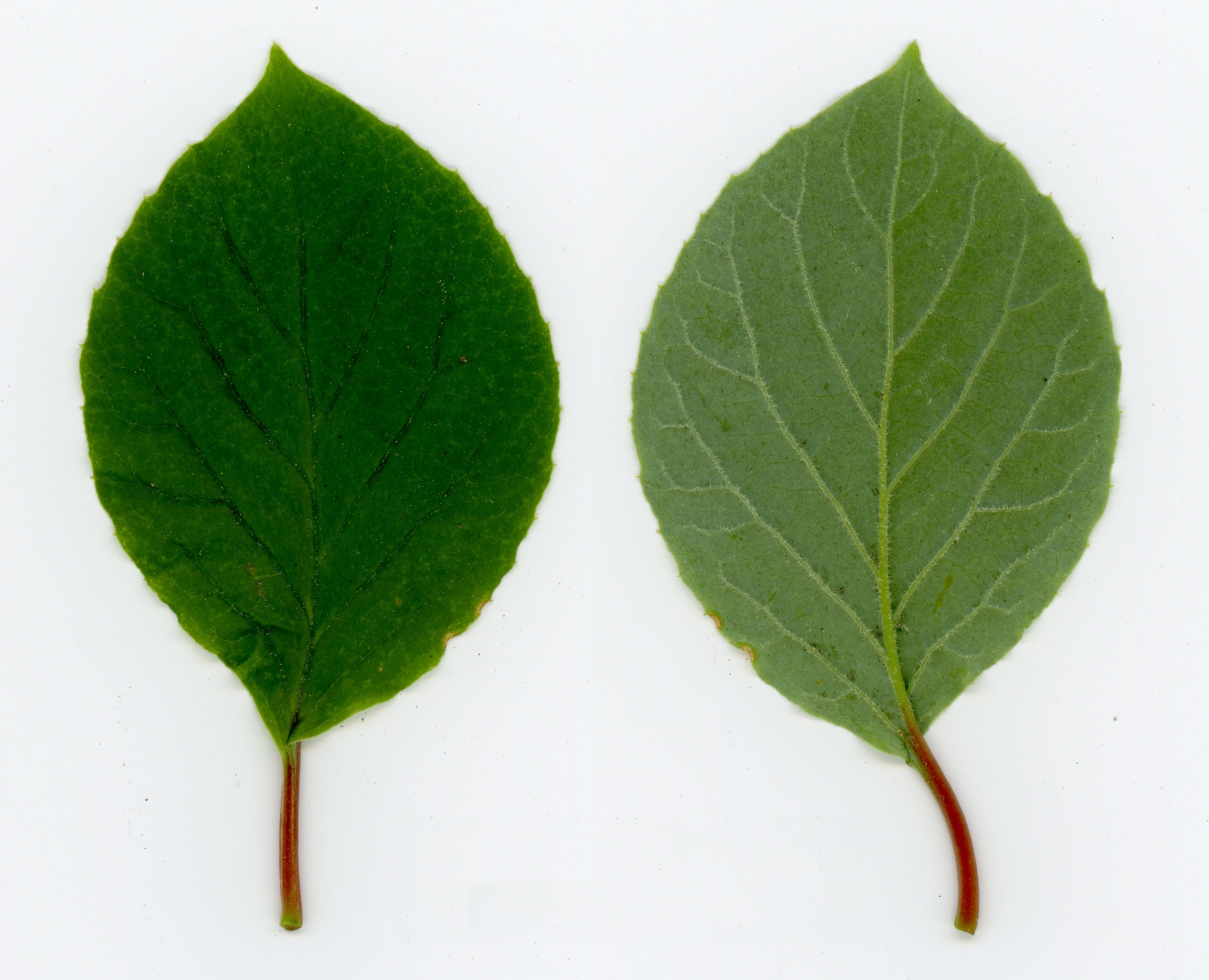
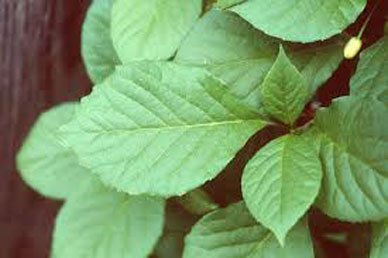
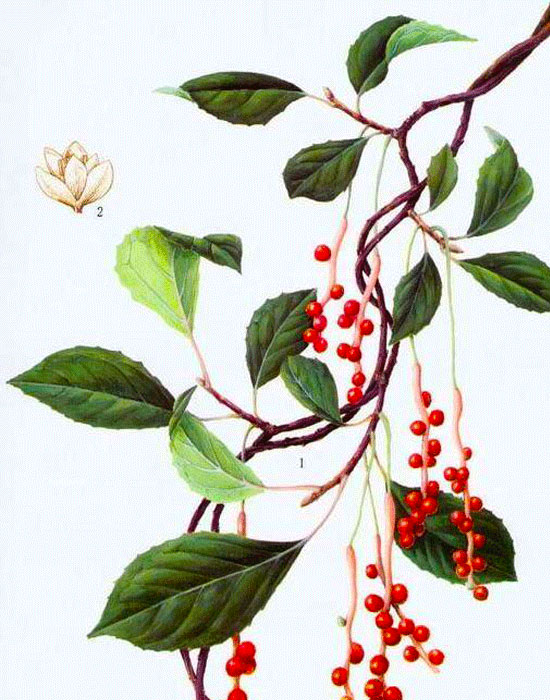
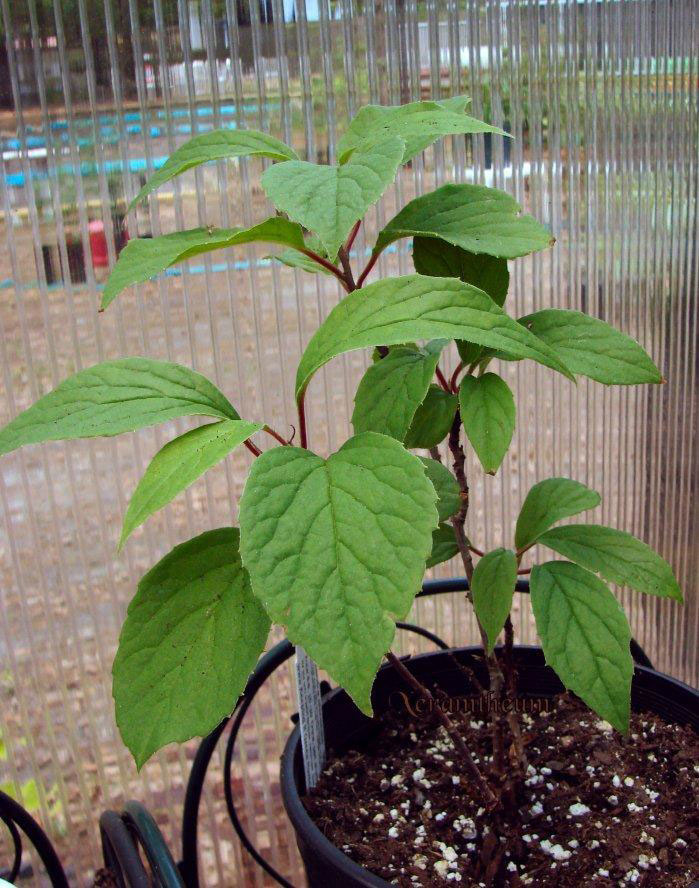
Stems are brown, reach 10 m (1 m of new growth a year) and can either twine round the support or spread along the ground. Leaves are alternately arranged, tough, glossy, dark green leaves, 7 – 8 cm long and elliptically shaped. In autumn the leaves change color to yellow. Leaves are fragrant.
Flower & Fruits
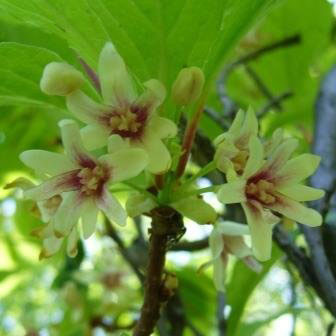
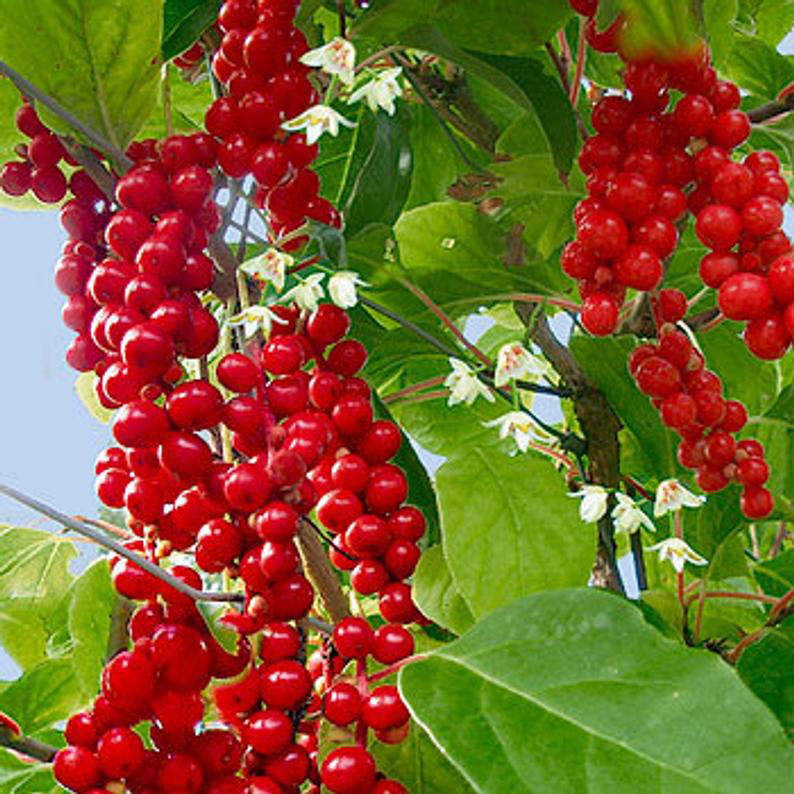
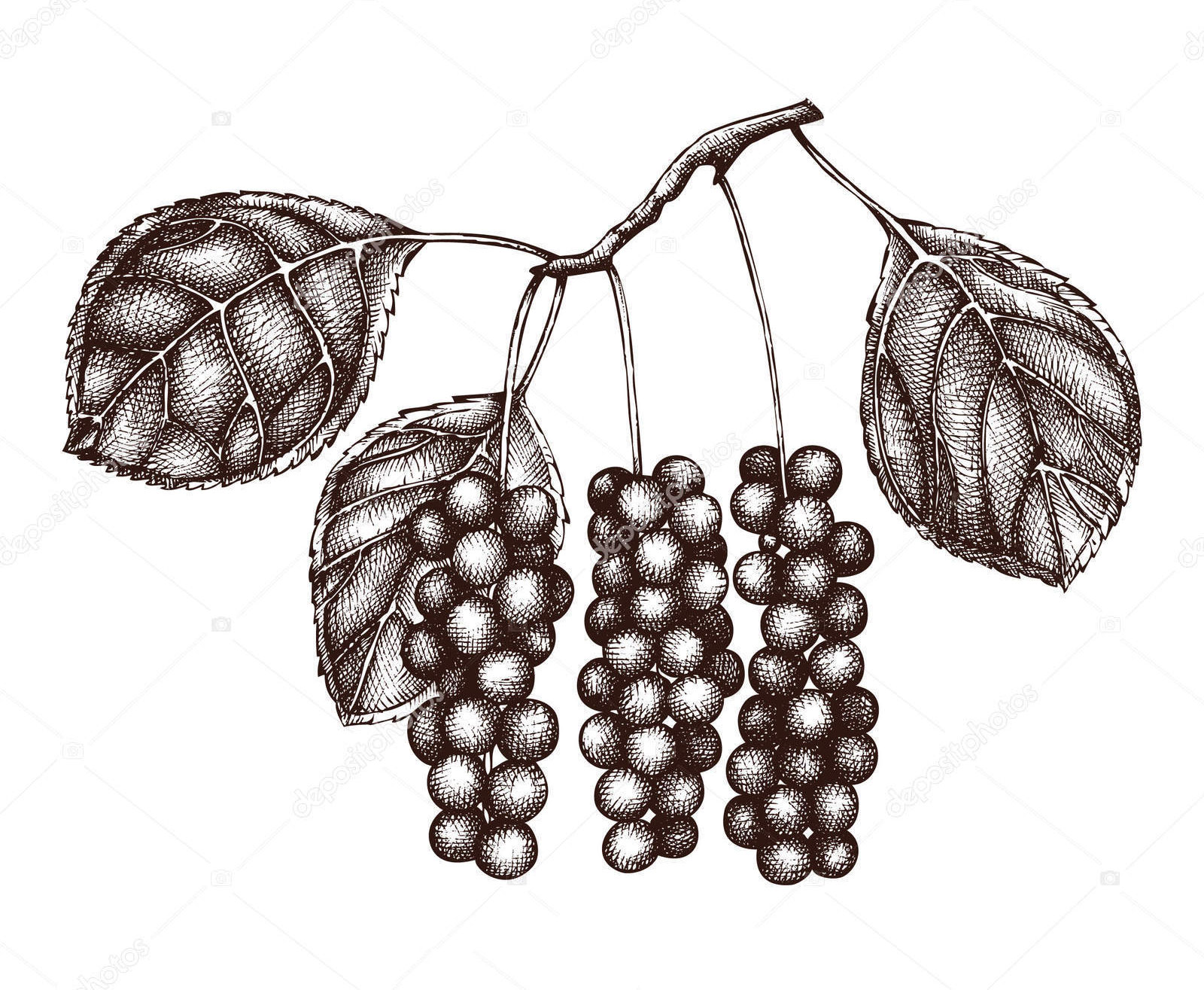
Flowers are white or pale rose to bright pink fragrant, 1.2 cm across, bloom in springtime. Usually referred to as dioecious (male and female flowers borne on separate plants) though most selections are monoecious (male and female flowers borne on a single plant). Female plant will only produce fruit when fertilized with pollen from a male plant. The blossoms are lightly fragrant and on the female plants are followed by brownish red berries. These berries are borne in dense hanging clusters around 10 cm long. Fruits are 6 mm long, ovoid berries ripening in autumn. They are initially green turning to scarlet red as they mature. The species is grown mainly in China, Korea, Russia, and also in North America and in many European countries, especially for ornamental purposes.
Listed below are few of the popular health benefits of using Magnolia Berry
1. Skin Health
Magnolia Berry makes an excellent addition to your skincare regimen because not only does it contain antioxidants, but it’s an adaptogen. These properties can protect your skin against environmental stress, pollution, sun damage, allergies, extreme temperatures, and much more. Berry’s anti-inflammatory properties made it beneficial for reducing symptoms of dermatitis and swelling. Anyone with inflamed skin from acne or stress could likely benefit from including Magnolia Berry in their morning routine.
2. Anti-stress and Stress Management
Historically, adaptogenic herbs like Magnolia Berries have been used for stress management, primarily because this class of herbs shows positive health effects on the adrenal system. The adrenal glands are responsible for the production of stress hormones and stress-response mediators like cortisol. By squelching excessive production and secretion of molecular chaperones, cortisol and nitric oxide, Magnolia Berry aids in stabilizing the levels of these stress-associated compounds in the blood. In turn, this keeps the negative effects of stress (i.e., fatigue, mental fogginess, low energy levels etc.) at bay.
3. Fights Fatigue/Enhances Mental Clarity
Magnolia Berry has the ability to fight fatigue both mental and physical. Its ability to reduce the harmful effects of the stress response (i.e., weakness and lethargy) in turn helps to promote mental clarity. Additionally, studies in rats have recommended that Magnolia Berry may even be effective at treating memory impairment. Magnolia Berry improves focus, attention span, and even coordination, making it a compelling supplement for athletes, students, surgeons, artists… and the rest of us too!
4. Helps Improve Mood & Sleep
Magnolia Berry helps to curb feelings of anxiousness and even improve mood. One study in mice verified the effect of Magnolia Berry extract on mediating levels of powerful neurotransmitters including noradrenaline, serotonin, and dopamine, all of which play a role in the brain (particularly in conditions of stress). Magnolia Berry’s positive effects on the brain have also concerned this powerful herb in the therapeutic prevention of a variety of psychological and neurological disorders, including depression and anxiety.
5. Improves Immunity
You’ve probably heard about the negative effects of stress on the immune system. So it should come as no surprise that Magnolia Berry, a stress-resolving superstar, has extremely beneficial effects on the immune system. Adaptogens like Magnolia Berry ward off the stress response so that the body’s immune resources are instead able to struggle with pathogens, fight infections and keep us happy and healthy.
6. Anti-Aging and Longevity
By restricting the buildup of detrimental free radicals, Magnolia Berry provides a health benefit by specifically protecting skin cells from DNA injury. In other words, Magnolia Berry can act as a powerful anti-aging agent by tackling wrinkles, sun-associated damage and age-related pigmentation. But the antioxidant power of Magnolia Berry doesn’t stop there when it comes to kicking cell damage to the curb. Free radical buildup in the body quickens aging across all systems in the body. Thus, the protective effect of Magnolia Berry on cell integrity extends beyond the skin, into the body’s tissues. In this way, the antioxidant power of Magnolia Berry helps keep cells healthy, youthful, and positively radiant, both inside and out!
7. Potent anti-inflammatory
As if antioxidant power wasn’t enough, Magnolia Berry’s health benefits are further enhanced by another one of its other essential health-protective properties: its ability to fight inflammation. Free radical appropriation plays a role in limitation the body’s inflammatory response to certain environmental stressors. By helping to keep inflammation at bay, Magnolia Berry can work its natural magic on many of the body’s intricate– and fundamentally interrelated.
While a healthy amount of inflammation is essential for keeping pathogenic bacteria at bay, long-term, excessive inflammatory responses mediated by an over-reactive immune system can cause havoc on the body and can lead to a variety of terrible health issues. Long-term inflammation has been related with cancer, asthma, poor skin health and a multitude of other undesirable diseases and conditions. When we bring Magnolia Berry into the picture, we see it has the exceptional ability to down regulate the production of inflammatory mediators (i.e., cytokines), thus combating the detrimental impact these inflammatory processes would otherwise have on the body.
8. Cancer Prevention
When it comes to fending off cancer, Magnolia Berry’s antioxidant potency may appear to steal the show. But Magnolia Berry puts up a fierce competition with the powerful combination of both antioxidant and anti-inflammatory forces. It has been shown to keep the release of leukocytes in check, which in turn thwarts carcinogenesis. Additionally, special compounds called lignans have been isolated from the Magnolia Berry. Evidence exists in the literature suggesting that these unique compounds demonstrate suppressive effects on cancer cells in humans. So, for more reasons that one, we suspect Magnolia Berry is extremely worth a shot at helping to prevent cancer.
9. Anti-Asthma
Some researches have also suggested the role that Magnolia Berry extract may play in calming asthma via antioxidant and anti-inflammatory effects. It suppresses levels of inflammatory compounds implicated in the pathogenesis of asthma. Moreover, the herb works as a natural expectorant, which means it helps to pull mucus out of the lungs.
10. Menopausal Symptoms
Magnolia Berry is a traditional treatment of cardiovascular problems caused after menopause by increasing blood flow and improving the health of blood vessels. It supports the adrenal glands and prevents menopausal symptoms by balancing hormones in the body.
11. Depression
Multiple research on mice concluded that Magnolia Berry produced an antidepressant effect. According to the research, the berry is mainly beneficial for stress-induced (high cortisol) depression.
Indigenous Russian populations loved Magnolia Berry for the clean energy and mental clarity it offers. Unlike caffeine, it provides non-stimulating energy and focus thanks to its adaptogenic and antioxidant qualities.
12. Increases Brain Activity
Magnolia Berry has been proven in many clinical trials to increase brain function, improve memory and work efficiency. It gives your body boost of energy by motivating the central nervous system. It is an excellent non-stimulant replacement for coffee and tea. It is used to treat brain diseases associated with memory.
13. Sexual Health
It increases overall sexual health and boosts sex drive by promoting balanced hormonal functions.
14. Insomnia
Magnolia Berry has relaxation based anti-anxiety and antidepressant effects that reduce stress at night. So it treats insomnia and sleep disturbances by promoting mental clarity and ease.
15. Cardiovascular System
Magnolia Berry is the best supplement for the people with cardiovascular issues as it naturally lowers cholesterol and maintains healthy blood sugar levels. It is an effective treatment for asthma, increasing energy and easing coughing.
16. Increased Stamina
Clinical trials have shown that Magnolia Berry increases physical and mental strength, endurance, power and performances of athletes by reducing fatigue.
Traditional uses and benefits of Magnolia Berry
Magnolia Berry is commonly used in Chinese herbalism, where it is considered to be one of the 50 fundamental herbs.
It is an excellent tonic and restorative, helping in stressful times and increasing zest for life.
It is considered to be a substitute for ginseng and is said to be a tonic for both the male and the female sex organs.
The fruit is anti-tussive, aphrodisiac, hepatic, astringent, cardio-tonic, cholagogue, expectorant, hypotensive, lenitive, nervine, pectoral, sedative, stimulant and tonic.
Low doses of the fruit are said to stimulate the central nervous system whilst large doses depress it.
Fruit also regulates the cardiovascular system.
It is taken internally in the treatment of dry coughs, asthma, night sweats, urinary disorders, involuntary ejaculation, chronic diarrhea, palpitations, insomnia, poor memory, hyper-acidity, hepatitis and diabetes.
Externally, it is used to treat irritating and allergic skin conditions.
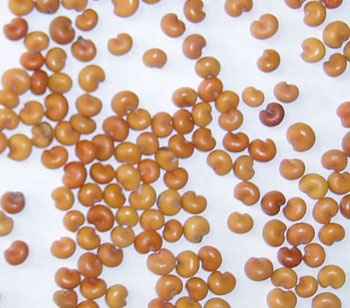
Seed is used in the treatment of cancer.
Mucilaginous decoction obtained from the branches is useful in the treatment of coughs, dysentery and gonorrhea.
Magnolia bark has been used to treat menstrual cramps, abdominal pain, abdominal bloating and gas, nausea, and indigestion.
Bark is also an ingredient in formulas used for treating coughs and asthma.
Bark is used internally in the treatment of abdominal distension, loss of appetite, gastro-enteritis, vomiting, diarrhea, asthma and coughs with acute phlegm.
Bark and flower buds of Magnolia Berry have been used to treat coughs and colds and intestinal problems.
It protects skin against chronic conditions and inflammation, such as psoriasis and eczema.
Magnolia Berry helps to improve mood, reduce anxiety and promote sleep
Adaptogens like Magnolia Berry help to boost the body’s immune system
Magnolia Berry is a powerful anti-oxidant that helps to protect against cell damage
It provides protection against cancer by destroying free radicals and aiding the growth of new, healthy cells.
It provides powerful, anti-aging benefits by protecting skin cells and helping to keep skin cells healthy and youthful.
It plays an important role in promoting healthy liver function.
It provides strong anti-inflammatory benefits to the entire body.
The anti-inflammatory power in Magnolia Berry may help thwart carcinogenesis.
Magnolia Berry’s anti-inflammatory benefits help to promote smooth and flawless skin.
Magnolia Berry is a natural expectorant, helping to calm asthma.
Ayurvedic Health benefits of Magnolia Berry
Libido: Magnolia Berry normalizes sexual desire of both men and women. For Example: someone is facing either Low Libido or High Libido, but the medicine is one i.e. Magnolia Berry. Take it in the form of decoction or tablets.
PulmonaryFibrosis: Magnolia Berry fruit is used to treat pulmonary disorders like, Asthma, Cough, Cold and Bronchitis. So it will take a good care of your Lungs. Eat Fresh berries of Magnolia Berry daily.
LiverCirrhosis: Magnolia Berry has antioxidant properties that prevent the Liver tissues from oxidative damage. Have 1 Magnolia Berry capsule every day.
LibidoBooster: Take the dried form of 20 gram Cnidium, 20 gram Chinese Gall, 20 gram Ligusticum Wallichii Root, 20 gram Leaves and Stem of Horny Goat Weed, 20 gram root of Morinda Officinalis, 20 gram root of Chufa, 20 gram Roots and Rhizomes and Notopterygium, 20 gram flower of Magnolia Bark, 20 gram rhizomes of Galangal, 8 to 10 Garlic Cloves, 30 gram Magnolia Berry Fruit, 10 gram Cinnamon Bark and 30 gram Roots and Rhizomes of Spikenard. Powder them together. Have half teaspoon with milk for a few nights. This formula boosts libido, in both men and women. Better results have been found especially in females. It warms up the body and enhances sex stamina.
AvianFlu: Take 1 teaspoon each of Ephedra, Cinnamon, Ginger, Chinese Wild Ginger, Magnolia Berry, White Peony, Pinellia and Licorice. Grind all the above herbs. Consume it with one glass of water.
Culinary Uses
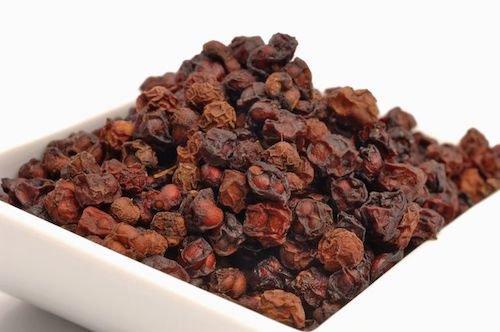
Fruit can be consumed raw or cooked.
It is usually dried and used on journeys, it is very sustaining.
Paste made from the fruit is mixed with Actinidia arguta in order to counteract the insufficient acidity of that species in Russia.
Young leaves can be cooked and used as a vegetable.
Cordial drink made from the berries is called omija-cha, meaning “omija tea”; see Korean tea.
Magnolia Berry Dosage
While tradition recommendations on dosage vary, they remain the most reliable source for clear dosages for this medicinal berry.
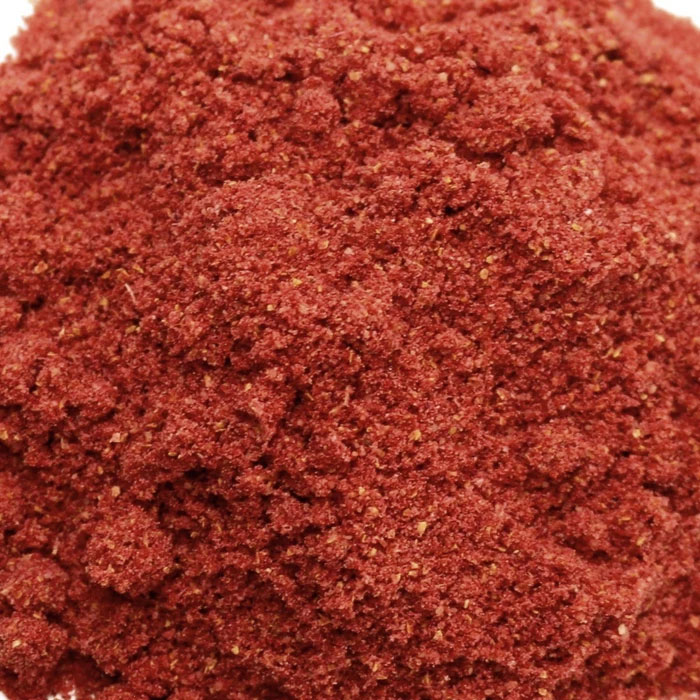
If you are consuming the dried fruit, do not exceed more than 3 grams per day, and eat the powdered fruit with meals once per day.
If you are using the dried fruit extract in liquid form, you should use a 1:20 weight/volume ratio of these drops with water, basically mixing 10 drops with 150 ml of water and drinking this twice daily.
Since there are very few formal studies on dosage, it is best that you consult with a doctor or trained herbalist before using this medicinal herb.
How to take Magnolia Berry
First and foremost, before taking Magnolia Berry or any other supplement for that matter, you should always speak to your physician. Once you have talked to your physician, there are numerous methods you can use to take Magnolia Berry.
Pills/Supplements: Magnolia Berry can usually be found online or at your local health food store. Follow the dosage instruction on the box, which is usually recommends that you can take one to three grams with meals.
Tea: Magnolia Berry is commonly made into a tea or tonic. Magnolia Berry can easily be made by steeping one to three grams in hot water for about an hour. You can double the health benefits by adding other herbs such as licorice root or cinnamon.
Powder: Powder form of Magnolia Berry or Magnolia Berry extract is also available. It is recommended not to exceed more than three grams a day.
Tincture: You can make a Magnolia Berry by combining the dried fruit extract of the berry with some water. The recommended ratio is 1 one-part extract for 6 parts water.
Other facts
Viscid mucoid material is obtained from the fruit and the branches, it is used as a size for paper and as a hair dressing.
Dried wood is charmingly fragrant.
Precautions
Over dose may cause heartburn, reduced appetite, nausea, indigestion, headache, skin rash and chest pain.
Avoid use during pregnancy and breast feeding.
Avoid if you are suffering from fever, peptic ulcers, epilepsy or high blood pressure.
It should not be consumed by the persons having gallstones.