Health Benefits
    Facebook Twitter Instagram
    Friday, December 5
    Facebook Twitter Pinterest
    Health Benefits
    • Home
    • Dental Health
    • Mental Health
    • Weight Loss
    • Health Wiki
    • Nutrition
    • Healthy Recipe
    • BMI Calculator
    Health Benefits
    Home»Herbs and Spices»Health Benefits of Clerodendrum serratum (Bharangi)
    Herbs and Spices

    Health Benefits of Clerodendrum serratum (Bharangi)

    By s mJuly 2, 2019Updated:July 2, 2019No Comments2 Mins Read
    Facebook Twitter Pinterest LinkedIn Tumblr Email

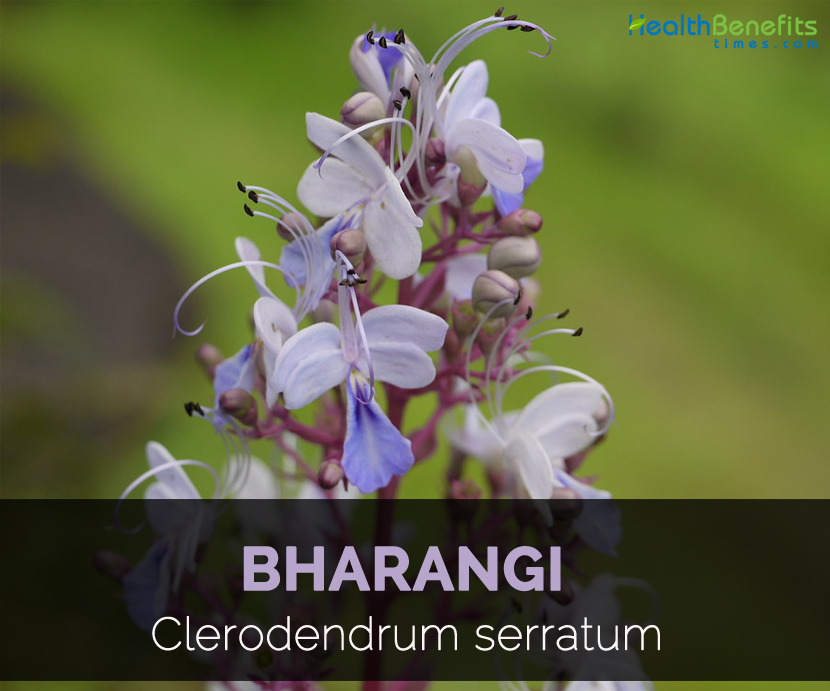
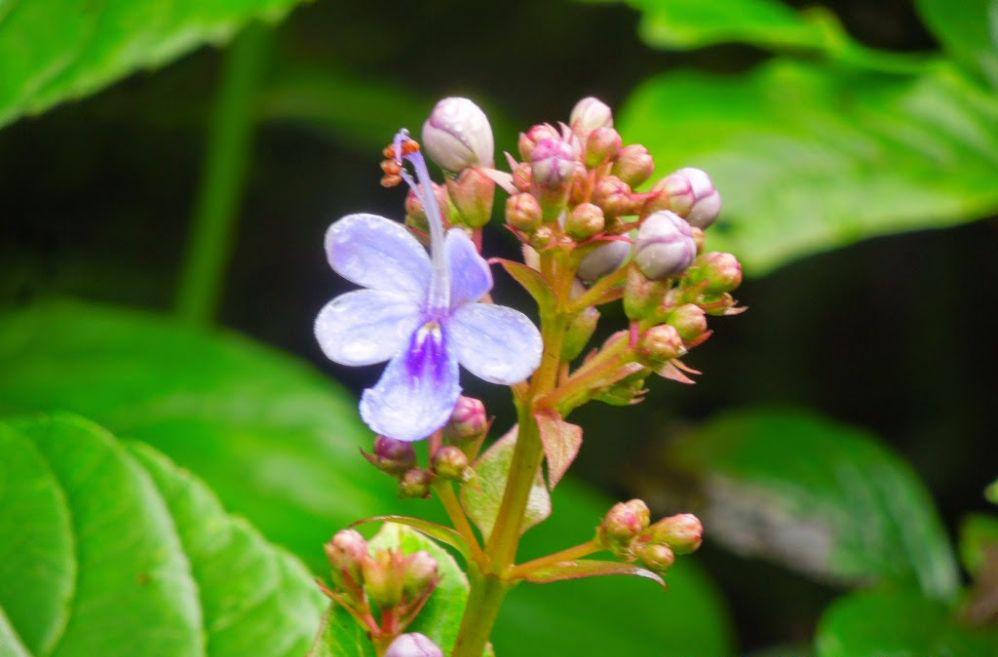
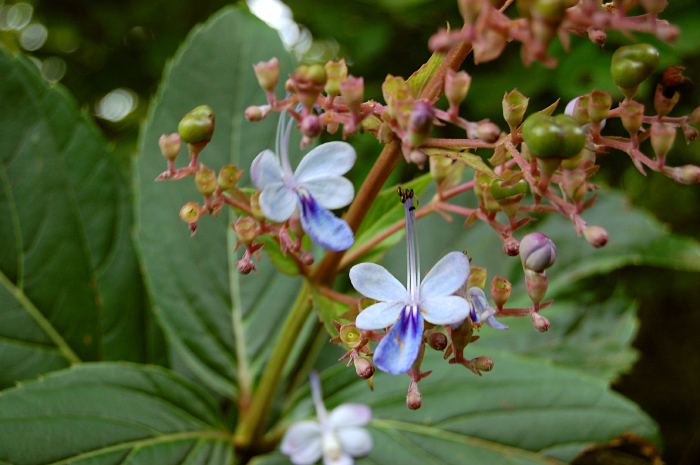
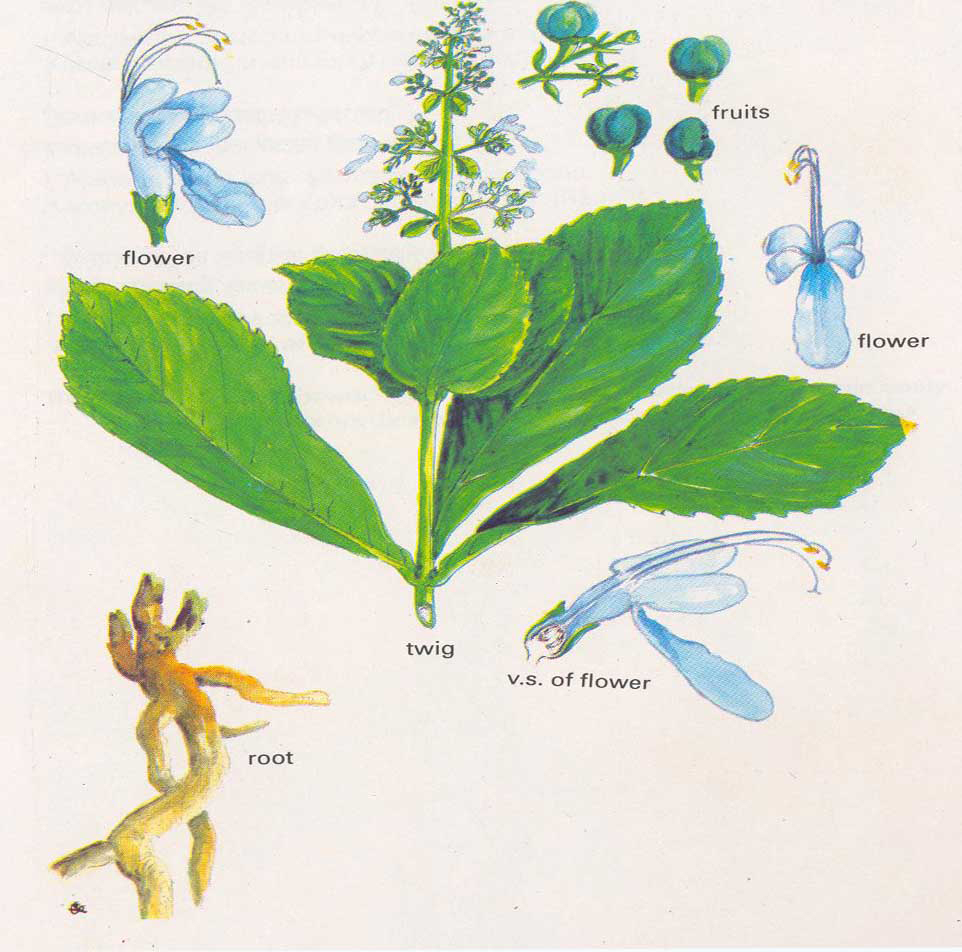
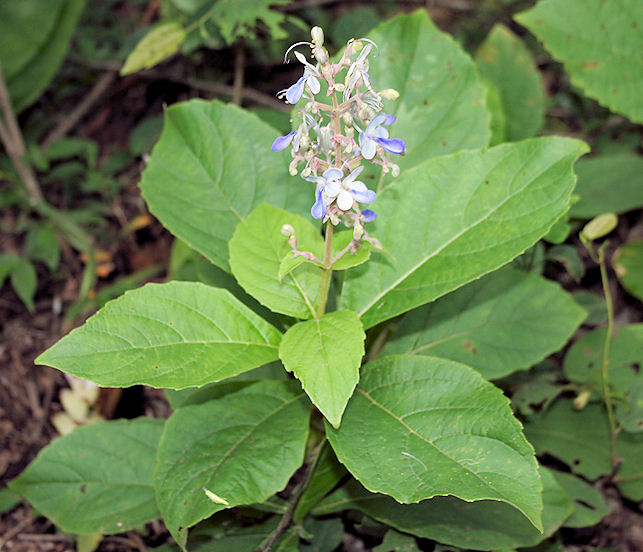
    Bharangi is a shrub that reaches a height of 0.9 to 2.4 meters. It is scarcely woody and not much branched with stems which are bluntly quadrangular. Leaves are ternate, opposite that reaches 28 cm long usually 12.5 to 14 by 5.7-6.3 cm. Leaves are oblong or elliptic having acute tip with coarsely and sharply serrate margin. Base of the leave is acute and have glabrous texture. Flowers are showy, numerous in a lax pubescent dichotomous cymes having pair of acute bracts. Pedicles are twisted for making large lower corolla. Bracts are 1.3 to 3.8 cm long usually obovate to lanceolate in shape. Calyx is cup shaped, puberulous, and truncate and about 5 mm long. Corolla is glabrous and pale blue with dark bluish purple lower lobe. Drupe is obovoid, succulent and measures 6 mm long.

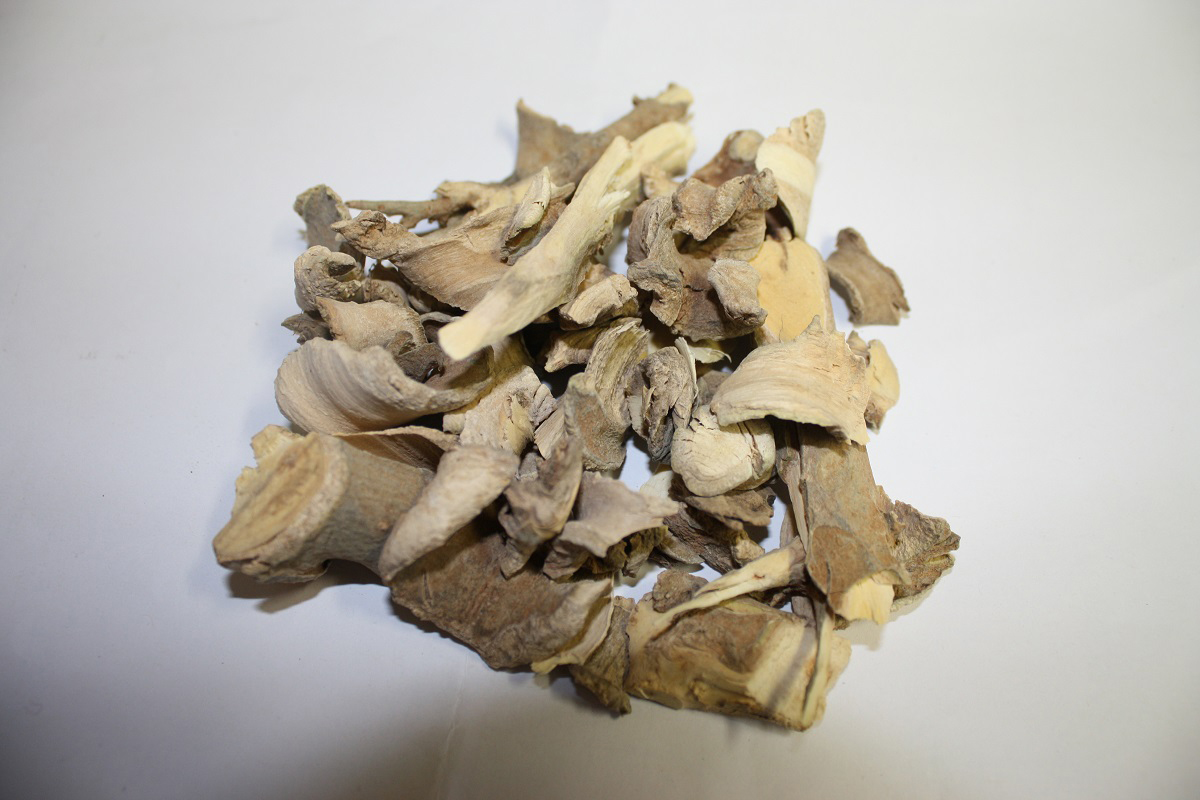
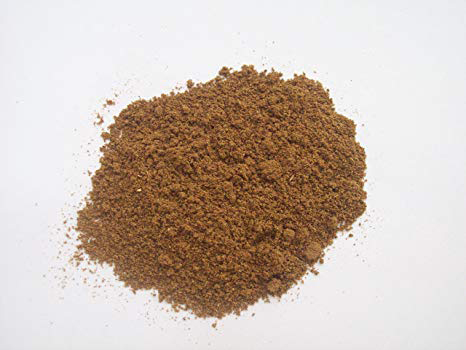
    Clerodendrum-serratum-bark Clerodendrum-serratum-flower-buds Clerodendrum-serratum-flowers Clerodendrum-serratum-powder Illustration-of-Clerodendrum-serratum Leaves-of-Clerodendrum-serratum
    [Show thumbnails]
    Traditional uses

    • It is used for treating health conditions such as anorexia, inflammation, asthma, cough, anorexia, tubercular gland, hiccough and skin diseases.
    • It is externally applied for ophthalmia and cephalagia.
    • Root promotes appetite and useful in cough, asthma and scrofulous affections.
    • It is used to treat fever and sinusitis.
    • Apply the leaves juice with ghee to pemphigus and herpetic eruptions.
    • In Unani and Ayurvedic medicine in India, Bharangi roots are used to cure respiratory ailments.
    • It is used to treat anasarca, coryza, epilepsy, cough, intermittent fevers, dyspnea and mental disorders.
    • In traditional medicine, it is used for treating rheumatism, dyspepsia and provide relief from cold symptoms.
    • Boil bruised seeds in buttermilk and use as aperient.
    • The bruised seeds, boiled in buttermilk are used as an aperient.
    • For asthma and bronchitis, drink root decoction twice a day for 3 days to get relief from asthma, cough and bronchitis.
    • Take root decoction twice a day for three days for curing liver ailments.
    • Take decoction of Bharangi panchang to treat tuberculosis.
    • Apply the grinded roots of Bharangi on forehead for few hours to provide relief from headache and migraine.
    • Apply the poultice of grinded Bharangi leaves on eyes to treat eye problems.
    • Take decoction of Bharangi panchang twice a day to treat hiccups, stomach infections and food poisoning.
    • Apply the paste of leaves to wounds.
    • Take Bharangi with honey and ghee for bronchial asthma.

    References:

    https://www.japsonline.com/admin/php/uploads/371_pdf.pdf

    http://vikaspedia.in/agriculture/crop-production/package-of-practices/medicinal-and-aromatic-plants/clerodendrum-serratum-1

    https://www.planetayurveda.com/library/bharangi-clerodendrum-serratum

    https://www.bimbima.com/ayurveda/medicinal-use-of-bharangi/1166/

    https://shodhganga.inflibnet.ac.in/bitstream/10603/62352/10/chpt5.pdf

    https://www.indianetzone.com/48/bharangi.htm

    82%
    82%
    Awesome

    Comments

    comments

    B Herbs and Spices
    Share. Facebook Twitter Pinterest LinkedIn Tumblr Email
    Previous ArticleFacts about Sunn Hemp
    Next Article Facts about Marsh Pea

    Related Posts

    Uses of Monkey Pitcher plant

    April 16, 2024

    Traditional uses and benefits of Wild Marigold

    March 21, 2024

    Traditional uses and benefits of Drooping fig

    March 12, 2024

    Comments are closed.


    Bharangi Quick Facts
    Name: Bharangi
    Scientific Name: Clerodendrum serratum
    Origin Tropical and warm temperate regions of the world
    Colors Purple
    Shapes 6 mm long, succulent, broadly obovoid
    Taste Bitter, pungent
    Name Bharangi
    Scientific Name Clerodendrum serratum
    Native Tropical and warm temperate regions of the world
    Name in Other Languages Hindi, Marathi, Gujarati, Punjabi, Urdu: Bharangi;
    Kannada and Telugu: Gantu Bharangi;
    Tamil: Sirutekku;
    Malayalam: Cherutekku;
    Oriya: Chinda;
    Ayurvedic: Bharangi;
    Unani: Bharangi;
    Hindi: Bharangi;
    English: Blue-flowered Glory Tree
    Bengali: Bamunhatee, Bamanhatee, Bhuijam, Vamunahati;
     English: Beetle killer, Blue glory;
     Gujarati: Bharangee;
    Hindi: Bharangi;
    Kannada:  Gantubarangee;
    Malayalam: Cheruthekku;
    Marathi: Bharang, Bharangee;
    Oriya: Chinds;
    Punjabi: Bhadangee
    Sanskrit: Brahmanayashtika, Barbura
    Plant Growth Habit Slightly woody shrub, annual or perennial
    Plant Size 2-8 ft high
    Root Woody, cylindrical, upto 5 cm thick
    Bark Thin
    Branches Quadrangular, glabrous
    Stem Quadrangular (four-angled)
    Leaves Oblong or elliptic, 28 cm long
    Flowering Season May to August
    Flower Bisexual, pinkish-white
    Fruit shape & size 6 mm long, succulent, broadly obovoid
    Fruit color Purple
    Taste Bitter, pungent

     Bharangi Scientific Classification

    Scientific Name: Clerodendrum serratum

    Rank Scientific Name & (Common Name)
    Kingdom Plantae (Plants)
    Subkingdom Viridaeplantae
    Division Angiospermae
    Class Magnoliopsida
    Subclass Lamiidae
    Order Lamiales
    Family Lamiaceae/ Verbenaceae
    Genus Clerodendrum
    Species Serratum
    Synonyms Clerodendrum serratum (L.) Moon
    Categories
    • Beverages (78)
    • Dairy (28)
    • Dental Health (15)
    • Equipment (5)
    • Essential OIls (196)
    • Facts (2,939)
    • Foods (255)
    • Fruits (516)
    • Giveaway (1)
    • Grains and Cereals (36)
    • Health & Beauty (763)
    • Herbs and Spices (1,249)
    • Medicines (9)
    • Mental Health (19)
    • Nutritional value (27)
    • Nuts and seeds (73)
    • Oils (81)
    • Pets (4)
    • Poultry & Seafoods (67)
    • Pulses and Beans (16)
    • Reviews (25)
    • supplement (2)
    • Vegetables (304)
    • Weight Loss (22)

    What is Lupin Bean Flour?

    Science Backed Health Benefits of Durian (Durio zibethinus)

    Science Backed Health Benefits of Feijoa (Pineapple Guava) (Acca sellowiana)

    Science Backed Health Benefits of Gac Fruit (Momordica cochinchinensis)

    Science Backed Health Benefits of Amaranth Leaves (Amaranthus spp)

    Science Backed Health Benefits of Arrowhead (Sagittaria sagittifolia)

    ABOUT
    Home
    About us
    Contact us
    Privacy Policy
    Terms & conditions
    Disclaimer
    Direct Communication
    e-mail: [email protected]
    Gmail: [email protected]
    Whatsapp: +977-9841146511
    Viber: +977-9841146511
    Useful
    Health Wiki
    Nutrition
    Facebook Twitter Pinterest
    © 2025 www.healthbenefitstimes.com All rights reserved.

    Type above and press Enter to search. Press Esc to cancel.

    ×

    Log In

    Forgot Password?

    Not registered yet? Create an Account