Health Benefits
    Facebook Twitter Instagram
    Friday, December 5
    Facebook Twitter Pinterest
    Health Benefits
    • Home
    • Dental Health
    • Mental Health
    • Weight Loss
    • Health Wiki
    • Nutrition
    • Healthy Recipe
    • BMI Calculator
    Health Benefits
    Home»Foods»Know about Cow Okra
    Foods

    Know about Cow Okra

    By s mNovember 14, 2019Updated:November 15, 2019No Comments2 Mins Read
    Facebook Twitter Pinterest LinkedIn Tumblr Email

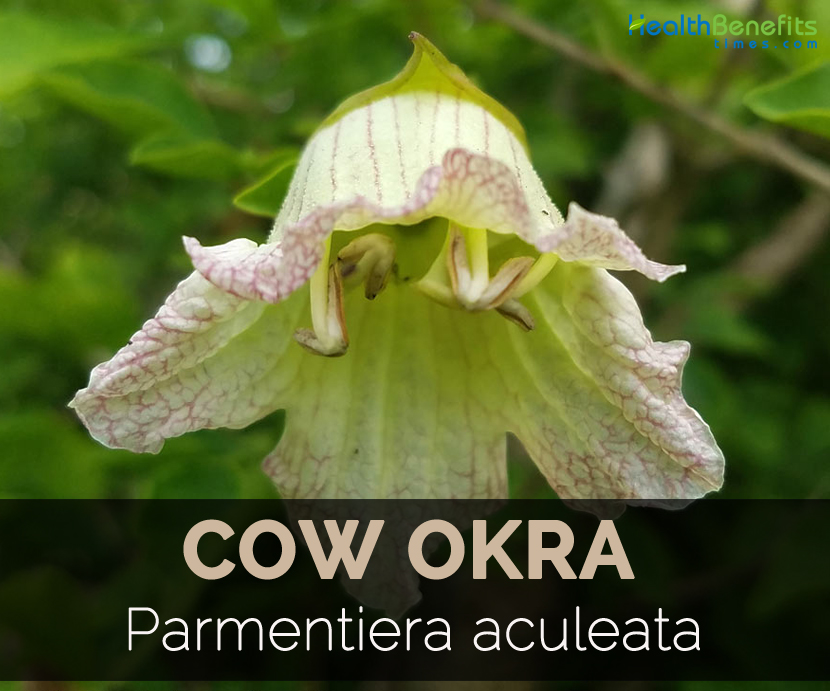
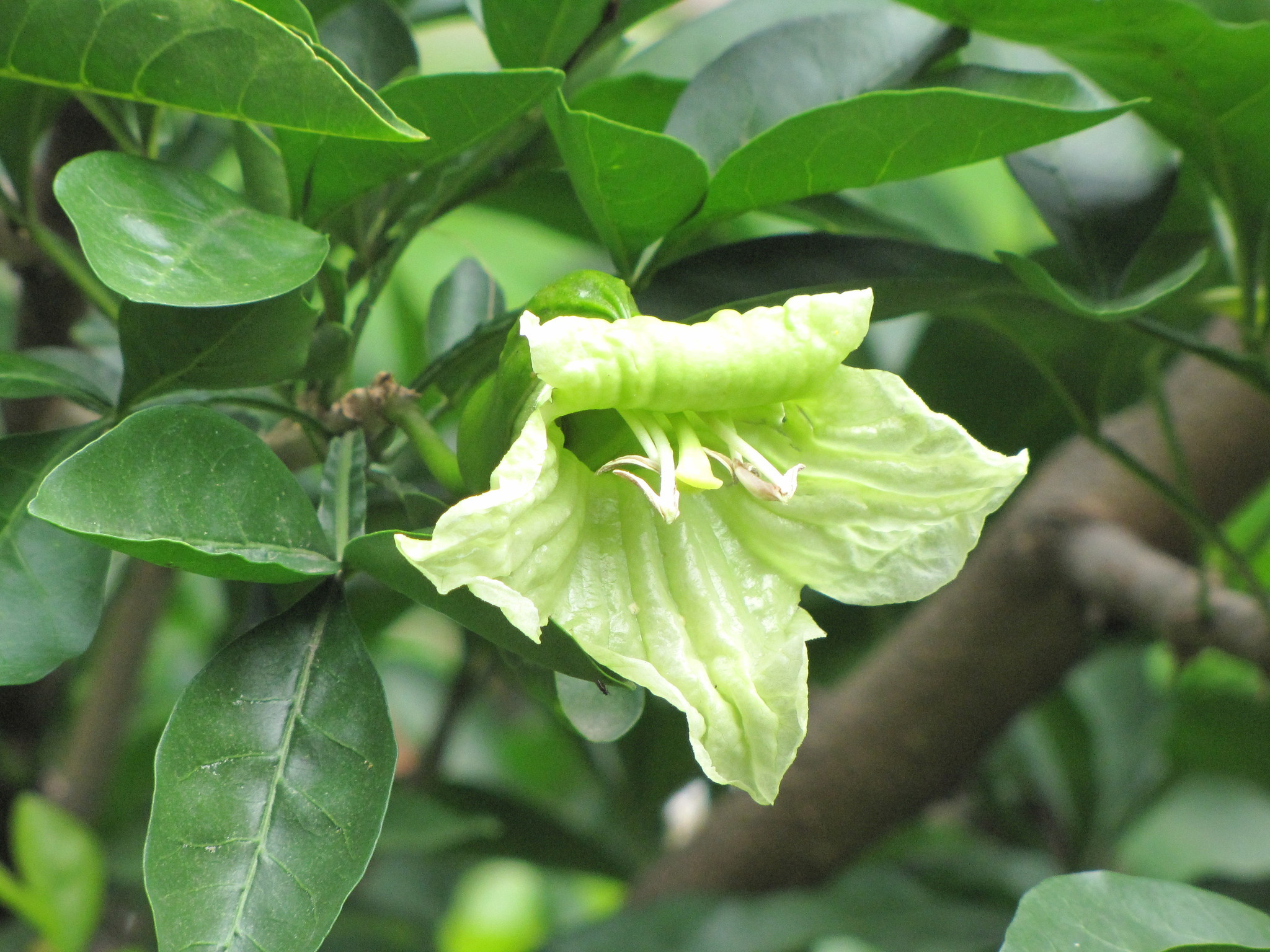
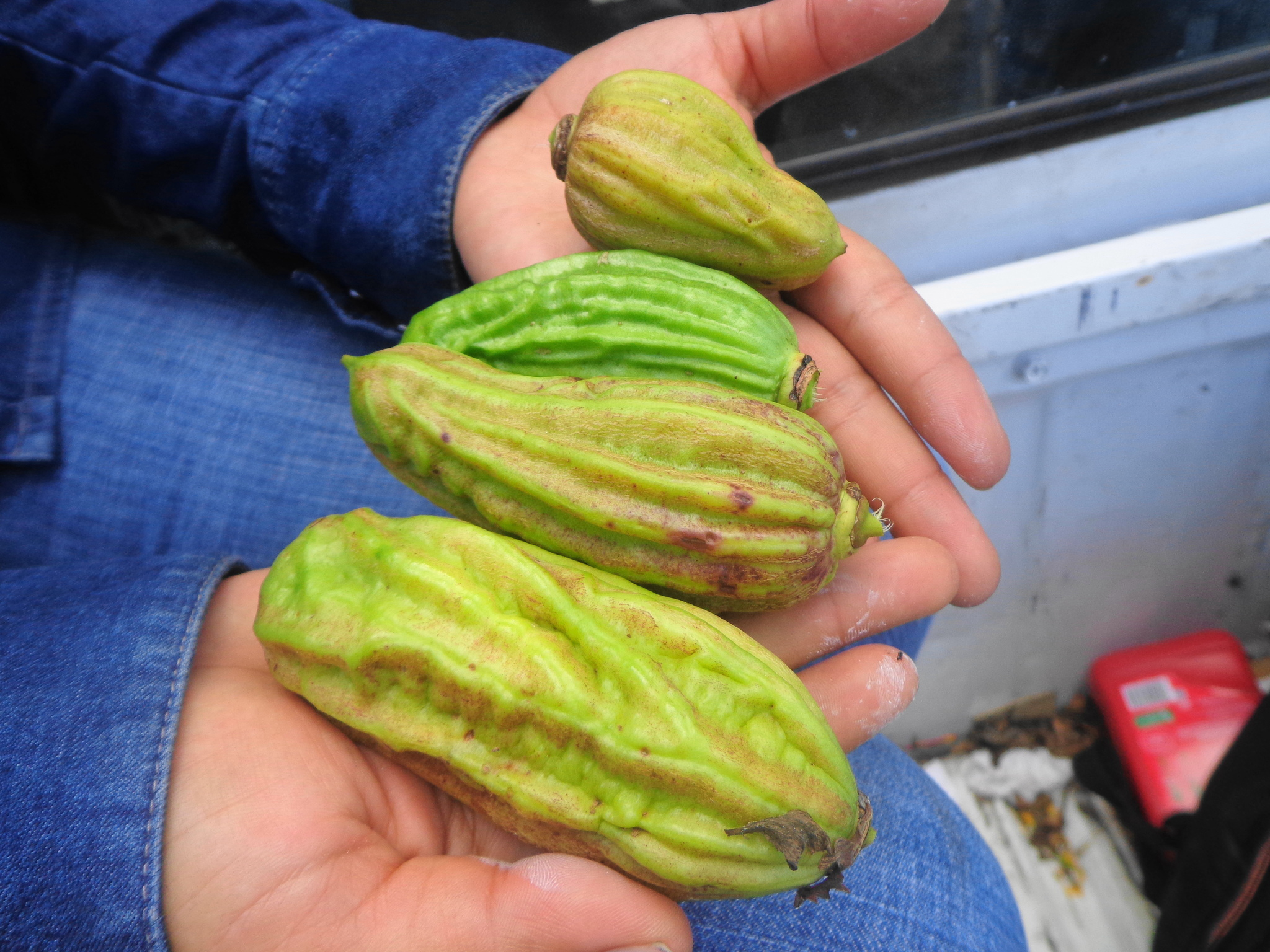
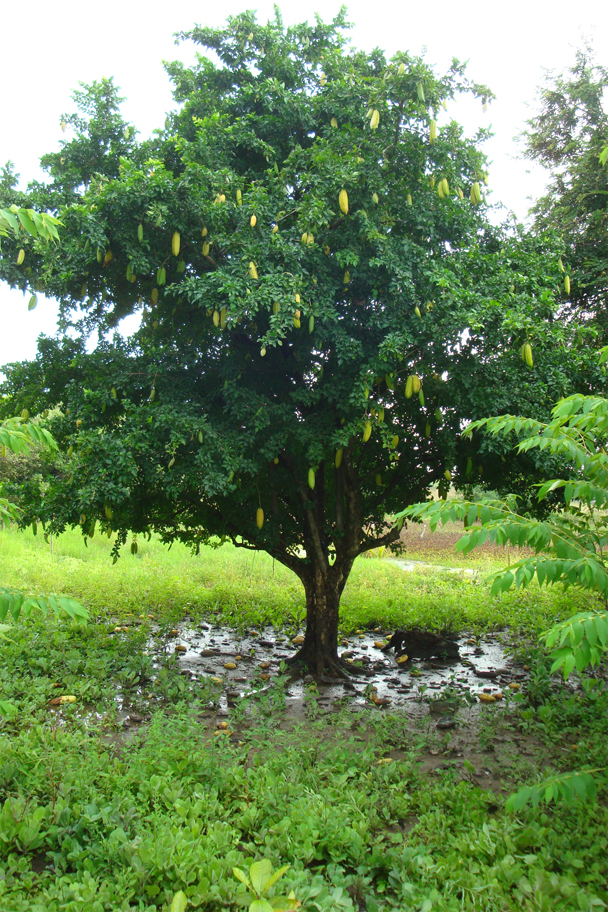
    Cow Okra is a small or medium sized and evergreen tree which measures 10 meters high having short thick trunk and pale bark, subterete branches and spreading crown. Leaves are opposite or subopposite having 3-5 leaflets. Petiole is long and narrowly winged. Leaflets are elliptic to obovate, entire and 4-6 cm long. Flowers are campanulate, greenish to greenish-white having brown purple lines, solitary and fasciculate. Calyx is spathaceous and 2.5 to 3.5 cm long. Corolla is trumpet shaped and somewhat curved. Ovary is glandular-lepidote and two celled. Fruits are short, subcylindric and candle shaped measuring 10–12 cm long and 7 cm wide. Stamens are exserted with glabrous anthers.

    Leaves

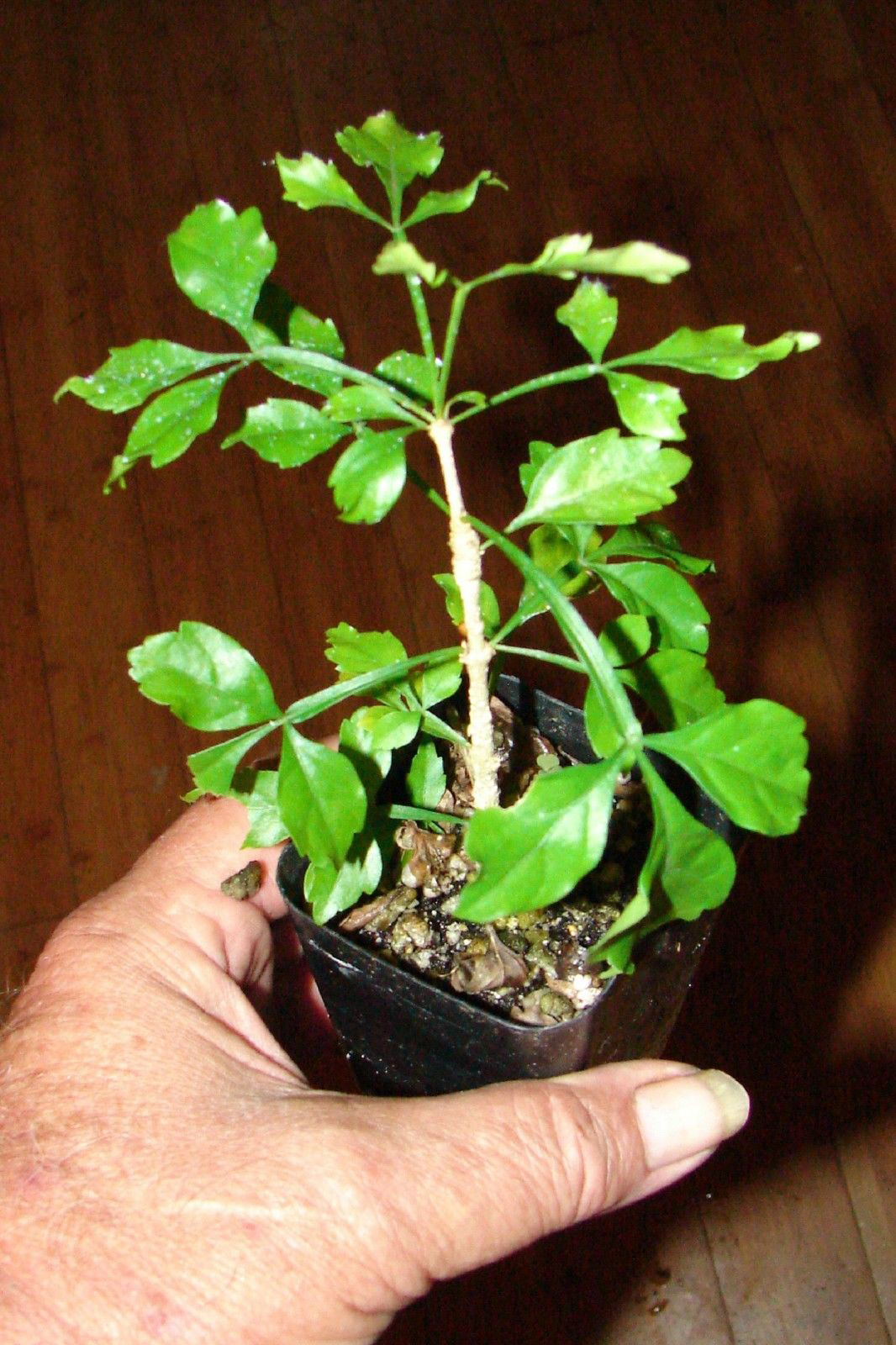
    Leaves are variable, trifoliate and opposite but pair of simple leaves in axils of trifoliate leaves. Leaf blades are 2-6 x 0.8-2.5 cm. Petioles are narrowly winged.

    Flowers

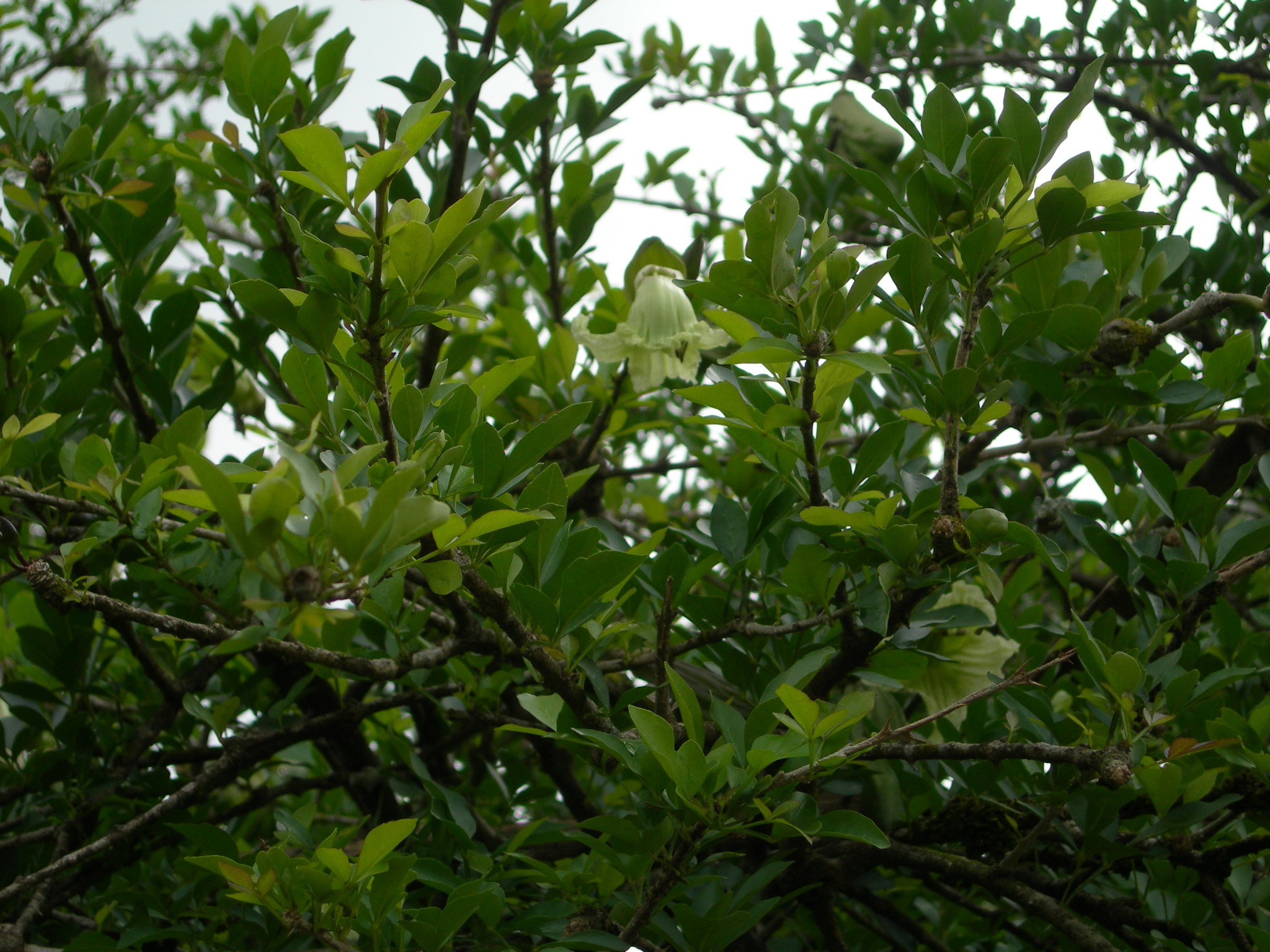
    Flowers are large and about 4.5-6 cm long. Calyx is dark green and splits on one side. Corolla is pale green having purple or maroon stripes on lobes.

    Fruit

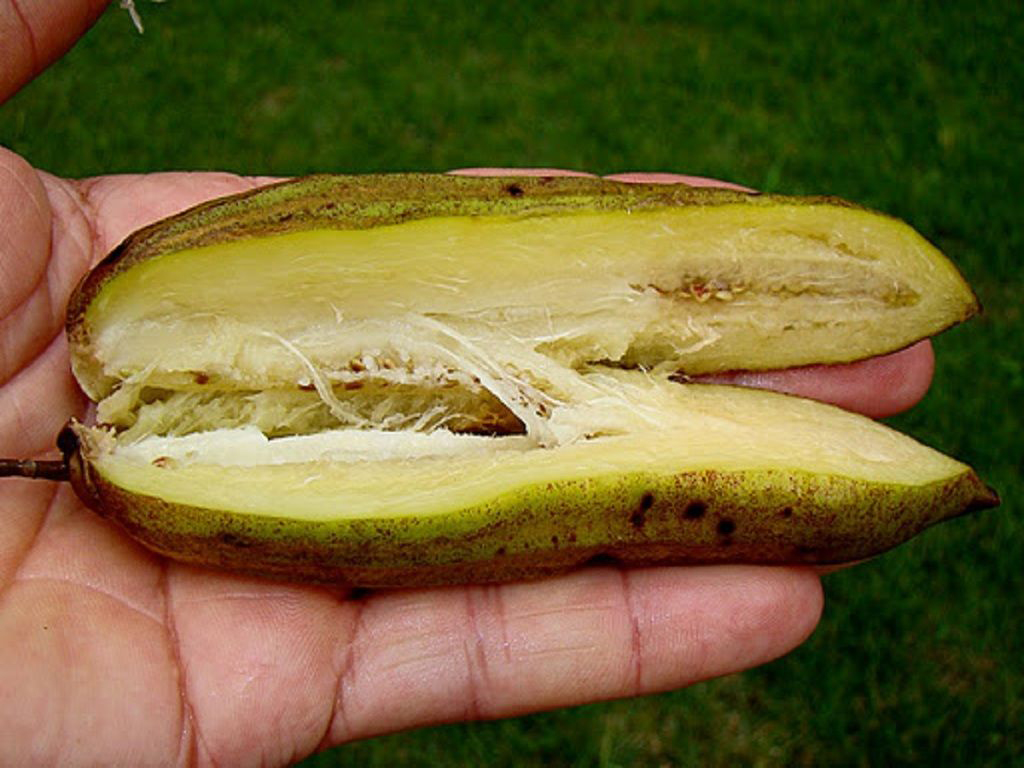
    Fruits are 8-18 x 4-4.5 cm and somewhat fibrous. Seeds are patelliform about 3 mm in diameter.

    Stems and Leaves

    Stems are pale brown and covered with relatively smooth bark. Younger branches are hairless, green and rounded. Leaves are oppositely arranged and are compound having three leaflets and form on grooved stalks about 13-35 mm long. Leaflets are oval shaped and entire margins and have rounded or pointed tips.

    Cow-Okra-flower Cow-Okra-fruit Cow-okra-half-cut Cow-Okra-leaves Cow-Okra-seedlings Cow-Okra-tree
    [Show thumbnails]
    Medicinal uses

    • Aztecs use it for treating dropsy, renal disorders, colds, gastric, indigestion and ear infections.
    • Consume the tea made from leaves for ear infections. Soak the cotton ball in the mixture and insert in the ear.

    Culinary uses

    Consume it fresh, cooked or roasted or make preserves and pickles.

    References:

    https://www.itis.gov/servlet/SingleRpt/SingleRpt?search_topic=TSN&search_value=506044#null

    https://toptropicals.com/catalog/uid/Parmentiera_edulis.htm

    http://tropical.theferns.info/viewtropical.php?id=Parmentiera+aculeata

    82%
    82%
    Awesome

    Comments

    comments

    C Foods
    Share. Facebook Twitter Pinterest LinkedIn Tumblr Email
    Previous ArticleLiquid Facelifts: How Fillers Offer a Less-Invasive Solution
    Next Article Breakthroughs in facial dermal fillers

    Related Posts

    Health benefits of Chinese Sumac

    March 6, 2024

    Health benefits of Crofton weed

    March 5, 2024

    Facts about Chinese Glory Bower

    February 18, 2024

    Comments are closed.


    Cow Okra Quick Facts
    Name: Cow Okra
    Scientific Name: Parmentiera aculeata
    Origin Central America – Mexico, Belize, Costa Rica, El Salvador; Guatemala and Honduras. It has naturalized in Northern Australia.
    Colors Subcylindric, candle-shaped, 10–12 cm long, 7 cm wide
    Shapes Subcylindric, candle-shaped, 10–12 cm long, 7 cm wide
    Taste Sweet
    Name Cow Okra
    Scientific Name Parmentiera aculeata
    Native Central America – Mexico, Belize, Costa Rica, El Salvador; Guatemala and Honduras. It has naturalized in Northern Australia.
    Common/English Name Candle Tree, Cow Okra, Cucumber Tree, Food Candle Tree, Yellowtaper Candletree
    Name in Other Languages Belize: K’at (Maya), Kat, Cow Okra, Wild Okra;
    Costa Rica: Cuajilote (Spanish);
    Dominican Republic: Guineito (Spanish);
    El Salvador: Cuajilote (Spanish);
    French: Parmentiéra Épineux;
    Guatemala: Cuajilote, Guajilote (Spanish);
    Mexico: Tzote (Hausteco), Auve-Quec (Chontal), Chote, Coxilotl, Chote Cuáhuitl, Cuaxilot “Palo De Jilote”, Cuaxilotl (Nahuatl),
    Tyacuanajun (Mixteco), Camburito, Chayote, Chachi, Chote, Chotes, Cuajiote, Cuachilote, Cuajilote, Guajilote, Guachilote, Peino De Árbol, Turi (Spanish), Puxni (Totonaco),Puch (Tepehua), Tzutzu (Zoque), Guetoxiga (Zapoteco), Cuajxilutl
    Plant Growth Habit Small or medium-sized, evergreen tree
    Plant Size 10 m high
    Flower Greenish to greenish-white
    Fruit shape & size Subcylindric, candle-shaped, 10–12 cm long, 7 cm wide
    Fruit color Yellow-green to dull yellow
    Fruit Taste Sweet
    Seed Roundish flat, 3 mm diameter

    Cow Okra Scientific Classification

    Scientific Name: Parmentiera aculeata

    Rank Scientific Name & (Common Name)
    Kingdom Plantae (Plants)
    Subkingdom Viridiplantae  (Green plants)
    Infrakingdom Streptophyta  (Land plants)
    Superdivision Embryophyta
    Division Tracheophyta  (Vascular plants, tracheophytes)
    Class Magnoliopsida
    Subclass Asteridae
    Order Lamiales
    Family Bignoniaceae  (Bignonias)
    Genus Parmentiera DC.
    Species Parmentiera aculeata (Kunth) Seem. (Cuachilote)
    Synonyms
    • Crescentia aculeata Kunth
    • Crescentia edulis Moc. ex A. DC.
    • Crescentia musaecarpa Zaldivar ex C. Heller
    • Parmentiera aculeata (Kunth) L.O. Williams
    • Parmentiera edulis DC., Parmentiera edulis Raf.
    • Parmentiera foliolosa Miers
    • Parmentiera lanceolata Miers.
    Categories
    • Beverages (78)
    • Dairy (28)
    • Dental Health (15)
    • Equipment (5)
    • Essential OIls (196)
    • Facts (2,939)
    • Foods (255)
    • Fruits (516)
    • Giveaway (1)
    • Grains and Cereals (36)
    • Health & Beauty (763)
    • Herbs and Spices (1,249)
    • Medicines (9)
    • Mental Health (19)
    • Nutritional value (27)
    • Nuts and seeds (73)
    • Oils (81)
    • Pets (4)
    • Poultry & Seafoods (67)
    • Pulses and Beans (16)
    • Reviews (25)
    • supplement (2)
    • Vegetables (304)
    • Weight Loss (22)

    What is Lupin Bean Flour?

    Science Backed Health Benefits of Durian (Durio zibethinus)

    Science Backed Health Benefits of Feijoa (Pineapple Guava) (Acca sellowiana)

    Science Backed Health Benefits of Gac Fruit (Momordica cochinchinensis)

    Science Backed Health Benefits of Amaranth Leaves (Amaranthus spp)

    Science Backed Health Benefits of Arrowhead (Sagittaria sagittifolia)

    ABOUT
    Home
    About us
    Contact us
    Privacy Policy
    Terms & conditions
    Disclaimer
    Direct Communication
    e-mail: [email protected]
    Gmail: [email protected]
    Whatsapp: +977-9841146511
    Viber: +977-9841146511
    Useful
    Health Wiki
    Nutrition
    Facebook Twitter Pinterest
    © 2025 www.healthbenefitstimes.com All rights reserved.

    Type above and press Enter to search. Press Esc to cancel.

    ×

    Log In

    Forgot Password?

    Not registered yet? Create an Account