Health Benefits
    Facebook Twitter Instagram
    Monday, March 23
    Facebook Twitter Pinterest
    Health Benefits
    • Home
    • Dental Health
    • Mental Health
    • Weight Loss
    • Health Wiki
    • Nutrition
    • Healthy Recipe
    • BMI Calculator
    Health Benefits
    Home»Dairy»Muenster cheese
    Dairy

    Muenster cheese

    By s mJune 1, 2018Updated:June 18, 2018No Comments2 Mins Read
    Facebook Twitter Pinterest LinkedIn Tumblr Email

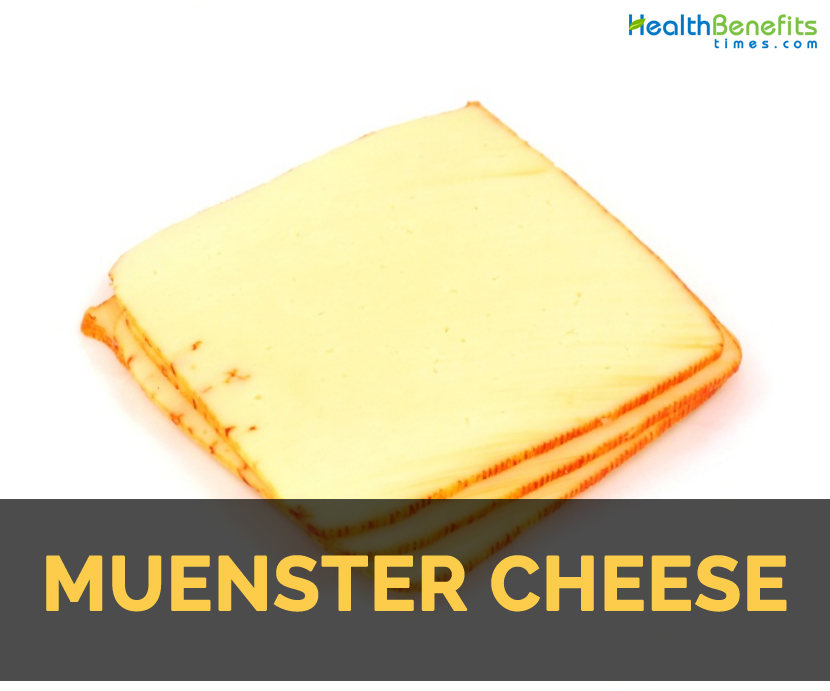
    Muenster cheese came from United States. Probably it might be introduced by German immigrants as an imitation of Alsatian washed rind Munster cheese. The name is not associated to Irish province of Munster or German city of Münster but French city of Munster in Alsace.

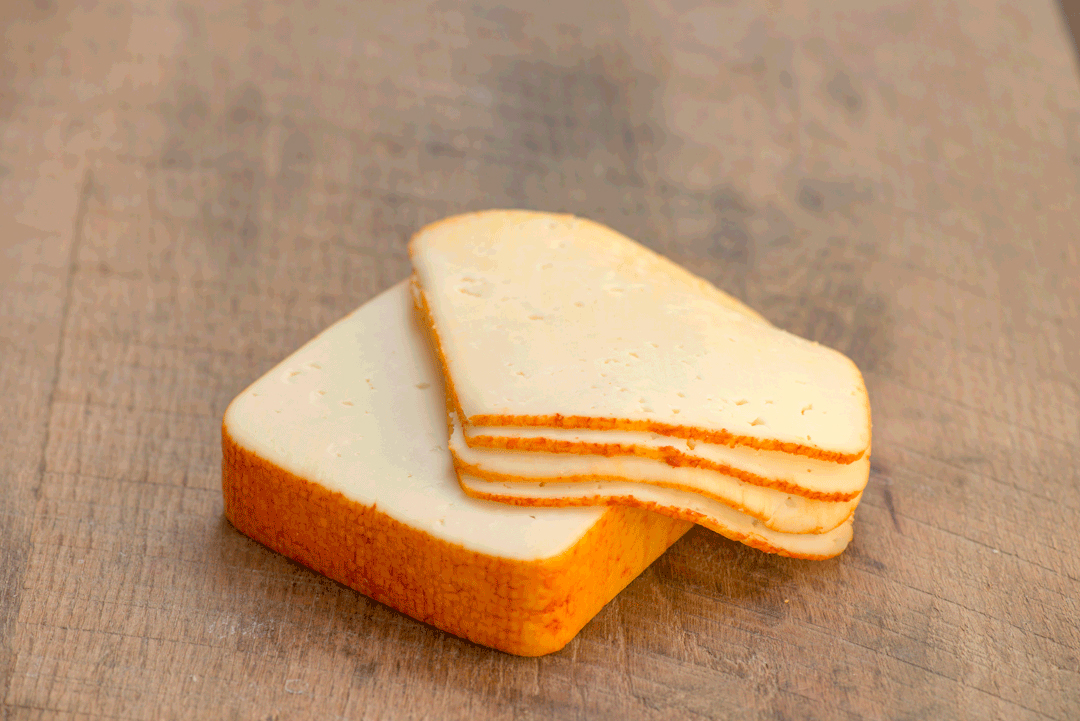
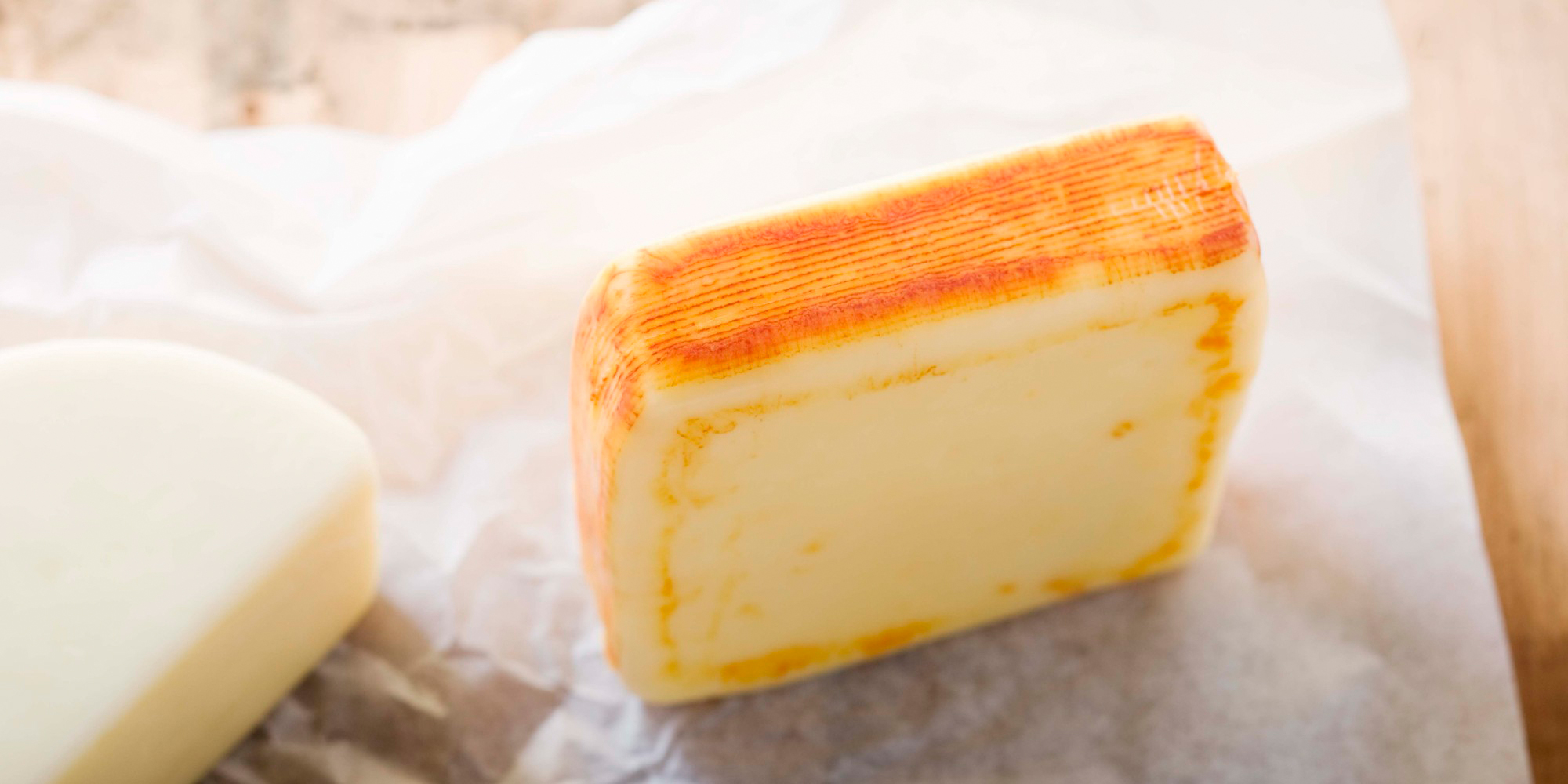
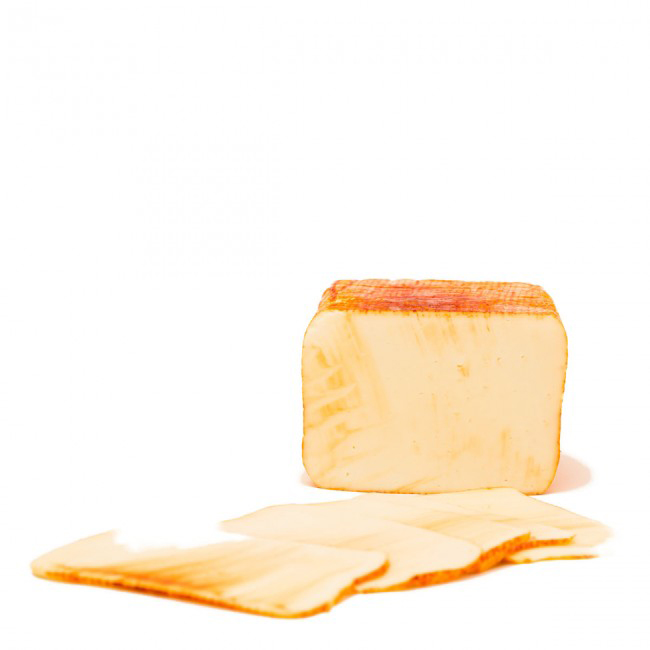
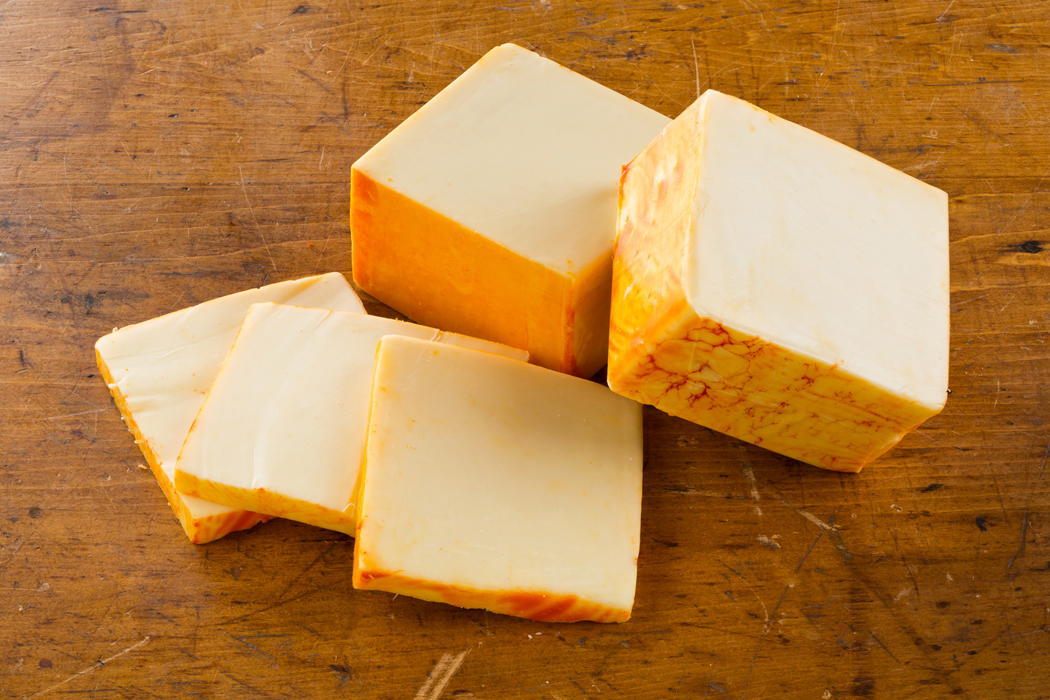
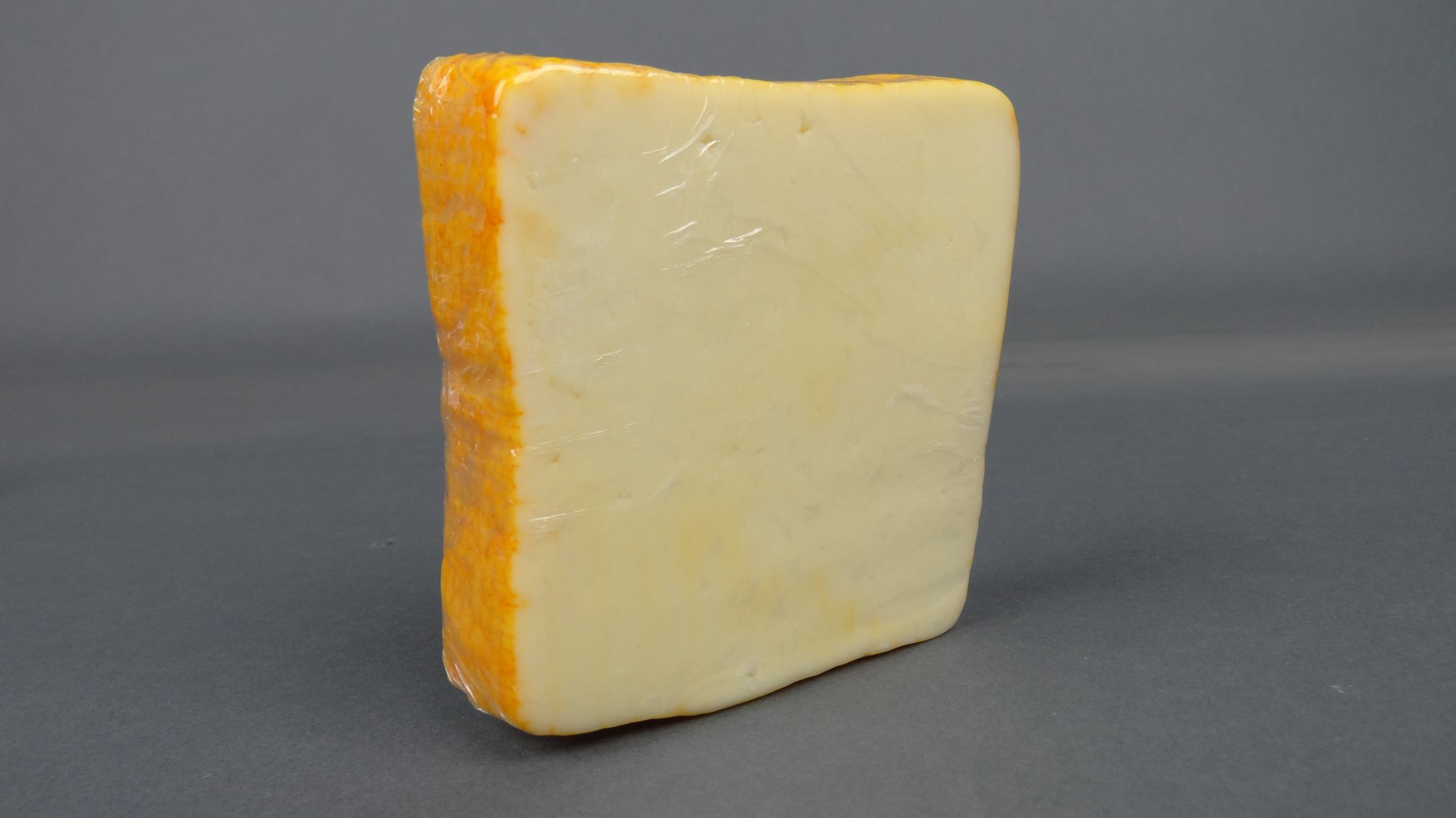
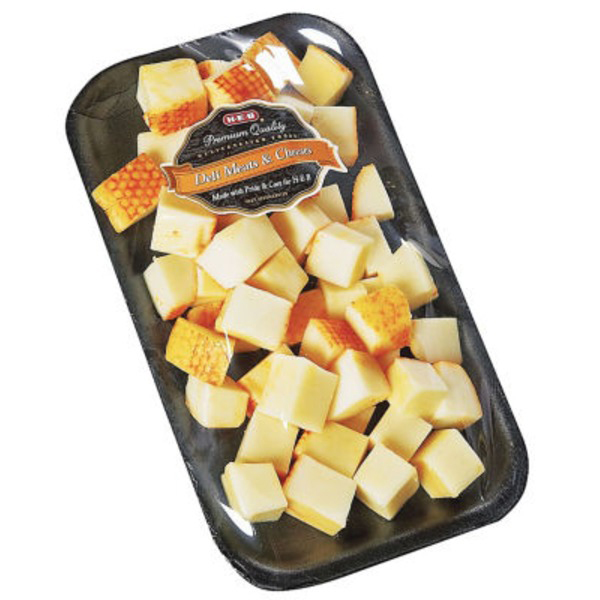
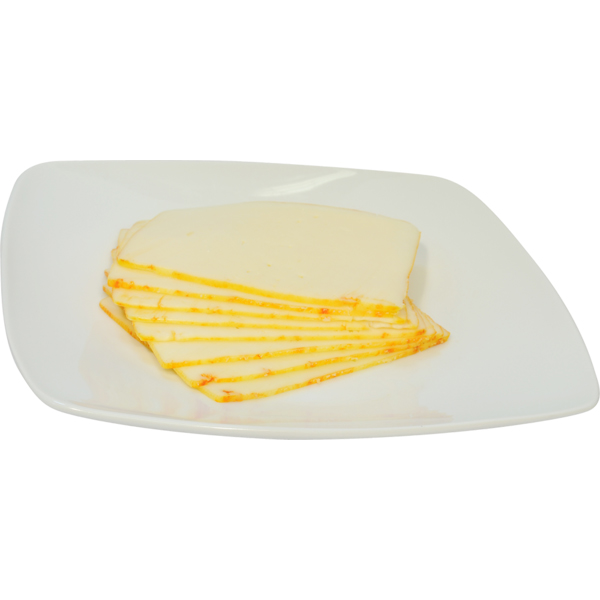
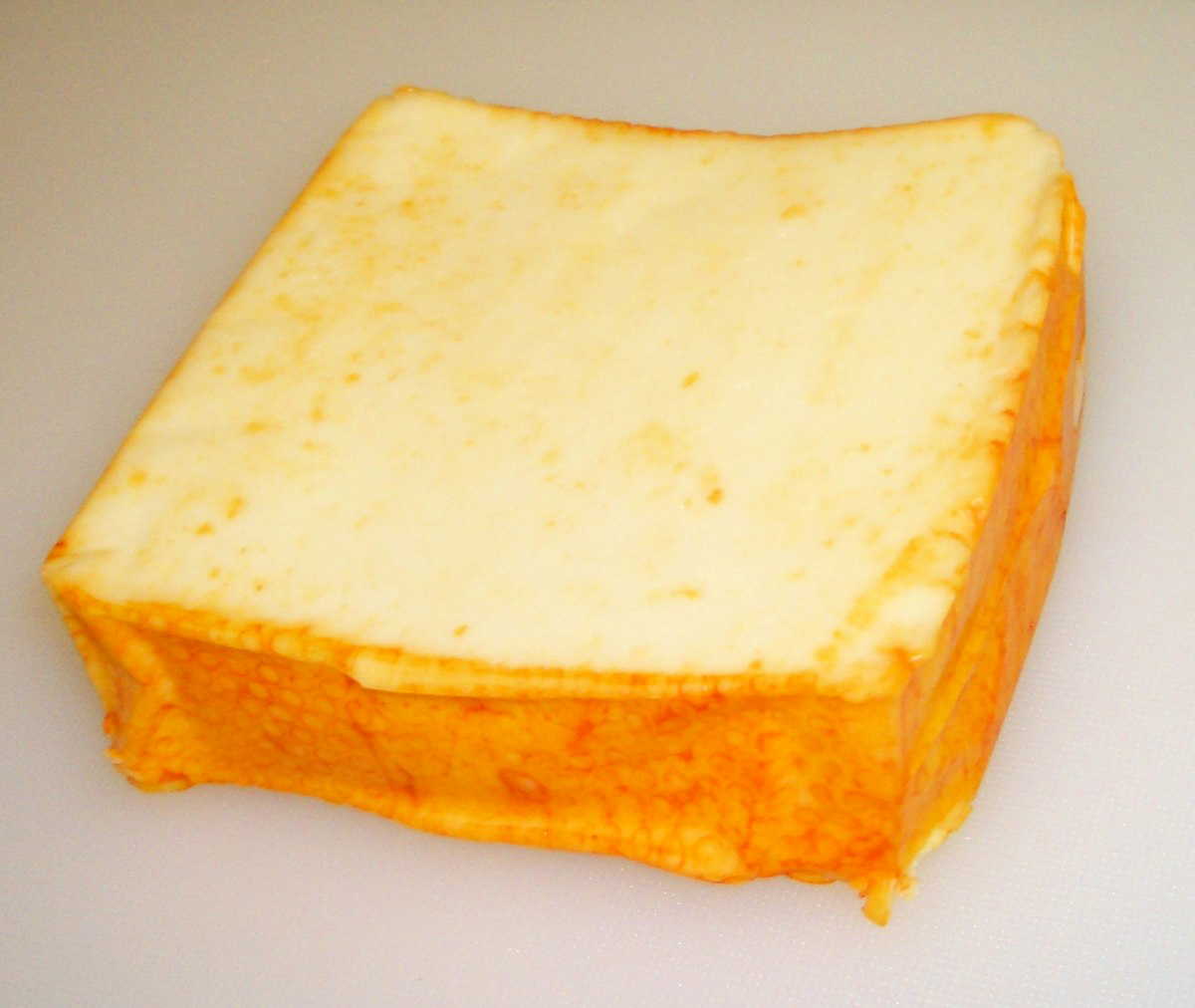
    Muenster cheese is a semi-soft cheese which is made from unpasteurized cow’s milk in Alsatian Vosges region and in France the Franche-Comte region. The taste might vary from bland resembling white American cheese to sharp resembling Monterey Jack cheese. Its flavor also varies from light to strong which depends on the time the cheese is aged. Cheeses which have been aged for longer possess stronger taste. It has smooth texture and is paler in color with an orange rind. It is formed into disks which is 8 inches diameter and 2 inches thick. An interior is rich, creamy gold color and exterior is dyed orange.

    History

    Muenster cheese is originated in Admodiation which is an area on top of Vosgian mountains of France titled Les grandes Chaumes or Chaumes.

    Early 1371, these territories were engaged by cattleherds called marcaires which pastured between May and September. The cattle herdsmen used to pay fees and tithes to political and religious owners while returning to their valleys. During this time, owners possessed all goods, rights of pasture, cattle and living creatures. Those who used to herd are called serfs. Mountain population paid their debts with jars of butter and cheese.

    Muenster-cheese-1 Muenster-cheese-2 Muenster-cheese-3 Muenster-cheese-4 Muenster-cheese-5 Muenster-cheese-6 Muenster-cheese-7 Muenster-cheese-8 Muenster-cheese-9
    [Show thumbnails]

    Health Benefits of Muenster cheese

    1.  It has high content of proteins which is essential to build strong bones as well as muscles.
    2. Muenster cheese has calcium which helps to  strengthen nerves, teeth, bones and muscles in the human body.
    3. It contains adequate amounts of dietary fiber, potassium, sodium, monounsaturated fat and sugar which is required to maintain good health.

    How to Eat         

    • Muenster cheese is used in tuna melts, grilled cheese sandwiches, macaroni, cheeseburgers, quesadillas and pizza.
    • Use this cheese in cheeseburgers.

    References:

    https://en.wikipedia.org/wiki/Muenster_cheese

    https://www.wisconsincheeseman.com/blog/cheese-nation/muenster-cheese-recipes/

    https://en.wikipedia.org/wiki/Munster_cheese

    https://www.britannica.com/topic/Munster-cheese

    http://caloriecounter.io/375/cheese-muenster/

    http://www.3gehealthcare.com/diet-nutrition/health-benefits-from-munster-cheese.html

    http://www.dontdodoughnuts.com/nutrition/health-benefits-from-munster-cheese.htm

    Comments

    comments

    Dairy M
    Share. Facebook Twitter Pinterest LinkedIn Tumblr Email
    Previous ArticleThe Benefits of Dried Apricots
    Next Article Mango peel benefits

    Related Posts

    Uses of Monkey Pitcher plant

    April 16, 2024

    Health benefits of Maltese cross

    September 29, 2023

    Health benefits of Mickey Mouse Plant

    August 29, 2023

    Comments are closed.


    Facts of Muenster cheese

    Muenster cheese Quick Facts
    Name: Muenster cheese
    Origin United States
    Colors Pale
    Taste Bland
    Calories 486 Kcal./cup
    Major nutrients Total Fat (113.29%)
    Tryptophan (98.18%)
    Calcium (94.60%)
    Valine (92.61%)
    Isoleucine (90.37%)
    Name Muenster cheese
    Common/English Name Munster, Muenster-géromé, Menschterkaas
    Country of Origin United States
    Source of Milk Cow’s milk
    Color Pale
    Texture Soft
    Flavor Mild
    Taste Bland
    Aroma Pungent
    Rind Orange
    Major Nutritions Total Fat (lipid) 39.65 g (113.29%)
    Tryptophan 0.432 g (98.18%)
    Calcium, Ca 946 mg (94.60%)
    Valine 1.956 g (92.61%)
    Isoleucine 1.511 g (90.37%)
    Histidine 1.094 g (88.80%)
    Phosphorus, P 618 mg (88.29%)
    Lysine 2.823 g (84.42%)
    Vitamin B-12 (Cobalamine) 1.94 µg (80.83%)
    Leucine 2.983 g (80.71%)
    Calories in 1 cup, diced (132 g) 486 Kcal.

    [wonderplugin_tabs id=”474″]

    Categories
    • Beverages (78)
    • Dairy (28)
    • Dental Health (15)
    • Equipment (5)
    • Essential OIls (196)
    • Facts (3,000)
    • Foods (259)
    • Fruits (524)
    • Giveaway (1)
    • Grains and Cereals (38)
    • Health & Beauty (761)
    • Herbs and Spices (1,250)
    • Medicines (9)
    • Mental Health (19)
    • Nutritional value (27)
    • Nuts and seeds (73)
    • Oils (81)
    • Pets (4)
    • Poultry & Seafoods (67)
    • Pulses and Beans (17)
    • Reviews (25)
    • supplement (2)
    • Vegetables (306)
    • Weight Loss (23)

    Science backed health benefits of Basil

    Science Backed Health Benefits of Yellow Beans

    Science Backed Health Benefits of Oat Bran

    Science Backed Health Benefits of Yardlong beans (Vigna unguiculata subsp. sesquipedalis)

    Science Backed Health Benefits of Apple Cider Vinegar

    Science Backed Health Benefits of Pigeon peas (Cajanus cajan)

    ABOUT
    Home
    About us
    Contact us
    Privacy Policy
    Terms & conditions
    Disclaimer
    Direct Communication
    e-mail: mail.healthbenefit@gmail.com
    Whatsapp: +977-9841146511
    Viber: +977-9841146511
    Useful
    Health Wiki
    Nutrition
    Facebook Twitter Pinterest
    © 2026 www.healthbenefitstimes.com All rights reserved.

    Type above and press Enter to search. Press Esc to cancel.

    ×

    Log In

    Forgot Password?

    Not registered yet? Create an Account