

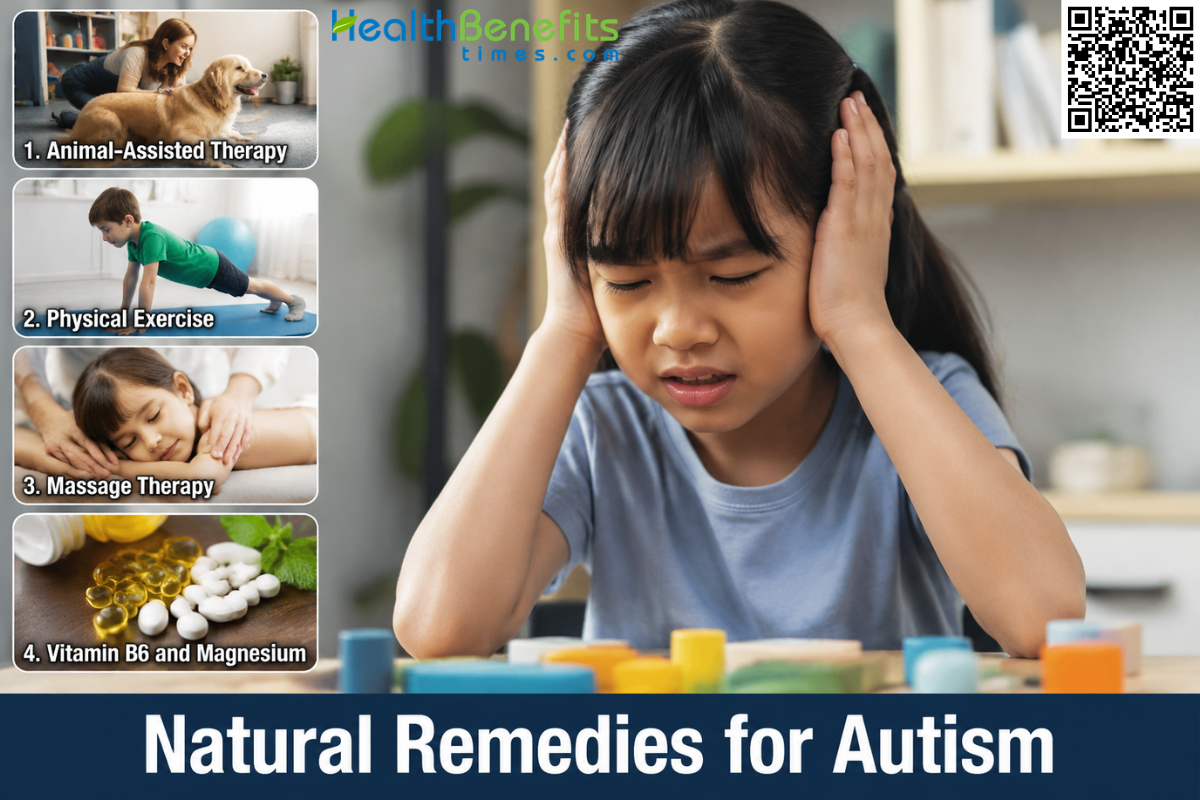
Autism spectrum disorder (ASD) is a lifelong developmental condition that affects how a person communicates, interacts with others, and experiences the world. It is clinically diagnosed based on specific differences in social interaction, challenges with verbal and nonverbal communication, and the presence of restricted or repetitive behaviors 1. Because it is considered a “spectrum” disorder, the type and severity of these traits vary widely among individuals; some people require significant, round-the-clock support, while others manage daily life entirely independently 2. While a single distinct cause is unknown, final research conclusions indicate that a combination of genetic and environmental factors influences early brain development to cause the condition 3. Signs of autism typically appear before the age of three, though many people do not receive a formal diagnosis until much later in life 4.
Causes of Autism
1. Inherited Genetic Factors
Genetics play the most significant role in autism, and having a family history strongly increases the likelihood of the condition. If a child has an older sibling with autism, they have a much higher chance of also developing it 2. Researchers have identified hundreds of specific gene variations that affect brain development and communication, which collectively account for a large portion of autism diagnoses 5.
2. Spontaneous Gene Changes
Not all genetic causes are passed down from parents. Spontaneous genetic changes, which happen randomly in the sperm, egg, or early embryo, can alter normal brain development and directly cause autism in individuals with no family history of the disorder 1.
3. Associated Genetic Syndromes
A specific, identifiable genetic disorder causes a minority of autism cases. Conditions such as Fragile X syndrome, Tuberous Sclerosis, and Down syndrome are strongly linked to the presence of autistic traits and developmental differences 3.
4. Advanced Parental Age
The age of the parents at the time of conception is a proven biological risk factor. Final research conclusions show that children born to older parents, particularly older fathers, have a statistically higher likelihood of being diagnosed with autism 6.
5. Pregnancy and Birth Complications
Specific stressful events during pregnancy or delivery can negatively impact a baby’s early brain development. Experiencing extreme premature birth (born before 26 weeks of pregnancy), having a very low birth weight, or suffering from critically low oxygen levels to the brain during delivery all increase the risk of an autism diagnosis 2.
6. Prenatal Medication Exposure
The developing fetal brain is highly sensitive to certain chemical compounds. A mother taking specific prescription medications during pregnancy, notably the anti-seizure drug valproic acid or the medication thalidomide, has been proven to significantly increase the child’s risk of developing autism 7.
Symptoms of autism
1. Differences in Nonverbal Communication
Individuals with autism often demonstrate differences in nonverbal behaviors used for social interaction. This frequently includes avoiding or struggling to maintain direct eye contact, displaying fewer facial expressions, or having difficulty interpreting the body language, postures, and gestures of other people 8.
2. Challenges with Social Reciprocity
A core feature involves difficulty with the natural back-and-forth flow of typical social interactions. People on the spectrum may struggle to share interests or emotions with others, find it difficult to initiate or sustain a two-way conversation, and often face challenges in developing, maintaining, and understanding relationships 1.
3. Repetitive Movements and Speech
The condition is frequently characterized by repetitive physical movements or the repeated use of objects and language. Common clinical examples include flapping hands, rocking the body, spinning in circles, lining up toys in strict arrangements, or repeating specific words and phrases overheard from others, which is known as echolalia 8.
4. Strict Adherence to Routines
Many individuals require rigid, unchanging daily routines and possess a strong need for predictability in their environment. Minor changes to a daily schedule, transitioning between different activities, or taking a different route to a familiar destination can cause severe distress, anxiety, and emotional outbursts 7.
5. Highly Restricted and Intense Interests
It is common for those with autism to develop highly focused, fixated interests that are unusually intense. This often presents as an overwhelming, specialized fascination with a specific topic, such as train schedules, dates, numbers, or specific moving parts of objects, which can dominate their attention and daily activities 1.
6. Atypical Sensory Processing
Unusual responses to everyday sensory input are a recognized clinical symptom of autism. Individuals may be overly sensitive to specific sounds, bright lights, clothing textures, or smells, causing them to cover their ears or avoid certain environments; conversely, they may be under-sensitive to pain or temperature, or actively seek out intense sensory feedback like deep physical pressure 9.
Natural Remedies for Autism
1. Melatonin
How it may help
Melatonin is a natural hormone that regulates the sleep-wake cycle. Many individuals with autism have lower natural melatonin levels, leading to severe sleep difficulties. Taking a supplement helps reduce the time needed to fall asleep, increases total sleep duration, and subsequently improves daytime behavior and focus 10.
What research says
Final research conclusions confirm that melatonin is a highly effective intervention for sleep disorders in children and adolescents with autism. Clinical studies demonstrate it significantly improves sleep quality 11. However, evidence shows that melatonin does not treat the core communication or social symptoms of autism itself 10.
How to use it safely
You should always consult a healthcare provider before starting melatonin to determine the correct dosage. Medical professionals typically recommend starting with a low dose, usually between 1 and 3 milligrams, taken 30 to 60 minutes before bedtime to establish a healthy sleep routine 12.
Potential precautions or side effects
Common side effects are generally mild, including morning drowsiness, headaches, and dizziness 12. Long-term use requires medical supervision to ensure it does not disrupt natural hormone development 11.
2. Omega-3 Fatty Acids
How it may help
Omega-3 fatty acids are essential nutrients that support normal brain function and reduce tissue inflammation. For individuals with autism, these supplements may help manage associated behavioral challenges, specifically reducing hyperactivity, lethargy, and repetitive movements by improving communication between brain cells 13.
What research says
Final research conclusions regarding omega-3 supplements for autism remain mixed. While clinical trials show they can modestly reduce hyperactivity and irritability, evidence confirms that omega-3s do not improve the core social, sensory, or communication differences that define the condition 14.
How to use it safely
You should always consult a medical provider before adding supplements to ensure the correct dosage based on age and weight. Doctors generally recommend utilizing high-quality fish oil capsules or adding naturally omega-3-rich foods, like salmon and walnuts, to daily meals 15.
Potential precautions or side effects
Common side effects are minor and include bad breath, nausea, and an upset stomach. However, taking excessively high doses can dangerously increase the risk of bleeding 15.
3. Probiotics
How it may help
Probiotics are beneficial bacteria that balance the digestive system. Because many individuals with autism experience severe stomach issues, improving gut health can relieve physical pain. This digestive relief may subsequently reduce behavioral outbursts and improve mood through the established connection between the gut and brain 16.
What research says
Final research conclusions indicate that probiotics effectively treat stomach discomfort, constipation, and diarrhea in autistic children. While clinical evidence shows treating these physical issues often leads to reduced irritability, studies confirm probiotics do not alter the core social and communication differences of autism 17.
How to use it safely
You should consult a healthcare professional before introducing probiotics to ensure the right bacterial strain and dosage. Doctors often recommend starting by adding natural sources, such as plain yogurt, to your diet before using concentrated dietary supplements 18.
Potential precautions or side effects
Probiotics are widely considered safe, but they can cause temporary digestive symptoms like extra gas, mild stomach upset, or bloating during the first few days of use 18.
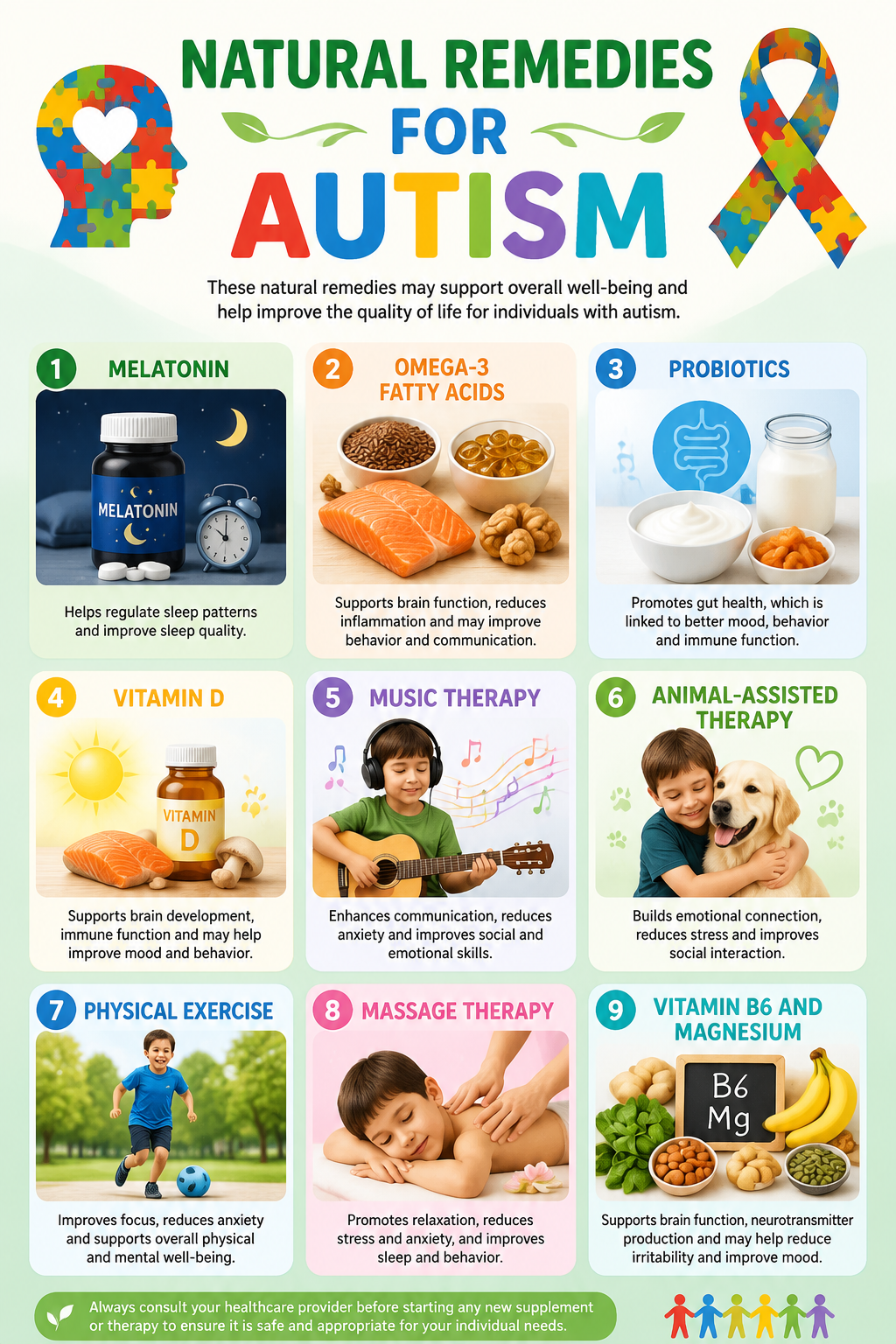
4. Vitamin D
How it may help
Vitamin D plays a critical role in brain development and function. It helps regulate essential brain chemicals, such as serotonin, and reduces inflammation in the nervous system 19. By supporting these fundamental brain processes, maintaining adequate levels may help reduce behavioral issues and support overall cognitive health in individuals with autism.
What research says
Research indicates that children with autism frequently have significantly lower levels of vitamin D compared to neurotypical peers 20. Clinical studies conclude that vitamin D supplementation can improve certain core autism symptoms, including hyperactivity, social withdrawal, and irritability, making it a potentially valuable supportive management strategy 21.
How to use it safely
You should consult a healthcare provider to test your child’s blood levels before starting any supplementation 22. A doctor will recommend a safe, individualized daily dose based on the specific deficiency, age, and weight to ensure optimal levels are achieved safely.
Potential precautions or side effects
Excessive vitamin D intake can cause toxicity, leading to dangerous calcium buildup in the blood. This may result in nausea, vomiting, weakness, and severe kidney complications 22.
5. Music Therapy
How it may help
Music therapy uses structured musical interaction to improve communication, social skills, and emotional regulation. It engages multiple brain networks simultaneously, helping individuals process sensory information and express emotions more effectively, which reduces anxiety and fosters better interpersonal connections 23.
What research says
Clinical reviews conclude that music therapy interventions improve social interaction, non-verbal communication, and initiating behavior in children with autism 24. Evidence shows these structured activities also increase social adaptation skills and significantly enhance the overall quality of parent-child relationships compared to standard clinical care alone 25.
How to use it safely
You should seek services from a board-certified music therapist who can design an individualized, structured program. Introduce instruments and sounds gradually to match sensory tolerance, ensuring the therapy complements conventional medical and behavioral treatments without causing distress 26.
Potential precautions or side effects
Loud volumes or complex rhythms might trigger sensory overload and anxiety 27. You must stop activities immediately if the individual shows signs of distress, agitation, or behavioral meltdowns.
6. Animal-Assisted Therapy
How it may help
Animal-assisted therapy utilizes interactions with trained animals to promote social engagement and emotional regulation. These interactions provide non-threatening, consistent feedback, which can lower stress levels and encourage the development of communication and empathy in individuals with autism 28.
What research says
Research suggests that contact with therapy animals can significantly increase social interaction, verbal communication, and pro-social behaviors while reducing repetitive actions and social anxiety 29. Studies also indicate that children often demonstrate improved focus and better emotional stability when engaged in structured sessions with animals 30.
How to use it safely
You should work exclusively with qualified organizations that utilize certified therapy animals trained for clinical environments. Ensure your child is supervised by both a professional handler and a therapist to tailor the interaction to their specific sensory needs and safety requirements 26.
Potential precautions or side effects
Risks include potential allergic reactions, animal-borne illnesses, or behavioral injuries if the animal becomes startled. Always assess for sensory sensitivities that could lead to agitation or negative reactions.
7. Physical Exercise
How it may help
Physical exercise aids sensory regulation and motor coordination by stimulating neural pathways and releasing endorphins. Structured physical activity provides a constructive outlet for excess energy, which helps manage stereotypical behaviors and improves overall emotional well-being in individuals with autism 31.
What research says
Clinical reviews demonstrate that structured physical exercise significantly decreases repetitive behaviors and aggression in youth with autism 32. Furthermore, research concludes that consistent fitness regimens enhance motor proficiency, improve sleep quality, and foster better executive function and social interaction 33.
How to use it safely
You should begin with short, low-impact activities tailored to the individual’s motor capabilities and sensory preferences 34. Partner with a physical therapist to design a routine that progressively builds endurance while strictly avoiding environmental overstimulation.
Potential precautions or side effects
You must monitor closely for signs of sensory overload and physical exhaustion. Ensure adequate hydration and provide supervision to prevent injuries from uncoordinated movements or complex routines 31.
8. Massage Therapy
How it may help
Massage therapy helps calm the nervous system by providing structured tactile stimulation and deep tissue pressure. This therapeutic touch can lower stress hormones, enhance relaxation, and improve sensory processing, making it easier for individuals with autism to regulate their emotional and physical responses 35.
What research says
Clinical meta-analyses demonstrate that specific techniques, such as Qigong and traditional Thai massage, can significantly decrease self-regulatory difficulties and tactile abnormalities in children with autism 36. Additional studies conclude that regular massage therapy reduces parenting stress and improves overall social and communication abilities 36.
How to use it safely
You should consult a licensed massage therapist who specializes in pediatric care and sensory processing disorders 37. Start with brief sessions matching the child’s sensory preferences, gradually increasing the duration as they become more comfortable.
Potential precautions or side effects
While generally safe, vigorous techniques carry a rare risk of injury 37. You must stop immediately if the individual displays signs of sensory overload or physical distress.
9. Vitamin B6 and Magnesium
How it may help
Vitamin B6 is essential for producing brain chemicals like serotonin and dopamine, which regulate mood and behavior. Magnesium helps the body utilize B6 effectively while calming the central nervous system. Together, this combination aims to improve brain cell communication and reduce hyperactivity in individuals with autism 38.
What research says
Clinical reviews conclude that there is insufficient high-quality evidence to prove that Vitamin B6 and magnesium interventions significantly improve core autism behaviors, social interactions, or communication skills 39. Researchers advise that this combination cannot currently be recommended as a standard, proven treatment for the condition.
How to use it safely
You must consult a healthcare provider before starting these supplements to establish a medically appropriate, weight-based dose 40. Always request baseline blood tests to monitor existing nutrient levels and schedule regular follow-up visits to prevent potential toxicity.
Potential precautions or side effects
Excessive Vitamin B6 can cause severe nerve damage, resulting in pain and numbness 38. High magnesium intake frequently leads to abdominal cramping, nausea, and diarrhea. You must monitor dosages carefully.
Foods to Avoid When Managing Autism
While no universal diet treats autism, eliminating specific dietary triggers can help manage common gastrointestinal issues and behavioral symptoms.
1. Gluten-Containing Grains
Clinical reviews show that removing gluten, a protein found in wheat, can reduce gastrointestinal distress and improve core behavioral symptoms in specific subsets of children 41.
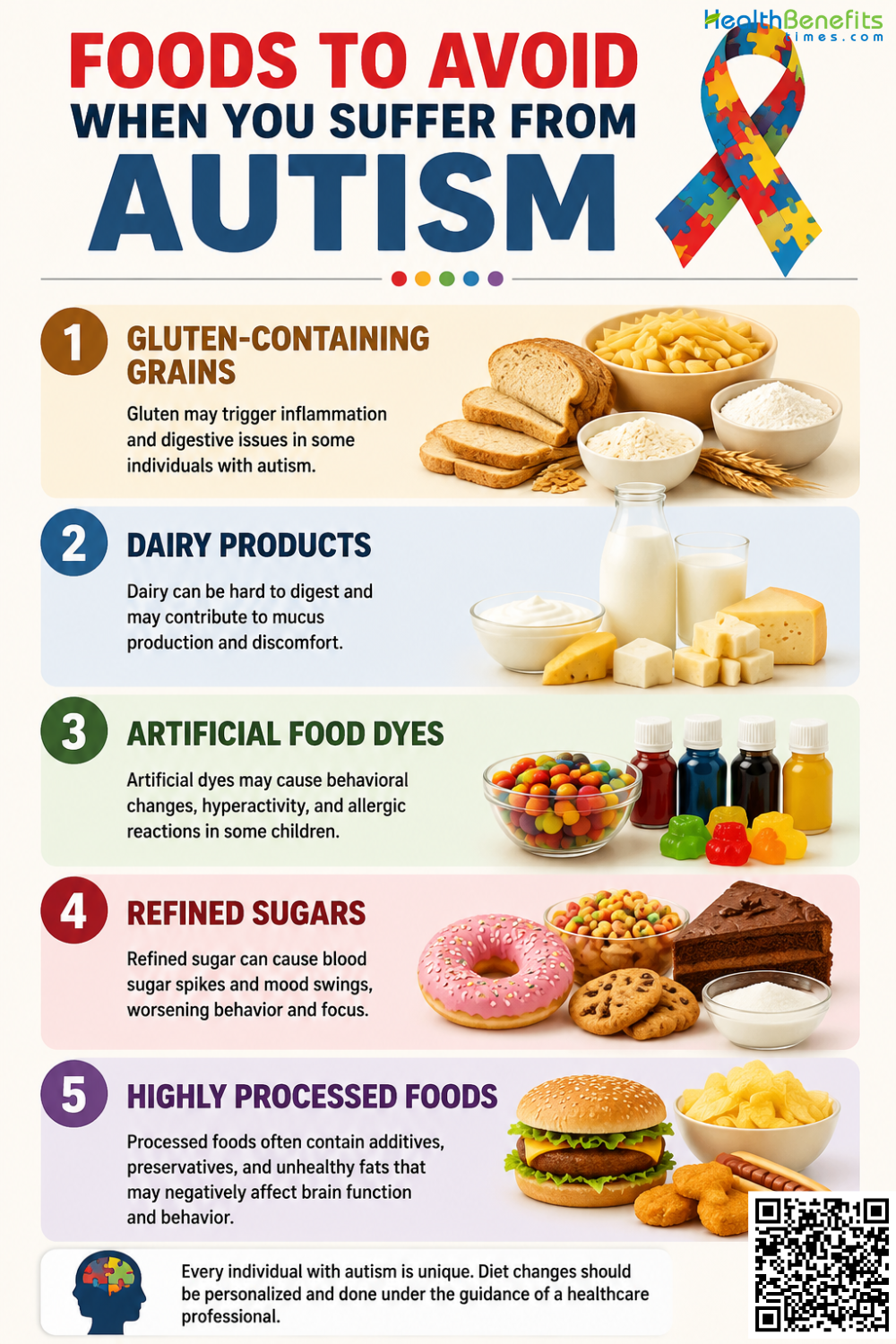
2. Dairy Products
Research indicates that casein, a primary dairy protein, may exacerbate digestive issues and neuroinflammation; eliminating it often improves social behaviors and communication skills 41.
3. Artificial Food Dyes
Studies conclude that synthetic food colorings and chemical preservatives significantly increase hyperactivity, irritability, and inattention in children with neurodevelopmental disorders 42.
4. Refined Sugars
High sugar intake is linked to metabolic imbalances and dysregulated gut bacteria, which can worsen sleep disturbances and behavioral outbursts in individuals with autism 43.
5. Highly Processed Foods
Research confirms that ultra-processed foods provoke systemic inflammation and negatively impact cognitive function and emotional regulation due to a lack of essential neurological nutrients 44.
When to See a Doctor When Managing Autism
While autism is a lifelong developmental condition managed through ongoing therapies, sudden shifts in physical health, development, or behavior require immediate clinical evaluation to identify and treat underlying medical issues.
1. Loss of Skills
You should consult a doctor if an individual suddenly loses previously acquired speech, social, or daily living skills, which requires prompt neurological evaluation 8.
2. Self-Injurious Behavior
Sudden increases in aggression or self-harm require medical assessment to rule out hidden physical pain, untreated infections, or co-occurring psychiatric conditions 45.
3. Gastrointestinal Distress
You must see a physician for chronic constipation, diarrhea, or abdominal pain, as these severely impact behavior and require targeted medical interventions 46.
4. Seizure Activity
Research indicates many individuals with autism develop epilepsy; you must seek immediate neurological care for unexplained staring spells, sudden unresponsiveness, or convulsions 7.
5. Severe Sleep Disturbances
Consult a healthcare provider if chronic insomnia occurs, as untreated sleep disorders significantly worsen behavioral regulation, daily functioning, and overall cognitive health 47.