


Diabetic neuropathy is a progressive form of nerve damage caused by prolonged diabetes. Over time, persistently high blood glucose levels and elevated blood fats injure nerve fibers and the small blood vessels that supply them with oxygen and essential nutrients 1. While this condition can impact any nerve in the body, it most frequently presents as peripheral neuropathy, which initially targets the nerves in the feet and lower legs 2. Patients often experience a gradual onset of symptoms, including numbness, tingling, burning sensations, or increased pain sensitivity in the affected extremities. Because this nerve damage impairs physical sensation, minor injuries like cuts or blisters can easily go unnoticed, escalating the risk of severe infections, chronic foot ulcers, and potential surgical amputation 2. Although the resulting nerve damage is permanent, disease progression can be effectively slowed or delayed by strictly managing blood sugar levels, blood pressure, and cholesterol 1.
Causes of Diabetic Neuropathy
- Elevated Blood Sugar: Over extended periods, high blood glucose levels directly damage nerve fibers and the fragile small blood vessels that supply nerves with oxygen and essential nutrients 1.
- High Blood Fats: Elevated levels of triglycerides and cholesterol in the blood contribute to nerve damage by harming the blood vessels necessary for proper nerve function 1.
- High Blood Pressure: Increased blood pressure adds excess physical stress to the circulatory system, further damaging the tiny blood vessels that feed and protect peripheral nerves 1.
- Duration of Diabetes and Age: The risk of developing nerve complications increases as a person ages and is directly linked to the number of years they have lived with diabetes 1.
- Excess Body Weight: Being overweight or obese places additional metabolic strain on the body, accelerating the progression of diabetes-related complications like nerve damage 2.
- Kidney Disease: Advanced kidney disease limits the body’s ability to filter waste properly. The resulting buildup of toxins in the bloodstream can directly injure nerve tissues 1.
- Smoking and Alcohol Consumption: Smoking severely narrows blood vessels, restricting oxygen flow to the body’s extremities, while heavy alcohol use introduces toxins that can poison nerve cells and accelerate neuropathy 1.
- Genetic Factors: Clinical research indicates that certain inherited genetic traits may make specific individuals more susceptible to developing nerve damage when managing diabetes 1.
Symptoms of Diabetic Neuropathy
- Loss of Sensation and Numbness: Patients frequently experience a diminished ability to feel pain, temperature changes, or physical touch, primarily starting in the toes and feet and gradually moving up the legs 3.
- Tingling and Burning Pain: Many individuals report a persistent “pins and needles” sensation or a deep burning and shooting pain in their lower extremities, which often becomes noticeably worse during the night 2.
- Extreme Touch Sensitivity: Some people develop an amplified sensitivity to touch, where even light friction from clothing or bedsheets resting on the skin can trigger severe and unexpected pain 3.
- Muscle Weakness and Balance Issues: As nerve damage progresses, it disrupts communication between the brain and muscles, leading to physical weakness, loss of coordination, an altered walking pattern, and an increased risk of falls 3.
- Digestive Complications: When nerve damage impacts the automatic functions of the internal organs, it can severely delay stomach emptying, resulting in chronic nausea, vomiting, bloating, unexpected blood sugar spikes, or severe episodes of diarrhea and constipation 3.
- Cardiovascular Irregularities: Damage to the nerves controlling the heart and circulatory system can cause a rapid resting heart rate or a sudden, sharp drop in blood pressure upon standing, which frequently leads to dizziness, lightheadedness, or fainting 3.
- Urological and Sexual Dysfunction: Nerve deterioration can impair normal bladder control, causing frequent urinary tract infections or urine leakage, and is a leading cause of erectile dysfunction in men and diminished sexual response in women 3.
- Sweat Gland Abnormalities: The condition can disrupt normal body temperature regulation, causing a person to sweat excessively, particularly at night or while eating, or to stop sweating entirely, which dries out the skin and causes cracking on the feet 3.
Natural Remedies for Diabetic Neuropathy
1. Alpha-Lipoic Acid (ALA) Antioxidant Therapy
How it may help
Alpha-lipoic acid (ALA) is a natural antioxidant that protects cells from damage caused by free radicals. In the context of diabetic neuropathy, it helps lower blood sugar levels and improves nerve function by reducing oxidative stress, which protects fragile nerve fibers and the small blood vessels supplying them with oxygen.
What research says
Clinical studies confirm that ALA effectively reduces neuropathy symptoms, including pain, burning, tingling, and numbness in the lower limbs. Research indicates that intravenous ALA provides rapid symptom relief, while oral supplements also offer significant benefits when taken daily over several weeks to improve overall nerve function 4.
How to use it safely
You should always consult your healthcare provider before starting ALA, as it can require adjustments to your diabetes medications. For nerve pain, the standard oral dosage is typically 600 milligrams daily, taken on an empty stomach to ensure maximum body absorption 4.
Potential precautions or side effects
ALA is generally safe, but side effects can include stomach upset, nausea, or skin rash. It also increases the risk of hypoglycemia when combined with other diabetes medications 5.
2. Regular Physical Exercise and Movement
How it may help
Regular physical activity increases blood circulation, ensuring that damaged nerves receive vital oxygen and nutrients necessary for repair. It also plays a crucial role in lowering overall blood glucose levels, which directly prevents further nerve deterioration and helps maintain healthy nerve function over time.
What research says
Clinical studies demonstrate that consistent aerobic and strength training significantly reduces neuropathy-related pain and improves nerve function. Researchers conclude that regular, supervised exercise not only slows the progression of nerve damage but also helps restore protective physical sensation in the lower limbs of diabetic patients 6.
How to use it safely
You should consult your doctor before starting any new fitness routine. Wear well-fitting, supportive shoes and meticulously check your feet for cuts or blisters after every session 7. If you have severe foot numbness, choose low-impact activities like swimming or stationary cycling.
Potential precautions or side effects
Avoid high-impact exercises like running or jumping if your feet lack sensation, as this increases the risk of undetected fractures, severe joint damage, and dangerous foot ulcers 2.
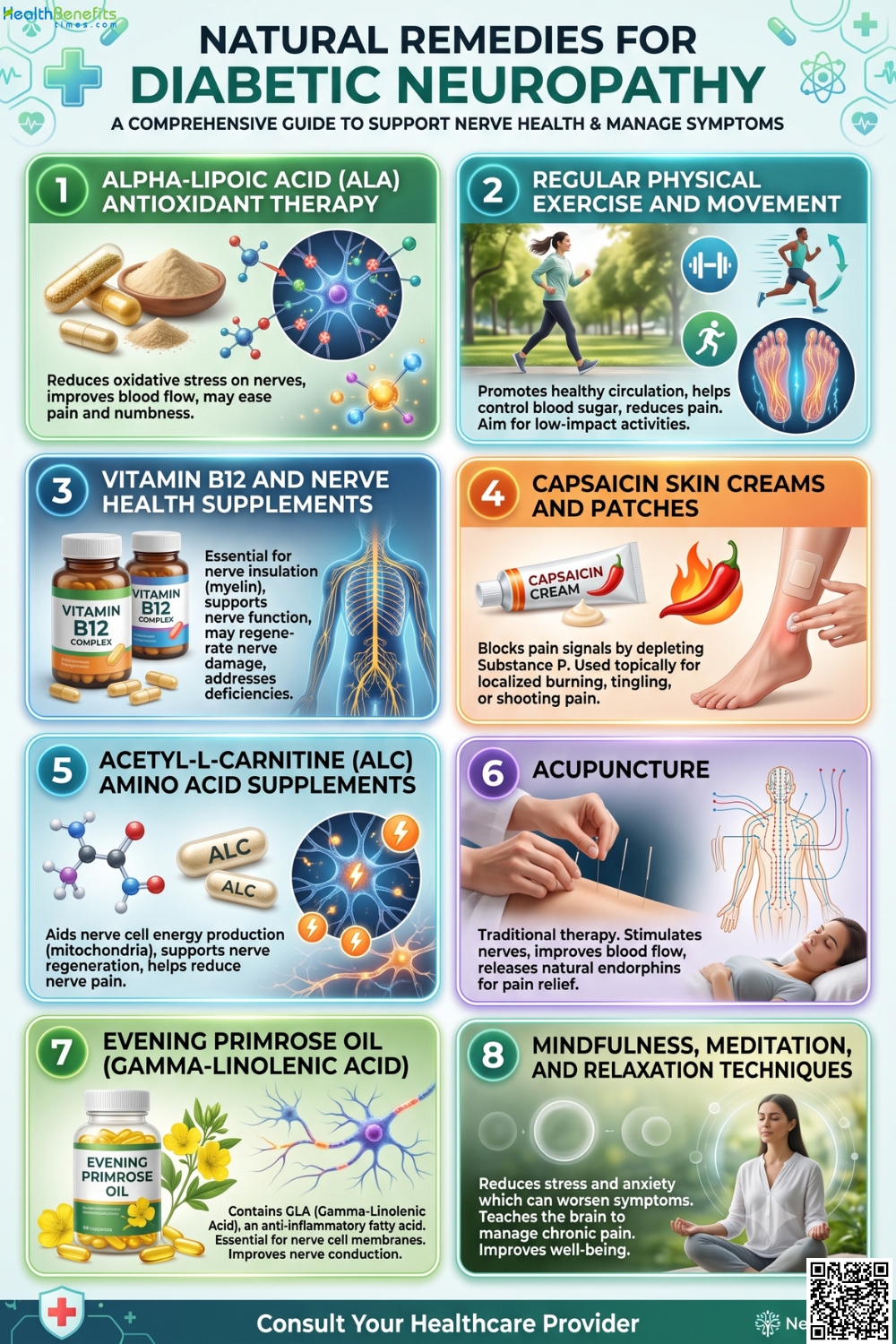
3. Vitamin B12 and Nerve Health Supplements
How it may help
Vitamin B12 is essential for maintaining the protective coating wrapped around nerves. Without enough of this vitamin, this coating deteriorates, exposing nerves to physical damage. Supplementation helps repair these damaged coatings and supports proper nerve signaling, which can reduce the pain and numbness associated with diabetic neuropathy.
What research says
Clinical research shows that long-term use of metformin, a standard diabetes medication, frequently causes a Vitamin B12 deficiency. Studies conclude that restoring B12 levels through daily supplements significantly improves nerve function and noticeably reduces the pain and severe tingling sensations in the extremities of diabetic patients 8.
How to use it safely
You should ask your doctor for a simple blood test to check your B12 levels, especially if you regularly take metformin. If your levels are low, your doctor will recommend an appropriate oral pill or prescribe direct injections to safely restore your nerve health.
Potential precautions or side effects
Vitamin B12 is very safe because the body removes excess amounts in urine. However, extremely high doses can occasionally cause mild diarrhea, itching, or unexpected skin rashes 9.
4. Capsaicin Skin Creams and Patches
How it may help
Capsaicin, the active compound found in chili peppers, provides targeted pain relief by depleting a specific chemical in the body called substance P. This chemical is responsible for transmitting pain signals from damaged nerves to the brain. By reducing substance P levels, capsaicin effectively numbs the area and blocks ongoing pain.
What research says
Clinical trials demonstrate that applying low-concentration capsaicin creams or high-concentration prescription patches significantly reduces localized pain caused by diabetic nerve damage. Researchers conclude that repeated topical application leads to sustained pain relief over several weeks by temporarily altering how superficial nerve fibers function 10.
How to use it safely
You should apply over-the-counter capsaicin creams directly to painful areas three to four times daily. Always wear disposable gloves during application and wash your hands thoroughly afterward to prevent spreading the cream to your eyes or mouth. Never apply it to broken skin or open foot ulcers.
Potential precautions or side effects
You may experience intense burning, stinging, or skin redness at the application site during the first few days of use, which typically fades as your body adjusts 10.
5. Acetyl-L-Carnitine (ALC) Amino Acid Supplements
How it may help
Acetyl-L-carnitine (ALC) is a natural compound that helps the body produce cellular energy. It protects nerves from diabetes-related damage and reduces pain by lowering the concentration of pain-transmitting chemicals in the nervous system. ALC also supports the ongoing repair and regeneration of damaged nerve fibers.
What research says
Clinical trials confirm that ALC significantly relieves peripheral neuropathy pain. Researchers conclude that regular ALC treatment effectively improves nerve fiber regeneration, increases physical vibration perception, and supports overall nerve health in diabetic patients with an excellent safety profile 11.
How to use it safely
You should consult your doctor before starting ALC supplements. For diabetic nerve pain, healthcare providers typically recommend an oral dosage between 1,000 and 2,000 milligrams per day 12. Always take the exact amount your doctor prescribes to avoid digestive discomfort.
Potential precautions or side effects
ALC is generally safe. However, you may occasionally experience mild side effects, including stomach upset, nausea, headache, or a temporary tingling sensation on the skin 13.
6. Acupuncture
How it may help
Acupuncture involves inserting ultra-thin needles into specific points on the body to stimulate the nervous system. This traditional practice triggers the release of endorphins, the body’s natural painkillers, and increases localized blood flow, which helps nourish damaged peripheral nerves and alleviate chronic pain symptoms 14.
What research says
Clinical reviews indicate that acupuncture significantly reduces the severity of nerve pain associated with diabetic neuropathy. Researchers conclude that this therapy is a safe, beneficial complementary treatment that effectively improves pain management and overall nerve function when used alongside standard medical diabetes care 15.
How to use it safely
You should strictly seek treatment from a certified, licensed acupuncture practitioner who uses sterile, single-use needles. Always inform your practitioner that you have diabetes and neuropathy, as they must take extra care to prevent infections when treating areas with reduced physical sensation 14.
Potential precautions or side effects
You may experience minor soreness, bleeding, or bruising at the needle insertion sites. Because diabetes impairs wound healing, unsterile needles pose a severe risk of dangerous skin infections 14.
7. Evening Primrose Oil (Gamma-Linolenic Acid)
How it may help
Evening primrose oil is rich in gamma-linolenic acid (GLA), an essential fatty acid. Diabetes often impairs the body’s natural ability to produce GLA. Supplementing with this oil reduces local inflammation and improves blood flow to damaged nerves, which supports structural repair and restores healthy nerve signaling 16.
What research says
Clinical trials show that daily gamma-linolenic acid supplementation relieves peripheral neuropathy symptoms, including pain, numbness, and physical weakness. Researchers conclude that it effectively improves overall nerve function, particularly in patients who maintain good blood sugar control and begin treatment during the early stages of nerve damage 17.
How to use it safely
You should consult your healthcare provider before taking evening primrose oil to ensure it fits your treatment plan. It is typically available as an oral capsule. Always take this supplement with food to maximize body absorption and prevent minor stomach irritation 18.
Potential precautions or side effects
You may experience mild nausea, headache, or upset stomach. Avoid this supplement if you take blood thinners or seizure medications, as it can trigger dangerous chemical interactions 18.
8. Mindfulness, Meditation, and Relaxation Techniques
How it may help
Mindfulness and meditation techniques train the brain to process physical discomfort differently. By calming the central nervous system, these practices lower stress hormones and reduce overall muscle tension. This mental shift directly decreases the intensity of chronic nerve pain and improves daily emotional well-being without relying on chemical medications.
What research says
Clinical reviews confirm that mindfulness-based stress reduction significantly decreases pain severity and improves the daily quality of life for individuals experiencing chronic nerve damage. Researchers conclude that regular meditation alters brain pathways related to pain perception, offering an effective, drug-free tool for long-term symptom management 19.
How to use it safely
You should begin with ten to fifteen minutes of guided meditation or deep breathing exercises daily. Find a quiet, comfortable space to practice. You can easily access free, evidence-based guided routines through local community health centers or university medical wellness programs 20.
Potential precautions or side effects
These practices are extremely safe. Rarely, focusing inward may temporarily increase anxiety or trigger distressing emotions. Never use meditation to replace prescribed diabetes medications or your standard medical care 20.
Foods to Avoid When You Suffer from Diabetic Neuropathy
1. Sugary Beverages and Sweets
High sugar intake causes rapid blood glucose spikes, which directly accelerates nerve damage and worsens neuropathy symptoms over time 21.
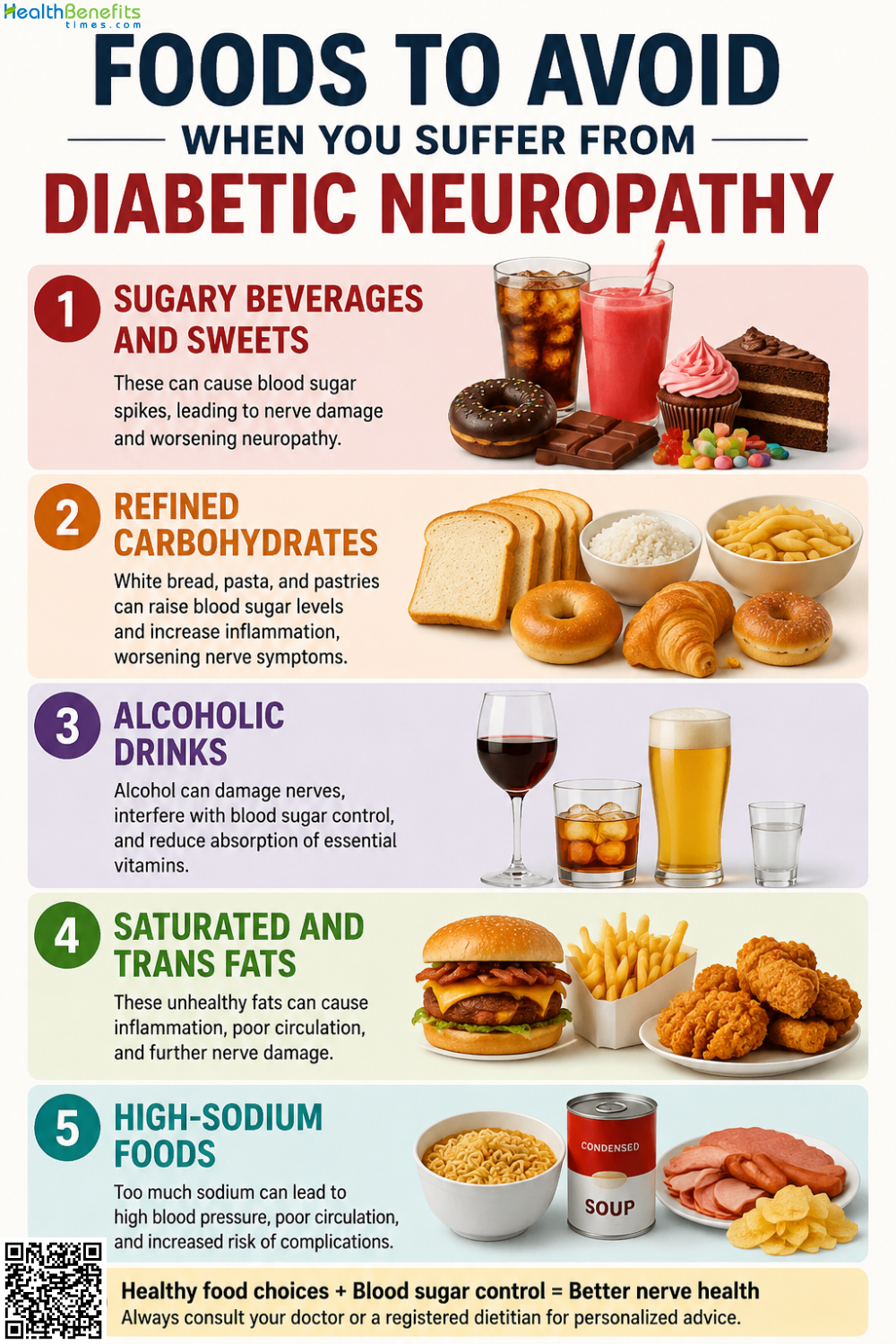
2. Refined Carbohydrates
Processed foods like white bread, white rice, and pastries break down quickly into glucose, severely elevating blood sugar and exacerbating nerve deterioration 21.
3. Alcoholic Drinks
Alcohol introduces toxins that poison nerve cells, significantly worsening the burning pain, numbness, and progression of existing diabetic neuropathy 1.
4. Saturated and Trans Fats
Fried foods and fatty meats increase cholesterol, causing blockages in the tiny blood vessels required to supply peripheral nerves with essential oxygen 21.
5. High-Sodium Foods
Excessive salt increases blood pressure, which places dangerous physical stress on the fragile circulatory system that feeds and protects nerve fibers 21.
When to See a Doctor When You Struggle from Diabetic Neuropathy
1. Unhealing Sores or Blisters
You should seek immediate medical attention if you discover a cut, blister, or ulcer on your foot that refuses to heal or appears red and infected 3.
2. Severe or Worsening Pain
Contact your doctor if burning, tingling, or stabbing pain in your hands or feet becomes severe enough to disrupt your daily activities or prevent you from sleeping 3.
3. Dizziness or Fainting
You must schedule an appointment if you experience frequent lightheadedness, dizziness, or fainting when standing up, as this indicates nerve damage affecting your heart and blood pressure 3.
4. Digestion or Urinary Changes
Consult your healthcare provider if you notice sudden changes in bodily functions, such as persistent nausea, severe constipation, uncontrolled diarrhea, or difficulty completely emptying your bladder 3.
5. Noticeable Muscle Weakness
Seek an evaluation if you develop sudden muscle weakness, experience a loss of physical coordination, or find yourself dropping objects and tripping more frequently than usual 3.