

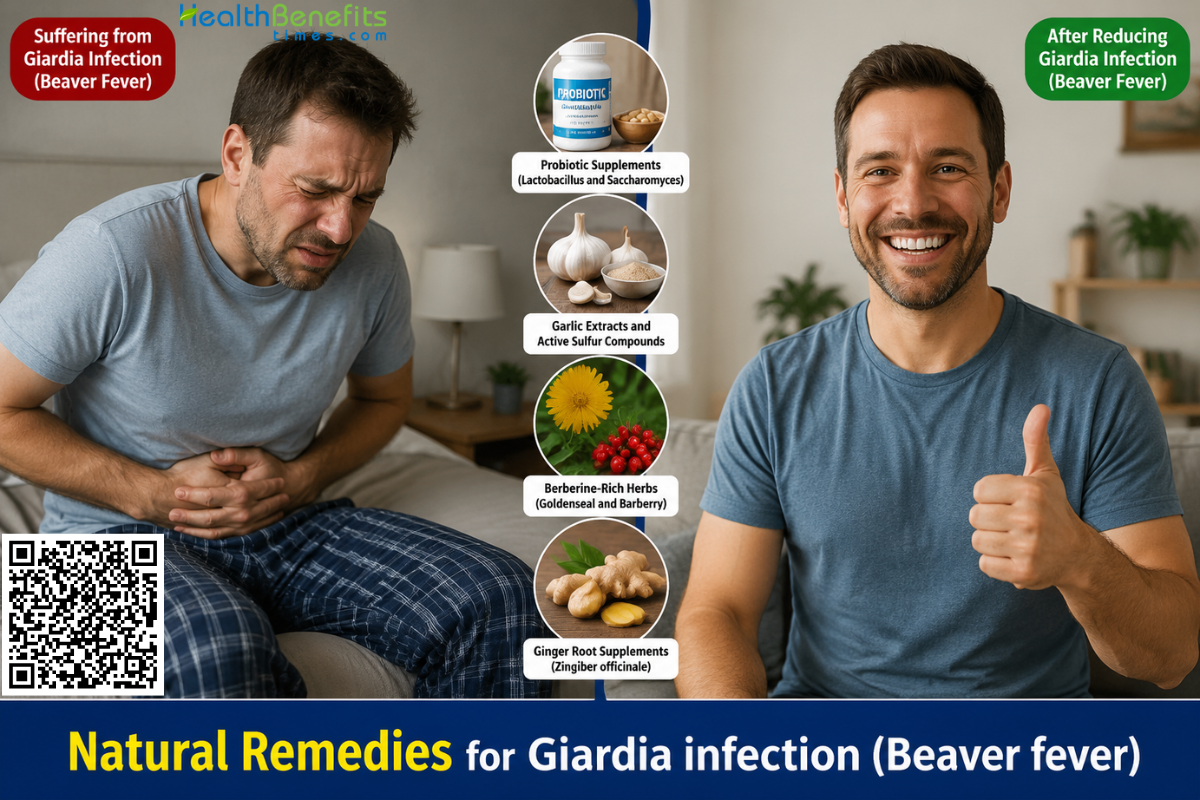
Giardia infection, commonly known as beaver fever, is a highly contagious gastrointestinal illness caused by the microscopic protozoan parasite Giardia intestinalis. The disease spreads primarily through the fecal-oral route when an individual accidentally swallows the parasite’s environmentally robust cysts from contaminated water, tainted food, or through direct person-to-person contact. 1 Once inside the digestive system, the parasite multiplies in the small intestine, triggering symptoms such as watery diarrhea, severe abdominal cramps, bloating, nausea, fatigue, and unintended weight loss. 2 Although the infection can affect anyone, epidemiological data shows that young children, international travelers, and people who consume untreated surface water face the highest risk of exposure. While many cases resolve independently, clinical protocols recommend treating symptomatic infections with targeted anti-parasitic medications, such as metronidazole, to accelerate recovery and prevent long-term complications like severe nutritional malabsorption. 3
Causes of Giardia infection (Beaver fever)
1. Swallowing Contaminated Water
The most common way people contract Giardia is by swallowing water that contains the parasite’s cysts. This frequently occurs when drinking untreated water from streams, lakes, or shallow wells, or by accidentally swallowing water while swimming in contaminated public pools and recreational water bodies. The parasite features a tough outer shell that allows it to survive for months in cold environments and resist standard chlorine purification methods. 4
2. Person-to-Person Contact
The infection spreads efficiently from person to person through the fecal-oral route, which happens when microscopic amounts of infected feces accidentally enter a person’s mouth. This mode of transmission is particularly prevalent in childcare centers due to frequent diaper changing, and among individuals who do not thoroughly wash their hands with soap and water after using the toilet or caring for an infected patient. 5
3. Consuming Contaminated Food
Although less common than waterborne exposure, eating contaminated food is a direct cause of giardiasis. Food acts as a transmission vehicle if it is washed, irrigated, or prepared using untreated water containing Giardia cysts, or if it is handled raw by an infected individual who has poor hand hygiene. 6
4. Sexual Contact
The parasite can be transmitted during sexual activities that involve direct or indirect oral-anal contact. This specific exposure facilitates the immediate transfer of the highly infectious cysts from an infected individual to an uninfected partner, bypassing the need for environmental contamination. 7
Symptoms of Giardia infection (Beaver fever)
1. Watery and Greasy Diarrhea
The most prominent sign of the illness is sudden, frequent diarrhea that is notoriously foul-smelling. Because the parasite damages the intestinal lining and prevents the body from digesting and absorbing dietary fats, the resulting bowel movements often appear greasy, frothy, and tend to float.
2. Abdominal Cramps and Bloating
As the parasites multiply and interfere with normal digestion, the intestines produce excessive amounts of gas. This disruption leads to uncomfortable stomach bloating, a sensation of fullness, and sharp, painful abdominal cramps. 8
3. Nausea and Loss of Appetite
The intense gastrointestinal distress caused by the parasite frequently triggers nausea, general stomach discomfort, and occasional vomiting. This ongoing stomach upset typically causes individuals to completely lose their desire to eat.
4. Unintended Weight Loss and Dehydration
Prolonged diarrhea drains the body of fluids, while the damaged intestinal wall stops the absorption of essential nutrients from food. This inability to absorb calories and hydration frequently results in rapid, unintended weight loss and physical dehydration if the infection is not treated. 9
5. Fatigue and Weakness
The combined effects of fluid depletion, poor nutrient intake, and the immune system expending energy to fight off the parasitic invader often leave infected individuals feeling deeply exhausted, lethargic, and physically drained for weeks.
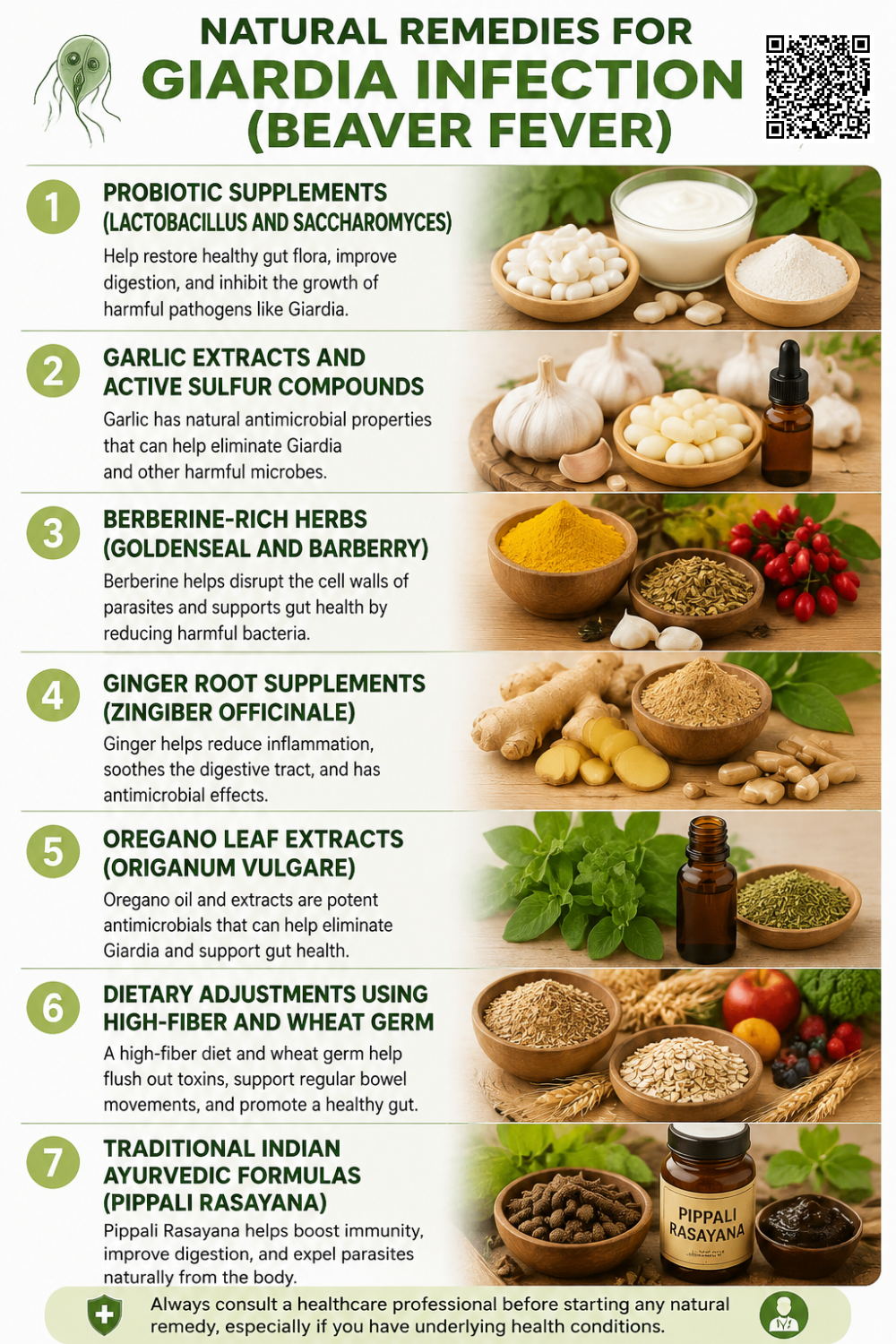 Natural Remedies for Giardia infection (Beaver fever)
1. Probiotic Supplements (Lactobacillus and Saccharomyces)
How it may help
Probiotics restore the balance of healthy gut bacteria disrupted by the parasite. Beneficial strains, particularly Lactobacillus and the yeast Saccharomyces boulardii, create an acidic intestinal environment that restricts Giardia growth. They also compete with the parasite for attachment space on the intestinal wall, which helps reduce the duration and severity of infectious diarrhea.
What research says
Clinical studies conclude that combining standard anti-parasitic medications with Saccharomyces boulardii or Lactobacillus strains significantly improves recovery rates. Research confirms this combination rapidly reduces the duration of severe diarrhea and clears the parasite from the digestive system more effectively than using conventional drug treatments alone. 10
How to use it safely
Select high-quality supplements specifying live cultures of Lactobacillus or Saccharomyces boulardii. Follow the exact dosage on the product label. Always take your probiotic dose at least two hours after taking prescribed anti-parasitic medications to prevent the drugs from destroying the beneficial organisms before they reach your gut.
Potential precautions or side effects
Probiotics may initially cause mild gas or bloating. If you have a severely weakened immune system, avoid using them due to a rare risk of developing a serious blood infection.
2. Garlic Extracts and Active Sulfur Compounds
How it may help
Garlic contains active sulfur compounds, primarily allicin, which act as potent natural anti-parasitic agents. These compounds directly attack the parasite by destroying its outer protective membrane and disrupting essential cellular enzymes. This severe cellular damage stops the organism from multiplying and adhering to the intestinal wall.
What research says
Laboratory and animal studies demonstrate that garlic extracts significantly reduce the number of Giardia cysts and active parasites. Research indicates that garlic preparations can achieve parasite reduction rates comparable to standard prescription medications, while simultaneously accelerating the healing of damaged intestinal tissues. 11
How to use it safely
You can consume fresh, crushed garlic cloves daily, as crushing activates the beneficial allicin. Alternatively, take standardized garlic extract capsules with meals. Always consult your doctor before using high-dose garlic supplements alongside prescribed anti-parasitic medications to ensure they do not negatively interact.
Potential precautions or side effects
Consuming raw garlic or concentrated supplements frequently causes heartburn, bad breath, and mild stomach upset. Avoid high doses if taking blood-thinners, because garlic naturally increases your risk of bleeding.
3. Berberine-Rich Herbs (Goldenseal and Barberry)
How it may help
Berberine is a plant compound found in herbs like goldenseal and barberry that acts as a natural antimicrobial agent. It combats Giardia by damaging the parasite’s cell structure, disrupting its metabolism, and preventing it from attaching to the lining of the human intestine.
What research says
Clinical reviews and laboratory studies indicate that berberine-containing plants possess significant anti-parasitic properties. Research shows that these herbal extracts help reduce the duration of symptoms and assist in clearing the parasite from the digestive tract, making them a useful traditional botanical option. 12
How to use it safely
If you choose to use berberine supplements, select standardized extracts from reputable brands and follow the manufacturer’s recommended daily dosage. Always consult a qualified healthcare provider to determine the proper duration of use and to ensure it aligns with your treatment plan.
Potential precautions or side effects
Berberine can cause mild stomach upset, cramps, or diarrhea. Avoid using it during pregnancy or while breastfeeding, as it can harm infants.
4. Ginger Root Supplements (Zingiber officinale)
How it may help
Ginger root contains natural active compounds, such as gingerols, which help calm severe stomach upset and reduce inflammation in the intestinal lining. While it does not kill the parasite directly, it relieves nausea, vomiting, and digestive cramping caused by the infection.
What research says
Pharmacological studies confirm that ginger extracts possess strong anti-inflammatory and soothing properties for the gastrointestinal tract. Research highlights its effectiveness as a complementary treatment to ease chronic digestive distress and improve overall comfort during parasitic infections.
How to use it safely
You can consume ginger safely by steeping fresh ginger root in hot water to make tea, or by taking standardized ginger capsules with meals. Follow product label guidelines and avoid exceeding four grams of total ginger daily to prevent stomach irritation.
Potential precautions or side effects
High doses of ginger can cause mild heartburn or mouth irritation. Avoid large amounts if you take blood-thinning medications, because ginger can increase the risk of bleeding.
5. Oregano Leaf Extracts (Origanum vulgare)
How it may help
Oregano leaf extract contains powerful active plant compounds, notably carvacrol and thymol, which possess strong antimicrobial properties. These natural chemicals disrupt the outer protective membranes of the Giardia parasite, stopping its growth and reducing its ability to survive inside the digestive tract.
What research says
Laboratory and preclinical studies indicate that oregano oil extracts exhibit significant anti-parasitic activity against intestinal protozoa. Research demonstrates that the concentrated essential compounds can effectively inhibit parasite reproduction and lower infection loads in experimental models. 13
How to use it safely
Always dilute concentrated oregano oil drops in a carrier oil, such as olive oil, or select enteric-coated capsules designed to release safely in the intestines. Follow the specific manufacturer dosing instructions carefully and limit use to short durations.
Potential precautions or side effects
Undiluted oregano oil can cause severe burning in the mouth and stomach irritation. Avoid use during pregnancy due to potential uterine stimulation risks.
6. Dietary Adjustments Using High-Fiber and Wheat Germ
How it may help
Increasing dietary fiber and incorporating wheat germ help modify the intestinal environment, making it harder for the parasite to thrive. High-fiber foods improve stool consistency, while specific components in wheat germ interfere with the parasite’s ability to anchor itself securely to the intestinal wall.
What research says
Clinical nutrition studies indicate that dietary modifications, particularly increasing fiber intake and using wheat germ supplements, help reduce the duration of parasitic diarrhea. Research demonstrates that these changes support faster recovery of the damaged digestive lining and improve overall gut health during an active infection.
How to use it safely
Gradually add high-fiber foods such as vegetables, fruits, and whole grains to your daily meals, or mix a spoonful of wheat germ into yogurt or cereals. Drink plenty of water throughout the day to help your digestive system process the extra fiber smoothly.
Potential precautions or side effects
Rapidly increasing dietary fiber can cause temporary gas, abdominal bloating, and cramping. Introduce fiber changes slowly to allow your digestive tract adequate time to adjust.
7. Traditional Indian Ayurvedic Formulas (Pippali Rasayana)
How it may help
Pippali Rasayana is a traditional herbal formulation containing long pepper that supports the immune system and aids digestion. It helps strengthen the intestinal lining and enhances the body’s natural defense mechanisms to fight off invading parasites while reducing gastrointestinal inflammation.
What research says
Ethnomedicinal reviews and clinical investigations indicate that traditional Ayurvedic preparations like Pippali Rasayana possess immunomodulatory and anti-parasitic properties. Research confirms that these herbal formulas help reduce symptom severity and support faster recovery when integrated into standard care protocols for intestinal infections.
How to use it safely
Use standardized herbal preparations obtained from certified manufacturers and strictly follow the dosage instructions provided on the product label. Always consult a qualified healthcare professional before incorporating traditional remedies into your management plan, especially if you are taking prescription medications.
Potential precautions or side effects
Pippali Rasayana can cause mild heartburn or a burning sensation in the stomach due to its spicy nature. Avoid high doses if you have chronic acid reflux or stomach ulcers.
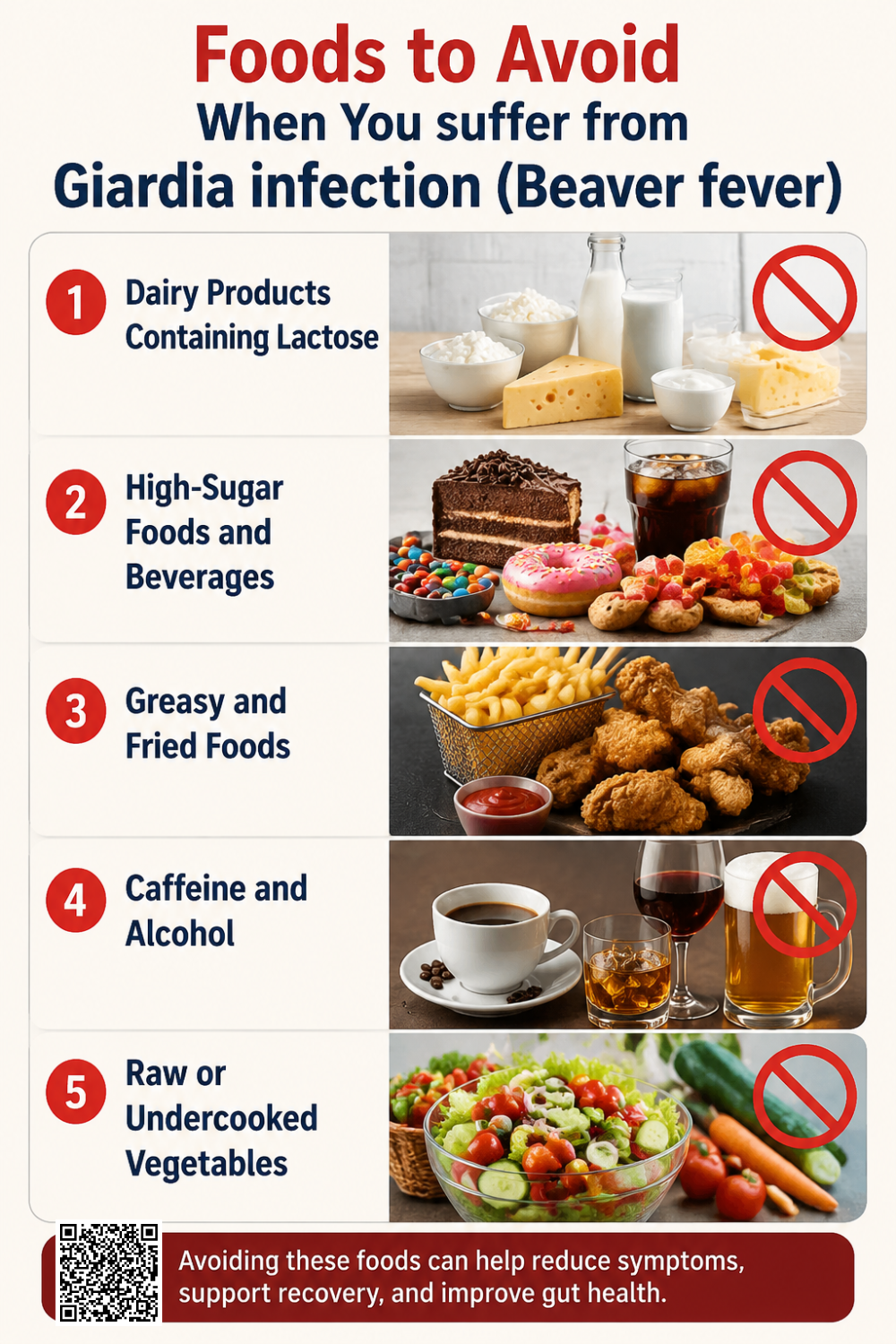 Foods to Avoid When You suffer from Giardia infection (Beaver fever)
1. Dairy Products Containing Lactose
The intestinal damage caused by the parasite temporary inhibits your body’s ability to produce lactase, leading to severe gas, bloating, and worsened diarrhea.
2. High-Sugar Foods and Beverages
Excess sugar draws water into your digestive tract and serves as fuel for harmful microbes, intensifying diarrhea and delaying gut recovery. 14
3. Greasy and Fried Foods
High-fat meals are difficult for a compromised digestive system to process, often triggering nausea, cramping, and increased stool urgency.
4. Caffeine and Alcohol
Both substances irritate the inflamed stomach lining, act as diuretics that worsen dehydration, and accelerate bowel movements.
5. Raw or Undercooked Vegetables
Hard-to-digest raw fibers put extra strain on the sensitive intestinal wall, causing painful cramping and excessive gas accumulation.
When To see Doctor when you suffer from Giardia infection (Beaver fever)
1. Persistent Diarrhea Lasting Beyond One Week
Consult a doctor if your watery stools and gastrointestinal discomfort do not improve after seven days, as prolonged illness requires medical testing. 15
2. Severe Signs of Physical Dehydration
Seek immediate medical care if you experience extreme thirst, dry mouth, dizziness, dark urine, or little to no urination.
3. Inability to Keep Fluids Down Due to Vomiting
Visit a healthcare provider promptly if persistent nausea and vomiting prevent you from maintaining normal oral hydration.
4. Rapid and Unintended Weight Loss
Schedule an appointment if you notice significant weight loss caused by the body’s inability to absorb essential nutrients.
5. High Fever or Severe Abdominal Pain
Contact a medical professional if you develop an elevated body temperature or intense stomach cramps that suggest a different or compounded infection.