

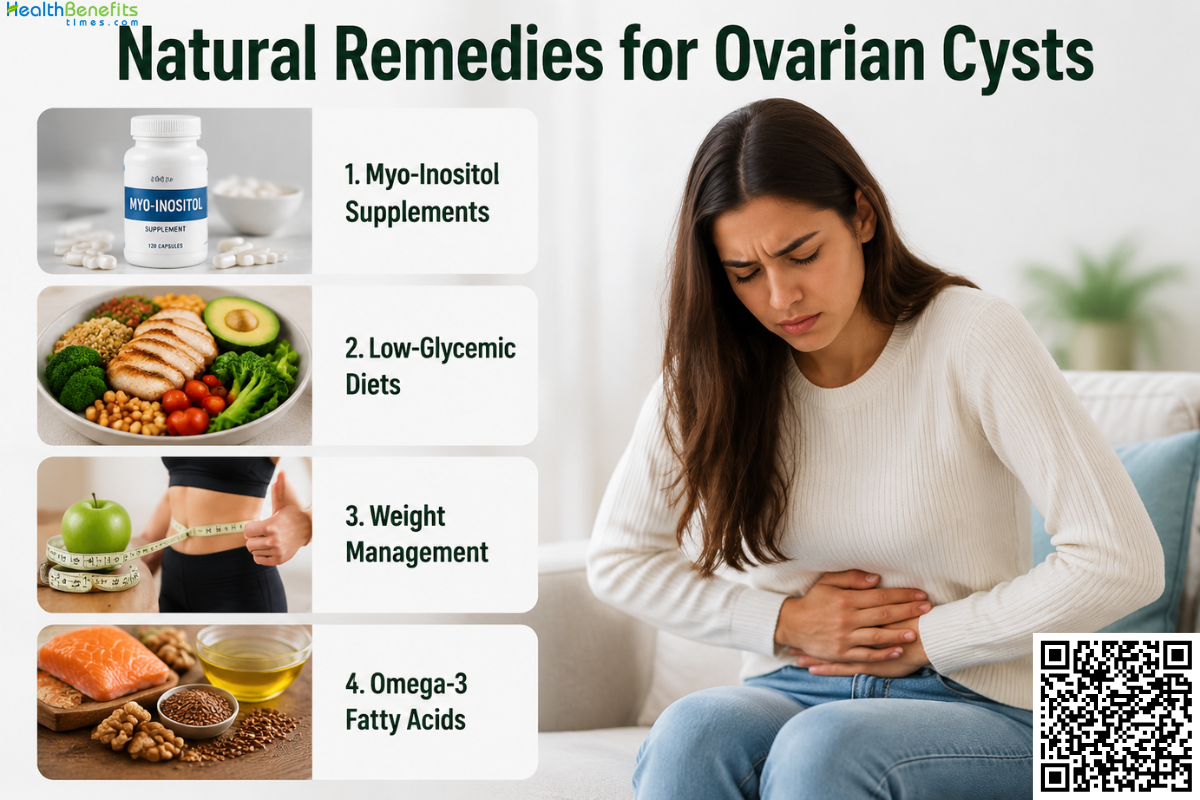
An ovarian cyst is a fluid-filled sac that develops on or within an ovary. These structures are extremely common during a woman’s reproductive years and frequently form as a natural part of the monthly ovulation cycle. The vast majority of these growths are benign, harmless, and resolve independently without requiring medical intervention. However, certain types can occasionally cause discomfort, pressure, or lead to more complex health complications if they enlarge, bleed, or rupture. Clinical evaluation and pelvic imaging are often utilized by healthcare professionals to accurately diagnose the specific type of cyst and determine the most appropriate course of management.
Causes of Ovarian Cysts
1. Normal Menstrual Cycle Activity (Functional Cysts)
The most frequent cause of ovarian cysts is the normal function of the menstrual cycle. During a typical cycle, the ovaries grow temporary structures called follicles that produce hormones and release an egg. If a follicle fails to break open and release its egg, the fluid inside remains and continues to grow into a follicular cyst 1. Alternatively, if the follicle successfully releases an egg but its opening fails to close properly, fluid can build up inside the empty sac, creating a corpus luteum cyst 1.
2. Endometriosis
Another leading cause of cyst formation is a condition known as endometriosis. Endometriosis occurs when tissue similar to the inside lining of the uterus mistakenly grows outside of the uterus. When this misplaced tissue attaches to the surface of an ovary, it can bleed during the menstrual cycle and form a dark, fluid-filled pocket known as an endometrioma 2. These specific cysts can enlarge over time and are strongly associated with chronic pelvic pain and inflammation 2.
3. Polycystic Ovary Syndrome (PCOS)
Hormonal imbalances are a primary driver of multiple small cysts forming on the ovaries. Polycystic ovary syndrome is a metabolic and hormonal disorder in which the ovaries produce unusually high levels of male hormones, preventing the regular development and release of eggs. Because the eggs are not released, the immature follicles turn into multiple tiny, inactive cysts that cluster along the outer edges of the ovaries 3. Over time, this condition can lead to irregular menstrual cycles and long-term fertility issues 3.
4. Severe Pelvic Infections
Infections in the female reproductive organs can directly lead to the development of cysts. Pelvic inflammatory disease (PID) is a severe bacterial infection that can spread from the lower reproductive tract up into the ovaries and fallopian tubes. When aggressive bacteria infect the ovaries, the body’s immune system responds by creating pockets of pus and fluid, forming infected cysts or abscesses that require immediate medical treatment to prevent permanent tissue damage 4.
5. Early Pregnancy Support
It is completely natural for a cyst to form during the early stages of a pregnancy. When a pregnancy begins, the ovary forms a specialized cyst to produce progesterone, a crucial hormone that supports the early growth of the embryo until the placenta is mature enough to take over hormone production 1. In the vast majority of cases, this cyst naturally shrinks and disappears by the second trimester, though it occasionally remains on the ovary throughout the pregnancy and requires clinical monitoring 5.
Symptoms of ovarian cysts
1. Absence of Noticeable Signs (Asymptomatic)
Many functional ovarian cysts do not produce any noticeable signs and often resolve naturally without the patient ever realizing they were present 6. These fluid-filled sacs are frequently discovered by chance during routine pelvic examinations or ultrasound imaging conducted for unrelated medical reasons 6.
2. Localized Pelvic Pain and Pressure
The most common symptom reported by patients is a localized pain or feeling of heaviness in the lower abdomen, typically isolated to the side where the cyst is located 6. This pelvic discomfort can range from a persistent dull ache to an intermittent sharp pain, depending entirely on the size and specific type of the cyst 6.
3. Sudden, Severe Pain from Complications
A sudden onset of extreme, sharp pelvic pain is a critical warning sign that an ovarian cyst has either burst open or caused the entire ovary to twist on its supportive ligaments 6. This severe pain is frequently accompanied by sudden nausea and vomiting, and it signals a gynecological emergency that requires immediate medical evaluation to prevent permanent tissue damage 6.
4. Abdominal Bloating and Fullness
As a cyst grows in size, it takes up physical space within the pelvis, which can cause generalized abdominal bloating, visible swelling, and an uncomfortable feeling of fullness 6. In cases involving exceptionally large masses, patients may experience an increase in their overall stomach girth and a sensation of heavy pressure pushing outward against the abdominal walls 7.
5. Pain During Sexual Intercourse
Specific types of ovarian cysts, particularly those caused by conditions like endometriosis, can lead to deep internal discomfort during or immediately after sexual intercourse 8. This symptom occurs due to the physical friction and pressure being exerted directly onto sensitive, inflamed cystic tissues within the lower pelvic cavity 8.
6. Irregular Menstrual Bleeding
Because the ovaries are the primary organs responsible for regulating reproductive hormones, the presence of certain hormone-secreting cysts can heavily disrupt a normal menstrual cycle 6. This hormonal disruption frequently results in highly irregular periods, unusually heavy bleeding, or abnormal vaginal spotting between routine menstrual cycles 6.
7. Bladder and Bowel Disruptions
When an ovarian cyst becomes large enough, it can physically press against the adjacent bladder or lower intestines, directly interfering with standard bathroom habits 8. This internal structural pressure can manifest as a frequent and urgent need to urinate, painful urination, or noticeable physical pain during routine bowel movements 8.
Natural Remedies for Ovarian Cysts
1. Myo-Inositol Supplements
How it may help
Myo-inositol helps the body respond properly to insulin and balances reproductive hormones. For women with polycystic ovary syndrome, it directly lowers high levels of male hormones and promotes healthy egg release, which stops the ovaries from continuously forming small, unreleased fluid sacs that become cysts 9.
What research says
Clinical trials show that myo-inositol safely improves hormonal functions in women with multiple ovarian cysts. Research confirms it successfully lowers fasting blood sugar and testosterone levels, which reliably restores regular monthly periods and promotes normal egg release without requiring harsh medications 10.
How to use it safely
To support your ovarian health, take a standard daily dose of 2,000 to 4,000 milligrams of myo-inositol, split into two smaller doses. Medical experts frequently pair this with 400 micrograms of folic acid to improve overall absorption and reproductive benefits 11.
Potential precautions or side effects
Myo-inositol is very safe for daily use. However, taking excessively large amounts may cause mild stomach discomfort, including sudden nausea, excessive gas, and temporary diarrhea 12.
2. Low-Glycemic Diets
How it may help
A low-glycemic diet prevents sudden blood sugar spikes, which directly reduces the body’s daily demand for insulin 13. Chronically high insulin levels trigger the ovaries to overproduce male hormones, halting normal egg release and causing multiple cysts to form 14. Lowering insulin naturally restores hormonal balance.
What research says
Clinical studies confirm that following a low-glycemic diet significantly decreases fasting insulin and testosterone levels in women prone to multiple ovarian cysts 13. This dietary adjustment successfully regulates menstrual cycles and limits the continuous formation of new fluid-filled cysts without requiring synthetic hormone treatments 15.
How to use it safely
To protect your ovarian health, replace refined carbohydrates like white bread and sugary snacks with low-glycemic, fiber-rich foods. Build your daily meals around green vegetables, whole oats, beans, and lean proteins to keep your blood sugar consistently stable throughout the day 13.
Potential precautions or side effects
Transitioning rapidly to a low-sugar diet can initially cause mild fatigue, temporary headaches, and sugar cravings 16. Extremely restrictive dietary changes may also lead to unintended nutritional deficiencies over time.
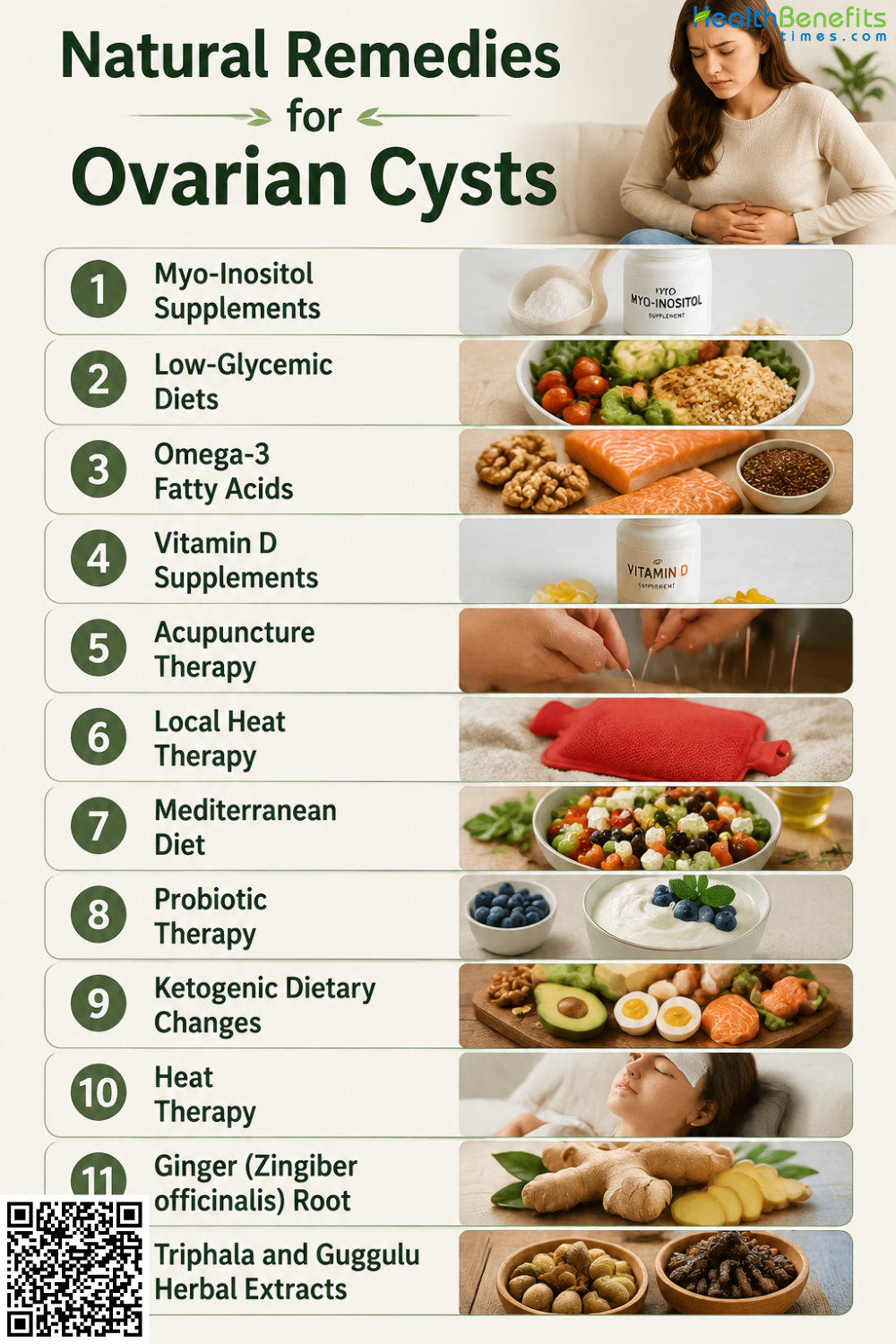
3. Omega-3 Fatty Acids
How it may help
Omega-3 fatty acids actively reduce chronic inflammation and balance reproductive hormones 17. By directly lowering elevated testosterone levels and improving cellular response to insulin, these essential dietary fats promote regular egg release and prevent the ovaries from developing multiple small cysts 18.
What research says
Clinical studies demonstrate that regular omega-3 supplementation significantly decreases testosterone levels and restores menstrual regularity in women prone to multiple ovarian cysts 17. Research confirms that these fats successfully improve insulin resistance and reduce internal pelvic inflammation, directly supporting long-term ovarian health 18.
How to use it safely
To support your ovarian health, take a daily supplement of 1,000 to 2,000 milligrams of high-quality omega-3s derived from fish or algae oil 19. Always take these supplements alongside a full meal to maximize absorption and prevent mild stomach upset 17.
Potential precautions or side effects
High daily doses of omega-3 supplements can increase bleeding risks and dangerously interact with prescription blood-thinning medications 19. Minor side effects frequently include mild nausea, loose stools, and fish-flavored burps.
4. Vitamin D Supplements
How it may help
Vitamin D directly supports the proper maturation of ovarian follicles and improves the body’s sensitivity to insulin 20. By lowering insulin resistance, it helps reduce the excess production of male hormones that typically cause follicles to stall in their development and form fluid-filled cysts 20.
What research says
Clinical trials demonstrate that Vitamin D supplementation successfully restores normal menstrual cycles and improves follicular development in women with multiple ovarian cysts 21. Research confirms that maintaining adequate blood levels significantly lowers excess testosterone and improves metabolic functions associated with cystic ovaries 21.
How to use it safely
To support reproductive health, first take a blood test to check your current vitamin levels. Based on clinical results, adults typically take 1,000 to 4,000 International Units (IU) of Vitamin D3 daily alongside a fat-containing meal to maximize absorption 22.
Potential precautions or side effects
Consuming excessive amounts can cause a dangerous buildup of calcium in the blood, leading to severe nausea, physical weakness, and potential kidney stones over time 22.
5. Acupuncture Therapy
How it may help
Acupuncture stimulates specific physical points to increase blood flow directly to the ovaries and regulate the central nervous system 23. This targeted therapy helps balance reproductive hormones and encourages regular egg release, which actively prevents new fluid-filled cysts from developing on the ovaries 23.
What research says
Clinical trials conclude that repeated acupuncture treatments successfully regulate menstrual cycles and decrease elevated male hormones in women with multiple ovarian cysts 24. Research confirms this therapy effectively reduces sympathetic nerve overactivity, which directly improves ovary function and supports natural hormonal healing 25.
How to use it safely
To safely incorporate this therapy, you must schedule sessions with a state-licensed and board-certified acupuncturist 26. Practitioners typically recommend attending one to two weekly sessions for several months, ensuring they use strictly sterile, single-use disposable needles for your protection 26.
Potential precautions or side effects
Acupuncture is generally very safe but may cause minor bruising, slight bleeding, or temporary soreness at the needle insertion sites 26. Avoid this treatment if you have severe bleeding disorders.
6. Local Heat Therapy
How it may help
Local heat therapy effectively manages the sharp pelvic pain and intense muscle cramping caused by ovarian cysts. Applying steady warmth directly to the lower abdomen relaxes tense pelvic muscles, increases local blood circulation, and actively blocks pain signals from reaching the brain 27.
What research says
Clinical studies conclude that applying localized heat provides significant relief for lower pelvic pain that is comparable to over-the-counter pain medications like ibuprofen 27. Research confirms that continuous, low-level heat directly reduces pelvic muscle spasms and rapidly decreases lower abdominal discomfort associated with female reproductive organs 28.
How to use it safely
To safely relieve your pelvic discomfort, place a warm heating pad or a hot water bottle over your lower abdomen for 15 to 20 minutes at a time. Always wrap the heat source in a cloth towel to protect your skin from direct exposure 27.
Potential precautions or side effects
Never fall asleep while using an active heating pad. Prolonged exposure to direct heat can cause severe thermal burns, permanent skin discoloration, and superficial tissue damage 29.
7. Mediterranean Diet
How it may help
The Mediterranean diet provides anti-inflammatory foods and healthy fats that directly improve how the body processes insulin 30. Keeping insulin levels stable prevents the ovaries from producing excessive male hormones, allowing follicles to release eggs normally rather than stalling into fluid-filled cysts 31.
What research says
Clinical research concludes that adhering to a Mediterranean diet significantly lowers insulin resistance and excess testosterone in women with cystic ovaries 30. Studies confirm this dietary pattern successfully restores regular menstrual cycles and prevents the continuous formation of new inactive cysts 31.
How to use it safely
To support your reproductive health, build your daily meals around fresh vegetables, whole grains, beans, and healthy fats like extra virgin olive oil 32. Replace red meats with fish or poultry, and eliminate heavily processed foods and refined sugars 31.
Potential precautions or side effects
This dietary pattern is exceptionally safe for long-term use. However, consuming excessively large portions of calorie-dense healthy fats like nuts and olive oil can cause unintended weight gain 33.
8. Probiotic Therapy
How it may help
Probiotic therapy balances beneficial gut bacteria, which directly lowers systemic inflammation and improves the body’s response to insulin 34. By correcting insulin resistance, probiotics prevent the dangerous spikes in male hormones that disrupt normal egg release and cause multiple fluid-filled cysts to form on the ovaries 34.
What research says
Clinical trials conclude that taking multi-strain probiotics significantly reduces elevated testosterone and fasting insulin levels in women with multiple ovarian cysts 35. Research confirms that regular supplementation effectively regulates menstrual cycles, decreases internal inflammation, and supports healthy ovarian function without synthetic hormone therapy 35.
How to use it safely
To support hormonal balance, take a daily probiotic supplement containing beneficial Lactobacillus and Bifidobacterium strains 36. Incorporate natural, unsweetened fermented foods like plain yogurt or kefir into your daily meals to naturally reinforce healthy gut bacteria over time 37.
Potential precautions or side effects
Probiotics are generally well-tolerated and safe. However, introducing new bacterial strains can cause temporary digestive discomfort, including mild stomach upset, gas, and bloating during the first few days 36.
9. Ketogenic Dietary Changes
How it may help
By severely limiting daily carbohydrates, a ketogenic diet drastically lowers circulating blood sugar and insulin levels 38. This intentional drop in insulin prevents the ovaries from overproducing male hormones, allowing trapped eggs to mature and release normally instead of developing into fluid-filled cysts 39.
What research says
Clinical studies demonstrate that following a strictly ketogenic diet significantly decreases testosterone and fasting insulin in women with multiple ovarian cysts 40. Research confirms this targeted dietary approach successfully restores regular menstrual cycles, promotes natural ovulation, and aids in necessary weight loss 40.
How to use it safely
To safely transition, restrict your daily carbohydrates to under 50 grams while increasing healthy fats and moderate proteins 38. Focus your meals on leafy green vegetables, eggs, fish, and olive oil to maintain steady energy and support reproductive tissue healing 38.
Potential precautions or side effects
Starting this diet frequently causes short-term fatigue, nausea, and headaches, commonly called the “keto flu” 38. Extreme long-term carbohydrate restriction can also lead to vitamin deficiencies and constipation.
10. Heat Therapy
How it may help
Heat therapy provides non-invasive relief for the sharp pelvic pain and intense muscle cramping caused by ovarian cysts. Applying steady warmth to the lower abdomen actively relaxes tense pelvic floor muscles, increases local blood circulation, and directly blocks pain signals from traveling to the brain 27.
What research says
Clinical studies conclude that localized heat therapy delivers significant relief for lower pelvic pain, often matching the effectiveness of over-the-counter pain medications like ibuprofen 27. Research confirms that continuous, low-level heat effectively reduces muscular spasms and rapidly decreases general abdominal discomfort associated with ovarian issues 28.
How to use it safely
To safely relieve your pelvic discomfort, place a warm heating pad or a hot water bottle directly over your lower abdomen for 15 to 20 minutes at a time. Always wrap the heat source in a thick towel to protect your skin from direct exposure 27.
Potential precautions or side effects
Never fall asleep while using an active heating pad. Prolonged exposure to direct, unprotected heat can cause severe thermal burns, permanent skin discoloration, and superficial tissue damage 29.
11. Ginger (Zingiber officinalis) Root
How it may help
Ginger root naturally suppresses the production of inflammatory chemicals in the body and improves cellular sensitivity to insulin 41. By lowering excess insulin levels, ginger prevents the ovaries from overproducing the male hormones that disrupt natural egg release and trigger multiple cysts to form 42.
What research says
Clinical trials demonstrate that daily ginger supplementation significantly lowers fasting blood sugar and elevated testosterone levels in women with cystic ovaries 43. Research confirms that this root effectively reduces internal pelvic inflammation and helps restore regular menstrual cycles without relying on synthetic hormone treatments 42.
How to use it safely
To support your reproductive health, consume 1,000 to 2,000 milligrams of ginger powder daily using measured capsules or freshly brewed tea 44. Always split this dosage into smaller amounts taken with full meals to maximize nutrient absorption and protect your stomach lining 44.
Potential precautions or side effects
High doses of ginger can frequently cause mild heartburn, excessive gas, and stomach irritation 44. Avoid large amounts if you take prescription blood thinners, as it increases bleeding risks 44.
12. Triphala and Guggulu Herbal Extracts
How it may help
Triphala and Guggulu extracts are traditional herbal compounds that work together to balance reproductive hormones and decrease internal inflammation 45. They improve metabolic function and help the body break down excess tissues, which actively shrinks fluid-filled ovarian cysts and supports normal menstrual cycles 46.
What research says
Clinical studies demonstrate that combining Triphala with purified Guggulu resin significantly reduces the physical size of ovarian cysts over time 45. Research confirms these specific herbal combinations effectively alleviate pelvic pain, restore regular menstrual bleeding, and improve metabolic conditions like polycystic ovary syndrome 46.
How to use it safely
To safely use these herbal extracts, always consult a qualified practitioner for precise dosing. Providers typically recommend taking a daily combination of Triphala powder and purified Guggulu tablets with warm water directly after meals to carefully shrink ovarian cysts 45.
Potential precautions or side effects
High doses of Triphala may cause mild diarrhea, while Guggulu can trigger stomach upset. You must avoid these potent herbal extracts entirely if you are pregnant 45.
Foods to Avoid When You suffer from Ovarian Cysts
Certain dietary choices can worsen hormonal imbalances and increase inflammation, directly contributing to the development or enlargement of ovarian cysts. To support reproductive health, limit or avoid the following foods:
1. Sugary Beverages
High-sugar drinks cause rapid insulin spikes, forcing the ovaries to overproduce male hormones that directly trigger the continuous formation of new fluid-filled cysts 14.
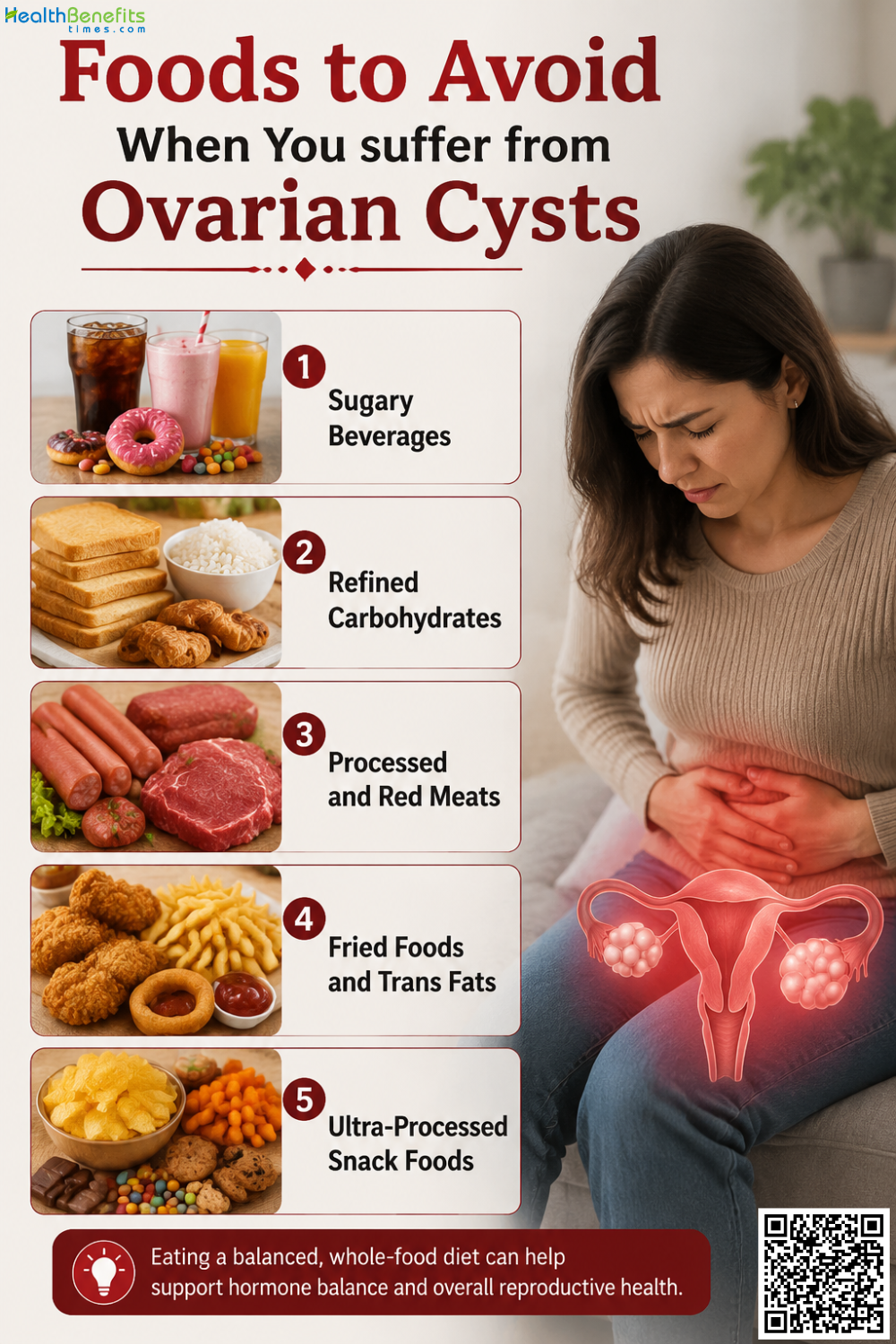
2. Refined Carbohydrates
White bread and pastries digest rapidly, causing severe blood sugar fluctuations that worsen insulin resistance and disrupt normal egg release from the ovaries 13.
3. Processed and Red Meats
High consumption of processed meats significantly increases internal pelvic inflammation and severely disrupts reproductive hormone balance, accelerating the growth of existing ovarian cysts 30.
4. Fried Foods and Trans Fats
Commercial fried foods contain artificial fats that directly elevate systemic inflammation and severely aggravate insulin resistance, actively preventing natural hormonal healing and ovary function 47.
5. Ultra-Processed Snack Foods
Packaged snacks loaded with artificial additives severely disrupt normal metabolic functions, increasing circulating androgens that halt proper ovarian follicle development and promote cyst clustering 48.
When to see Doctor when you struggle from Ovarian Cysts
While many ovarian cysts resolve naturally without medical intervention, specific warning signs indicate a potentially dangerous complication. You must seek immediate clinical evaluation if you experience symptoms that suggest a ruptured cyst or restricted blood flow to your reproductive organs.
1. Sudden, Severe Pelvic Pain
An abrupt onset of intense, sharp lower abdominal pain strongly indicates that a cyst has ruptured or the ovary has twisted, requiring immediate emergency intervention 6.
2. Fever Accompanied by Vomiting
Experiencing a high fever with persistent vomiting and pelvic pain signals a severe localized infection or an actively twisting ovary that demands urgent medical treatment 6.
3. Cold, Clammy Skin and Dizziness
Feeling suddenly weak, lightheaded, or developing cold, clammy skin and rapid breathing are dangerous signs of shock caused by severe internal bleeding from a ruptured cyst 1.
4. Rapid Abdominal Swelling
Sudden, severe bloating or a noticeable, rapid increase in your stomach size requires clinical evaluation to rule out aggressively expanding cysts or underlying reproductive malignancies 6.
5. Persistent Pain During Daily Activities
If you experience continuous pelvic pressure, severe pain during sexual intercourse, or unexpected pain during routine bowel movements, a growing cyst may be compressing nearby organs 8.