Vitamin C (28.33%)
Copper (14.78%)
Vitamin B9 (8.00%)
Iron (5.75%)
Potassium (5.60%)
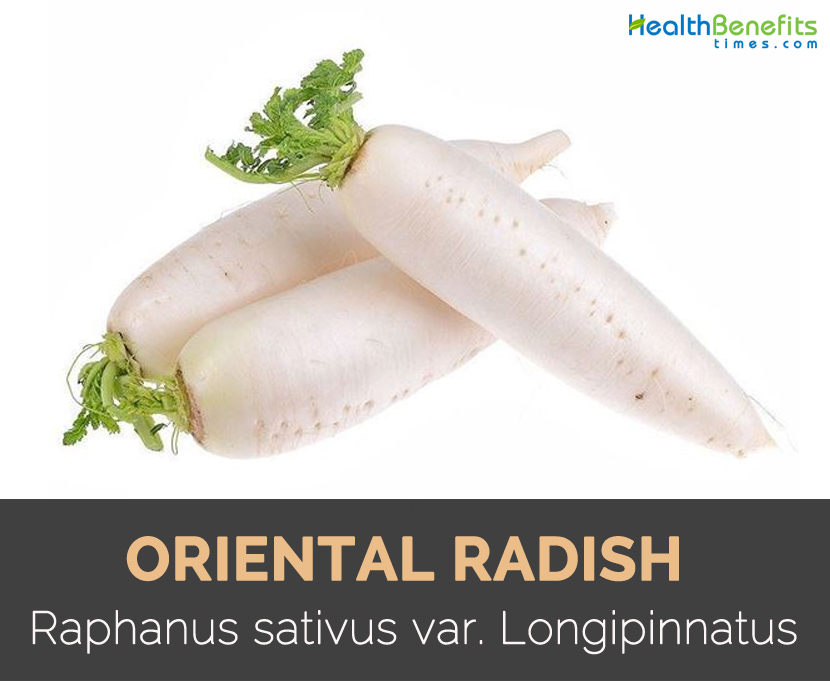
Oriental radish (scientific name Raphanus sativus L. var longipinnatus Baile) is a winter radish with mild flavor featuring fast growing leaves & long, napiform and white root. It is native to continental East Asia, it is consumed throughout the region and South Asia. It has many variations and has different names such as Chinese radish, Japanese radish, Korean radish and others. The roots are elongated like carrots, plump and oblong. Oriental radishes takes 55 or 60 days to 120 days to fully mature. Seeds are sown in early fall or summer in order to 2 to 3 months of adequately moist and warm weather. Radishes are stir-fried, added to stews or make radish pudding.
The name Daikon is derived from two Japanese words such as “dai” which means “large” and “kon” which means “root”. Roots are 6 to 20 inches long and 2 to 4 inches in diameter. There are 3 distinct shapes such as oblong, spherical and cylindrical. It is used by Asian population for Asian dishes. When compared to other vegetables, oriental radish is produced more in Japan.
Oriental radish possess anti-viral and anti-bacterial properties which maintains respiratory tract and lungs health. Infection by virus and bacteria promotes mucus production that could obstruct airways and causes difficulty in breathing. It is notable in people with chronic allergies. Consisting of bioflavonoids associated with Vitamin C helps to upgrade lung function and lower the chances of asthma attacks.
Digestive health
After the food intake, foods must be broken down by various enzymes which starts in the mouth. Oriental radishes have amylase and protease in it which supports breakdown of carbohydrates and protein. This radish is highly recommended for those with impaired digestive abilities. High content of fiber is beneficial for preventing constipation and maintaining healthy bowel function, retain water in stool and adds bulk so that it moves easily through digestive tract.
Kidney health
Kidneys are accountable for filtering blood, recycling water and taking vital nutrients back to circulation so it could be reused. It also supports excretion of water soluble waste by diuresis and process of urination. Kidneys fails to process adequate fluid under some conditions, such condition is termed as reduced filtration rate. For this, use of medication and external foods are essential to improve urination. It stimulates diuresis by preventing waste compilation in kidneys where it can form painful renal stones.
Cancer prevention
The study was conducted to know its role in preventing cancer especially stomach cancer. Oriental radish excludes nitrosamine compounds, highly carcinogenic nitrogen based molecules known as the byproducts of smoked food. Besides this, it encompasses phenolic compounds which upgrades resistance to cancer and lowers the chances of free radical effects on cells.
Stronger immune function
White blood cells are responsible for immunity functions which lowers vulnerability to illness. High content of Vitamin C helps to boost nutrients. Also it is related with elevated production of white blood cells with intensified anti-oxidant activities. Oxidation is the cause for DNA damage and results in defective cells production which could turn out to be cancerous. It also speeds up the healing of wounds and infections. So this could minimize the duration of illness.
Diabetic friendly
Oriental radish is low in carbohydrates which makes it as a perfect choice to assimilate in a diet for diabetics. It won’t cause spike in blood sugar and high content of fiber adds plus points to its benefits. This radish slows the sugar absorption and keeps the insulin stable. This assist in having a control of diabetic condition.
Blood pressure management
Potassium is a mineral crucial for blood pressure regulation and maintains healthy blood vessels. Sodium causes increase in blood pressure with its constricting effects on blood vessels. It relaxes blood vessels and balance fluids in the blood. It discharges excessive water by kidneys which maintain normal blood pressure.
Assist in building body
Sufficient minerals and vitamins are must for building body. Oriental radish has adequate amounts of iron and copper. Moreover, it prevents the chances of anemia and progress energy levels, transporting oxygen to cells and energy metabolism. Women are recommended to consume oriental radish as they lose blood every month during menstrual cycle.
Folate content
Folate is predominant for a healthy pregnancy. Oriental radish root delivers 1/4 of daily recommended intake. Folate is must to assure healthy pregnancy. Intake of various vegetables is the bestest way to fulfill the daily requirement.
Brain health
Stress and oxidation has the major effect on nervous system and especially brain. It forms homocysteine that damages brain cells and halts premature cognitive decline. Folate breaks down homocysteine into methionine which serves various functions. Folate deficiency can be experienced from young age in nervous system. It has an effects unborn child’s development. For this, folate is a crucial mineral at the time of pregnancy. Its regular intake helps to meet requirements of folate and lowers the chances of neurodegenerative diseases such as Parkinson’s and Alzheimer’s disease.
Strengthen bones
Oriental radish helps to meet calcium requirements. Adding bone friendly nutrients to the diet helps in preventing osteoporosis as people ages. It facilitates mobility and lowers the chances of fractures.
Culinary uses
In Japan, various types of pickles are formed with oriental radish which includes bettarazuke and takuan. It is grated and combined into ponzu, a soy sauce and citrus juice.
Oriental radish has been dried and shredded. The sprouts are used for garnishing sashimi or salads.
Oriental radish leaves are the part of Festival of Seven Herbs known as suzushiro.
In China, oriental radish is used to make turnip cake and chai tow kway. The variety is known as mooli which has high water content and it is recommended to salt and drain before it is cooked.
In Pakistan, young leaves are boiled and flash fried with combination of garlic, heated oil, red chili, ginger and various species. It is consumed as a salad seasoned with salt, pepper and chaat masala.
In Bangladesh, oriental radish is grated and combined with coriander, fresh chilli, lime juice, flaked steamed fish and salt.
In North India, oriental radish is an ingredient in stuffed parathas, sabzi, salads, pickles and pakodas.
Leaves are used to make kadhi, dal and other dishes.
Medicinal uses
Daily intake of radish helps to lose weight and enhance the efficiency of metabolism for all the bodily process.
Radish helps to treat kidney, colon, oral, stomach and intestinal cancers.
Intake of raw radish provides relief from constipation, diarrhea and irregular bowel movements. It supports digestion by producing bile enzyme.
It promotes immunity, clears mucous from throat, combat cold and cough.
Taking in radish provides radiant and young looking skin. Apply the crushed radish on skin.
Potassium in radish helps to lower blood pressure.
Radish controls the sugar absorption into bloodstream which is beneficial for diabetics.
Drink a tea made of oriental radish after meal to facilitate digestion.
Restorative drink made of oriental radish and seaweed is used to wipe out toxins from the body.
A cup of grated root helps to erase the symptoms of hangover.
Side Effects
Do not take radish with black gram or fish. Or do not drink milk soon after consuming radish.
Some might experience asthma or dermatitis after consuming Oriental radish.
People with gallstones should avoid intake of Oriental radish.
Other facts
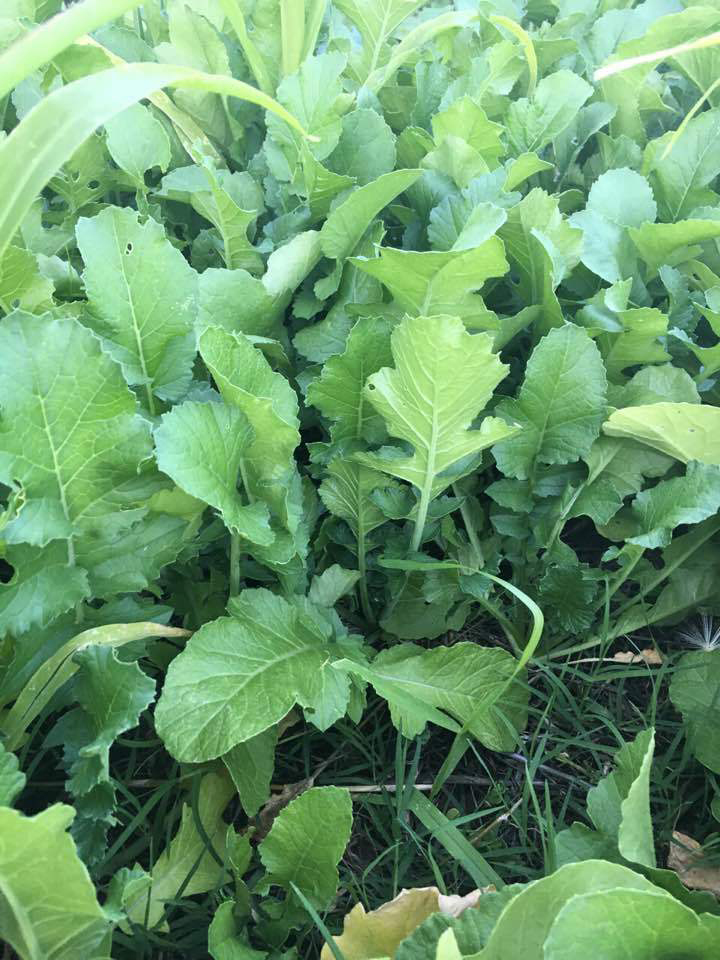
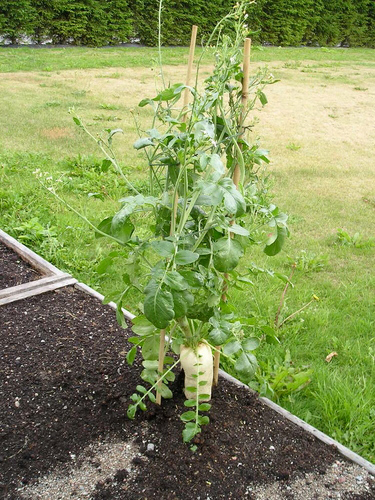
It has short stem and fast growing leaves that measures about 2 feet high.
Oriental radish has large root with white skin or juicy and white flesh. It is also found in yellow, green and black color.
Some varieties can weight from 40 to 50 pounds.
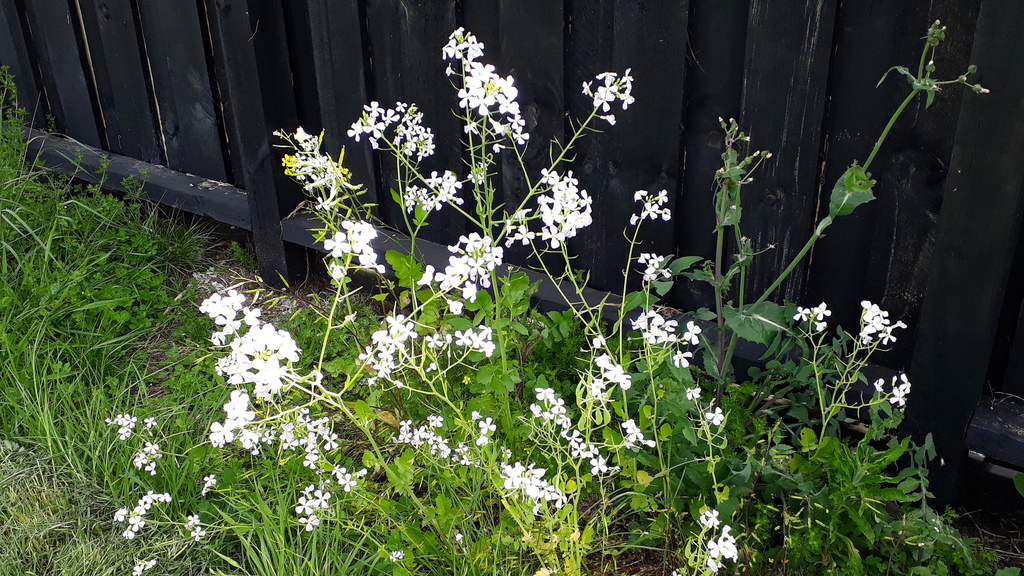
The plant forms white or lilac colored flowers with both types of reproductive organs.
Flies and bees are responsible for pollination.
Oriental radish has a papery thin and brown seed pod known as silicle.
Oriental radish takes about 150 days to become ready for harvest after sowing.
It is propagated by means of seed.
In Japanese the word “daikon” means great root.
Three basic types of Oriental radish are spherical, cylindrical and oblong.
Root has crispy texture, mild, tangy and slightly spicy taste.
Oriental radish leaves are also practiced as animal fodder.
The plant is biennial which completes its life cycle in two years.