Health Benefits
    Facebook Twitter Instagram
    Friday, December 5
    Facebook Twitter Pinterest
    Health Benefits
    • Home
    • Dental Health
    • Mental Health
    • Weight Loss
    • Health Wiki
    • Nutrition
    • Healthy Recipe
    • BMI Calculator
    Health Benefits
    Home»Herbs and Spices»Facts and benefits of Senega
    Herbs and Spices

    Facts and benefits of Senega

    By SylviaNovember 12, 2017Updated:November 12, 20171 Comment6 Mins Read
    Facebook Twitter Pinterest LinkedIn Tumblr Email

    Facts and benefits of Senega

    Polygala Senega commonly known as Senega root, Seneca snakeroot, Senega, senega snakeroot, senegaroot, rattlesnake root, and mountain flax and Milkwort is a species of flowering plant in the milkwort family, Polygalaceae. The plant is native to North America, where it is distributed in southern Canada and the central and eastern United States. It can be found from Newfoundland to Alberta in Canada and from New England to Georgia and Arkansas and west to Dakota in the United States. The name of the genus, Polygala, means ‘much milk,’ alluding to its own profuse secretions and their effects. ‘Senega’ is derived from the Seneca tribe of North American Indians, among whom the plant was used as a remedy for snake-bites.

    Plant Description

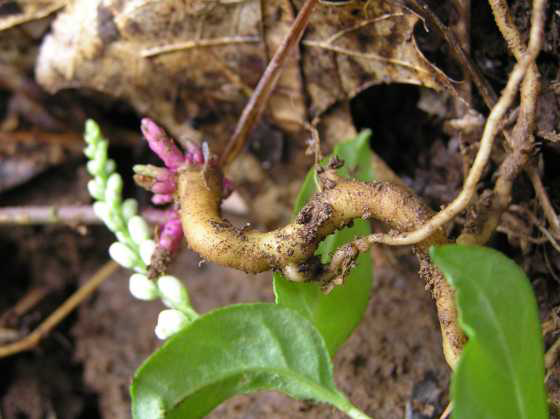
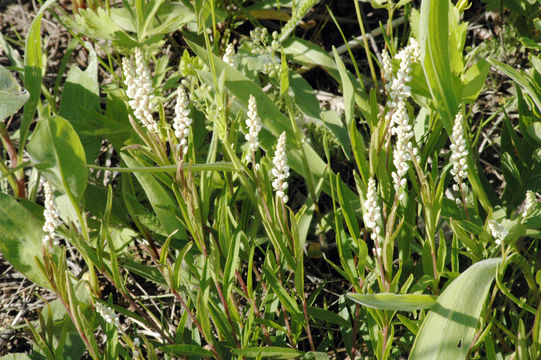
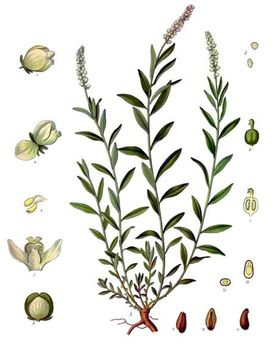
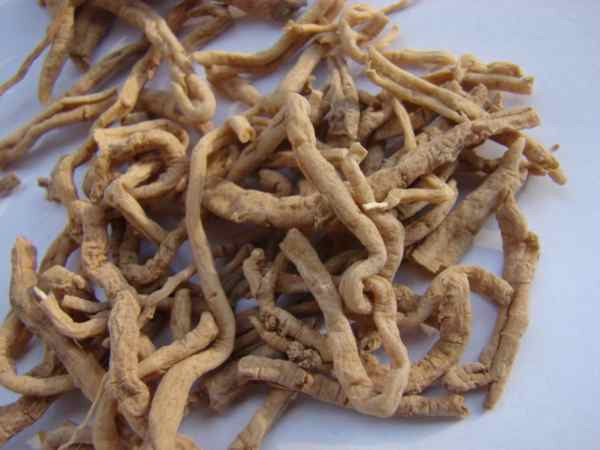
    Senega is a small perennial herb that grows about half a meter in height. The plant is found growing in upland gravel prairies, hill prairies, savannas, wooded slopes along rivers or lakes, and abandoned fields. The plant prefers to grow in thin, rocky, usually calcareous soils. Root is twisted and conical. Size range from the thickness of a straw to that of the little finger has as its distinguishing mark a projecting line, along its concave side. Roots are normally light yellowish grey to brownish grey colored.  The root sends up a number of smooth, slender, erect stems (as many as 15 or 20 or more), sometimes slightly tinged with red, from 6 inches to a foot in height, and generally unbranched.

    Leaves & Fruit

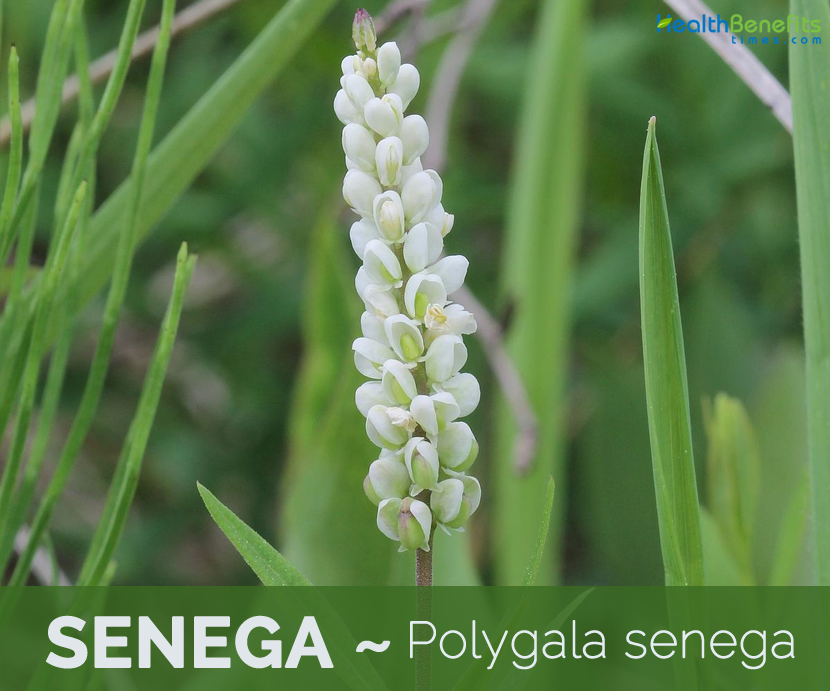
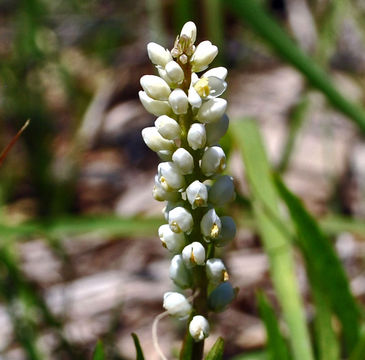
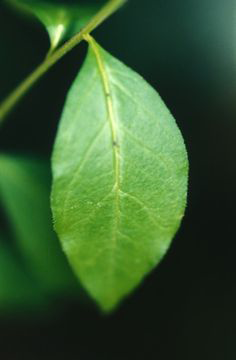
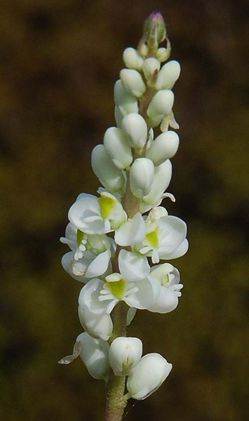
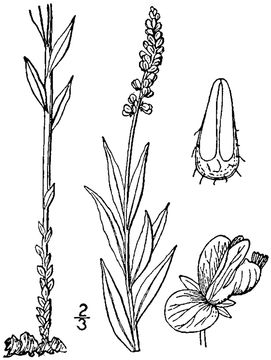
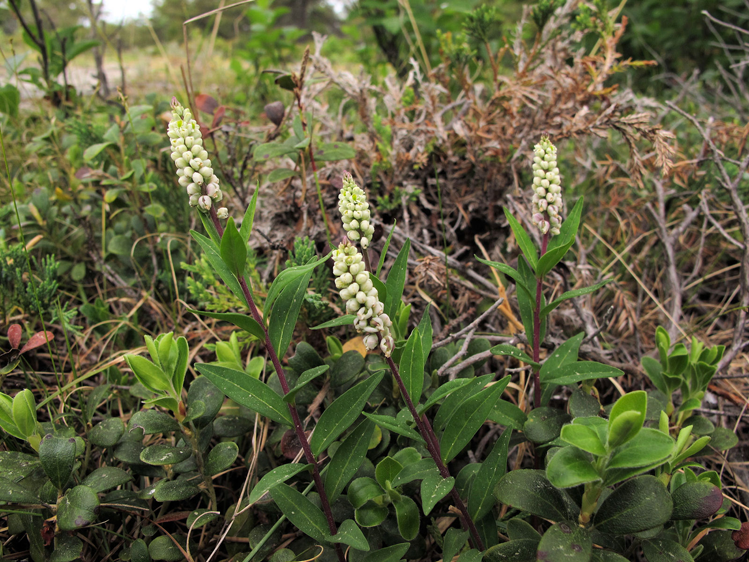
    Small, lance-shaped leaves are alternately arranged. The lower leaves are reduced and scale-like. The flowering spikes are borne in May and June on the ends of the stems and consist of numerous, small pinky-white flowers that are crowded on to a narrow, terminal spike from 1 to 2 inches long. The lower flowers develop first and have already fruited when the upper flowers open. Fruit is a capsule containing two hairy black seeds.

    Senega Image Gallery
    Buds-of-Senega-plant Buds-of-Senega-plant
    Fresh-Senega-root Fresh-Senega-root
    Leaf-of-Senega-plant Leaf-of-Senega-plant

    Senega-bushes Senega-bushes
    Senega-flower Senega-flower
    Senega-plant-Illustration Senega-plant-Illustration

    Senega-plant-sketch Senega-plant-sketch
    Senega-root Senega-root
    Senega-plant Senega-plant

    Traditional uses and benefits of Senega

    • Cherokee used it as an expectorant and a diuretic, and for inflammation, croup, and common cold.
    • Chippewa used preparations of the root to treat convulsions and bleeding wounds.
    • Cree chewed the root for sore throat and toothache.
    • Seneca may have been encouraged to use the tortuous root to treat snakebite by its resemblance to the tail of a rattlesnake.
    • It was marketed as a treatment for pneumonia.
    • It is ground and made into patent medicines, mainly remedies for respiratory complaints.
    • It is added to cough syrups, teas, lozenges, and gargles.
    • It is still used in modern herbalism where it is valued mainly as an expectorant and stimulant to treat bronchial asthma, chronic bronchitis and whooping cough.
    • Root contains triterpenoid saponins; these promote the clearing of phlegm from the bronchial tubes.
    • Root is antidote, cathartic, diaphoretic, diuretic, emetic, expectorant, sialagogue, stimulant.
    • It was used by the North American Indians in the treatment of snake bites.
    • It has been found of use in the treatment of various respiratory problems including pleurisy and pneumonia.
    • Tea made from the bark has been drunk in order to bring about a miscarriage.
    • Dried root is used as a stimulating expectorant.
    • Root has been used to treat snakebites; it is chewed and applied to the bite.
    • Extracts of the senega root may also be used as a gargle and mouthwash for the treatment of catarrh.
    • In 19th century, senega root was used in the form of an expectorant in cough remedies.
    • Herb is used to treat a number of health conditions, including respiratory tract inflammation, bronchitis, emphysema, and tracheitis or inflammation of the trachea.
    • It has been found that the saponins present in senega root have the promise to treat type II diabetes.
    • It is believed that this herb encourages perspiration and also promotes the secretion of saliva.
    • It is given as syrup to children with wet, phlegmy coughs.
    • It is used to treats mild constipation, and has a diuretic action.

    Ayurvedic Health benefits of Senega

    • Sore Throat: Use as a mouthwash and gargle for sore throat.
    • Night Sweat: Take equal amount of Liquorice, Chinese date, Turmeric, Senega Snakeroot, Japanese Rush and wheat. Grind them together. Have half tsp twice a day.
    • Reproductive problems of Males: Ginseng Korean, Astragalus, Dong Quai, Rehmannia, Cuscuta Chinensis, Goji berry, fennel, Zanthoxylum Piperitum, Morinda Officinalis, Cornus Officinalis, Polyporus Umbellatus, Psoralea, Archyranthes Aspera, Yam Rhizome, Horny Goat weed, Eucommia, Cinnamon, Paeonia Suffruticosa, Raspberry, Chinese Knotweed, Anemarrhena, Atractylodes Macrocephala, Water Plantain, Senega, White Peony, Anemone Chinensis, Honey in conjunction are beneficial for reproductive problems of males and acts as a powerful kidney tonic. You may buy the formula containing the above mentioned herbs. Capsule form is readily available. Consume 1 capsule 3 times a day.

    Dosage

    Dosages for oral administration (adults) for traditional uses recommended in older and contemporary standard herbal and pharmaceutical reference texts are given below.

    • Dried root: 0.5–1.0 g as an infusion three times daily.
    • Senega Liquid Extract: 0.3–1.0 mL
    • Senega Tincture: 2.5–5.0 mL

    Precautions

    • It is toxic in large amounts, and overdose causes such symptoms as diarrhea and “violent vomiting”.
    • Powdered root can be sternutatory (sneeze-inducing).
    • Plant is poisonous in large quantities, causing violent purging and vomiting.
    • Reported to have caused anxiety, mental dullness and vertigo.
    • It may also disturb vision.
    • Avoid if hypersensitive to aspirin or salicylates.
    • Avoid during pregnancy and lactation.
    • Can lower blood sugars so avoid if diabetes mellitus.
    • Herb should generally not be used over an extended period of time.
    • It should not be given to children.
    • People with ulcers or duodenal ulcer should not use it.
    • There is a possibility that senega can interact with some medication such as anticoagulants, antidiabetic agents, and antidepressants, therefore anyone taking such drugs should consult a professional health care provider prior to use.
    • It may also cause vision disturbance.
    • It should not be taken by people with gastritis or a gastric ulcer.

    References:

    https://www.itis.gov/servlet/SingleRpt/SingleRpt?search_topic=TSN&search_value=29316#null

    https://npgsweb.ars-grin.gov/gringlobal/taxonomydetail.aspx?id=29219

    http://www.pfaf.org/User/Plant.aspx?LatinName=Polygala+senega

    https://www.drugs.com/npp/senega-root.html

    http://botanical.com/botanical/mgmh/s/senega41.html

    https://plants.usda.gov/core/profile?symbol=POSE3

    http://www.theplantlist.org/tpl1.1/record/kew-2573250

    https://en.wikipedia.org/wiki/Polygala_senega

    http://medicinalherbinfo.org/herbs/SenegaSnakeroot.html

    https://hort.purdue.edu/newcrop/HerbHunters/senecasnakeroot.html

    http://www.rolv.no/urtemedisin/medisinplanter/polygala_sen.htm

    83%
    83%
    Awesome

    Comments

    comments

    Herbs and Spices S
    Share. Facebook Twitter Pinterest LinkedIn Tumblr Email
    Previous ArticleHealth benefits of Tamarind
    Next Article Health benefits of Sugar Cane

    Related Posts

    Uses of Monkey Pitcher plant

    April 16, 2024

    Traditional uses and benefits of Wild Marigold

    March 21, 2024

    Traditional uses and benefits of Drooping fig

    March 12, 2024

    Comments are closed.


    Senega Facts

    Senega Quick Facts
    Name: Senega
    Scientific Name: Polygala senega
    Origin North America
    Colors Light yellowish grey to brownish grey (Root)
    Shapes Twisted and conical. Size differ from the thickness of a straw to that of the little finger
    Taste Bitter, pungent taste
    Name Senega
    Scientific Name Polygala senega
    Native North America
    Common Names Seneca snakeroot, Senega, senega snakeroot, senegaroot, rattlesnake root, and mountain flax, Milkwort
    Name in Other Languages Cree: Miyinsiyikîysa
    Danish: Senega, Milkwort.
    English: Milkwort, Mountain Flax, Seneca milkwort, Seneca snakeroot, Senega, senega snakeroot, senega-root, sengaroot, northern senega, polygala root,
    Finnish: Rohtolinnunruoho
    French: Polygala de Virginie
    German: Klapperschlangenwurze
    Spanish: Serpentaria senegalesa
    Swedish: Senegarot
    Plant Growth Habit Perennial herb
    Growing Climate Upland gravel prairies, hill prairies, savannas, wooded slopes along rivers or lakes, and abandoned fields
    Soil Grows in thin, rocky, usually calcareous soils
    Plant Size About half a meter in height
    Root Twisted and conical
    Root color Light yellowish grey to brownish grey
    Stem Light green to reddish purple, terete, and usually unbranched;
    Leaf Small, Lance-shaped leaves are alternately arranged. The lower leaves are reduced and scale-like.
    Flowering Periods June
    Flower Numerous, small pinky-white flowers are crowded on to a narrow, terminal spike from 1 to 2 inches long
    Fruit Capsule containing two hairy black seeds
    Flavor/Aroma Somewhat like wintergreen
    Taste Bitter, pungent taste
    Plant Parts Used Dried root
    Available Forms Decoction, extracts, powders, and tinctures
    Season September and October

    Senega Scientific Classification

    Scientific Name: Polygala senega

    Rank Scientific Name & (Common Name)
    Kingdom Plantae (Plants)
    Subkingdom Tracheobionta (Vascular plants)
    Infrakingdom Streptophyta  (land plants)
    Superdivision Spermatophyta (Seed plants)
    Division Magnoliophyta (Flowering plants)
    Class Magnoliopsida (Dicotyledons)
    Subclass Rosidae
    Order Polygalales
    Family Polygalaceae (Milkwort family)
    Genus Polygala L. (polygala)
    Species Polygala senega L. (Seneca snakeroot)
    Synonyms
    • Polygala albida Steud.
    • Polygala rosea Steud.
    • Polygala senega var. latifolia Torr. & A.Gray
    • Polygala senega var. senega
    • Senega officinalis Spach
    Categories
    • Beverages (78)
    • Dairy (28)
    • Dental Health (15)
    • Equipment (5)
    • Essential OIls (196)
    • Facts (2,939)
    • Foods (255)
    • Fruits (516)
    • Giveaway (1)
    • Grains and Cereals (36)
    • Health & Beauty (763)
    • Herbs and Spices (1,249)
    • Medicines (9)
    • Mental Health (19)
    • Nutritional value (27)
    • Nuts and seeds (73)
    • Oils (81)
    • Pets (4)
    • Poultry & Seafoods (67)
    • Pulses and Beans (16)
    • Reviews (25)
    • supplement (2)
    • Vegetables (304)
    • Weight Loss (22)

    What is Lupin Bean Flour?

    Science Backed Health Benefits of Durian (Durio zibethinus)

    Science Backed Health Benefits of Feijoa (Pineapple Guava) (Acca sellowiana)

    Science Backed Health Benefits of Gac Fruit (Momordica cochinchinensis)

    Science Backed Health Benefits of Amaranth Leaves (Amaranthus spp)

    Science Backed Health Benefits of Arrowhead (Sagittaria sagittifolia)

    ABOUT
    Home
    About us
    Contact us
    Privacy Policy
    Terms & conditions
    Disclaimer
    Direct Communication
    e-mail: [email protected]
    Gmail: [email protected]
    Whatsapp: +977-9841146511
    Viber: +977-9841146511
    Useful
    Health Wiki
    Nutrition
    Facebook Twitter Pinterest
    © 2025 www.healthbenefitstimes.com All rights reserved.

    Type above and press Enter to search. Press Esc to cancel.

    ×

    Log In

    Forgot Password?

    Not registered yet? Create an Account