

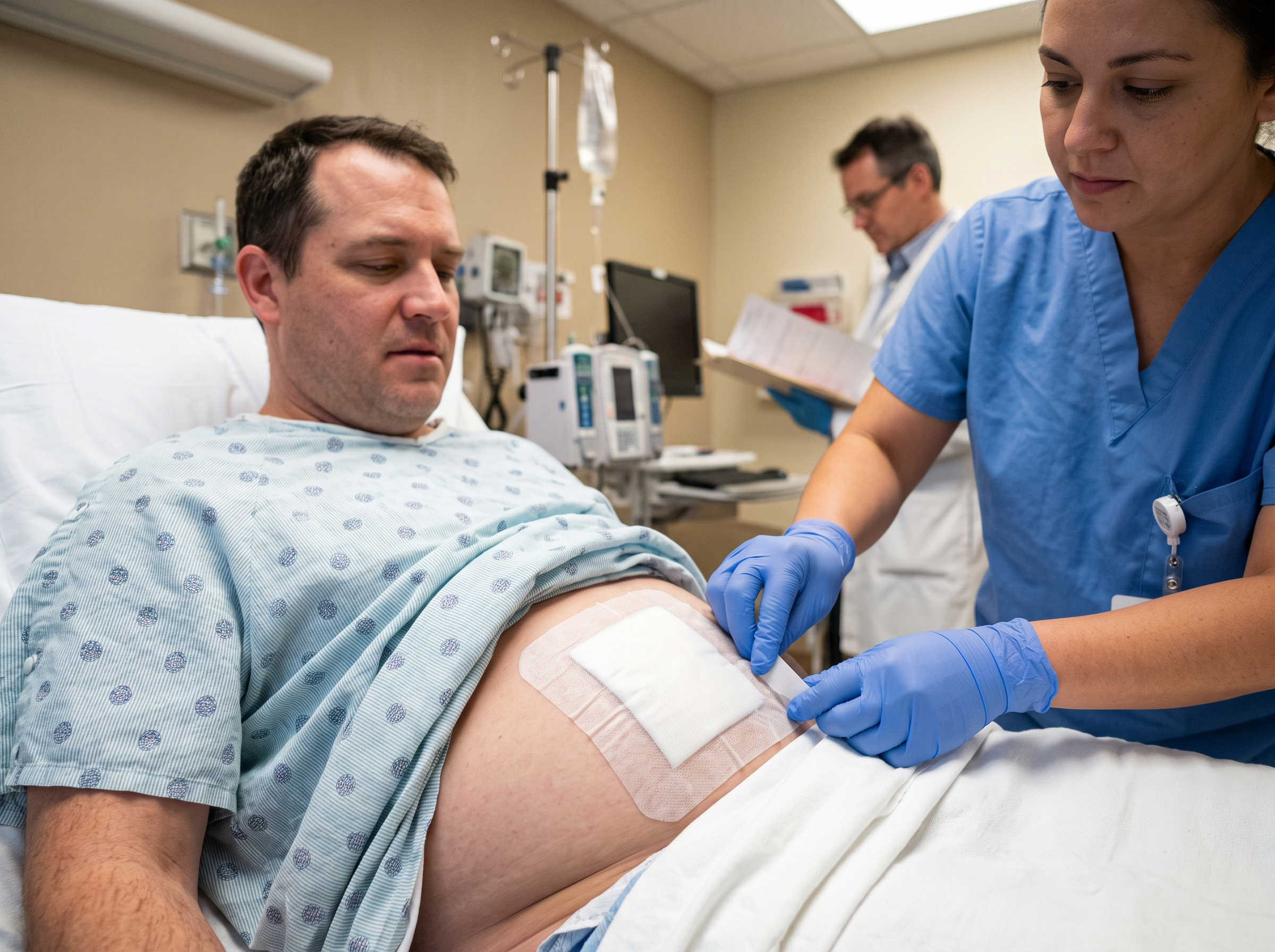
Research on diagnostic error suggests that a substantial number of Americans are killed or permanently disabled every year because a serious condition, most often a cancer, an infection, or a vascular event, went unrecognized. The pattern behind those numbers is almost always the same. Someone raised a concern, was told it was normal, and kept trusting the reassurance a little too long.
Recovery is supposed to move in one direction. A slow day here and there is part of the process, but a run of days that keep getting worse is a signal you can’t afford to talk yourself out of. What follows walks through what tends to happen, hour by hour and week by week, when a recovery drifts off course, and what to do at each stage before a small problem turns into something you can’t take back.
The First 48 Hours Set the Baseline
The first two days after a procedure are your reference point. Pain should be present but controlled by the medication you were sent home with. Swelling should look proportional to what was done. Your temperature should sit in a normal range.
Write down what normal looks like for you in this window. Photograph the incision in good light. Note the pain score, the temperature, the color around the wound, and how far you can walk without help. You’ll want that baseline later, because the problem with a slow decline is that each day feels only slightly worse than the last.
Days Three Through Seven Are When Infections Show Up
Most surgical site infections announce themselves in the first week. According to Cleveland Clinic, the seven signs worth tracking are discharge, odor, spreading redness, changes in the size of the incision, warmth, a fever over 101°F, and pain that gets worse instead of better. Any one of them warrants a call. Two or more warrants the same day.
The subtle version is the one people miss. Redness that stays inside a pencil-line border around the incision is expected; redness that has visibly expanded since yesterday’s photo is a problem. Drainage that turns from clear pink to cloudy yellow is a problem. Skin that feels hot to the back of your hand is a problem.
Call Before You Talk Yourself Out of It
Patient-education material from Allina Health lists the specific triggers for picking up the phone: a fever of 101°F or higher, increased pain at the incision, new drainage, numbness, urinary problems, or simply feeling worse than you did when you left the hospital. That last one matters. “I just feel wrong” is a legitimate reason to call, and staff are trained to take it seriously.
- Chest pain or trouble breathing. Call 911, and don’t drive yourself; a clot that broke loose from a leg vein won’t wait for you to find parking.
- Calf pain or swelling in one leg. This is the leg-vein clot before it moves. Same-day evaluation.
- Confusion or a change in mental state. In an older patient especially, this can be the first sign of sepsis or a medication reaction.
- Bleeding that soaks through a dressing. Slow oozing is usually fine. Soaking through a fresh dressing in under an hour is not.
Weeks Two and Three Are Where Dismissals Happen
This is the stretch where patients get told they’re being anxious. The acute drama is over, the follow-up visit was brief, and the answer to most questions is some version of “give it time.” That answer is right often enough that clinicians reach for it by reflex, which is exactly why the cases where it’s wrong slip through.
Bring your notes and your photos to every appointment. If pain is climbing instead of falling, say so with numbers. If a wound that was closing has opened, show the comparison.
Ask directly: what would change your assessment? What symptom, at what threshold, would prompt imaging or labs? A clinician who can’t answer that hasn’t actually examined the question.
When the Answer Keeps Being Wait and See
Asking for a second opinion isn’t an insult to your surgeon; it’s standard practice, and most surgeons will tell you so themselves. If your symptoms are getting worse and your care team keeps offering reassurance without a plan, another set of eyes is reasonable. Bring the operative report, the discharge summary, and your own log.
If a complication has already caused harm that a timelier response might have prevented, that’s a separate conversation, and it belongs with a medical malpractice attorney rather than with the provider who missed it. Preserve everything: dated photos, message threads, appointment notes, the names of who told you what and when. Records tend to disappear from memory faster than from paper.
Trust the Pattern, Not a Single Reading
One bad night doesn’t mean something is wrong. Three bad nights in a row, each a little worse than the last, usually does. Recovery is a trend line. If yours is pointing the wrong way and the explanations you’re getting don’t match what you’re feeling, keep asking until someone gives you a real answer.