Health Benefits
    Facebook Twitter Instagram
    Sunday, November 9
    Facebook Twitter Pinterest
    Health Benefits
    • Home
    • Dental Health
    • Mental Health
    • Weight Loss
    • Health Wiki
    • Nutrition
    • Healthy Recipe
    • BMI Calculator
    Health Benefits
    Home»Fruits»Davidson plum – Davidsonia pruriens
    Fruits

    Davidson plum – Davidsonia pruriens

    By s mAugust 26, 2016Updated:July 12, 2017No Comments6 Mins Read
    Facebook Twitter Pinterest LinkedIn Tumblr Email

    Davidson-plum---Davidsonia-pruriens

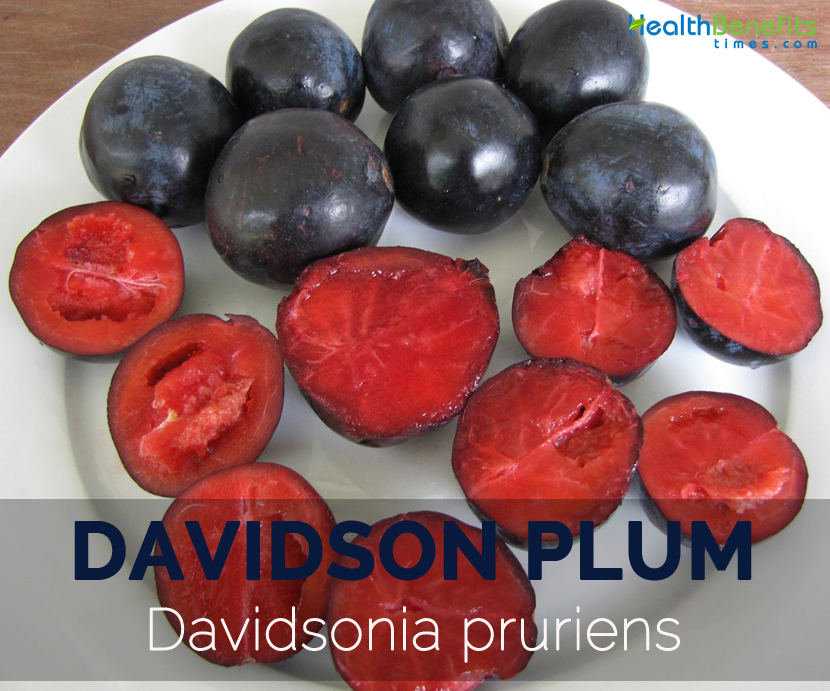
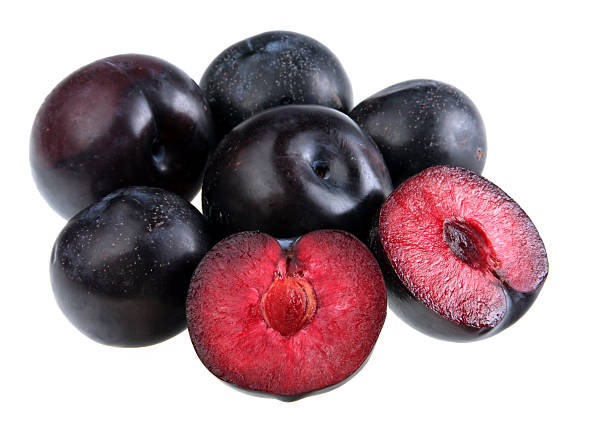
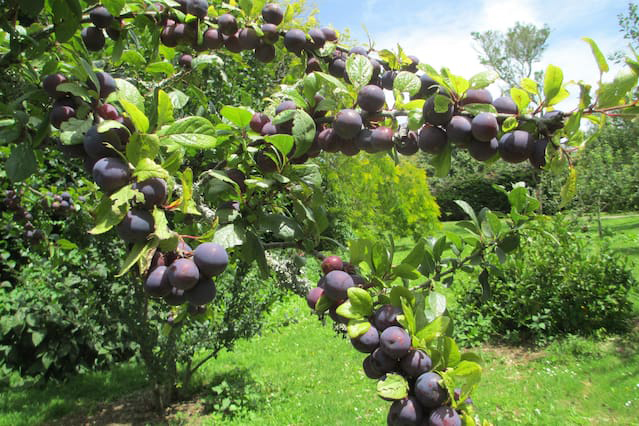
    Davidsonia pruriens is a small slender tree native to Australia and Northeastern Queensland. Common names include Davidson plum, Davidsonia Plum, Davidson’s Plum and Queensland Davidson plum. This plant is grown as an ornamental tree for its fruit which is known as Davidson plum. This species bears the sour dark burgundy fruit which is edible and resembles the European plum. The plant of this species reaches up to 12 meters in height which belongs to family Cunoniaceae. The berry has the earthy, tart, intense flavor with sharp acidic taste.

    Plant

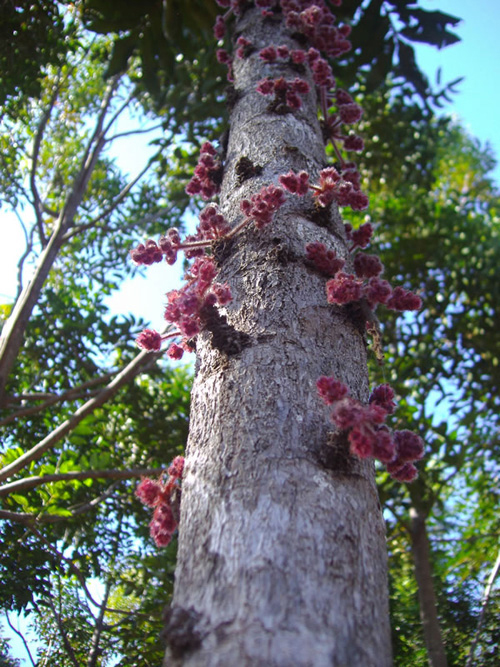
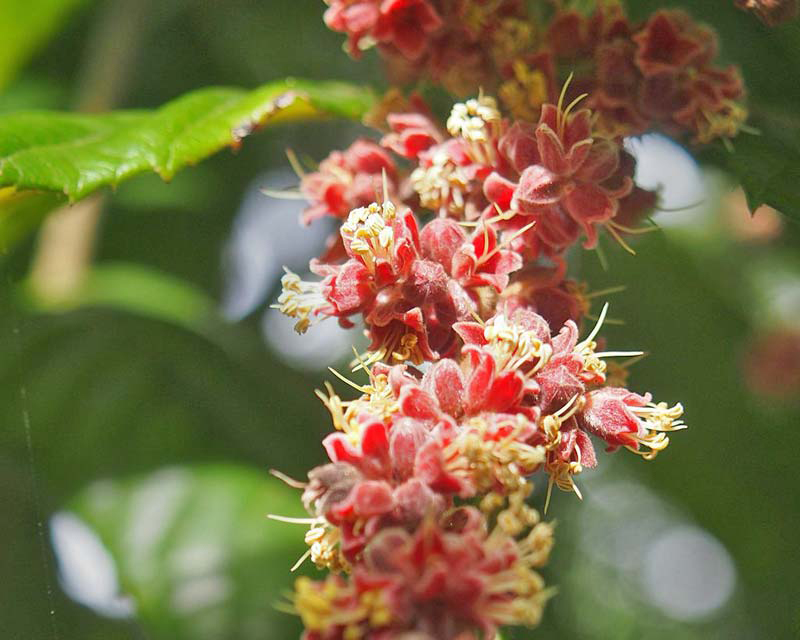
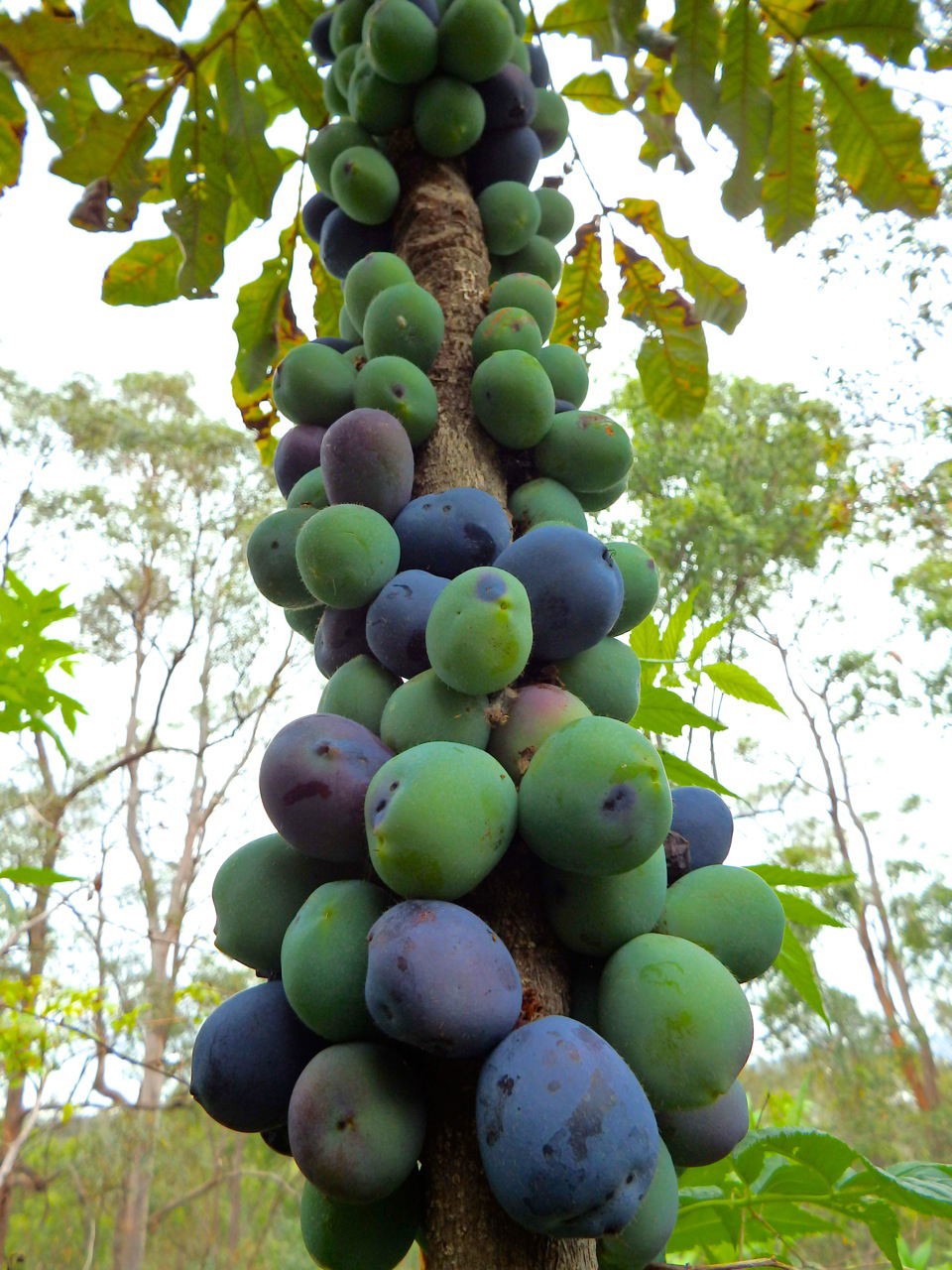
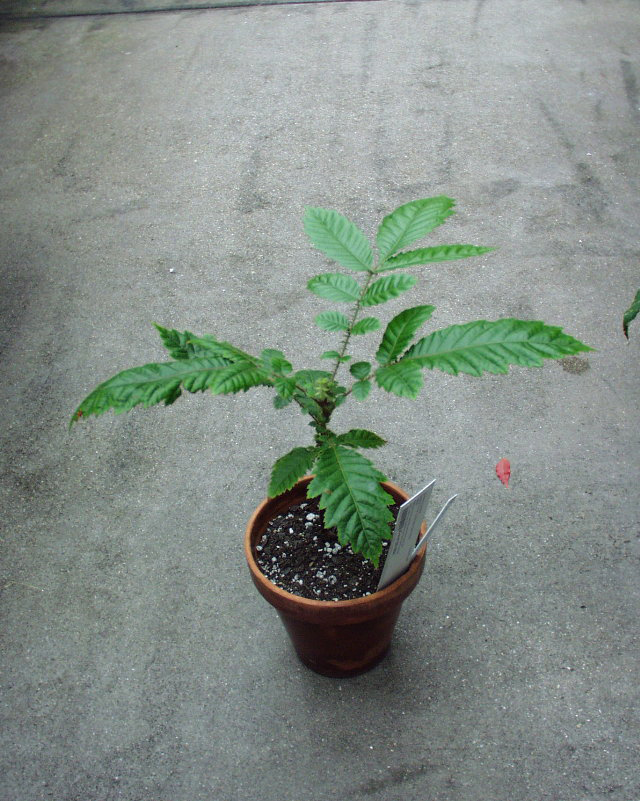
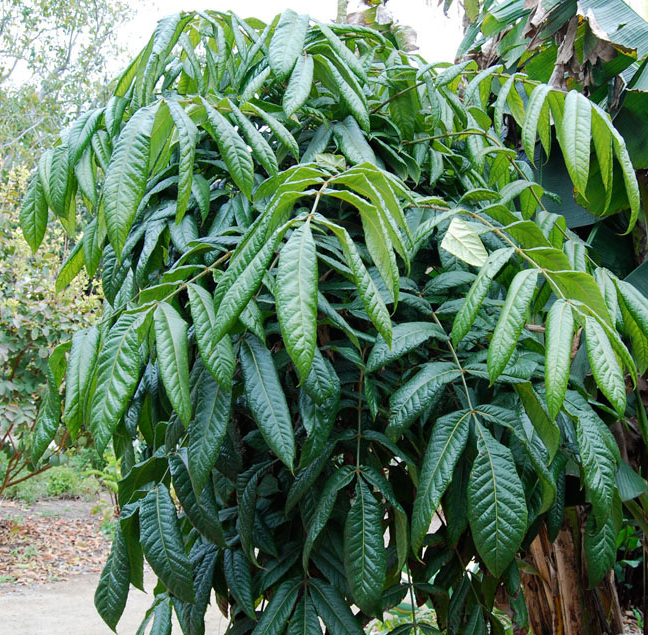
    The small, slender, ornamental tree can naturally reach upto 6-12 m high. It has alternately arranged, pinnate, cordate to suborbicular green leaves which is upto 18-35(-46) cm long and (6-)8-12(-16) cm wide. The tree has recurved, dark pink flowers of 5-8 mm long which flowers between November to February and later converts into a fruit. Fruit are dark burgundy drupe (berries), obovoid or ellipsoid, compressed; 3.8–6.0 cm long and 3.0–5.3 cm wide. The fruit’s flesh is usually dark red colored. The bark is brown to dark grey and flaky.

    Nutritional Value

    100 grams of raw Davidson plum provides 63 calories, 0.2 grams of total fat, 1 grams of protein, 14.3 grams of carbohydrate, 3.9 grams of total sugars and 10.4 grams of starch. The same amount provides 30 mg of vitamin C, 364 mg of potassium, 27 mg of magnesium, 45 mg of sodium, 18 mg of phosphorus, 16 mg of calcium and 0.17 mg of niacin.

    Davidson Plum Image Gallery
    Davidson-plum-bark Davidson-plum-bark
    Davidson-plum-close-up-flower Davidson-plum-close-up-flower
    Davidson-plum-fruit Davidson-plum-fruit

    Davidson-plum-half-cut Davidson-plum-half-cut
    Davidson-plum-in-the-tree Davidson-plum-in-the-tree
    Davidson-plum-plant Davidson-plum-plant

    Davidson-plum-powder Davidson-plum-powder
    Leaves-of-Davidson-plum Leaves-of-Davidson-plum
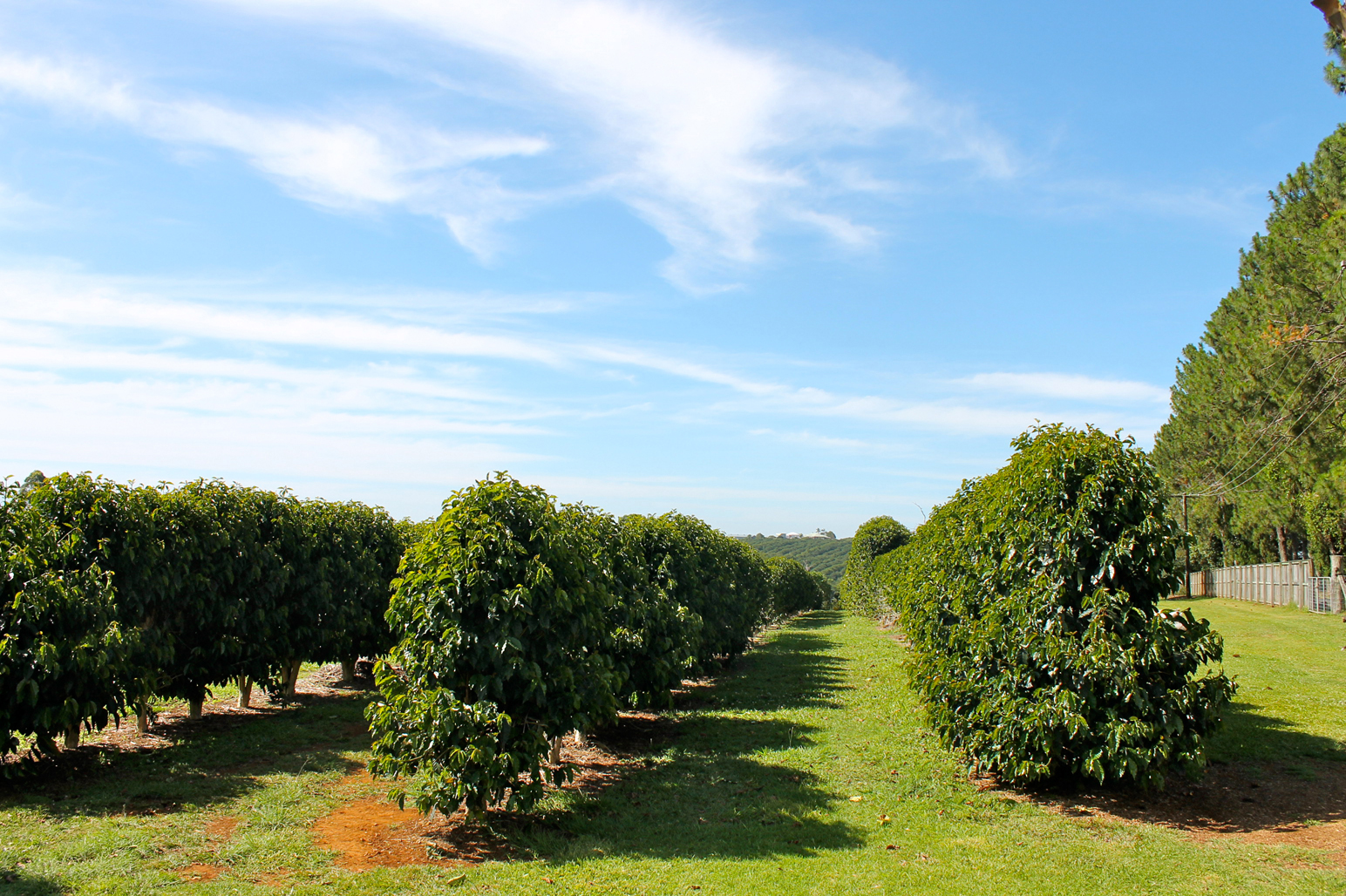
    Davidson-plum-farm Davidson-plum-farm

    Health Benefits of Davidson plum

    Davidson plum has high amount of anthocyanins which is an antioxidant higher in comparison to the blueberry.  It promotes the overall health and prevents diseases. The intake of Davidson plum in small amounts also provides identical benefits. The plum is an excellent source of potassium, Vitamin E, lutein, zinc, folate, calcium and magnesium. Potassium is vital for the heartbeat, movement of muscles, nerves and kidney functions. Zinc and Vitamin E is needed for the youthful and glowing skin. The content of Lutein is more in comparison to avocado which assists to maintain the eye health. It also possesses antidiabetic properties and has the ability to lower obesity and hypertension.

    1. Skin health

    The study shows that high intake of Vitamin C helps to reduce the appearance of wrinkles, skin dryness and also slows down the aging process. Vitamin C is essential for the formation of tendons, skin, blood vessels and ligaments. It assists to heal the wound and forms a scar tissue. The evidence shows that the skin cream with Vitamin C reduces the skin redness. The diet rich in antioxidants helps to maintain the skin health and also prevents from the skin cancer.

    1. Absorbs minerals

    The body should function properly to absorb the nutrients from the food. The digestive system should absorb the nutrients and absorb it in the blood stream. The cells absorb the nutrients and vitamins which are used by the body to lower inflammation and chances of disease. The intake of Vitamin C with iron increases the iron absorption in the children and adults.

    1. Treats cancer

    The high intake of Vitamin C promotes the effects of cancer fighting drugs which is used in chemotherapy. Vitamin C targets the cells which need these nutriments without harming normal cells. The research shows that Vitamin C is a cost effective aid for lung and ovarian cancer.

    1. Reduce stroke

    The study shows that the people with high intake of Vitamin C help to reduce the chances of stroke by about 42%. The people who consume more veggies and fruits have high amount of Vitamin C in their blood. So one should increase the intake of veggies and fruits in a day.

    1. Eliminates cold

    Vitamin C enhances the immunity power and body’s ability to eradicate the viruses and colds. The intake of 1000 mg helps to counteract the oncoming cold and 4000 mg helps to eliminate the existing cold. The evidence shows that Vitamin C effectively reduces the complications such as lung infections and pneumonia caused due to the colds and flu.

    1. Promotes metabolism

    Potassium is essential for promoting metabolism because it has a vital role in breaking the carbohydrates in form of glucose and converts into the useable energy. In addition, potassium assists the body to utilize amino acids to make proteins which builds muscle.

    The athlete’s intake the foods rich in potassium such as banana, potato or orange juice which helps to replace the lost potassium during exercise. Potassium balances the minerals in the body which is essential for the maintenance and growth of bones and muscles.

    1. Relax muscles

    Potassium balances the fluid levels and relaxes muscles. The low amount of potassium leads to the muscle pain, cramps and spasms. It breakdown the carb and protein which the muscles depend on for the repair and energy. The low presence of potassium leads to the fatigue, weight gain and problem in exercise.

    1. Bone health

    Potassium is required to prevent the bones from weakness and chances of fractures or breaks. The low amount of potassium is related to the low bicarbonate precursors which help to neutralize acids which are found in the animal proteins. The bones could be weak, porous and demineralized due to the deficiency of potassium. This could raise the chances of fractures and osteoporosis.

    1. Digestion

    Potassium performs as electrolyte which helps to balance fluid, water and level of sodium in the digestive tract. The deficiency of potassium leads to constipation, bloating and abdominal pain caused due to the buildup of fluid and imbalance in minerals. It also helps to balance the acid in stomach, heals gut and maintains the optimal pH level. This helps to eradicate the harmful bacteria which could reduce the immunity.

    1. Kidney ailments

    The high intake of potassium helps to reduce the formation of kidney stones. The studies show that the intake of food rich in sodium and low in potassium has the high chances of kidney stones. The low level of potassium is related to high chances of kidney stones because of the inverse relationship between calcium and potassium. In the low presence of potassium, more calcium is excreted through urine which is passed from the kidneys. Kidney stones are the deposits of calcium. The kidney ailments could be reduced by lowering the calcium in urine.

    How to Eat

    • The fruit is used to make sauces, jam, wine and cordial.
    • It is used to make sweet and savory dishes such as cakes, sauces, jams, icecream and yogurt.
    • The intense color of Davidson plum is adds a natural colour to foods.
    • The fruit is mostly used in yogurt, dairy foods, sauces, jams, fruit wines and others.
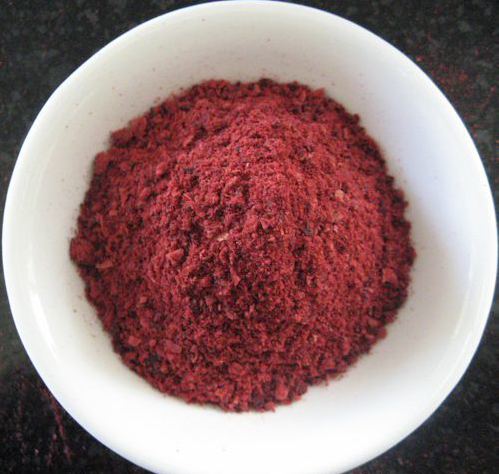
    • It could be used as frozen flesh, frozen puree and dried pulp.
    • It is a great accompany quince, rhubarb and pickles.
    • It could be consumed raw by scattering thin slices along with salt, sugar and chilli powder.
    • It accompany well to meat.
    • The fruit could be used as sauce along with beef or kangaroo.

    References:

    http://austsuperfoods.com.au/nutrition/davidson-plum/

    https://draxe.com/vitamin-c-foods/

    https://draxe.com/low-potassium/

    http://austsuperfoods.com.au/nutrition/davidson-plum/

    http://www.sgaonline.org.au/davidsons-plum/

    http://www.rainforestheart.com.au/docs/Fruit%20Profiles.pdf

    https://www.theguardian.com/lifeandstyle/australia-food-blog/2013/dec/11/bush-food-davidson-plums 

    67%
    67%
    Awesome

    Comments

    comments

    D Fruits
    Share. Facebook Twitter Pinterest LinkedIn Tumblr Email
    Previous ArticleLotus seeds facts and health benefits
    Next Article Red Clover-Trifolium pratense

    Related Posts

    Traditional uses and benefits of Drooping fig

    March 12, 2024

    Facts about Saffron Plum

    February 11, 2024

    Health benefits of Assyrian plum

    February 8, 2024

    Comments are closed.


    Davidson plum Scientific Classification

    Scientific Name: Davidsonia pruriens

    Davidson plum Quick Facts
    Name: Davidson plum
    Scientific Name: Davidsonia pruriens
    Origin Native to Australia and Northeastern Queensland
    Colors Dark burgundy (Fruit)
    Shapes Drupe (berries), obovoid or ellipsoid, compressed; Length: 3.8–6.0 cm; Width: 3.0–5.3 cm (Fruit)
    Flesh colors Dark red
    Taste Sharp acidic
    Calories 63 Kcal./cup
    Major nutrients Vitamin C (33.33%)
    Carbohydrate (11.00%)
    Potassium (7.74%)
    Magnesium (6.43%)
    Sodium (3.00%)
    Health benefits Skin health, Absorbs mineral, Treats cancer, Reduce stroke, Eliminates cold
    More facts about Davidson plum
    Rank Scientific Name & (Common Name)
    Kingdom Plantae (Plants)
    Order Oxalidales
    Family Cunoniaceae
    Genus Davidsonia
    Species D. pruriens
    Synonyms Davidsonia
    • Raw
    • Dry
    Nutritional value of Davidson plum raw flesh
    Serving Size: 100 g

    Calories 63 Kcal. Calories from Fat 1.8 Kcal.

    Proximity Amount % DV
    Water 78.2 g N/D
    Energy 63 Kcal N/D
    Energy 264 kJ N/D
    Protein 1 g 2.00%
    Total Fat (lipid) 0.2 g 0.57%
    Ash 1.1 g N/D
    Carbohydrate 14.3 g 11.00%
    Total Sugars 3.9 g N/D
    Glucose (dextrose) 1.3 g N/D
    Fructose 2.5 g N/D
    Nitrogen 0.16 g N/D
    Starch 10.4 g N/D

    Minerals Amount % DV
    Calcium, Ca 16 mg 1.60%
    Iron, Fe  mg 0.00%
    Magnesium, Mg 27 mg 6.43%
    Phosphorus, P 18 mg 2.57%
    Potassium, K 364 mg 7.74%
    Sodium, Na 45 mg 3.00%


    Vitamins Amount % DV
    Water soluble Vitamins
    Vitamin B3 (Niacin) 0.17 mg 1.06%
    Total folate 29 µg N/D
    Vitamin C (Ascorbic acid) 30 mg 33.33%
    Fat soluble Vitamins
    Retinol 13 µg N/D
    Beta Carotene 80 µg N/D
    Alpha Carotene 16 µg N/D

    *Above mentioned Percent Daily Values (%DVs) are based on 2,000 calorie diet intake. Daily values (DVs) may be different depending upon your daily calorie needs. Mentioned values are recommended by a U.S. Department of Agriculture. They are not healthbenefitstimes.com recommendations. Calculations are based on average age of 19 to 50 years and weighs 194 lbs.

    Source:
    https://ndb.nal.usda.gov/

    Nutritional value of Davidson plum dry
    Serving Size: 100 g

    Minerals Amount % DV
    Calcium, Ca 217.35 mg 21.74%
    Iron, Fe 1.24 mg 15.50%
    Magnesium, Mg 138.1 mg 32.88%
    Phosphorus, P 94.45 mg 13.49%
    Potassium, K 1465.5 mg 31.18%
    Sodium, Na 1.77 mg 0.12%
    Zinc, Zn 0.426 mg 3.87%
    Copper, Cu 0.638 mg 70.89%
    Manganese, Mn 19.55 mg 850.00%
    Molybdenum 11 µg 24.44%


    Vitamins Amount % DV
    Water soluble Vitamins
    Total folate 40 µg N/D
    Fat soluble Vitamins
    Lutein 1.15 µg N/D
    Alpha tocopherol 0.52 mg N/D
    Vitamin E 1.16 mg N/D
    Tocopherol, beta 0.38 mg N/D
    Tocopherol, gamma 0.26 mg N/D

    Others Amount % DV
    Chlorophyll B 1.96 mg N/D
    Total Phenolics 47.8 mg N/D
    Delphinidin sambubiose 22.7 mg N/D
    Cyaniding sambubiose 2.08 mg N/D
    Peonidin sambubiose 7.07 mg N/D
    Potassium to Sodium ratio 828 N/D

    *Above mentioned Percent Daily Values (%DVs) are based on 2,000 calorie diet intake. Daily values (DVs) may be different depending upon your daily calorie needs. Mentioned values are recommended by a U.S. Department of Agriculture. They are not healthbenefitstimes.com recommendations. Calculations are based on average age of 19 to 50 years and weighs 194 lbs.

    Source:
    https://ndb.nal.usda.gov/

    WordPress Tabs
    Categories
    • Beverages (78)
    • Dairy (28)
    • Dental Health (15)
    • Equipment (5)
    • Essential OIls (196)
    • Facts (2,927)
    • Foods (255)
    • Fruits (516)
    • Giveaway (1)
    • Grains and Cereals (36)
    • Health & Beauty (763)
    • Herbs and Spices (1,249)
    • Medicines (9)
    • Mental Health (19)
    • Nutritional value (27)
    • Nuts and seeds (73)
    • Oils (81)
    • Pets (4)
    • Poultry & Seafoods (67)
    • Pulses and Beans (16)
    • Reviews (25)
    • supplement (2)
    • Vegetables (304)
    • Weight Loss (22)

    What is Lupin Bean Flour?

    Science Backed Health Benefits of Durian (Durio zibethinus)

    Science Backed Health Benefits of Feijoa (Pineapple Guava) (Acca sellowiana)

    Science Backed Health Benefits of Gac Fruit (Momordica cochinchinensis)

    Science Backed Health Benefits of Amaranth Leaves (Amaranthus spp)

    Science Backed Health Benefits of Arrowhead (Sagittaria sagittifolia)

    ABOUT
    Home
    About us
    Contact us
    Privacy Policy
    Terms & conditions
    Disclaimer
    Direct Communication
    e-mail: [email protected]
    Gmail: [email protected]
    Whatsapp: +977-9841146511
    Viber: +977-9841146511
    Useful
    Health Wiki
    Nutrition
    Facebook Twitter Pinterest
    © 2025 www.healthbenefitstimes.com All rights reserved.

    Type above and press Enter to search. Press Esc to cancel.

    ×

    Log In

    Forgot Password?

    Not registered yet? Create an Account