Sodium (683.47%)
Copper (128.33%)
Manganese (102.70%)
Tryptophan (96.82%)
Iron (85.63%)
Health benefits
Offer probiotics, Assist digestion, Prevention of high blood pressure, Cancer prevention, Great source of nutrients
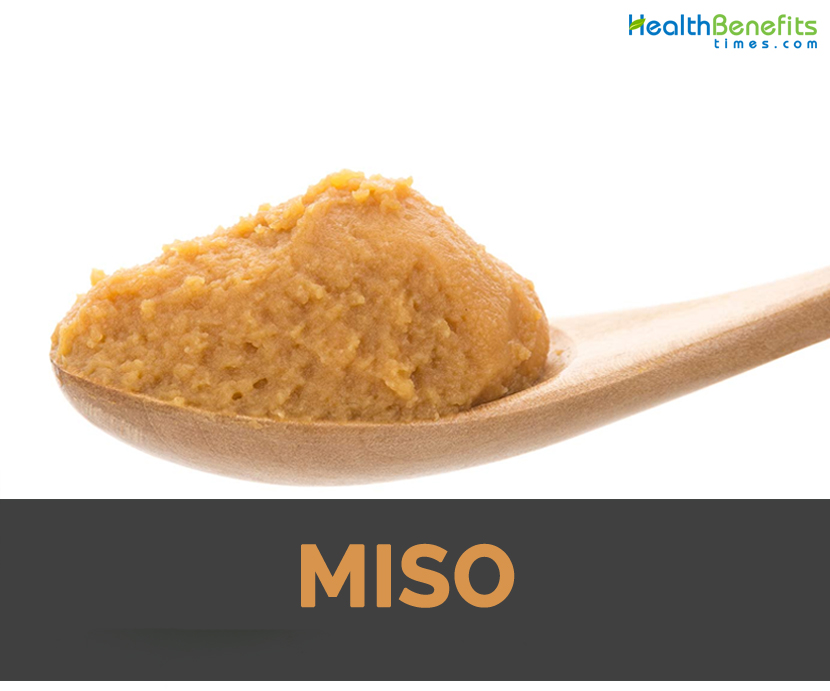
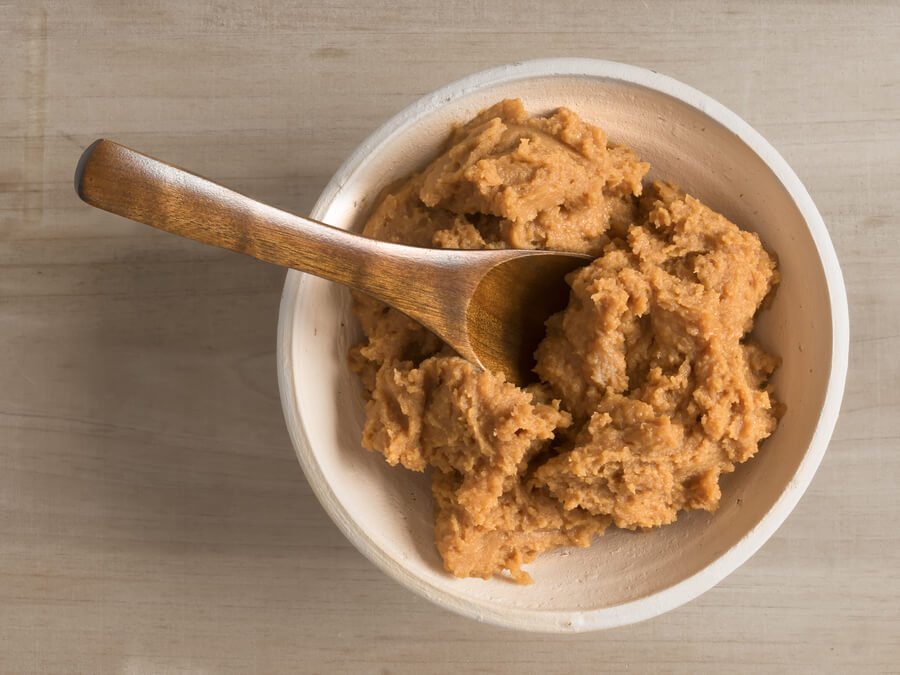
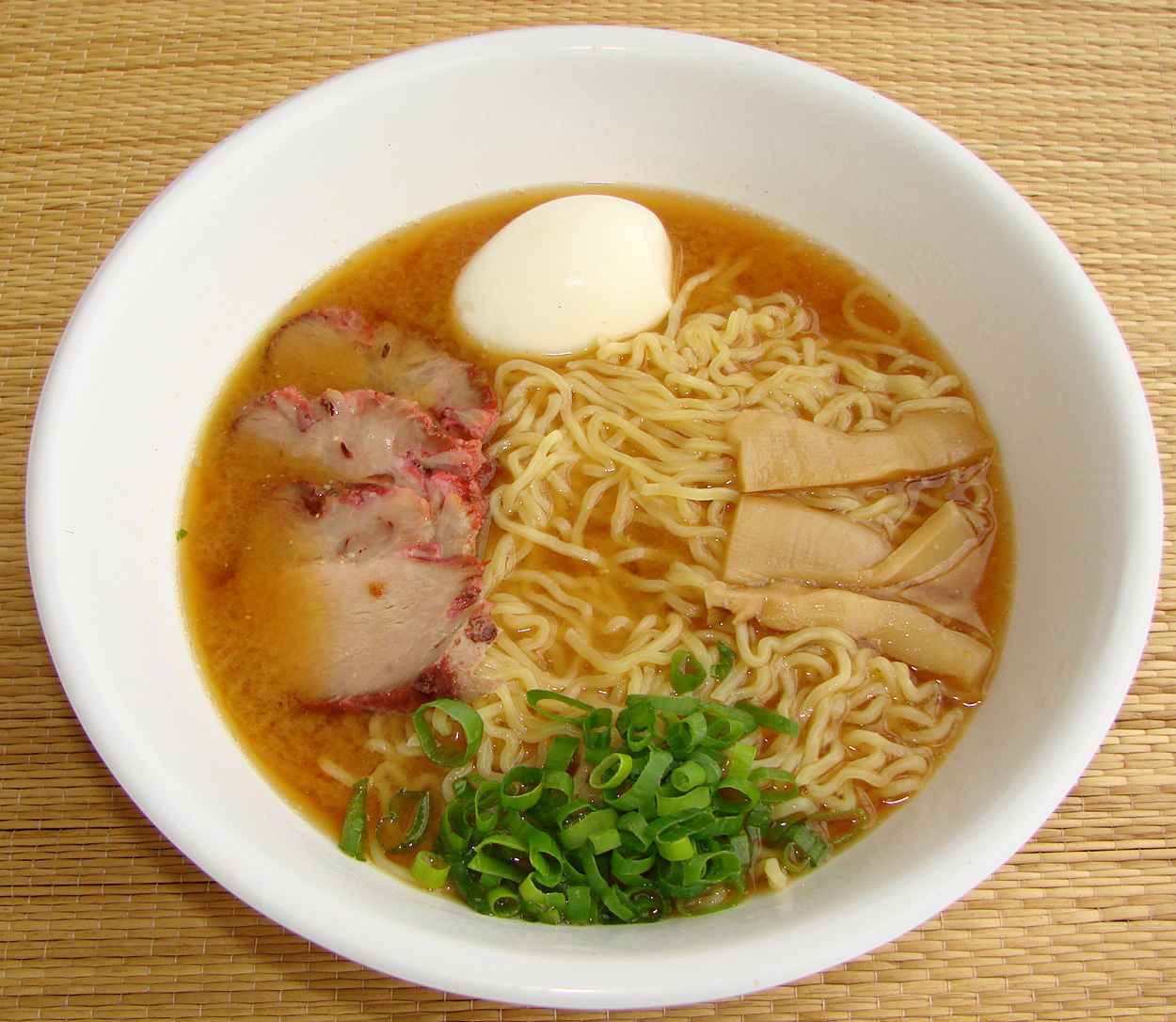
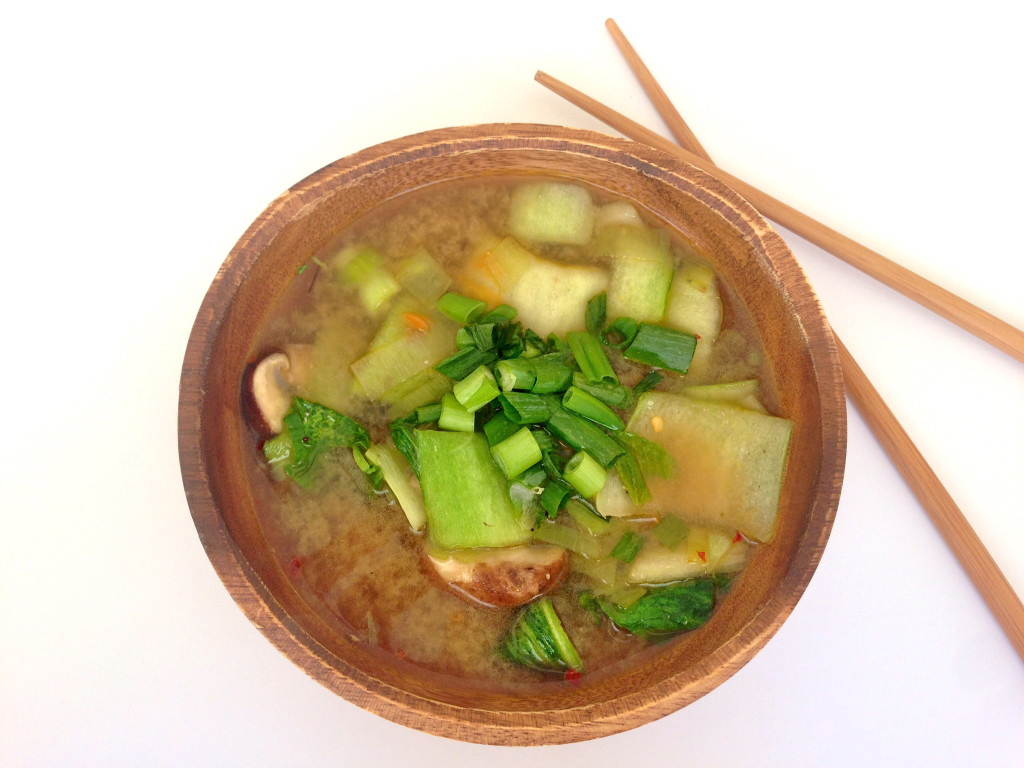
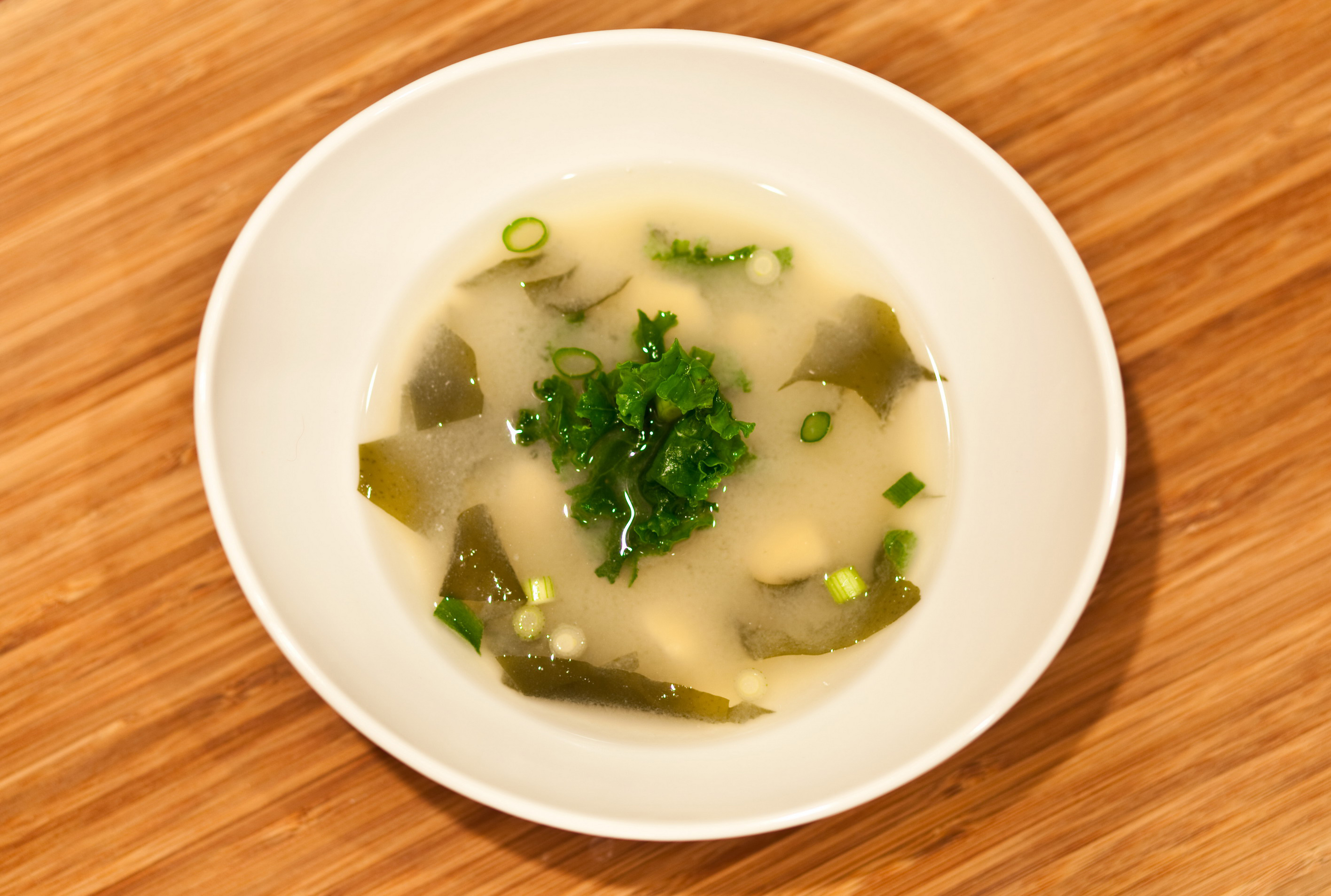
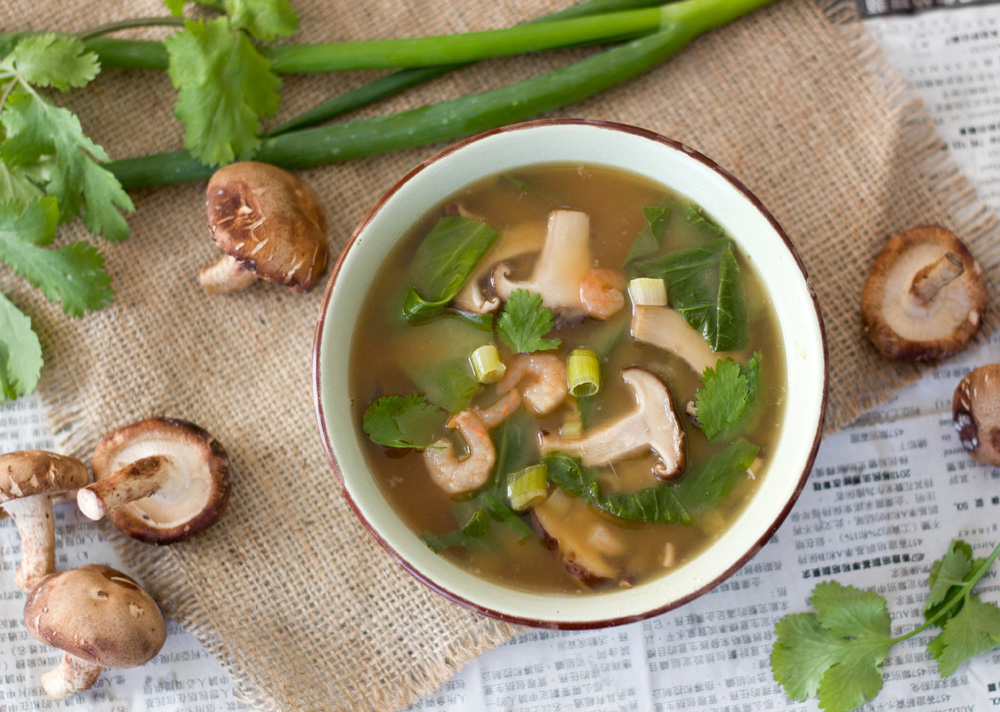
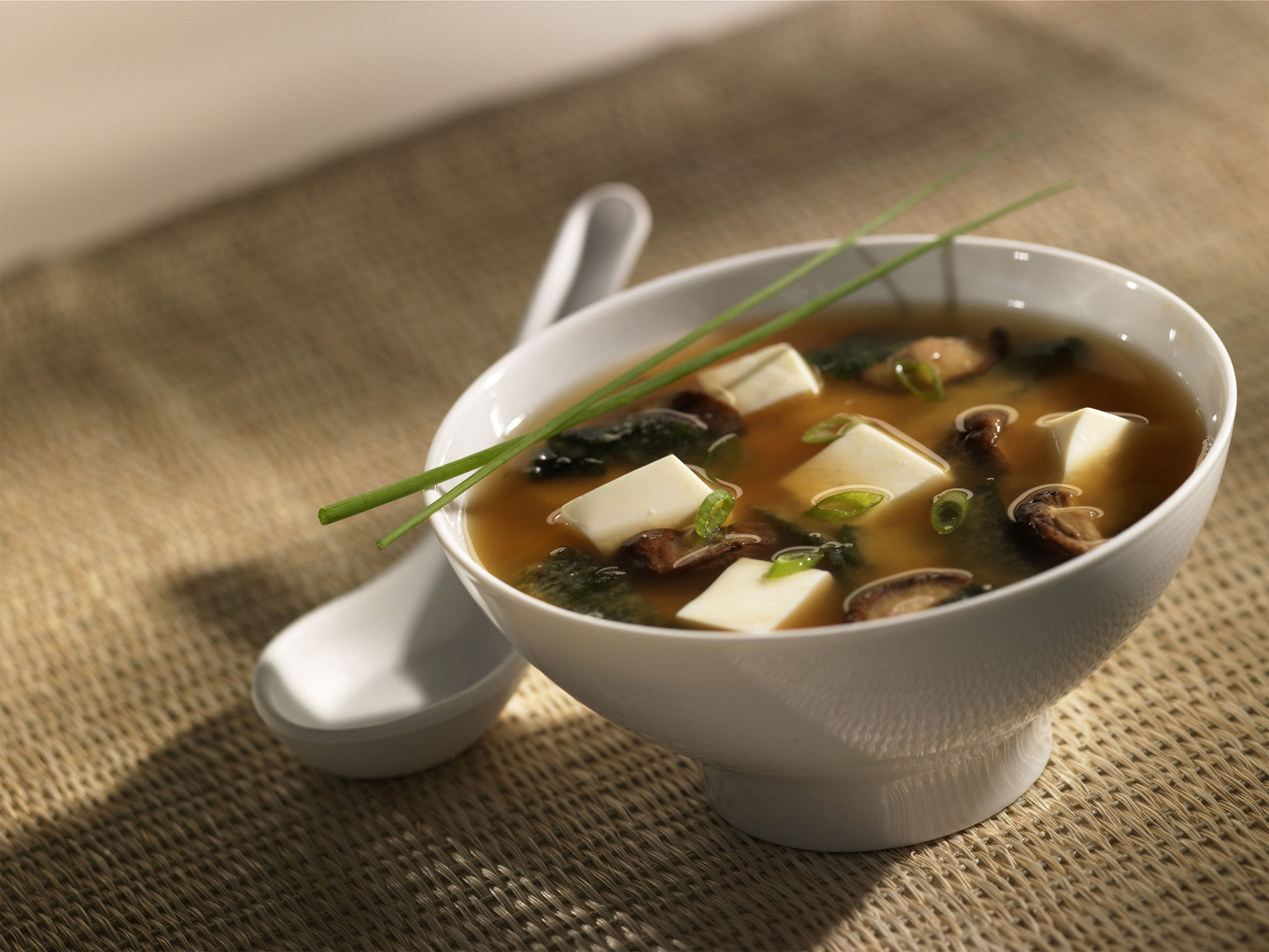
Miso is a traditional Japanese seasoning which is prepared by fermenting soybeans with salt and koji or consistently barley, rice and other ingredients. It is a thick paste which is used for spreads, sauces, pickling vegetables, meats and combined with dashi soup stock for serving as Miso soup. It is rich in protein, minerals and vitamins besides that Miso has vital nutritional role in feudal Japan. In Japan, Miso is used widely in both modern and traditional cooking but has been achieving worldwide interest. Usually Miso is salty but its aroma and flavor depends on various factors in ingredients and process of fermentation. Various varieties of Miso are interpreted as sweet, salty, fruity, earthy and savory. The ingredients used in producing Miso are fuse of soybeans, rice, barley, millet, buckwheat, wheat, rye, cycad and hemp seed. Recently, other countries have produced Miso from corn, chickpeas, amaranth, adzuki beans and quinoa. The time of fermentation could range from five days to several years. The broad variety of Japanese Miso is classified in terms of color, grain type, background and taste. The paste is rich in protein and provides instant flavor foundation. Miso adds umami taste to all types of dishes such as broths/soups, vegetables, salad dressings, glazes, stews and marinades. Miso is an excellent source of minerals, Vitamin B, Vitamin K, E and folic acid. This being a fermented food, it offers beneficial bacteria to gut which assist to remain healthy, happy and vibrant as good gut health is associated to overall physical and mental illness. Miso contains zybicolin which is a binding agent that assist in elimination and detoxification of elements which are taken into body through radioactivity, industrial pollution and artificial chemicals in soil and food system.
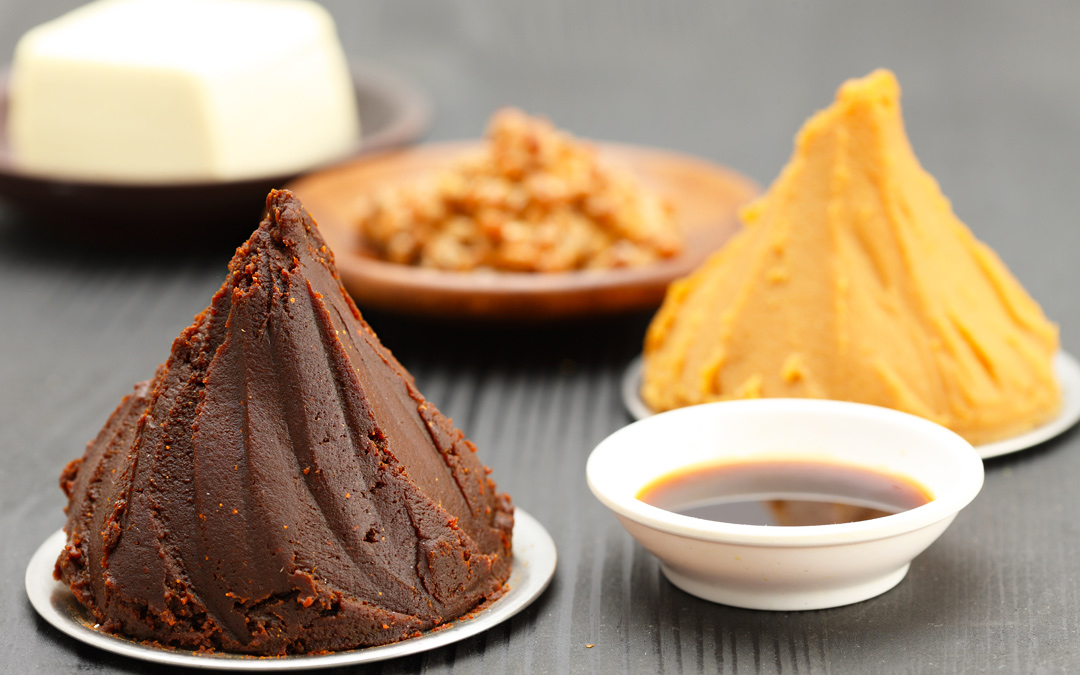
Miso is a Japanese condiment which came from China. Doujiang who is a Chinese predecessor to Miso invented the way for preserving soybeans. This plant was a substantial crop for replenishing soil but beans spoil quickly. Chinese started to ferment soybeans to preserve them and keep them edible. As there are various types of Miso, depending on the type of grain, how long it’s aged and proportion of ingredients; flavor can be salty or sweet, pungent or mild. It is categorized into dark and light. Light misos are mild as well as slightly sweet. Generally, light yellow and white misos have less salt and more koji which speeds up fermentation. Miso of this type is aged less for sweet and lightly fermented flavor. Brown and dark red misos have deeper flavor. It is made with more salt which requires longer time of fermentation (generally one to three years) which results to complex and umami rich flavor having a bit of funk. Additionally, red aka miso is made with white rice.
History
Miso’s history is traced back to China. Its ancestor “hisio” was the seasoning produced from fermenting soybeans, alcohol, wheat, salt and other ingredients. Miso was believed to be a luxury food item which is limited to only wealthy aristocrats. Soybean paste was introduced to Japan around 7th century. Initially, Miso was prepared without grinding soybeans till Muromachi era. In Kamakura era, meal is prepared from rice, miso, dried fish and fresh vegetables which are quite popular. During Muromachi era, Buddhist monks found that soybeans could be grounded into paste for introducing new cooking methods to use miso for flavoring other foods. The producing process of Miso is simple which led to spread of homemade versions throughout Japan. At the time of Sengoku era, Miso was used as provisions for military and making miso was a vital economic activity for daimyos of that era. During Edo period in Japan, Miso is called kuki and hishio and assorted types of Miso were formed in Japan based on climate and culture. In United States, Miso is gaining wide popularity due to intense recognition of macrobiotic diet and escalating interest in Asian food culture.
As Miso is fermented, it contains live active cultures which acts like a yogurt in digestive system. Fermented miso is an excellent source of beneficial probiotics with no dairy for those with lactose or dairy sensitivities to foods such as yogurt, kefir and cultured cheeses. Fermented foods contain probiotic bacteria which thrive in our gut microbiota by increasing immunity and promoting digestion. Probiotics helps to promote immune function, enhance digestion, better cognitive health, reduce the chances of allergies, mood regulation, lower chances for obesity and appetite control.
Assist digestion
Miso soup is a healthiest way to promote digestion. Miso contains beneficial probiotics which combats digestive problems that caused an imbalance in gut bacteria such as diarrhea, constipation, bloating, gas and IBS. Probiotics is helpful for those people who are suffering from serious problems such as candida viruses, food allergies, leaky gut syndrome and ulcerative colitis. Probiotics cleanse the system and is known to speed up the ability of the body to heal gut associated illnesses.
Prevention of high blood pressure
Though Miso has high content of salt, it is associated with prevention of hypertension according to both experimental and epidemiological evidence. Researchers believed that sodium found in Miso acts differently in comparison to sodium chloride alone. The biological effects may be caused due to longer fermentation periods of soybeans, rice grains and barley grains above 180 days. The conducted study shows that rats with systolic blood pressure that received 2.3 percent of sodium chloride was increased significantly but the rats who receive same amount of salt from Miso do not experienced these effects. Despite the intake of sodium increased, the blood pressure of rats did not increased when fed diet of miso.
Cancer prevention
Miso contains immune promoting probiotics, antioxidants and vitamins which includes coumaric, feruic, phenolic acids, vanillic, syringic and kojic acid which is associates to prevention of cancer. As miso is fermented for many months or years, its antioxidant content seems to improve. Miso is helpful for preventing radiation injury and progression of cancerous tumor. Researchers exposed that Miso having longer fermentation time promote healthy cell survival in mice by following radiation treatment and also prevent tumor growth. Fermented miso shows the inhibition of cancerous colon cells development in mice. Miso helps to effectively neutralize free radicals and suppress mammary cancer tumors such as breast tumors, lung tumors and liver tumors in mice. The fermentation process for prolonged time period is vital for protecting cancer and radiation effects.
Great source of nutrients
Miso is a probiotic food which activates certain enzymes found in grains and beans that allows better absorption of nutrients such as manganese, copper, vitamin K, vitamin B and phosphorus. Soybeans when fermented include various phytochemicals such as isoflavones, vegetable fiber, melanoidin and saponin. Miso is a great source of plant based protein which provides two grams in a serving of one tablespoon.
Cure for hangover
Body requires water, amino acids, minerals and vitamins for flushing out alcohol from a system after a night of drinking. Miso soup contains all these things along with sodium which helps to rehydrate.
Types of Miso
Most of the people are familiar with dark brown coloured miso but in fact there are many variations of Miso, each with a difference in base ingredients, cooking methodology and fermentation times.
Kome miso:
Also known as rice miso, it could be yellow, red, yellowish white etc. Reddish miso is prepared from steamed soybeans. Whitish miso is made from boiled soybeans. In Hokuriku and Kinki areas, Kome miso is consumed more.
Mugi miso:
Also called barley miso, it is a whitish miso which is produced in Western Chugoku, Kyushu, and Shikoku areas. In the northern Kanto area, another reddish mugi miso is produced which possess a peculiar smell.
Mame miso:
Soybean miso is a darker, more reddish brown in comparison to kome miso. It is not sweet as other varieties but has astringency and good umami. It needs a long maturing term. Mostly, it is consumed in Aichi prefecture, part of Mie prefecture and part of Gifu prefecture. Soybean miso is also known as hatchō miso which has its origins during the Sengoku era in Mikawa Province. The processing method remains unchanged with large wooden barrels and stones on the lid.
Chougou:
Awase miso or mixed miso comes in various types as it is a combination or compound of other varieties of Miso. It promotes the weak points of each type of Miso.
Akamiso:
Red miso is aged for more than one year. The color gradually changes from white to red or black due to the Maillard reaction. It has saltiness flavor with some astringency with umami. It is a stronger-tasting miso.
Shiromiso:
White miso has rice, barley and a small quantity of soybeans as its main ingredients. Miso would be red or brown if greater quantity of soybeans is added. White miso has a very short fermentation time in comparison with red miso. The taste is sweet and umami is soft or light.
Soak the wakame for 10 minutes in water and slice it into 1.5 inch pieces.
Slice onions thinly.
Bring to a boil by putting water, wakame and onions in a saucepan.
Lower the heat to simmer for 10 to 20 minutes till tender.
Take off 1.5 cups of broth from the saucepan and place it in a bowl.
Allow water in the bowl to cool and then add the miso, combining it into the water (the water should not be boiling).
Allow the water to cool down by turning off a heat.
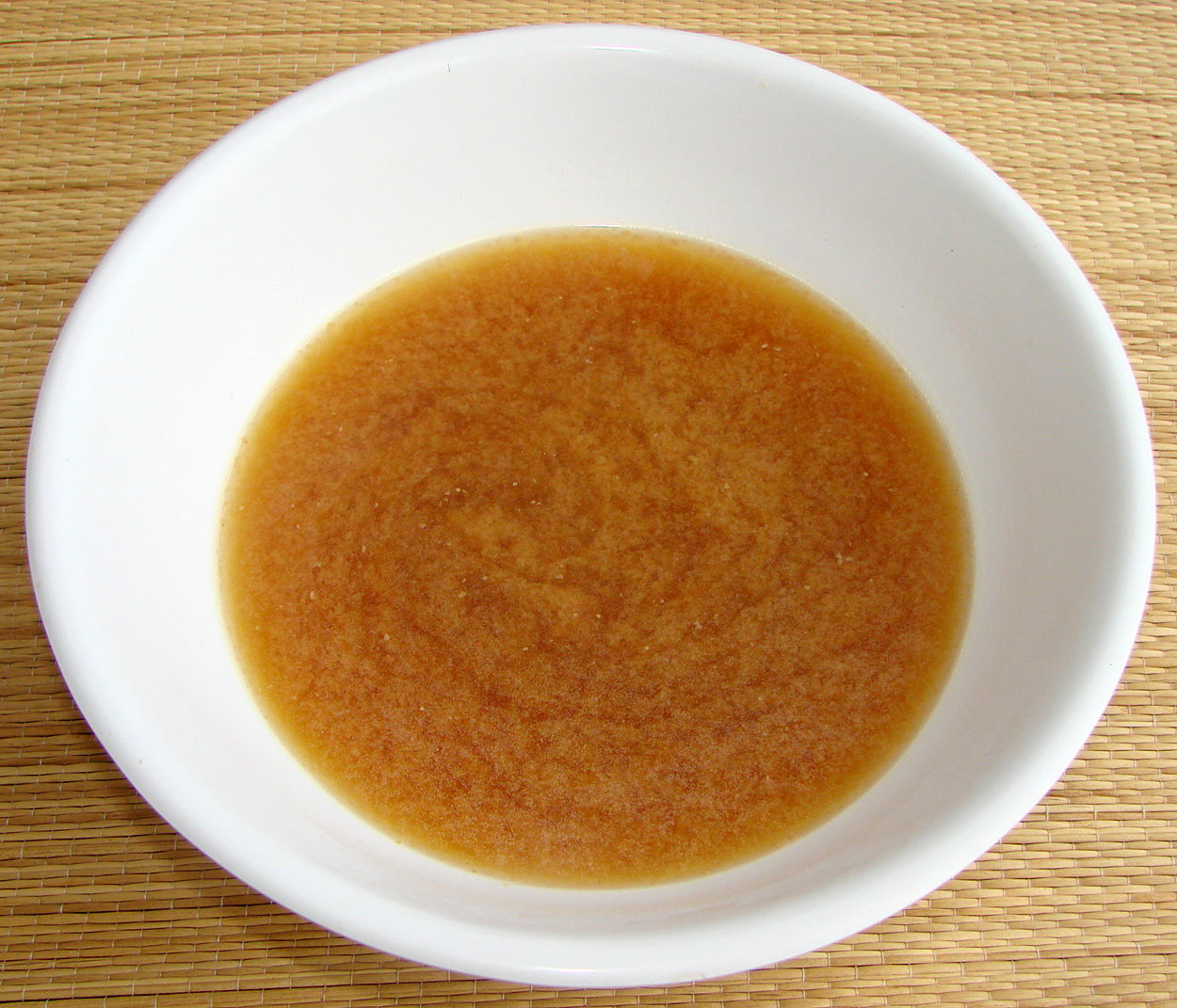
In the saucepan, add miso broth to a soup. Add chopped parsley, ginger or watercress, green onions for garnish.
Traditional uses
Japanese people begin their day with a warm bowl of miso soup with a belief that it stimulates digestion and energize the body.
Miso helps to strengthen immune system and combat viral infection.
Due to high content of antioxidants, it prevents signs of aging.
It contains linoleic acid which maintains skin soft and free from pigments.
Miso lowers menopausal complaints and hot flashes.
It reduces the chances of coronary heart diseases.
Miso soup is able to lower chronic pain and ease calmness and tranquility.
Precautions
People who have known allergy to soy should avoid miso.
Soy might increase the level of estrogen and raise the chances of cervical cancer, breast cancer, PCOS and other hormone imbalance associated disorders.
How to Eat
It is a vital ingredient of miso soup which is consumed by Japanese people daily.
The miso soup is paired with plain rice in Japanese cuisine.