Health Benefits
    Facebook Twitter Instagram
    Friday, December 5
    Facebook Twitter Pinterest
    Health Benefits
    • Home
    • Dental Health
    • Mental Health
    • Weight Loss
    • Health Wiki
    • Nutrition
    • Healthy Recipe
    • BMI Calculator
    Health Benefits
    Home»Herbs and Spices»Health benefits of Southernwood
    Herbs and Spices

    Health benefits of Southernwood

    By SylviaJuly 10, 2017Updated:September 14, 2017No Comments7 Mins Read
    Facebook Twitter Pinterest LinkedIn Tumblr Email

    Health benefits of Southernwood

    Southernwood, or Artemesia abrotanum, is a perennial woody shrub native to Southern Europe and we find much mention of it in Spain and Italy. It is known by many other names including Lad’s Love, Boy’s Love, Old Man, Southern Wormwood, Oldman Wormwood, Lover’s Plant, Appleringie, Garderobe, Our Lord’s Wood, Maid’s Ruin, Garden Sagebrush, European Sage, Sitherwood, Cola plant, Lemon Plant, maid’s love, maid’s passion, Sabbath day posy, slovenwood and sweet Benjamin. It belongs to the daisy (Asteraceae) family. The name ‘Southernwood’ has Old English roots and means “woody plant that comes from the south.” The genus name, Artemisia, is derived from the Greek word “abros,” which means delicate and stems from Artemis, the Goddess of chastity. Artemis was also known as Diana, the Mother of all Creatures and Goddess of the Herbalist, the Hunt and Wild things.

    Plant Description

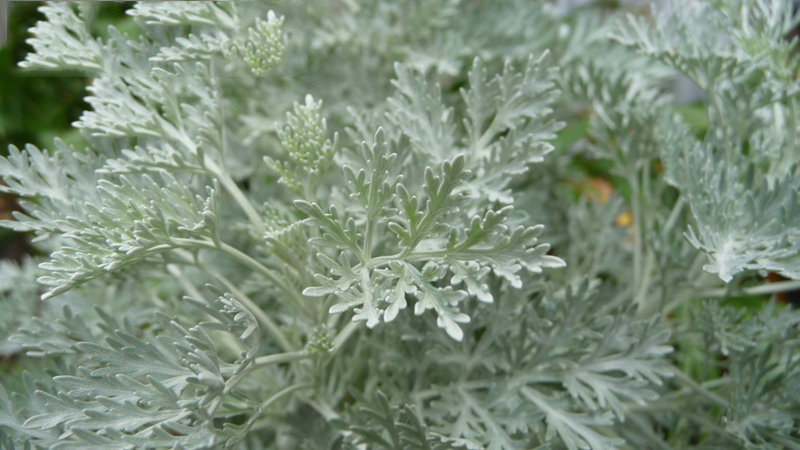
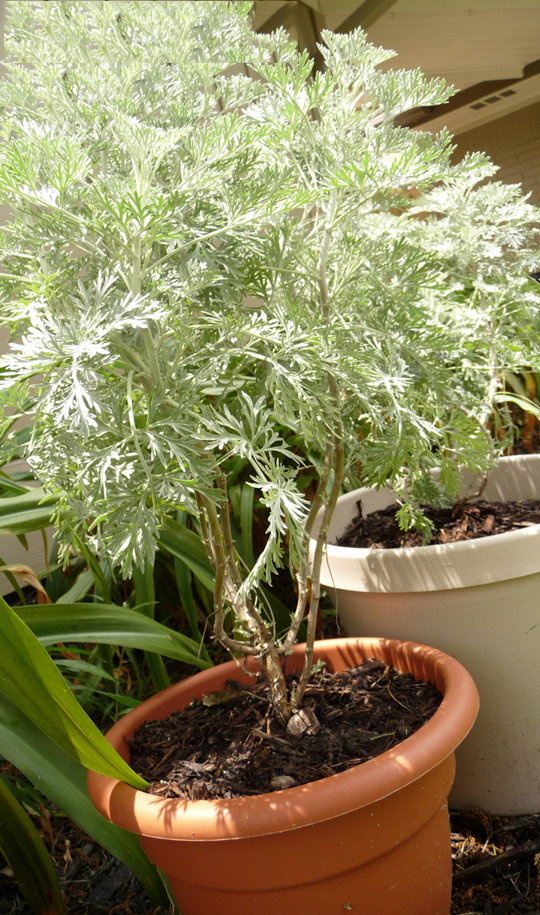
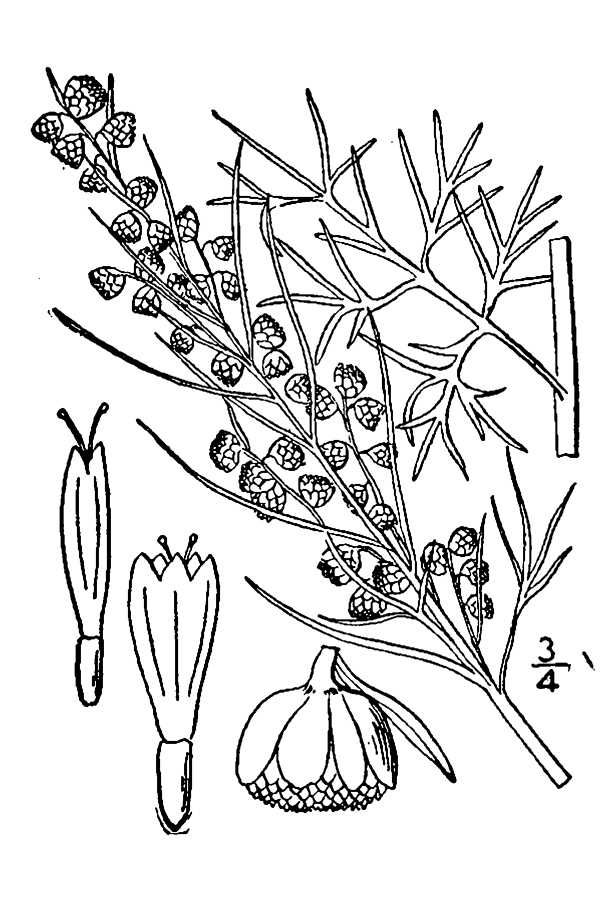
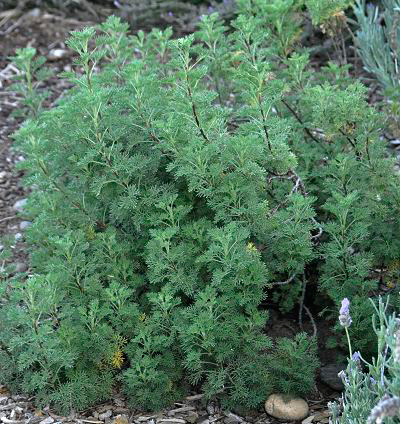
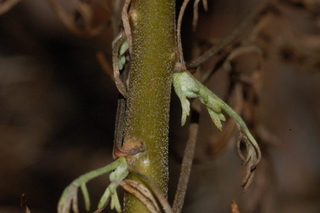
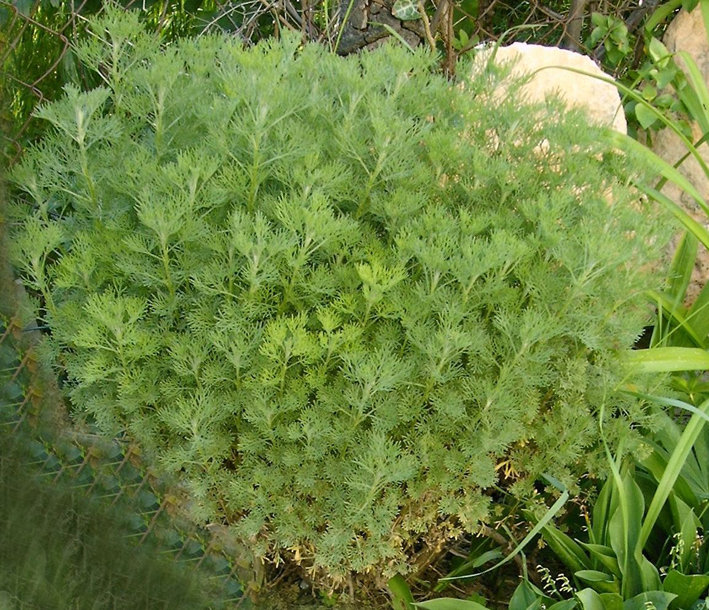
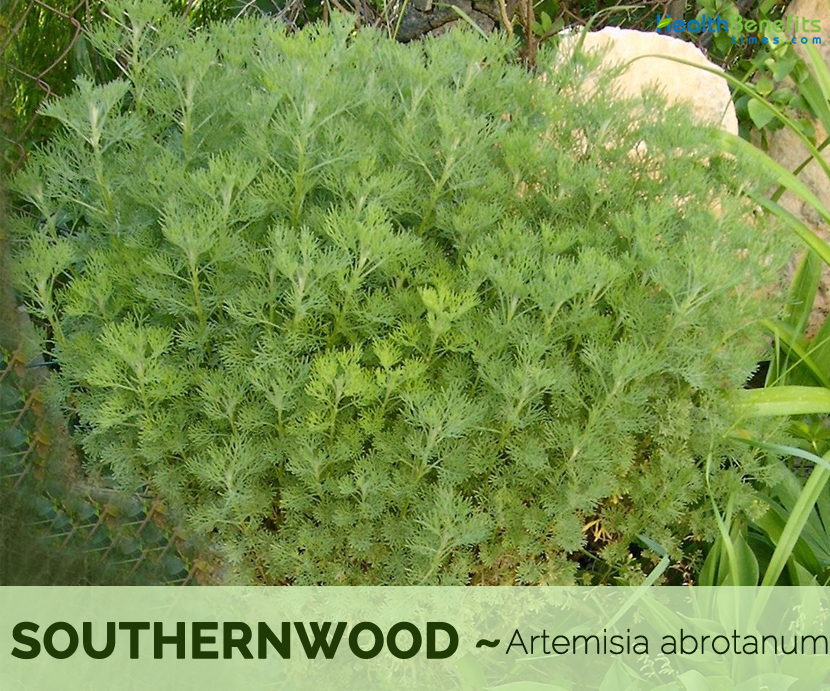
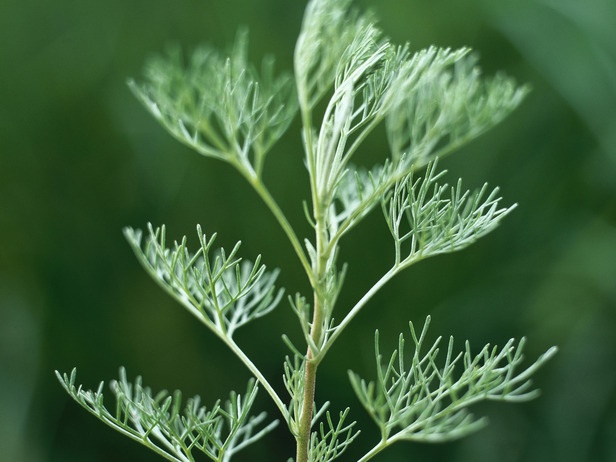
    Southernwood is a highly aromatic, woody, perennial herb growing about 3 and 5 feet tall with a spread of about 2 feet across. Plant needs full to partial sun and sufficient moisture although they are tolerant of drought. They succeed in most soils, preferring a well-drained one that is not too rich. The plant has woody, upright-branching stems. Leaves are small, grey-green, narrow and feathery. They are silky when young, but nearly smooth when mature, the segments few in number, but very slender, 1/4 to 1/2 inch long, terminating in a point with their margins recurved.

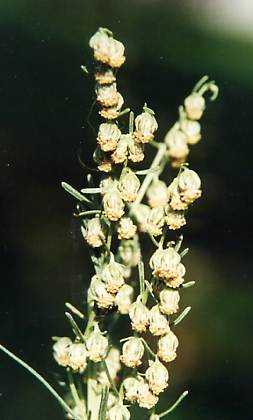
    Flower-heads are small and numerous, in long, slender, drooping racemes and the florets are yellow colored. They normally bloom from August and September. This herb rarely flowers, so it is best propagated by root division or via cuttings. Fruits are small, inconspicuous brown nut. The bitter, lemony scent of the foliage is appreciated in herbal teas. It is pleasant in small doses, but can become overbearing in larger doses. The aroma will keep insects away as it acts as an insect repellent. Branches are hung with clothes to prevent moth or insect damage, in which case it’s called garderobe or ‘clothes protector’. The branches can provide a yellow dye that works well with wool.

    Southernwood Image Gallery
    Closer-look-of-Southernwood-plant Closer-look-of-Southernwood-plant
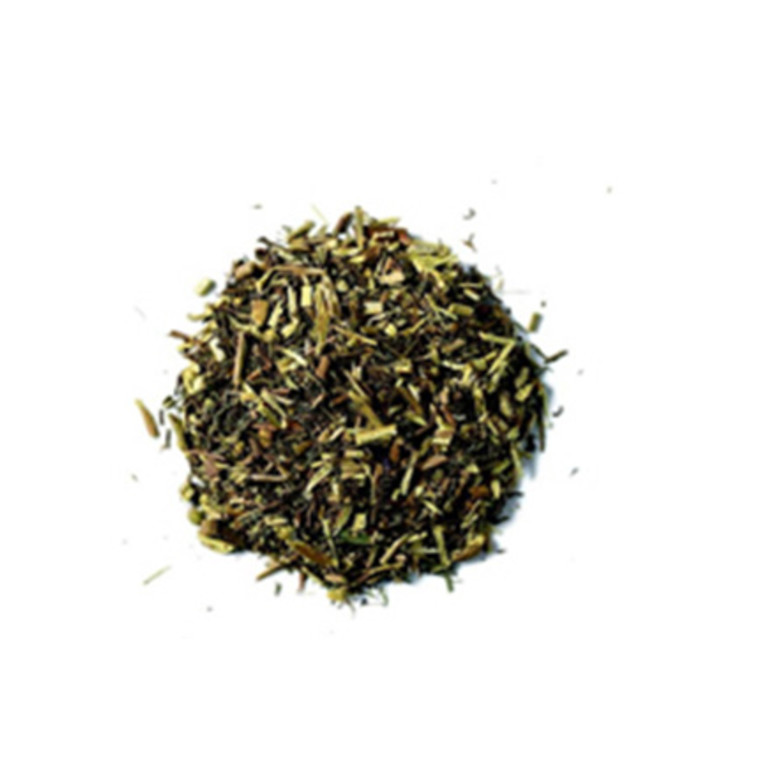
    Dried-Southernwood-herb Dried-Southernwood-herb
    Flower-of-Southernwood-plant Flower-of-Southernwood-plant

    Leaves-of-Southernwood-plant Leaves-of-Southernwood-plant
    Southernwood-herb-on-the-clay-pot Southernwood-herb-on-the-clay-pot
    Southernwood-plant-Illustrations Southernwood-plant-Illustrations

    Southernwood-plant-on-the-field Southernwood-plant-on-the-field
    Stem-of-Southernwood-plant Stem-of-Southernwood-plant
    Southernwood-plant Southernwood-plant

    Traditional uses and benefits of Southernwood

    • It is a strongly aromatic bitter herb that improves digestion and liver function by increasing secretions in the stomach and intestines.
    • It stimulates the uterus and encourages menstrual flow, lowers fevers, relaxes spasms and destroys intestinal worms.
    • The herb, especially the young flowering shoots, is anthelmintic, antiseptic, cholagogue, deobstruent, emmenagogue, stomachic and tonic.
    • The main use of this herb is as an emmenagogue, though it is also a good stimulant tonic and has some nervine principle.
    • It is occasionally given to young children in order to expel parasitic worms and externally it is applied to small wounds in order to stop the bleeding and help them to heal.
    • The herb is also used externally in aromatic bathes and as a poultice to treat skin conditions.
    • Fresh leaves were rubbed on the skin to ward off mosquito.
    • Southernwood was used traditionally for cramps, urinary disorders, menstrual pain and cough as well as antidote against snake bites or other poisonous animals. 
    • The herb was also used as a remedy against the plague and intestinal worms.
    • It is used to treat various skin diseases and was thought to promote beard and hair growth.
    • It was often placed in pillows to counteract insomnia.
    • Soak the leaves in warm water often combined with nettle, rosemary or sage and then rub the extract into the skin and scalp to prevent infection.
    • It strengthens the digestive system by increasing the production of the digestive juices.
    • It has also been used for diarrhea, urinary tract infections and for bronchitis and other upper respiratory infections.
    • It is used to regulate irregular menstruation.
    • It has been used by men to increase their virility.
    • In the past it was also used as an antidote to poison and to treat the bites of spiders and scorpions.

    Culinary Uses

    • Young shoots have a bitter, lemony flavor and are used in small quantities as a flavoring in cakes, salads and vinegars.
    • Tea is made from the young bitter shoots.
    • The pungent, scented leaves and flowers are used in herbal teas.
    • It is used as a culinary herb in Italy.
    • It is also eaten in salads in Italy and cooked as a vegetable.
    • It was used as a smoldering bed of branches for roasting lamb and is mostly suited for meats to flavor aromatic and rather fat meat (pork, duck, goose, mutton) or to add to bland meat (veal).
    • Young bitter shoots and leaves are used in brewing of beer in Southern Europe

    Other Facts

    • The growing plant repels fruit tree moths when growing in an orchard.
    • The fresh plant can also be rubbed onto the skin to deter insects.
    • They are also said to repel ants.
    • Shoots can be burnt in the fireplace to remove cooking odors from the house.
    • Leaves have a refreshing lemon-like fragrance and are used in pot-pourri.
    • An essential oil from the leaves and flowering shoots is used in perfumery in order to add certain subtle tones.
    • Yellow dye is obtained from the branches.
    • Plants can be grown as a low hedge, they tolerate quite hard clipping.
    • An infusion of the plant is used as a hair tonic or conditioner.
    • Its dried leaves are used to keep moths away from wardrobes.
    • Volatile oil in the leaves is responsible for the strong, sharp, scent which repels moths and other insects.
    • In many catholic churches the herb is still used as incense.
    • In Poland, Southernwood was placed in the shoe of a bride to protect her against any evil intent.

    Precautions

    • It should not be prescribed for pregnant women, especially in the first trimester of pregnancy, since it can encourage menstrual flow.
    • Children under 12 should avoid internal consumption of the plant.
    • In some instances plants belonging to the genus Artemisia are known to cause both skin rashes and allergic reactions.

    Other Uses

    Cosmetic Uses:

    Night Cream

    Collect a handful of plantain leaves, southernwood, black currant and angelica leaves and one of elder flowers and place in a saucepan with a cupful of almond or olive oil. Simmer for 30 minutes and strain off the oil. Rewarm the oil and add 1 oz. white beeswax before removing to cool. Pour into jars before the mixture sets.

    For the bath

    Simmer in a pan for 10 minutes a handful of leaves of rosemary, lemon balm, bergamot, hyssop, and Southernwood and lemon thyme together with a handful of chamomile flowers. There should be about 1 lb. of herbs to 2 pints of water. Then strain and when cold, add the liquid 1/5 part of brandy or whiskey which will keep it for 2 months. Use a little in a warm bath to tone the flesh, cleanse the skin of impurities and relax the muscles.

    Floor Cleaner

    Boil a large bunch of lavender, southernwood or wormwood and tansy in 2-3 gallons of water for 10-15 minutes. Add ¼ cup vinegar, and then cool. Strain the mixture and pour into a bucket. Mop floors for a cleansing, pleasing fragrance.

    Recipe

    Southernwood Cake

    Ingredients

    • 1½ cup all-purpose flour
    • ½ cup self-rising flour
    • 1 cup sugar
    • 4 tsp southernwood leaves, finely chopped
    • 4 eggs
    • ¾ cup butter, melted and cooled

    Directions

    • Grease and flour an 8-inch springform pan.
    • Sift the flours into a large bowl. Stir in the sugar and southernwood.
    • In a separate bowl, beat the eggs lightly then stir in the cooled butter.
    • Stir the butter mixture into the flour mixture.
    • Beat for 1 minute. Pour the batter into the prepared pan.
    • Bake in a preheated 350 oven for 30 minutes to 1 hour or until a toothpick inserted in the center comes out clean.
    • Cool for 5-10 minutes then remove sides of the pan.
    • Serve with lightly sweetened whipped cream.

    References:

    https://www.itis.gov/servlet/SingleRpt/SingleRpt?search_topic=TSN&search_value=35444#null

    http://www.gbif.org/species/8042568/synonyms

    http://davesgarden.com/guides/pf/go/1139/

    https://plants.usda.gov/core/profile?symbol=ARAB2

    http://pfaf.org/User/Plant.aspx?LatinName=Artemisia+abrotanum

    https://www.missouribotanicalgarden.org/PlantFinder/PlantFinderDetails.aspx?taxonid=277395&isprofile=0&

    http://www.botanical.com/botanical/mgmh/s/sowood69.html

    https://en.wikipedia.org/wiki/Artemisia_abrotanum

    https://www.rhs.org.uk/Plants/1624/i-Artemisia-abrotanum-i/Details

    http://www.herbalpedia.com/SOUTHERNWOOD.pdf
    70%
    70%
    Awesome

    Comments

    comments

    Herbs and Spices S
    Share. Facebook Twitter Pinterest LinkedIn Tumblr Email
    Previous Article11 Health benefits of Bearberry (Uva ursi)
    Next Article 13 Health benefits of Bacopa (Water Hyssop)

    Related Posts

    Uses of Monkey Pitcher plant

    April 16, 2024

    Traditional uses and benefits of Wild Marigold

    March 21, 2024

    Traditional uses and benefits of Drooping fig

    March 12, 2024

    Comments are closed.


    Southernwood Facts

    Southernwood Quick Facts
    Name: Southernwood
    Scientific Name: Artemisia abrotanum
    Origin Spain and Italy
    Colors Brown
    Shapes Small, inconspicuous nut
    Taste Warm, fine, pleasant, aromatic taste
    Name Southernwood
    Scientific Name Artemisia abrotanum
    Native Spain and Italy
    Common Names Lad’s Love, Boy’s Love, Old Man, Southern Wormwood, Oldman Wormwood, Lover’s Plant, Appleringie, Garderobe, Our Lord’s Wood, Maid’s Ruin, Garden Sagebrush, European Sage, Sitherwood, Cola plant, Lemon Plant, maid’s love, maid’s passion, Sabbath day posy, slovenwood, sweet Benjamin
    Name in Other Languages Arabic: Qisum, qaysum (قيصوم)
    Catalan: Abròtan (mascle)
    Croatian: Božje drvce
    Czech: Brotan, Pelyněk brotan
    Danish: Abrod, Ambra
    Dutch: Averoom, Citroenalsem, Citroenkruid, Krampkruid, Limoenkruid
    English: Lad’s Love, Maiden’s Ruin, Old Man, Southern Wormwood, southernwood, slovenwood, lemonwood
    Esperanto: Abrotano
    Estonian: Sidrunpuju
    Finnish: Aaprotti, Aaprottimaruna, Approtti
    French: Aurone, Aurone mâle, Armoise citronelle, Armoise Aurone, Citronelle, Garde-robe, abrotone, armoise aurone, citronelle aurone
    German: Eberraute, Eberries
    Hungarian: Ebruta, Istenfa, Istenfű, Seprőruta
    Italian: Abrotano, abrotono
    Japanese: Kidati-yomogi, Kidachiyomogi (キダチヨモギ)
    Korean: Seo-deon-u-deu (서던우드), Seodeonudu, Sodonudu,
    Latvian: Dievkociņš
    Lithuanian: Diemedis
    Norwegian: Abrodd
    Polish: Boże drzewko, Bylica boże drzewko
    Romanian: Lemnul domnului
    Russian: Bož’e derevo, Kustarnikovaya polyn, Kustarnikovaâ polyn’, Polyn Bozhe derevo, Polyn lechebnaya, polyn lečebnaja, Polyn’ Bož’e derevo, Polyn’ lečebnaâ, Кустарниковая полынь, Полынь Божье дерево, Полынь лечебная, божье дерево, полын лечебная
    Scottish Gaelic: Meath chaltuinn
    Slovak: Palina abrotanová, Palina abrotská
    Slovenian: Abrašica
    Spanish: Abrótano macho, ajenjo común, Boja
    Swedish: Åbrodd
    Turkish: Kafuriye, Karapelin otu
    Plant Growth Habit Woody, perennial herb
    Growing Climate Like full to partial sun and adequate moisture although they are tolerant of drought.
    Soil Succeeds in most soils, preferring a well-drained one that is not too rich.
    Plant Size 3 and 5 feet tall with a spread of about 2 feet across
    Stem Woody, upright-branching stems
    Leaf Grey-green leaves are small, narrow and feathery. leaves are silky when young, but nearly smooth when mature, the segments few in number, but very slender, 1/4 to 1/2 inch long, terminating in a point with their margins recurved.
    Flower Flower-heads are small and numerous, in long, slender, drooping racemes, the florets yellow
    Flowering Season August and September
    Fruit Shape & Size Small, inconspicuous brown nut
    Fruit Color Brown
    Flavor/Aroma Strong, sweet and penetrating aroma, reminiscent of lemon
    Taste Warm, fine, pleasant, aromatic taste
    Plant Parts Used Leaves, fresh or dried

    Southernwood Scientific Classification

    Scientific Name:Artemisia abrotanum

    Rank Scientific Name & (Common Name)
    Kingdom Plantae (Plants)
    Subkingdom Tracheobionta (Vascular plants)
    Infrakingdom Streptophyta  (land plants)
    Superdivision Spermatophyta (Seed plants)
    Division Magnoliophyta (Flowering plants)
    Class Magnoliopsida (Dicotyledons)
    Subclass Asteridae
    Order Asterales
    Family Asteraceae ⁄ Compositae (Aster family)
    Genus Artemisia L. (sagebrush)
    Species Artemisia abrotanum L. (southernwood)
    Synonyms
    • Artemisia altissima Ehrh.
    • Artemisia altissima Ehrh. ex DC.
    • Artemisia anethifolia Fisch.
    • Artemisia anethifolia Fisch. ex DC.
    • Artemisia elatior Klokov
    • Artemisia elegans Fisch.
    • Artemisia elegans Fisch. ex Ledeb.
    • Artemisia foeniculacea Steven
    • Artemisia foeniculacea Steven ex DC.
    • Artemisia herbacea Clarke
    • Artemisia herbacea Clarke ex DC.
    • Artemisia herbacea Ehrh. ex Willd.
    • Artemisia paniculata Lam.
    • Artemisia procera Willd.
    • Artemisia proceriformis Krasch.
    • Artemisia sabulosa Steven
    • Artemisia sabulosa Steven ex DC.
    • Artemisia tenuissima Spreng.
    • Artemisia tenuissima Spreng. ex Besser
    Categories
    • Beverages (78)
    • Dairy (28)
    • Dental Health (15)
    • Equipment (5)
    • Essential OIls (196)
    • Facts (2,939)
    • Foods (255)
    • Fruits (516)
    • Giveaway (1)
    • Grains and Cereals (36)
    • Health & Beauty (763)
    • Herbs and Spices (1,249)
    • Medicines (9)
    • Mental Health (19)
    • Nutritional value (27)
    • Nuts and seeds (73)
    • Oils (81)
    • Pets (4)
    • Poultry & Seafoods (67)
    • Pulses and Beans (16)
    • Reviews (25)
    • supplement (2)
    • Vegetables (304)
    • Weight Loss (22)

    What is Lupin Bean Flour?

    Science Backed Health Benefits of Durian (Durio zibethinus)

    Science Backed Health Benefits of Feijoa (Pineapple Guava) (Acca sellowiana)

    Science Backed Health Benefits of Gac Fruit (Momordica cochinchinensis)

    Science Backed Health Benefits of Amaranth Leaves (Amaranthus spp)

    Science Backed Health Benefits of Arrowhead (Sagittaria sagittifolia)

    ABOUT
    Home
    About us
    Contact us
    Privacy Policy
    Terms & conditions
    Disclaimer
    Direct Communication
    e-mail: [email protected]
    Gmail: [email protected]
    Whatsapp: +977-9841146511
    Viber: +977-9841146511
    Useful
    Health Wiki
    Nutrition
    Facebook Twitter Pinterest
    © 2025 www.healthbenefitstimes.com All rights reserved.

    Type above and press Enter to search. Press Esc to cancel.

    ×

    Log In

    Forgot Password?

    Not registered yet? Create an Account