Health Benefits
    Facebook Twitter Instagram
    Friday, December 5
    Facebook Twitter Pinterest
    Health Benefits
    • Home
    • Dental Health
    • Mental Health
    • Weight Loss
    • Health Wiki
    • Nutrition
    • Healthy Recipe
    • BMI Calculator
    Health Benefits
    Home»Foods»What is sweetbread and nutrition value
    Foods

    What is sweetbread and nutrition value

    By s mApril 16, 2019Updated:April 16, 2019No Comments4 Mins Read
    Facebook Twitter Pinterest LinkedIn Tumblr Email

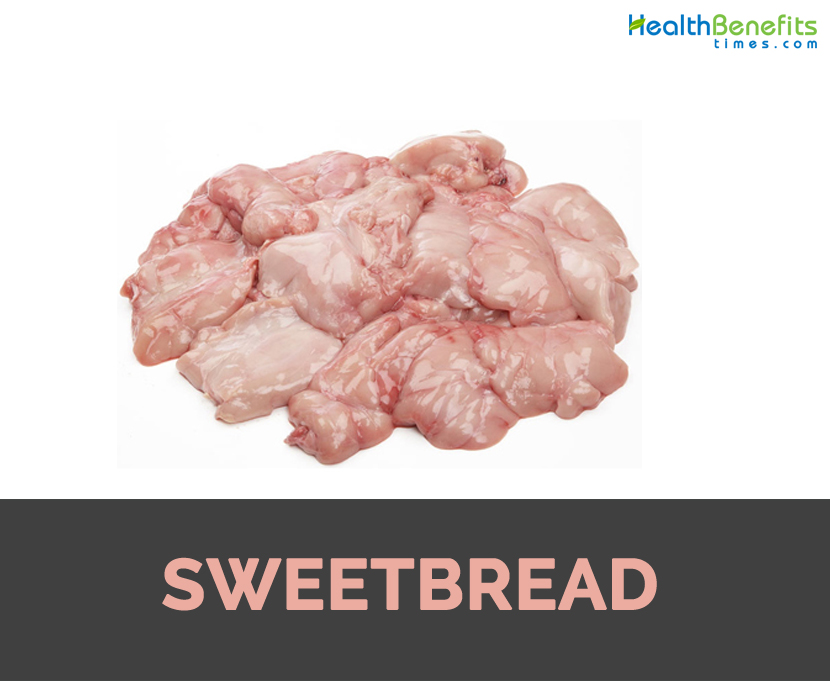
    Sweetbread is a culinary name for pancreas or thymus typically from lamb and calf and less commonly from pork and beef. Heart sweetbreads are spherical in shape and throat sweetbreads are cylindrical in shape. Sometimes, various other glands used as food are known as sweetbreads which includes sublingual glands (throat bread and tongue sweetbreads) and parotid gland (ear or cheek sweetbread) as well as testicles and ovary. The common preparation of sweetbread includes soaking in salt water then poaching in milk after that outer membrane is discarded. Once chilled and dried, it is often fried and breaded. It is also used for stuffing and in pates. In Latin American cuisines, it is grilled such as in Argentine asado and in Turkish cuisine in bread. In 16th century, word “sweetbread” is attested in 16th century but the name’s etymology is still unclear. Sweetbread have mild flavor with offal reminiscent flavor similar to brain.

    Culinary uses

    • Sweetbread is versatile and could be prepared in various ways such as poached, sautéed, fried, grilled, braised and roasted.
    • Sweetbreads are paired with terrines, pates, cold appetizers, salads, stews and sausages.
    • It is used to stuffing or in pates.
    • In Latin American cuisines, it is grilled.
    • In Turkish cuisine, it is served in bread.

    How to make sweetbread?

    Ingredients:

    • Chicken stock – 4 cups
    • Egg, beaten – 1
    • Sweetbreads – 500 g
    • Lard, dripping or oil, heated – 1 cm
    • Breadcrumbs – ¼ cup

    Sweetbread fritters

    • Salt – 1 pinch
    • Flour – 120 g
    • Egg, beaten – 1
    • Milk – 150 ml
    • Sweetbreads, poached, cooled and grated or chopped – 500 g
    • Oil, or butter, heated – 1 cm

    Directions:

    To prepare Crumbed sweetbreads:

    1. Firstly, soak the sweetbreads. In a colander, rinse them under water then place it in a bowl and cover it with cold water.
    2. Let it remain in the fridge overnight (change water several times). It is ready to use when water runs clear.
    3. In a pot put the stock and boil. Put sweetbreads in a hot broth and poach for about 15 minutes.
    4. When it is ready, put them into colander, drain it and let it cool down.
    5. Dip sweetbreads in a beaten egg and then to breadcrumbs. Then fry in hot lard or oil and serve it immediately.

    To prepare Sweetbread fritters:

    1. In the bowl, add flour and salt. Then slowly add beaten egg and milk. Mix it to make a smooth batter.
    2. Stir in a grated/ chopped sweetbreads.
    3. Heat butter or oil, then fry fritters.

    Health Benefits of Sweetbreads

    1. High Vitamin C

    Vitamin C could also be obtained from organ meats and plant foods. Serving 100 grams offers 57% of reference daily intake for Vitamin C. Sweetbreads provide similar amount of vitamin to clementine. Vitamin C is a crucial nutrient having antioxidant and immune enhancing properties.

    1. Protein source

    Sweetbread offers more than 12 grams of protein per 100 grams. It also offers all essential amino acids in adequate amounts that make it a complete protein source.

    1. Loaded with Vitamin B

    Sweetbreads have all B vitamins and are a great source of Vitamin B12, which offers about 35% of Recommended Daily Intake for nutrient. Vitamin B12 is required for formation of red blood cells, energy metabolism and to maintain healthy nervous system.

    1. Packed with minerals

    Sweetbreads offer varying proportion of essential minerals. It has rich content of iron, potassium, phosphorus, zinc and selenium. Among these minerals, a sweetbread contains most phosphorus (39 of RDI) and selenium (25% of RDI) per 100 grams. Phosphorus is crucial for strong bones and healthy skeletal system. Selenium strengthens immune system and acts as antioxidant in the body that assists to protect cells against oxidative stress.

    Why soaking is necessary?

    Soaking helps to discard any blood or other impurities remained in sweetbreads. Extension of soaking period softens sweetbreads especially if used an acidic source.


    References:

    https://en.wikipedia.org/wiki/Sweetbread

    https://simple.wikipedia.org/wiki/Sweetbread

    https://center-of-the-plate.com/2012/08/14/all-about-sweetbreads/

    https://www.bite.co.nz/recipe/7900/Sweetbread-recipes/

    https://wiki.kidzsearch.com/wiki/Sweetbread

    https://www.nutritionadvance.com/what-are-sweetbreads/


    68%
    68%
    Awesome

    Comments

    comments

    Foods S
    Share. Facebook Twitter Pinterest LinkedIn Tumblr Email
    Previous ArticleDoes Working Out Increase Testosterone?
    Next Article 3 Easy to follow diet plans

    Related Posts

    Facts about Saffron Plum

    February 11, 2024

    Health benefits of Sweet galingale

    January 19, 2024

    Health benefits of Spiked Pepper

    January 11, 2024

    Comments are closed.


    Sweetbread Quick Facts
    Name: Sweetbread
    Taste Meaty-but-mild and slightly creamy
    Calories 270 Kcal. Kcal./cup
    Major nutrients Copper (481.67%)
    Total Fat (72.34%)
    Vitamin B-12 (52.92%)
    Phosphorus (43.29%)
    Histidine (31.09%)
    Name Sweetbread
    Texture Slightly spongy
    Taste Meaty-but-mild and slightly creamy
    Major Nutritions Copper, Cu 4.335 mg (481.67%)
    Total Fat (lipid) 25.32 g (72.34%)
    Vitamin B-12 (Cobalamine) 1.27 µg (52.92%)
    Phosphorus, P 303 mg (43.29%)
    Histidine 0.383 g (31.09%)
    Isoleucine 0.443 g (26.50%)
    Tryptophan 0.111 g (25.23%)
    Lysine 0.843 g (25.21%)
    Valine 0.47 g (22.25%)
    Threonine 0.386 g (21.93%)
    Calories in 3 oz (85 g) 270 Kcal.
    Nutritional value of Beef, New Zealand, imported, sweetbread, cooked, boiled
    Serving Size: 3 oz, 85 g

    Calories 270 Kcal. Calories from Fat 227.88 Kcal.


    Proximity Amount % DV
    Water 47.82 g N/D
    Energy 270 Kcal N/D
    Energy 1132 kJ N/D
    Protein 10.65 g 21.30%
    Total Fat (lipid) 25.32 g 72.34%
    Ash 1.62 g N/D

     
    Minerals Amount % DV
    Calcium, Ca 3 mg 0.30%
    Iron, Fe 0.95 mg 11.88%
    Magnesium, Mg 14 mg 3.33%
    Phosphorus, P 303 mg 43.29%
    Potassium, K 219 mg 4.66%
    Sodium, Na 44 mg 2.93%
    Zinc, Zn 1.02 mg 9.27%
    Copper, Cu 4.335 mg 481.67%
    Manganese, Mn 0.01 mg 0.43%
    Selenium, Se 9.3 µg 16.91%


    Vitamins Amount % DV
    Water soluble Vitamins
    Vitamin B1 (Thiamin) 0.065 mg 5.42%
    Vitamin B2 (Riboflavin) 0.097 mg 7.46%
    Vitamin B3 (Niacin) 1.36 mg 8.50%
    Vitamin B5 (Pantothenic acid) 0.425 mg 8.50%
    Vitamin B6 (Pyridoxine) 0.035 mg 2.69%
    Vitamin B-12 (Cobalamine) 1.27 µg 52.92%
    Fat soluble Vitamins
    Vitamin A, RAE 16 µg 2.29%
    Vitamin A, IU 53 IU N/D
    Retinol 16 µg N/D
    Vitamin E (alpha-tocopherol) 0.67 mg 4.47%
    Vitamin D (D2 + D3) 0.5 µg N/D
    Vitamin D3 (cholecalciferol) 0.5 µg 3.33%
    Vitamin D 19 IU N/D

     
    Lipids Amount % DV
    Fatty acids, total saturated 10.602 g N/D
    capric acid 10:00 (decanoic acid) 0.013 g N/D
    Lauric acid (dodecanoic acid) 12:00 0.038 g N/D
    Myristic acid  14:00(Tetradecanoic acid) 0.627 g N/D
    Palmitic acid 16:00 (Hexadecanoic acid) 4.991 g N/D
    Margaric acid (heptadecanoic acid) 17:00 0.342 g N/D
    Stearic acid 18:00 (Octadecanoic acid) 4.559 g N/D
    Arachidic acid 20:00 (Eicosanoic acid) 0.031 g N/D
    Fatty acids, total monounsaturated 6.661 g N/D
    Myristoleic acid 14:1 (tetradecenoic acid) 0.055 g N/D
    Palmitoleic acid 16:1 (hexadecenoic acid) 0.42 g N/D
    16:1 c 0.324 g N/D
    16:1 t 0.096 g N/D
    18:1 undifferentiated 6.163 g N/D
    18:1 c 5.761 g N/D
    18:1 t 0.402 g N/D
    20:01 0.023 g N/D
    Fatty acids, total polyunsaturated 0.536 g N/D
    Linoleic acid 18:2 (octadecadienoic acid) 0.275 g N/D
    18:2 n-6 c,c 0.192 g N/D
    18:2 CLAs 0.083 g N/D
    18:3 undifferentiated 0.116 g N/D
    18:3 n-3 c,c,c (ALA) 0.116 g N/D
    20:2 n-6 c,c 0.01 g N/D
    20:3 undifferentiated 0.019 g N/D
    20:3 n-6 0.012 g N/D
    20:4 undifferentiated 0.041 g N/D
    20:4 n-6 0.041 g N/D
    20:5 n-3 (EPA) 0.017 g N/D
    22:5 n-3 (DPA) 0.044 g N/D
    Fatty acids, total trans 0.498 g N/D
    Fatty acids, total trans-monoenoic 0.498 g N/D
    Cholesterol 212 mg N/D

     
    Amino acids Amount % DV
    Tryptophan 0.111 g 25.23%
    Threonine 0.386 g 21.93%
    Isoleucine 0.443 g 26.50%
    Leucine 0.803 g 21.73%
    Lysine 0.843 g 25.21%
    Methionine 0.35 g N/D
    Phenylalanine 0.414 g N/D
    Tyrosine 0.359 g N/D
    Valine 0.47 g 22.25%
    Arginine 0.7 g N/D
    Histidine 0.383 g 31.09%
    Alanine 0.554 g N/D
    Glutamic acid 1.485 g N/D
    Glycine 0.58 g N/D
    Proline 0.342 g N/D
    Serine 0.374 g N/D

    *Above mentioned Percent Daily Values (%DVs) are based on 2,000 calorie diet intake. Daily values (DVs) may be different depending upon your daily calorie needs. Mentioned values are recommended by a U.S. Department of Agriculture. They are not healthbenefitstimes.com recommendations. Calculations are based on average age of 19 to 50 years and weighs 194 lbs.
     

    Source:
    https://ndb.nal.usda.gov/

    Categories
    • Beverages (78)
    • Dairy (28)
    • Dental Health (15)
    • Equipment (5)
    • Essential OIls (196)
    • Facts (2,939)
    • Foods (255)
    • Fruits (516)
    • Giveaway (1)
    • Grains and Cereals (36)
    • Health & Beauty (763)
    • Herbs and Spices (1,249)
    • Medicines (9)
    • Mental Health (19)
    • Nutritional value (27)
    • Nuts and seeds (73)
    • Oils (81)
    • Pets (4)
    • Poultry & Seafoods (67)
    • Pulses and Beans (16)
    • Reviews (25)
    • supplement (2)
    • Vegetables (304)
    • Weight Loss (22)

    What is Lupin Bean Flour?

    Science Backed Health Benefits of Durian (Durio zibethinus)

    Science Backed Health Benefits of Feijoa (Pineapple Guava) (Acca sellowiana)

    Science Backed Health Benefits of Gac Fruit (Momordica cochinchinensis)

    Science Backed Health Benefits of Amaranth Leaves (Amaranthus spp)

    Science Backed Health Benefits of Arrowhead (Sagittaria sagittifolia)

    ABOUT
    Home
    About us
    Contact us
    Privacy Policy
    Terms & conditions
    Disclaimer
    Direct Communication
    e-mail: [email protected]
    Gmail: [email protected]
    Whatsapp: +977-9841146511
    Viber: +977-9841146511
    Useful
    Health Wiki
    Nutrition
    Facebook Twitter Pinterest
    © 2025 www.healthbenefitstimes.com All rights reserved.

    Type above and press Enter to search. Press Esc to cancel.

    ×

    Log In

    Forgot Password?

    Not registered yet? Create an Account