

Health Benefits
    Facebook Twitter Instagram
    Sunday, December 14
    Facebook Twitter Pinterest
    Health Benefits
    • Home
    • Dental Health
    • Mental Health
    • Weight Loss
    • Health Wiki
    • Nutrition
    • Healthy Recipe
    • BMI Calculator
    Health Benefits
    Home»Facts»Mammee Apple Facts
    Facts

    Mammee Apple Facts

    By SylviaMay 5, 2016Updated:August 4, 2017No Comments5 Mins Read
    Facebook Twitter Pinterest LinkedIn Tumblr Email

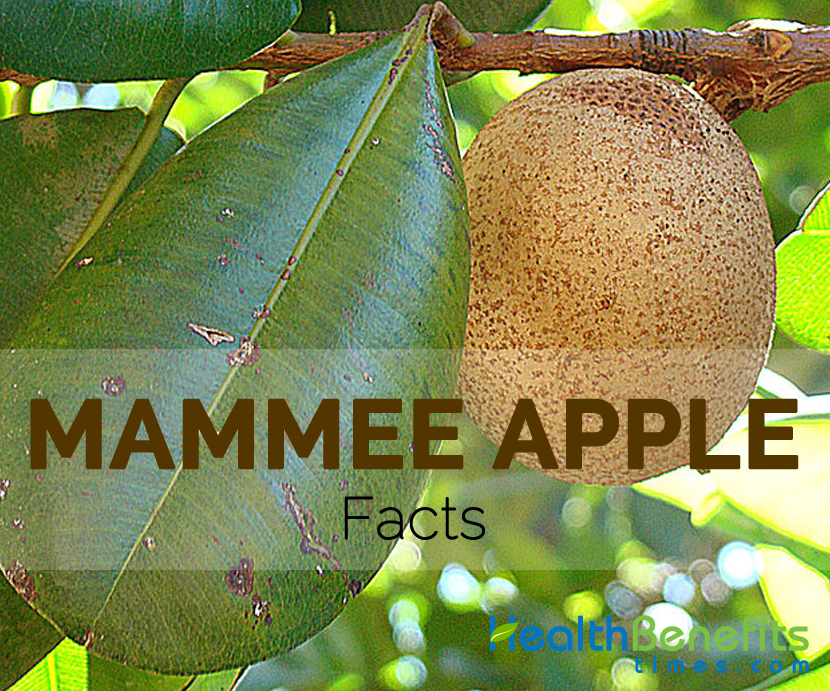
    Mammee Apple FactsMammee, also known as mammee apple, mamey and South American apricot, is actually a tropical tree which produces edible fruit.It is actually a berry not a drupe which is 0.5-2 kg which is found used in different types of foods items around the world.

    Name Mammee Apple
    Scientific Name Mammea americana
    Native Native of West Indies –Dominican Republic, Haiti, Jamaica, Puerto Rico and the lesser Antilles.
    Common/English Name Mamey Tree,Tropical Apricot, Mammee, Mammee Apple,St. Domingo Apricot, Mammey-Apple, Marmalade Tree,Santo Domingo Apricot, South American Apricot,
    Name in Other Languages Spanish : Albaricoque De Santo Domingo Albricoque
    German : Mammi, Mammiapfel
    Brazil : Abricó-De-São-Domingos, Abricó
    Danish : Mammeaæble
    French : Abricot D’ Amerique, Abricot, Abricot De Saint Domingue
    Portuguese : Abricó, Abrico Do Pará, Abrico Selvagem
    Eastonian : Ameerika Mammea, Vili: Mammea
    Czech : Mamej Americká
    Description Mammee apple is round or somewhat irregular fruit which have flavor similar to Apricot or red raspberry. It is loaded with many health promoting Nutrients, Vitamins and minerals.
    Plant Growth Habit Evergreen, medium-sized tree
    Growing Climate Limited to tropical or near tropical moist to wet climates, prefers full sun or light shade
    Soil Favors deep, rich, well-drained soil, but is apparently quite adaptable to even shallow, sandy terrain, and it grows naturally in limestone areas too.
    Plant Size 18 m– 21 m (59 ft-69 ft.)Tall
    Stem Short and reaches 1.9 m- 1.2 m (6 ft 3 in-3 ft 11 in) in diameter
    Leaf Leaves are simple, opposite, coriaceous, glabrous, glossy dark-green, broadly elliptic, up to 20 cm long and 10 cm wide.
    Flowering Season Starts from May-October
    Flower Flowers are fragrant, with 4–6 white petals and orange stamens or pistils, 2.5–4 cm wide when fully open, pistillate or hermaphrodite, staminate,
    Fruit shape & size Round or somewhat irregular, with a short, thick stem, 10–20 cm across, greyish brown with a rugose, 3 mm (0.12 in) thick, leathery rind
    Fruit Weight 0.5-2 kg
    Fruit color Green while young turning to yellow or russet as soon as they Ripe.
    Flesh Color Light yellow or orange, not fibrous, the flesh smells pleasant and appetizing.
    Fruit Peel Skin is light brown or greyish-brown with small, scattered, scurfy or warty areas, leathery, about 3 mm thick and bitter.
    Flavor/aroma Resembling the apricot or red raspberry in flavor.
    Fruit Taste Too sour or mawkishly sweet
    Seed Fruits contain 1-4 brown, rough, oval and around 6 cm (2.4 in) long seeds.
    Season Fruits take up to a year to mature and are ripe from July-February
    Major Nutrition Vitamin C 14 mg (15.56%)
    Carbohydrate 12.5 g (9.62%)
    Copper 0.086 mg (9.56%)
    Iron, Fe 0.7 mg (8.75%)
    Dietary Fiber 3 g (7.89%)
    Vitamin B6 0.1 mg (7.69%)
    Magnesium 16 mg (3.81%)
    Vitamin B9 14 µg (3.50%)
    Vitamin B2 0.04 mg (3.08%)
    Vitamin B3 0.4 mg (2.50%)
    Health Benefits
    • For Weight Loss
    • Helps prevents premature aging
    • Immune system
    • Constipation
    • Helps Relieve Symptoms of Premenstrual Syndrome
    Calories in 1cup (100 gm) 51
    Traditional Uses
    • Mammee has been used in traditional folk medicine for problems of scalp infections, diarrhea, digestive and eye infections in Central America, South America and the Caribbean.
    • For parasitic skin diseases pulverized mammee seeds are used in Venezuela.
    • Pulverized seeds are considered as a convulsant and an infusion is used for anthelmintic infestation in adults in Brazil.
    • Pulverized seeds are combined with rum or coconut oil to deal with head lice and chiggers in Trinidad and Tobago.
    • Aromatic liqueur called Eau de Creole and Creme de Creole, which is distilled from the flowers, is used as a digestive or tonic in French West Indies.
    • For intermittent fever an infusion of the fresh or dry leaves is used.
    • Powdered mammee seeds are used against parasitic skin diseases in traditional medicines of Central and South America.
    • Ground seeds are stirred into hot water to get an anthelmintic infusion.
    How to Eat
    • Salads: Pulp from ripe fruit can be consumed plain along with dash of lime or lemon juice and sugar, or served with cream and sugar or wine, in fruit salads and many more.
    • Frozen sherbet: Fresh pulp, blended with sugar, is made into frozen sherbet in Dominican Republic.
    • Ade: The juice or syrup of stewed flesh, is seasoned along with sugar and lemon juice to make “ade”.
    • Jam: Pulp is steeped in salt water just before cooking with much sugar to prepare a kind of jam in Bahamas.
    • Jelly: Slightly under-ripe fruits, rich in pectin, are made into jelly.
    • Kolashanpan: Mamey flavored carbonated drink called kolashanpan is made from Mammee apple which is considered as the national soda in El Salvador.
    • Aromatic liqueur: Flowers are distilled to make an aromatic liqueur, Crème de Créole or Eau de Créole in French West Indies
    • Pies or tarts: Sliced mamey pulp may also be cooked in pies or tarts, and may be seasoned with cinnamon or ginger.
    • Toddy: Wine is processed from the fruit and fermented “toddy” from the sap of the tree in Brazil.
    • Pulp is steeped in wine and sugar for a while prior to consumption in Jamaica.
    Other Facts
    • Large spreading lateral roots of mammy apple may help to prevent soil erosion.
    • It a beautiful ornamental tree and it is often planted for shade around houses, parks and along avenues because of its glossy, dark-green, leaves and dense foliage.
    • Wood is strong, fairly decay resistant, used for cabinetwork, rafters, pillars, decorative features of fine houses, fence posts and many more.
    • Tannin from the bark is used for home treatment of leather
    • Infusions of  pulverized gums and seeds from green fruit rind and bark are used as insecticides to kill fleas, ticks and jiggers.
    • Seed extracts are toxic to fish, chicks and hogs.
    • Trees are planted along boundaries and fences.

    Comments

    comments

    Facts
    Share. Facebook Twitter Pinterest LinkedIn Tumblr Email
    Previous ArticleMammee Apple Nutritional Value
    Next Article Winter melon nutritional value

    Related Posts

    5 Things You Need to Know About Psoriasis

    January 21, 2023

    Toxic Metal: 5 Ways to Protect yourself from Aluminum Toxicity at Home and Eating Out

    October 24, 2019

    Chewing Gum benefits and Risks

    September 10, 2018

    Comments are closed.


    Categories
    • Beverages (78)
    • Dairy (28)
    • Dental Health (15)
    • Equipment (5)
    • Essential OIls (196)
    • Facts (2,937)
    • Foods (255)
    • Fruits (516)
    • Giveaway (1)
    • Grains and Cereals (36)
    • Health & Beauty (761)
    • Herbs and Spices (1,249)
    • Medicines (9)
    • Mental Health (19)
    • Nutritional value (27)
    • Nuts and seeds (73)
    • Oils (81)
    • Pets (4)
    • Poultry & Seafoods (67)
    • Pulses and Beans (16)
    • Reviews (25)
    • supplement (2)
    • Vegetables (304)
    • Weight Loss (22)

    What is Lupin Bean Flour?

    Science Backed Health Benefits of Durian (Durio zibethinus)

    Science Backed Health Benefits of Feijoa (Pineapple Guava) (Acca sellowiana)

    Science Backed Health Benefits of Gac Fruit (Momordica cochinchinensis)

    Science Backed Health Benefits of Amaranth Leaves (Amaranthus spp)

    Science Backed Health Benefits of Arrowhead (Sagittaria sagittifolia)

    ABOUT
    Home
    About us
    Contact us
    Privacy Policy
    Terms & conditions
    Disclaimer
    Direct Communication
    e-mail: [email protected]
    Gmail: [email protected]
    Whatsapp: +977-9841146511
    Viber: +977-9841146511
    Useful
    Health Wiki
    Nutrition
    Facebook Twitter Pinterest
    © 2025 www.healthbenefitstimes.com All rights reserved.

    Type above and press Enter to search. Press Esc to cancel.

    ×

    Log In

    Forgot Password?

    Not registered yet? Create an Account