Health Benefits
    Facebook Twitter Instagram
    Friday, December 5
    Facebook Twitter Pinterest
    Health Benefits
    • Home
    • Dental Health
    • Mental Health
    • Weight Loss
    • Health Wiki
    • Nutrition
    • Healthy Recipe
    • BMI Calculator
    Health Benefits
    Home»Foods»What is Chorizo sausage?
    Foods

    What is Chorizo sausage?

    By s mMay 6, 2018Updated:May 6, 2018No Comments3 Mins Read
    Facebook Twitter Pinterest LinkedIn Tumblr Email

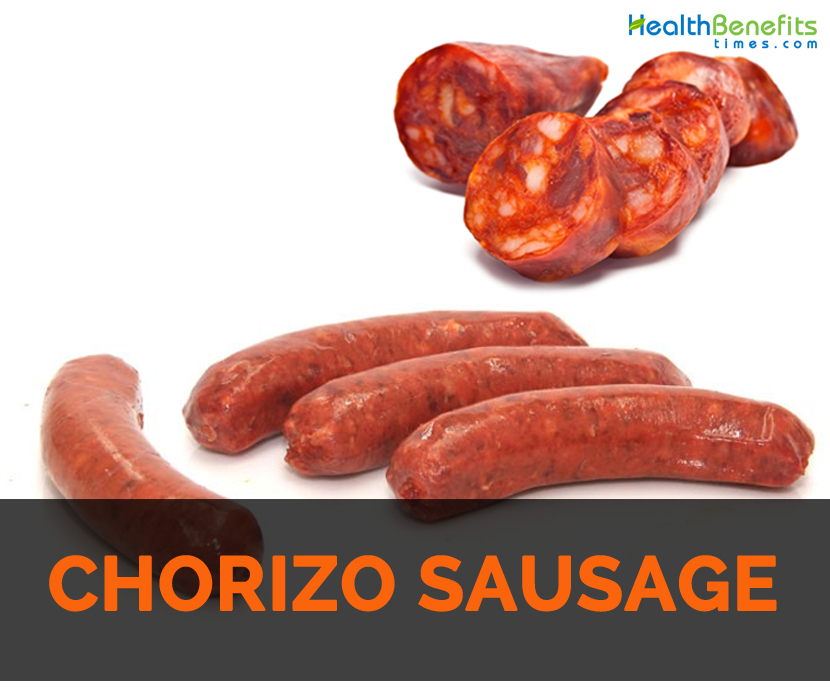
    Chorizo is a form of pork sausage which uses natural casings that are made from intestines. It is a common method used since the time of Romans. Chorizo in Europe is fermented, smoked and cured which is sliced and consumed without cooking or added as an ingredient for adding flavor to other dishes. In some places, sausages sold as chorizo may not be cured and fermented and needs proper cooking before consumption. Portuguese chourico and Spanish chorizo gets its distinctive smokiness and also deep red color from smoked, dried and red peppers.

    Due to the high cost of imported Spanish smoked paprika and culinary tradition, Mexican chorizo is made with inherent chili pepper of species Capsicum annum and rarely used in Mexican cuisine. Chorizo could be consumed sliced grilled, in a sandwich, simmered in liquid such as apple cider or other alcoholic beverages or fried. It could be used as toppings for pizza like pepperoni and salami.

    It is made from pork fat and chopped pork, seasoned with pimento- salt and smoked paprika. Generally, it could be classed as either dulce or picante which depends upon type of pimenton used. It is made in long or short and soft or hard varieties. The varieties which are lean could be consumed as tapas or appetizers at room temperatures. Fattier varieties are used for cooking purposes. Thin and long chorizos are sweet whereas short ones are spicy.

    History

    The origins of traditional sausages are hard to trace. The preservation of meat has been done so long due to which its origin have been lost. Probably, Chorizo could be originated from xorico in Catalonia. It has distinctive flavor as well as color that are caused by addition of copious amount of paprika. These peppers are inherent to South America and Central America, so modern chorizo is made after Europeans found New World.


    Chorizo sausage Image Gallery
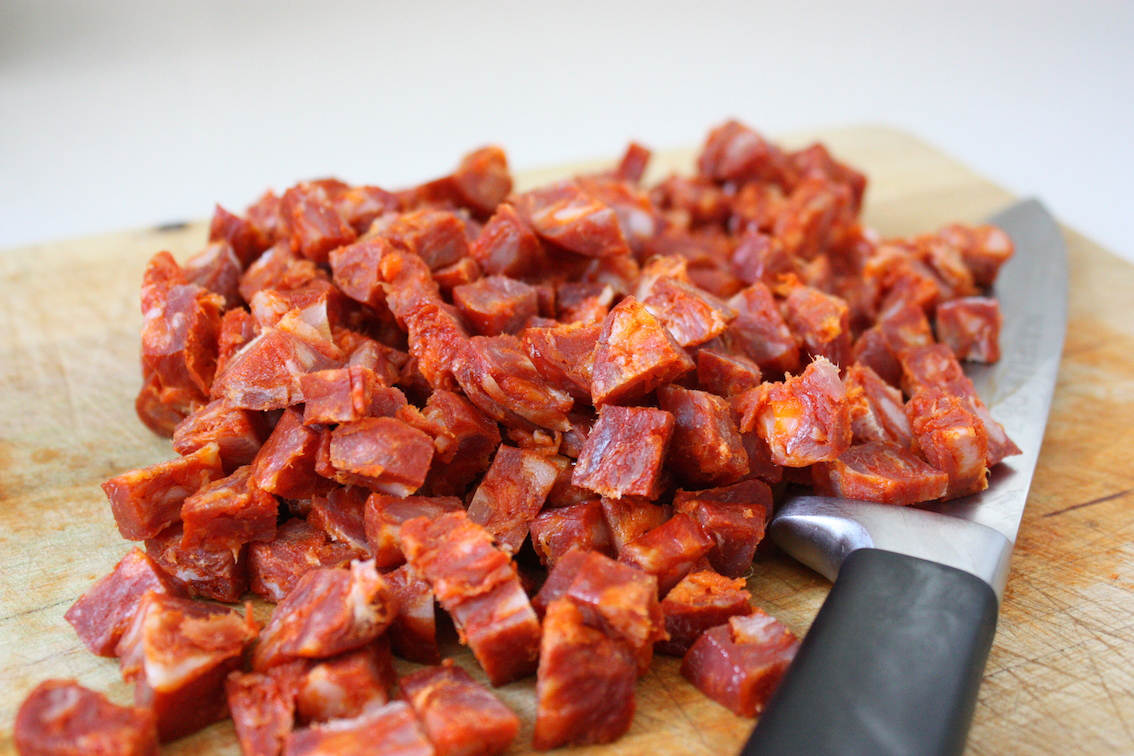
    Chopped-chorizo Chopped-chorizo
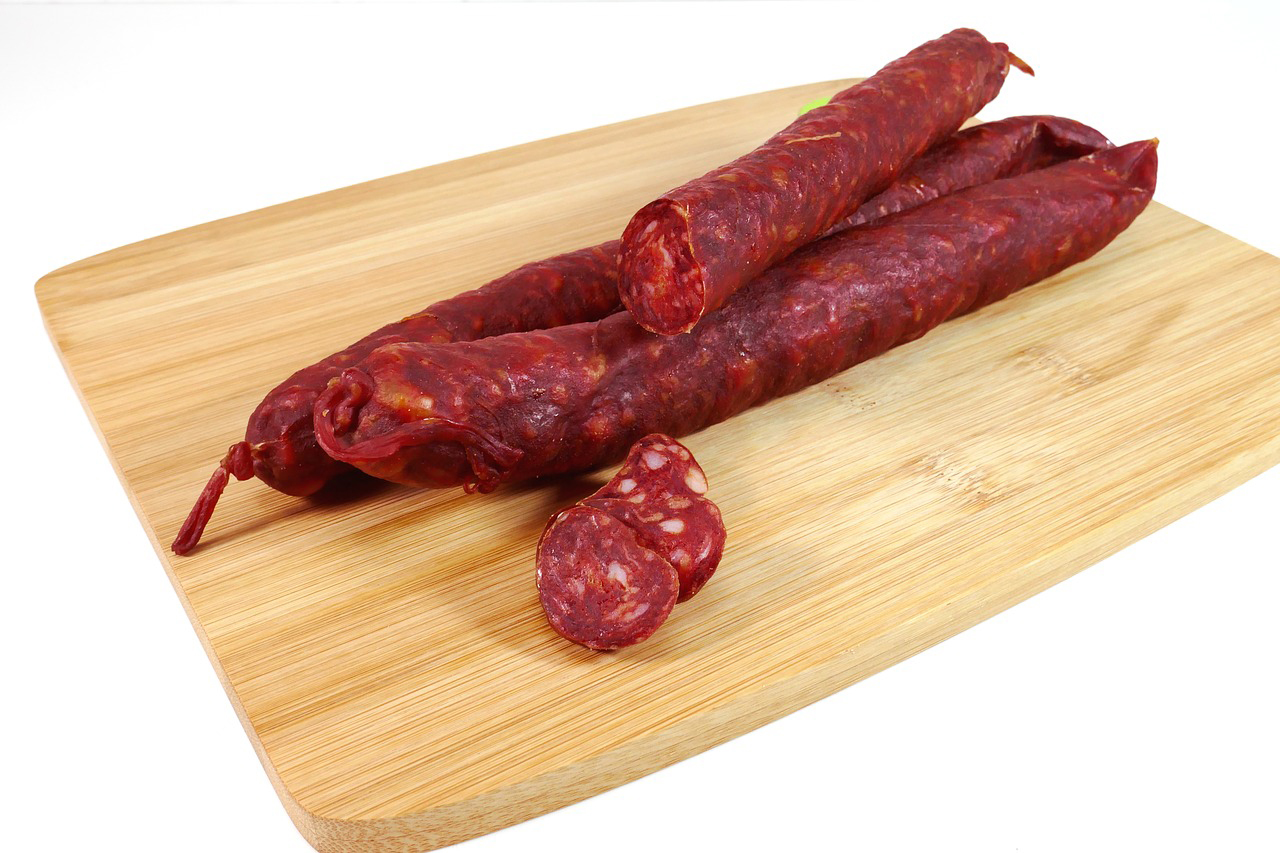
    Chorizo-sausage-1 Chorizo-sausage-1
    Chorizo-sausage-2 Chorizo-sausage-2

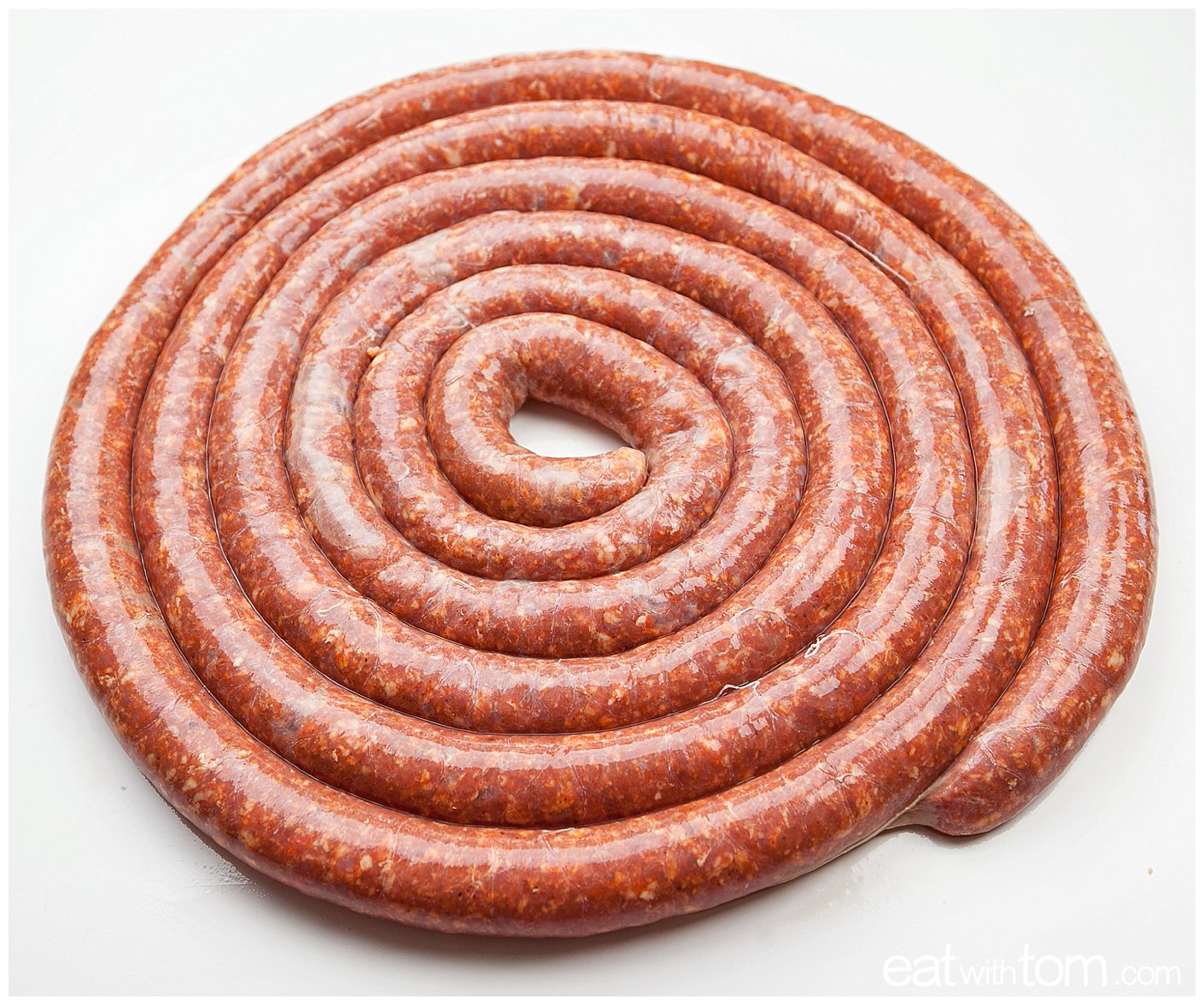
    Chorizo-sausage-spiral Chorizo-sausage-spiral
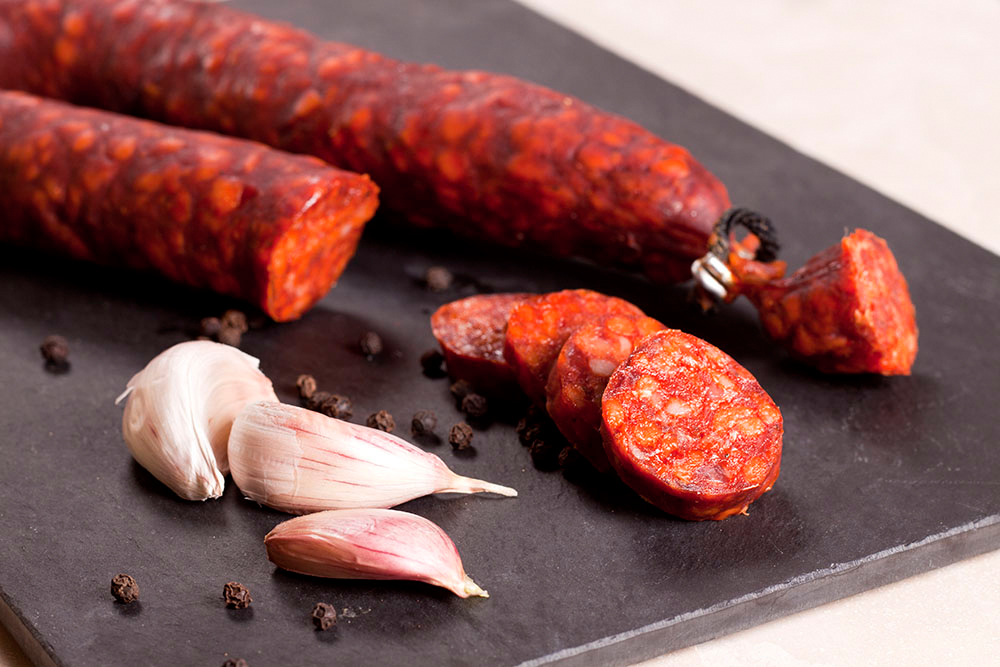
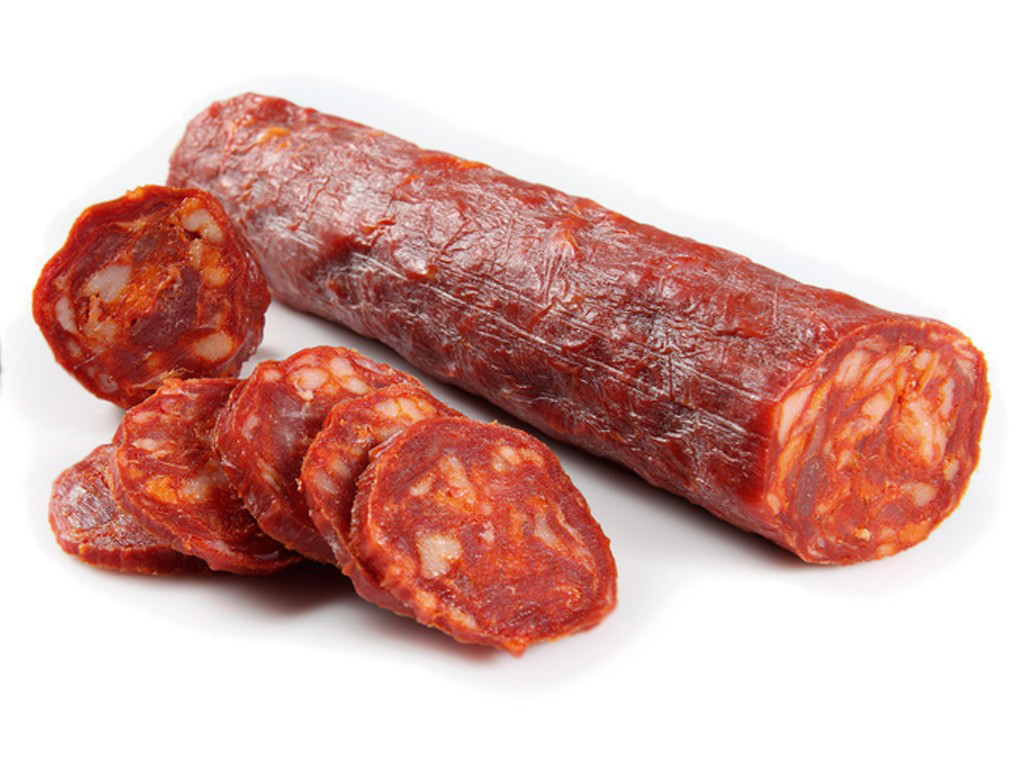
    Slices-of-Chorizo-sausage Slices-of-Chorizo-sausage
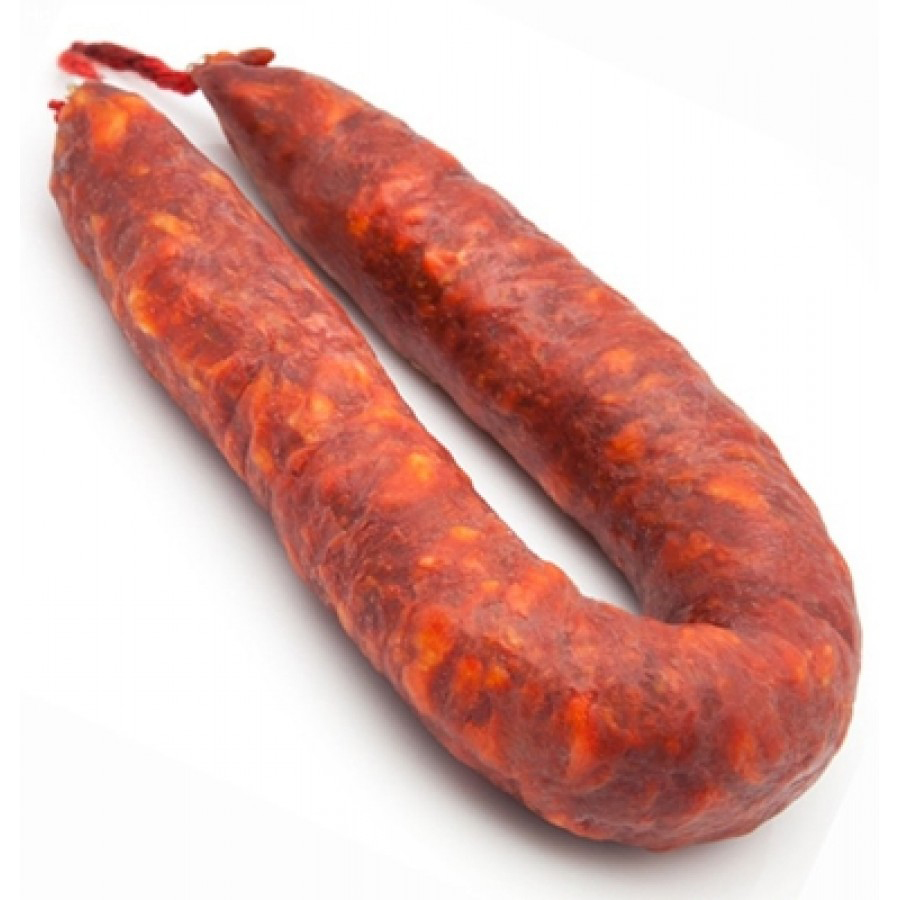
    U-shaped-string-chorizo-sausage U-shaped-string-chorizo-sausage

    How to Eat         

    • It could be consumed sliced in a sandwich.
    • Chorizo can be fried, grilled or simmered in liquid such as apple cider and other strong alcoholic beverages.
    • Use it as toppings for pizza similar to pepperoni and salami.
    • It could be used as a substitute for pork and ground beef.
    • It is a predominant in Spanish, Portuguese and Brazilian cuisines.
    • It is used to add flavor to soups and sandwiches.

    References:

    https://en.wikipedia.org/wiki/Chorizo

    http://www.jamonarium.com/en/content/58-spanish-chorizo-the-tradition

    http://blog.nh-hotels.com/countries/partonechorizo/

    https://healthyliving.azcentral.com/benefits-chorizo-17601.html

    63%
    63%
    Awesome

    Comments

    comments

    C Foods
    Share. Facebook Twitter Pinterest LinkedIn Tumblr Email
    Previous ArticleWhat is bread crumb?
    Next Article Tahini facts and health benefits

    Related Posts

    Health benefits of Chinese Sumac

    March 6, 2024

    Health benefits of Crofton weed

    March 5, 2024

    Facts about Chinese Glory Bower

    February 18, 2024

    Comments are closed.


    Facts of Chorizo sausage

    Chorizo sausage Quick Facts
    Name: Chorizo sausage
    Origin Spain, Portugal
    Colors Rich red
    Calories 84 Kcal./cup
    Major nutrients Vitamin B-12 (23.75%)
    Total Fat (20.34%)
    Sodium (14.87%)
    Vitamin B3 (9.69%)
    Selenium (9.64%)
    Name Chorizo sausage
    Place of origin Spain, Portugal
    Common/English Name Chouriço
    Name in Other Languages Asturian: chorizo;
    Catalan: xoriço;
    Basque: txorizo ;
    Portuguese: chouriço;
    Galician: chourizo;
    Spanish: chorizo
    Main ingredients Pork, paprika
    Course Sausage
    Color Rich red
    Flavor Tangy, smoky
    Major Nutritions Vitamin B-12 (Cobalamine) 0.57 µg (23.75%)
    Total Fat (lipid) 7.12 g (20.34%)
    Sodium, Na 223 mg (14.87%)
    Vitamin B3 (Niacin) 1.551 mg (9.69%)
    Selenium, Se 5.3 µg (9.64%)
    Protein 3.86 g (7.72%)
    Vitamin B6 (Pyridoxine) 0.089 mg (6.85%)
    Vitamin B2 (Riboflavin) 0.088 mg (6.77%)
    Phosphorus, P 42 mg (6.00%)
    Iron, Fe 0.4 mg (5.00%)
    Calories in 1 oz (28.35 g) 84 Kcal.
    Nutritional value of Sausage, pork, chorizo, link or ground, raw
    Serving Size:1 oz, 28.35 g

    Calories 84 Kcal. Calories from Fat 64.08 Kcal.


    Proximity Amount % DV
    Water 15.53 g N/D
    Energy 84 Kcal N/D
    Energy 351 kJ N/D
    Protein 3.86 g 7.72%
    Total Fat (lipid) 7.12 g 20.34%
    Ash 0.77 g N/D
    Carbohydrate 1.07 g 0.82%

     
    Minerals Amount % DV
    Calcium, Ca 5 mg 0.50%
    Iron, Fe 0.4 mg 5.00%
    Magnesium, Mg 6 mg 1.43%
    Phosphorus, P 42 mg 6.00%
    Potassium, K 87 mg 1.85%
    Sodium, Na 223 mg 14.87%
    Zinc, Zn 0.48 mg 4.36%
    Copper, Cu 0.024 mg 2.67%
    Manganese, Mn 0.026 mg 1.13%
    Selenium, Se 5.3 µg 9.64%

     
    Vitamins Amount % DV
    Water soluble Vitamins
    Vitamin B1 (Thiamin) 0.059 mg 4.92%
    Vitamin B2 (Riboflavin) 0.088 mg 6.77%
    Vitamin B3 (Niacin) 1.551 mg 9.69%
    Vitamin B6 (Pyridoxine) 0.089 mg 6.85%
    Choline 27.4 mg 4.98%
    Vitamin B-12 (Cobalamine) 0.57 µg 23.75%
    Fat soluble Vitamins
    Betaine 1.2 mg N/D
    Vitamin E (alpha-tocopherol) 0.06 mg 0.40%
    Vitamin D (D2 + D3) 0.4 µg N/D
    Vitamin D 17 IU N/D

     
    Lipids Amount % DV
    Fatty acids, total saturated 2.437 g N/D
    4:00 0.002 g N/D
    Caprylic acid 8:00 (octanoic acid)  0.001 g N/D
    capric acid 10:00 (decanoic acid) 0.005 g N/D
    Lauric acid (dodecanoic acid) 12:00 0.006 g N/D
    Myristic acid  14:00(Tetradecanoic acid) 0.09 g N/D
    pentadecanoic acid (15:00) 0.004 g N/D
    Palmitic acid 16:00 (Hexadecanoic acid) 1.522 g N/D
    Margaric acid (heptadecanoic acid) 17:00 0.019 g N/D
    Stearic acid 18:00 (Octadecanoic acid) 0.768 g N/D
    Arachidic acid 20:00 (Eicosanoic acid) 0.016 g N/D
    Behenic acid (docosanoic acid) 22:00 0.003 g N/D
    Lignoceric acid (tetracosanoic acid) 24:00 0.001 g N/D
    Fatty acids, total monounsaturated 3.006 g N/D
    Myristoleic acid 14:1 (tetradecenoic acid) 0.002 g N/D
    16:1 undifferentiated 0.144 g N/D
    16:1 c 0.142 g N/D
    16:1 t 0.001 g N/D
    17:01 0.014 g N/D
    18:1 undifferentiated 2.774 g N/D
    18:1 c 2.748 g N/D
    18:1 t 0.027 g N/D
    20:01 0.069 g N/D
    22:1 undifferentiated 0.002 g N/D
    22:1 c 0.002 g N/D
    24:1 c 0.001 g N/D
    Fatty acids, total polyunsaturated 1.218 g N/D
    18:2 undifferentiated 1.065 g N/D
    18:2 n-6 c,c 1.05 g N/D
    18:2 CLAs 0.009 g N/D
    18:2 t not further defined 0.007 g N/D
    18:3 undifferentiated 0.046 g N/D
    18:3 n-3 c,c,c (ALA) 0.044 g N/D
    18:3 n-6 c,c,c 0.001 g N/D
    20:2 n-6 c,c 0.048 g N/D
    20:3 undifferentiated 0.015 g N/D
    20:3 n-6 0.009 g N/D
    20:4 undifferentiated 0.027 g N/D
    20:5 n-3 (EPA) 0.001 g N/D
    22:04 0.01 g N/D
    22:5 n-3 (DPA) 0.005 g N/D
    22:6 n-3 (DHA) 0.001 g N/D
    Fatty acids, total trans 0.035 g N/D
    Fatty acids, total trans-monoenoic 0.028 g N/D
    Cholesterol 18 mg N/D

     
    Amino acids Amount % DV
    Hydroxyproline 0.002 g N/D

    *Above mentioned Percent Daily Values (%DVs) are based on 2,000 calorie diet intake. Daily values (DVs) may be different depending upon your daily calorie needs. Mentioned values are recommended by a U.S. Department of Agriculture. They are not healthbenefitstimes.com recommendations. Calculations are based on average age of 19 to 50 years and weighs 194 lbs.
     

    Source: https://ndb.nal.usda.gov/

    Categories
    • Beverages (78)
    • Dairy (28)
    • Dental Health (15)
    • Equipment (5)
    • Essential OIls (196)
    • Facts (2,939)
    • Foods (255)
    • Fruits (516)
    • Giveaway (1)
    • Grains and Cereals (36)
    • Health & Beauty (763)
    • Herbs and Spices (1,249)
    • Medicines (9)
    • Mental Health (19)
    • Nutritional value (27)
    • Nuts and seeds (73)
    • Oils (81)
    • Pets (4)
    • Poultry & Seafoods (67)
    • Pulses and Beans (16)
    • Reviews (25)
    • supplement (2)
    • Vegetables (304)
    • Weight Loss (22)

    What is Lupin Bean Flour?

    Science Backed Health Benefits of Durian (Durio zibethinus)

    Science Backed Health Benefits of Feijoa (Pineapple Guava) (Acca sellowiana)

    Science Backed Health Benefits of Gac Fruit (Momordica cochinchinensis)

    Science Backed Health Benefits of Amaranth Leaves (Amaranthus spp)

    Science Backed Health Benefits of Arrowhead (Sagittaria sagittifolia)

    ABOUT
    Home
    About us
    Contact us
    Privacy Policy
    Terms & conditions
    Disclaimer
    Direct Communication
    e-mail: [email protected]
    Gmail: [email protected]
    Whatsapp: +977-9841146511
    Viber: +977-9841146511
    Useful
    Health Wiki
    Nutrition
    Facebook Twitter Pinterest
    © 2025 www.healthbenefitstimes.com All rights reserved.

    Type above and press Enter to search. Press Esc to cancel.

    ×

    Log In

    Forgot Password?

    Not registered yet? Create an Account