Health Benefits
    Facebook Twitter Instagram
    Friday, December 5
    Facebook Twitter Pinterest
    Health Benefits
    • Home
    • Dental Health
    • Mental Health
    • Weight Loss
    • Health Wiki
    • Nutrition
    • Healthy Recipe
    • BMI Calculator
    Health Benefits
    Home»Foods»Frog legs facts and nutrition
    Foods

    Frog legs facts and nutrition

    By s mAugust 6, 2018Updated:August 6, 2018No Comments8 Mins Read
    Facebook Twitter Pinterest LinkedIn Tumblr Email

    Frog is the member of carnivorous group of short bodied and tailless amphibians in order Anura. They are distributed widely ranging from tropics to subarctic regions but the highest diversity is in tropical rainforests. About 4800 species are recorded accounting over 85% of extant amphibian species. Generally an adult frog is characterized by stout body, cleft tongue, protruding eyes and strong webbed hind feet. It has smooth and moist skins.

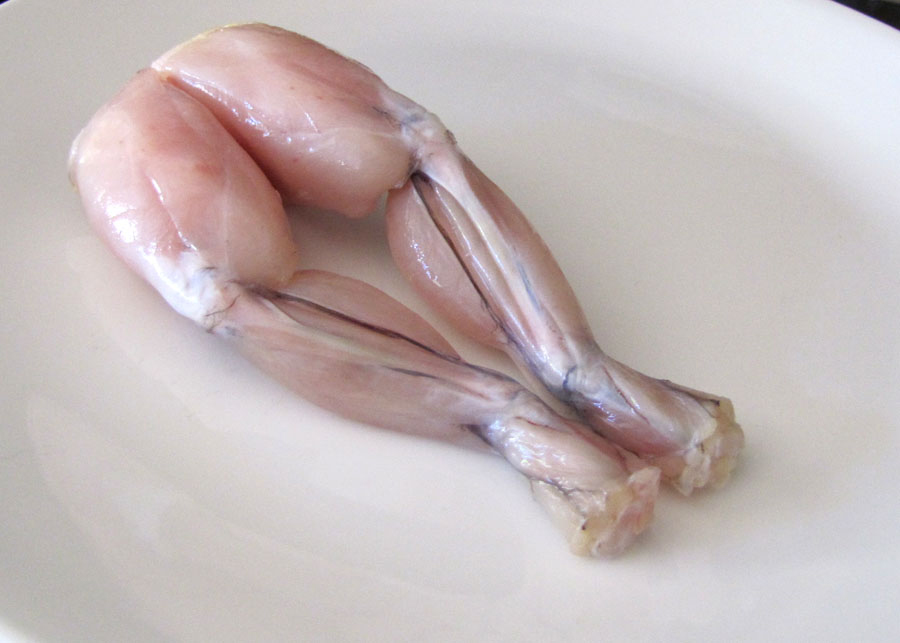
    Frog legs are considered to be the best delicacy of Chinese and French cuisine. It is also consumed in various parts of world namely Thailand, Vietnam, Northern Italy, Indonesia, Albania, Spain, Alentejo region of Portugal, the northwest Greece, Romania and Southern regions of United States. Frogs are still caught wild in Caribbean, Mexico and Brazil. Frog legs are the good source of omega-3 fatty acids, protein, potassium and Vitamin A. The taste is often considered to resemble chicken due to its mild flavor and its texture is similar to chicken wings. The texture and taste of frog meat is between fish and chicken. In some countries such as Vietnam, frogs are commercially raised.

    Feet and legs

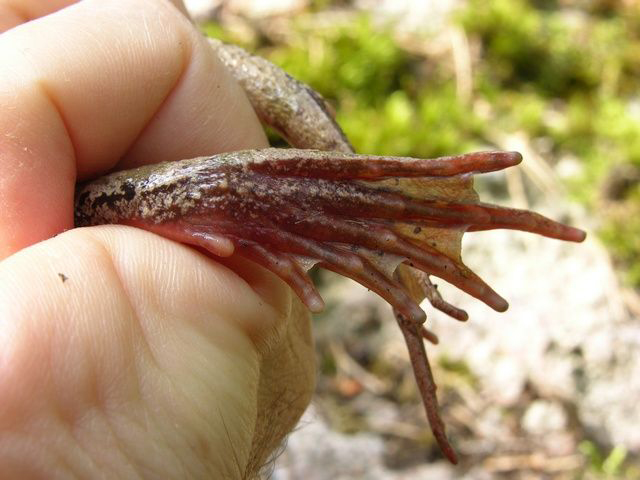
    The legs and feet structure differs among frog species which depends on whether they live on ground, in burrows, in trees and in water. They must be able to move quickly through environment for catching prey and to escape from predators. They are efficient at jumping. Fibula, tibia and tarsals are fused into single and strong bone, radius and ulna in fore limbs that absorbs impact on landing. Metatarsals are elongated for adding leg length and also allow frogs for pushing against ground for longer period on takeoff. Illium is elongated and formed mobile joint having sacrum in specialist jumpers such as hylids and ranids, acts as an additional limb joint for further power leaps. Tail vertebrate are fused into urostyle that is retracted inside pelvis. It allows force during a leap to be transferred from legs to body. Muscular system is modified. Ancestral frogs have hind limbs which contains pairs of muscles that act in opposition as seen in other limbed animals. In modern frogs, all muscles are modified for contributing action of jumping having few small muscles remained to bring the limb back to starting position and maintain posture. Muscles are greatly enlarged having main leg muscles that account over 17% of total mass of frogs.

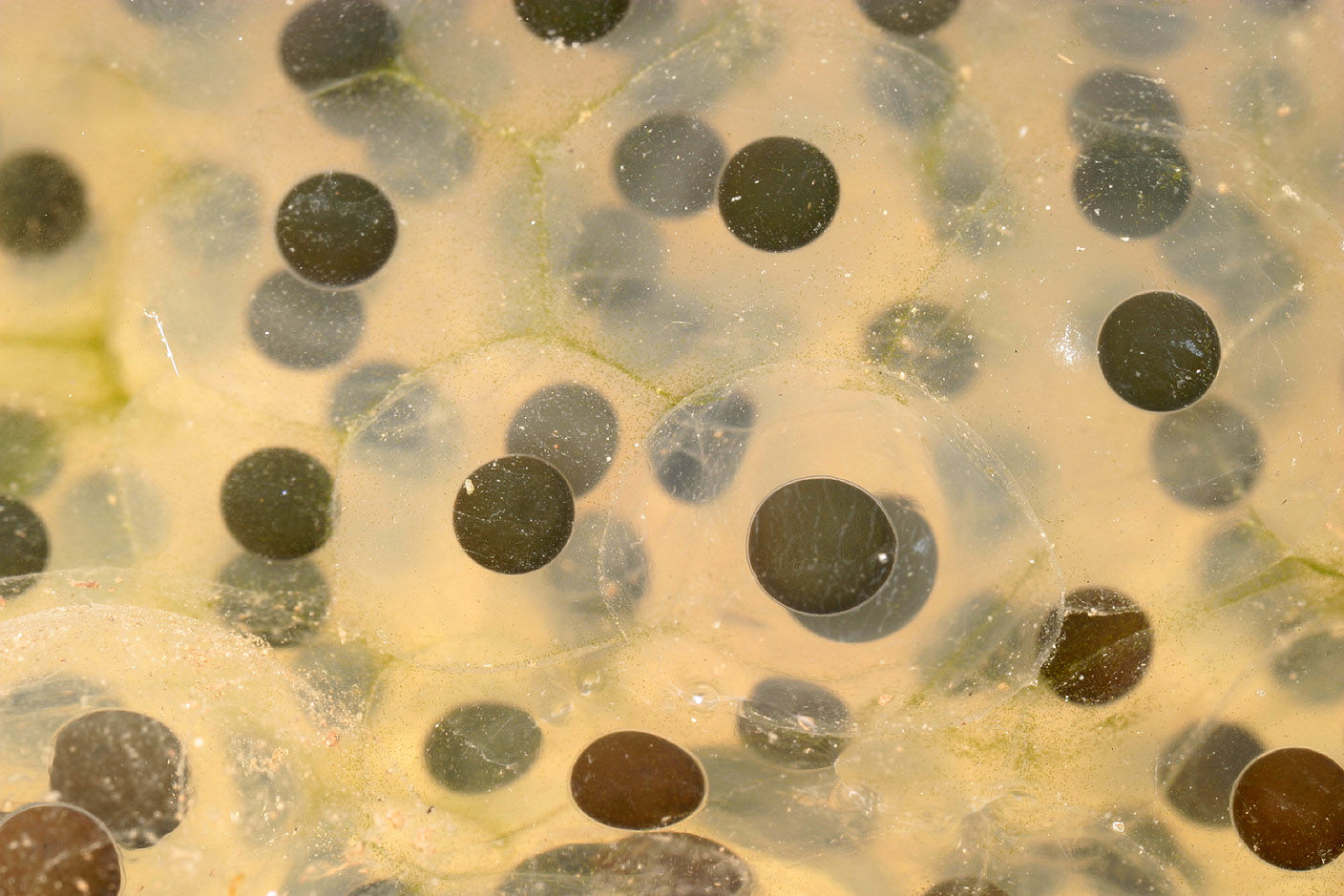
    BBQ-Frog-legs Eggs-of-Frog-spawn Fried-Frog-legs Frog Frog-eyes Frog-feet Frog-legs-soup Indonesian-Style-Garlic-Frog-Legs Larvae-of-Frogs Pair-of-Frog-legs Grilled-Frog-legs Frog illustration
    [Show thumbnails]

    Health Benefits of Frog legs

    The health benefits are discussed below which could be reaped with the consumption of Frog legs:

    1. Weight loss diet

    It is a healthy substitute for chicken and red meat to support weight loss. The serving size of 100 grams of frog legs offers 0.3 grams of fat in comparison to 3 g in similar serving of grilled chicken breast. The consumption of frog legs helps to control the intake of fat. In addition, intake fruits and green vegetables to fulfill the requirement of minerals and vitamins.

    1. Sufficient protein

    Frog legs contain ample amounts of protein. Serving size of 100 grams grants 16 grams of protein. Protein is a vital nutrient to build muscles. It assists to build energy body. It could regenerate damaged cells with new cells. Beans and frog legs serve as a healthiest option if searching for protein foods.

    1. Calorie content

    The low content of calories makes it a best option to add frog legs to meals. One serving of 100 grams of frog legs (stir-fried) provides 70 calories whereas the chicken thigh offers 280 calories. It is a smart choice for those who want to have a healthy diet. Foods with low content of calories assist to lower the chances of blood clots and manage weight.

    1. Enhance cognition

    Frog legs have ample omega-3 fatty acid that promotes brain health. This fatty acid also promotes cognitive health by improving memory and prevents the chances of Alzheimer’s disease. So to reap this health benefit, one should consume healthy foods such as mackerel, frog legs, salmon and other seafood. The presence of Omega-3 fatty acids helps to enhance healthy life.

    1. Sodium source

    Frog legs are great source of sodium. The serving size of 100 grams of frog legs grants 58 grams of sodium. Sodium helps to enhance the muscle contraction and maintains fluid in the body. It also assists to maintain blood pressure. One could achieve adequate sodium by consuming frog legs. It is better to cook without adding any salt as it promotes the sodium content. High presence of sodium in the body results in heart problems such as stroke and heart attack.

    1. Potassium rich food

    Frog legs have ample amounts of potassium that assist to promote strong muscles. The serving size of 100 grams provides 285 mg of potassium. Potassium helps to lower blood pressure, promotes strong muscles as well as mineral density. The consumption of potassium rich foods such as lettuce and frog legs provides positive result in the body.

    1. Bodily function

    Frog legs are a great source of iron which assists in transporting oxygen to other body parts. It also enhances brain function and also formation of hemoglobin. Literally, iron has a vital role in enhancing the bodily functions. Add frog legs with other iron foods such as beans and red meat to bring valuable benefits. The deficiency in nutrient iron results to the chances of anemia.

    1. Function of enzymes

    Frog legs also contain magnesium which has a role in enhancing enzymes function in the body. Additionally, sufficient intake of magnesium foods enhances cardiovascular system as well as bone health. Hence, one should consume foods rich in magnesium such as frog legs to experience health benefits.

    1. Provides energy

    Frog legs are rich in proteins which are essential for promoting energy. Additionally, valuable nutrients supports in body function. Those who want to gain more energy for activities should consume frog legs.

    1. Loaded with antibiotic properties

    Frog legs contain antibiotic properties. Skin has some substances which are attached to frog meat to prevent microbial growth. It prevents the chances of infections and diseases.

    1. Cure for impotence

    Frog legs help to treat impotence in men. The juice made from frog meat provides effective results as a cure for impotence. Frog juice helps to promote stamina and improve libido as well. Those wanting to promote sexual desire and treat impotence may find the consumption of frog legs to be helpful.

    1. Enhance vision

    Frog legs are great source of Vitamin A which assists in promoting healthy vision. The presences of Vitamin A assist in preventing the chances of vision loss and macular degeneration. Those who want to promote healthy vision should add fruits and vegetables such as carrot.     

    1. Blood regulation

    Iron helps to regulate the flow of blood. Iron has a vital part which controls blood regulation. It also assists in preventing anemia. Moreover, potassium and iron helps to enhance cardiovascular system and prevent heart diseases such as stroke and heart attack. Intake frog legs to reap benefits.

    1. Risk of cancer

    Research found out that indentification of two proteins in frog meat helps to treat cancers. These two proteins are waxy monkey that inhibits growth of blood vessels and destroy cancerous tumor.

    How to Eat

    • Serve it as an appetizer or main dish.
    • Frog legs are pan fried, deep fried, grilled, sautéed and baked.
    • Serve frog legs warm with okra, crab dip, fried green tomatoes, spiced grits, casserole, coleslaw and favorite dipping sauce.
    • Incorporate frog legs with stew, pasta, other entrees and tacos.
    • Dip frog legs into flour adding garlic and fry them in olive oil for five minutes on each side.

    Precautions                                                                                                 

    • Excess consumption of Frog meat results stroke, renal failure and disable.
    • Frog meats may have many worms that causes headache.
    • Consume it in moderate amounts.

    Other Facts

    • The largest exporter of Frog legs is considered to be Japan.
    • 29 February is celebrated as National Frog Legs Day.
    • It is regarded as delicacy of Cantonese and French cuisine and are consumed in other regions such as Greece, Caribbean, Spain, Italy and Southern regions of United States.
    • Frog legs are introduced by Donat Pucheu to New Orleans and are common in French speaking parts of Louisiana such as New Orleans and Cajun areas of Southern Louisiana.


    References:

    https://www.itis.gov/servlet/SingleRpt/SingleRpt?search_topic=TSN&search_value=173444#null

    https://en.wikipedia.org/wiki/Frog_legs

    https://www.cajungrocer.com/frog-legs.html

    https://mobile-cuisine.com/did-you-know/frog-legs-fun-facts/

    https://drhealthbenefits.com/food-bevarages/meats/health-benefits-of-frog-legs

    https://drhealthbenefits.com/food-bevarages/meats/health-benefits-of-frog-meat

    84%
    84%
    Awesome

    Comments

    comments

    F Foods
    Share. Facebook Twitter Pinterest LinkedIn Tumblr Email
    Previous Article5 Symptoms You Should Be Aware Of When Decreasing the Use of Substances
    Next Article 10 Best foods for your gut health

    Related Posts

    Health benefits of False Patchouli

    December 29, 2023

    Health benefits of Fragrant Premna

    December 28, 2023

    Health benefits of Four Leafed Pigweed

    June 8, 2023

    Comments are closed.


    Facts of Frog legs

    Frog legs Quick Facts
    Name: Frog legs
    Scientific Name: Rana temporaria
    Flesh colors Light pink (Raw)
    Taste Mild
    Calories 33 Kcal./cup
    Major nutrients Manganese (273.91%)
    Protein (14.76%)
    Copper (12.56%)
    Phosphorus (9.43%)
    Vitamin B2 (8.69%)
    Health benefits Weight loss diet, Sufficient protein, Calorie content, Enhance cognition, Sodium source
    Name Frog legs
    Scientific Name Rana temporaria
    Common/English Name Common frog, European Common Frog, european frog, Strongylopus grayii
    Name in Other Languages French: Grenouille rousse;
    German: Grasfrosch;
    Greek: Vounovátrachos (Βουνοβάτραχος), Koinós Evropaïkós Vátrachos (Κοινός Eυρωπαϊκός Bάτραχος);
    Spanish: Rana bermeja
    Texture Similar to chicken wings
    Flavor Mild
    Taste Mild
    Major Nutritions Manganese, Mn 6.3 mg (273.91%)
    Protein 7.38 g (14.76%)
    Copper, Cu 0.113 mg (12.56%)
    Phosphorus, P 66 mg (9.43%)
    Vitamin B2 (Riboflavin) 0.113 mg (8.69%)
    Iron, Fe 0.68 mg (8.50%)
    Vitamin B-12 (Cobalamine) 0.18 µg (7.50%)
    Choline 29.2 mg (5.31%)
    Vitamin B1 (Thiamin) 0.063 mg (5.25%)
    Vitamin B6 (Pyridoxine) 0.054 mg (4.15%)
    Health Benefits
    • Weight loss diet
    • Sufficient protein
    • Calorie content
    • Enhance cognition
    • Sodium source
    • Potassium rich food
    • Bodily function
    • Function of enzymes
    • Provides energy
    • Loaded with antibiotic properties
    • Cure for impotence
    • Enhance vision
    • Blood regulation
    • Risk of cancer
    Calories in  1 leg (45 g) 33 Kcal.

    Frog legs Scientific Classification

    Scientific Name: Rana temporaria

    Rank Scientific Name & (Common Name)
    Kingdom Animalia  (Animal, animaux, animals)
    Subkingdom Bilateria
    Infrakingdom Deuterostomia
    Phylum Chordata (Cordés, cordado, chordates)
    Subphylum Vertebrata  (Vertebrado, vertébrés, vertebrates)
    Infraphylum Gnathostomata
    Superclass Tetrapoda
    Class Amphibia (Aamphibiens, anfíbio, Amphibians)
    Order Anura  (Frogs, perereca, rã, sapo, crapauds, grenouilles, Toads)
    Family Ranidae Rafinesque, 1814 (Ranids, Riparian Frogs, Ranid Frogs, True Frogs)
    Genus Rana Linnaeus, 1758 (True Frogs, Brown Frogs)
    Species Rana temporaria Linnaeus, 1758 (European frog)
    Synonyms
    • Rana alpina Risso, 1827
    • Rana honnorati Héron-Royer, 1881
    • Rana mehelyi Bolkay, 1911
    • Rana rufa Lacepède, 1788
    • Rana temporaria subsp. gracilis Koch, 1872
    Nutritional value of Frog legs, raw
    Serving Size:1 leg, 45 g

    Calories 33 Kcal. Calories from Fat 1.26 Kcal.


    Proximity Amount % DV
    Water 36.86 g N/D
    Energy 33 Kcal N/D
    Energy 137 kJ N/D
    Protein 7.38 g 14.76%
    Total Fat (lipid) 0.14 g 0.40%
    Ash 0.63 g N/D

     
    Minerals Amount % DV
    Calcium, Ca 8 mg 0.80%
    Iron, Fe 0.68 mg 8.50%
    Magnesium, Mg 9 mg 2.14%
    Phosphorus, P 66 mg 9.43%
    Potassium, K 128 mg 2.72%
    Sodium, Na 26 mg 1.73%
    Zinc, Zn 0.45 mg 4.09%
    Copper, Cu 0.113 mg 12.56%
    Manganese, Mn 6.3 mg 273.91%

     
    Vitamins Amount % DV
    Water soluble Vitamins
    Vitamin B1 (Thiamin) 0.063 mg 5.25%
    Vitamin B2 (Riboflavin) 0.113 mg 8.69%
    Vitamin B3 (Niacin) 0.54 mg 3.38%
    Vitamin B6 (Pyridoxine) 0.054 mg 4.15%
    Vitamin B9 (Folate) 7 µg 1.75%
    Folate, food 7 µg N/D
    Folate, DEF 7 µg N/D
    Choline 29.2 mg 5.31%
    Vitamin B-12 (Cobalamine) 0.18 µg 7.50%
    Fat soluble Vitamins
    Vitamin A, RAE 7 µg 1.00%
    Vitamin A, IU 22 IU N/D
    Retinol 7 µg N/D
    Vitamin E (alpha-tocopherol) 0.45 mg 3.00%
    Vitamin D (D2 + D3) 0.1 µg N/D
    Vitamin D3 (cholecalciferol) 0.1 µg 0.67%
    Vitamin D 4 IU N/D

     
    Lipids Amount % DV
    Fatty acids, total saturated 0.034 g N/D
    Palmitic acid 16:00 (Hexadecanoic acid) 0.024 g N/D
    Stearic acid 18:00 (Octadecanoic acid) 0.009 g N/D
    Fatty acids, total monounsaturated 0.024 g N/D
    Palmitoleic acid 16:1 (hexadecenoic acid) 0.004 g N/D
    Oleic acid 18:1 (octadecenoic acid) 0.02 g N/D
    Fatty acids, total polyunsaturated 0.046 g N/D
    Linoleic acid 18:2 (octadecadienoic acid) 0.009 g N/D
    Linolenic acid 18:3 (Octadecatrienoic acid) 0.005 g N/D
    20:4 undifferentiated 0.014 g N/D
    20:5 n-3 (EPA) 0.006 g N/D
    22:5 n-3 (DPA) 0.003 g N/D
    22:6 n-3 (DHA) 0.009 g N/D
    Cholesterol 22 mg N/D

    *Above mentioned Percent Daily Values (%DVs) are based on 2,000 calorie diet intake. Daily values (DVs) may be different depending upon your daily calorie needs. Mentioned values are recommended by a U.S. Department of Agriculture. They are not healthbenefitstimes.com recommendations. Calculations are based on average age of 19 to 50 years and weighs 194 lbs.
     

    Source: https://ndb.nal.usda.gov/

    Categories
    • Beverages (78)
    • Dairy (28)
    • Dental Health (15)
    • Equipment (5)
    • Essential OIls (196)
    • Facts (2,939)
    • Foods (255)
    • Fruits (516)
    • Giveaway (1)
    • Grains and Cereals (36)
    • Health & Beauty (763)
    • Herbs and Spices (1,249)
    • Medicines (9)
    • Mental Health (19)
    • Nutritional value (27)
    • Nuts and seeds (73)
    • Oils (81)
    • Pets (4)
    • Poultry & Seafoods (67)
    • Pulses and Beans (16)
    • Reviews (25)
    • supplement (2)
    • Vegetables (304)
    • Weight Loss (22)

    What is Lupin Bean Flour?

    Science Backed Health Benefits of Durian (Durio zibethinus)

    Science Backed Health Benefits of Feijoa (Pineapple Guava) (Acca sellowiana)

    Science Backed Health Benefits of Gac Fruit (Momordica cochinchinensis)

    Science Backed Health Benefits of Amaranth Leaves (Amaranthus spp)

    Science Backed Health Benefits of Arrowhead (Sagittaria sagittifolia)

    ABOUT
    Home
    About us
    Contact us
    Privacy Policy
    Terms & conditions
    Disclaimer
    Direct Communication
    e-mail: [email protected]
    Gmail: [email protected]
    Whatsapp: +977-9841146511
    Viber: +977-9841146511
    Useful
    Health Wiki
    Nutrition
    Facebook Twitter Pinterest
    © 2025 www.healthbenefitstimes.com All rights reserved.

    Type above and press Enter to search. Press Esc to cancel.

    ×

    Log In

    Forgot Password?

    Not registered yet? Create an Account