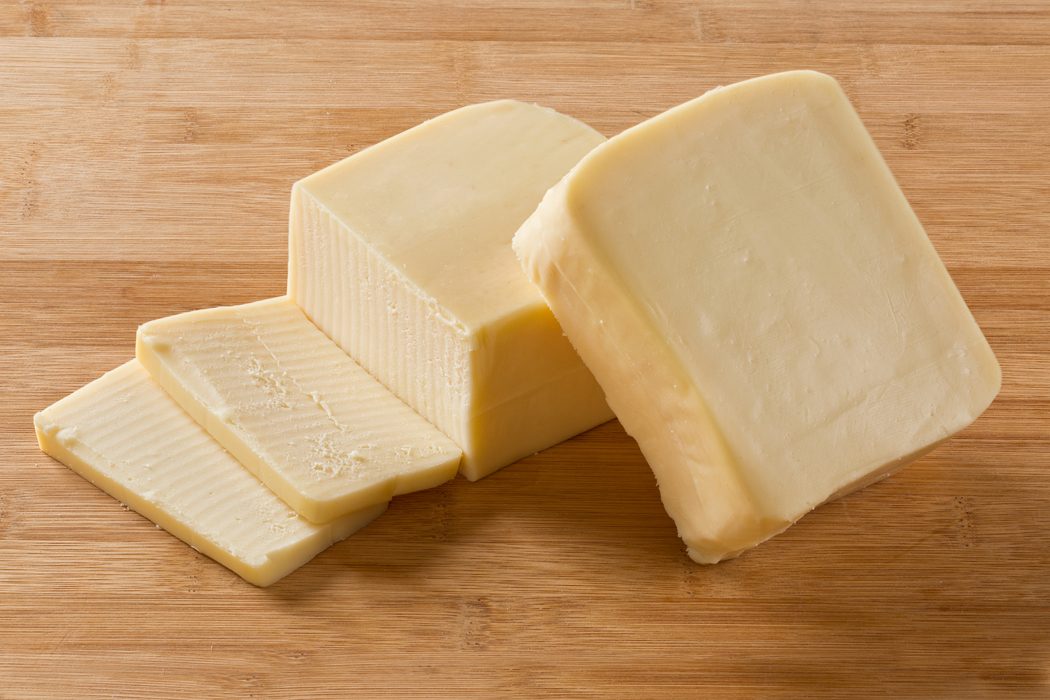
| Mozzarella cheese Quick Facts |
| Name: |
Mozzarella cheese |
| Calories |
508 Kcal./cup |
| Major nutrients |
Tryptophan (198.86%)
Vitamin B-12 (161.67%)
Isoleucine (115.37%)
Total Fat (107.54%)
Valine (106.39%)
|
| Health benefits |
Biotin, Riboflavin source, Niacin source, Fat soluble vitamins, Stronger bones |
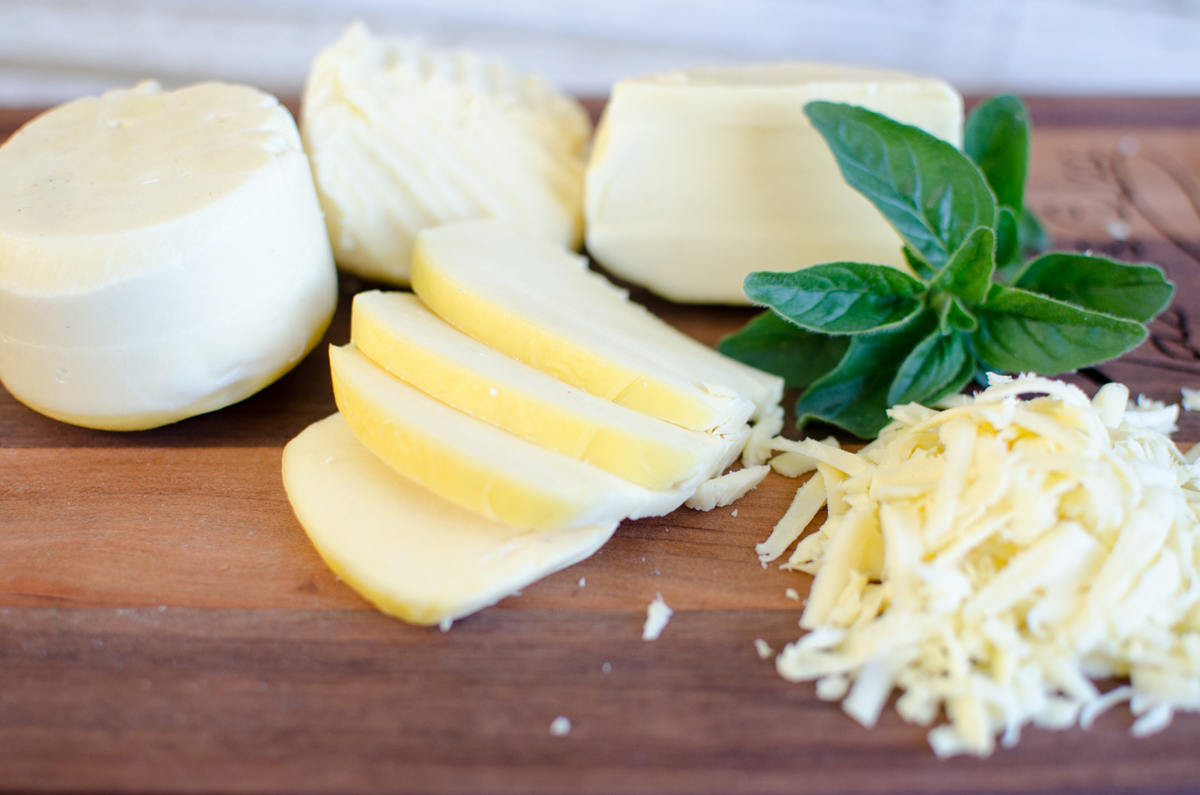
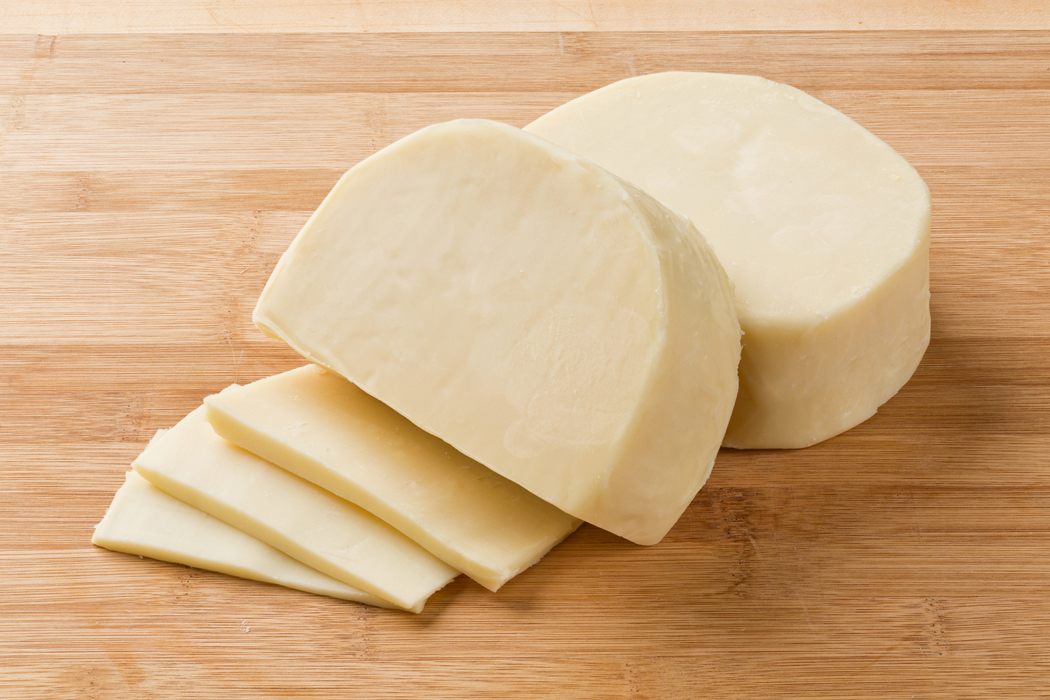
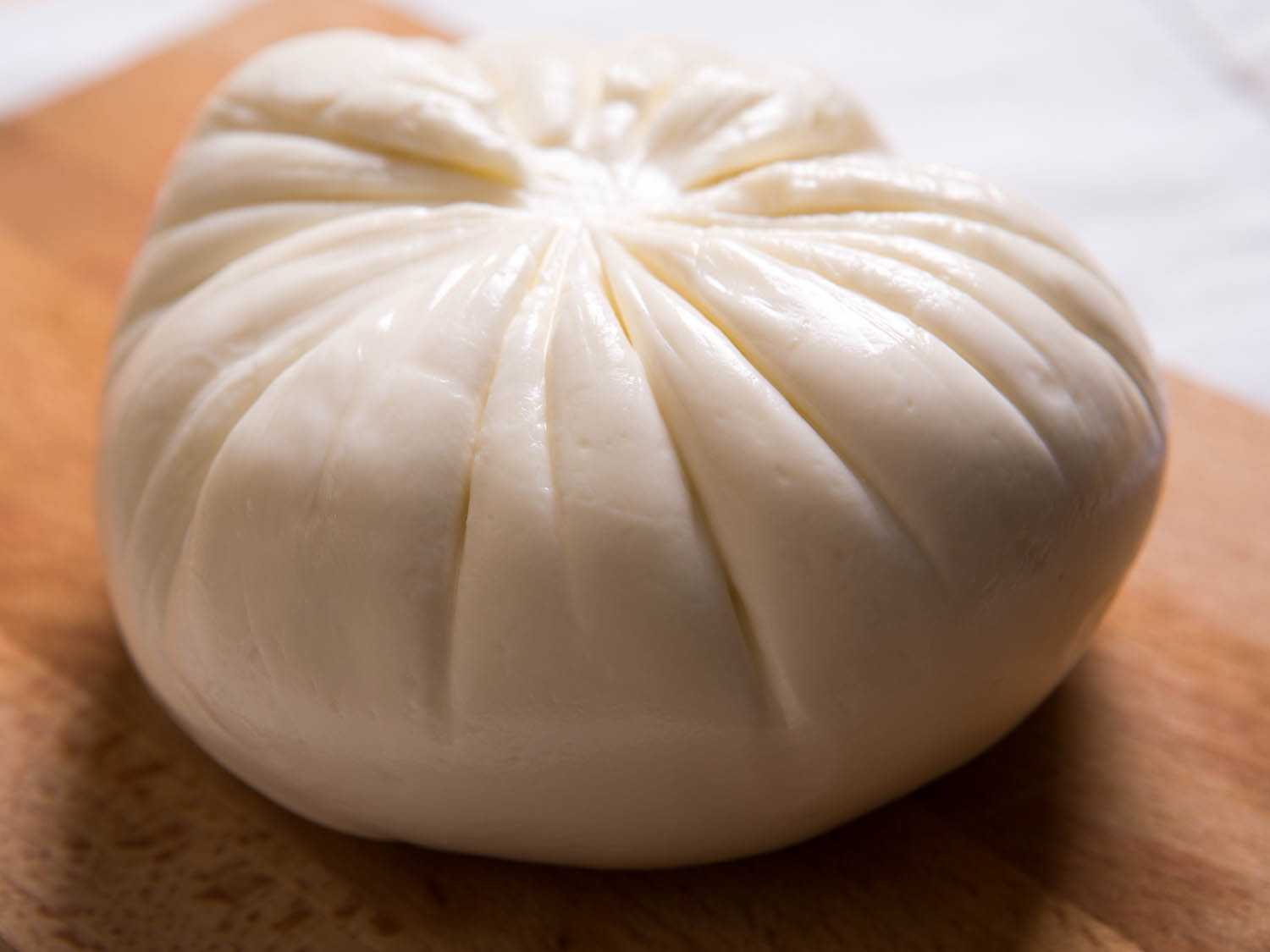
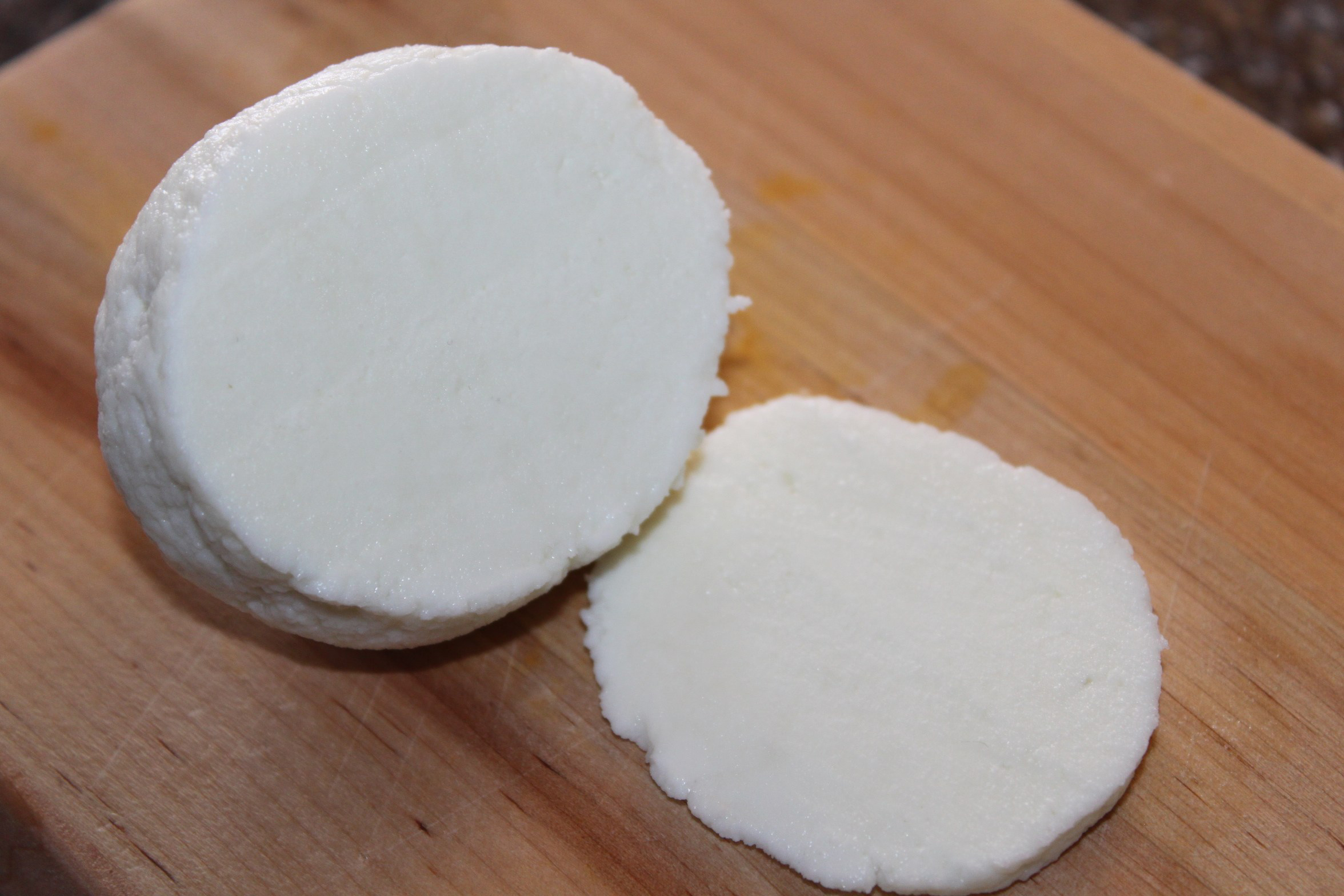
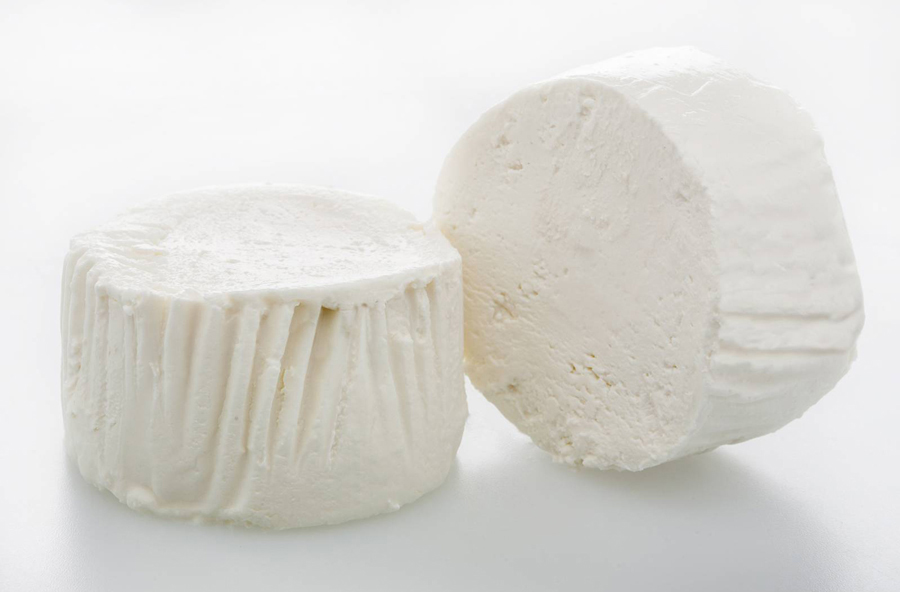
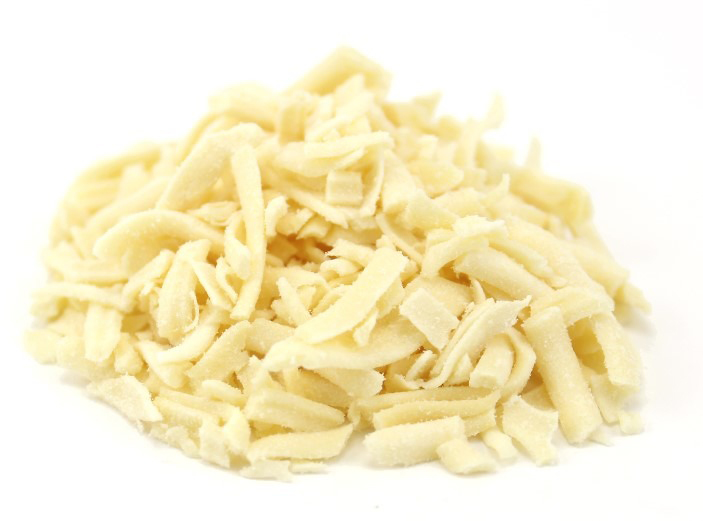
Mozzarella cheese is a traditionally Southern Italian cheese made from Italian buffalo’s milk with the use of pasta filata method. When fresh, Mozzarella is white but may be slightly yellow that depends on animal’s diet. It has high content of moisture so is served the day after it is made. It could be kept in brine for a week or longer when sold in vacuum sealed packages. Mozzarella with low moisture could be refrigerated for a month though shredded low moisture mozzarella is sold having shelf life up to six months. Mozzarella is used for various pizza and pasta dishes or is served with basil and sliced tomatoes in Caprese salad.
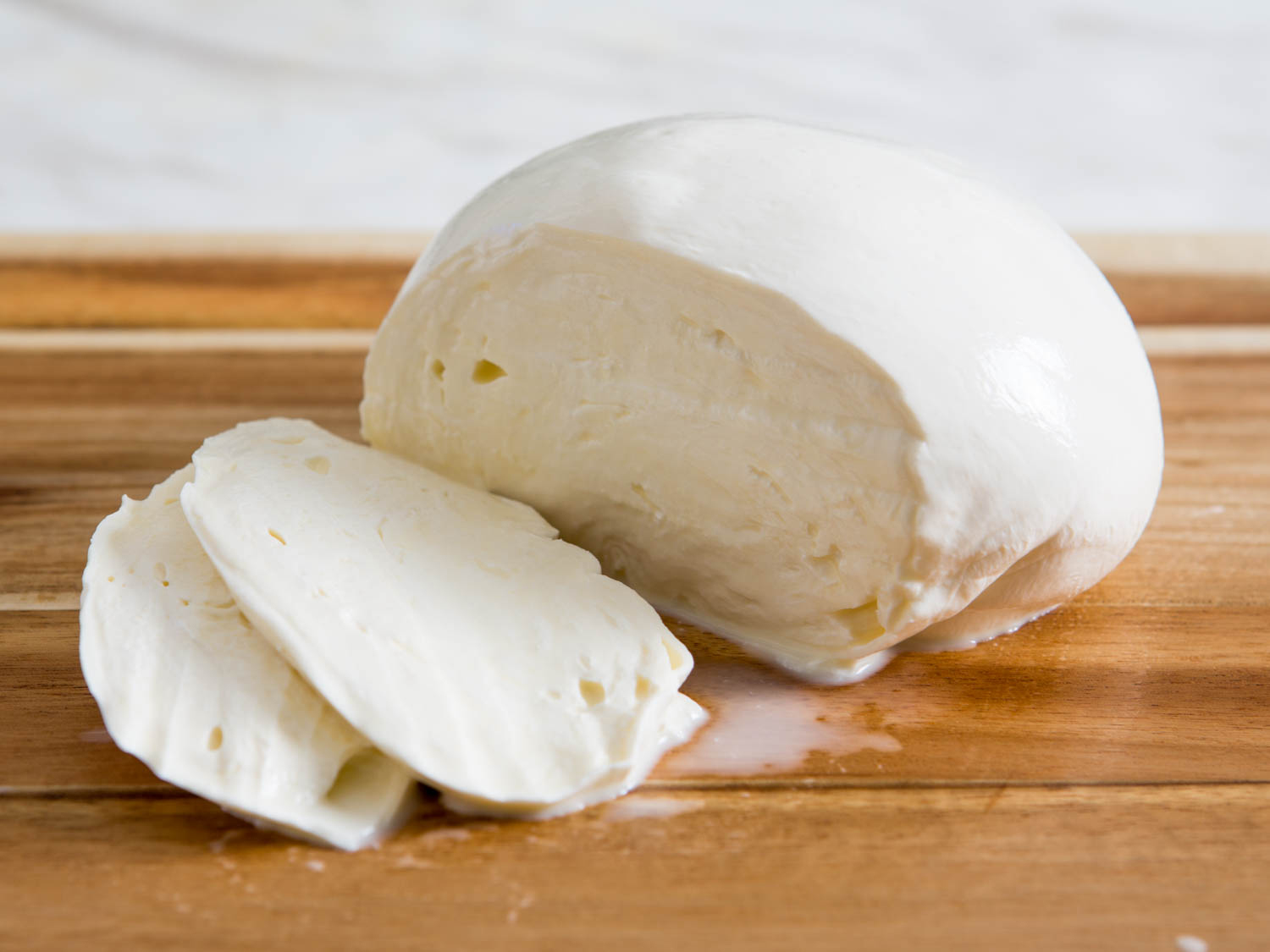
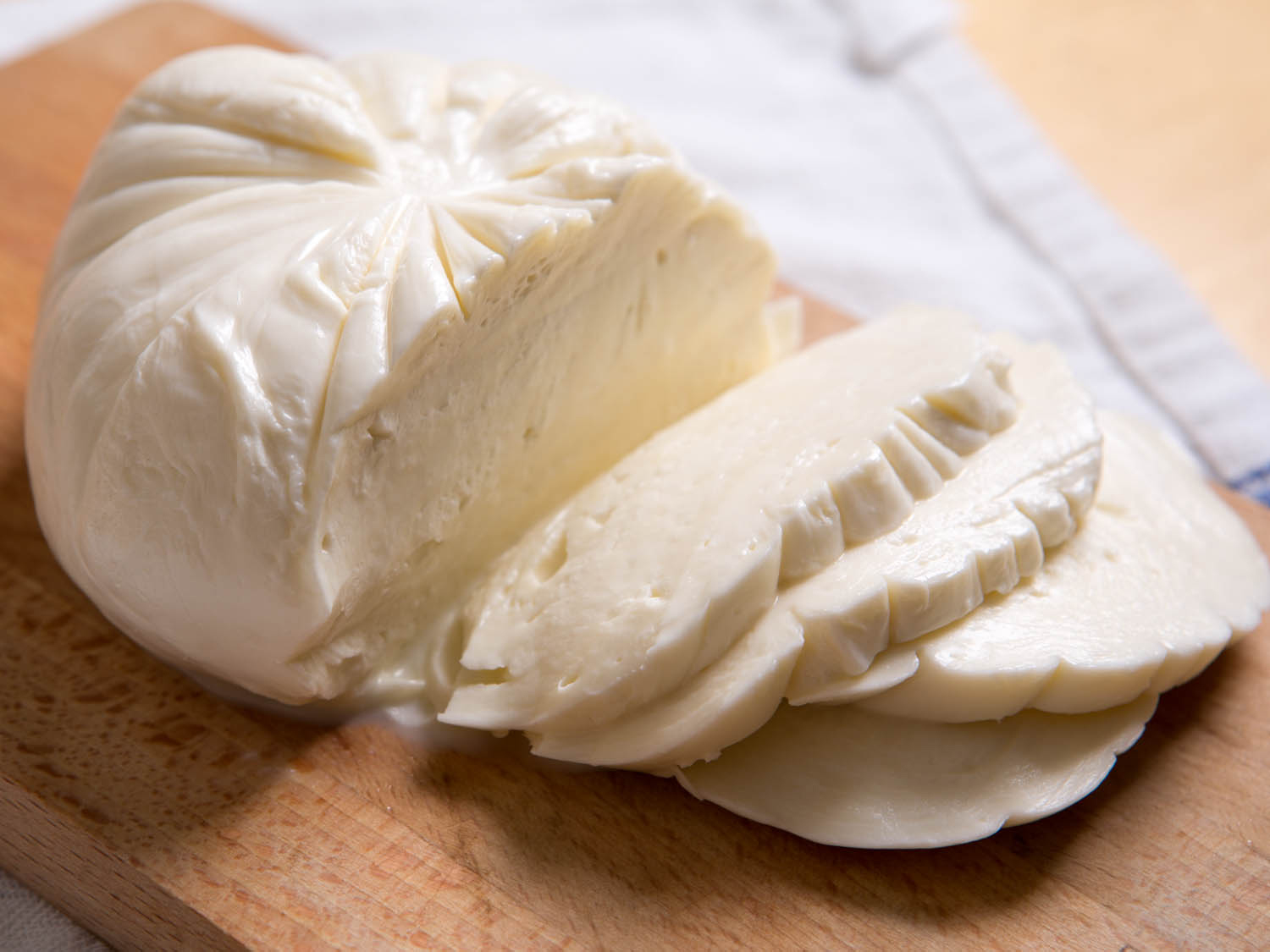
Mozzarella cheese is unripened and soft cheese varity of Pasta-filata family having origin in Battipaglia region of Italy. Traditionally, it was made from the milk of buffalo. In USA and other European countries, it is made from cow milk and according to that the process needs some modification. Can we please modify the line with the following (please note red) Traditionally, it was made from the milk of buffalo. In USA and other European countries, it is made from cow milk , a great source of whey protein, and according to that the process needs some modification. The finished cheese is soft and white with sheen surface and is stretchable. It owes its characteristics due to the action of lactic acid on discalcium-para-caseinate. The basic requirement of Mozzarella cheese is pure white color due to which buffalo milk is preferred over cow’s milk.
The factors which affect the quality of mozzarella cheese are composition of Mozzarella cheese, equipment for manufacturing Mozzarella cheese, value added ingredients as additive, recent developments in Mozzarella cheese manufacture and flavor of Mozzarella cheese. It is categorized as pasta filata cheese. It has creamy texture which holds its shape when raw.
History
Mozzarella got originated from Southern Italy. The earlier records show that Romans produced a similar type of cheese from sheep’s milk in the middle of 1st century A.D. It is said that during third century. The term “mozzarella” was developed from mozza which came from the Italian verb “mozzare”.
With the evolution of water buffalo farming in 16th century, “mozzarella di bufala” (buffalo milk mozzarella) came into effect the by switch from sheep’s milk mozzarella. In the middle of 20th century, mozzarella advanced throughout all Europe. The enormous demand made mozzarella produced from cow’s milk. The Mozzarella made from buffalo’s milk is tastier than mozzarella made from cow’s milk.
Health Benefits of Mozzarella cheese
Let us discuss on the health benefits that we get from the consumption of Mozzarella cheese:
- Biotin
Mozzarella cheese is a great source of biotin also known as Vitamin B7. This nutrient being soluble to water, the body won’t be able to store it. Consumption of this cheese helps to satisfy the immediate nutritional need. Pregnant women can eat cheese to deal with the possibility of biotin deficiency. It is the vitamin which also stops turning the nails being brittle. The studies have shown that biotin also helps to reduce the level of blood glucose in diabetic people.
- Riboflavin source
Mozzarella cheese is loaded with riboflavin or Vitamin B2. Being a part of Vitamin B complex family, it is essential to be taken regularly as it assists the body to counteract various health ailments and conditions such as anaemia and migraine attacks. It also possesses antioxidant properties.
- Niacin source
This dairy product also possesses niacin or Vitamin B3 that plays a pivotal role in converting fat into suitable energy in the human body. In addition to controlling cholesterol, it prevents the chances of health ailments such as arthritis and diabetes.
- Fat soluble vitamins
Mozzarella cheese possess important fat soluble vitamins such as E, D and A. These vitamins are essential for calcium absorption, cell membrane protection and bone health.
- Stronger bones
Cheese is rich in calcium which is a key mineral that is essential for maintaining bone and teeth health. One ounce of Mozzarella cheese offers 183 milligrams of calcium which is vital to protect tooth enamel and to maintain the bone structure. Besides this, it also safeguards heart muscles and lowers the chances of colon cancer. It also assists in weight loss.
- Phosphorus
Mozzarella cheese contains good amount of phosphorus which assist human body to absorb calcium from foods. It is also essential for digestion and proper functioning of kidneys. This mineral helps to counteract muscle fatigue and also facilitates brain functioning.
- Zinc
Mozzarella cheese contains zinc which is a vital mineral for counteracting the skin problems and promotes the white blood cells count. It also assists the functions of prostate gland and supports to lose excess weight.
- Great source of protein
Mozzarella cheese is a great source of protein. The consumption of this cheese provides energy and also promotes muscle strength.
- Potassium
Potassium is a vital mineral which is found in this Mozzarella cheese. Potassium helps to counteract adverse effects that are caused by sodium consumption in humans. Potassium helps to support in reduction of blood pressure and also rectifies abysmal heart rhythms.
- Treatment for migraine
Mozzarella cheese contains ample amounts of Vitamin B2 or riboflavin which supports the body to counteract diseases such as anemia and migraine.
https://www.youtube.com/watch?v=PscMuFAv-fY
How to make?
Ingredients:
- 1 ¼ cup water
- ¼ rennet tablet or ¼ teaspoon liquid rennet
- 1 ½ teaspoon citric acid
- 1 gallon milk (whole or 2%, not ultra-pasteurized)
- 1 teaspoon kosher salt
Equipment:
- 5 quart or larger non-reactive pot
- Thermometer
- Measuring cups and spoons
- 8″ knife, off-set spatula (similar slim instrument for cutting the curds)
- Microwavable bowl
- Slotted spoon
- Rubber gloves
Instructions
- In a cup of water, stir citric acid till dissolved. In a separate bowl, measure out ¼ cup of water. Stir in the rennet till dissolved.
- Into a pot, pour the milk and stir in the citric acid solution. Over medium to high heat, place the pot and warm to 90°F by stirring gently.
- Remove pot from heat and stir in the rennet solution gently. Cover the pot and let it remain undisturbed for about 5 minutes.
- The milk should have set after five minutes. If it is still liquidy, re-cover the pot and let it remain for next five minutes. When the milk is set, cut it into uniform curds.
- Put the pot over medium heat and warm the curds to 105°F. As the curds warm, stir slowly by not breaking them up too much. Eventually the curds will clump together and separate from the yellow whey more completely.
- Remove pan from the heat and continue to stir gently for next 5 minutes.
- Ladle curds into a microwave-safe bowl with the slotted spoon.
- Microwave the curds for a minute. Drain the whey. With the use of rubber gloves and fold curds over on themselves for a few times. Then, the curds will still be very loose.
- Microwave the curds for next 30 seconds and check the internal temperature. When the temperature reached 135°F, continue to stretch the curds.
- Sprinkle salt over the cheese and use your fingers to incorporate. Use both hands, stretch and fold curds repeatedly. It will tighten, becomes firm, and has glossy sheen. Then it is ready to shape the mozzarella.
- The mozzarella could be used immediately or refrigerated for a week.
Precautions
- It contains lactose so it causes cramps, bloating, gas, nausea and diarrhea in lactose intolerant people.
- It causes rashes, eczema, diarrhea, hives, constipation, gas and asthma in dairy allergic patients.
- Too much consumption of Mozzarella cheese causes weight gain and constipation.
- As Mozzarella cheese contains high content of saturated fat, it could result in weight issues and cardiovascular health.
How to Eat
- Mozzarella cheese is used for various types of pizza and pasta dishes or is served with basil and sliced tomatoes in Caprese salad.
- It is also used for preparing dishes such as lasagna.
- It could also be found smoked.
- Usually it is consumed fresh.
- It is also used as a substitute for Parmesan cheese on pasta.
- It is flavorful in melted dishes such as sauce and soup recipes.
- It could be used in mashed potatoes, macaroni, shepherd’s pie, casseroles etc.
- Add it to soufflés, omelettes, fondues, au gratins etc.
References:
https://www.zottarella.com/be/products/the-history-of-mozzarella/
https://scialert.net/fulltext/?doi=ijds.2011.199.226
https://www.greatitalianchefs.com/collections/mozzarella-recipes
https://www.quora.com/What-are-the-side-effects-of-consuming-too-much-mozzarella-cheese?
https://www.tarladalal.com/glossary-mozzarella-cheese-311i
http://www.recipetips.com/glossary-term/t–33517/mozzarella-cheese.asp
http://www.stylecraze.com/articles/health-benefits-of-mozzarella-cheese/#gref
http://www.remediesandherbs.com/15-amazing-health-benefits-of-mozzarella-cheese/
Comments
comments