Breakdown of carbohydrates and protein, Healthy levels of cholesterol, Presence of sodium, Vitamin B, High selenium content
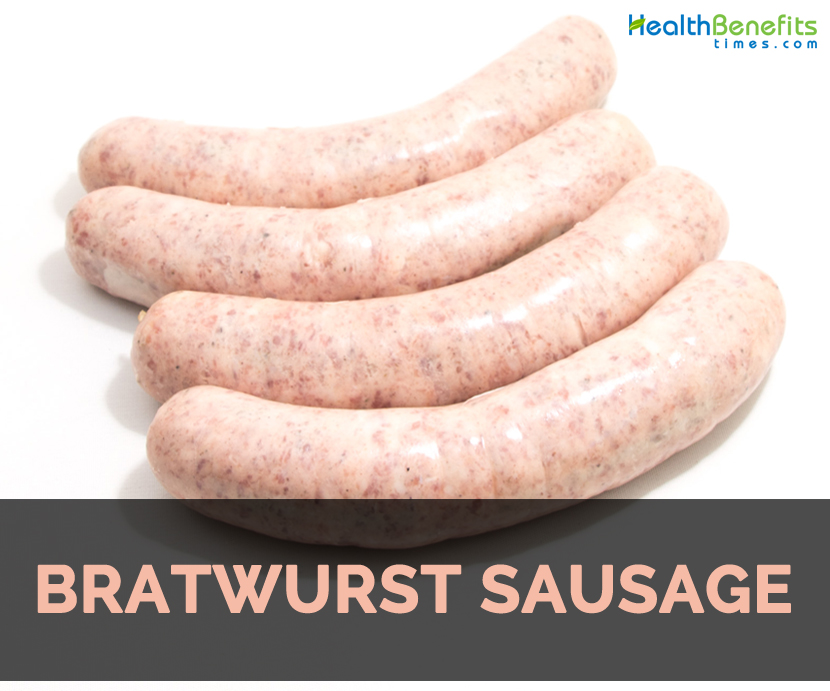
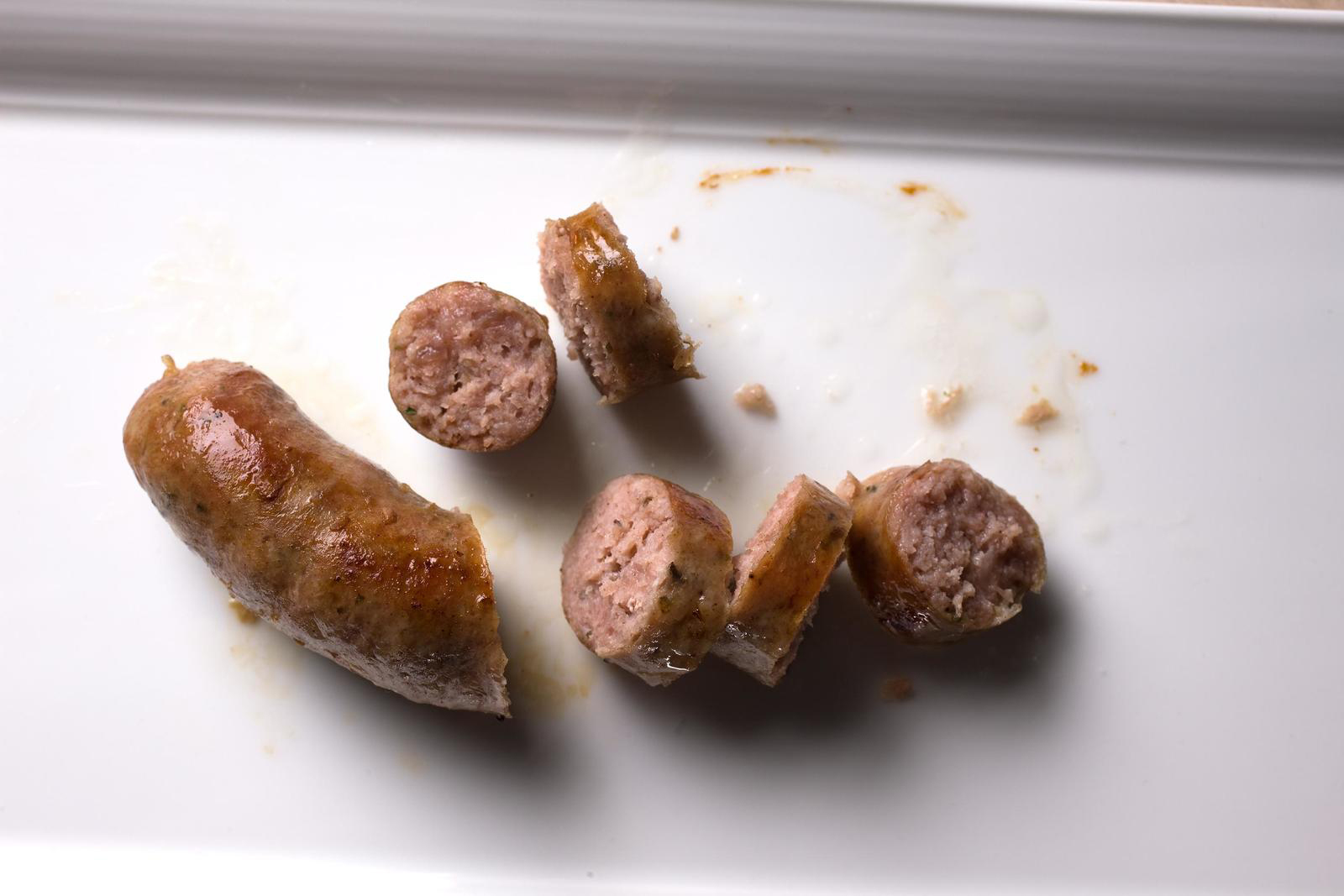
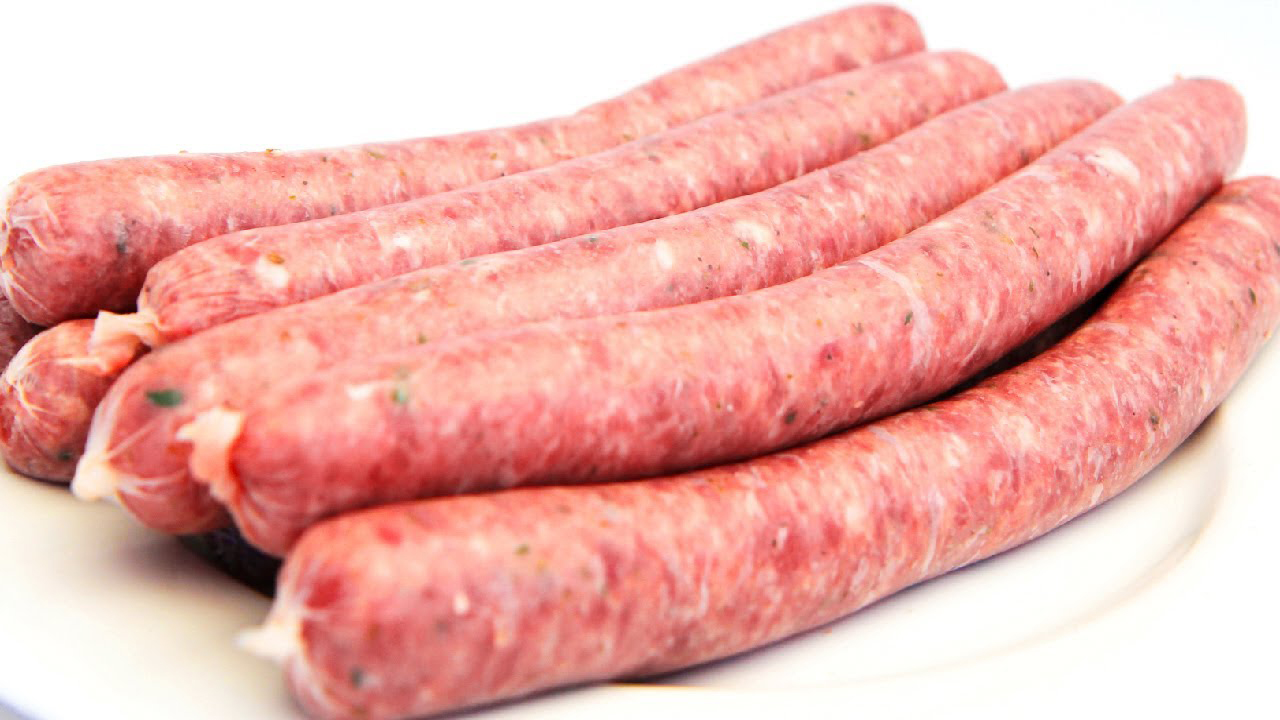
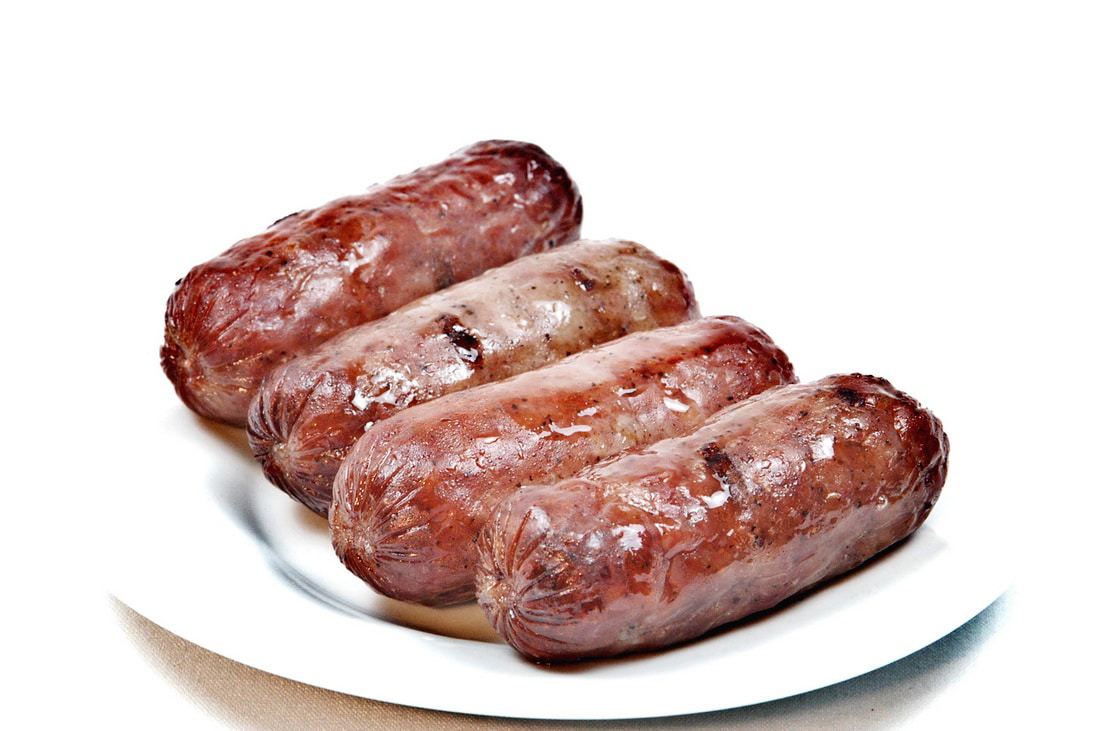
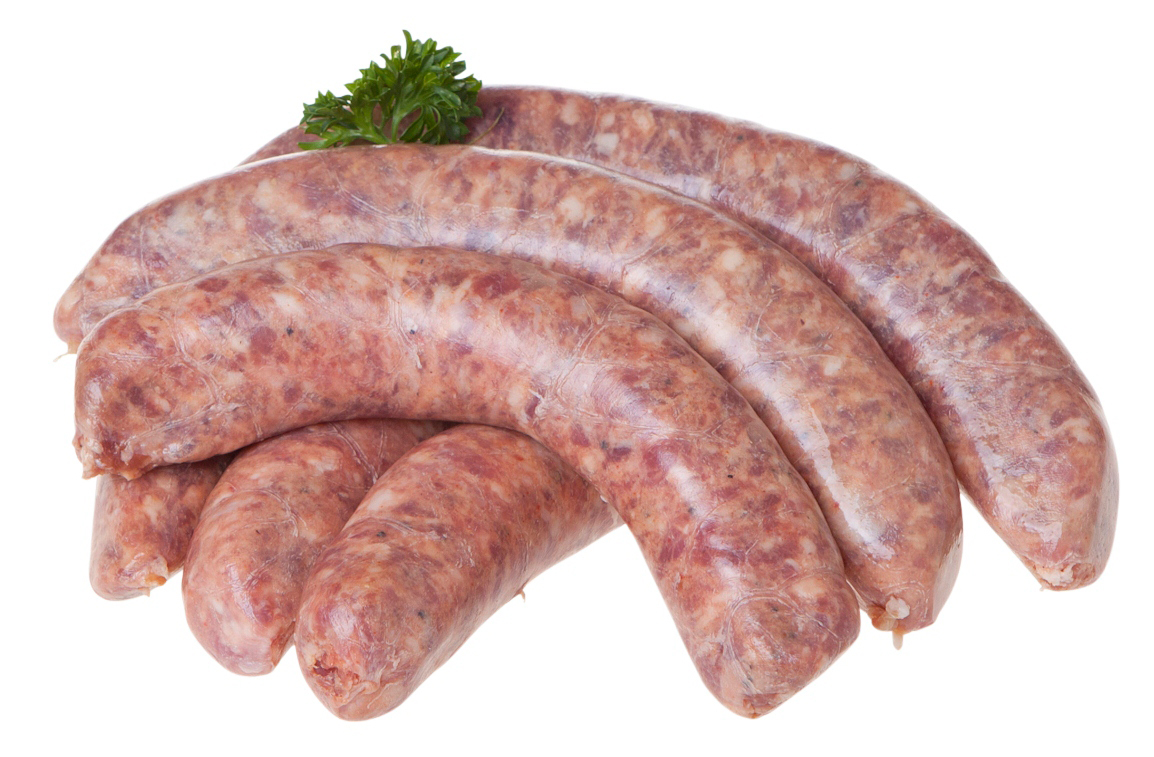
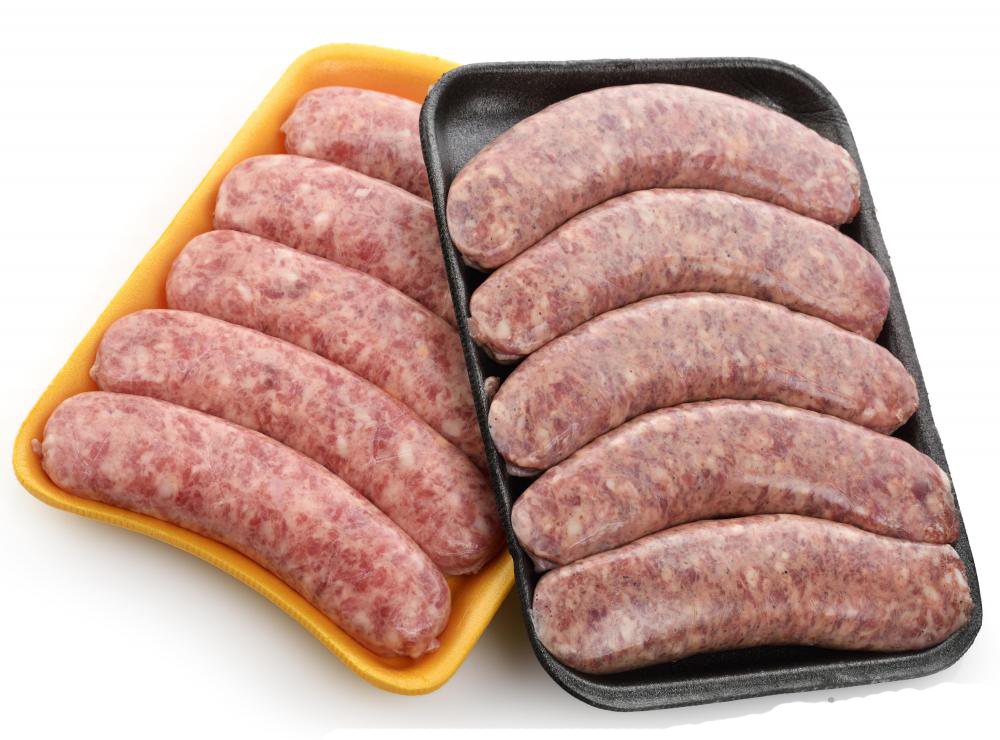
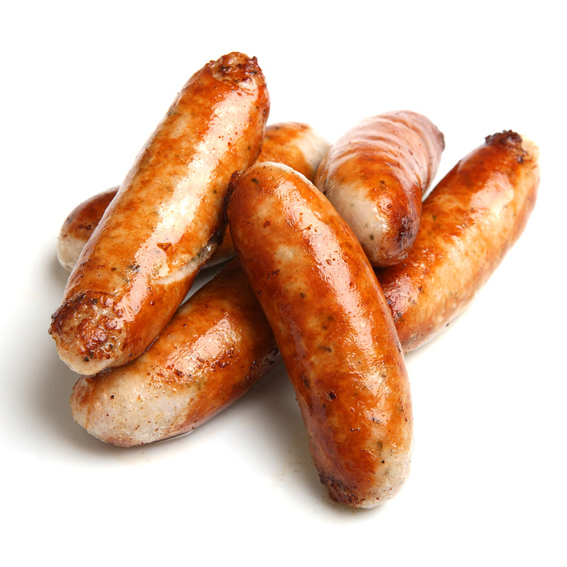
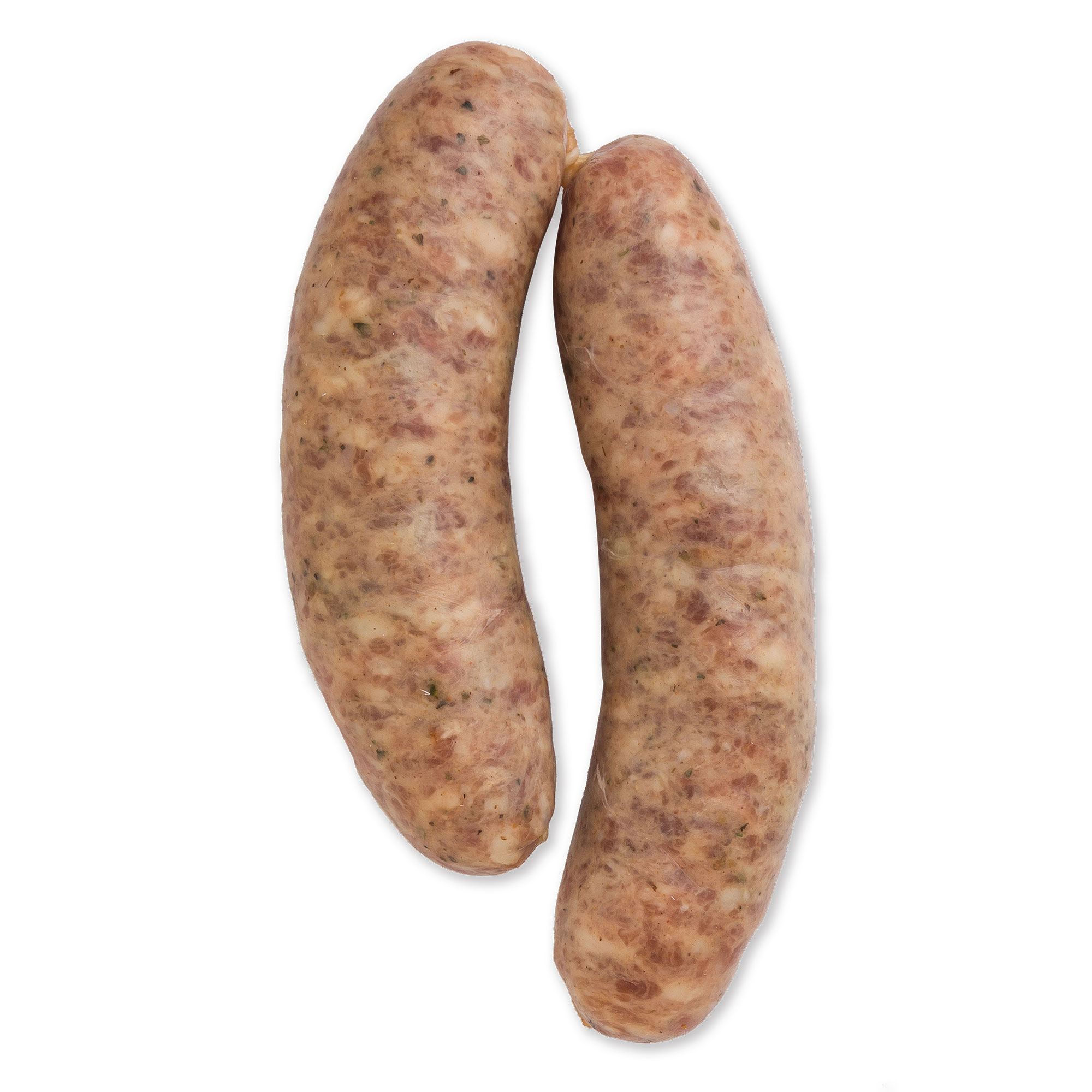
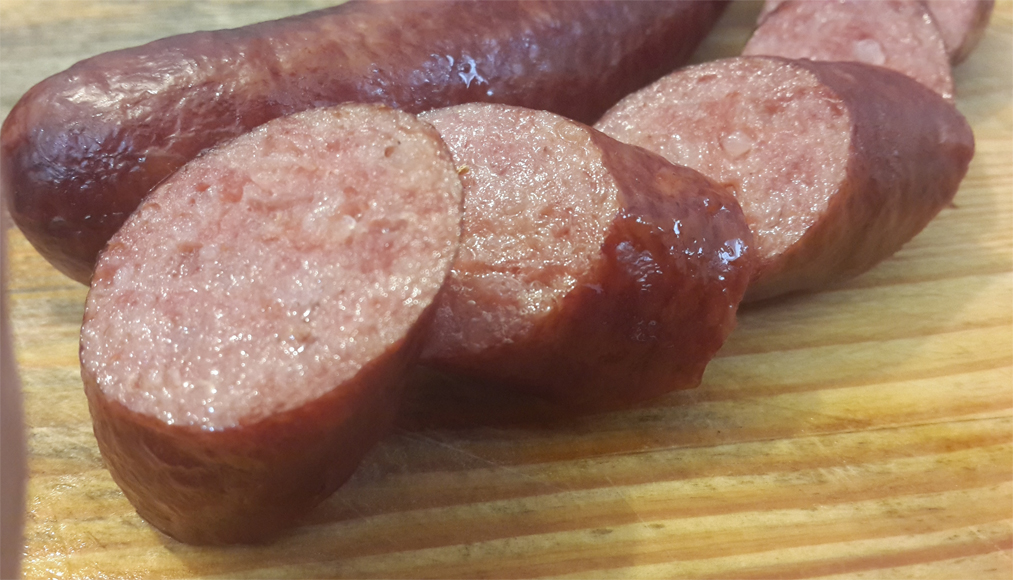
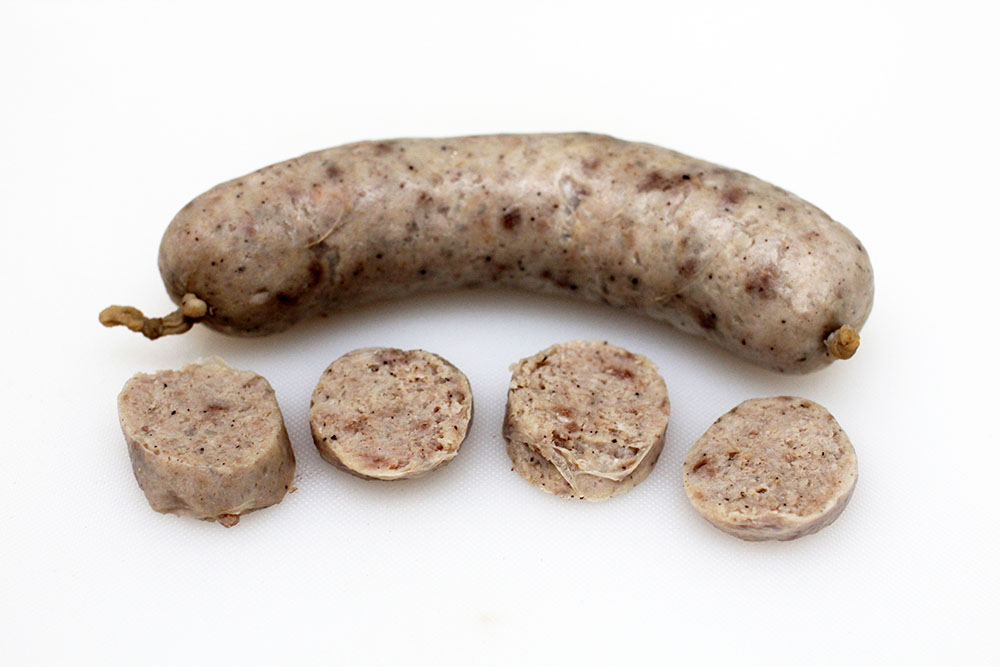
A type of German sausage which is made from beef, veal and pork is known to be Bratwurst sausage. The term has been derived from Old High German Brätwurst, from brät- which means finely chopped meat and Wurst means sasuage which is related in modern German with verb braten meaning roast or pan fry. The sausage is enclosed in natural casing and is mostly boiled and then grilled and pan-seared before serving. It is well known in Northeast though people all across United States regard it as a necessity for tailgates and barbecues.
Though it could be prepared from different types of seasonings and meats but traditional brat is seasoned with fresh marjoram which provides it a recognizable and distinct flavor. Evidence reports that bratwurst was firstly made in Germany and the name itself is derived from German word “brat” which refers finely chopped meat and “wurst” refers sausage. Firstly it was mentioned in city of Nuremberg, Germany which is known around the world as initial producer of grill sausage in the world.
History
The recipes of sausage could be found as early as 228 AD. The first evidence documents Bratwurst dating back to 1313 in Germany. It could be found in Franconian city of Nuremberg which is still renowned center internationally for producing grilled sausages.
Discussed below are some health benefits that could be obtained with an intake of Bratwurst sausage:
Breakdown of carbohydrates and protein
Bratwurst is rich in protein and low in carbs that makes it beneficial for those following diet in low carb. The serving size of 85 grams offers 2 grams of carbs and 12 grams of protein. The content of protein is obtained from pork. All types of meat have rich protein content. The daily recommended intake is 56 grams for men and 46 grams for women.
Healthy levels of cholesterol
Cholesterol is similar to saturated fat. Literally, it could increase cholesterol levels in blood and cause heart problems. It is recommended by American Heart Association to keep the intake upto 300 milligrams per day not more than that. Bratwurst offers 65 milligrams in the serving size of 85 grams which accounts for 21 percent of daily recommended intake.
Presence of sodium
As an electrolyte mineral, sodium stabilizes blood volume and supports the muscle contractions. The high intake of sodium results in water retention that could increase blood pressure. A serving size of 85 grams offers 720 milligrams i.e. 30% of daily recommended intake. People having high blood pressure should limit their intake under 1500 milligrams.
Vitamin B
Vitamin B is essential as the carbs; protein and fat rely on it to be broken down and converted into energy. Meats such as beef and pork have high content of these vitamins. Bratwurst is a great source which offers 35 percent of daily recommended value of thiamin, 17 percent of B6, 20 percent of niacin, 11 percent of B12 and 13 percent of riboflavin in 85 grams of serving.
High selenium content
The minerals such as selenium could be found in large amounts in meats. It is able to enhance immune system, supports thyroid function, asthma and rheumatoid arthritis. One serving of Bratwurst of 85 grams grants 33 percent of daily recommended value of this mineral.
How to Make Bratwurst Sausage?
Makes 2 pounds
Active time: 1 hour, including 30 minutes to chill meat
Start to finish: 1 ½ hours
VARIATIONS
Grill or broil sausages as directed instead of poaching them.
Poach brats in beer rather than water. Bring 2 (12-ounce) canfuls to a boil, and simmer 1/2 small onion in beer for 10 minutes. Then add sausages and cook as above.
Cut pork, veal, and pork fat into 1-inch cubes. Place cubes in a mixing bowl, and toss with caraway seeds, salt, pepper, ginger, and thyme. Transfer cubes to a sheet of plastic wrap on a plate and freeze for 30 minutes, or until very firm.
Grind meats and fat through the fine disk of a meat grinder, or in small batches in a food processor fitted with the steel blade using the on-and-off pulse button. If using a food processor, do not process into a paste, but ingredients should be very finely chopped.
Combine ground meat and milk powder in a mixing bowl, and knead mixture until well blended. Fry 1 tablespoon of mixture in a small skillet over medium-high heat. Taste and adjust seasoning, if necessary.
Stuff mixture into casings as described and twists off into 5-inch links; prick air bubbles with a straight pin or skewer. If time permits, arrange links on a wire rack over a baking sheet and air-dry uncovered in the refrigerator for 1 day before cooking.
To poach sausages, bring a large pot of salted water to a boil over high heat. Add sausages and water should be bare simmer. Cook sausages for 20 to 25 minutes, or until firm. Remove one sausage with tongs to a plate and insert an instant-read thermometer. If the temperature is 160°F, sausages are done. If not, return to the pot and continue cooking. Remove sausages from the pan with tongs, and serve immediately or cool to room temperature, lightly covered with plastic wrap, and refrigerate.
Note: Sausages can be refrigerated up to 2 days or frozen up to 2 months. Once cooked, they can be refrigerated up to 3 days.
How to Cook Bratwurst Sausage?
Cassoulet
Makes 6 to 8 servings
Active time: 30 minutes
Start to finish: 4 ½ hours, including 1 hour to soak beans
Rinse beans in a colander and place them in a mixing bowl covered with cold water. Allow beans to soak overnight. Or place beans in a saucepan and bring to a boil over high heat. Boil 1 minute. Turn off the heat, cover the pan, and soak beans for 1 hour. Using either soaking method, drain beans, discard soaking water, and begin cooking as soon as possible.
Heat oil in a Dutch oven over medium-high heat. Add onions and garlic, and cook, stirring frequently, for 3 minutes, or until onions are translucent.
Add drained beans, stock, wine, tomatoes, tomato paste, herbes de Provence, and bay leaf to the pan. Bring to a boil over medium-high heat, reduce the heat to low, and simmer beans, covered, for 45 minutes.
While beans cook, preheat the oven broiler, and line a broiler pan with heavy-duty aluminum foil. Broil lamb, kielbasa, and boudin blanc for 3 minutes per side, or until browned. Stir meats into the pan, along with any juices in the pan. Cook for an additional 11/2 to 2 hours, or until lamb and beans are tender. Remove and discard bay leaf, and season to taste with salt and pepper. Serve immediately.
Note: The dish can be prepared up to 2 days in advance and refrigerated, tightly covered. Reheat it, covered, in a 350°F oven for 25 to 40 minutes, or until hot.
Feijoada
Makes 6 to 8 servings
Active time: 25 minutes
Start to finish: 3 hours, including 1 hour to soak beans
VARIATIONS:
Substitute kidney beans for black beans, substitute Andouille Sausage and Chaurice for sausages listed, and omit orange in cooking process for a Cajun version of this dish.
Ingredients:
1 pound dried black beans
1/2 pound Fresh Kielbasa links, or purchased sausage, cut into 1-inch pieces
1/2 pound Fresh Mexican Chorizo links or purchased chorizo, cut into 1-inch pieces
1/2 pound Bratwurst or purchased bratwurst, cut into 1-inch pieces
1/2 pound ham steak, trimmed of fat and cut into 1-inch pieces
3 large onions, diced
5 garlic cloves, minced
1 red bell pepper, seeds and ribs removed, and chopped
1 cup shredded green cabbage, blanched for 5 minutes
Directions:
Rinse beans in a colander and place them in a mixing bowl covered with cold water. Allow beans to soak overnight. Alternatively, place beans in a saucepan and bring to a boil over high heat; boil 1 minute; turn off the heat, cover the pan, and soak beans for 1 hour. Using either soaking method, drain beans, discard soaking water, and begin cooking as soon as possible.
Place kielbasa, chorizo, boudin blanc, and ham in a Dutch oven over medium-high heat. Cook, stirring frequently, until sausages are browned. Remove meat from the pan with a slotted spoon, and set aside. Add onions, garlic, and red bell pepper to the pan. Cook, stirring frequently, for 3 minutes, or until onion is translucent.
Return meats to the pan, and add beans, water, orange, and bay leaves. Bring to a boil over medium-high heat, cover the pan, reduce the heat to low, and simmer for 11/2 hours, or until beans are tender. Remove and discard orange quarters and bay leaves.
Transfer 1 cup of beans and 1/2 cup of cooking liquid to food processor fitted with the steel blade or to a blender. Puree until smooth, and stir mixture back into the pot. Season to taste with salt and pepper. Serve immediately on rice, passing bowls of garnish foods separately.
Note: The dish can be prepared up to 2 days in advance and refrigerated, tightly covered. Reheat it, covered, in a 350°F oven for 20 to 25 minutes, or over low heat, stirring occasionally, until hot.